Chinese rug weaving is a tradition steeped in centuries of cultural significance, often reflecting the philosophies and artistic values of the region. Historically, rugs from China were not merely floor coverings but were often commissioned for temples, imperial palaces, or elite households. These pieces were crafted to serve as visual expressions of harmony, balance, and prosperity, utilising a distinct design language that differs significantly from Middle Eastern styles.
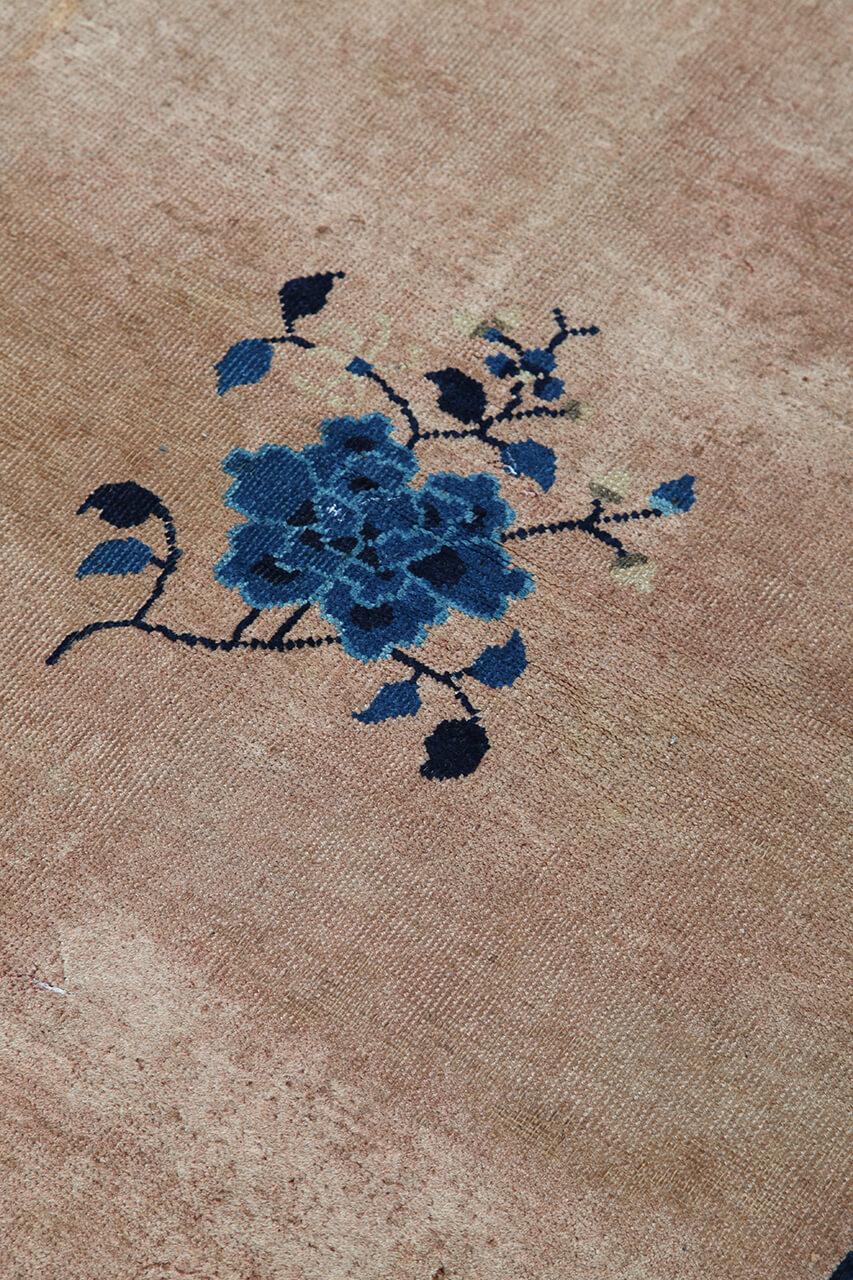
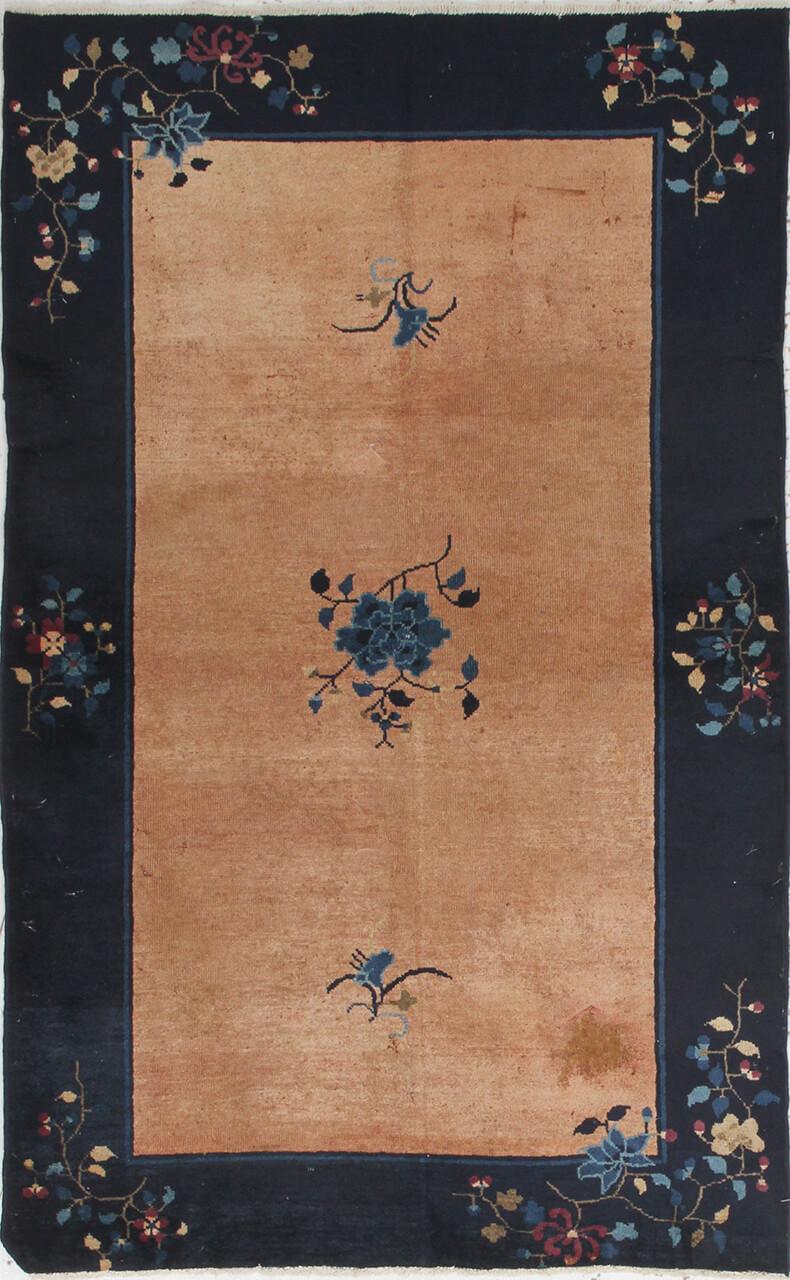
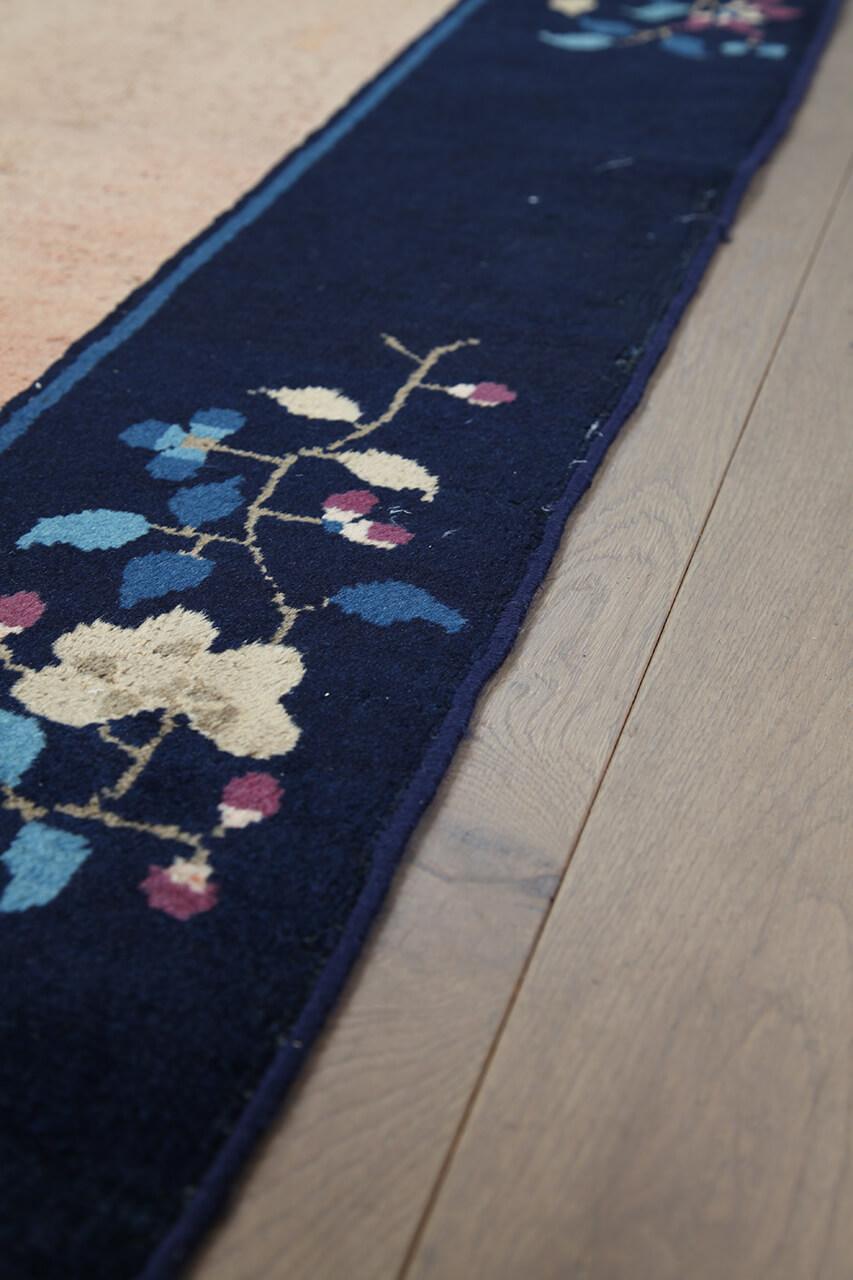
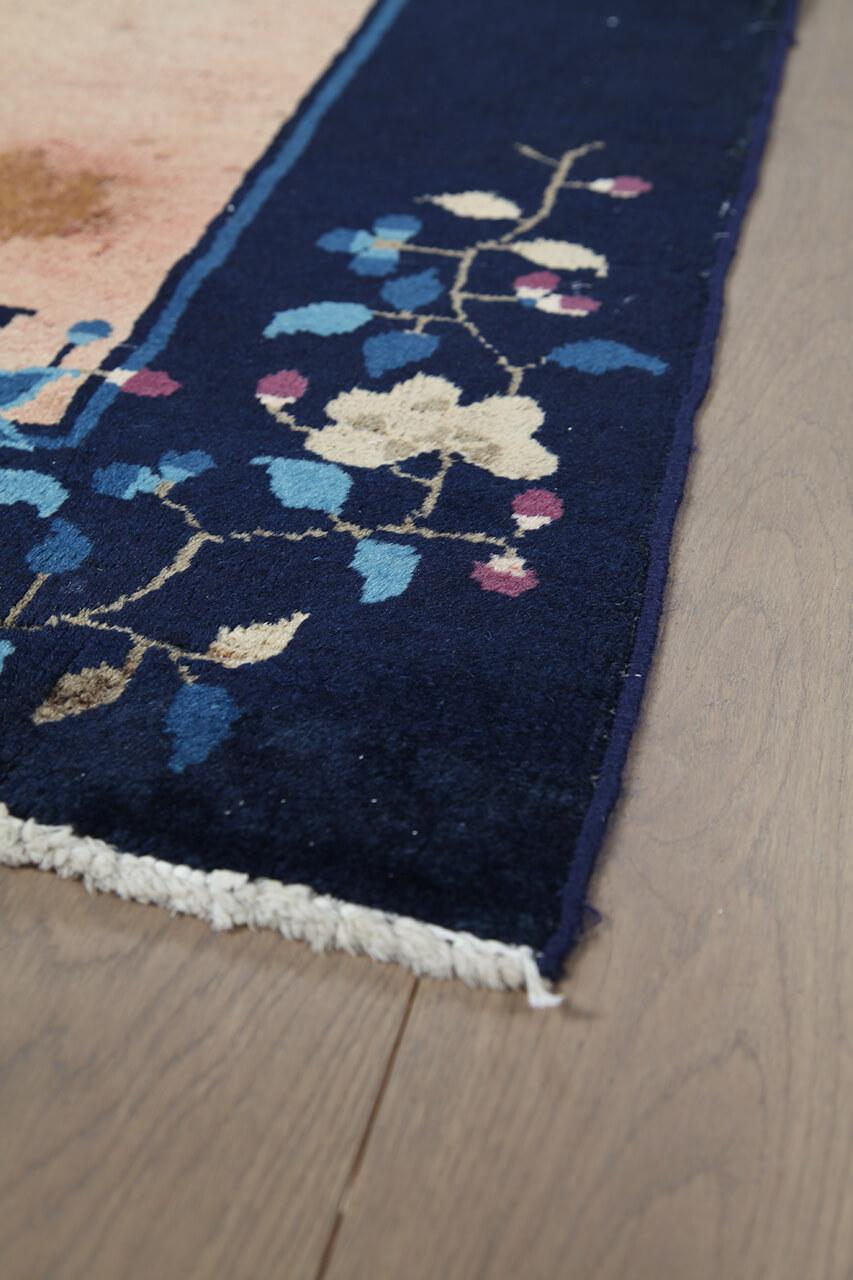
The artistry of these rugs lies in their unique approach to composition. Unlike the dense, all-over patterns found in many other weaving traditions, Chinese rugs often favour a more open, spacious field. This negative space allows individual motifs—such as lotus flowers, peonies, or traditional symbols—to stand out clearly. The use of a deep, dark border to frame a lighter central field is a classic hallmark of this tradition, designed to draw the eye inward toward the central imagery.
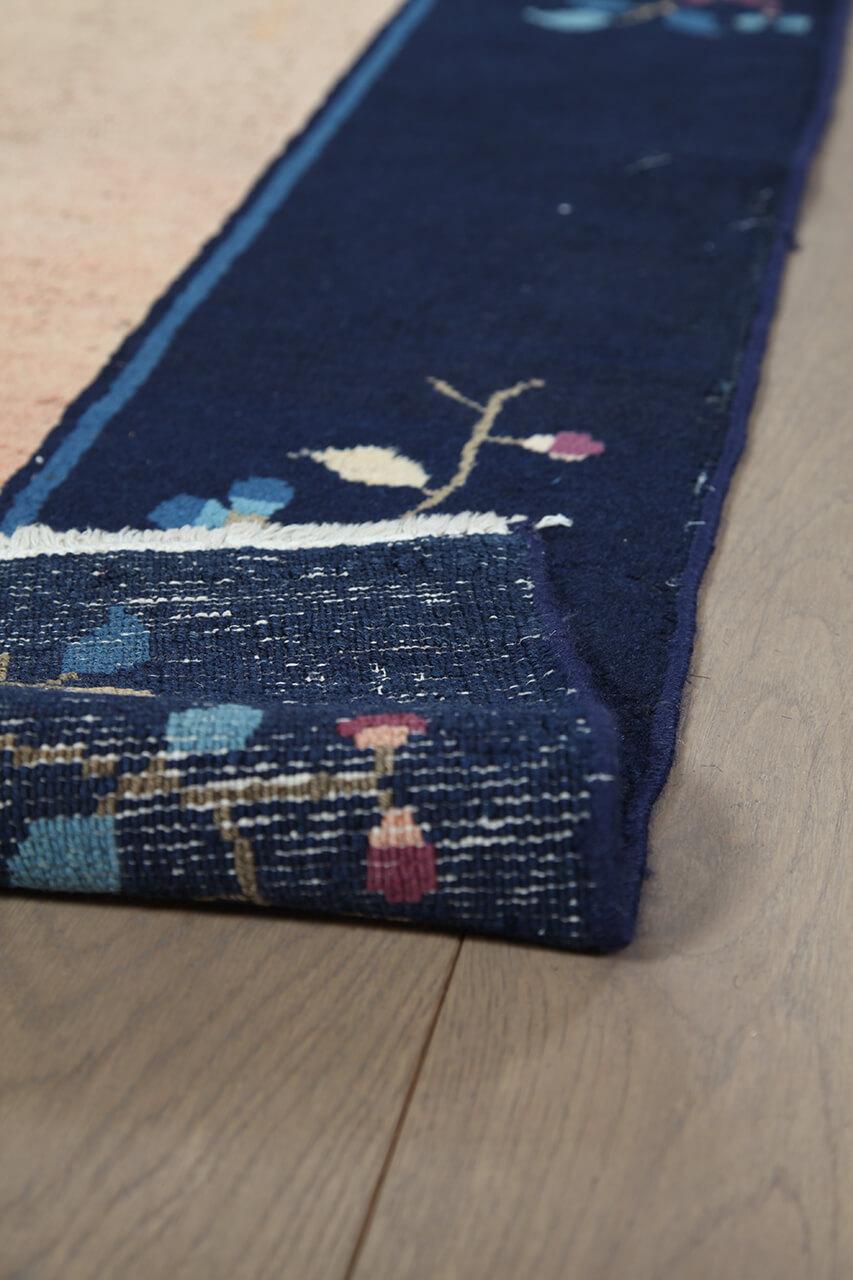
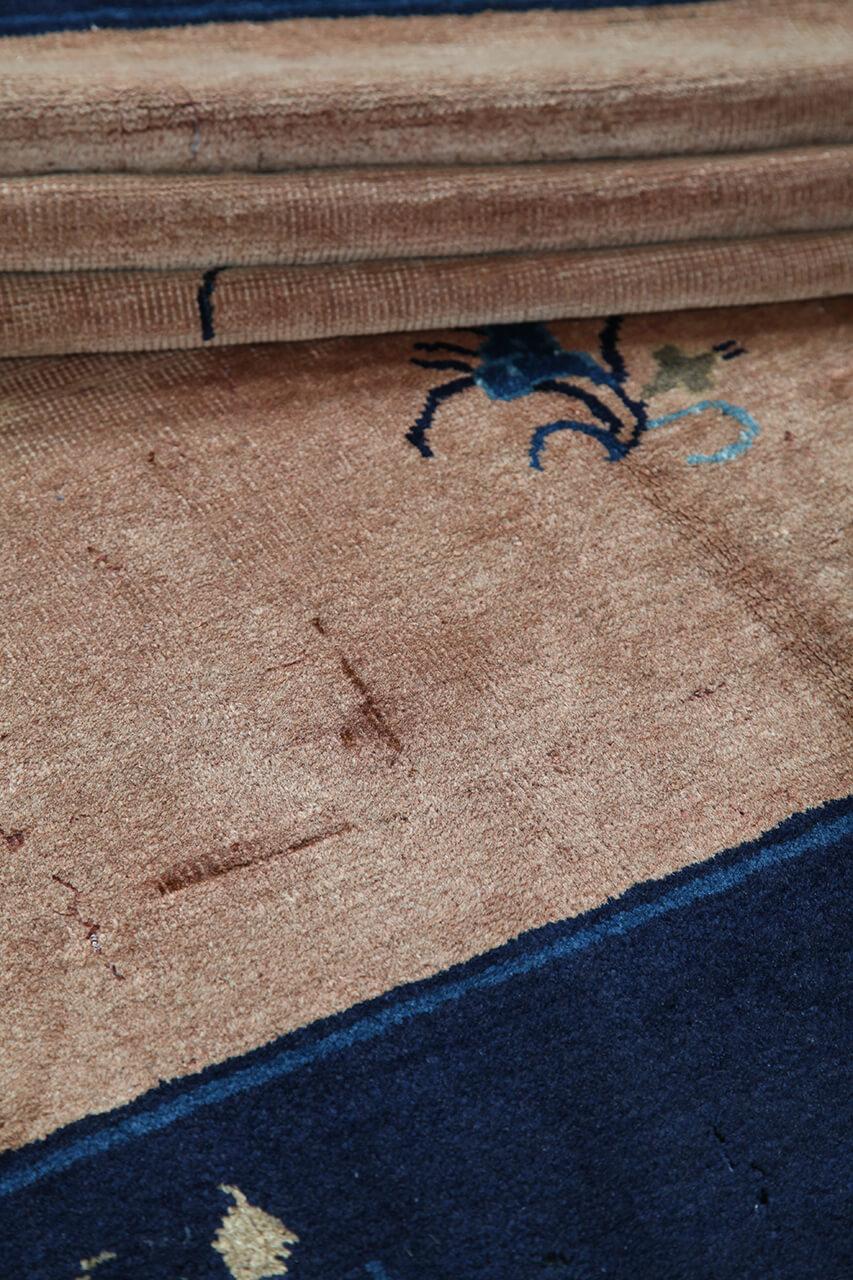
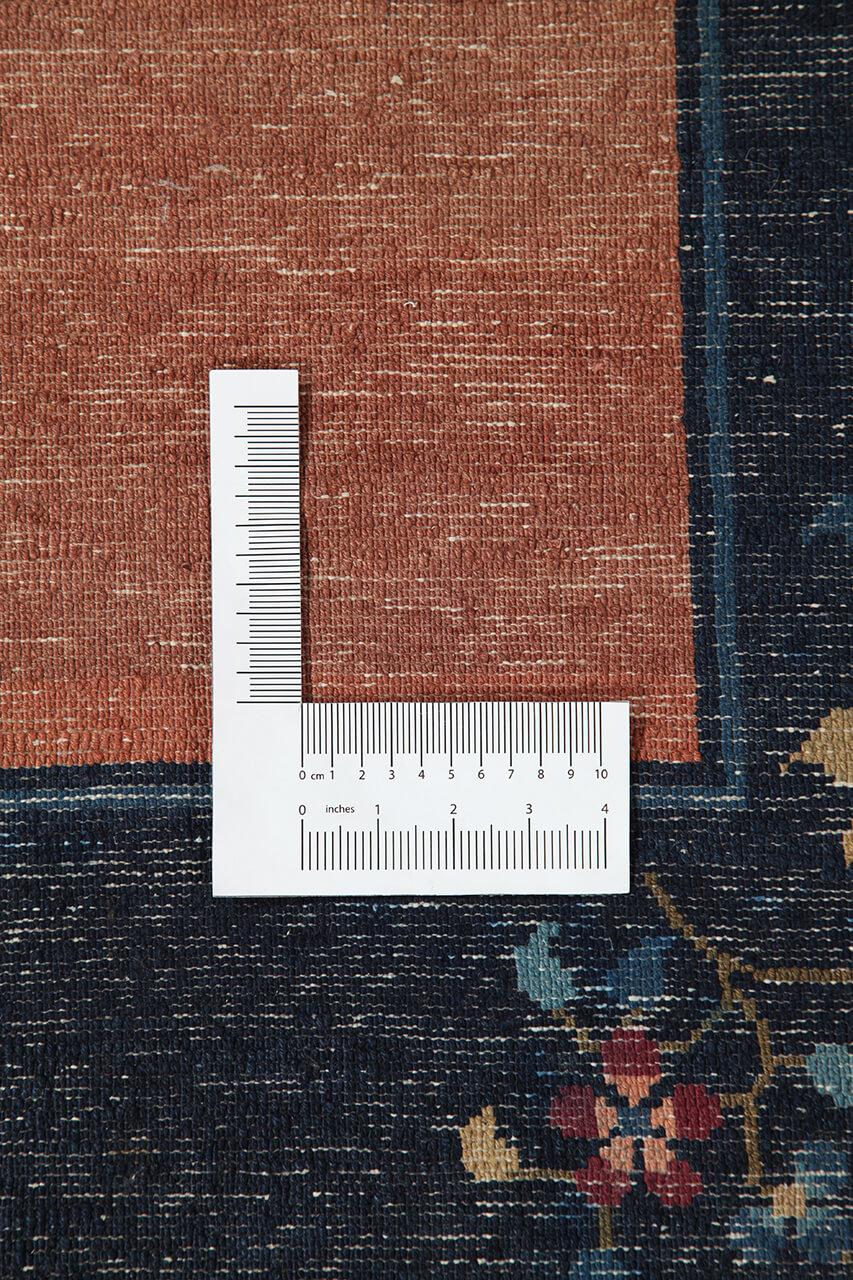
The materials used in these rugs are chosen for their durability and texture. Wool is the preferred material for the pile, prized for its ability to hold natural dyes and its resilience over time. When looking at an antique piece, one can see how the wool has matured, developing a soft, lustrous sheen that only comes with age. This aging process is highly valued by collectors, as it provides a tangible connection to the past and the generations who have cared for the rug before.
Today, antique Chinese rugs are highly sought after by collectors who appreciate the skill and cultural weight they embody. Owning such a piece is an investment in heritage. It represents a commitment to preserving traditional craft and an appreciation for the slow, intentional work that defined the lives of the artisans who created it. Each rug is a unique record of its time, providing an authentic, historical atmosphere that brings depth to the modern home.