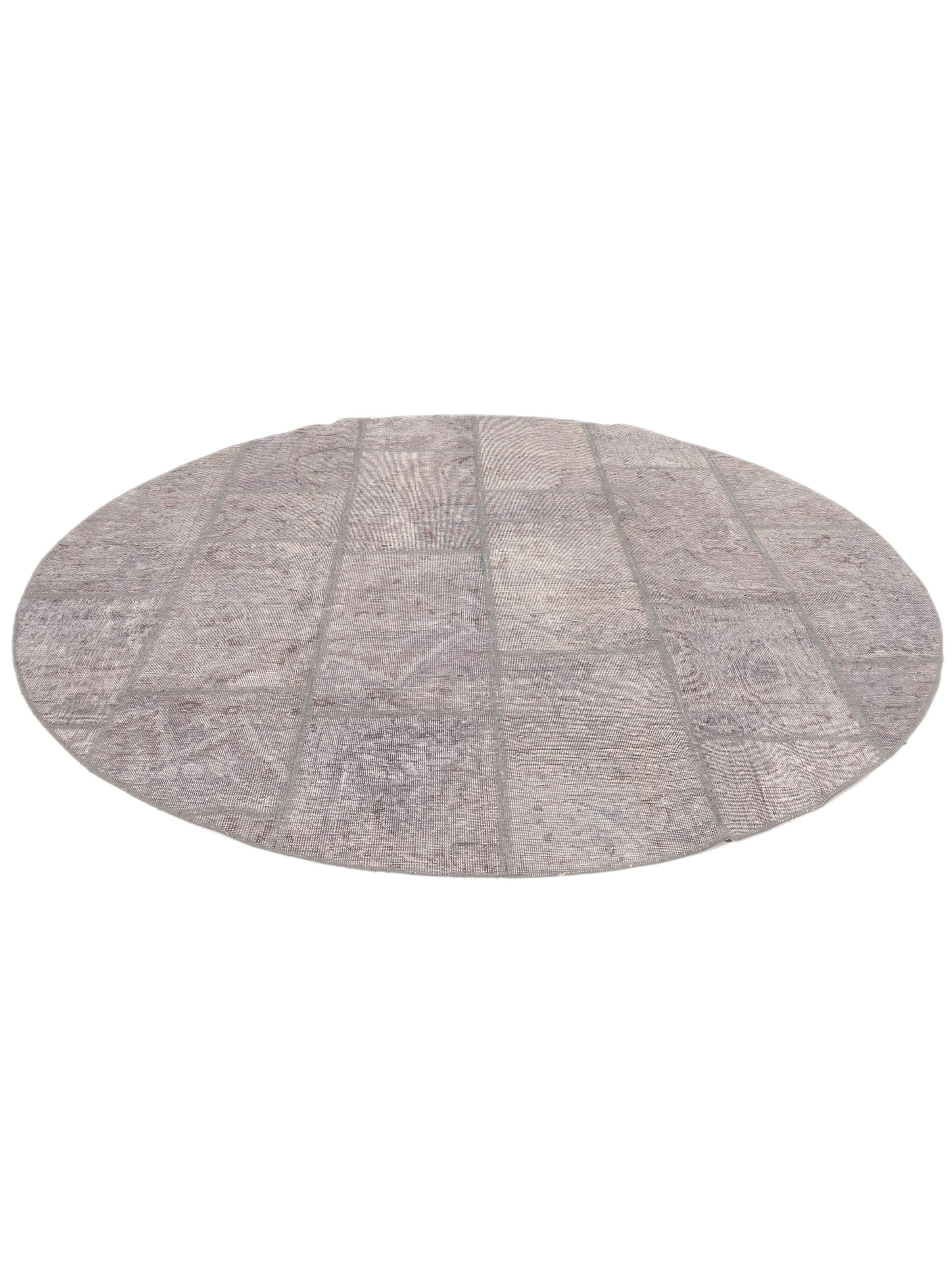
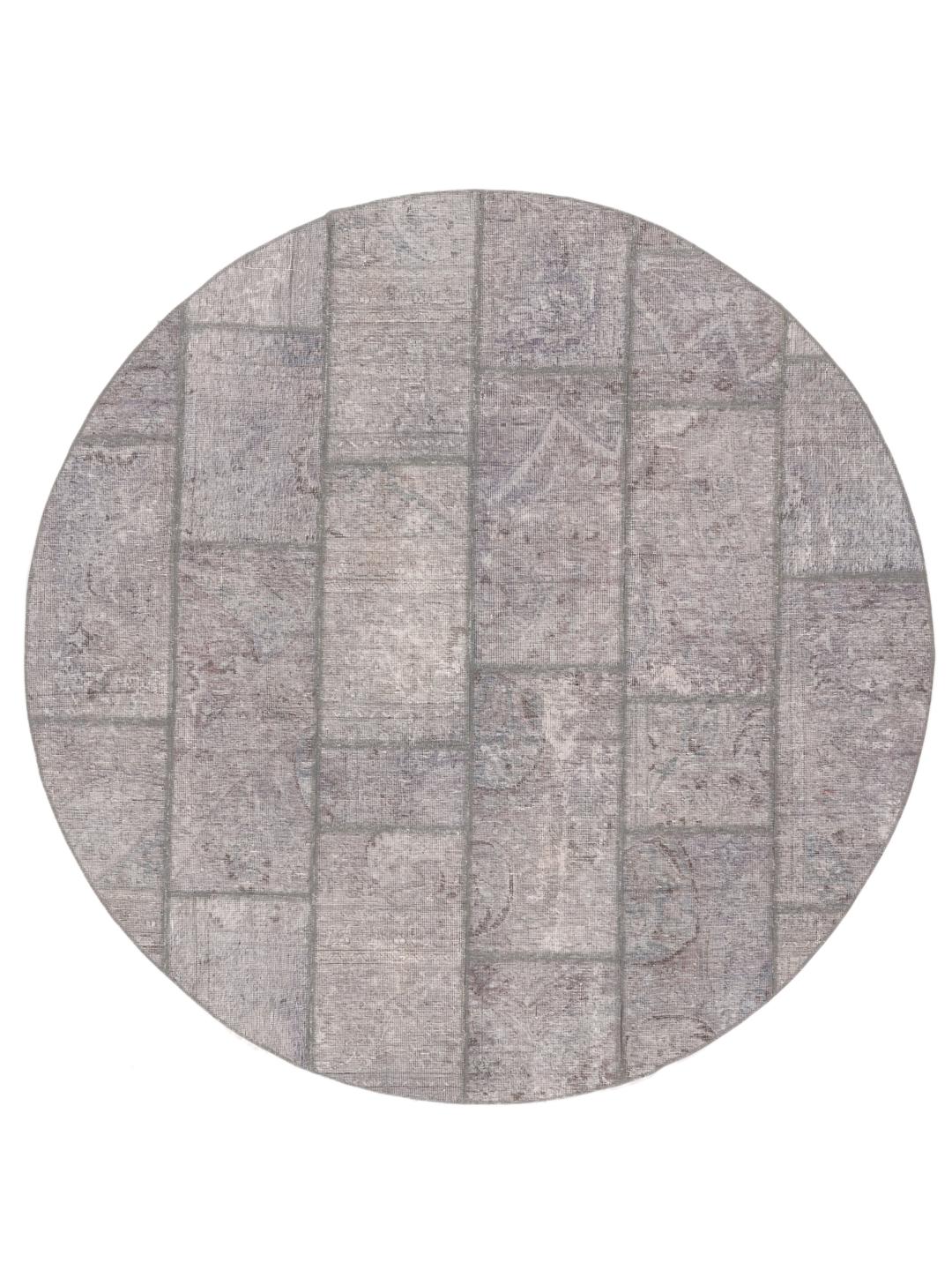
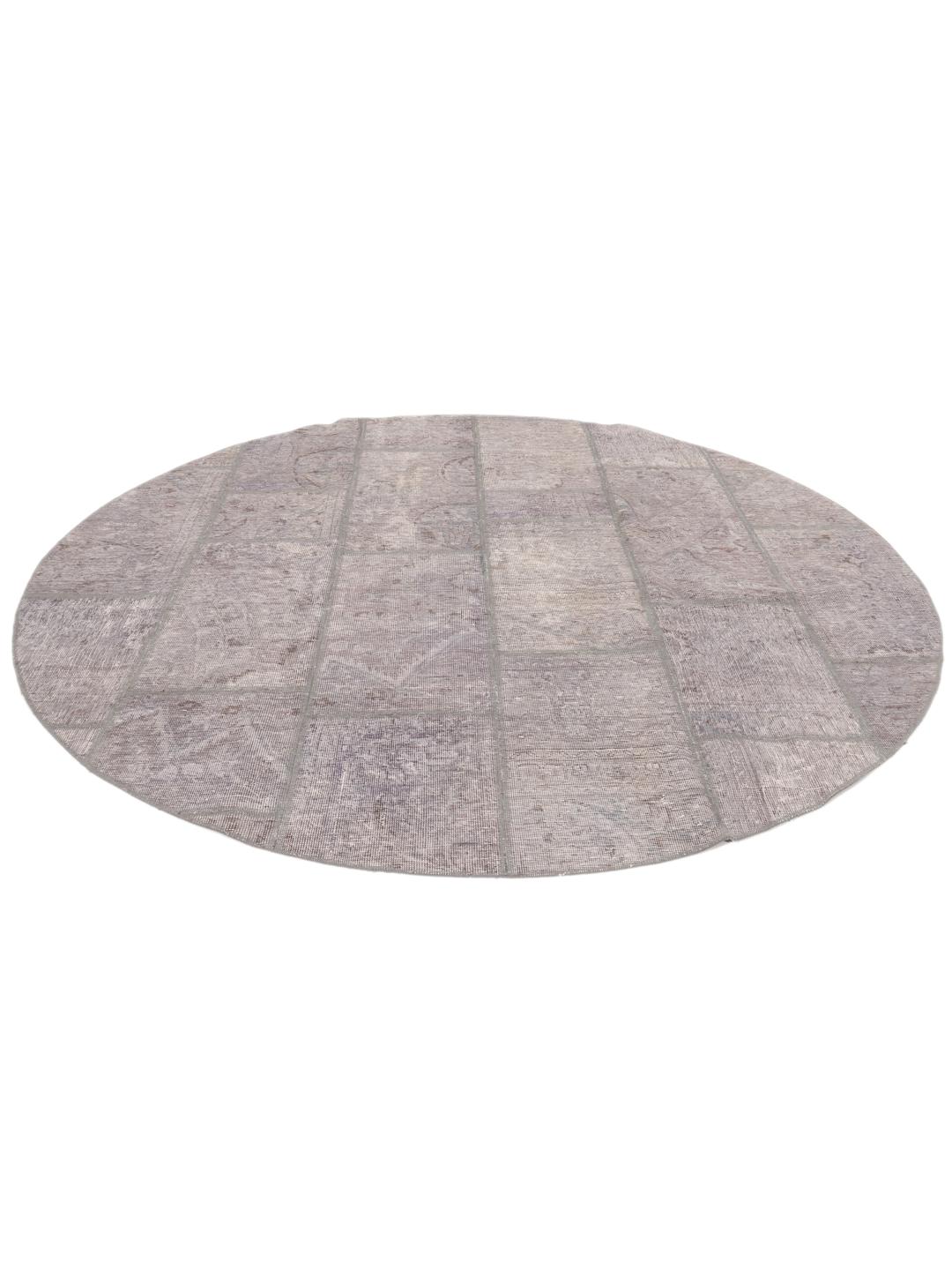
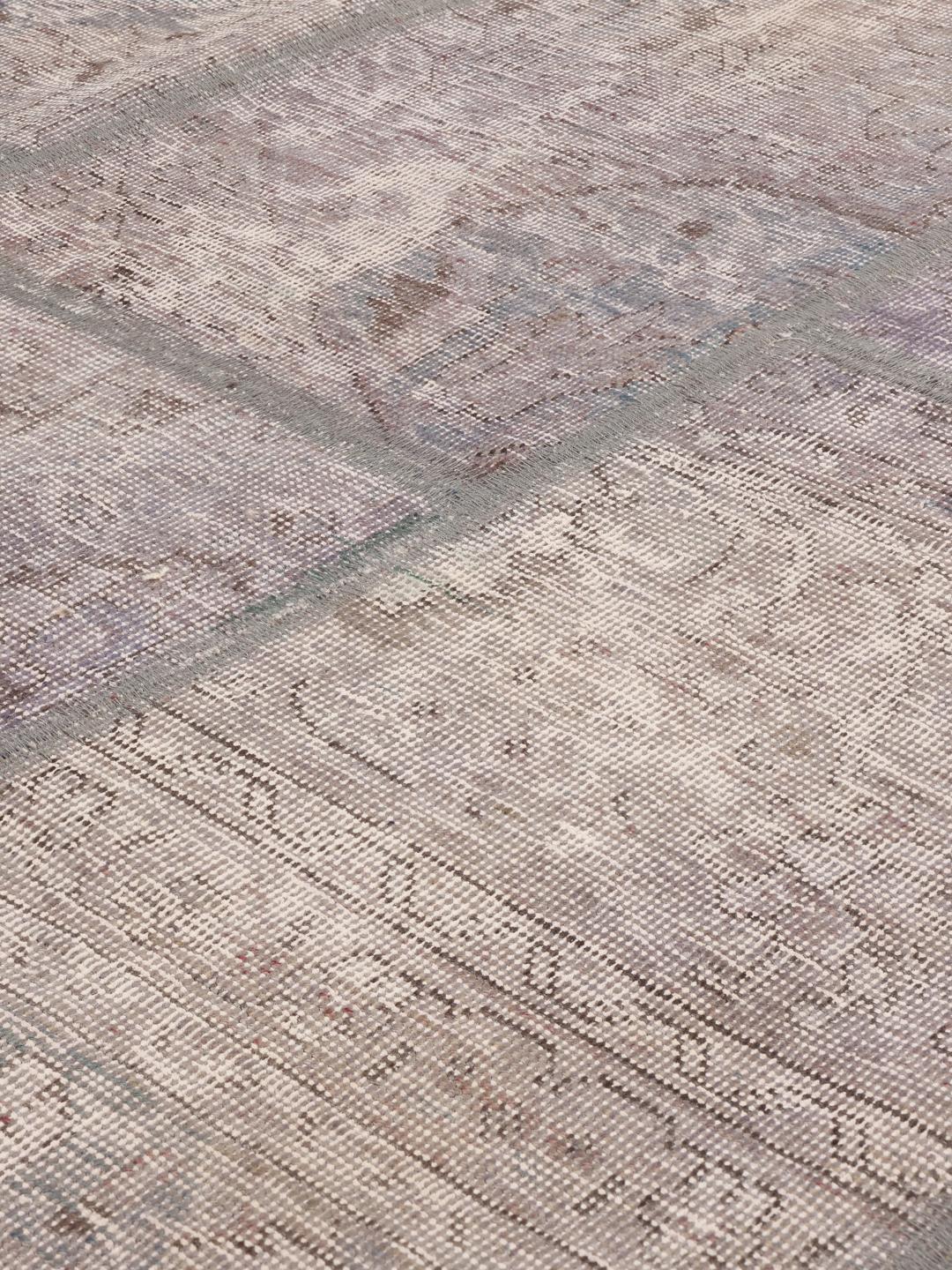
Patchwork rugs represent a fascinating evolution in the history of Middle Eastern textile arts. Traditionally, high-quality wool rugs were cherished for generations, but as they aged, they would eventually show signs of wear. The patchwork tradition emerged as a creative way to honour these textiles by selecting the most resilient and beautiful sections of older rugs, cleaning them, and reassembling them into new, dynamic compositions.
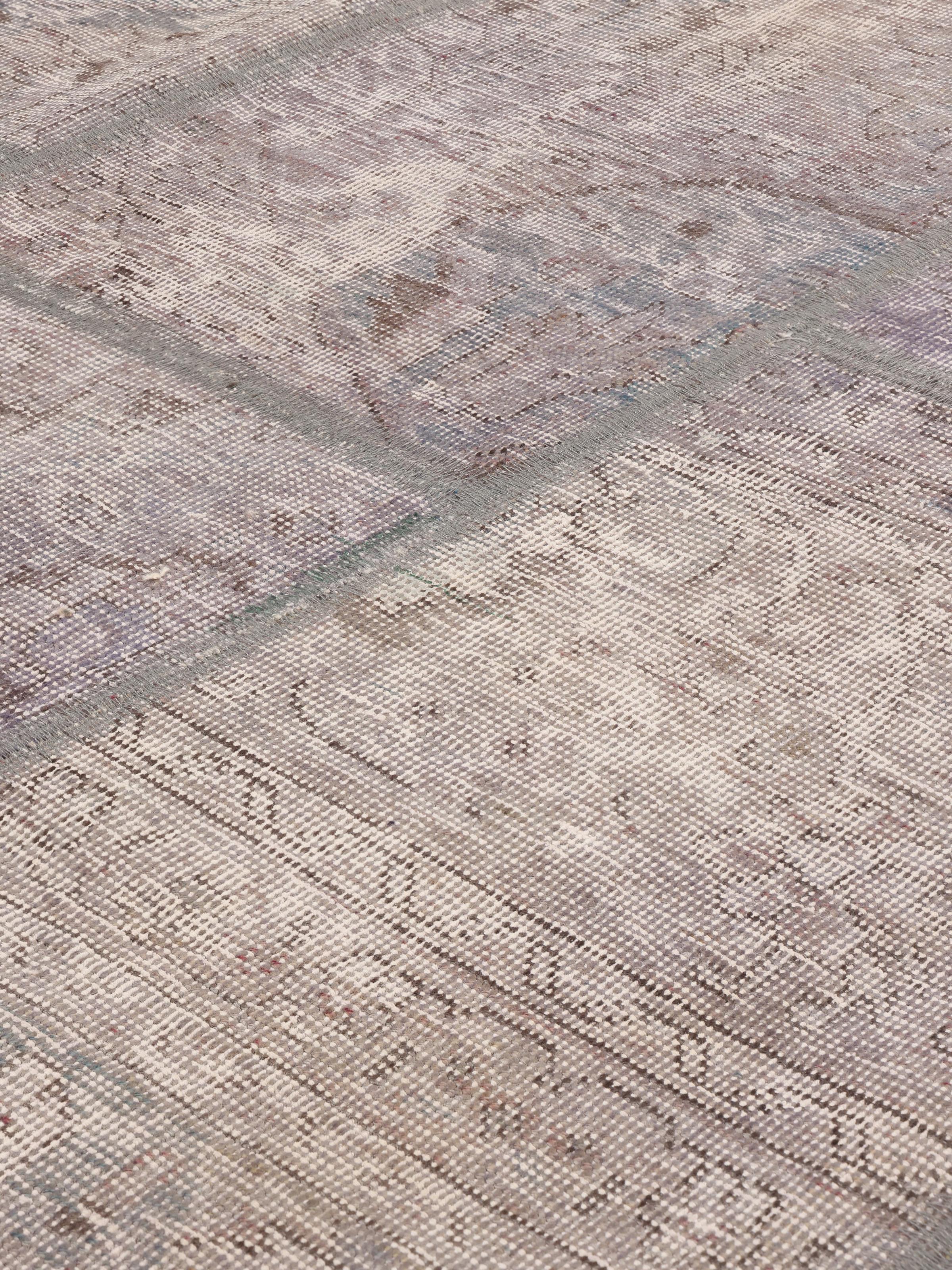
The terminology of patchwork refers to this assembly process, where individual segments are joined to form a new whole. This technique is highly valued because it allows for the preservation of antique patterns and colour palettes that might otherwise be lost. Each segment in this rug serves as a small window into a past era of weaving, showcasing the intricate detail and deep, rich dyes that define the region's long-standing textile heritage.
Design-wise, this rug features an array of classic motifs that have been carefully arranged to create a balanced, modern aesthetic. While traditional rugs often follow strict, symmetrical patterns, the patchwork style embraces a more artistic and eclectic approach. The faded, gentle appearance of the motifs is intentional, reflecting the natural aging process of the original wool and providing a sense of depth that is difficult to achieve with new materials.
Owning a piece of this nature is a way to connect with the history of craftsmanship in the Middle East. It is a celebration of sustainability and skill, where the value lies not just in the final product, but in the effort taken to rescue and repurpose these beautiful textiles. For the collector, it offers the unique opportunity to possess a functional piece of art that carries the soul and history of its origins.