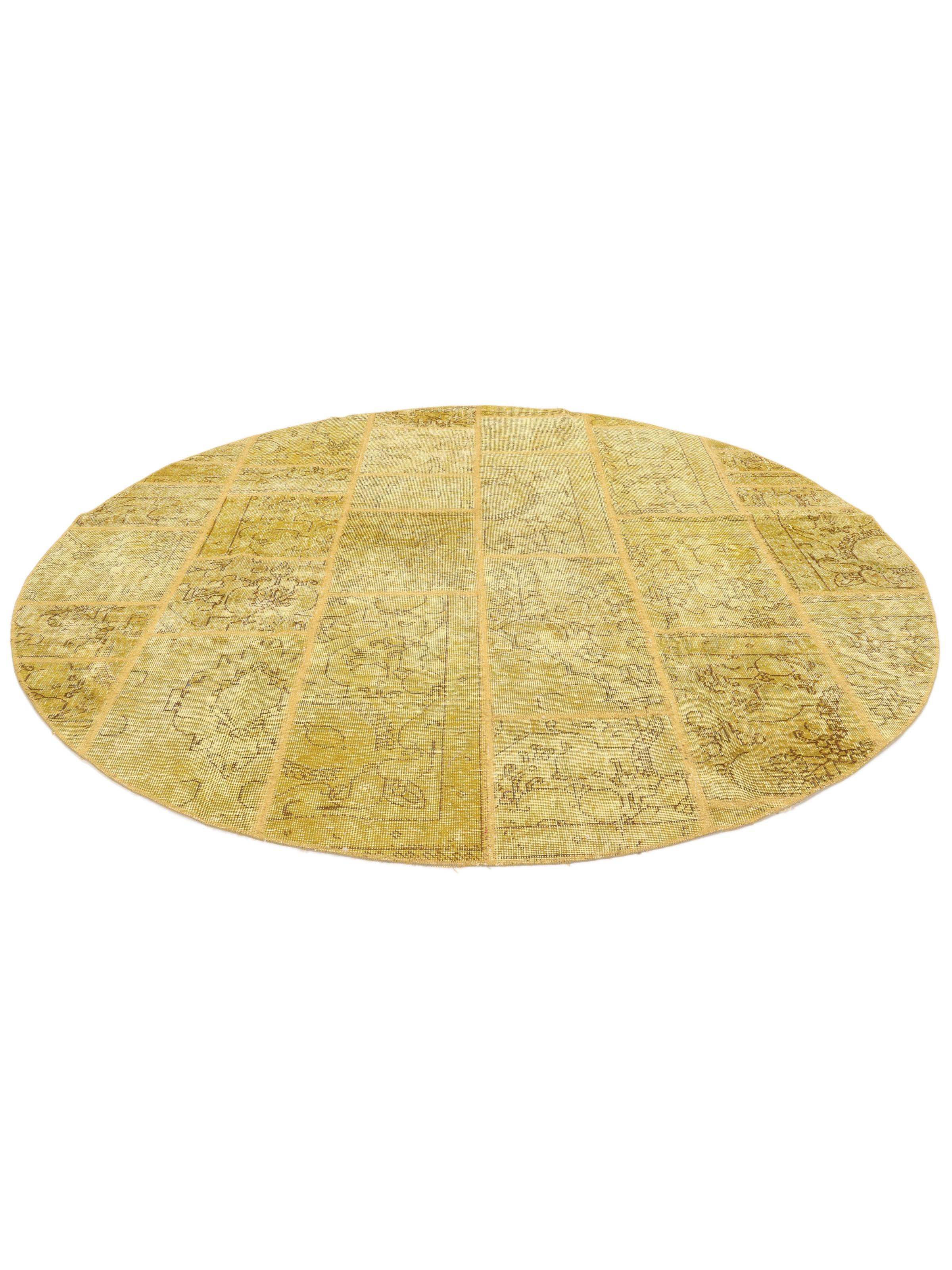
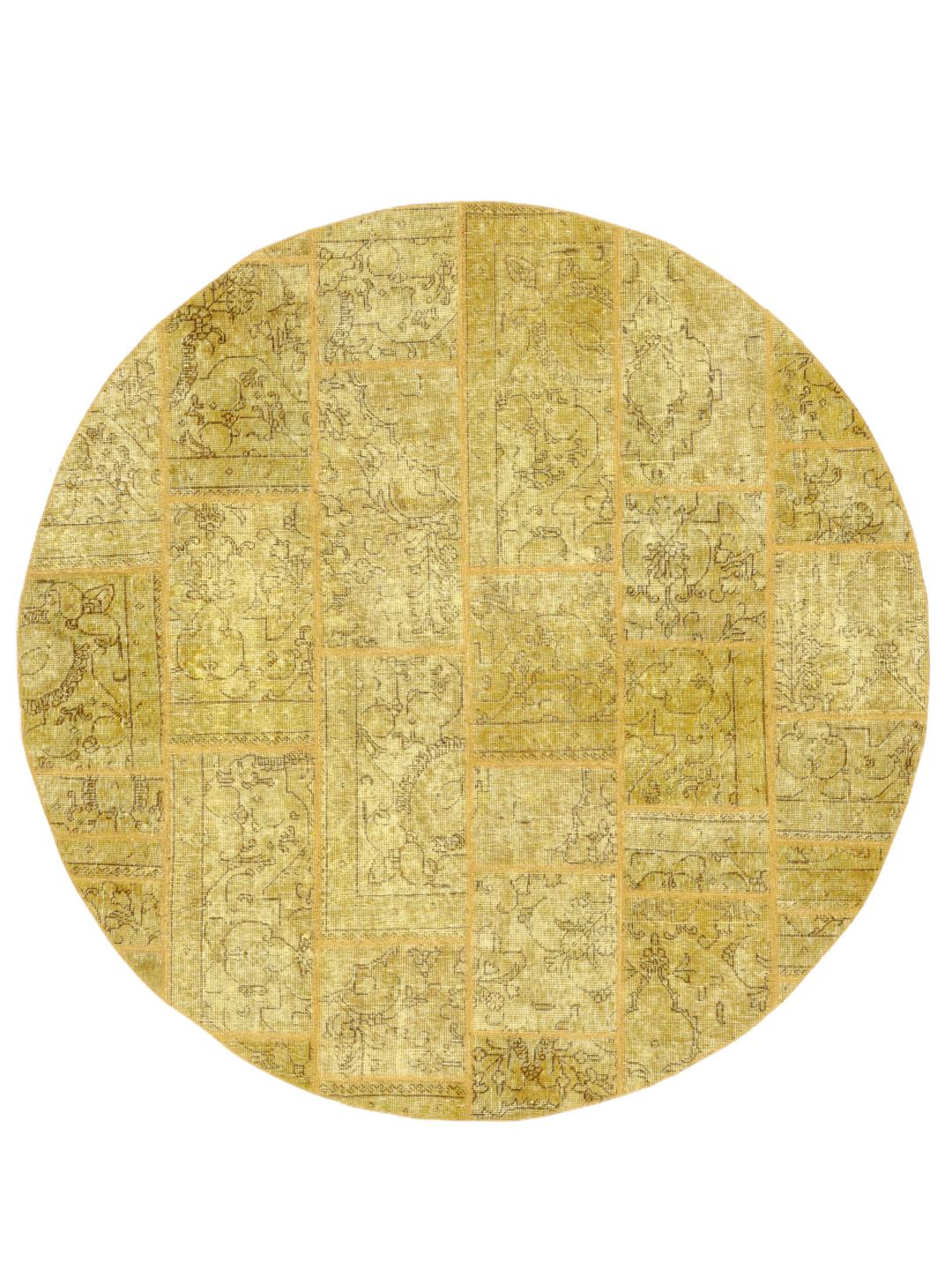
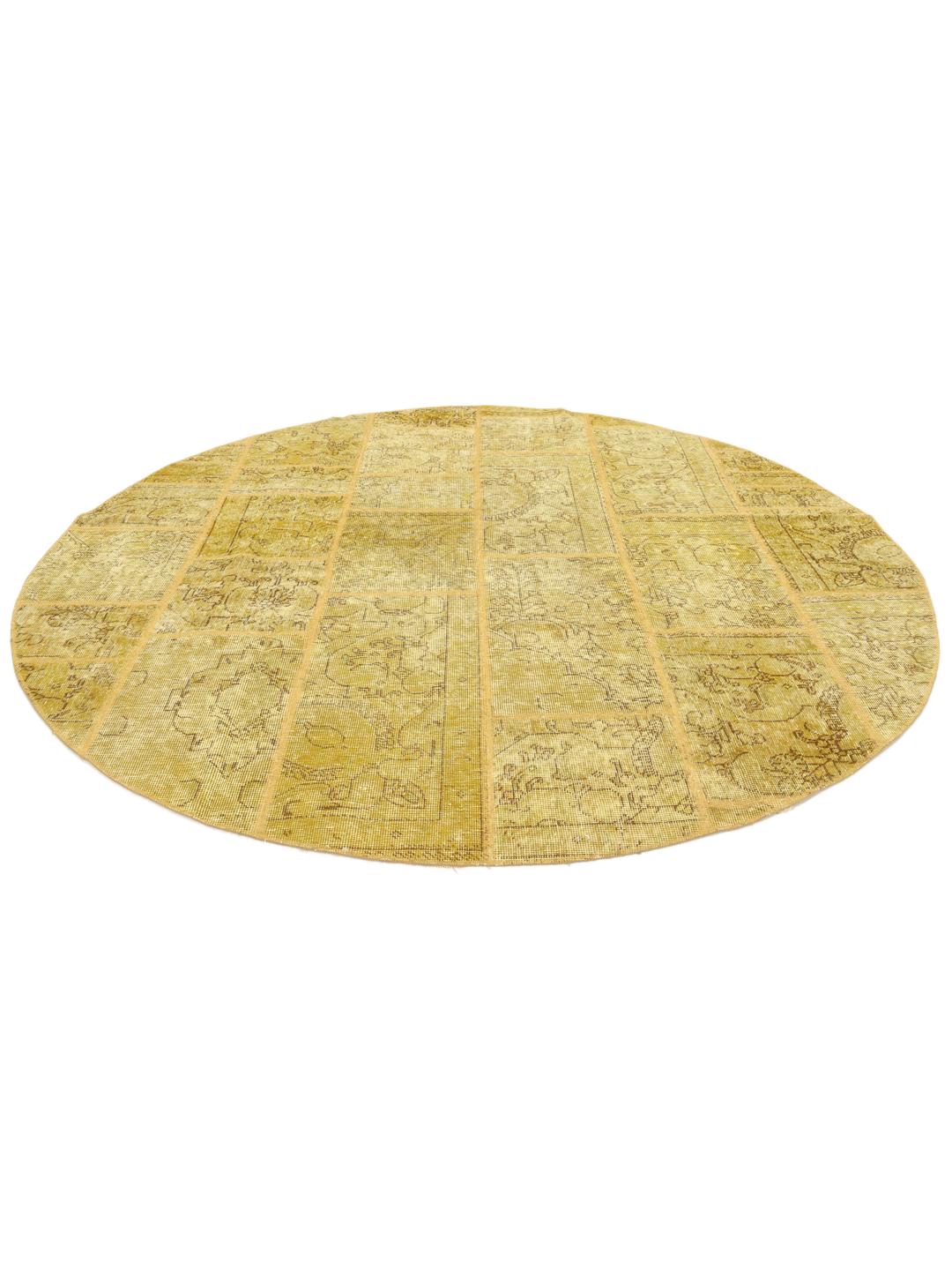
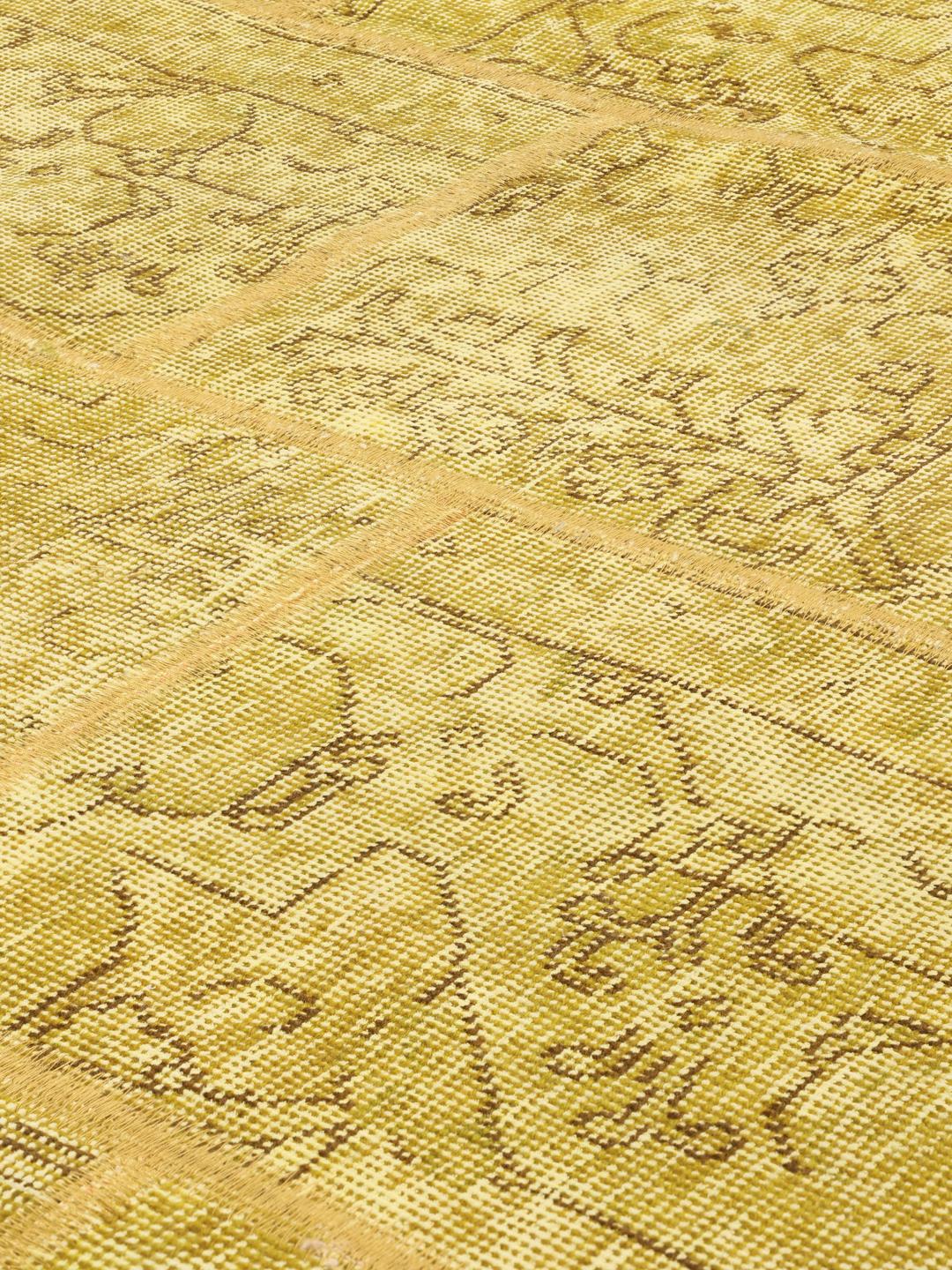
Patchwork rugs represent a fascinating evolution in the history of textile arts, born from the desire to preserve the beauty of older, worn-out carpets. By salvaging the best-preserved sections of traditional hand-knotted rugs from the Middle East, artisans have created a way to keep historic weaving techniques alive. This practice ensures that patterns and motifs which might otherwise be lost to time are instead celebrated in a modern, repurposed format.
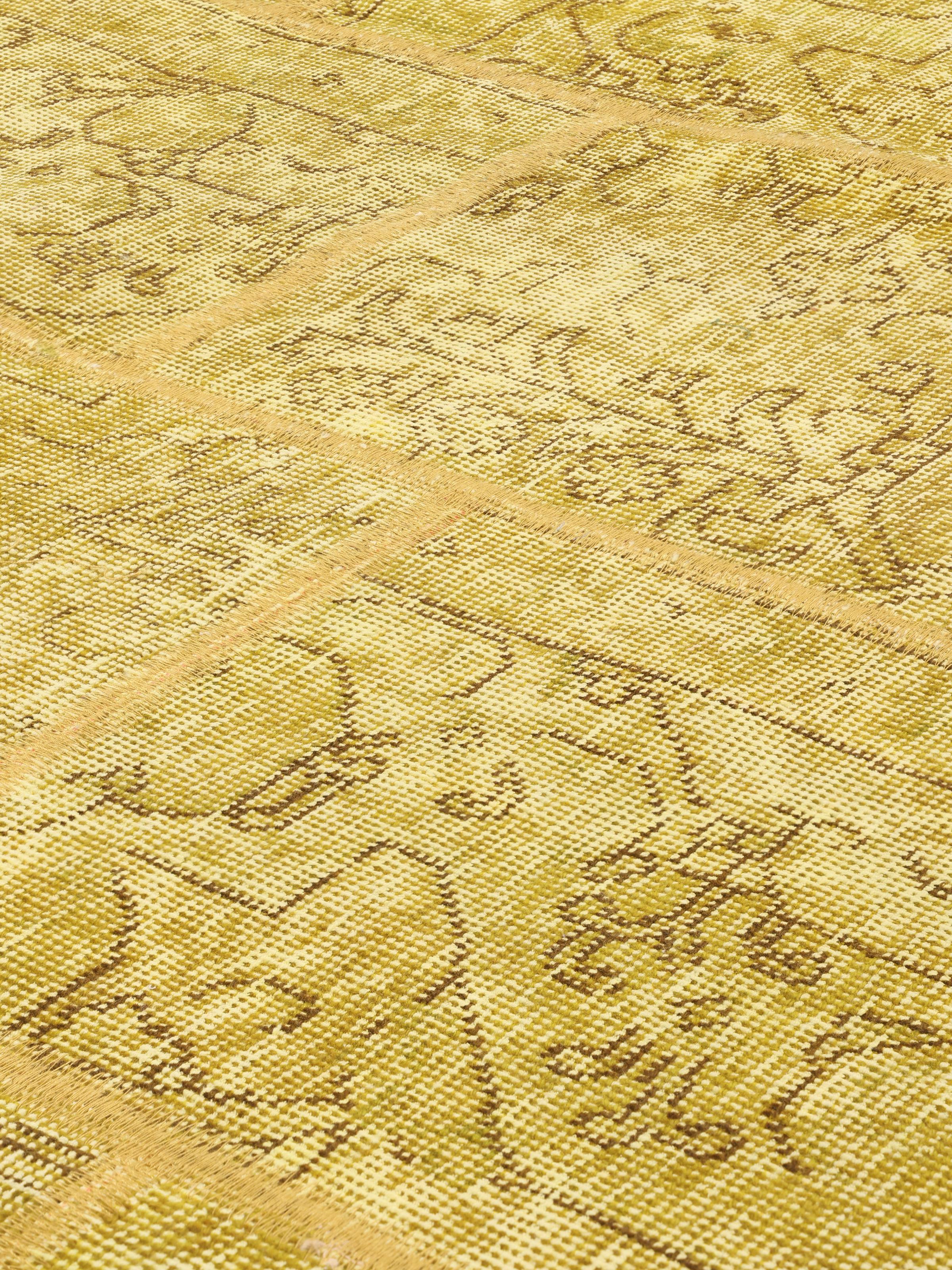
The technical quality of these rugs relies on the superior craftsmanship of the original pieces. Each segment features dense, hand-knotted wool that has been seasoned by time, making it remarkably durable. The use of wool as the primary material is a testament to the longevity of these textiles, as it naturally resists wear and retains its structure over decades, ensuring the patchwork remains a functional floor covering rather than just a decorative item.
Visually, these rugs are defined by their complex, layered patterns. You will often see a mix of floral medallions, geometric borders, and tribal motifs that were once part of distinct, larger rugs. When these fragments are combined, they create a new, abstract composition that feels both familiar and entirely new. The over-dyeing process is a signature element that harmonises these different styles, turning a collection of diverse fragments into a unified, monochromatic piece of art.
Collecting a patchwork rug is an investment in cultural heritage. It represents a bridge between the past and the present, allowing the skill of generations of weavers to continue contributing to the home. Because these pieces are made from authentic vintage sources, owning one is a way to possess a fragment of history, valued not only for its aesthetic impact but for the stories held within every individual knot.