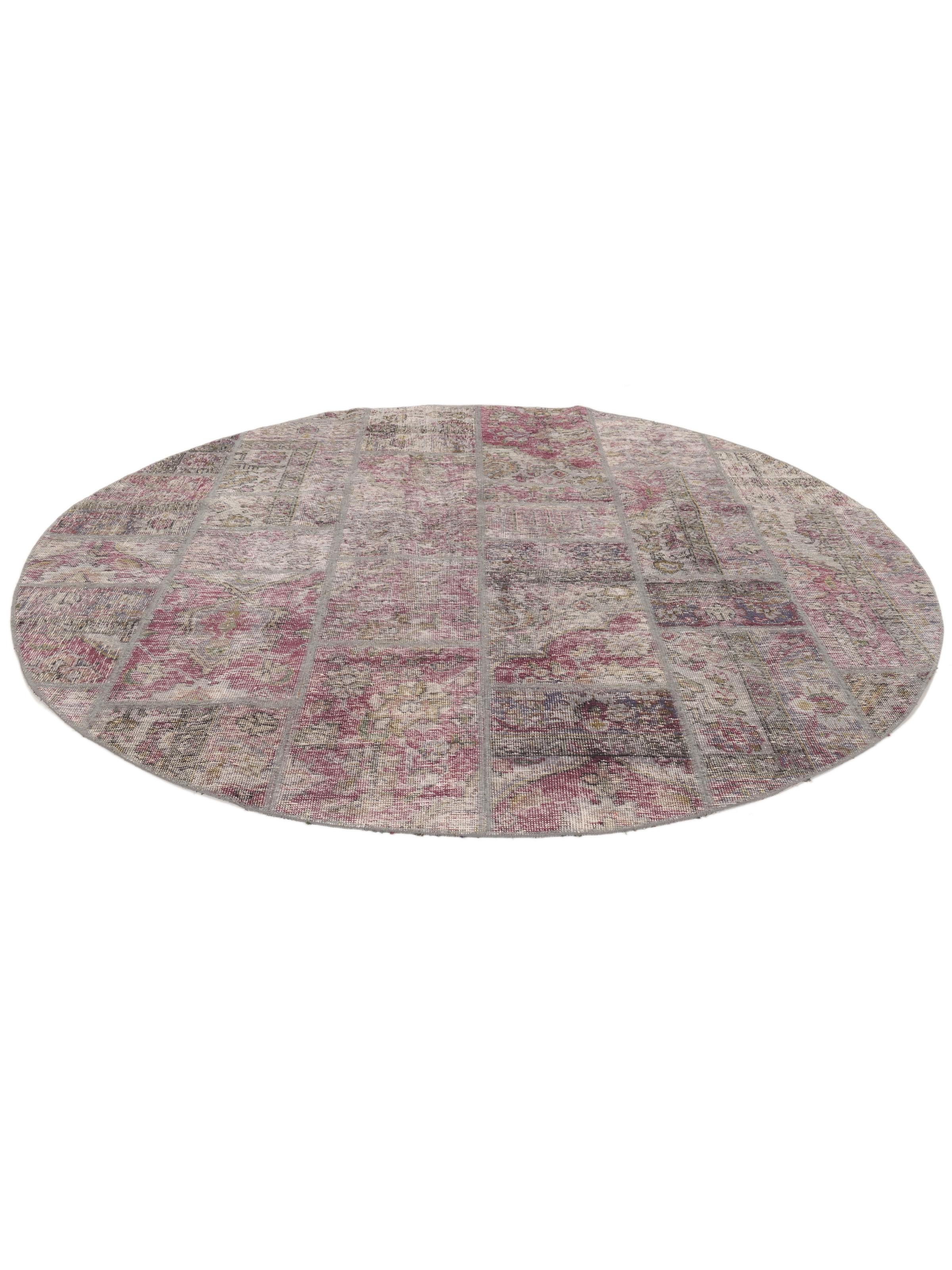
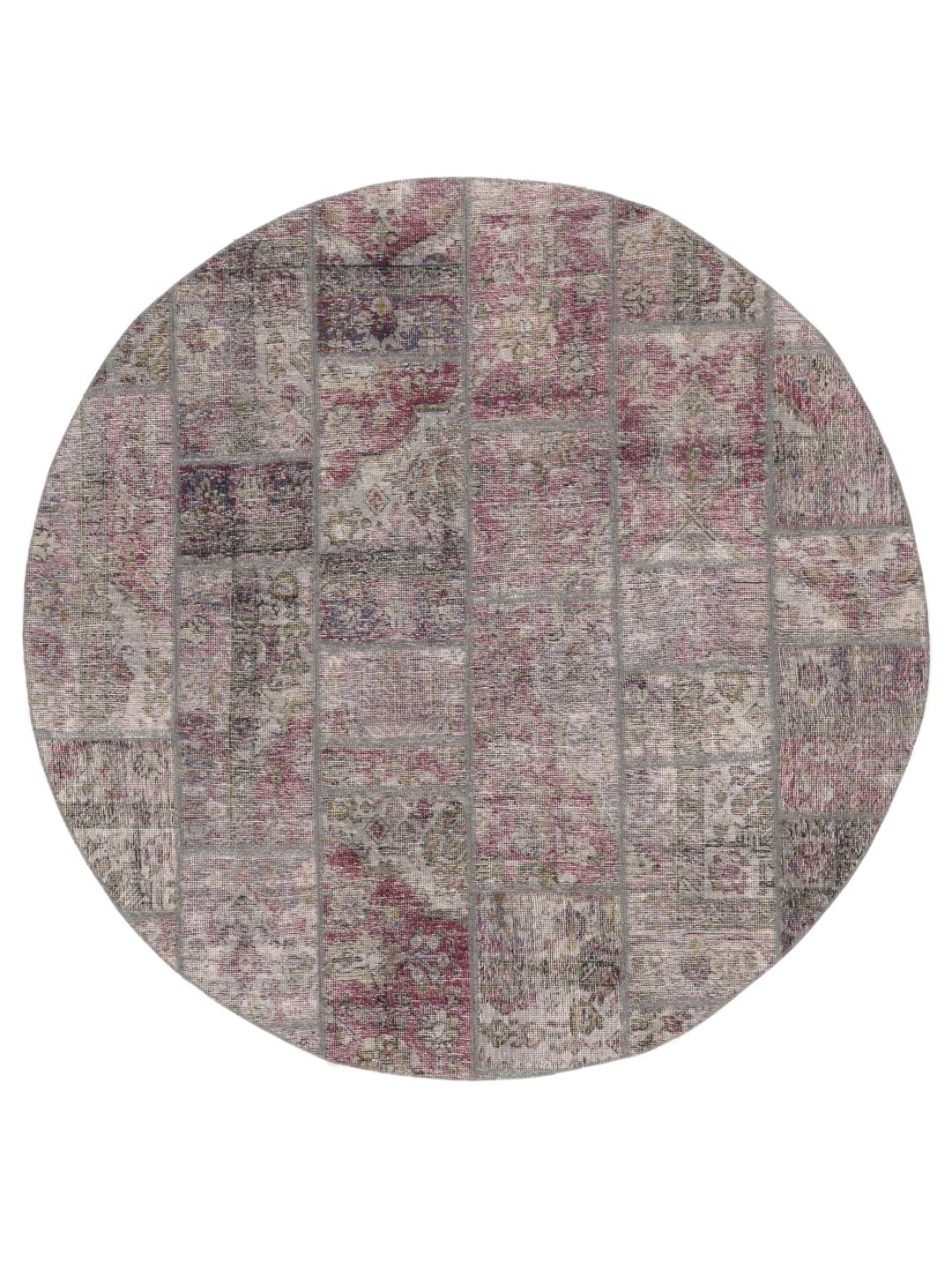
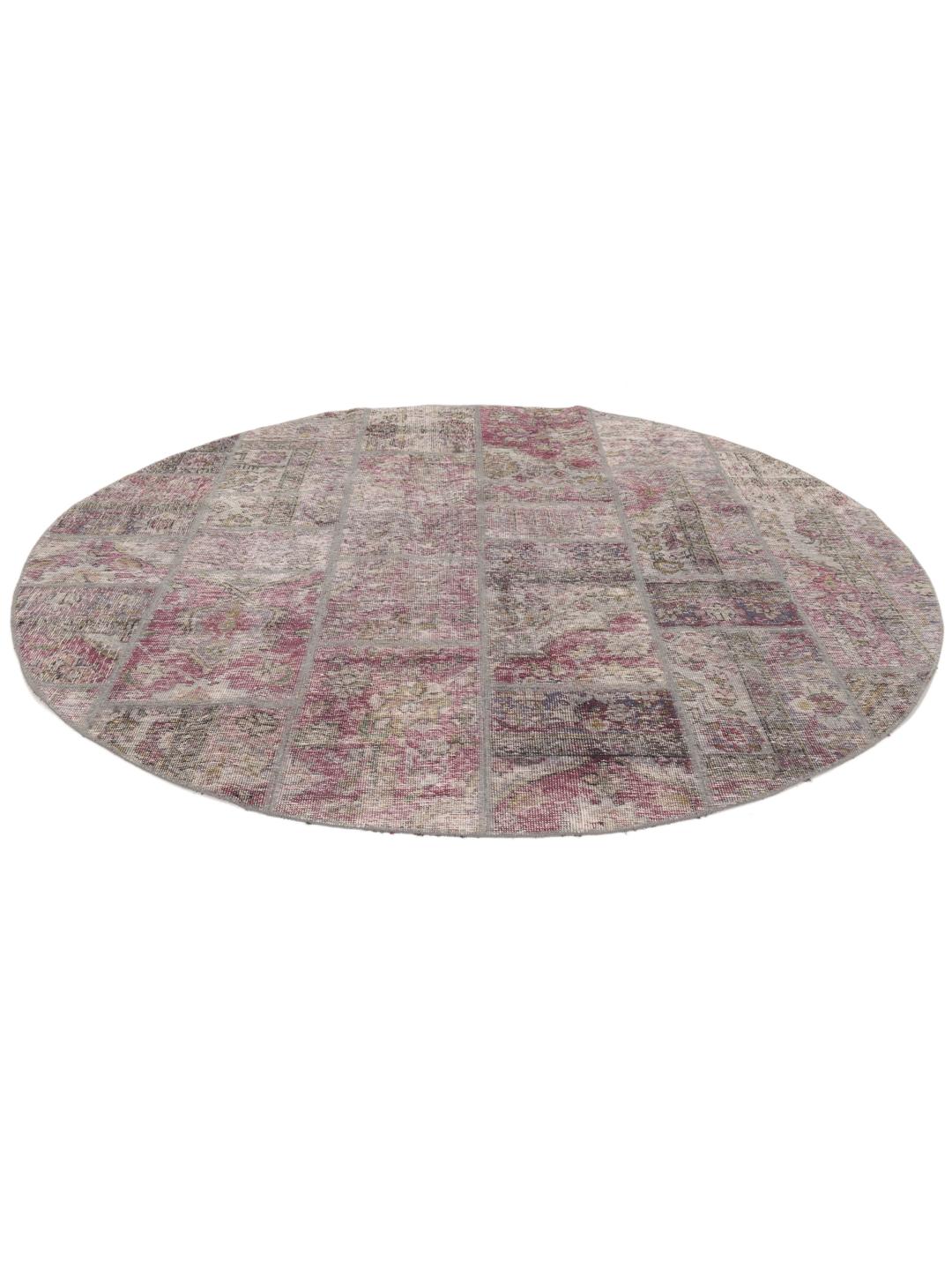
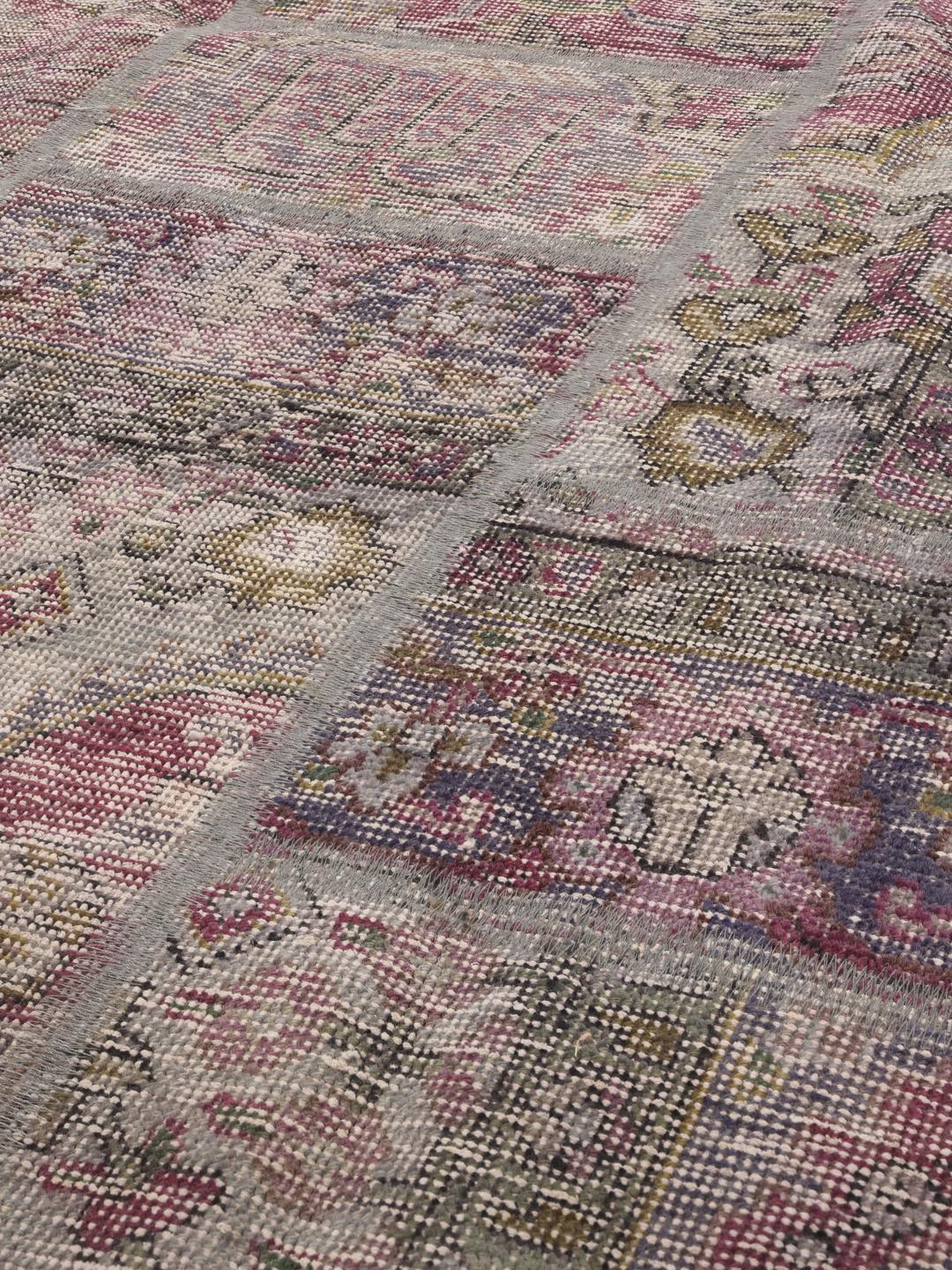
Patchwork rugs represent a fascinating evolution in the history of textile art, bridging the gap between traditional craft and contemporary design. Emerging from the Middle Eastern tradition of hand-knotted rugs, the patchwork style gives a second life to older, well-loved pieces that may have suffered partial damage. Instead of discarding these beautiful, hand-woven textiles, artisans carefully salvage the intact sections to create something entirely new.
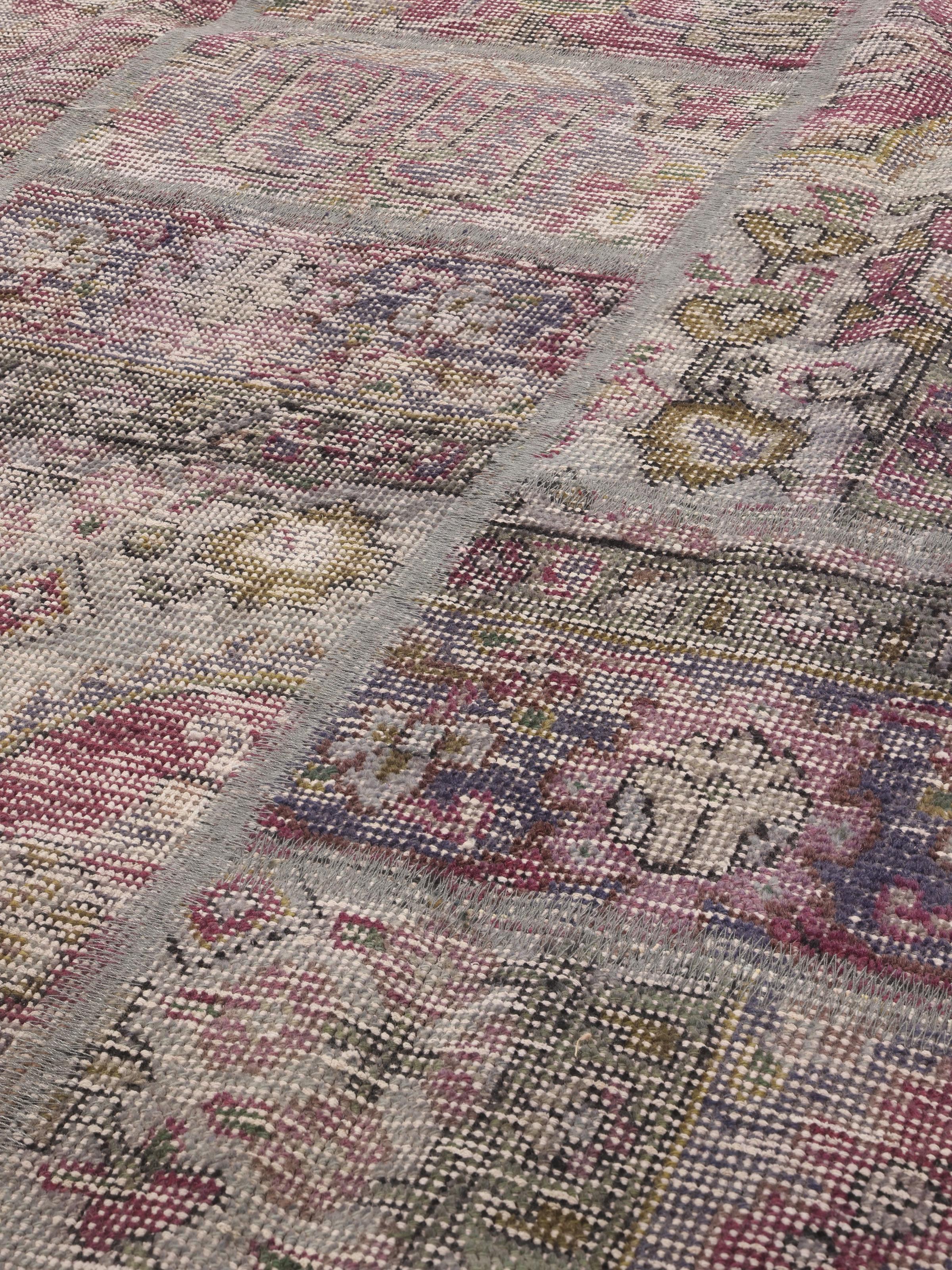
The quality of these rugs relies heavily on the original craftsmanship of the fragments used. When we speak of hand-knotted rugs, we refer to a technique where each individual knot is tied by hand onto a foundation. This is a labour-intensive process that results in a dense, resilient pile capable of lasting for generations. By integrating these pieces, the patchwork rug inherits the durability and historical weight of its origins.
Visually, these rugs are defined by their eclectic and complex patterns. A single rug might contain fragments from several different original carpets, each with its own unique motifs, borders, and colour palettes. This collision of styles creates a vibrant, artistic effect that is highly prized by collectors. The contrast between the different patches often highlights the subtle differences in natural dyes and weaving techniques used in various villages and regions.
Collecting a patchwork rug is an act of preserving heritage. It is a way to celebrate the skill of the original weavers while embracing a modern, sustainable aesthetic. Owning one means you are the steward of multiple stories, each patch holding a fragment of the past. It is this cultural weight, combined with the unique, never-to-be-repeated layout, that makes these rugs such a meaningful addition to any thoughtful home.