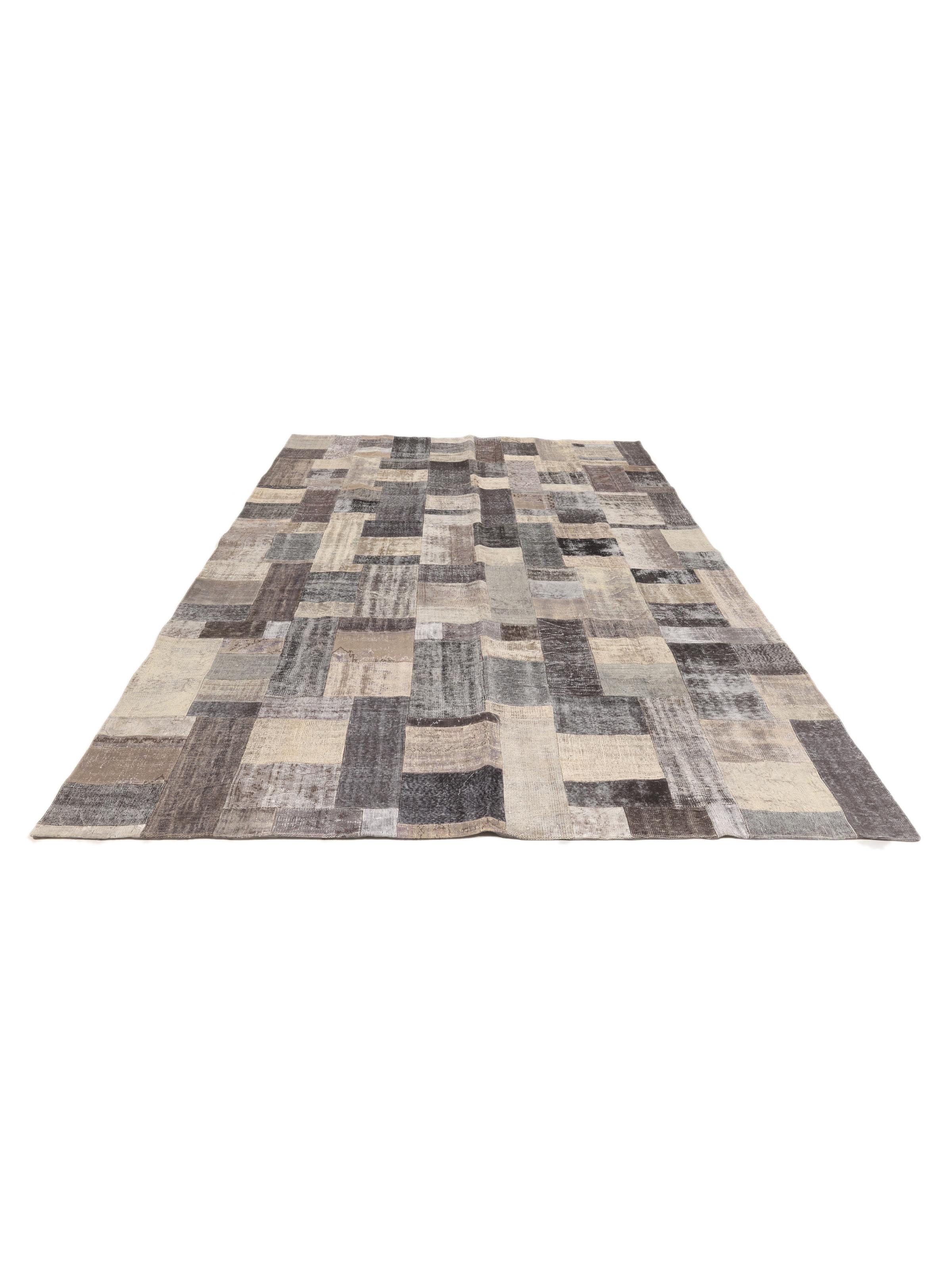
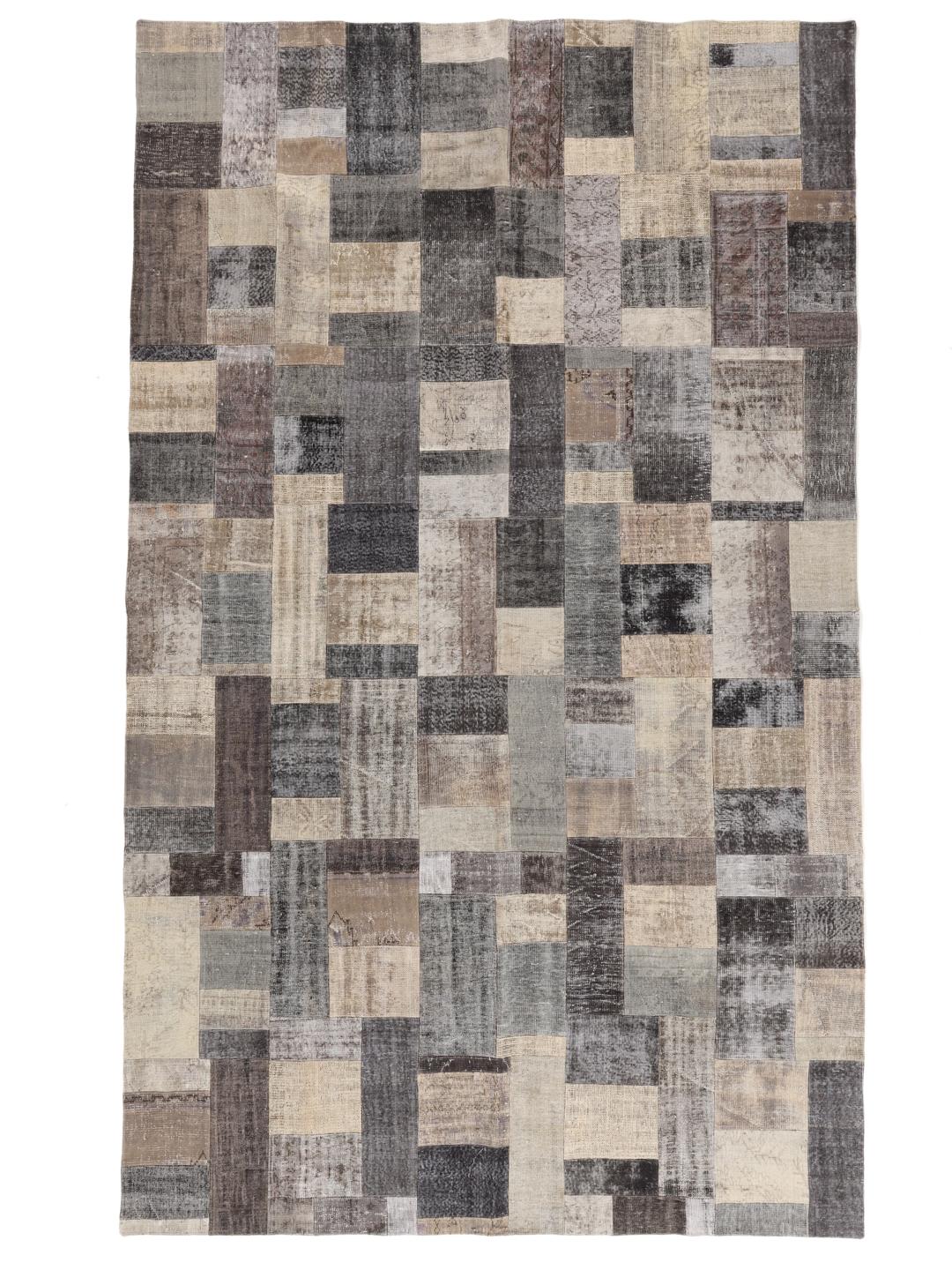
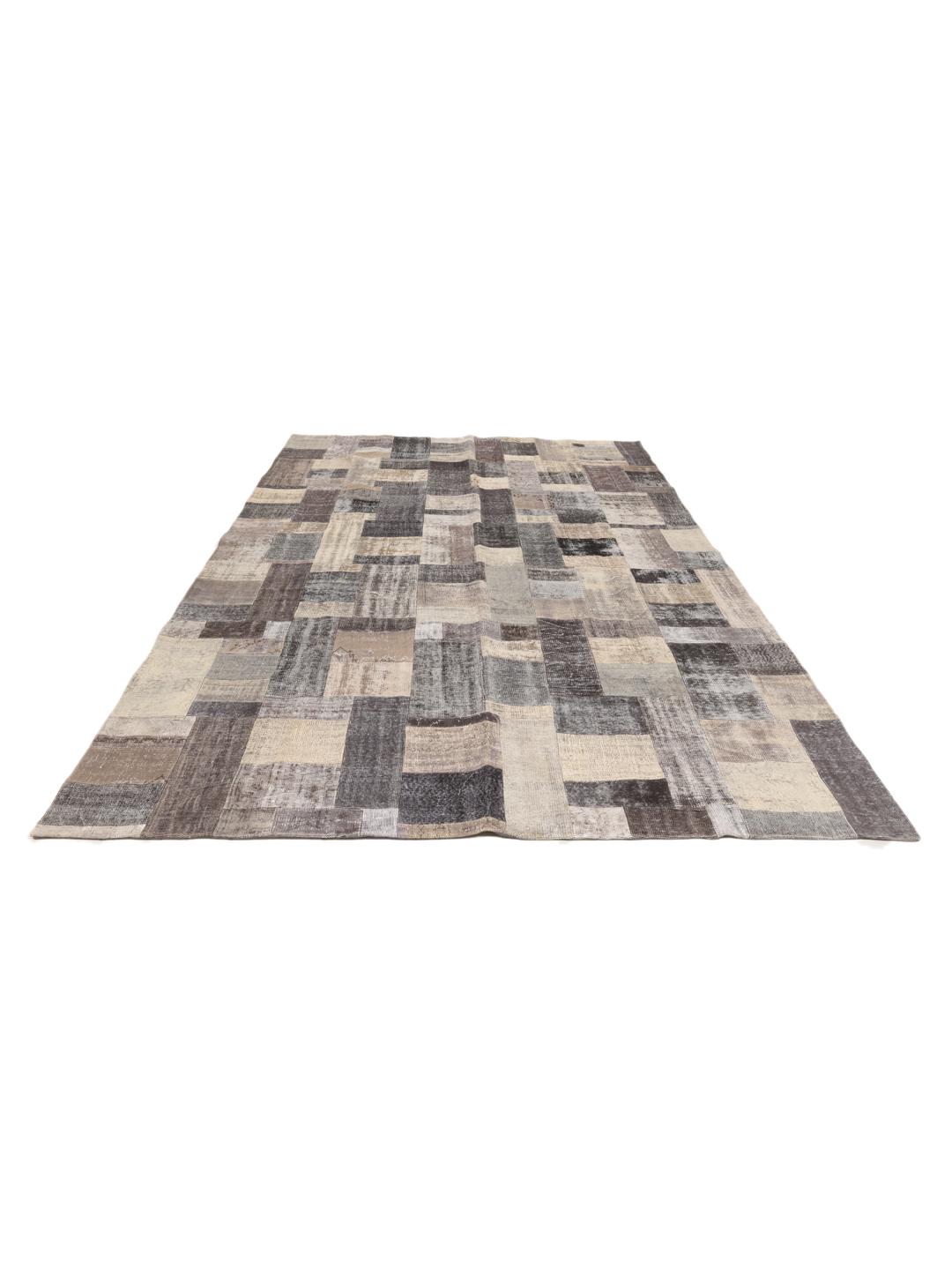
Patchwork rugs represent a fascinating evolution in textile art, originating from a desire to preserve and celebrate the history of traditional Middle Eastern weaving. Instead of letting old, worn rugs disappear, artisans began to carefully select the best-preserved sections of these textiles to give them a second life, effectively saving a piece of history that might otherwise be lost.
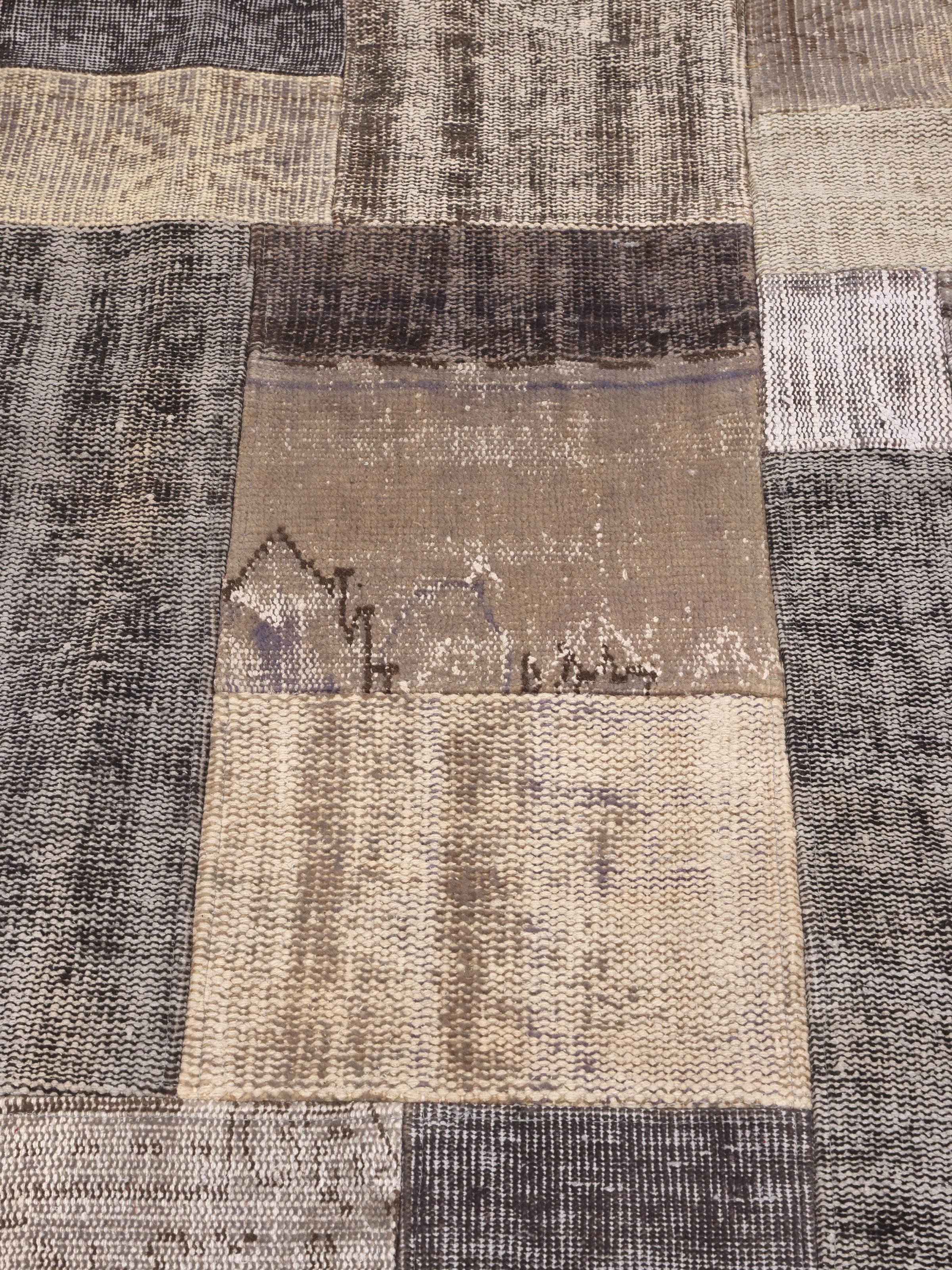
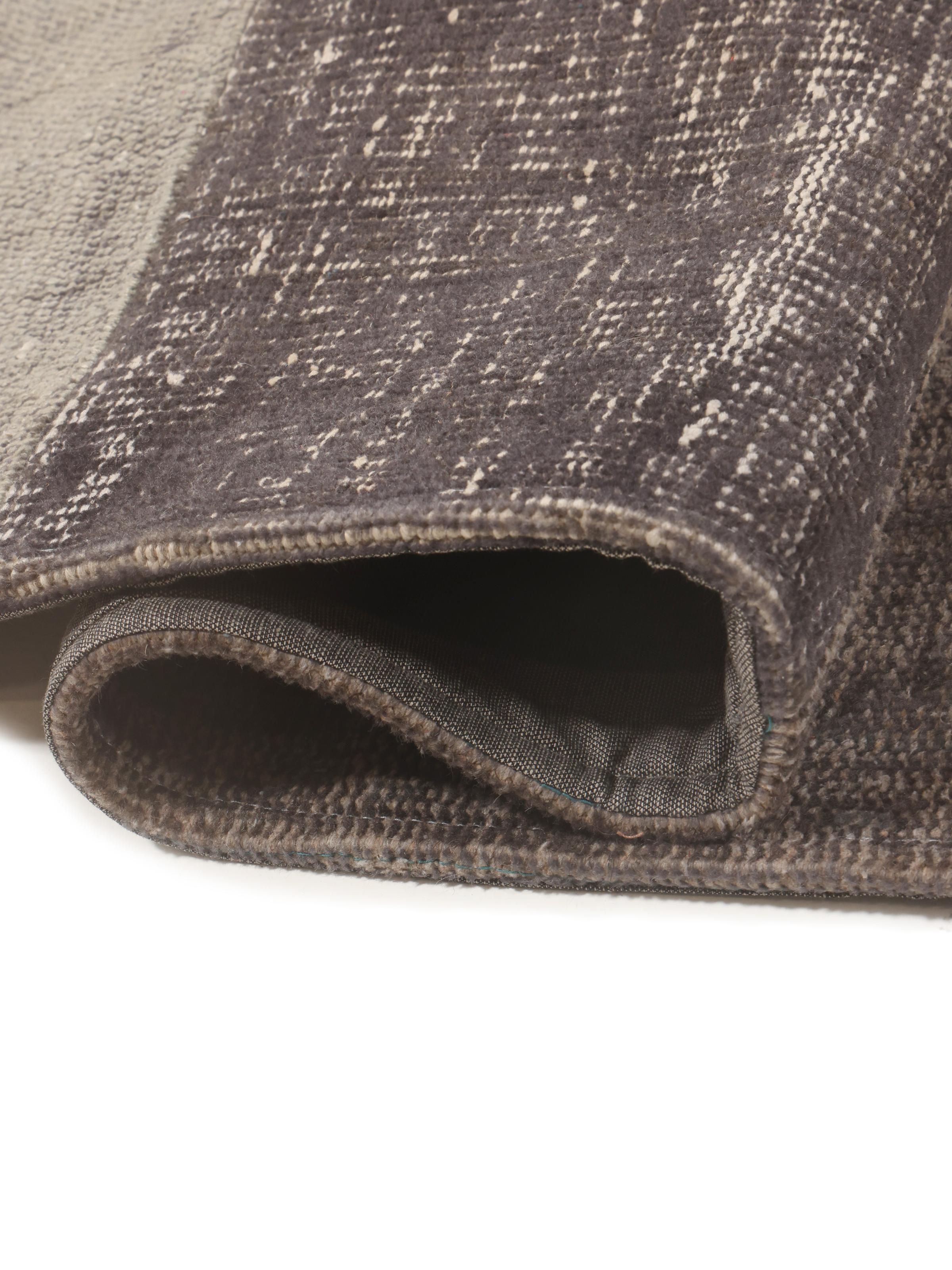
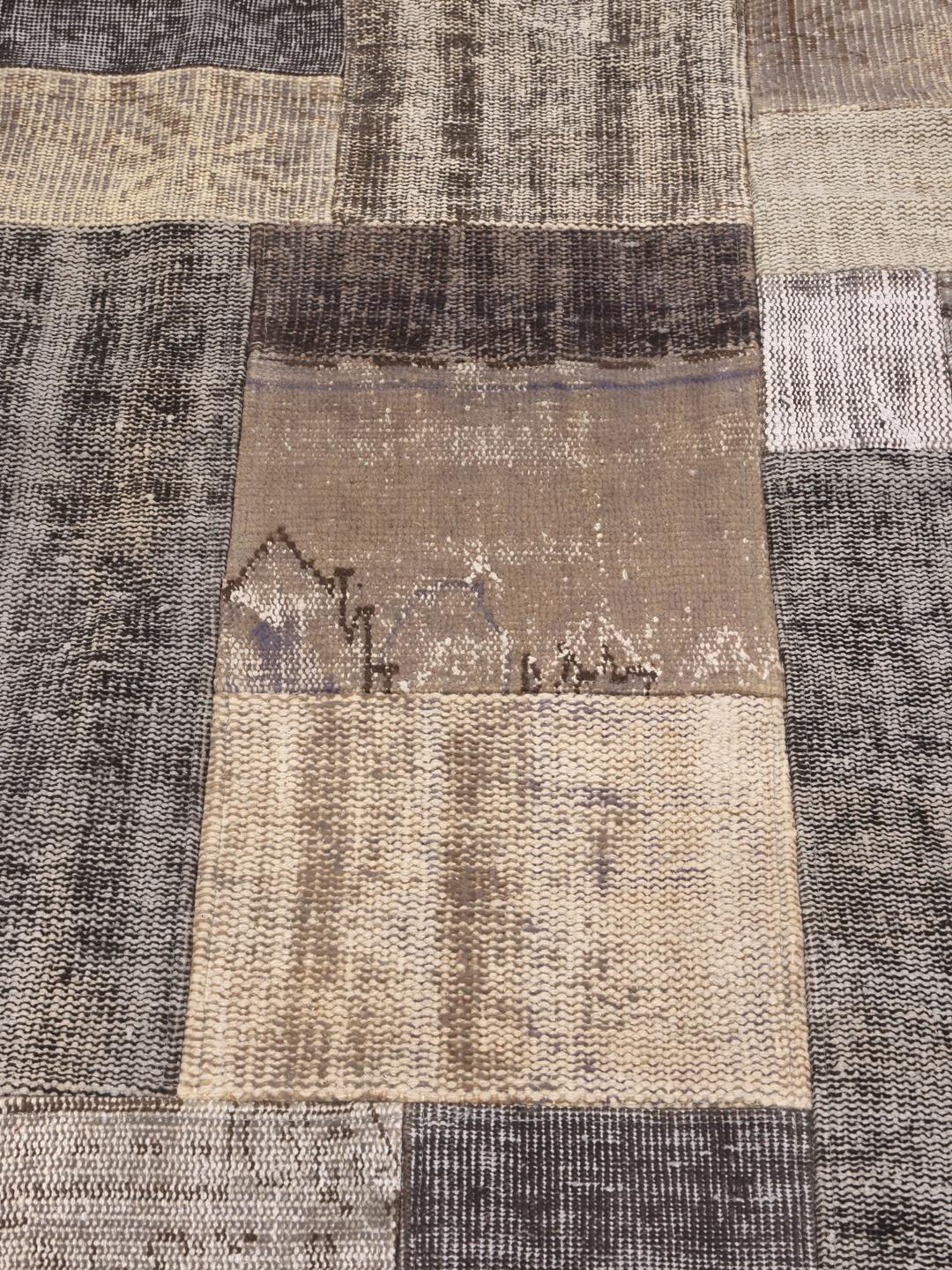
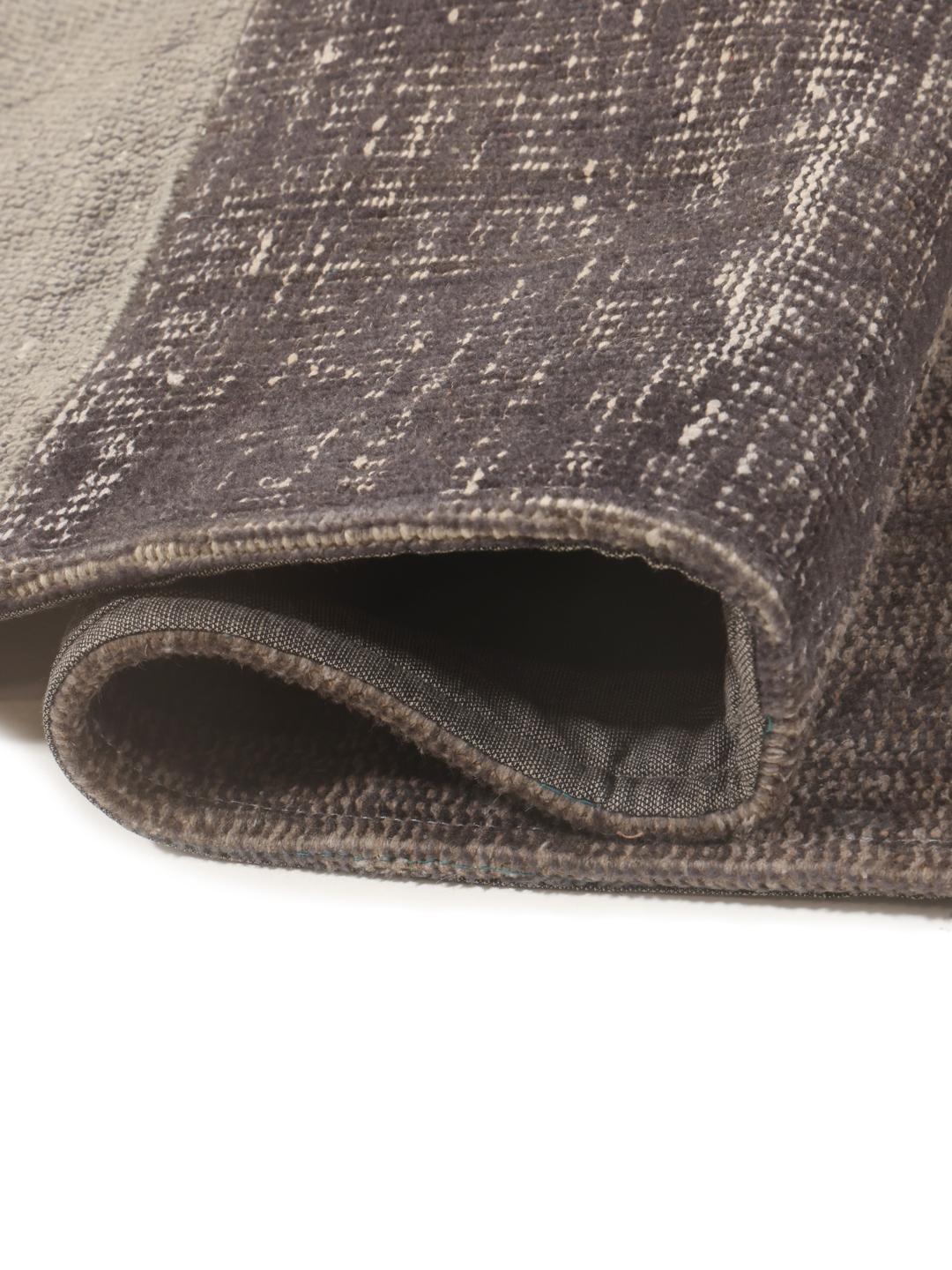
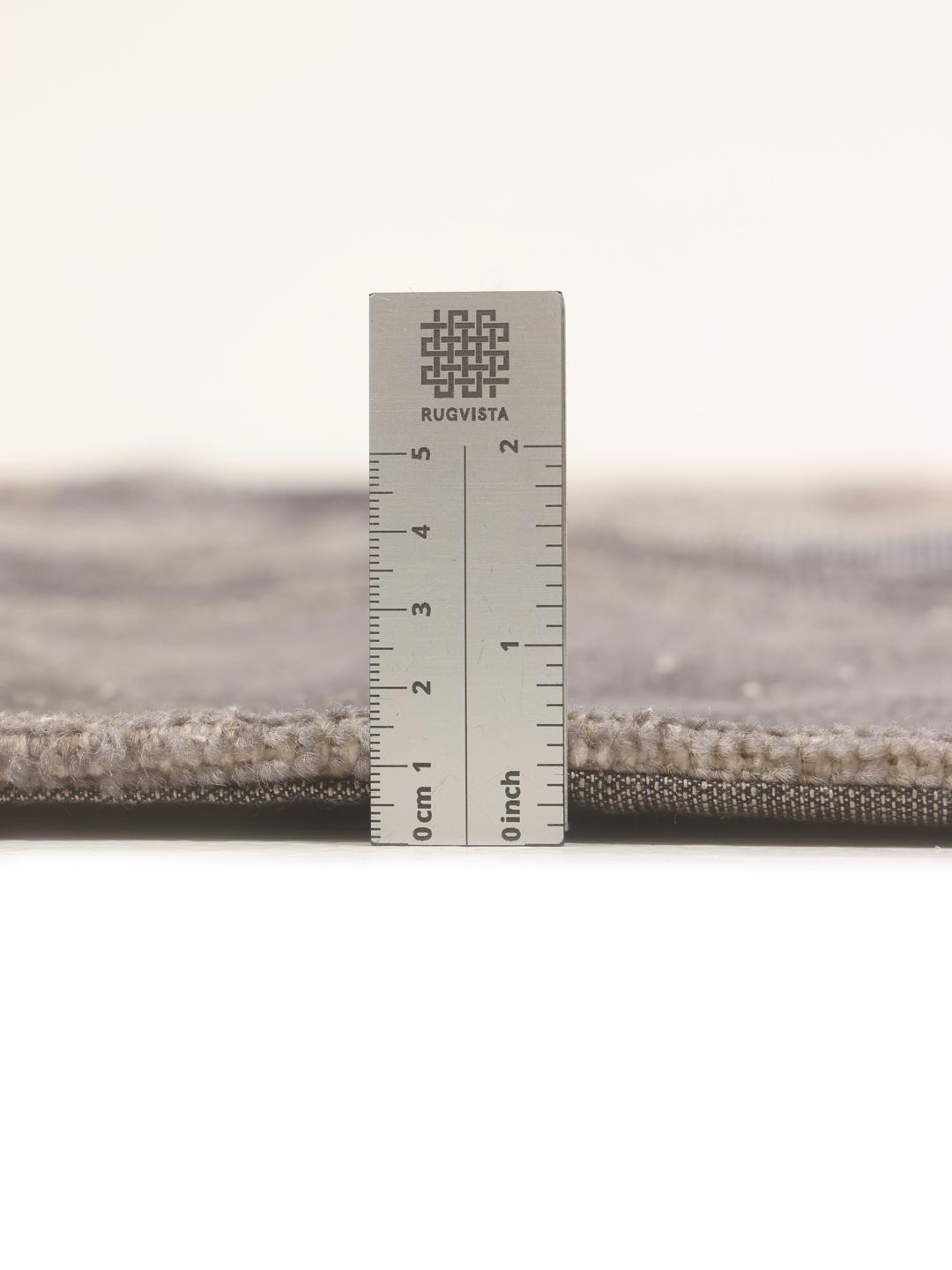
The term patchwork refers to the intentional assembly of these hand-knotted fragments. Each fragment often carries the signature of a specific region or family tradition, and by combining them, the artisan creates a new, complex dialogue between patterns and textures. This method requires an expert understanding of how different Wool types and dye lots age, ensuring the final rug is not only beautiful but also structurally sound.
Visually, these rugs often feature a deconstructed take on traditional motifs. While each patch may contain remnants of classic geometric or tribal designs, the overall effect is a modern, abstract composition. This juxtaposition of the old and the new makes these rugs particularly versatile, as they bridge the gap between historical craft and contemporary interior aesthetics.
Owning a patchwork rug is a way of curating a collection of memories. Because they are made from authentic, pre-existing pieces, they carry a sense of depth and cultural weight that mass-produced items cannot replicate. It is a celebration of heritage and skill, offering a sustainable way to enjoy the warmth and quality of traditional hand-knotted rugs in a modern home.