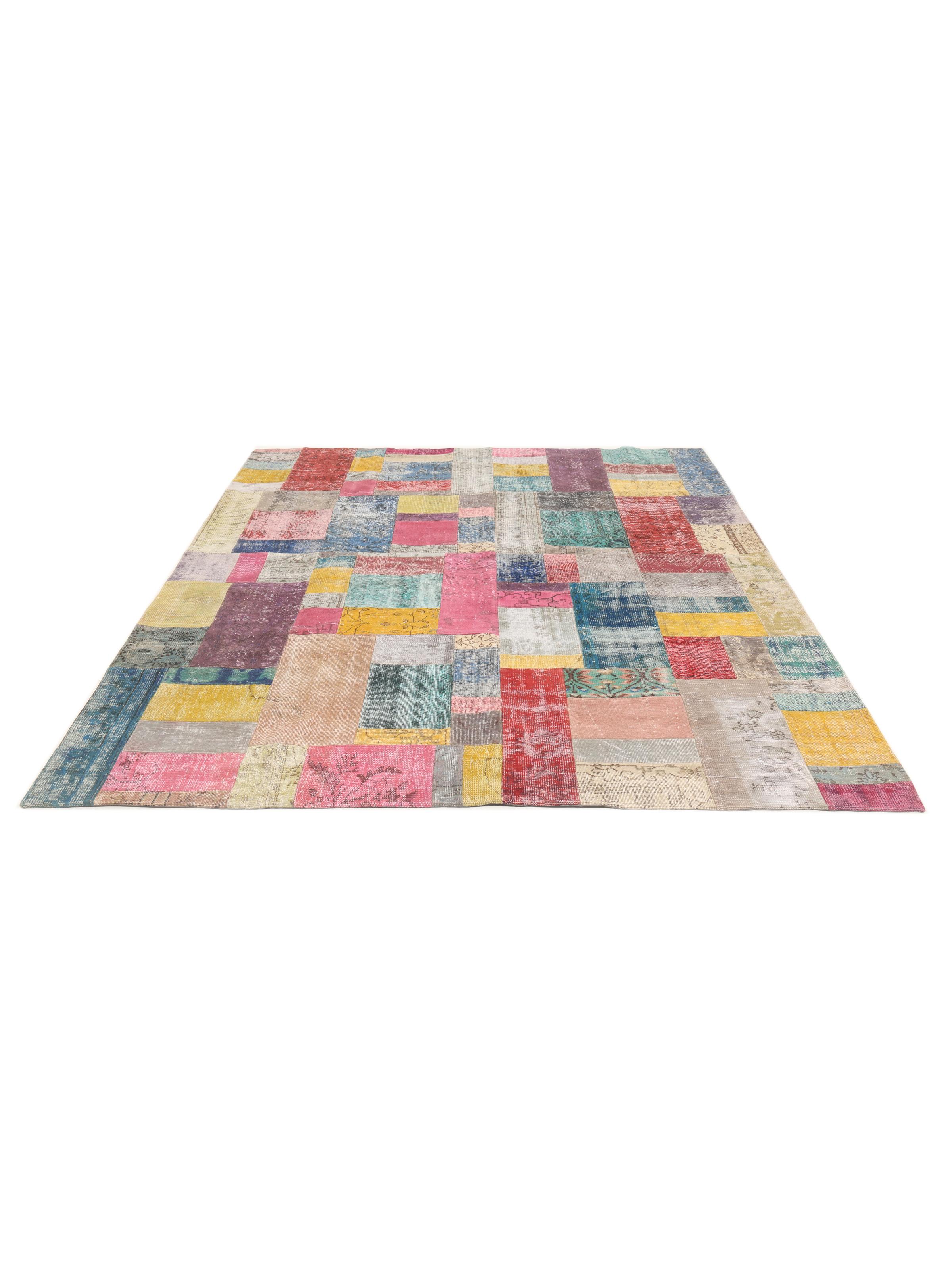
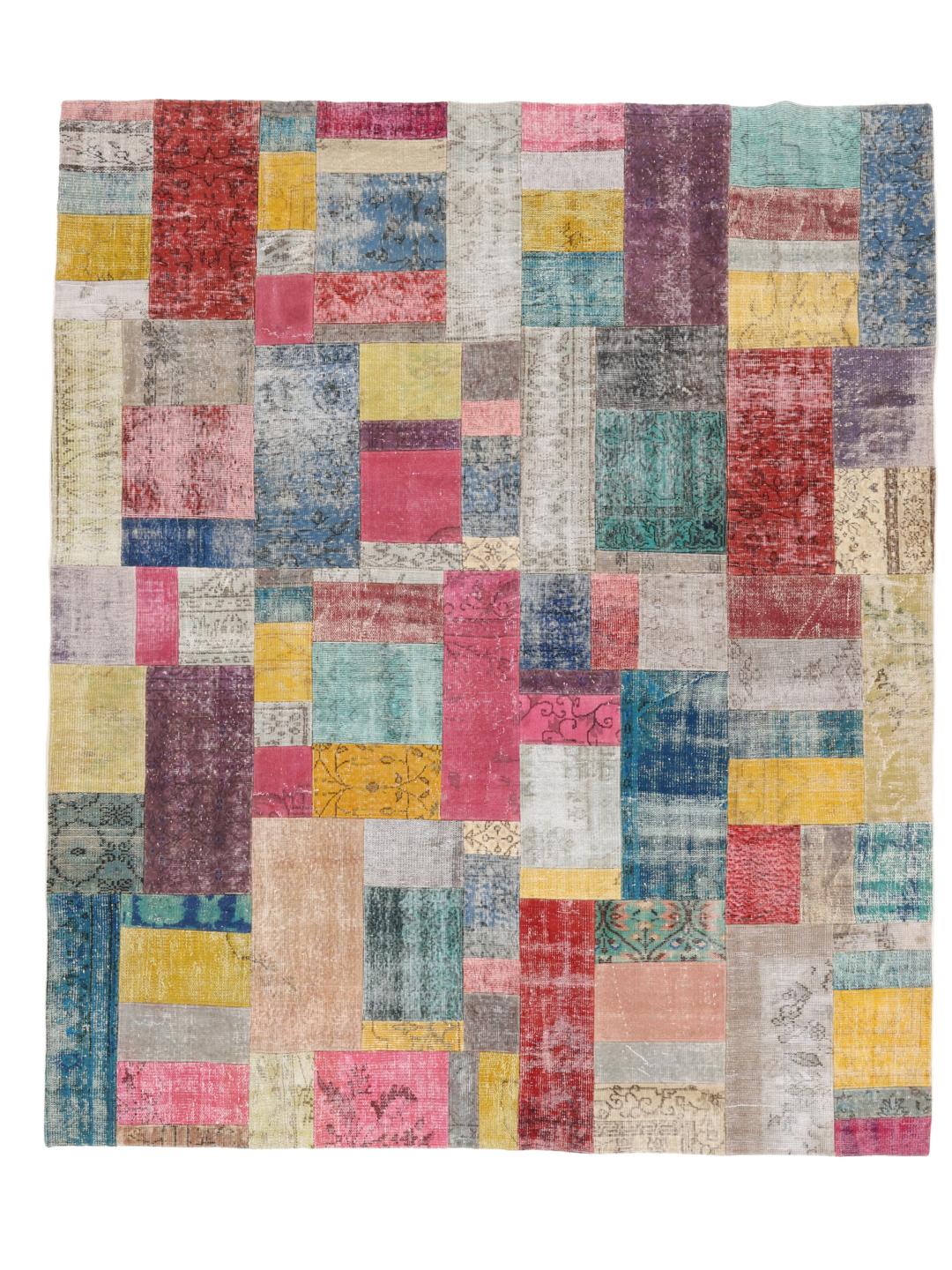
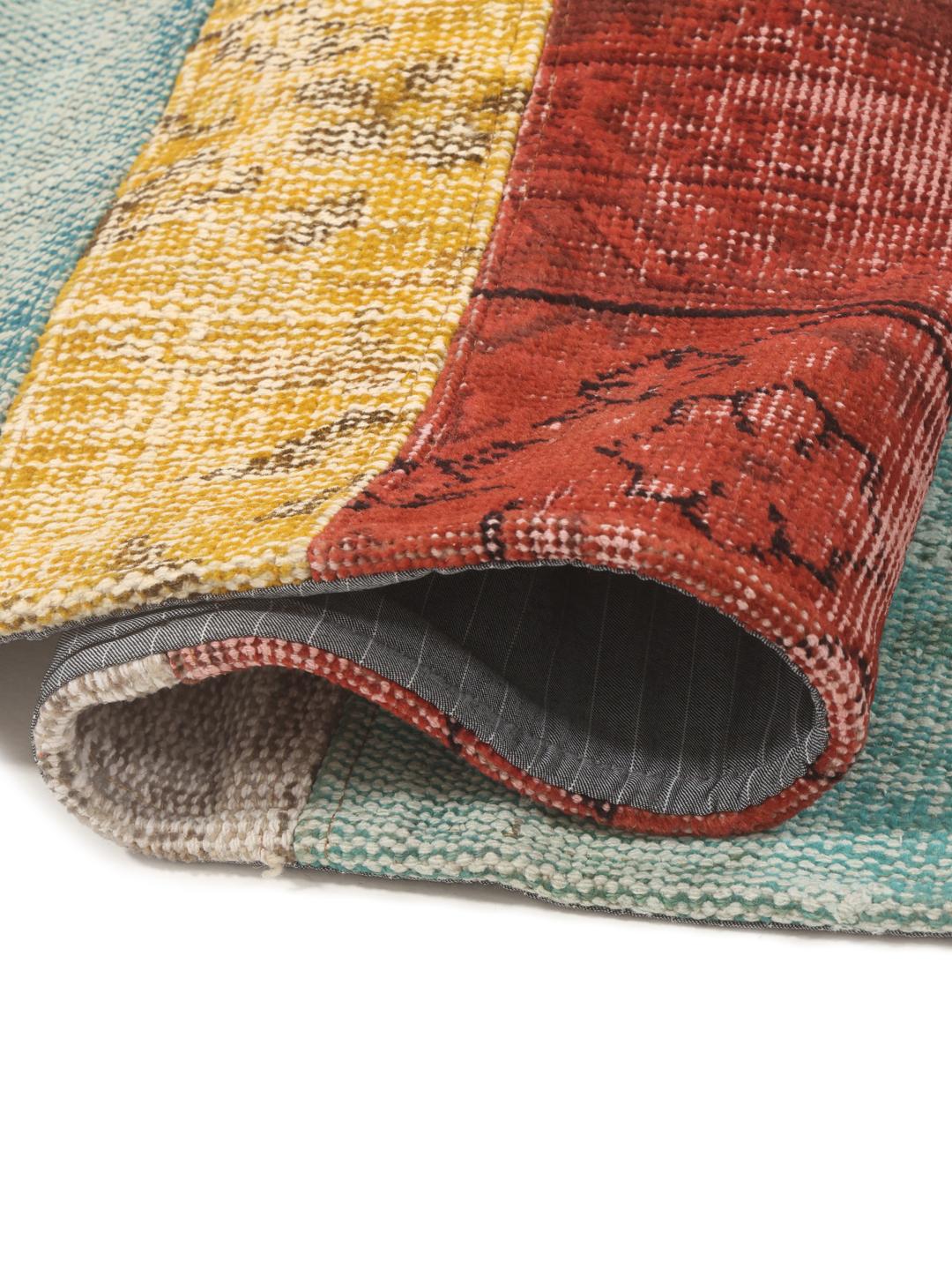
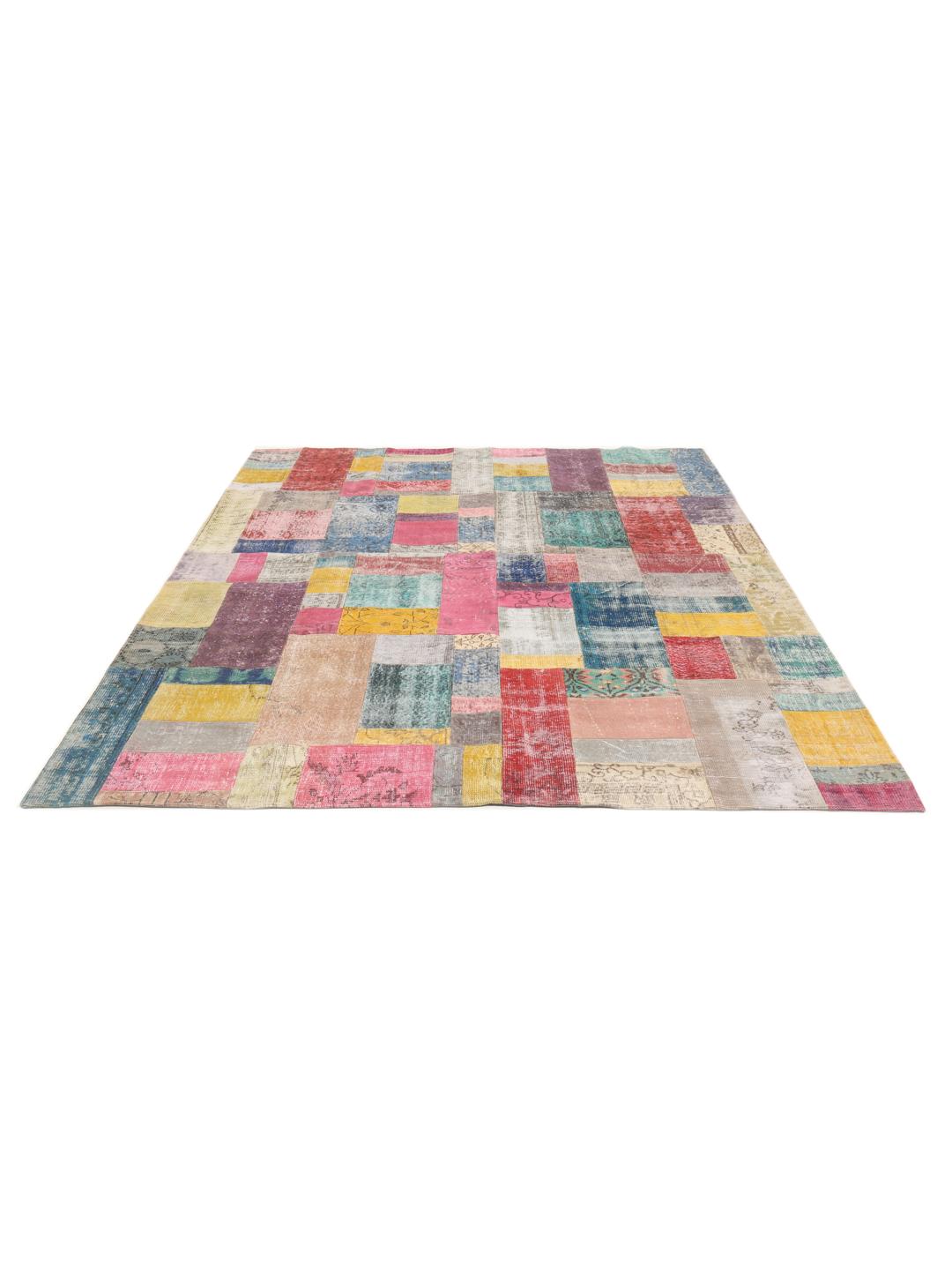
Patchwork rugs represent a fascinating evolution in the textile traditions of Turkey. This art form emerged as a creative way to honour and preserve the beauty of older, hand-knotted rugs that might otherwise have been lost to time. By carefully cutting and joining these existing textiles, artisans are able to create entirely new, vibrant compositions that celebrate the rich heritage of Middle Eastern weaving.
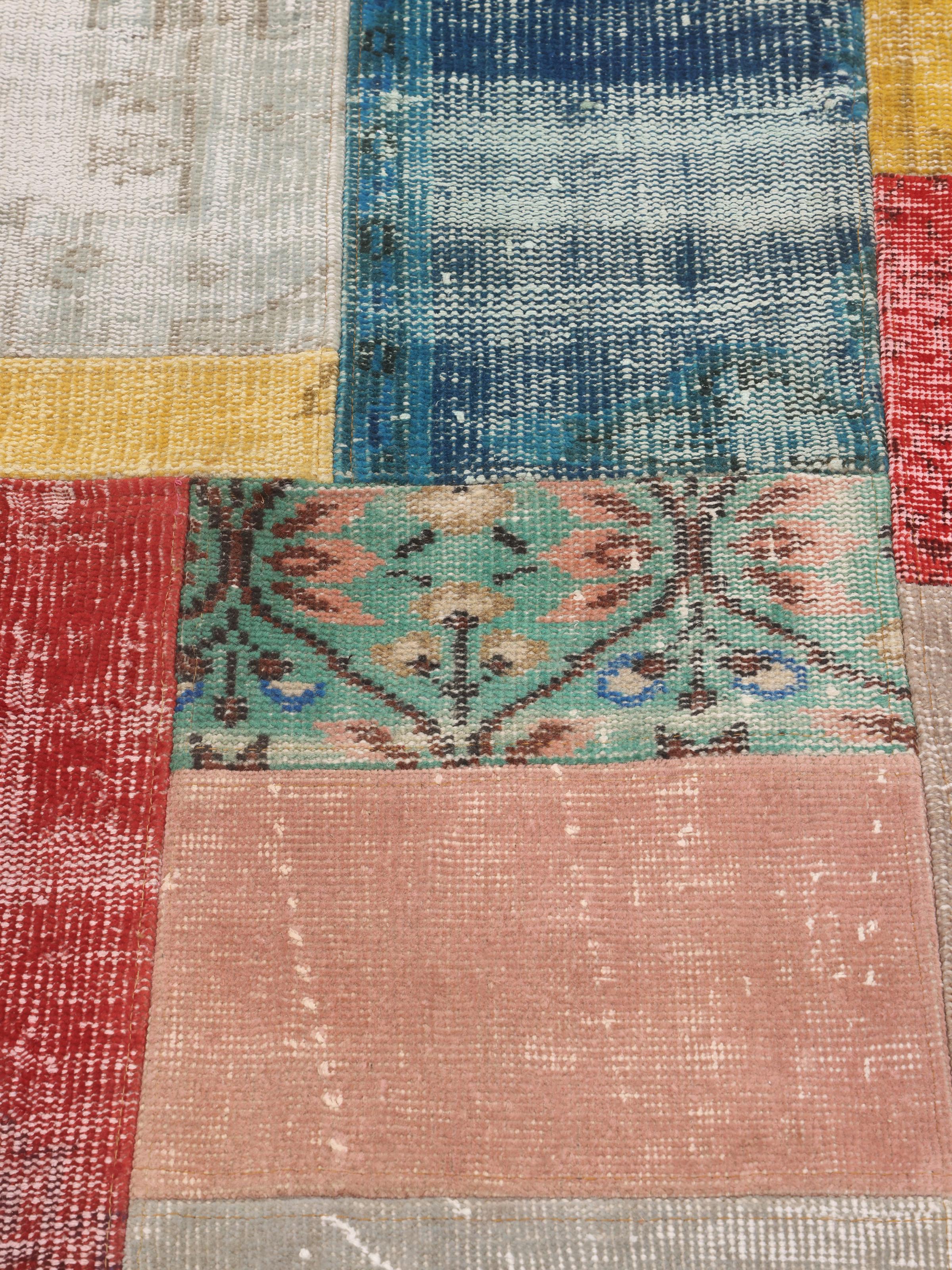
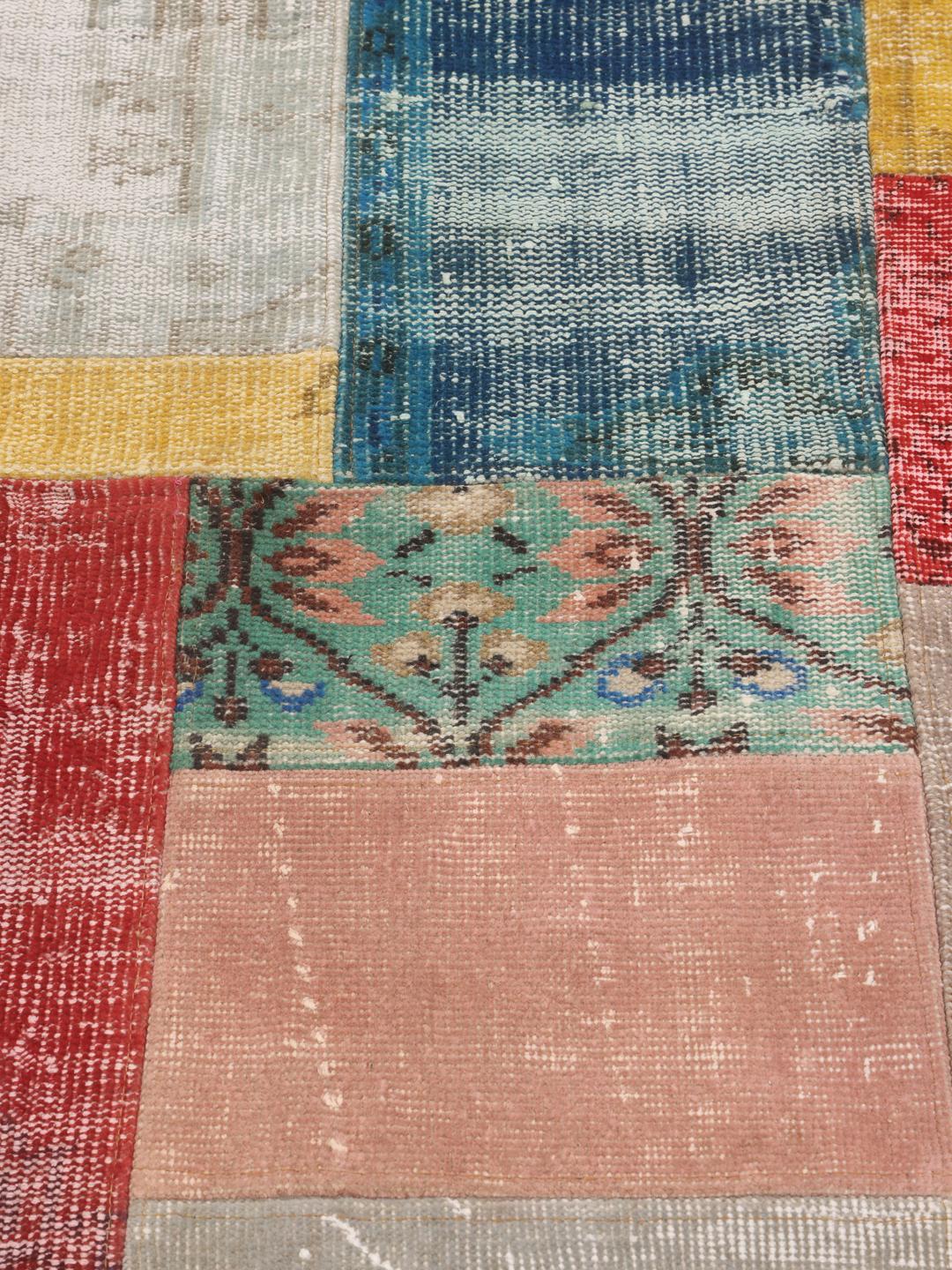
The fragments used in these rugs often come from various regions, each bringing its own signature knotting style and design language to the final piece. The term hand-knotted refers to the traditional method where each knot is tied individually by hand, a process that creates a highly durable and dense pile. This history of craft is embedded in every patch, allowing you to see the subtle differences in tone and texture that define traditional weaving techniques.
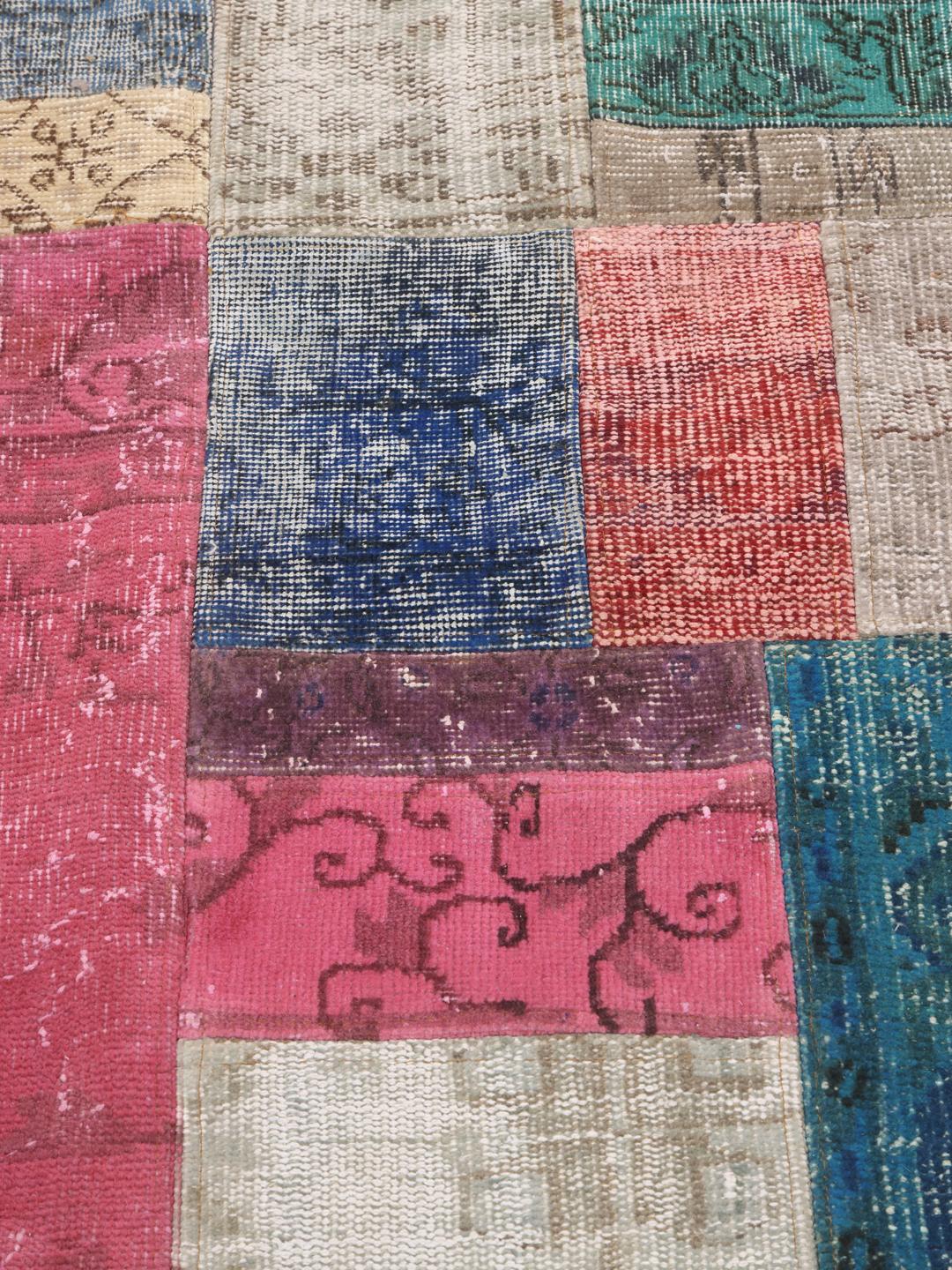
Visually, these rugs are defined by their eclectic and artistic nature. You will often find a mixture of geometric, floral, and tribal motifs within a single rug, resulting in a mosaic-like appearance. The colours can range from muted, sun-faded tones to bold, vibrant hues, depending on the age and origin of the original pieces. This creates a dynamic visual language where no two sections are exactly alike.
Owning a patchwork rug is an investment in cultural continuity. It is a way to appreciate the skill of generations of weavers while enjoying a design that feels fresh and current. These rugs are highly valued by collectors and design enthusiasts alike, not just for their aesthetic appeal, but for the story they tell about the circular nature of craft and the enduring quality of well-made, natural-fibre textiles.