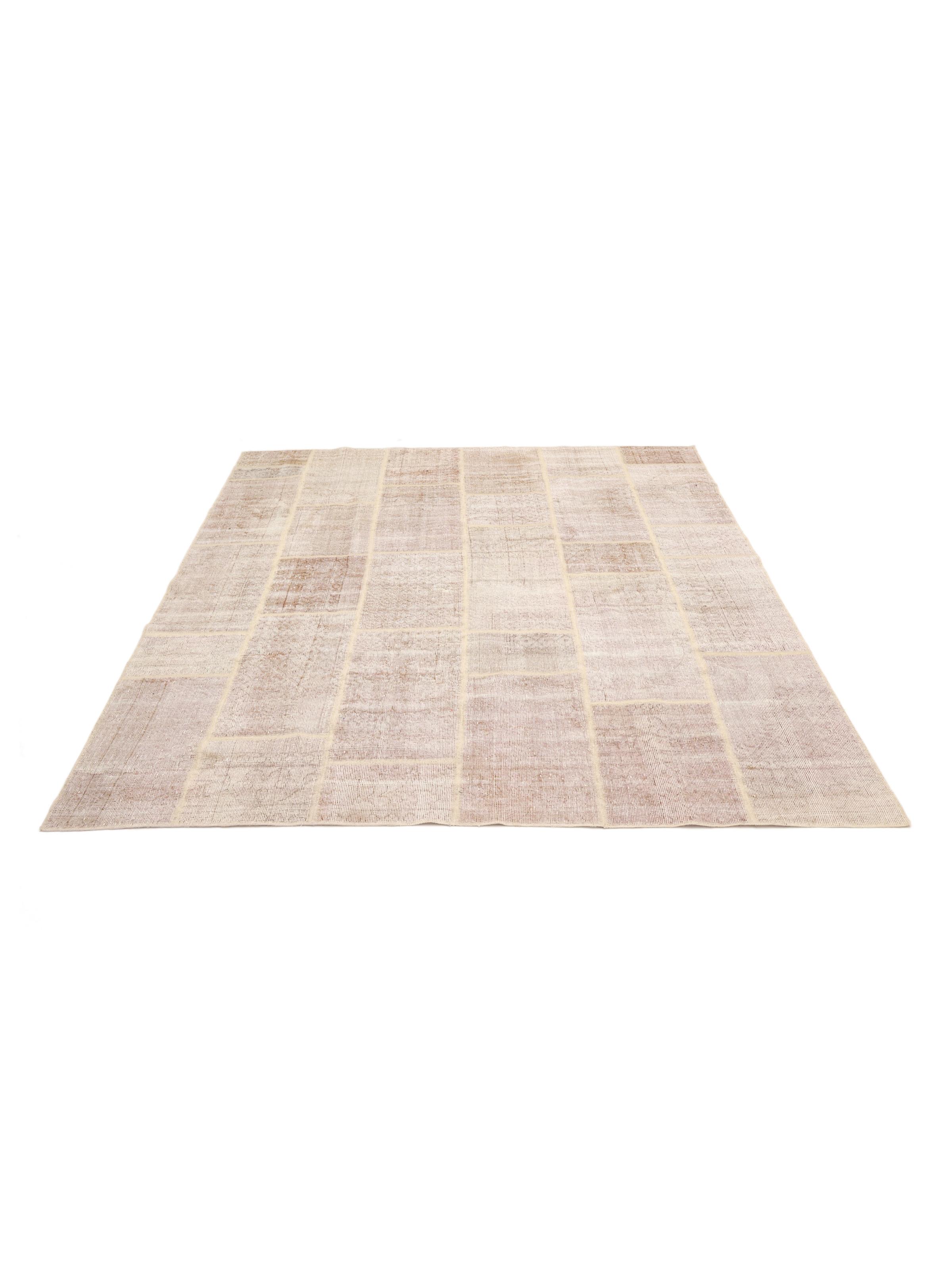
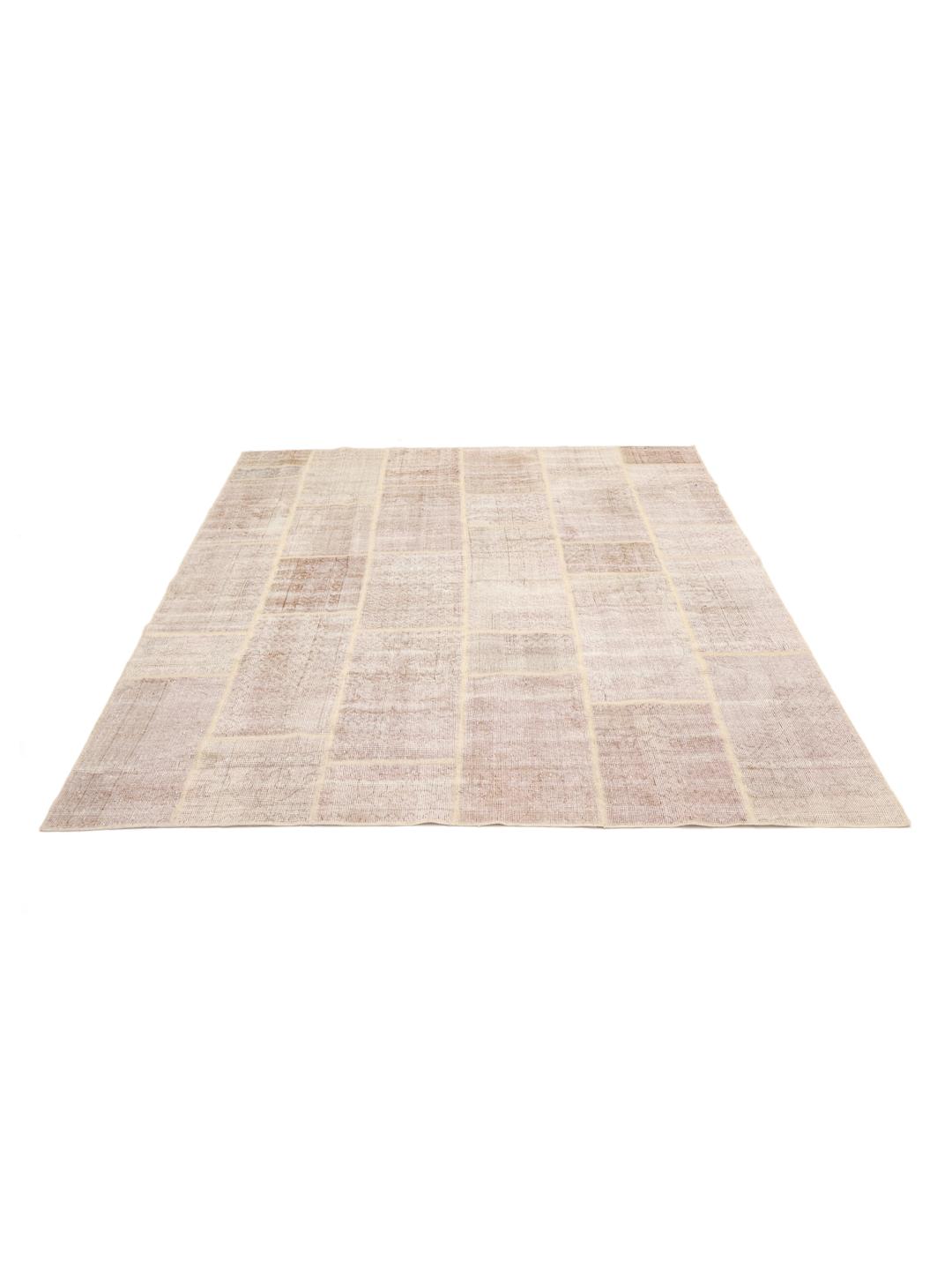
Patchwork rugs represent a fascinating evolution in the history of textile art, particularly within the Middle Eastern tradition. While traditional weaving focuses on creating a single, continuous field of design, the patchwork technique emerged as a creative way to repurpose and celebrate older, cherished hand-knotted rugs. By carefully selecting fragments from various sources and stitching them together, weavers give a second life to high-quality wool that still holds its structural integrity and beauty.
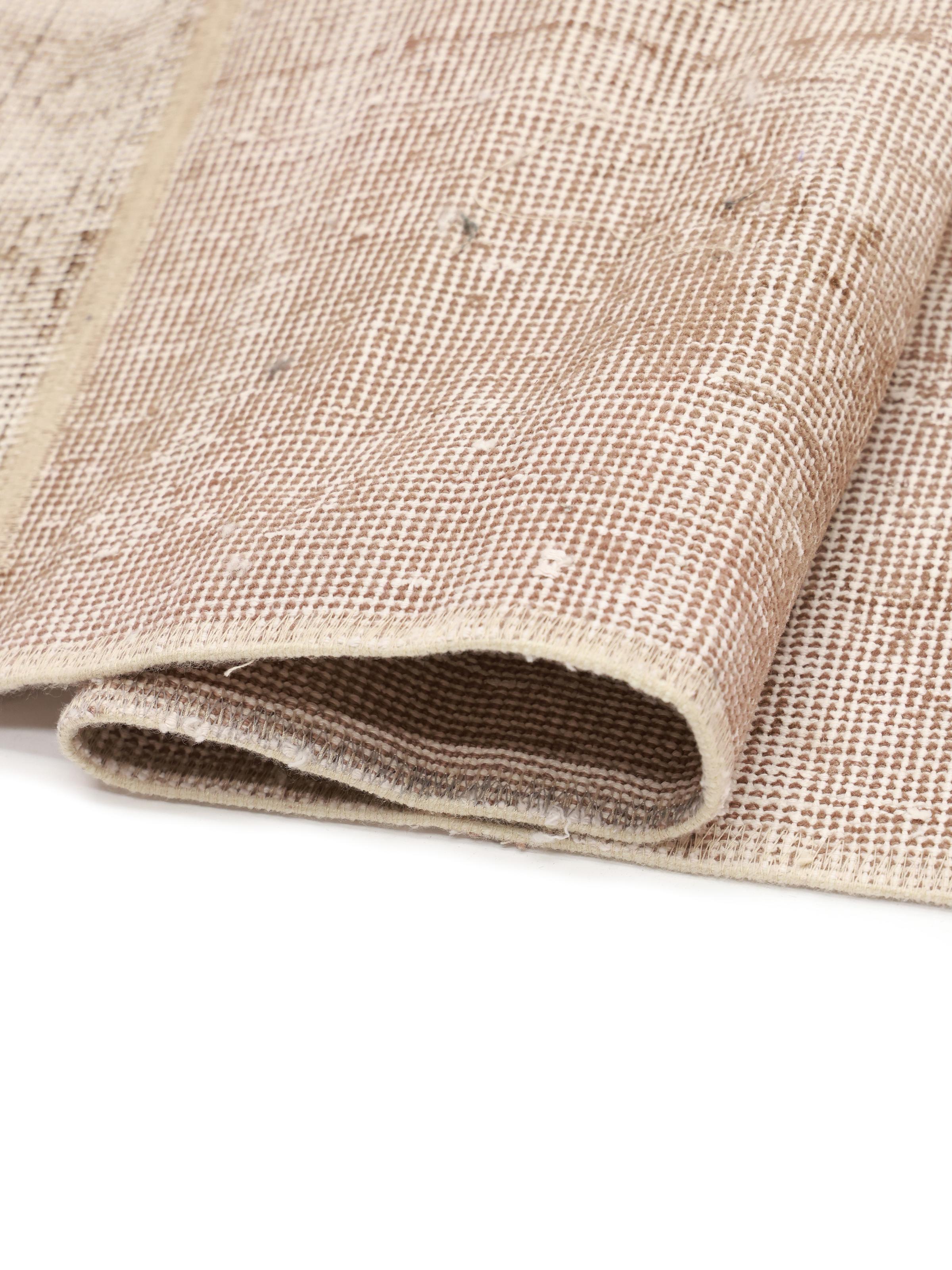
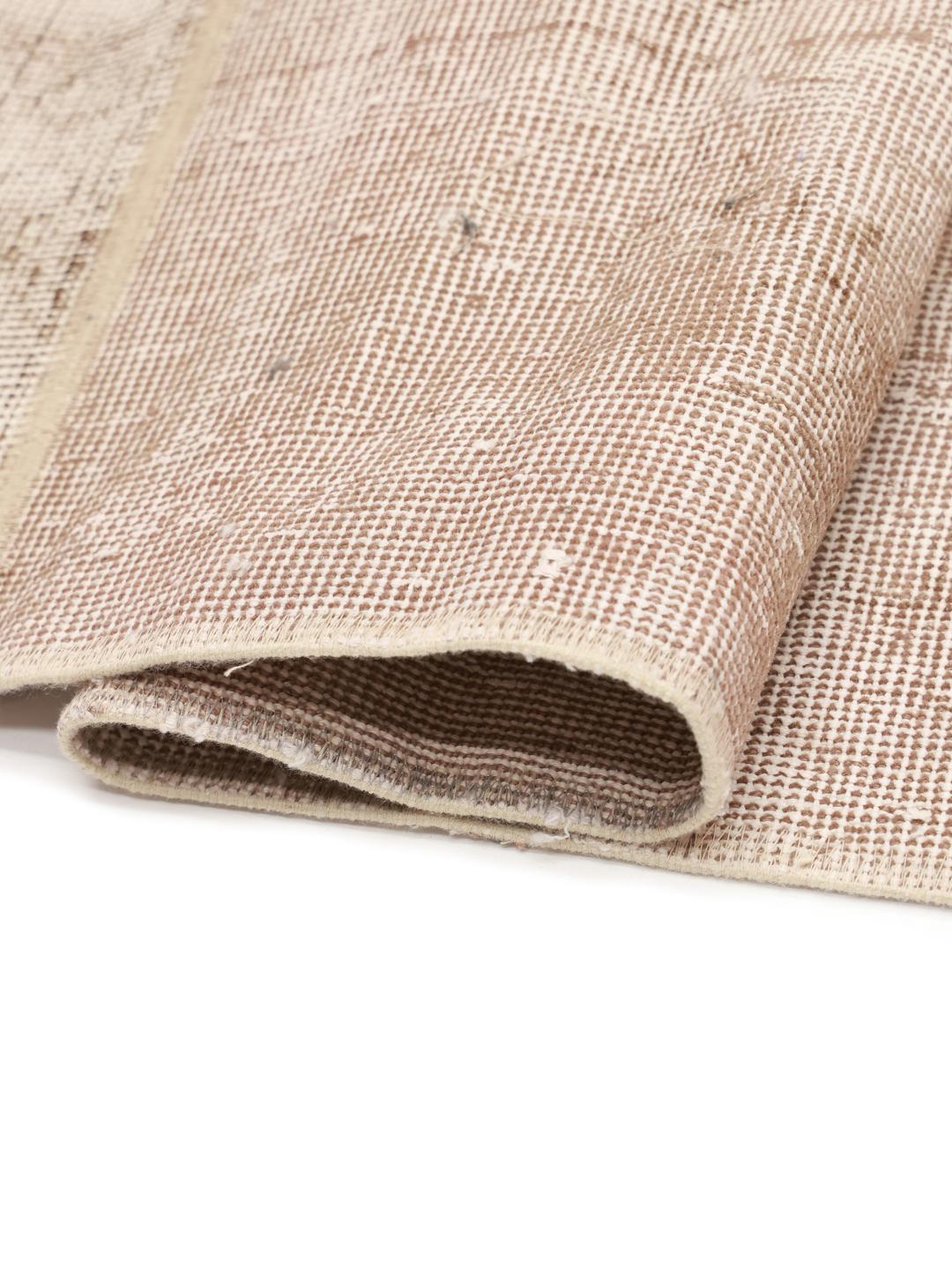
The terminology surrounding these rugs often refers to the 're-cycling' of history, where fragments of older pieces are cleaned, sheared, and re-assembled. This process requires a deep understanding of wool quality and colour theory, as the artisan must ensure that the disparate pieces harmonise in a way that feels intentional rather than random. It is a modern interpretation of ancient craft, bridging the gap between historical weaving techniques and contemporary design needs.
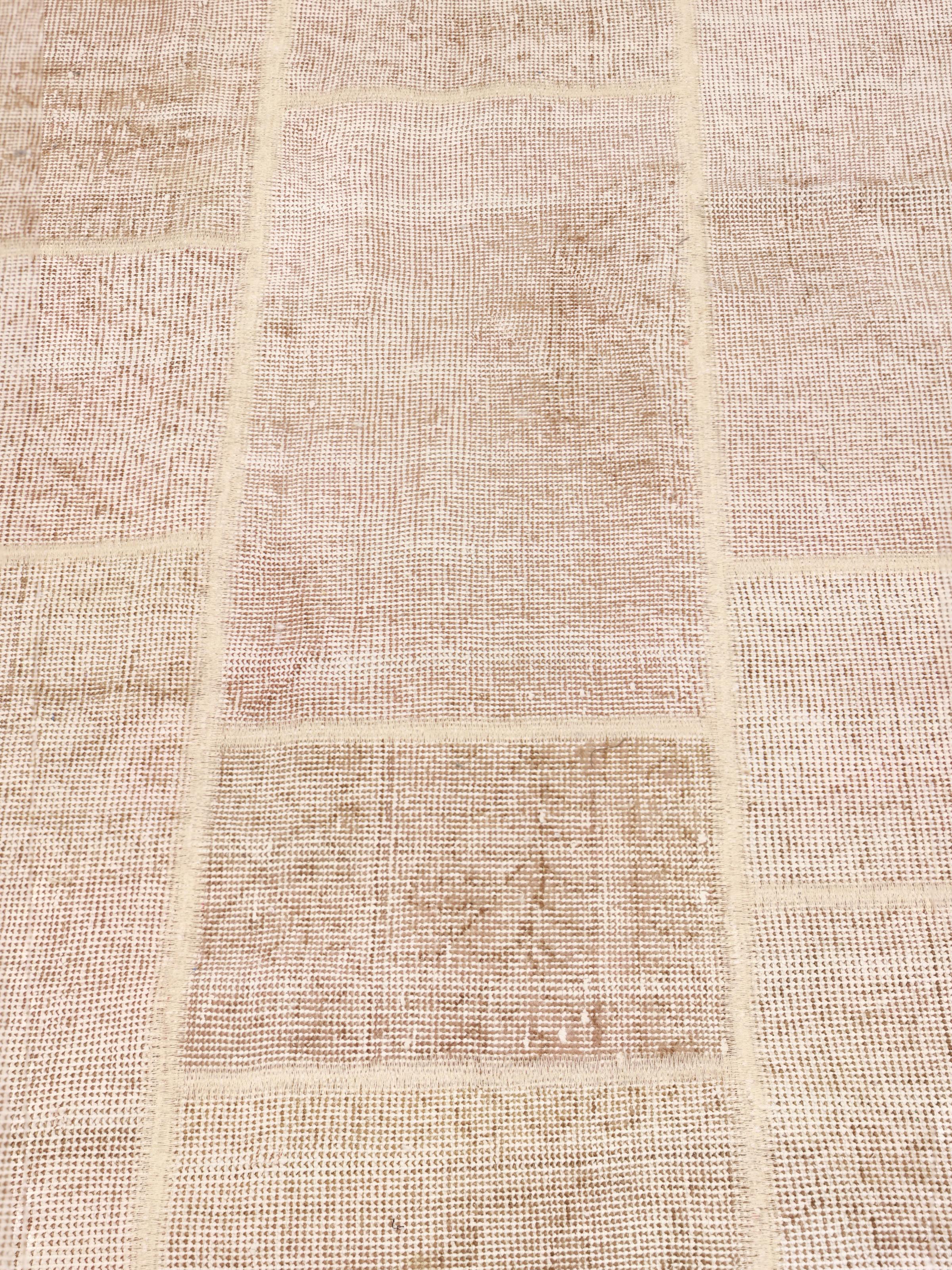
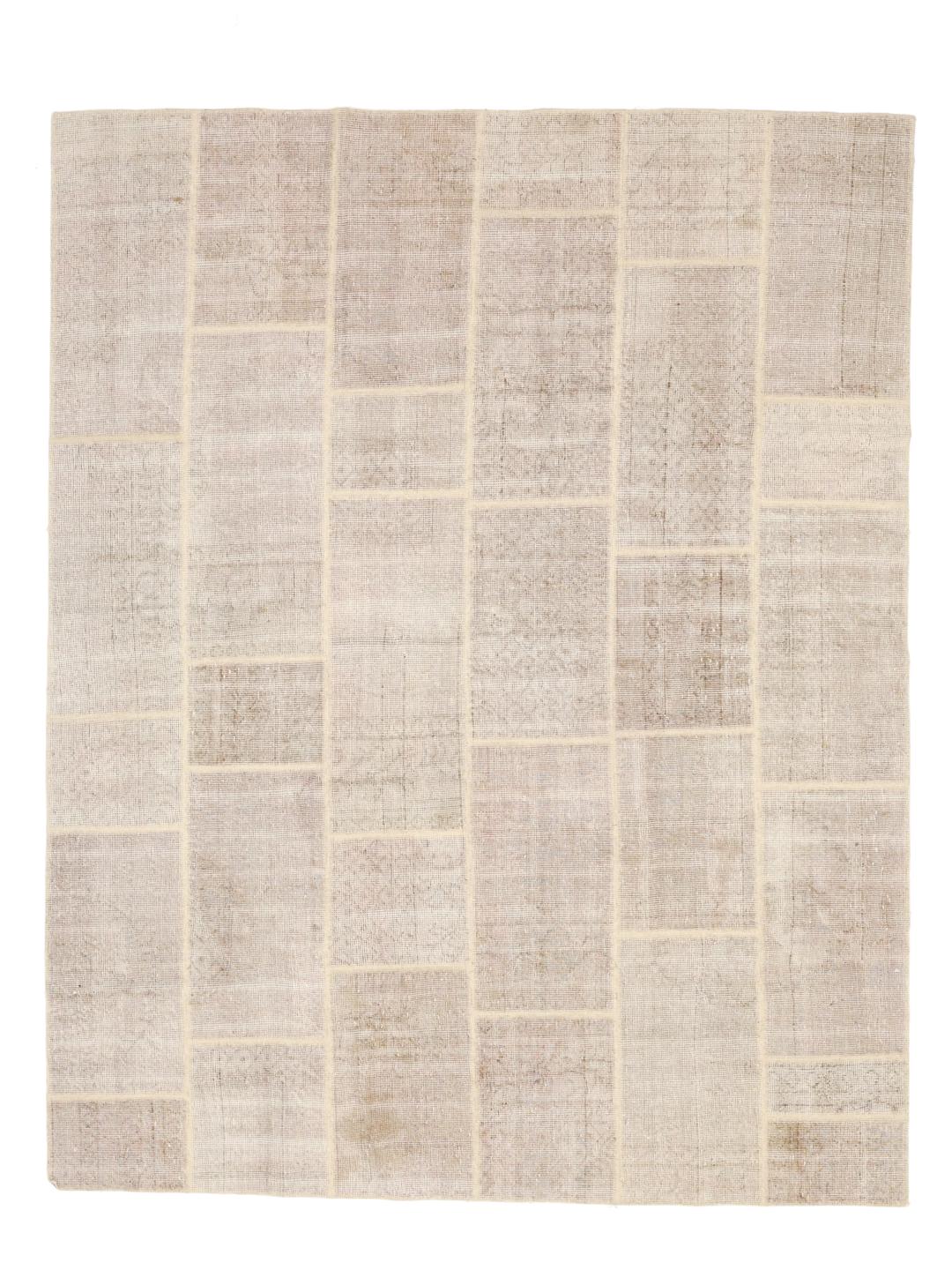
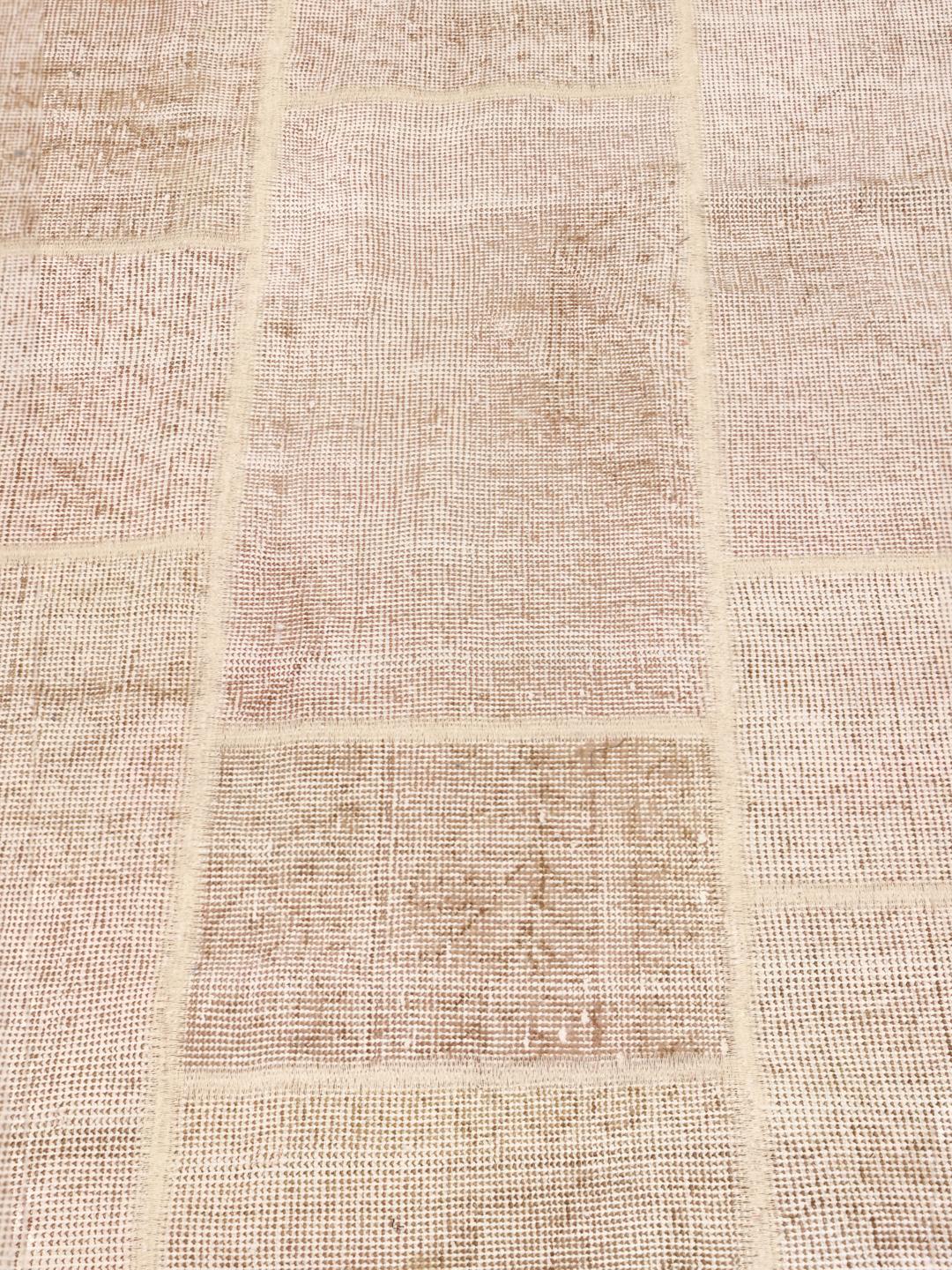
Signature elements of these rugs include the visible grid or geometric layout formed by the individual patches. Unlike a traditional medallion or all-over floral design, the visual language here is dictated by the border lines where the patches meet. This creates a rhythmic, structured appearance that highlights the textures of the wool. The neutral colour palettes often seen in these pieces are achieved through a gentle washing process that softens the original dyes of the source rugs.
Owning a patchwork rug is a way of participating in a tradition of preservation and creativity. It is highly valued by collectors and homeowners who appreciate the way it weaves together multiple strands of history into one floor covering. By choosing a patchwork piece, you are not just acquiring a rug, but a testament to the enduring value of skilled hand-work and the ability to find beauty in the reimagining of traditional textiles.