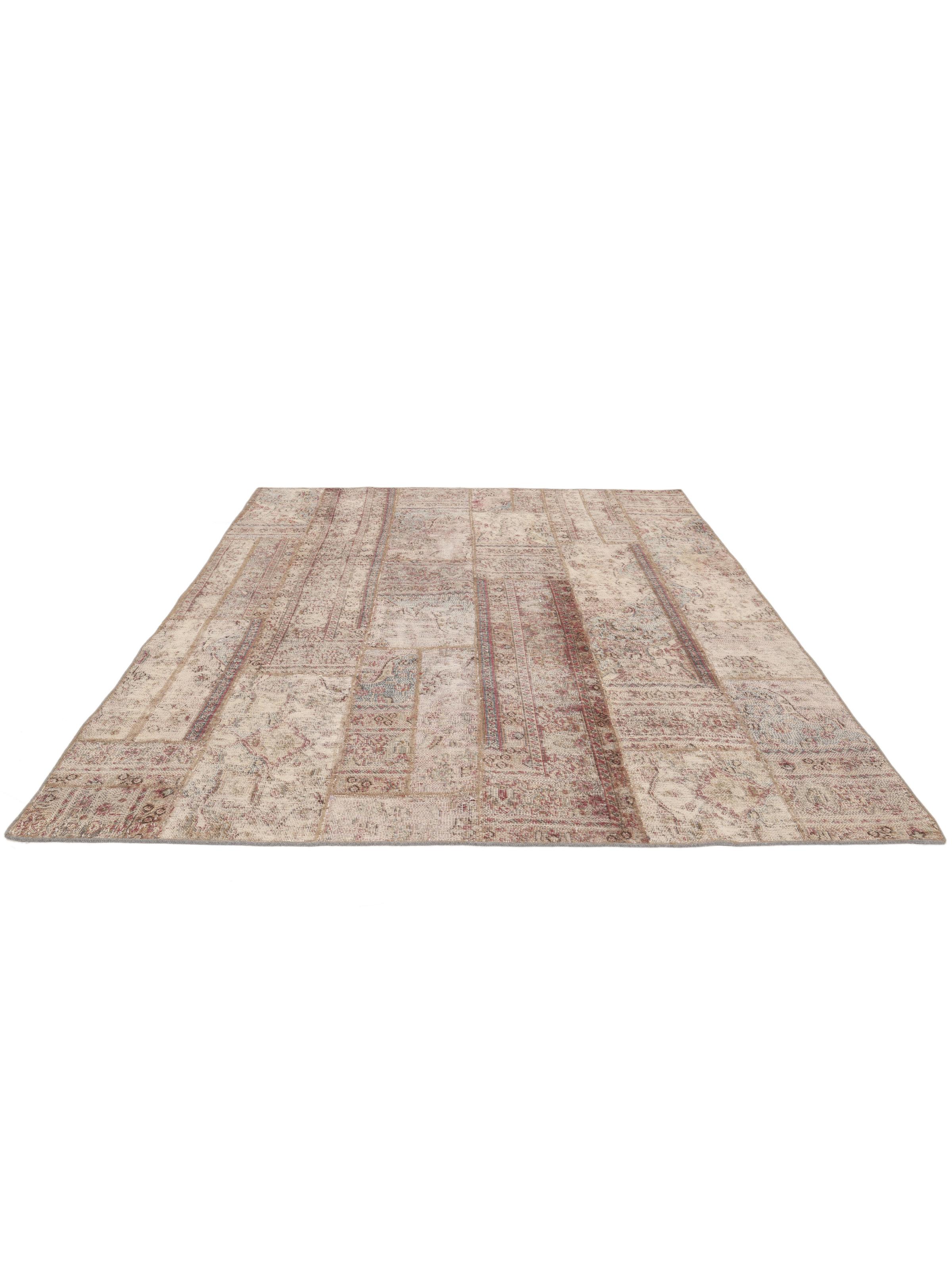
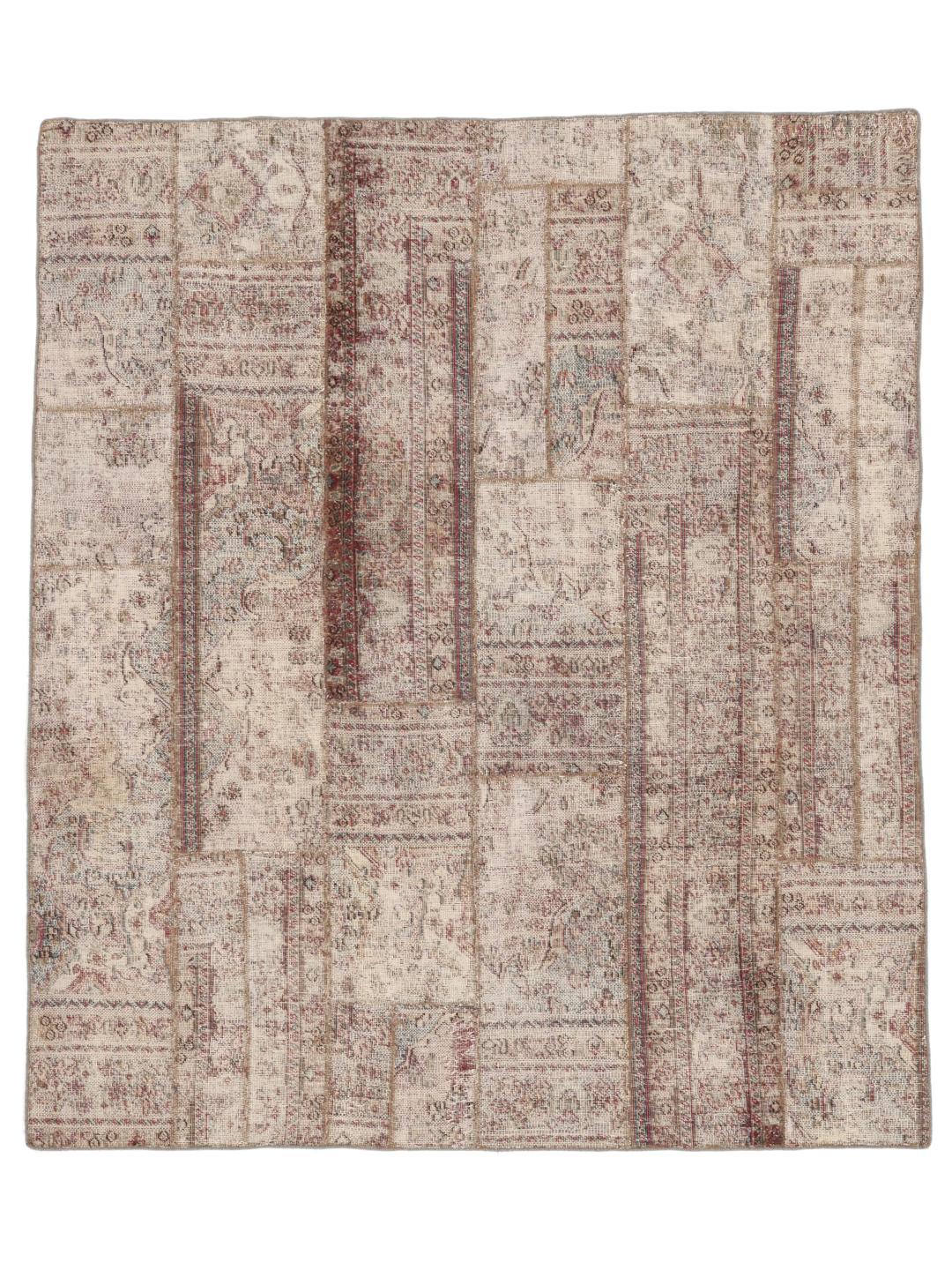
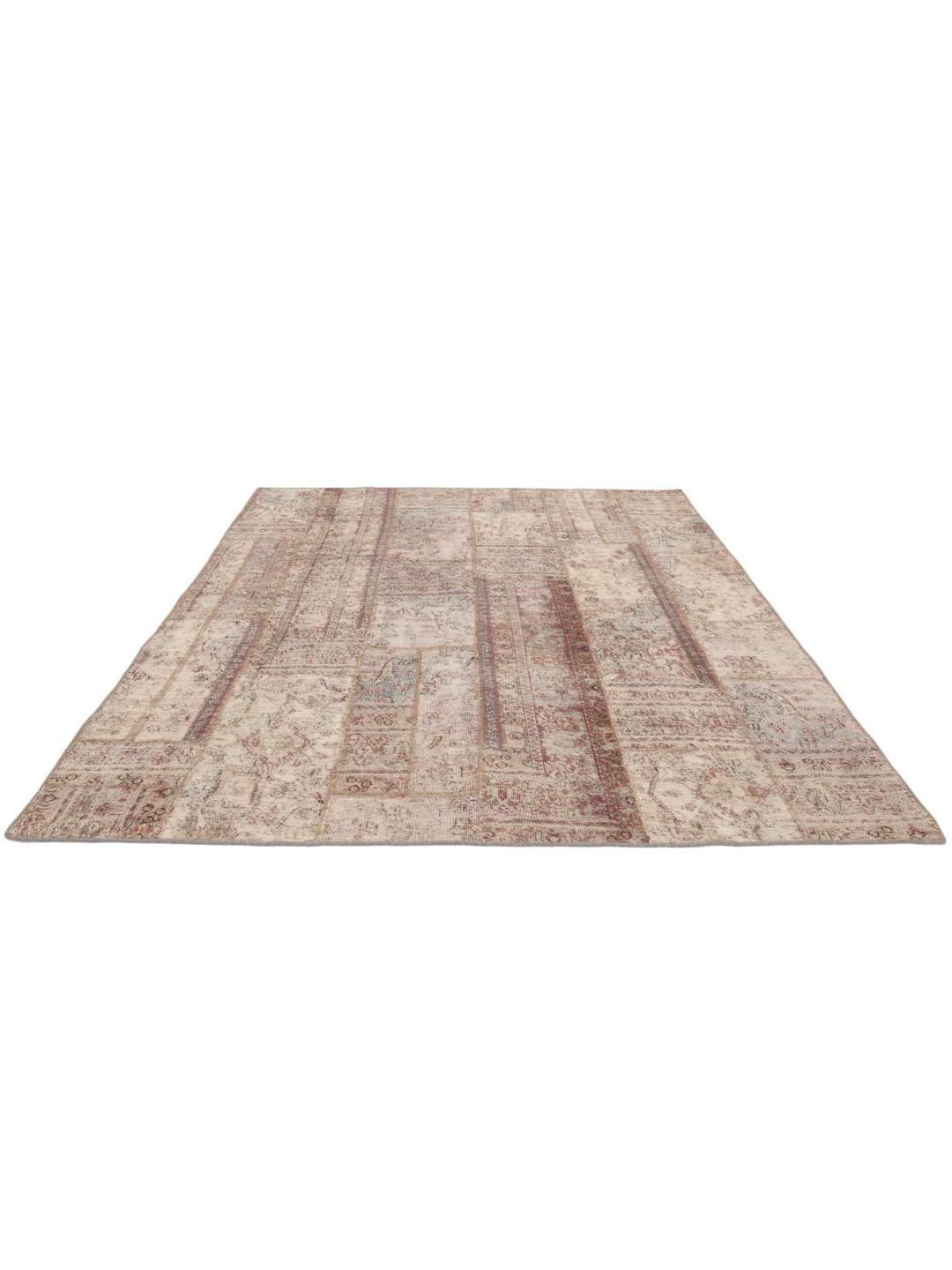
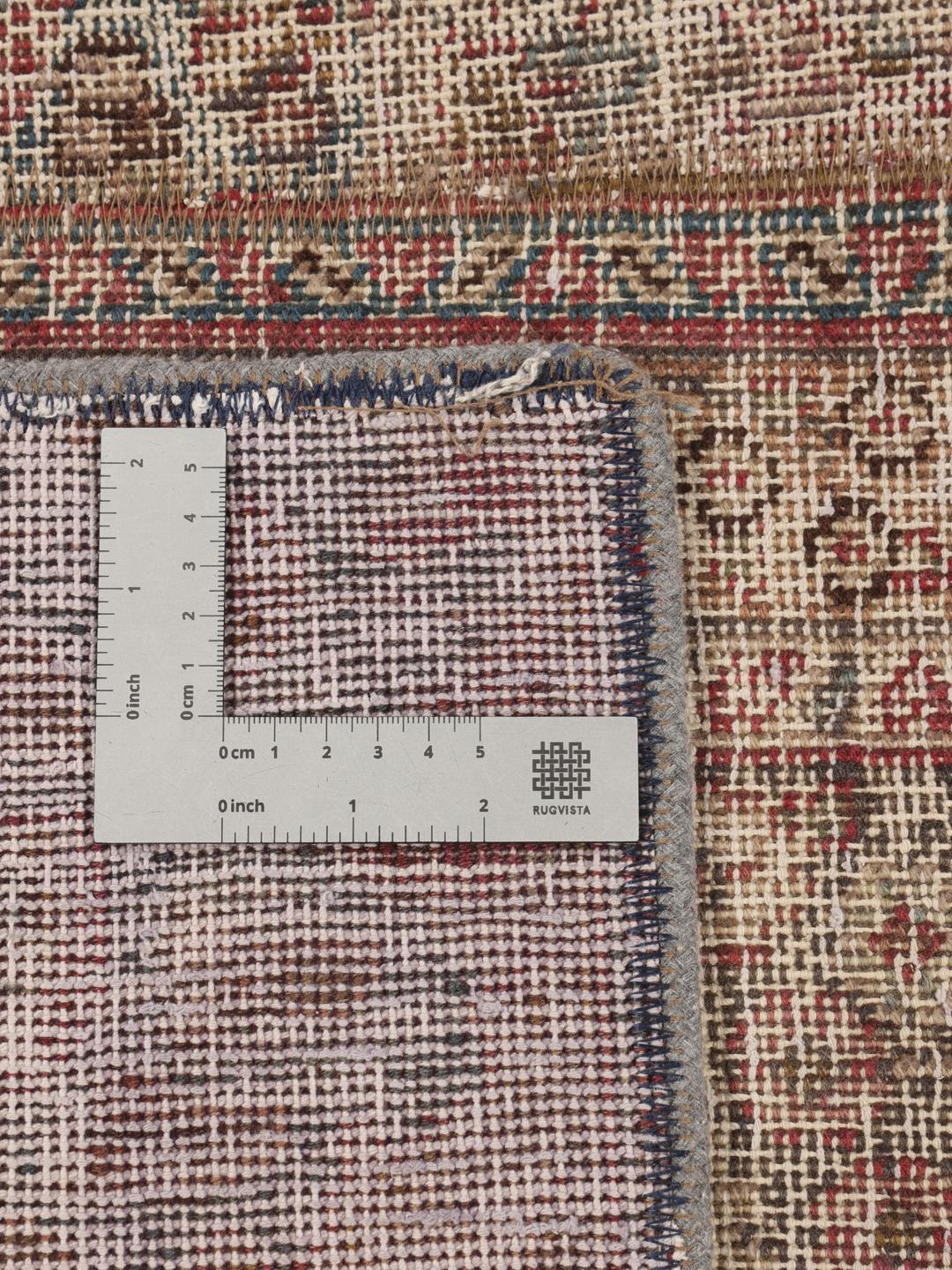
Patchwork rugs represent a brilliant evolution in the long history of Middle Eastern textile arts. This tradition involves taking older, worn, or damaged rugs that might otherwise be discarded and breathing new life into them by selecting the most beautiful, intact sections to create a brand-new composition. This practice respects the immense effort originally put into the weaving of the source rugs while allowing them to continue their journey in a modern context.
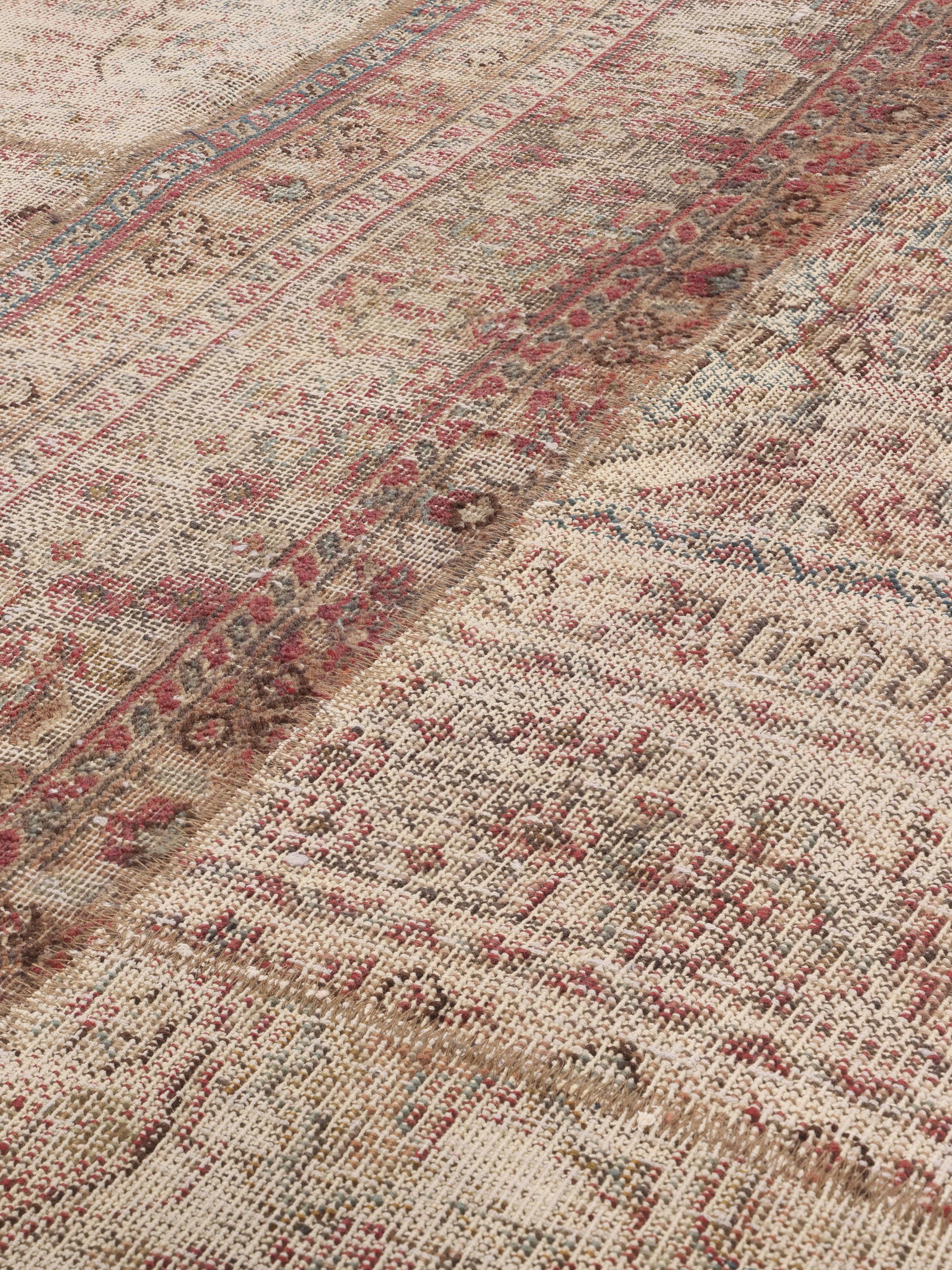
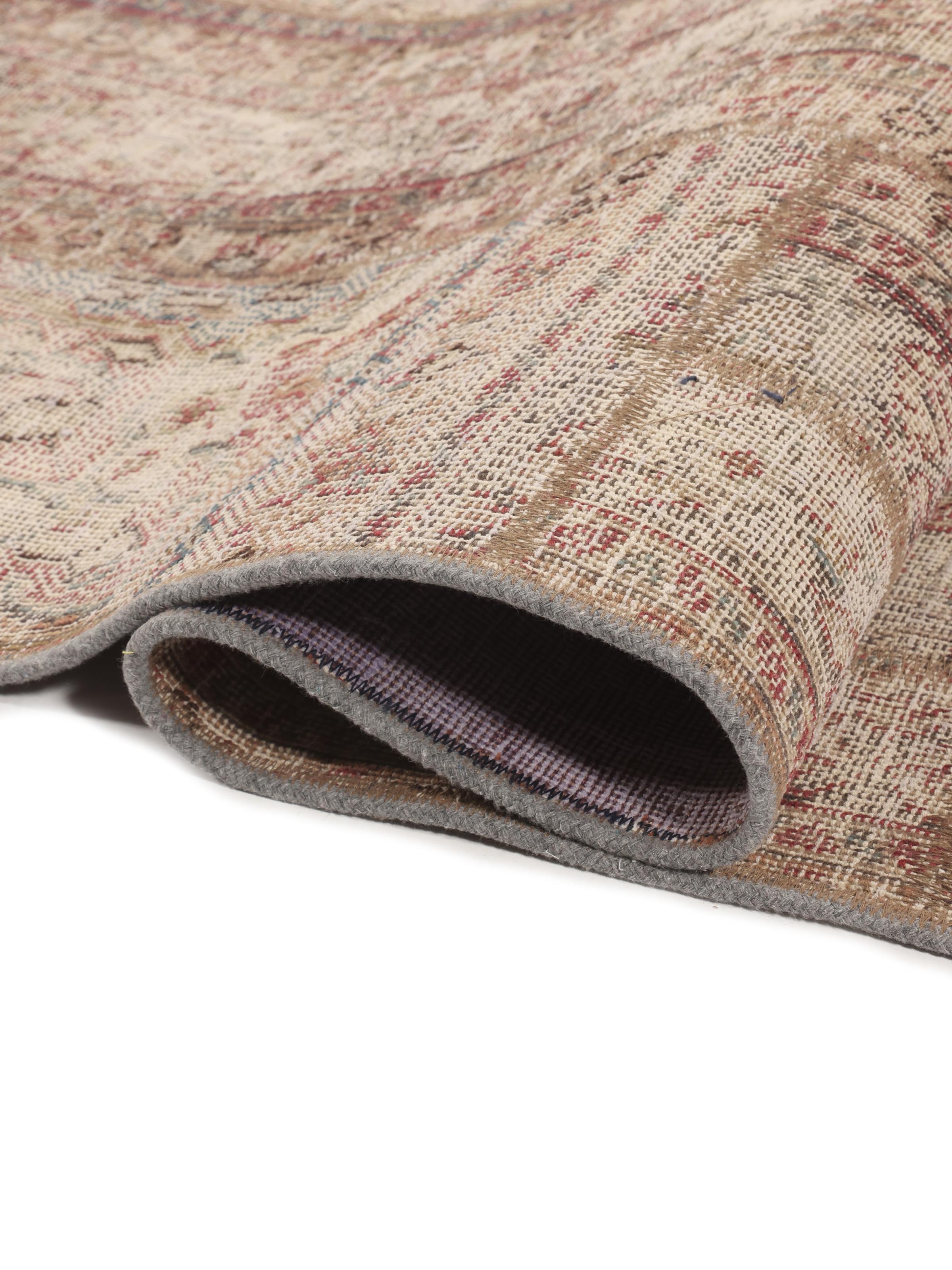
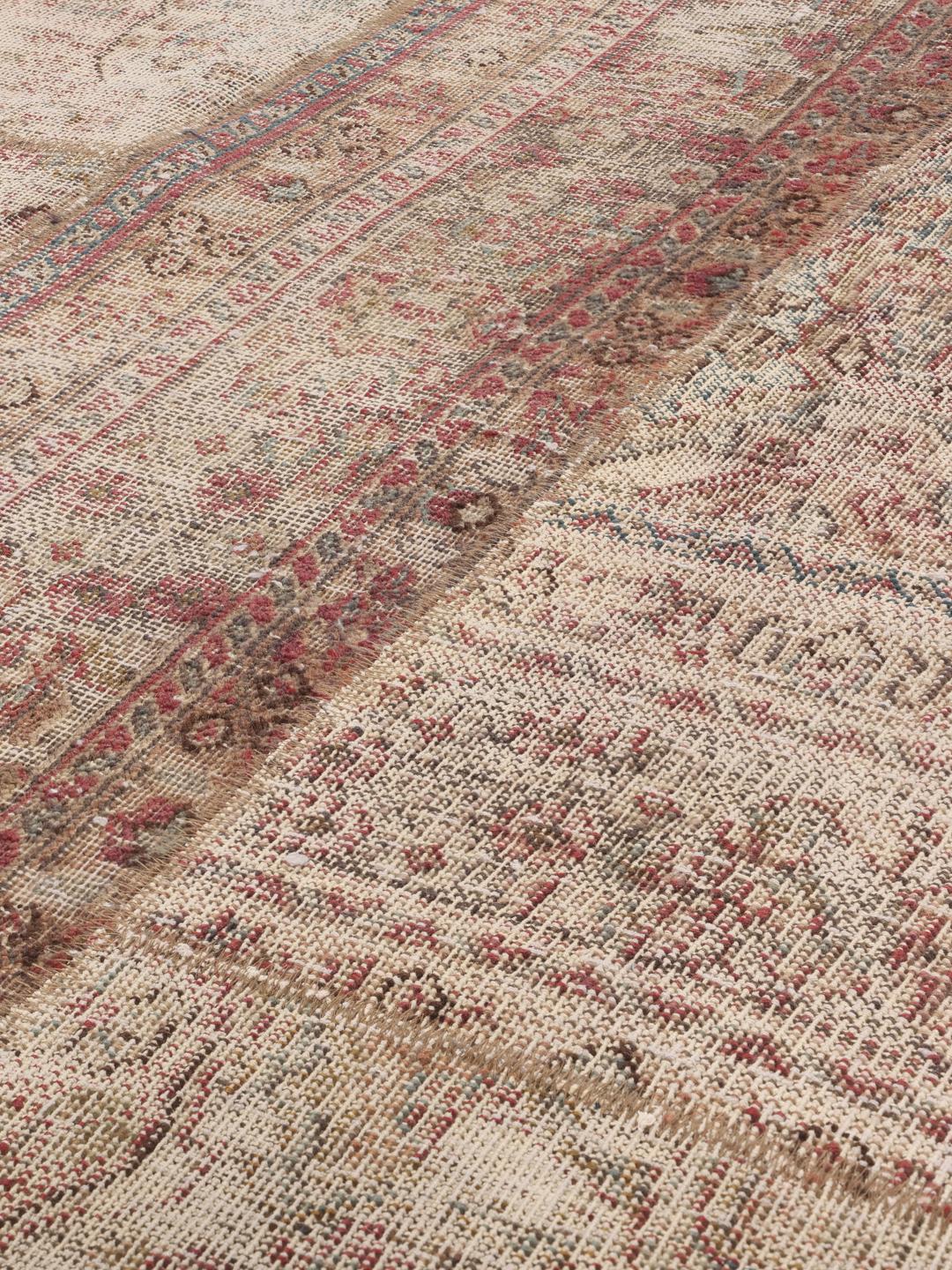
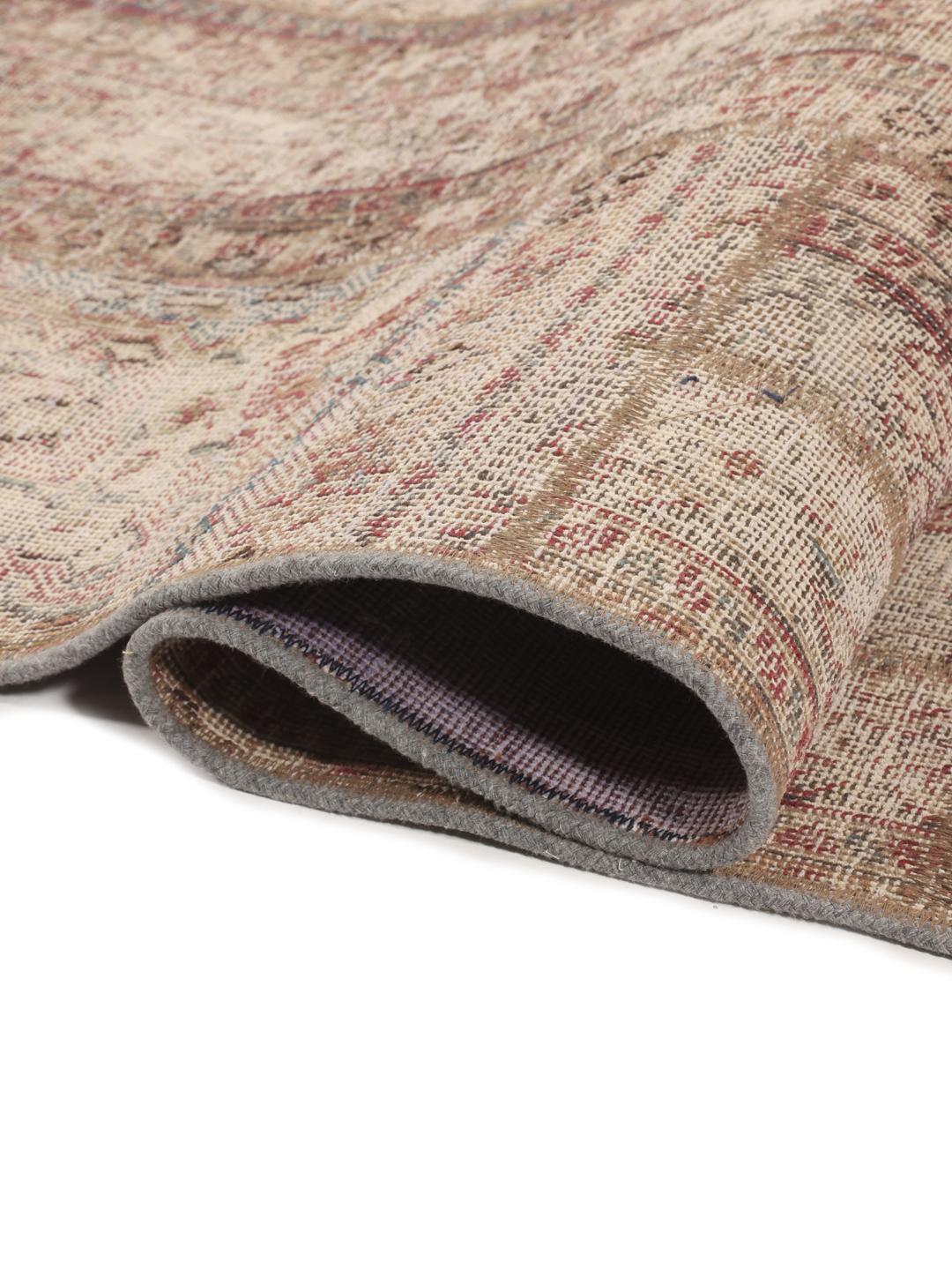
The craft relies on deep knowledge of traditional weaving techniques. Each fragment used in a patchwork rug often comes from a different origin or period, meaning the artisan must have an expert eye for colour, pattern, and wool quality to ensure the finished piece feels intentional and unified. The result is a mosaic of history where you can see the echoes of different regional styles stitched together into a single, cohesive design.
The signature design elements found in these rugs are as varied as the fragments themselves. You will often find remnants of traditional medallions, intricate floral borders, or geometric tribal motifs that were once part of larger, complete rugs. When these fragments are combined, they create a new visual language—a complex, layered aesthetic that feels both familiar and entirely fresh, often highlighting the beauty of natural dyes and time-softened wool.
Owning a patchwork rug is an act of preservation and appreciation for the skill of past generations. It is a way to hold onto the cultural weight and artistic heritage of Middle Eastern rug making while enjoying a piece that fits seamlessly into a modern home. These rugs are highly valued by collectors and enthusiasts who understand that every stitch tells a story of creative transformation and lasting quality.