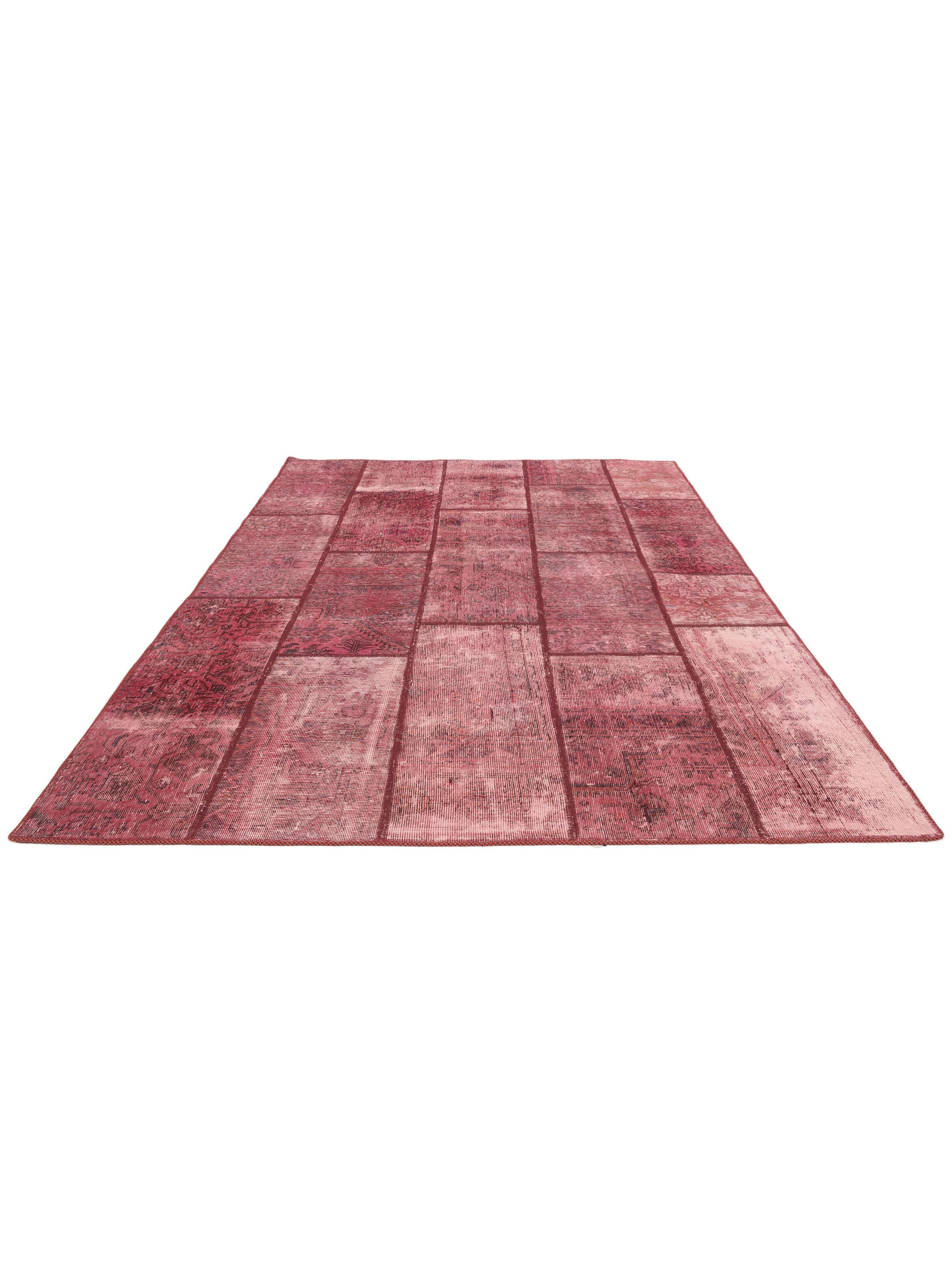
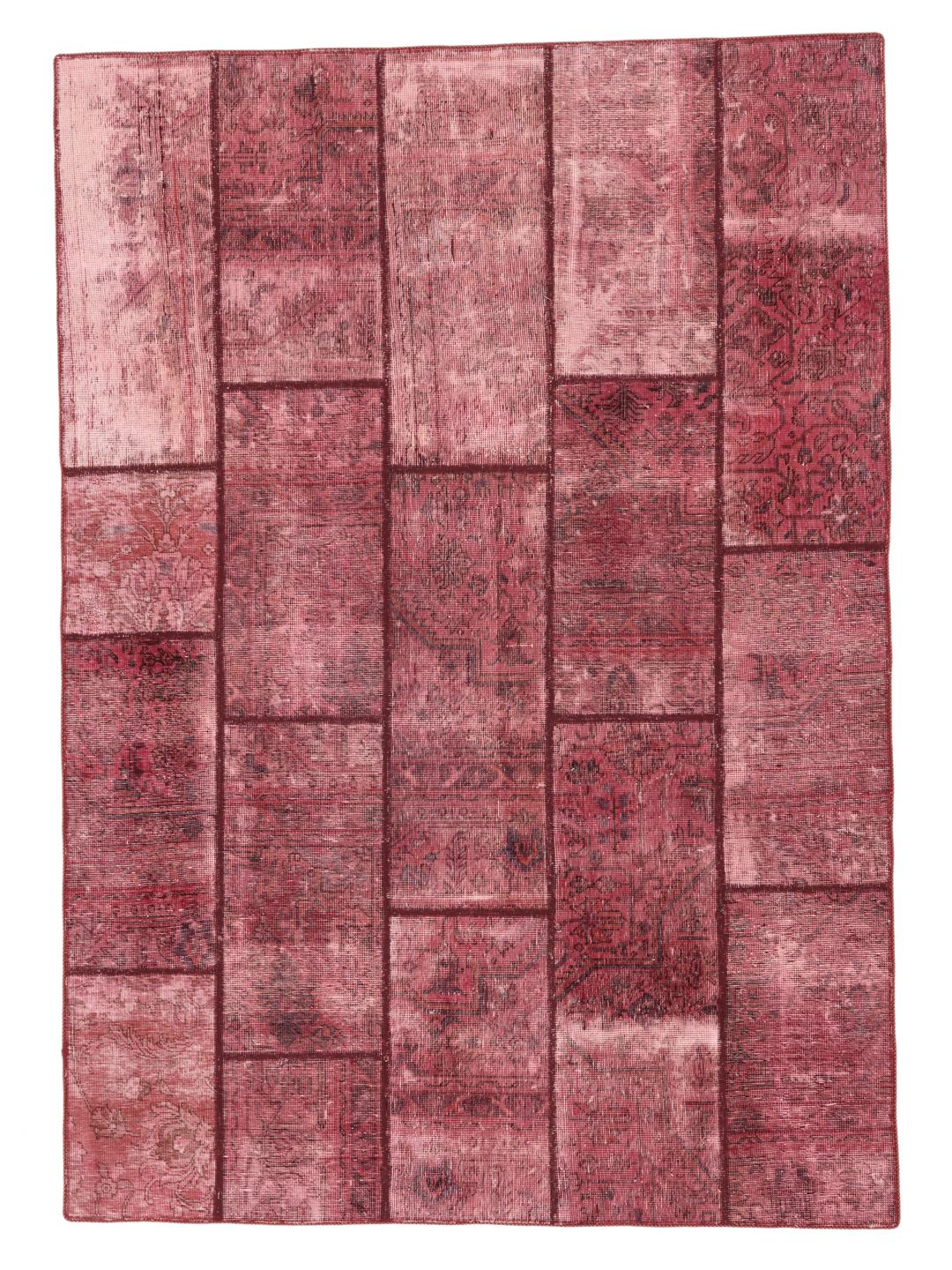
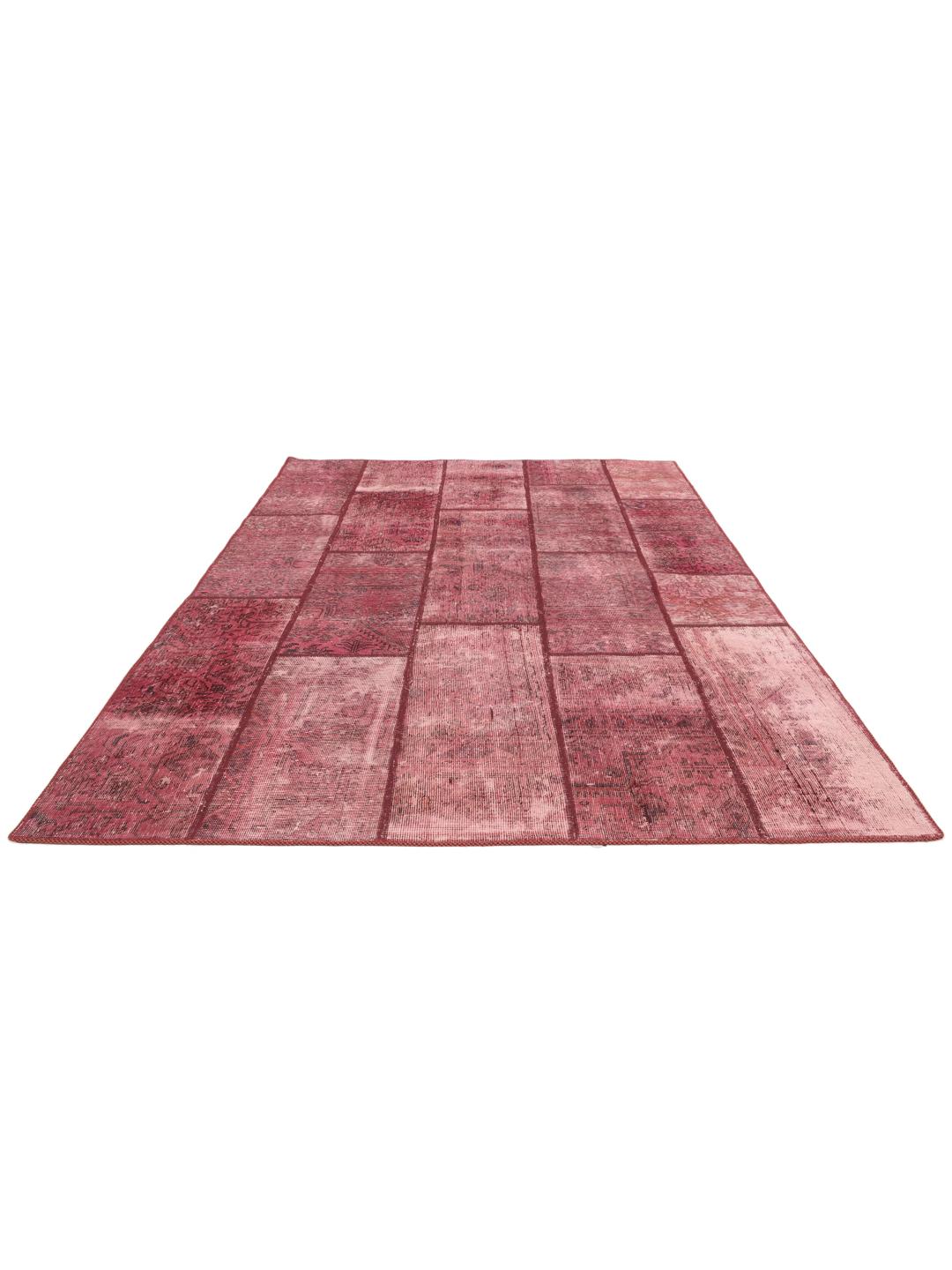
The art of patchwork in rug making is a creative evolution of traditional Middle Eastern textile practices. Historically, weavers and families would preserve remnants of old, worn rugs that were too precious to discard, repurposing them into new, functional items. This practice not only honoured the skill and time invested in the original pieces but also allowed for the continuation of cultural motifs in a fresh, artistic form.
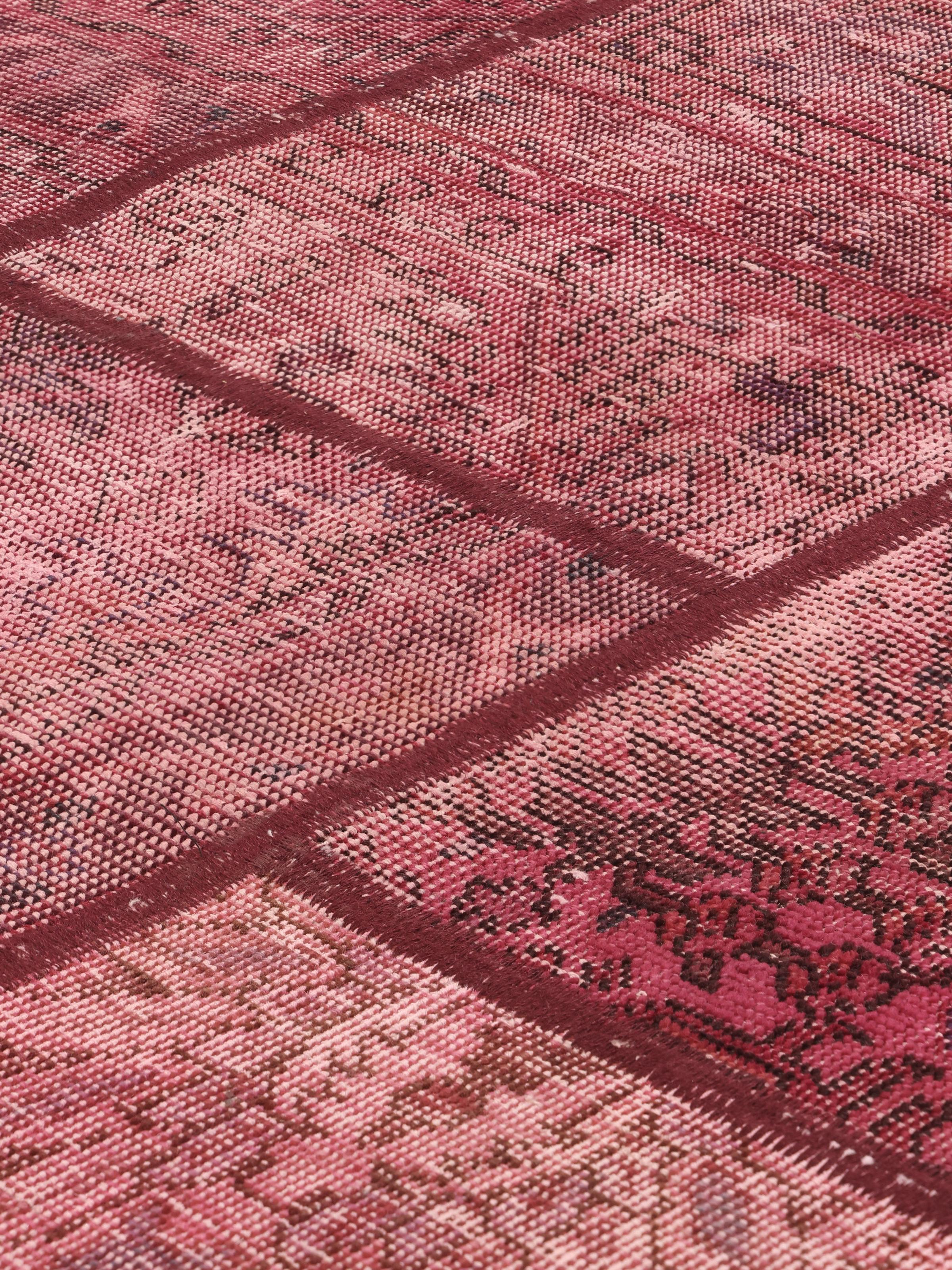
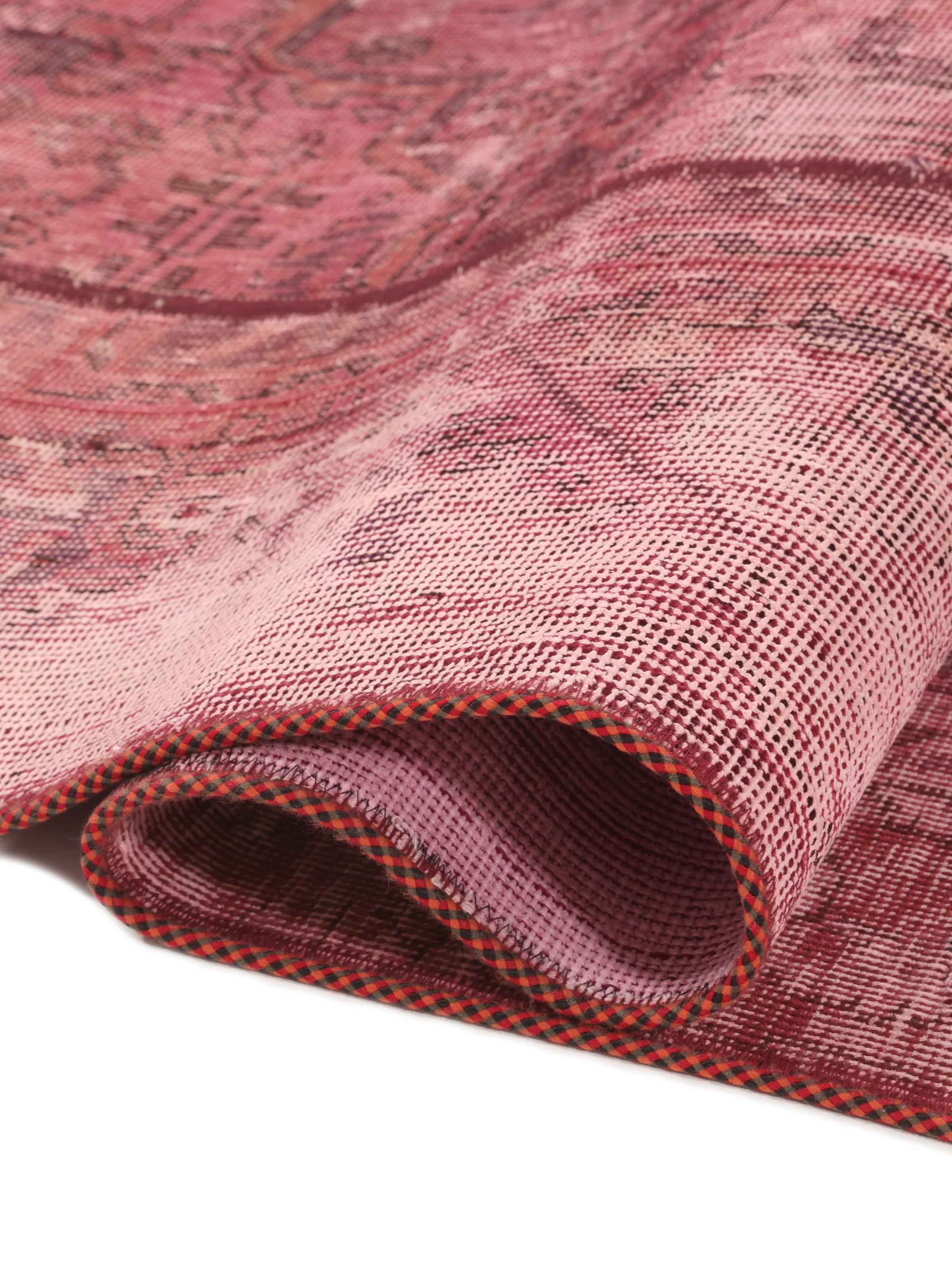
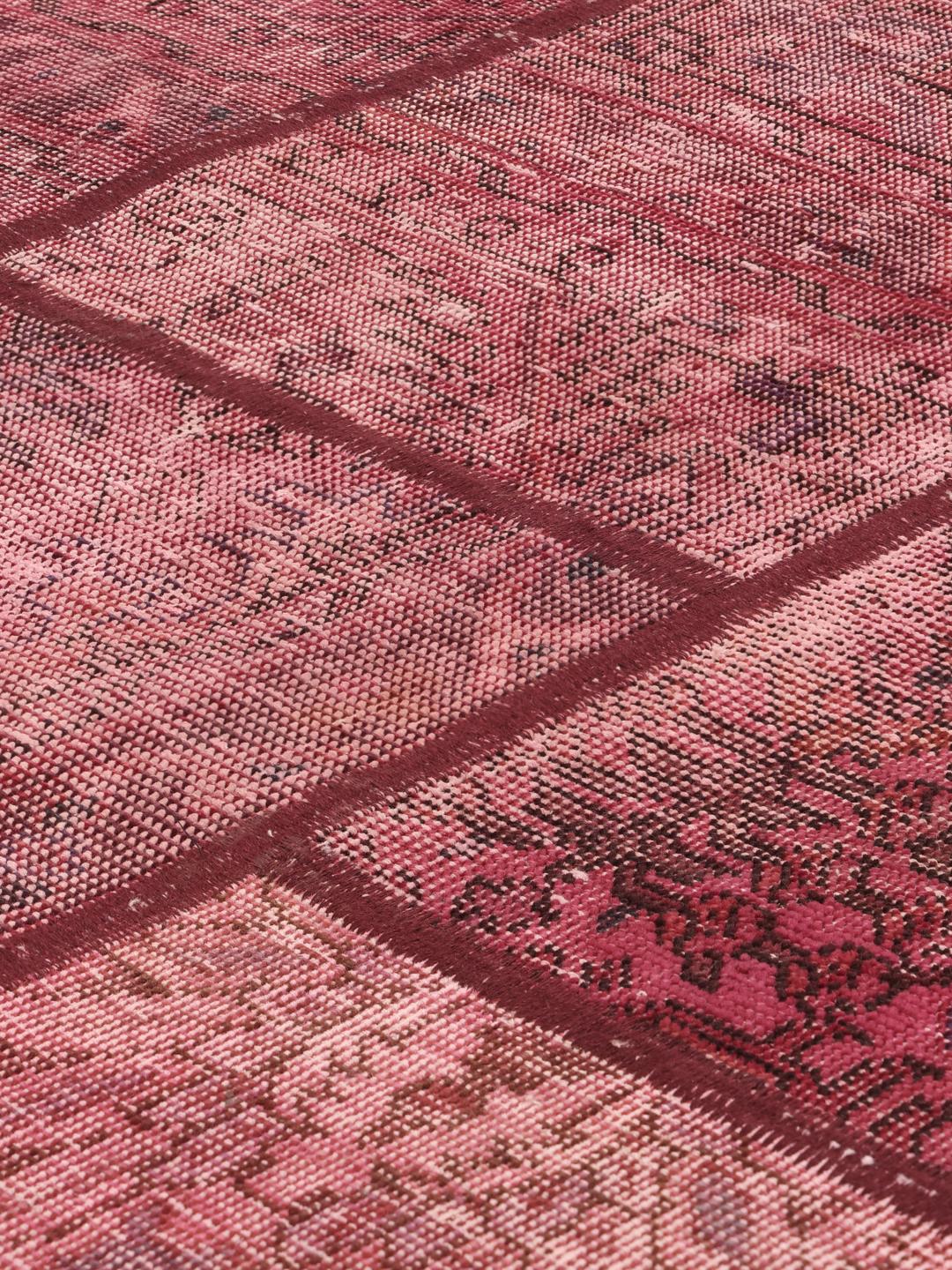
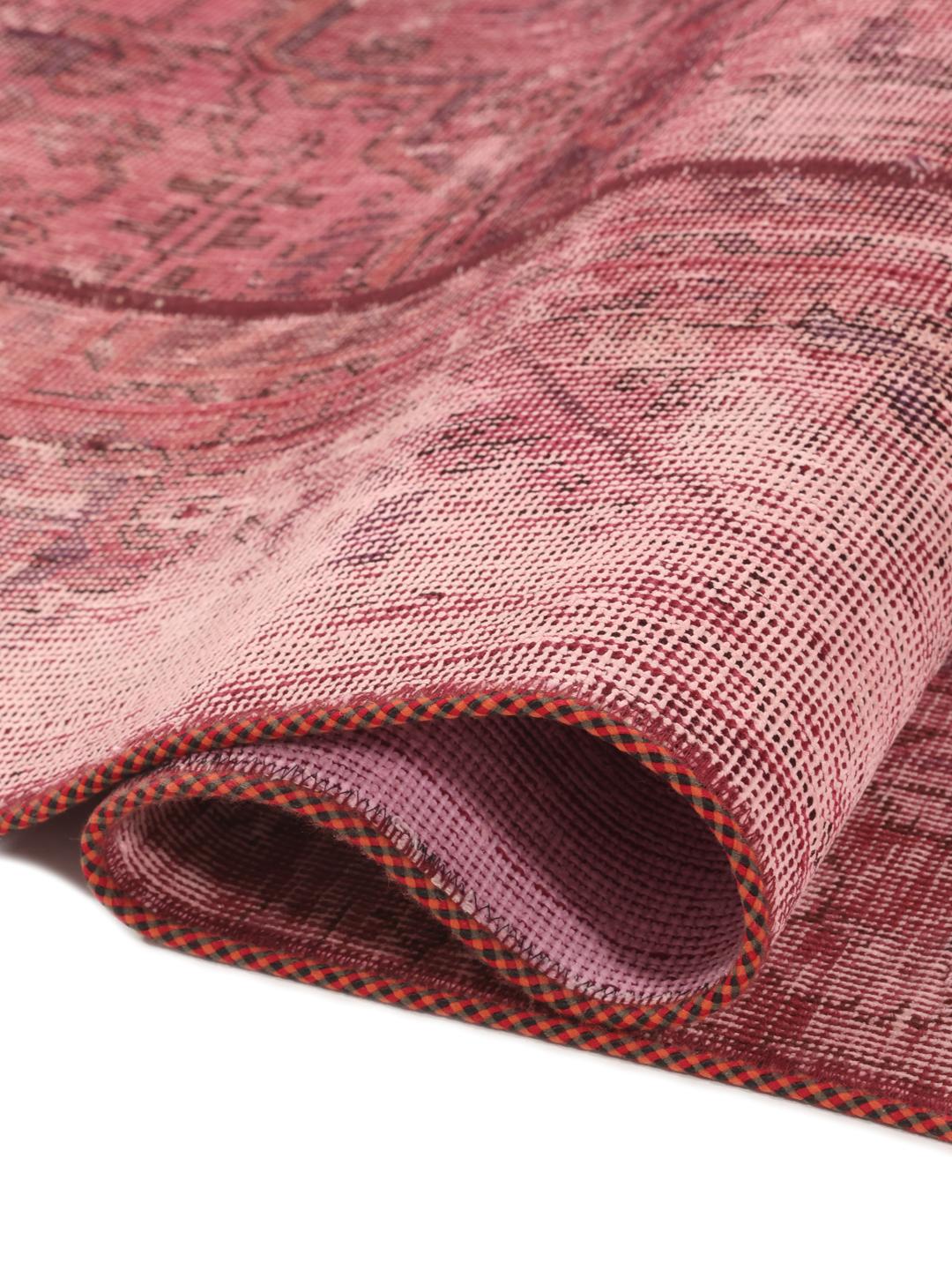
The term patchwork refers to this assembly process where individual fragments are brought together to create a unified whole. In this tradition, the quality of the final piece depends entirely on the selection of fragments, their colour harmony, and the precision of the stitching. It is a craft that requires an intimate understanding of how different textures and patterns can complement one another without overwhelming the eye.
Visually, these rugs often feature a complex layering of motifs, including remnants of traditional medallion patterns, floral elements, and geometric borders. Because the fragments are sourced from different rugs, the design often showcases a depth of colour that is hard to achieve in a single, newly woven piece. The resulting aesthetic is one of intentional complexity, where the history of multiple rugs converges into a single, vibrant display.
Collectors value these rugs for their ability to bridge the gap between historical heritage and modern interior design. Owning such a piece is an investment in both sustainability and artistry, as it gives a second life to high-quality textiles. It is a testament to the idea that beauty can be found in transformation, making it a highly sought-after choice for those who value unique, narrative-driven decor.