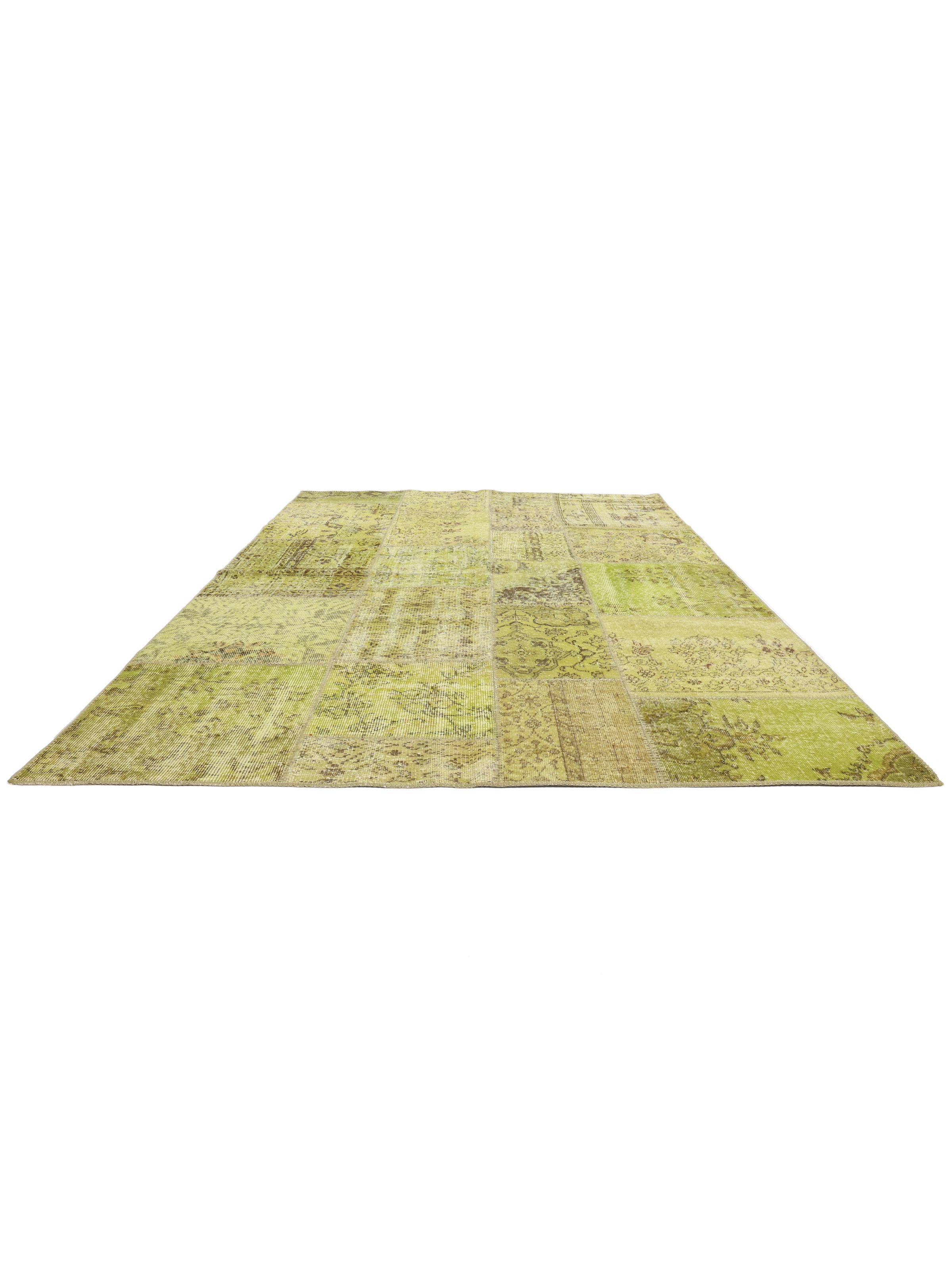
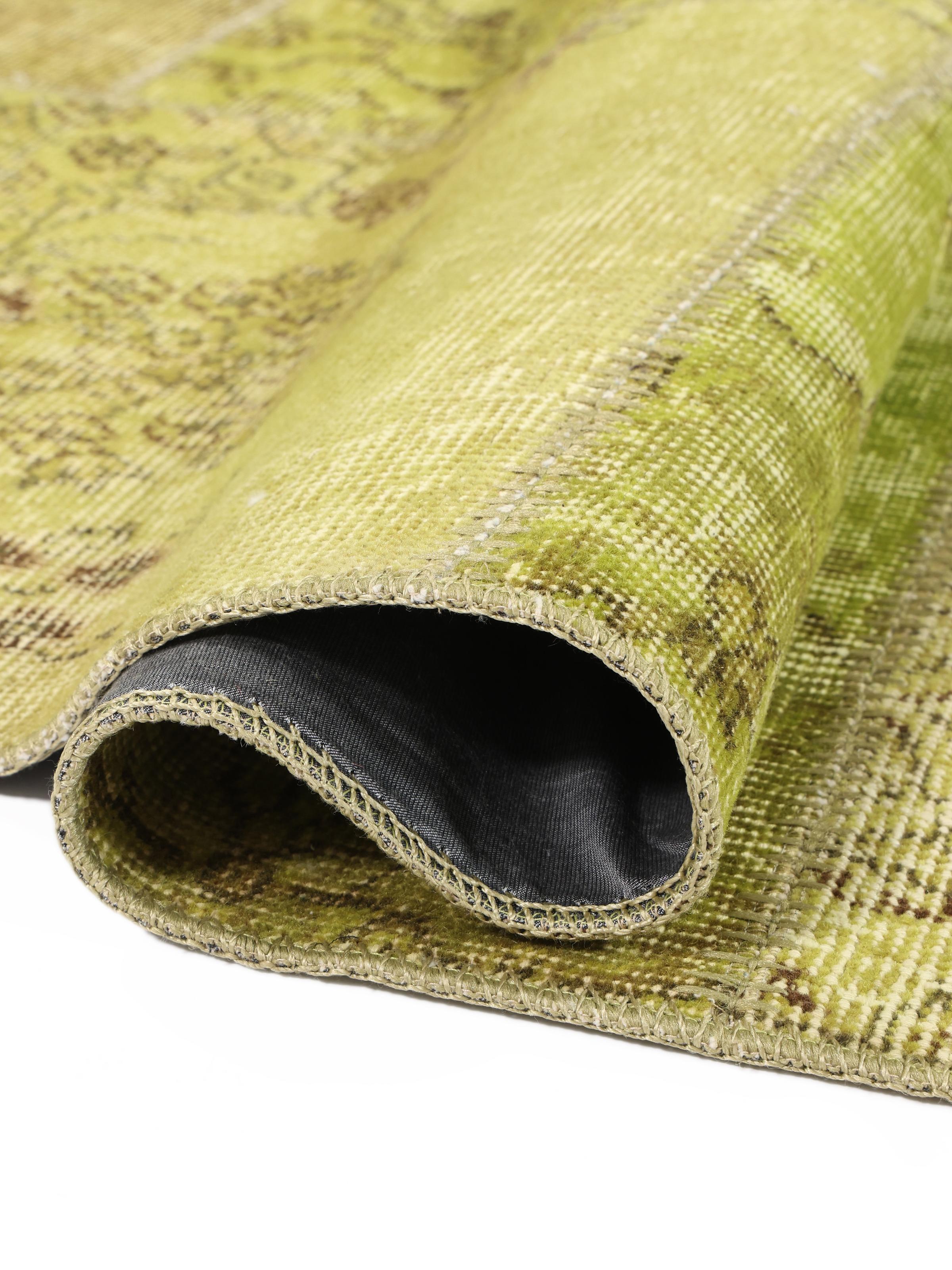
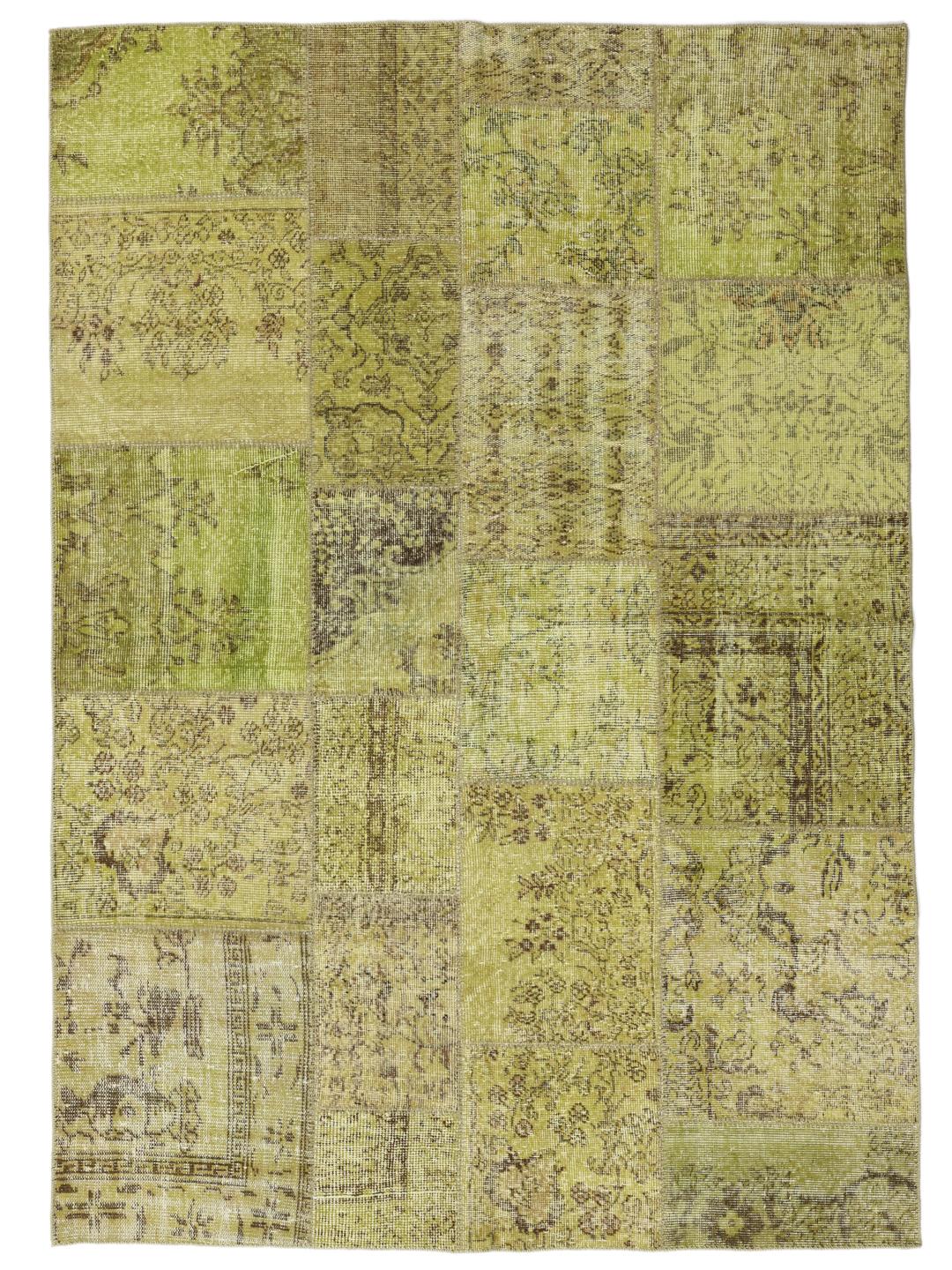
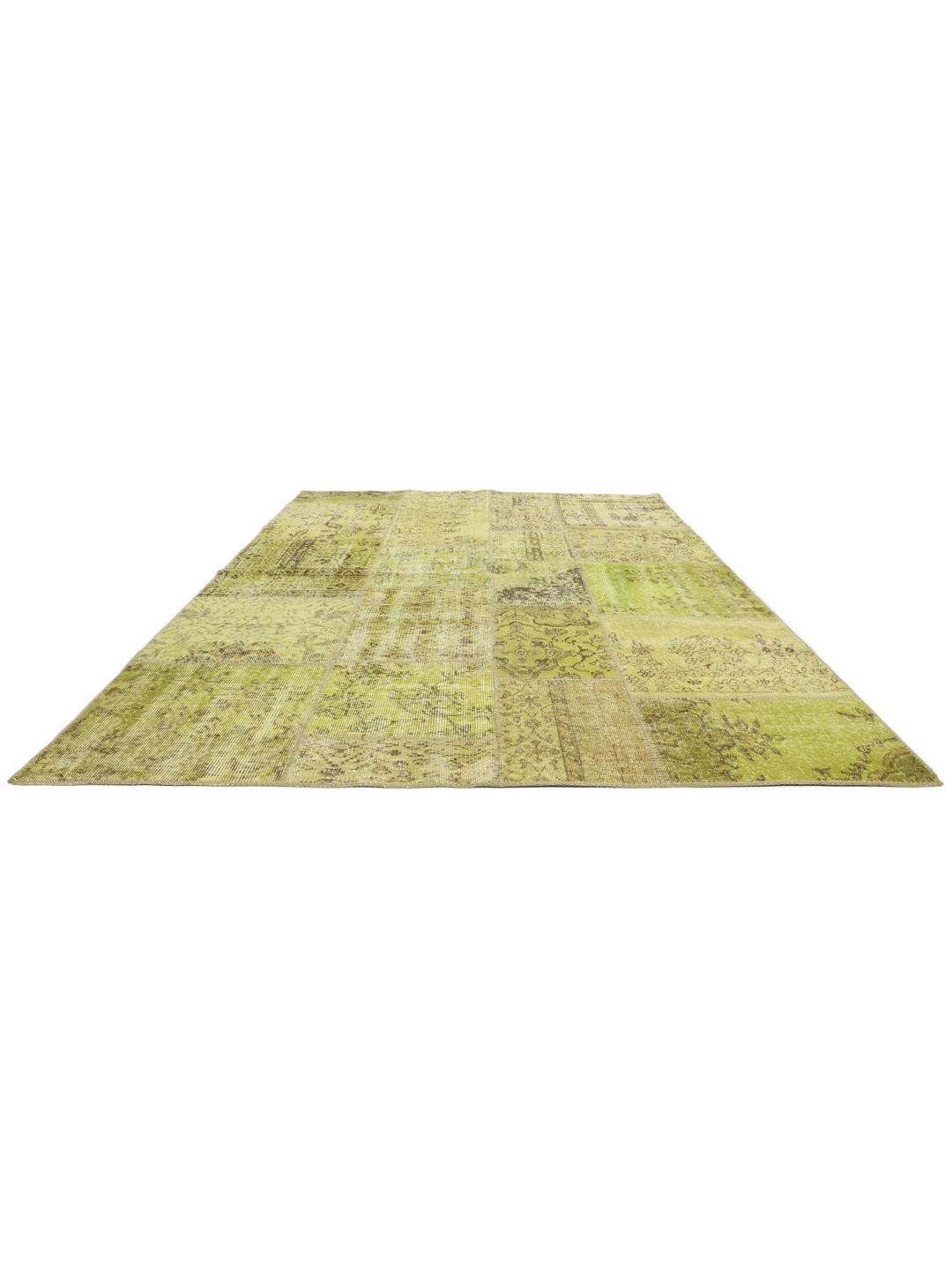
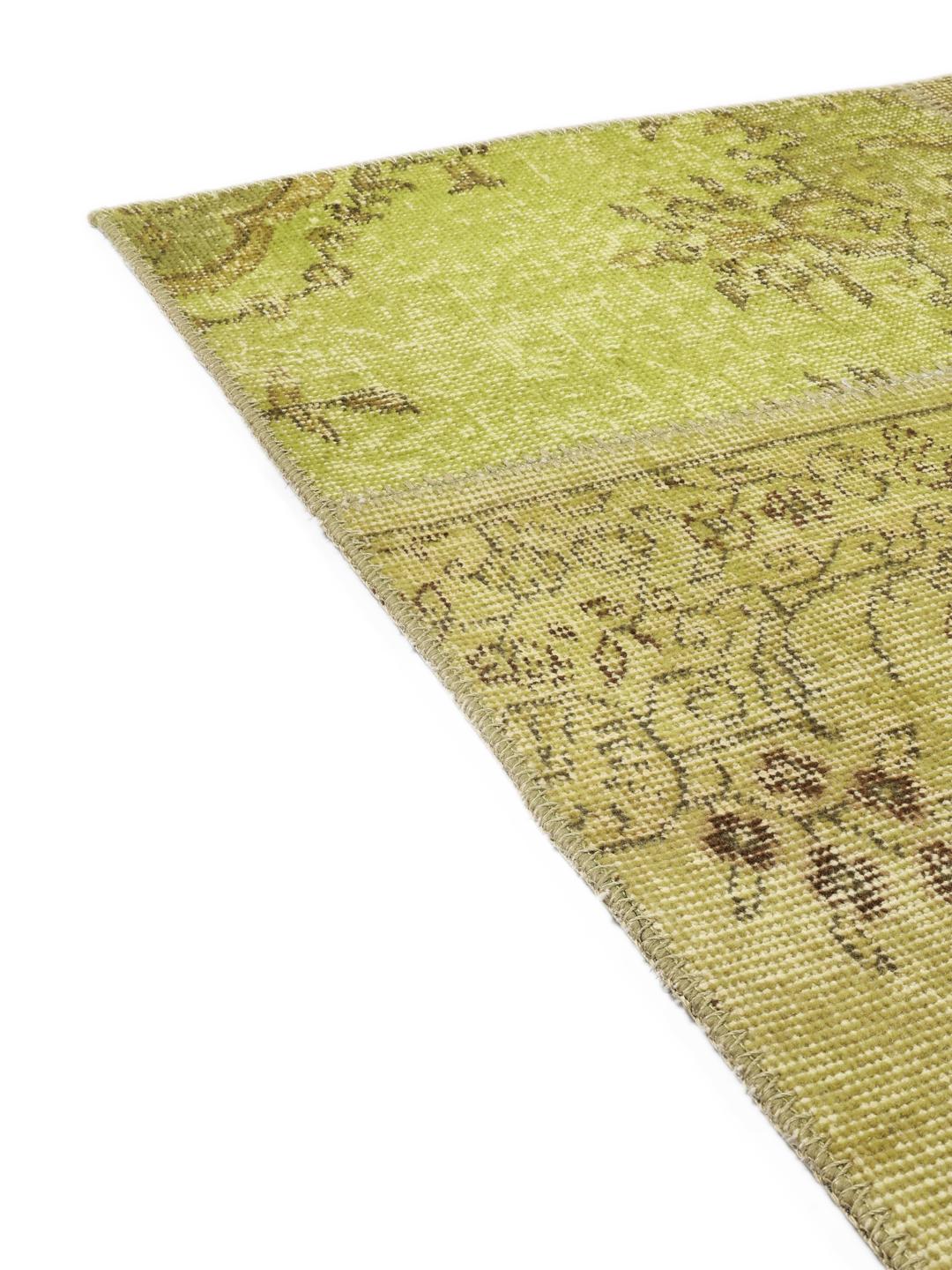
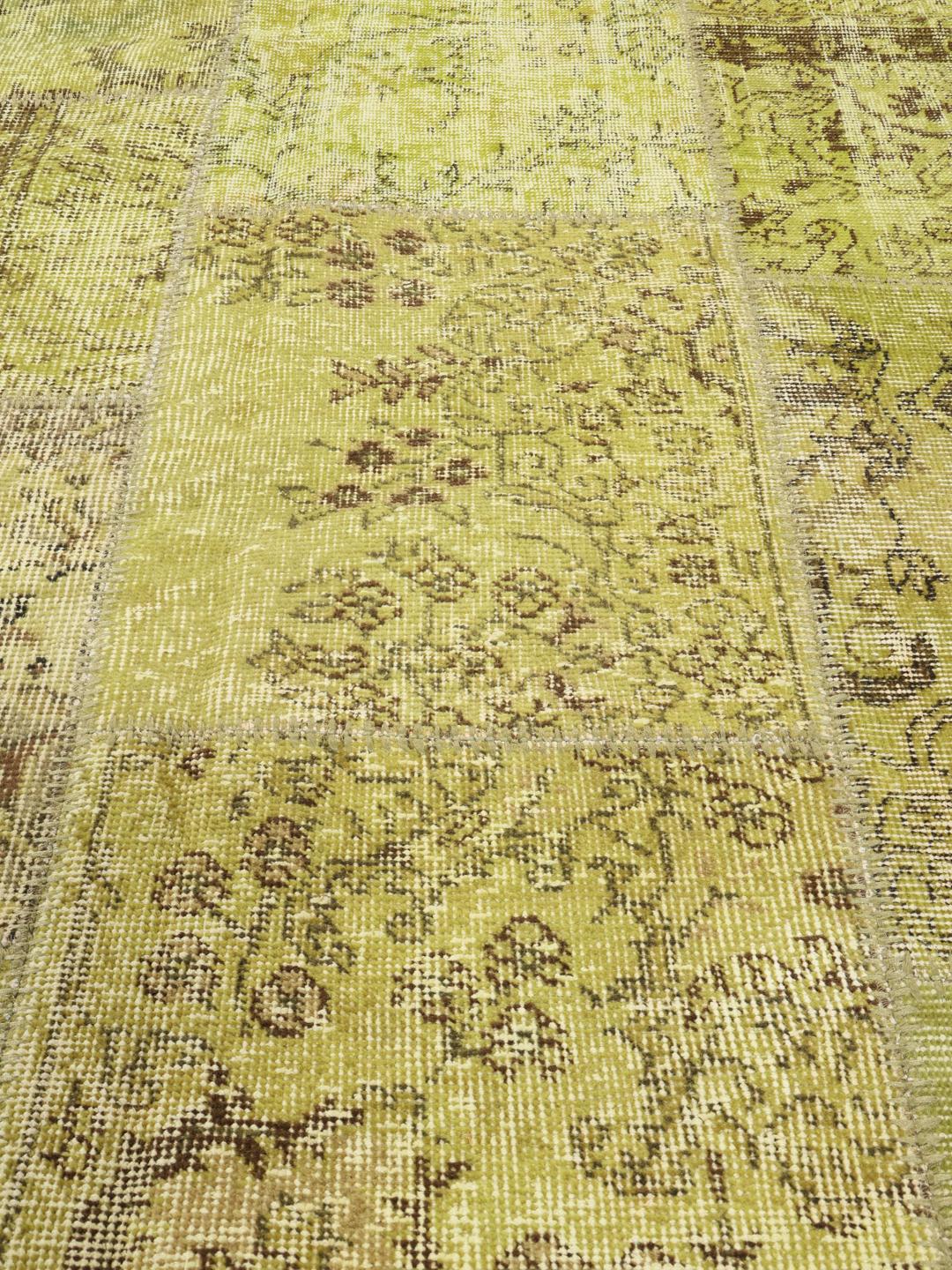
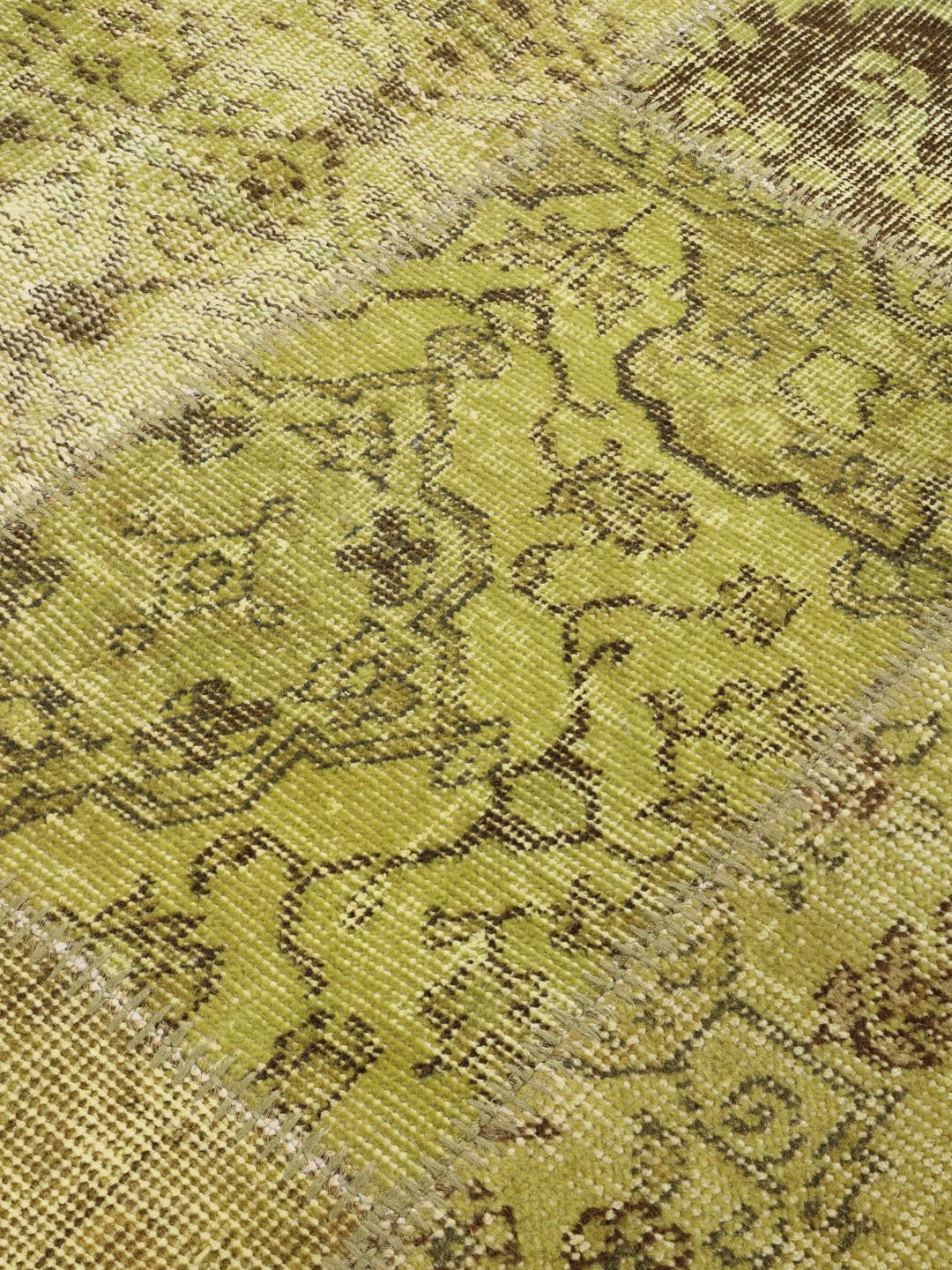
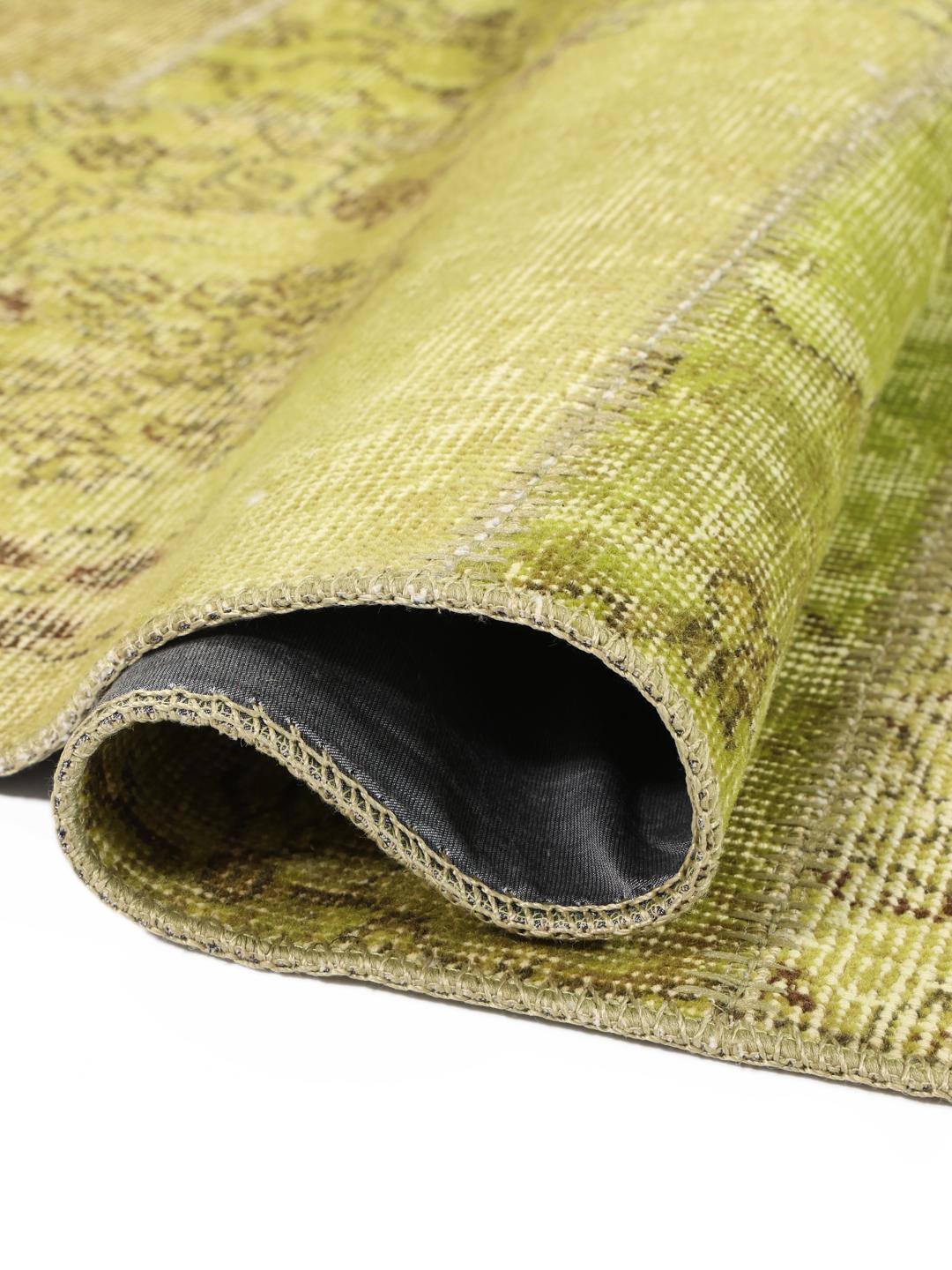
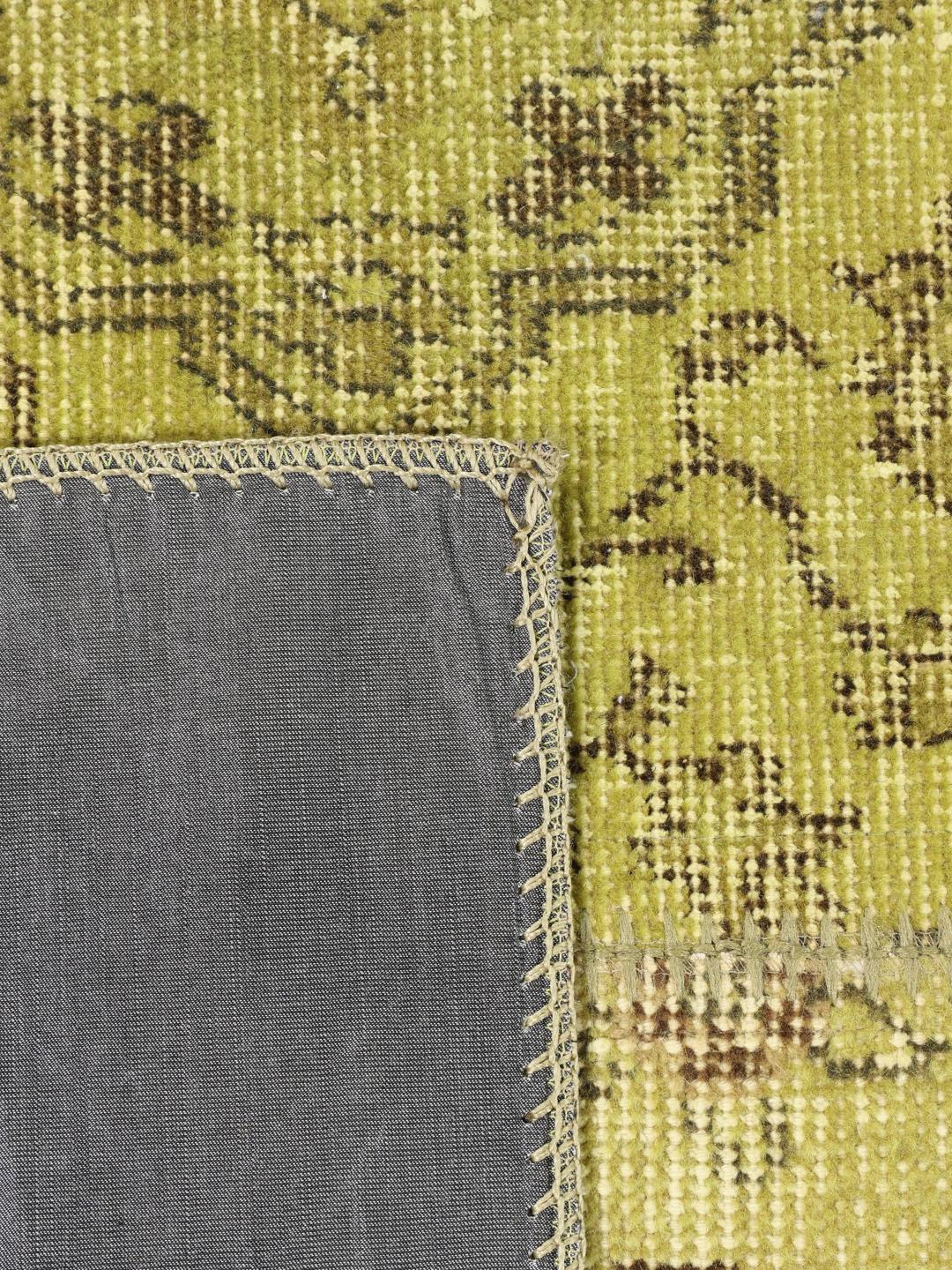
The tradition of patchwork textiles in Turkey is deeply rooted in the concept of sustainability and resourcefulness. For generations, Turkish artisans have repurposed fragments of older, worn-out carpets, valuing the history embedded in each thread. This practice has evolved into a sophisticated art form where antique or vintage pieces are thoughtfully curated, cut, and reassembled to give them a second life as vibrant, contemporary floor coverings.
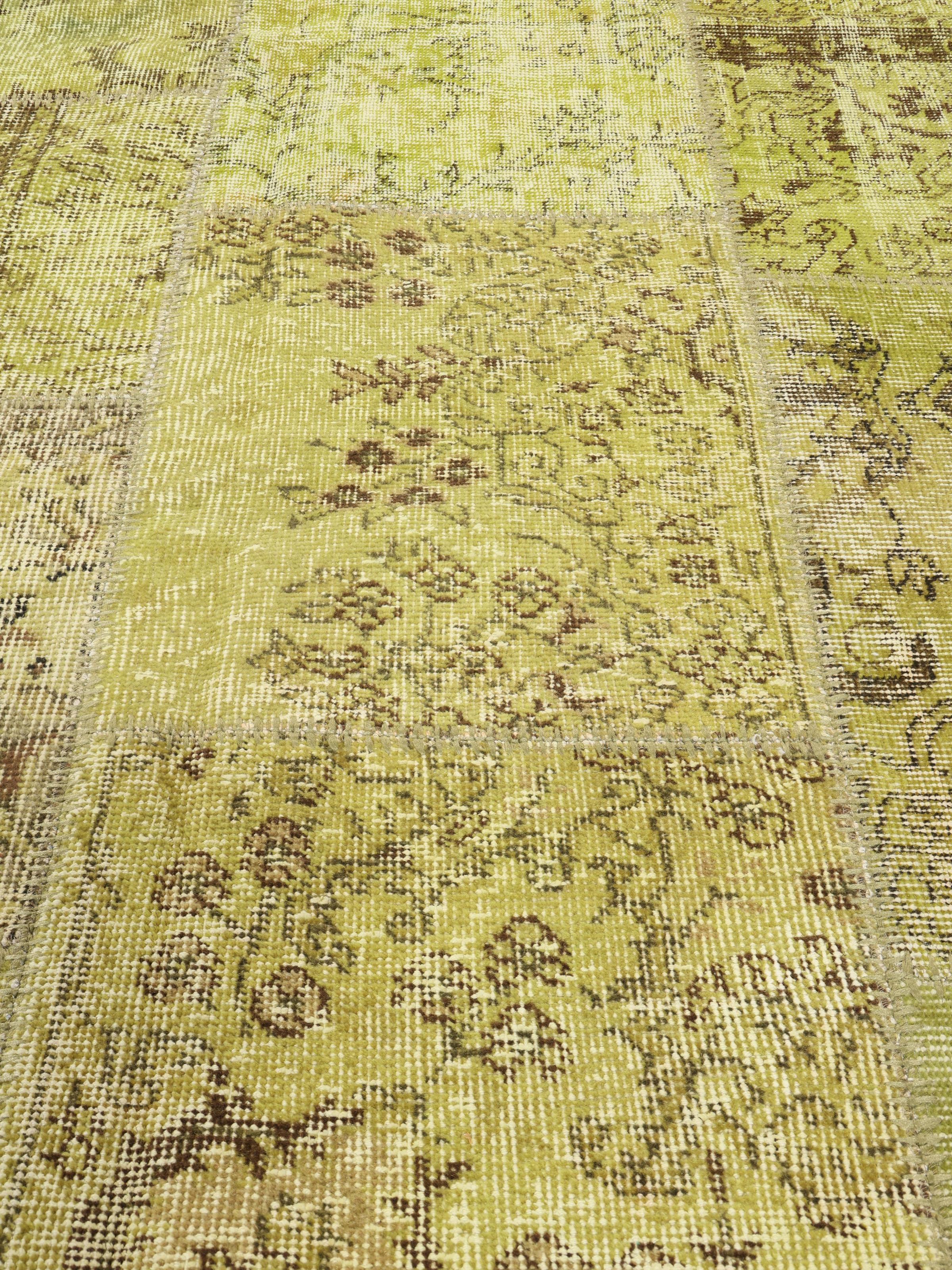
Understanding the craftsmanship involved in these rugs requires appreciating the quality of the Wool used. The Wool is typically sourced from sheep raised in the rugged landscapes of the region, providing a fibre that is naturally resilient and capable of holding rich, deep colours over decades. This inherent durability is what allows the fragments to remain supple and beautiful long after their original life as traditional rugs has ended.
Visually, these rugs are defined by their eclectic yet balanced aesthetics. They often feature a mix of traditional patterns such as central medallions, intricate floral sprays, or simplified geometric border motifs. When these disparate elements are combined, they create a new, modern visual language. The green palette of this specific piece highlights the organic dyes that were traditionally favoured, offering a soothing and natural tone that complements various interior settings.
Collecting a patchwork rug is an investment in cultural continuity. It is a way to preserve the skill and design language of the past while enjoying a functional object in a modern home. Each rug serves as a bridge between generations, offering the owner a unique piece of heritage that is as durable as it is visually compelling. By choosing such a piece, you are supporting the continuation of a craft that finds beauty in the cycle of use and renewal.