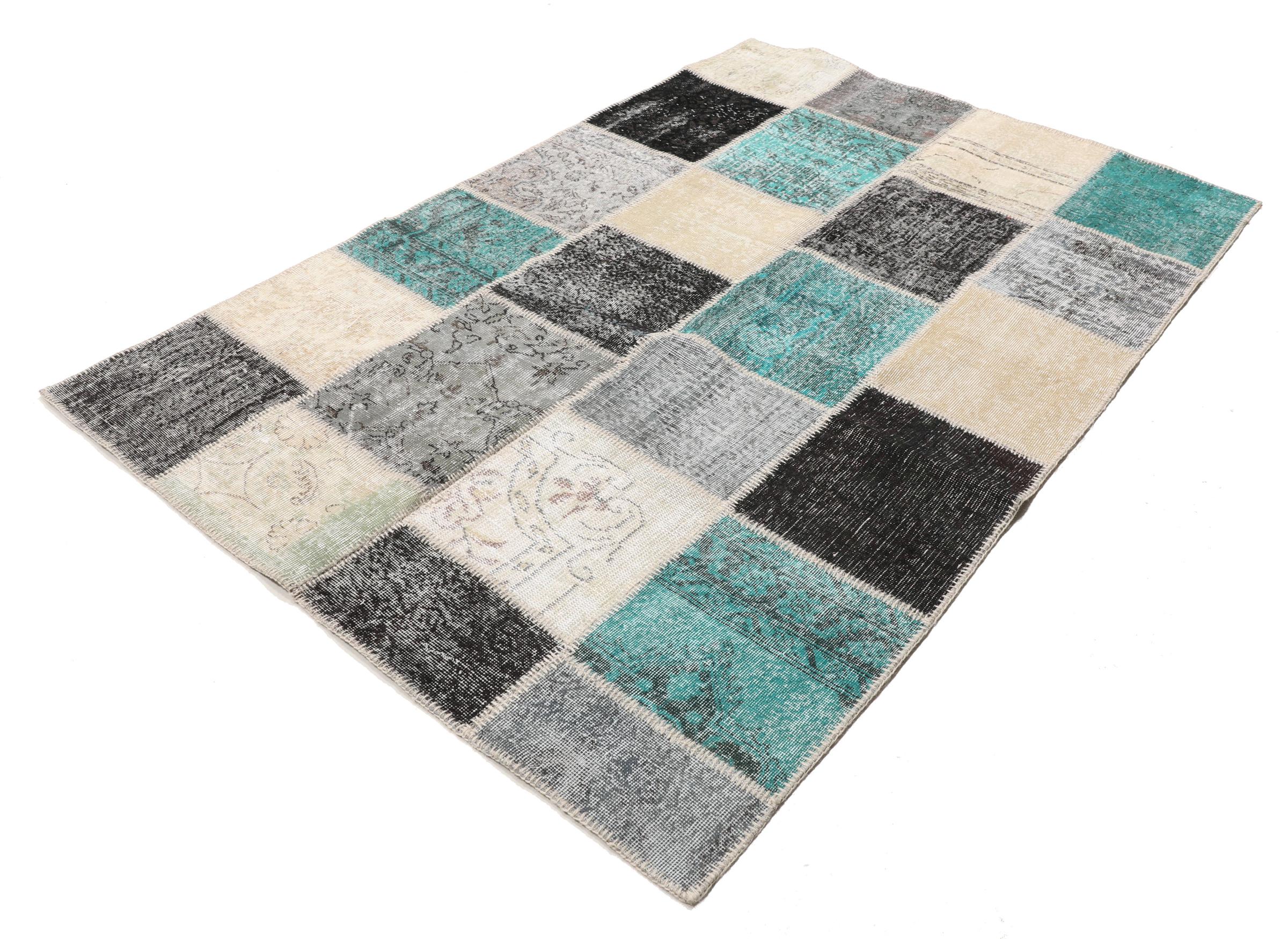
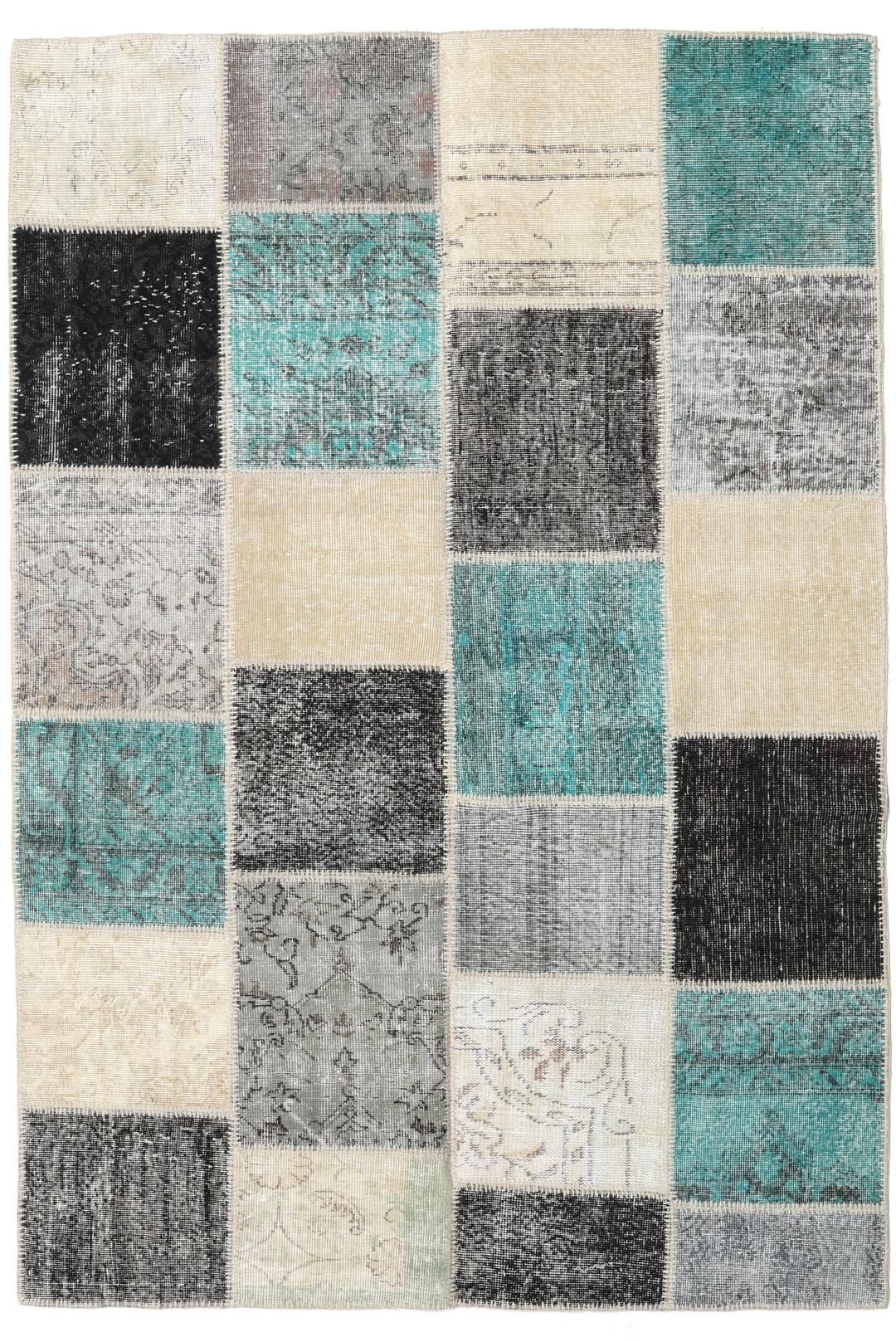
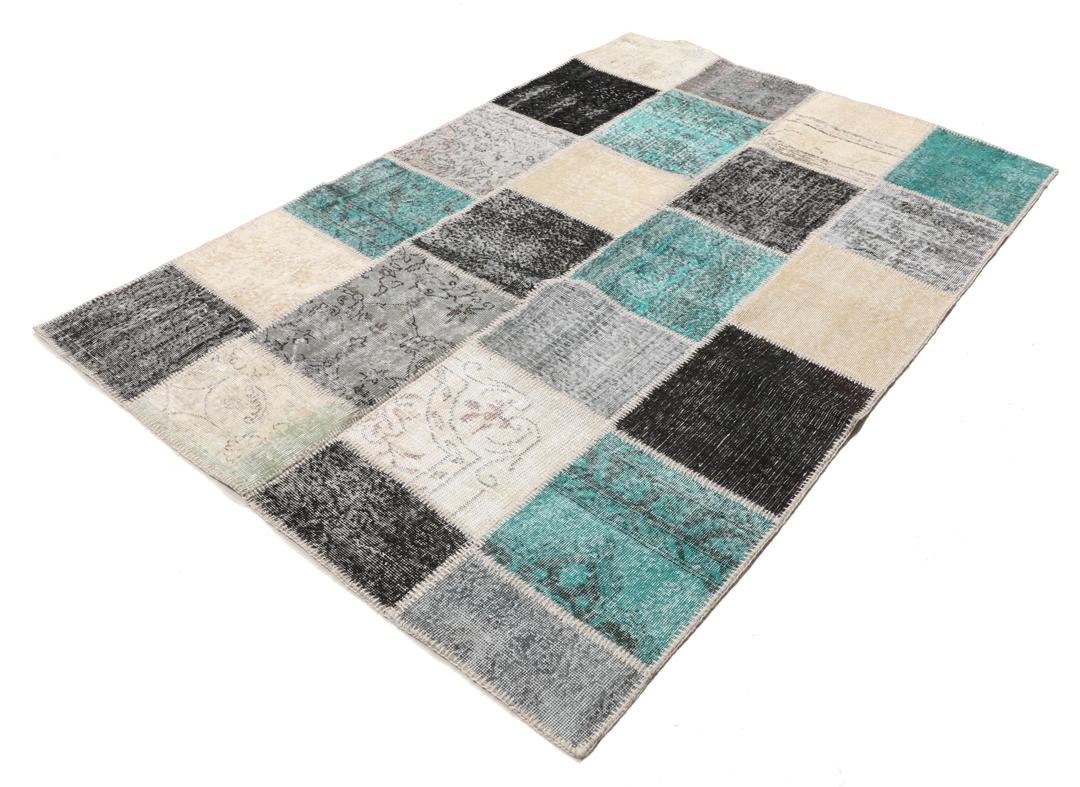
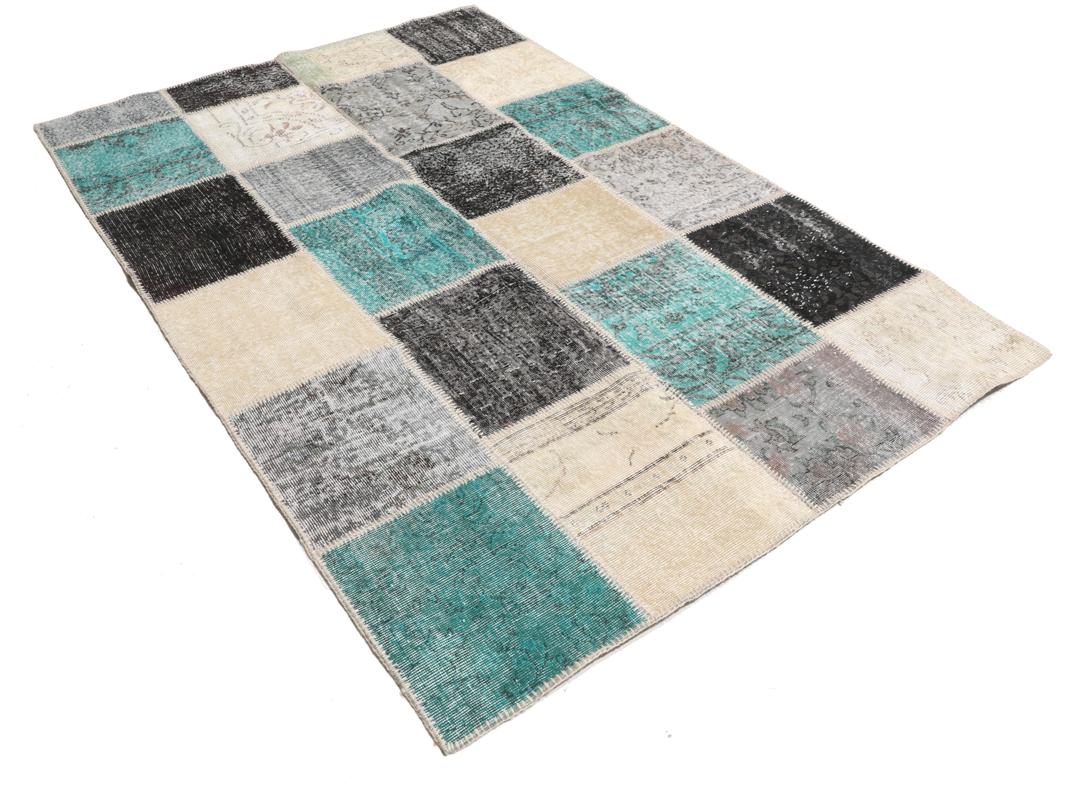
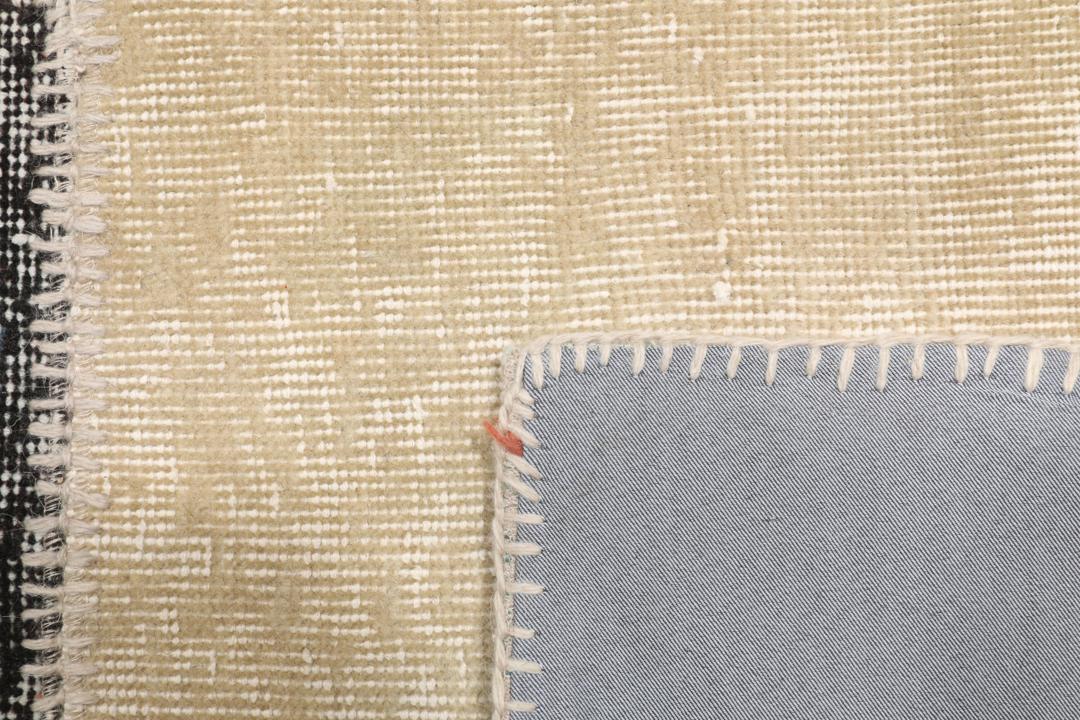
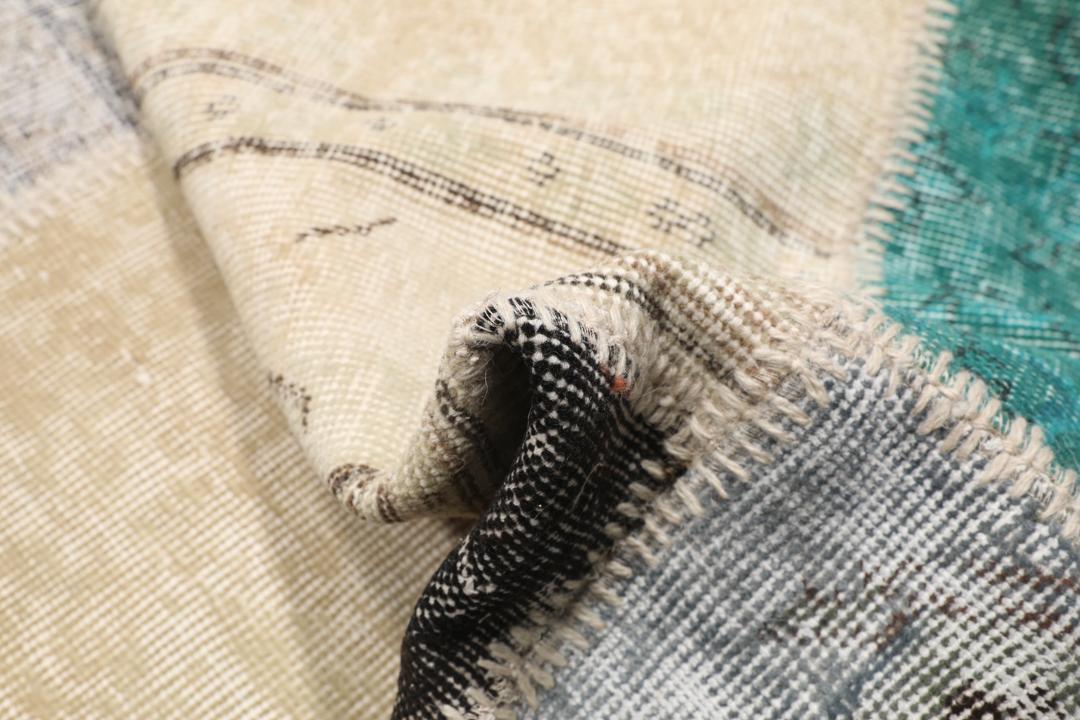
Patchwork rugs represent a fascinating evolution in the history of Middle Eastern textile art. While traditional rug weaving focuses on creating a single, cohesive pattern from the start, the patchwork tradition emerged as a creative response to the desire for sustainability and innovation. By taking carefully selected sections from older, pre-loved rugs, artisans are able to preserve the history of individual pieces while reimagining them as contemporary design objects.
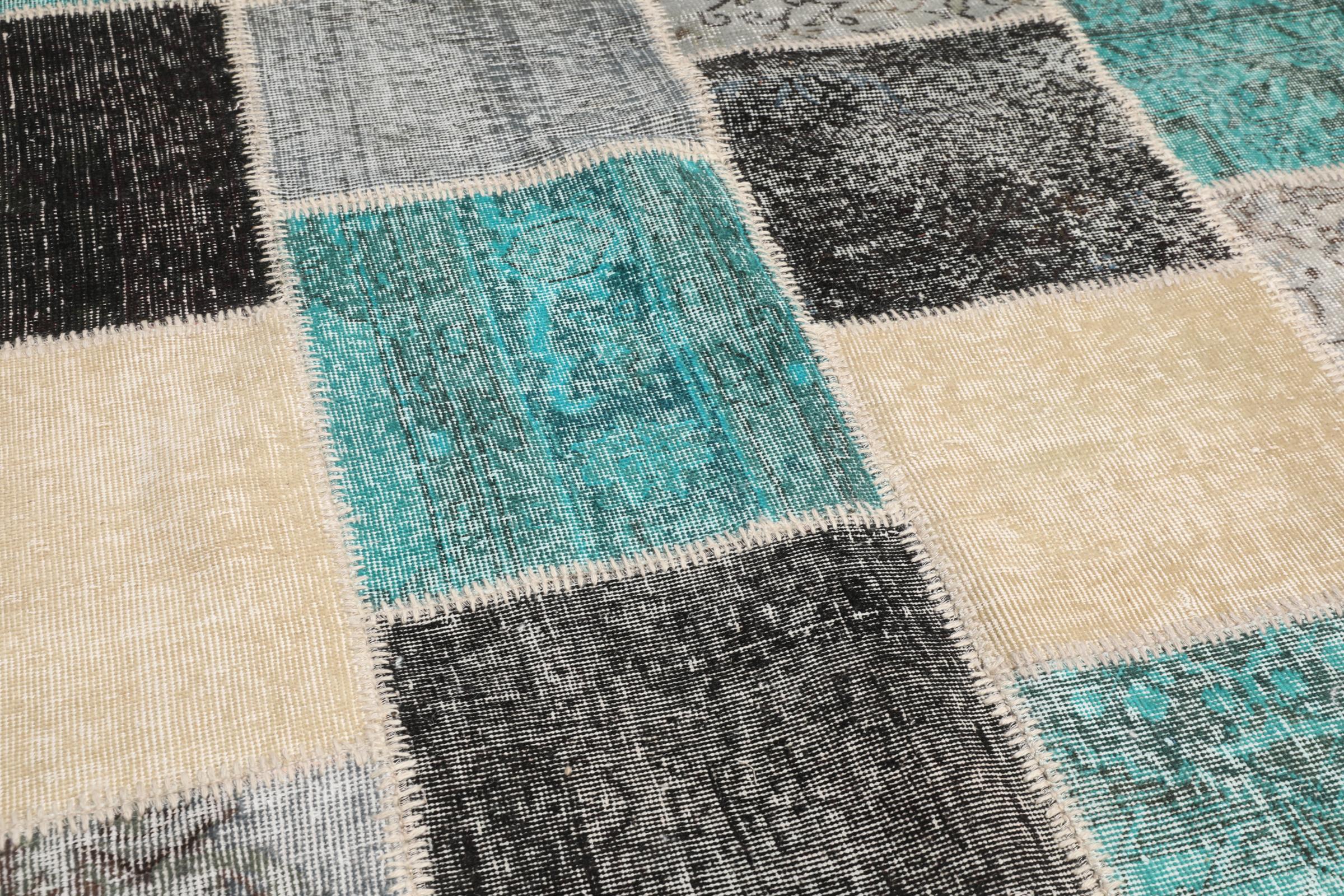
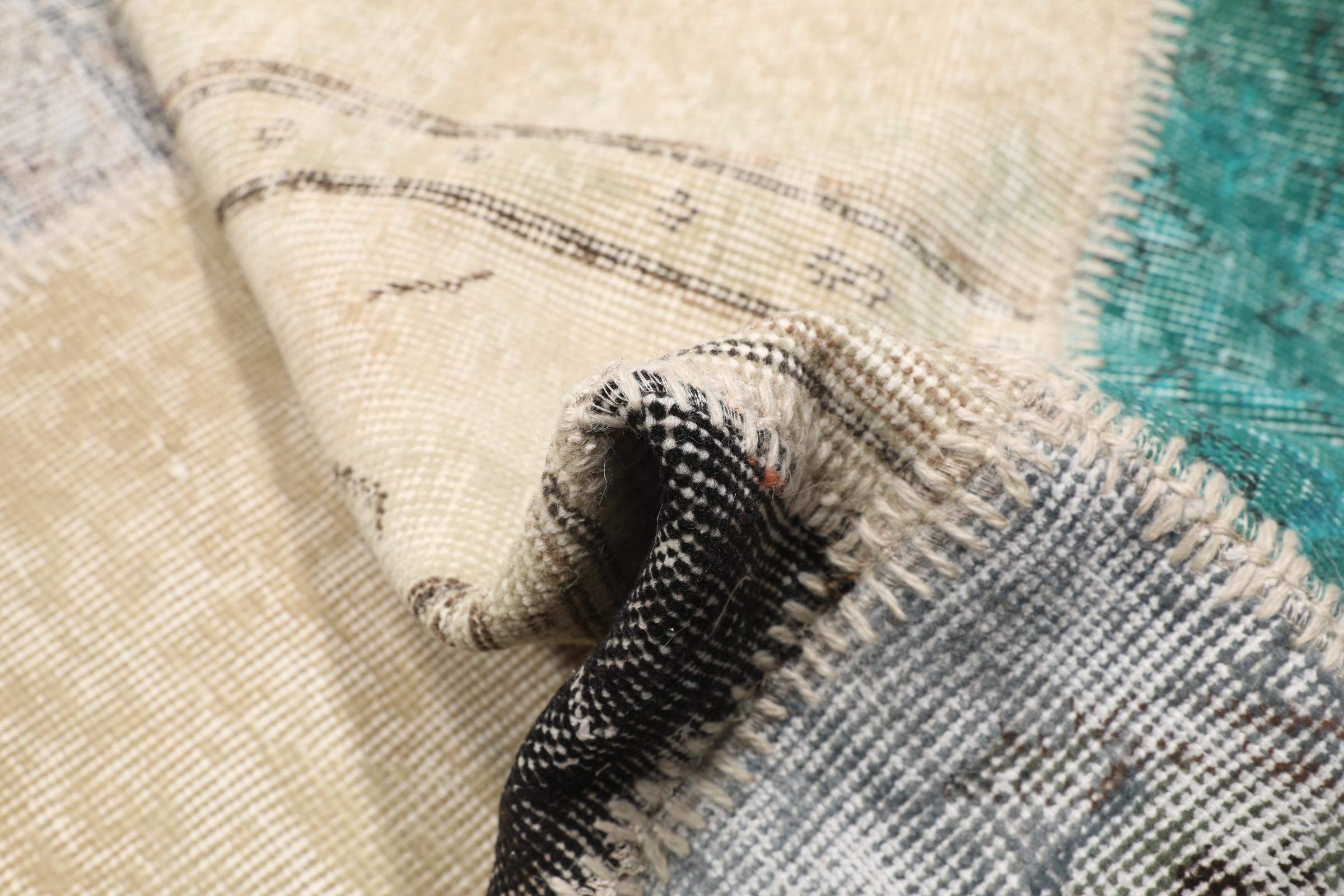
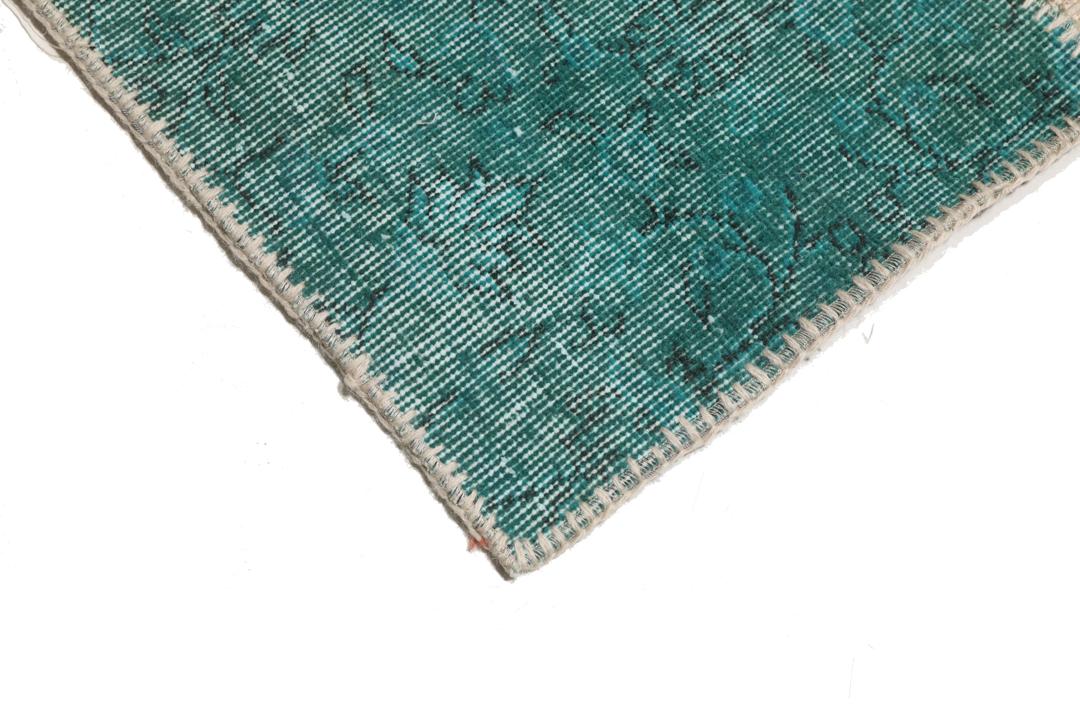
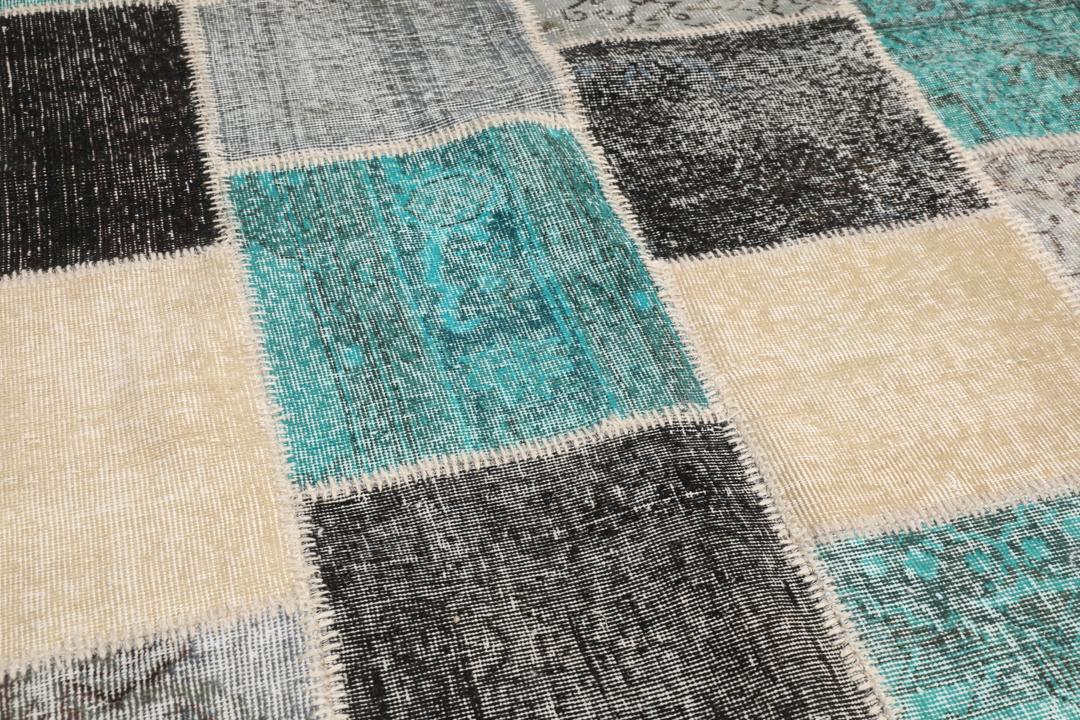
The process relies on the technical mastery of the original weaving, where the density and pile of each fragment are evaluated for compatibility. This requires a deep knowledge of different regional weaving styles and knotting techniques. By combining these varied pieces, the rug gains a new, multi-layered identity that respects the original labour while introducing a bold, graphic aesthetic that fits perfectly into modern homes.
Visually, these rugs are defined by their dynamic interaction of patterns and colours. It is common to see a mix of floral, geometric, and tribal motifs sitting side-by-side, creating a visual rhythm that is both chaotic and carefully controlled. The borders are often simplified to allow the central patchwork to take centre stage, making these rugs highly versatile for diverse interior styles.
Collecting a patchwork rug is an investment in both heritage and contemporary craft. Because each piece is built from unique vintage components, owning one is an opportunity to hold a fragment of textile history that has been transformed for the present day. It is a celebration of the enduring value of hand-knotted textiles, ensuring that the skill of past generations continues to be appreciated and enjoyed in a new, vibrant form.