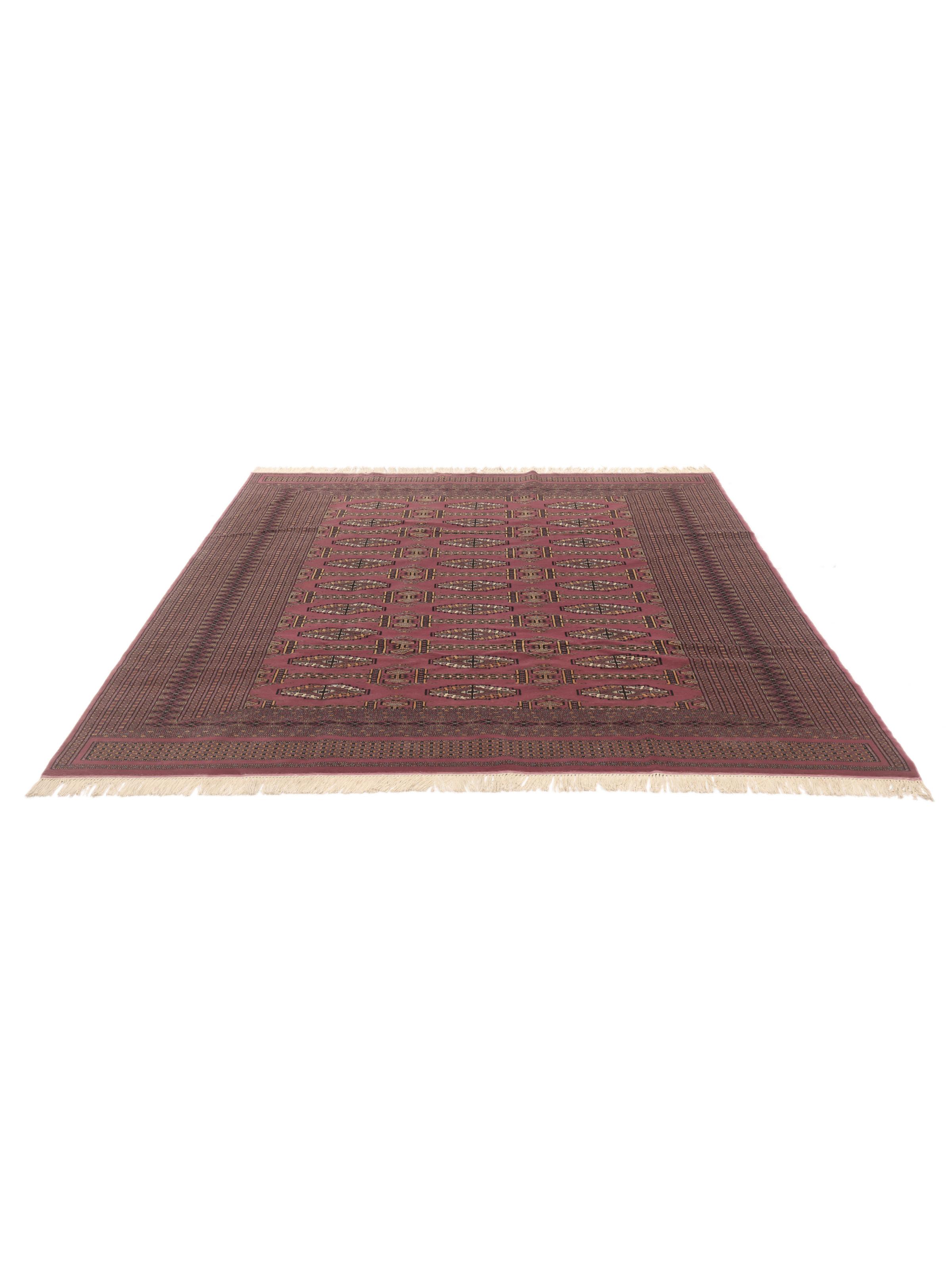
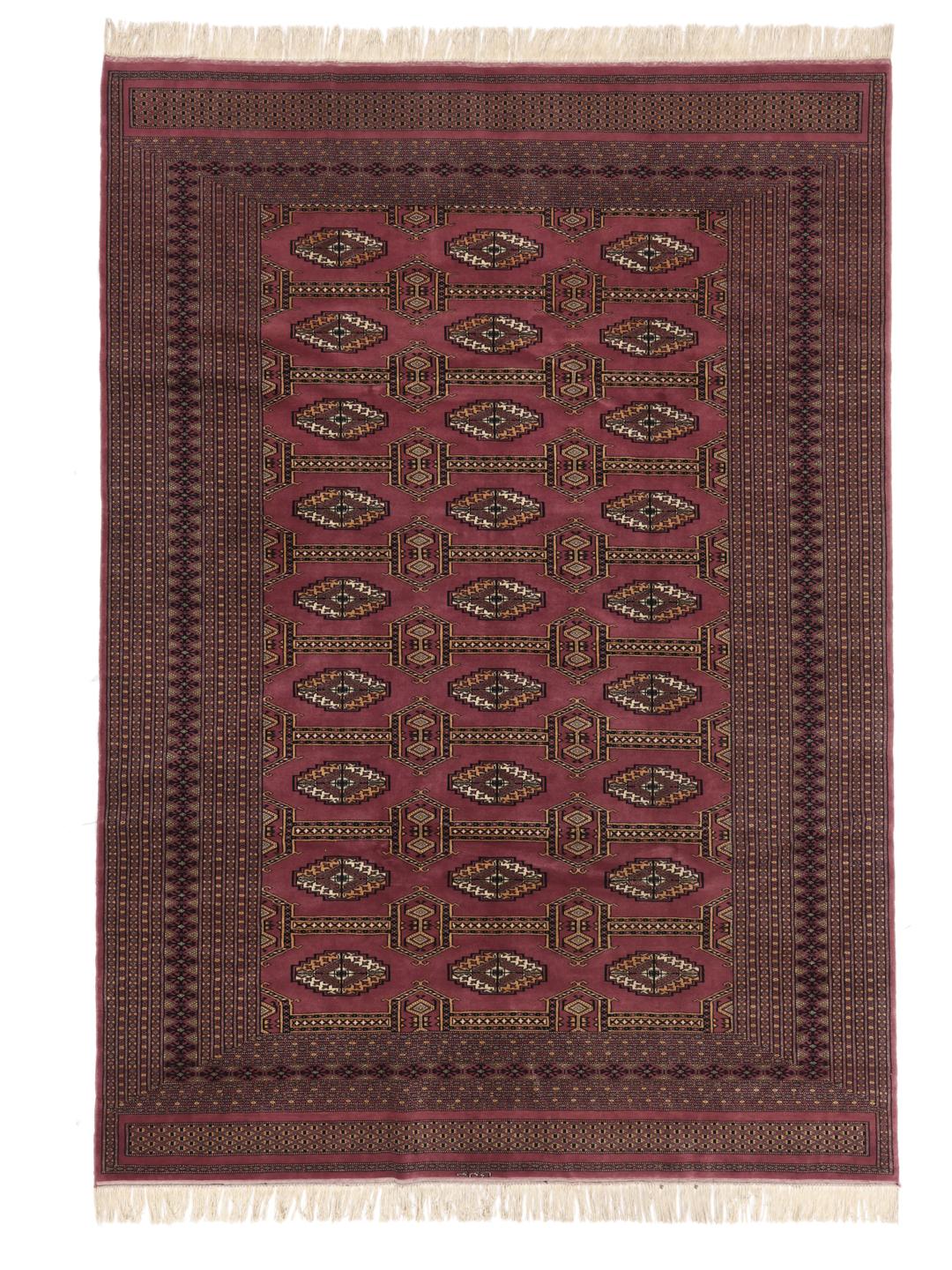
The Bokhara rug tradition is deeply rooted in the history of Central Asian nomadic tribes, who developed these designs to reflect their surroundings and cultural identity. While the name is derived from the ancient Silk Road city of Bukhara, the finest modern examples are expertly crafted in Pakistan, where weavers have mastered and preserved these historic techniques for generations.
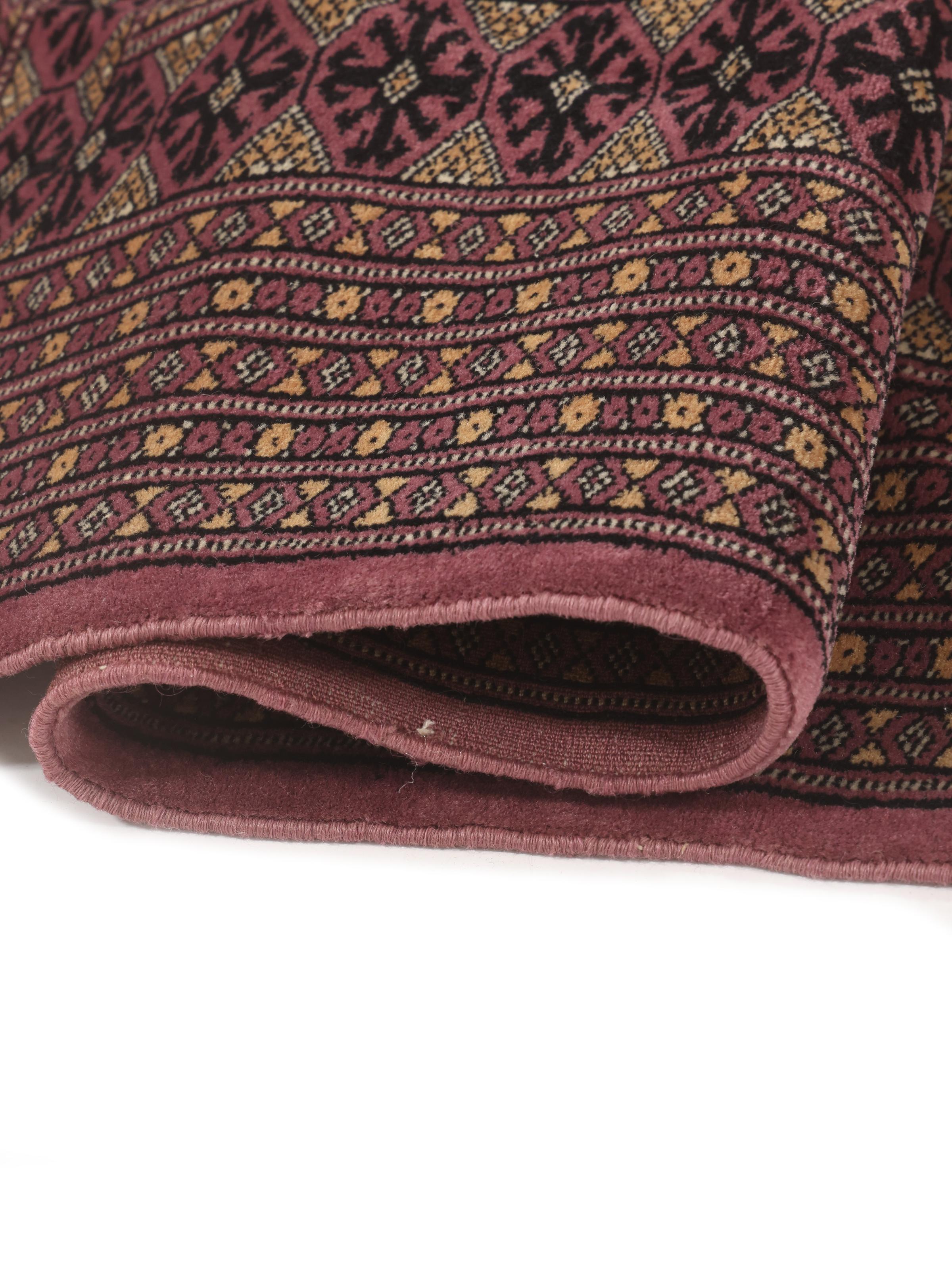
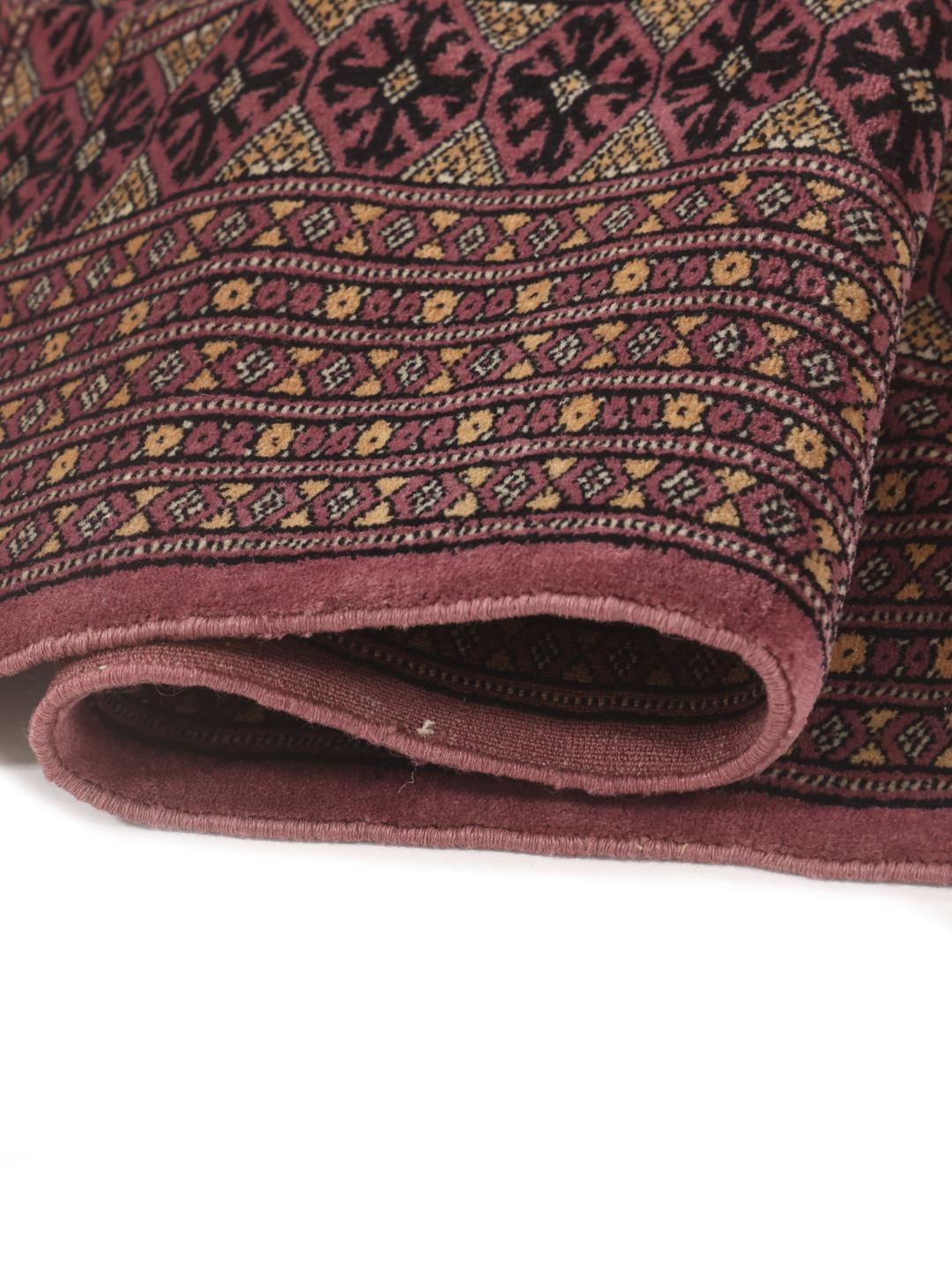
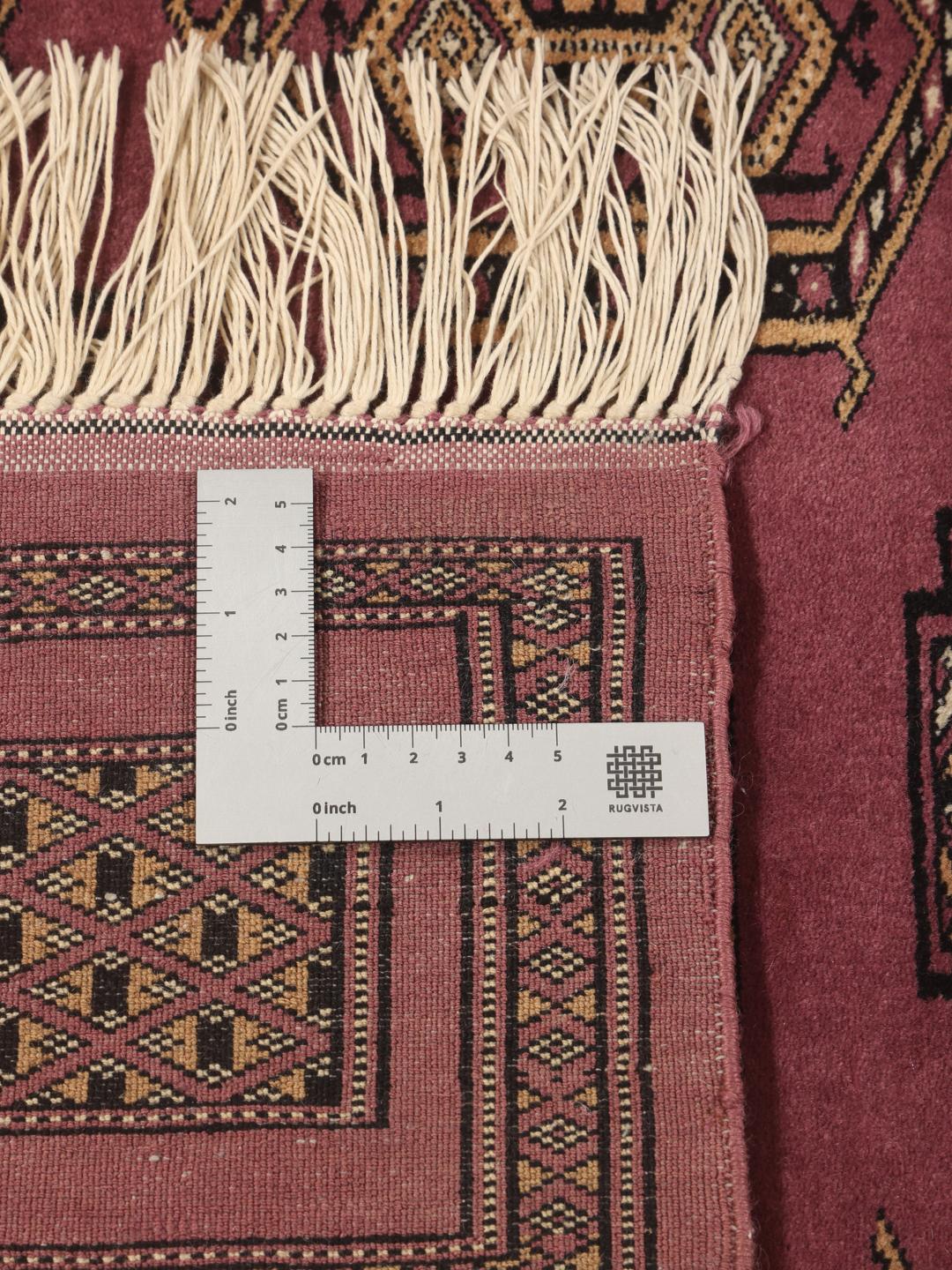
The term 3ply refers to the construction of the yarn, where three individual strands of wool are twisted together before being knotted. This method creates a thicker, more resilient yarn that provides a deeper, more lustrous pile, offering both enhanced visual depth and superior longevity compared to single-strand alternatives.
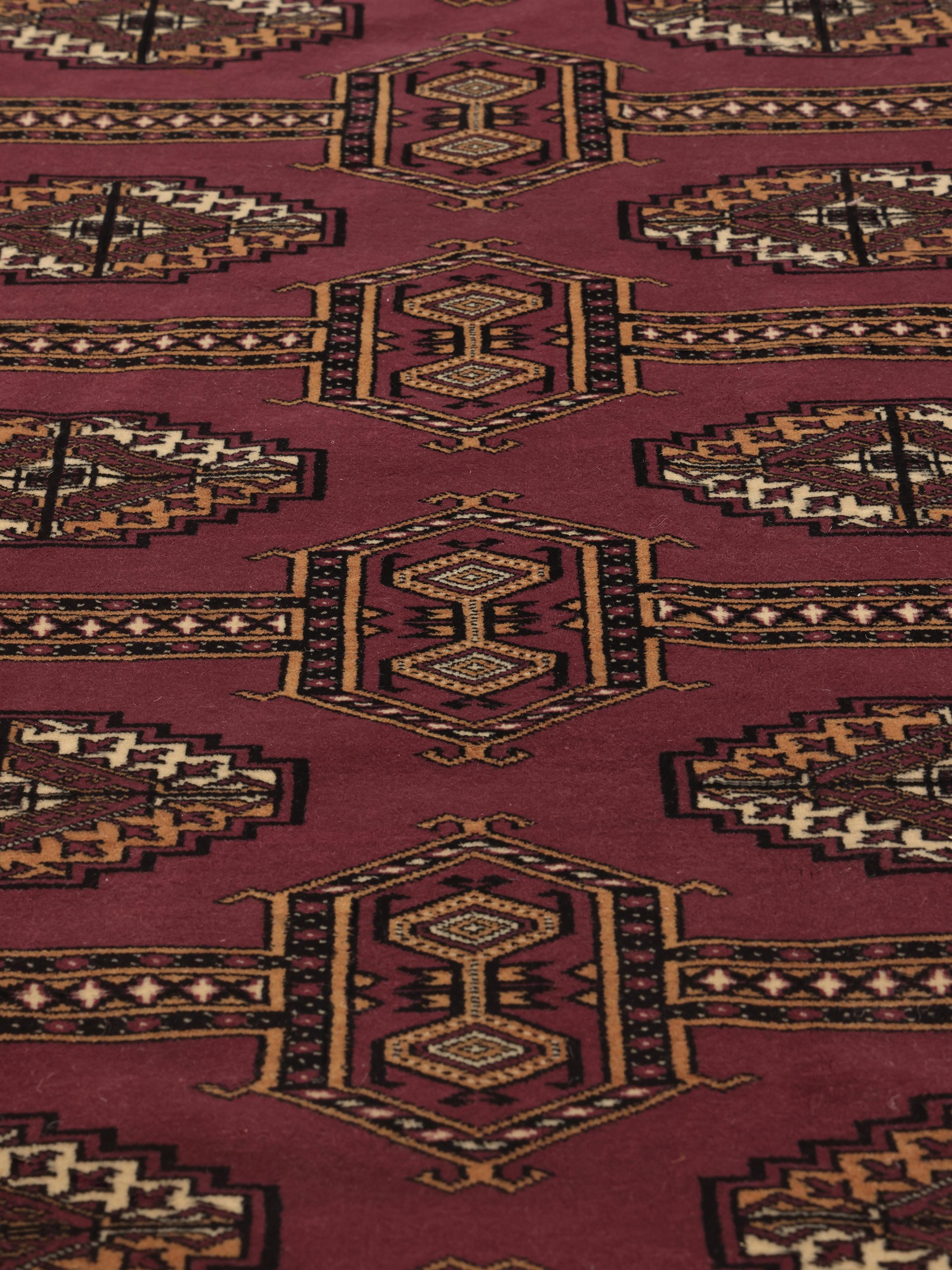
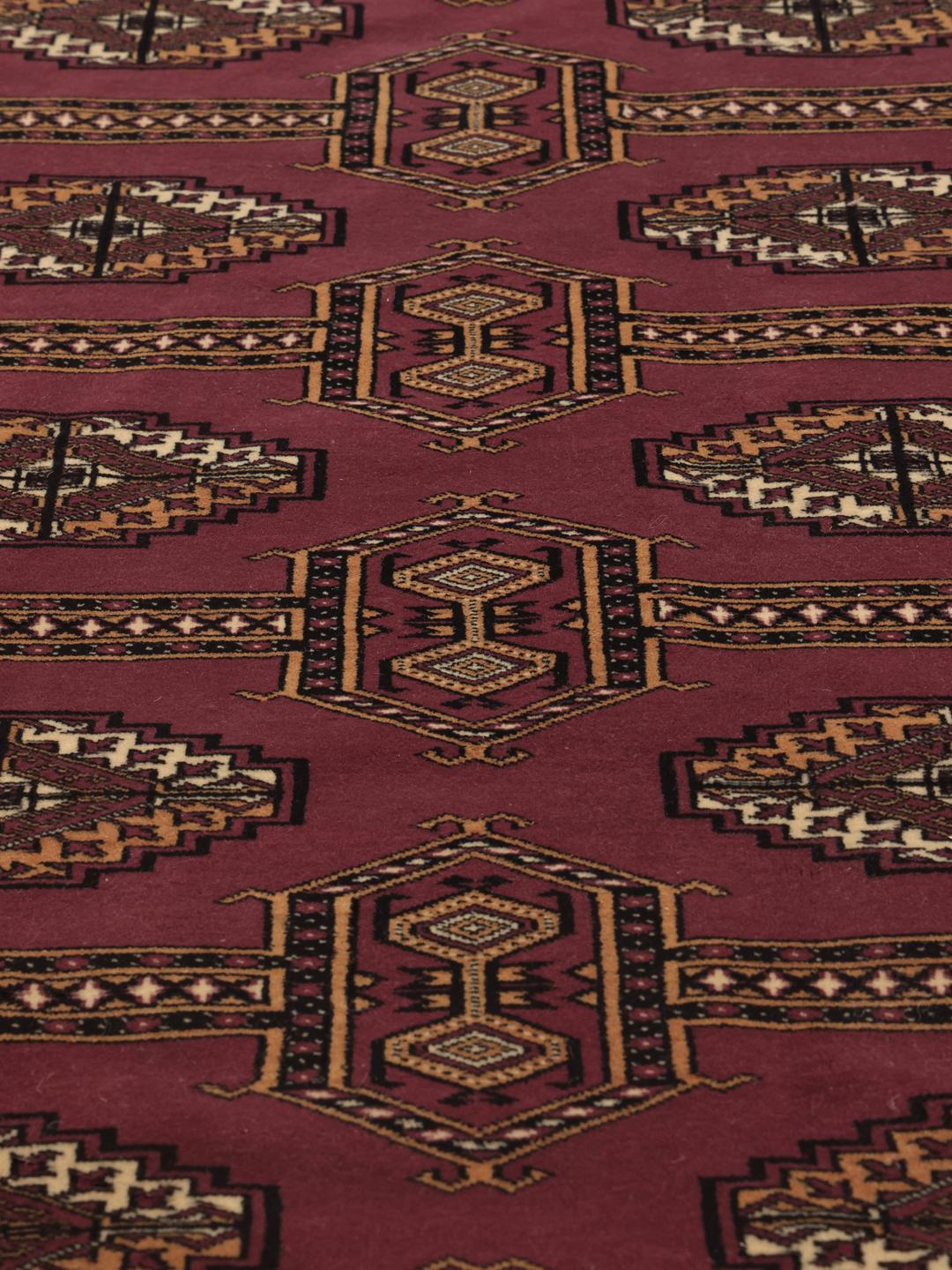
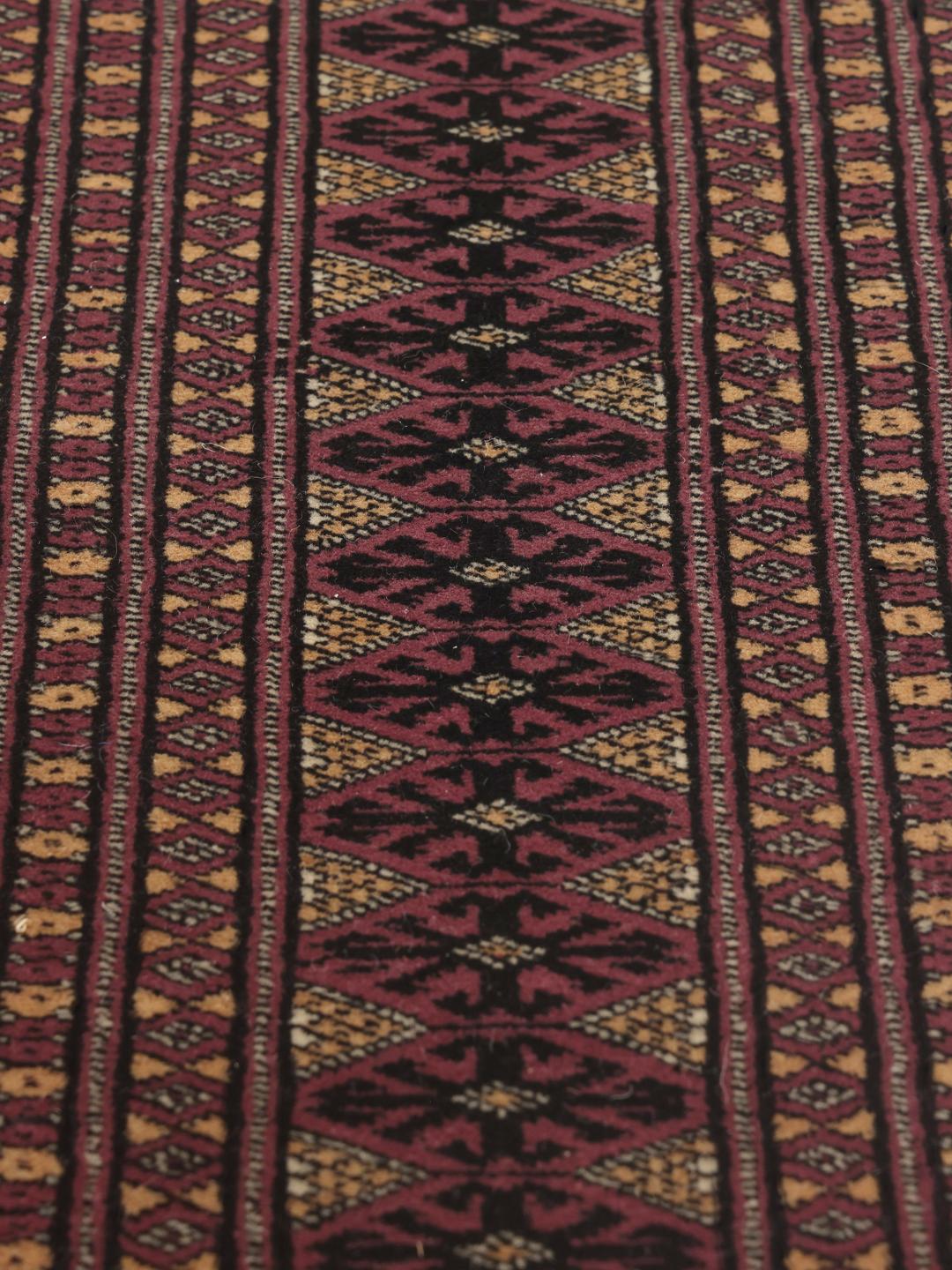
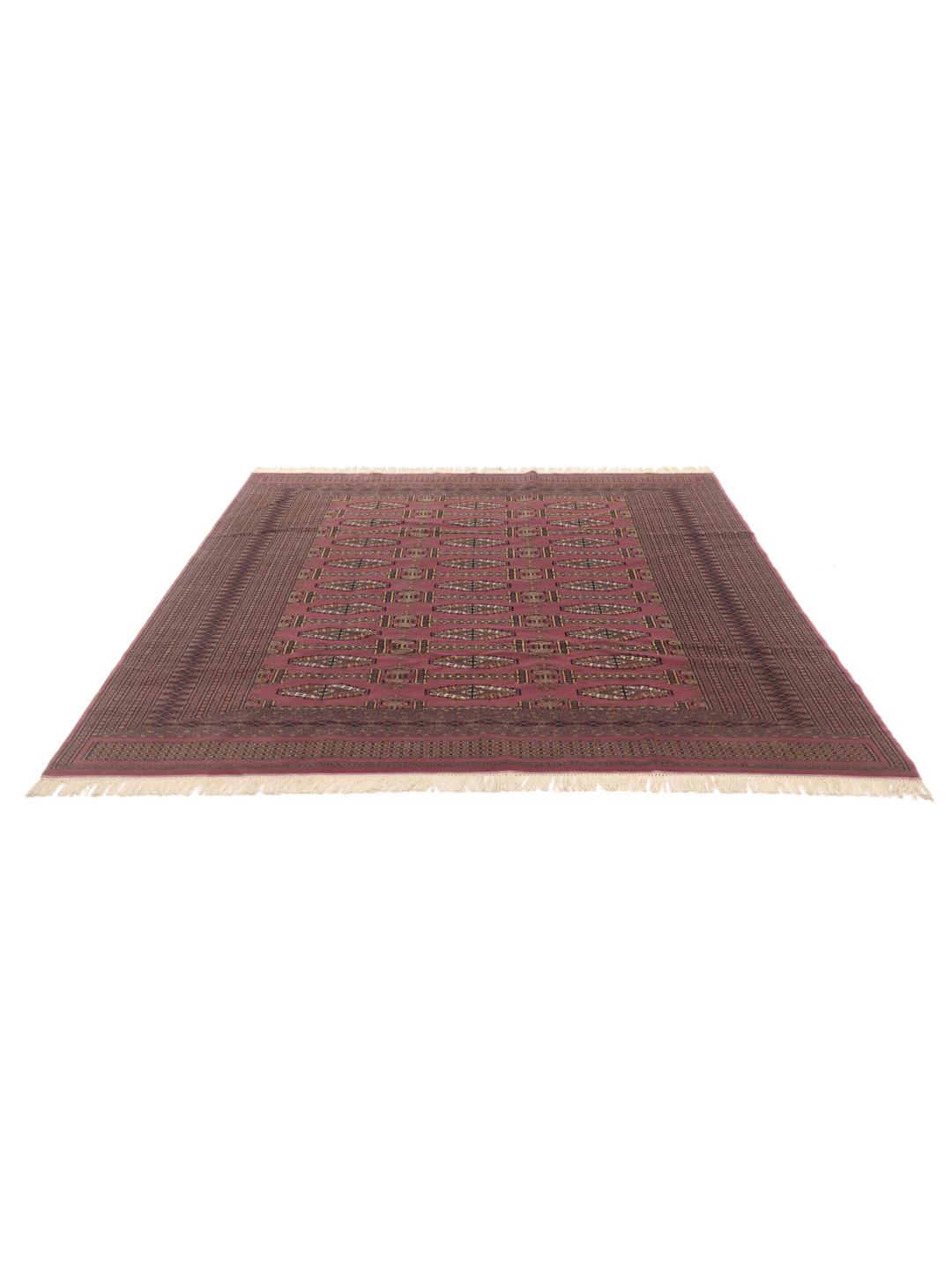
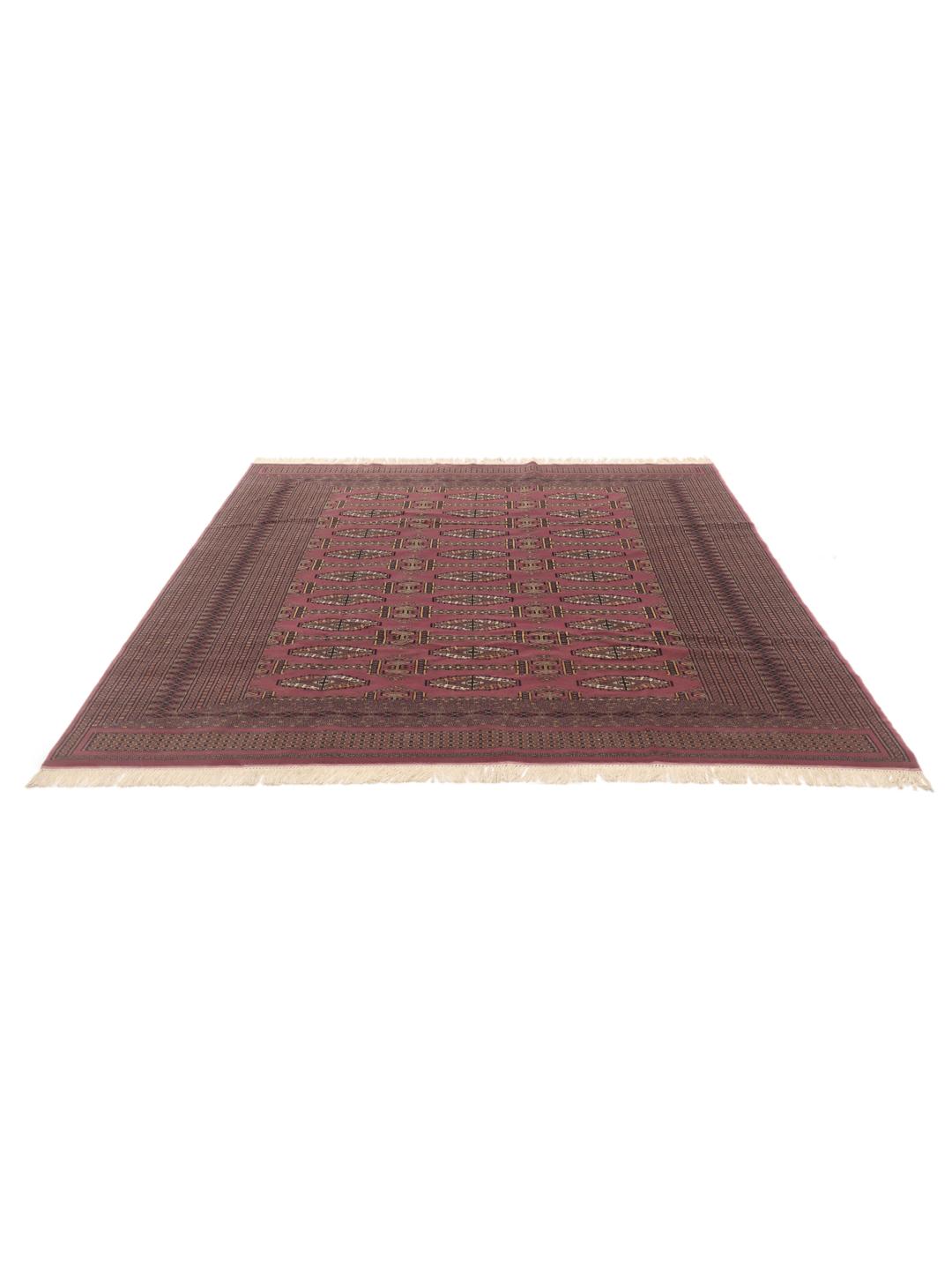
Visually, these rugs are defined by their repetitive gul motifs, which are stylised, octagonal medallions that represent traditional tribal symbols. These are typically arranged in clean, structured rows and framed by formal, intricate borders that balance the field, creating a sense of order and visual rhythm that is highly sought after by collectors.
Owning a hand-knotted Pakistan Bokhara is an investment in a living heritage. These rugs are valued not just for their aesthetic appeal, but for the immense skill and cultural history they represent, providing a connection to a centuries-old craft that continues to bring warmth and sophistication to modern homes.