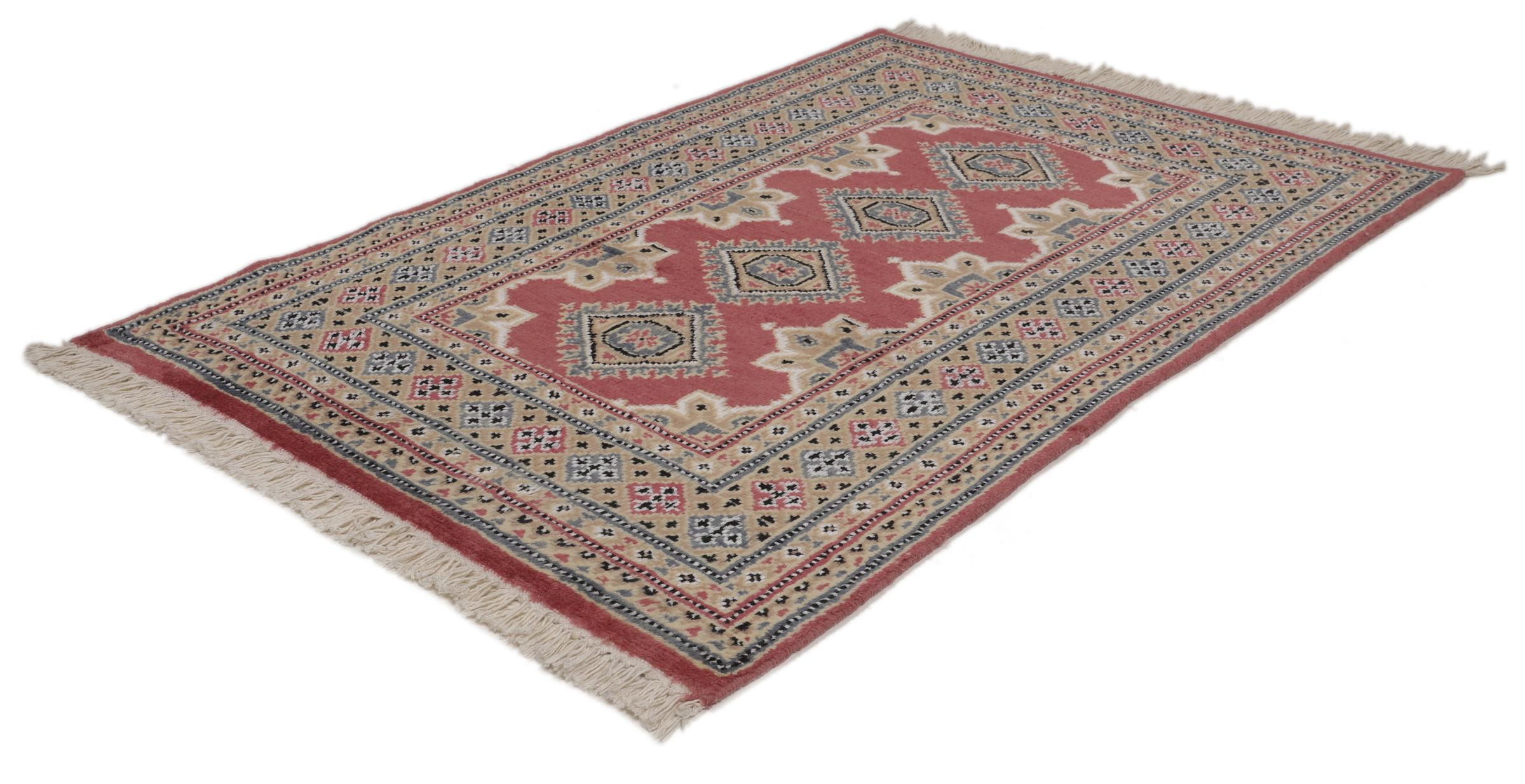
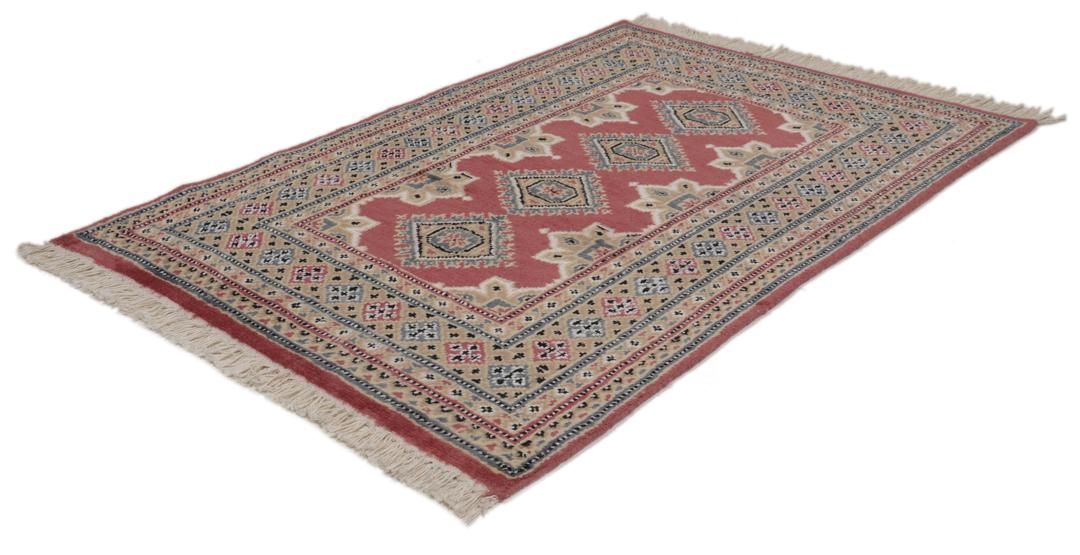
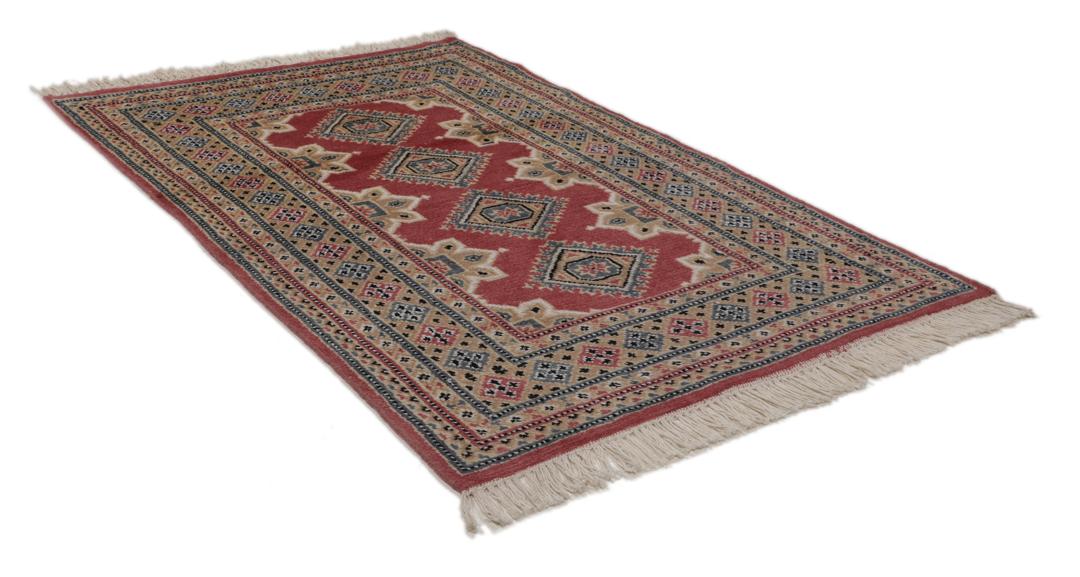
Bokhara rugs are deeply rooted in the traditions of Central Asia, taking their name from the ancient Silk Road city of Bukhara, which served as a historic crossroads for trade and culture. While the style originated with nomadic tribes who created these patterns to reflect their environment and heritage, the finest contemporary examples are now woven in Pakistan. This migration of the craft has allowed the tradition to flourish, blending ancient techniques with refined finishing processes.
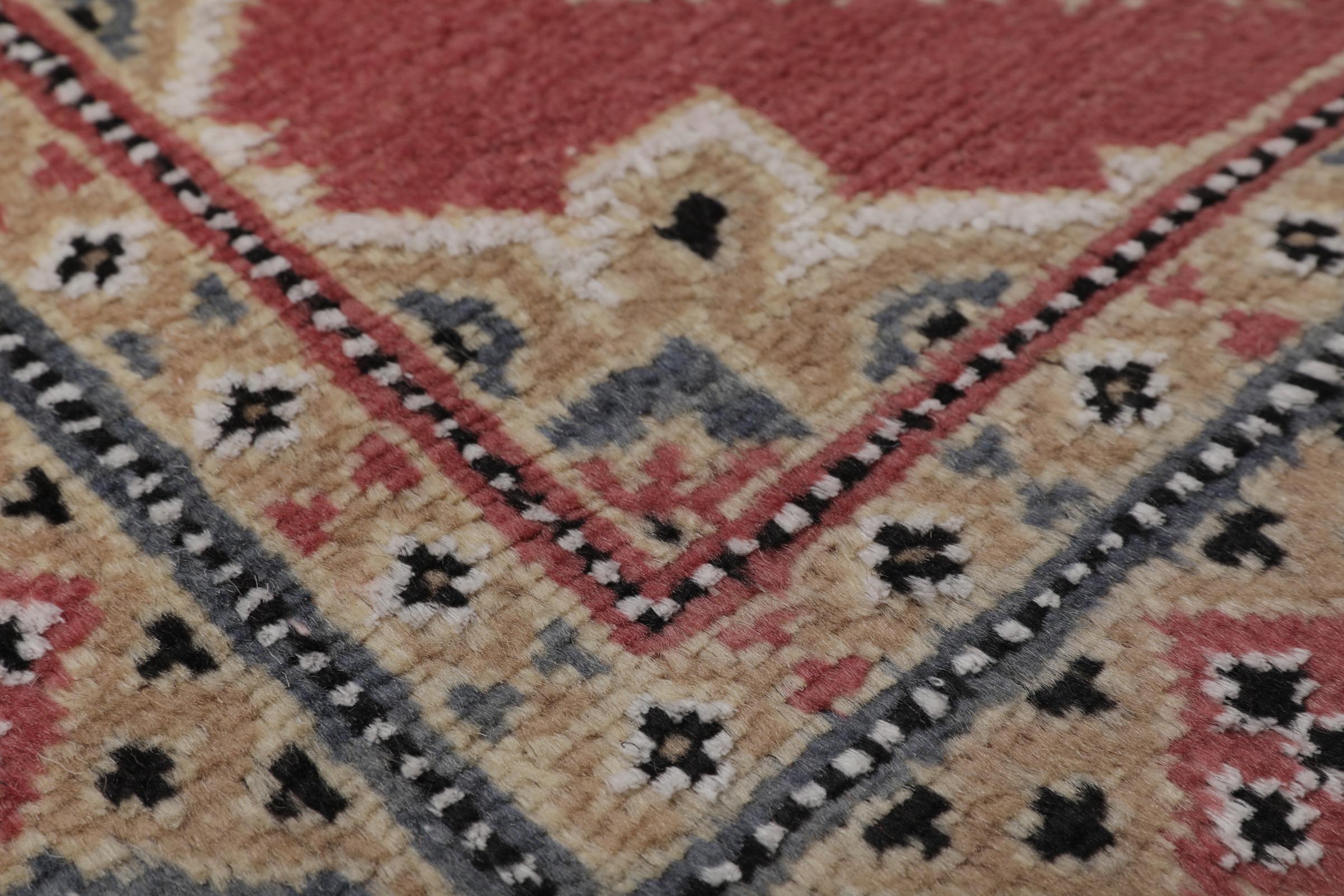
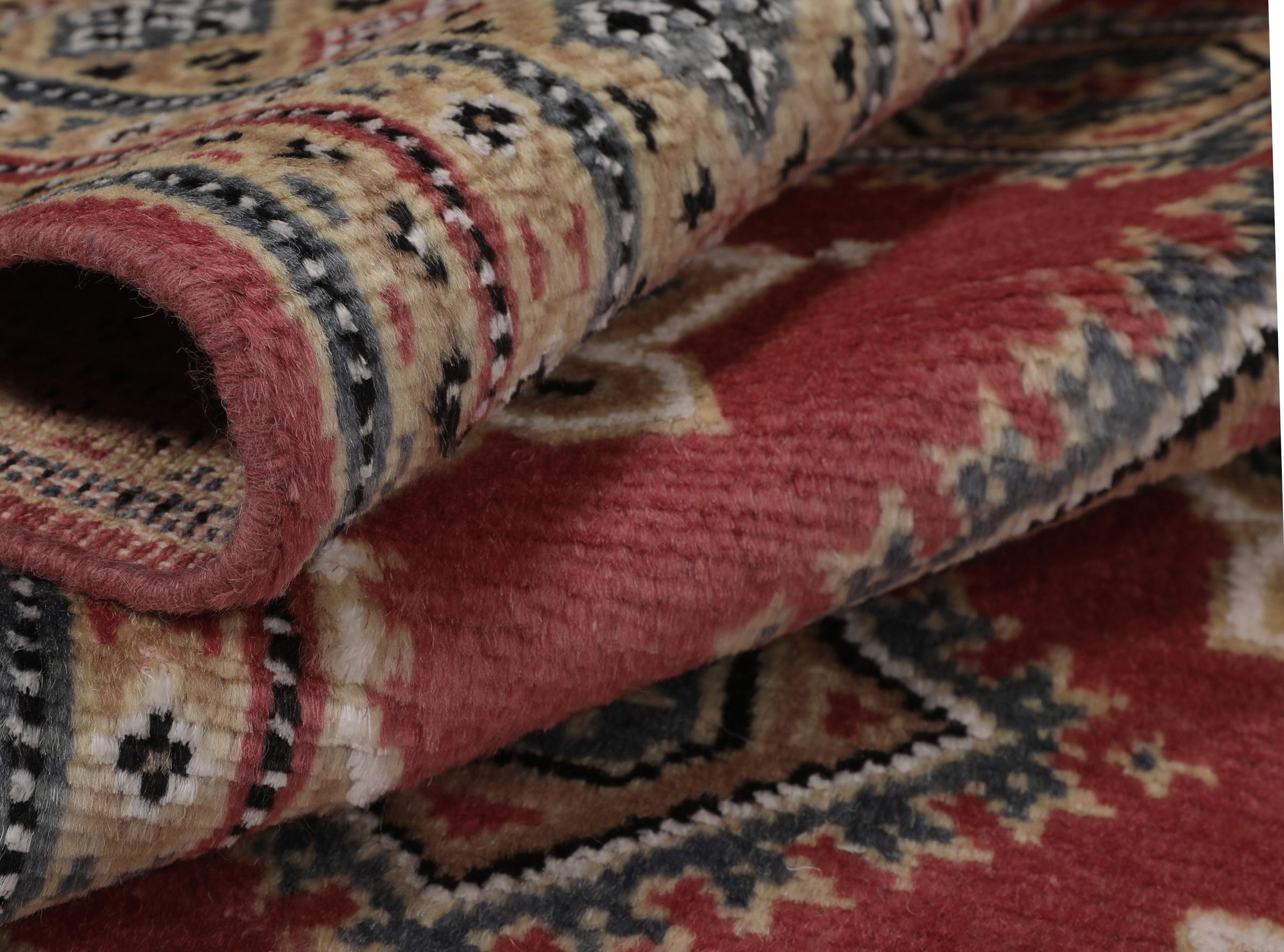
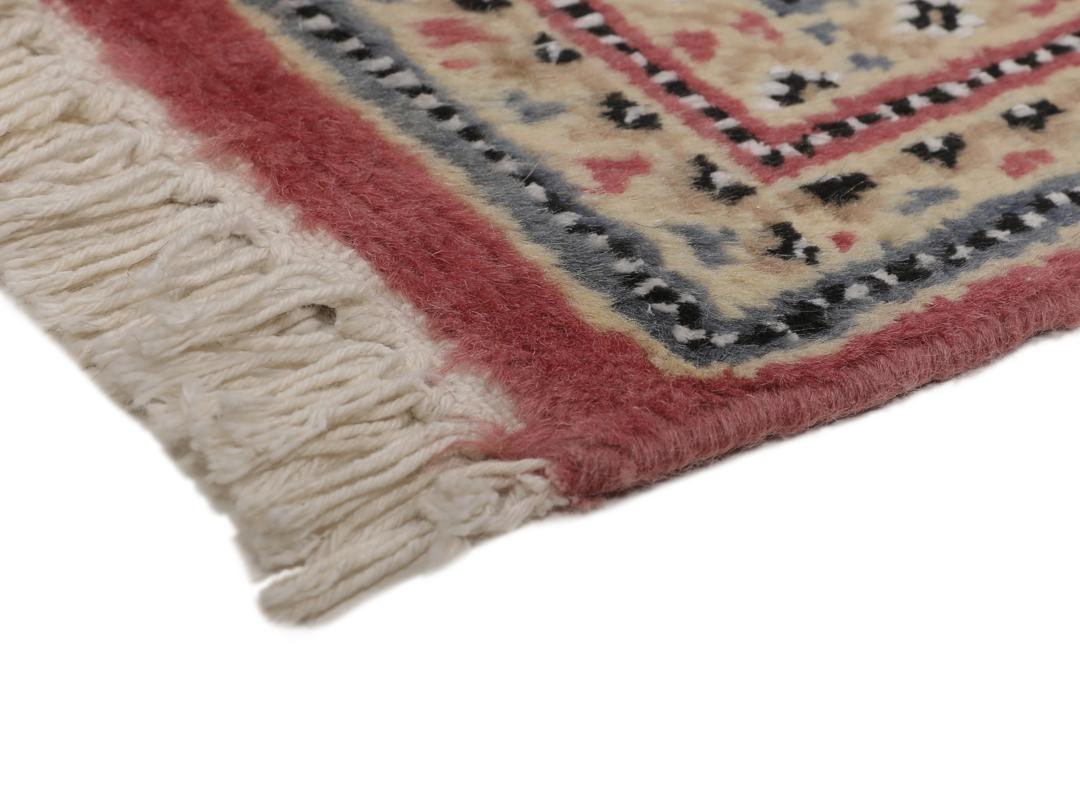
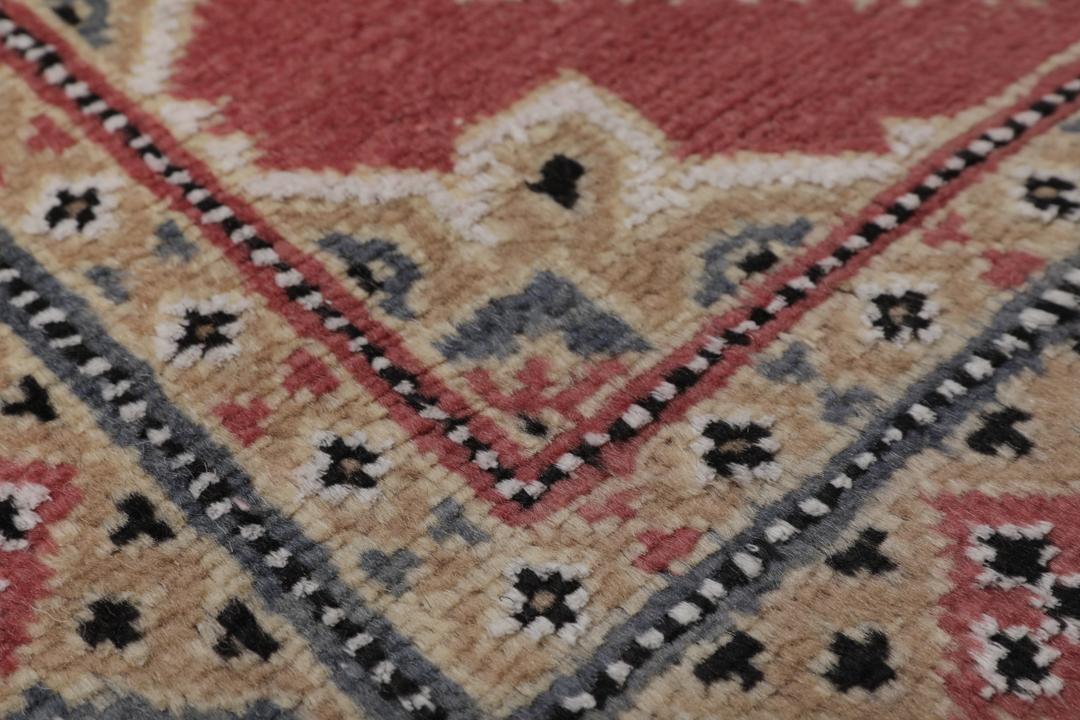
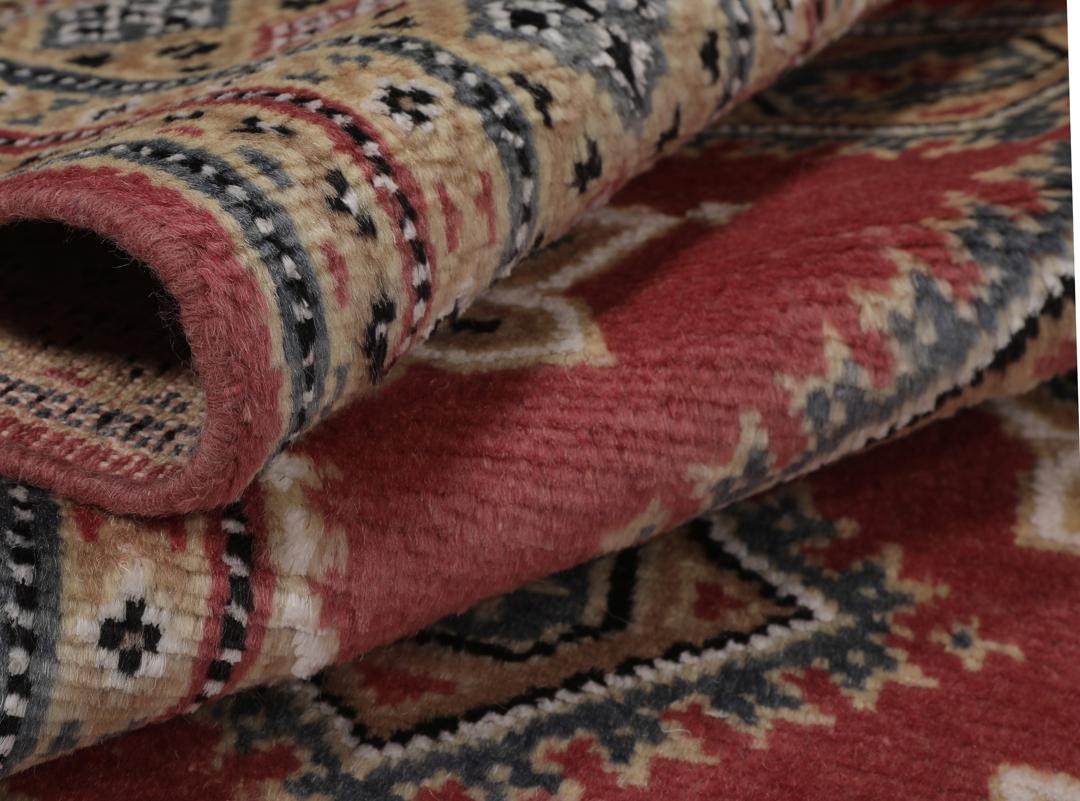
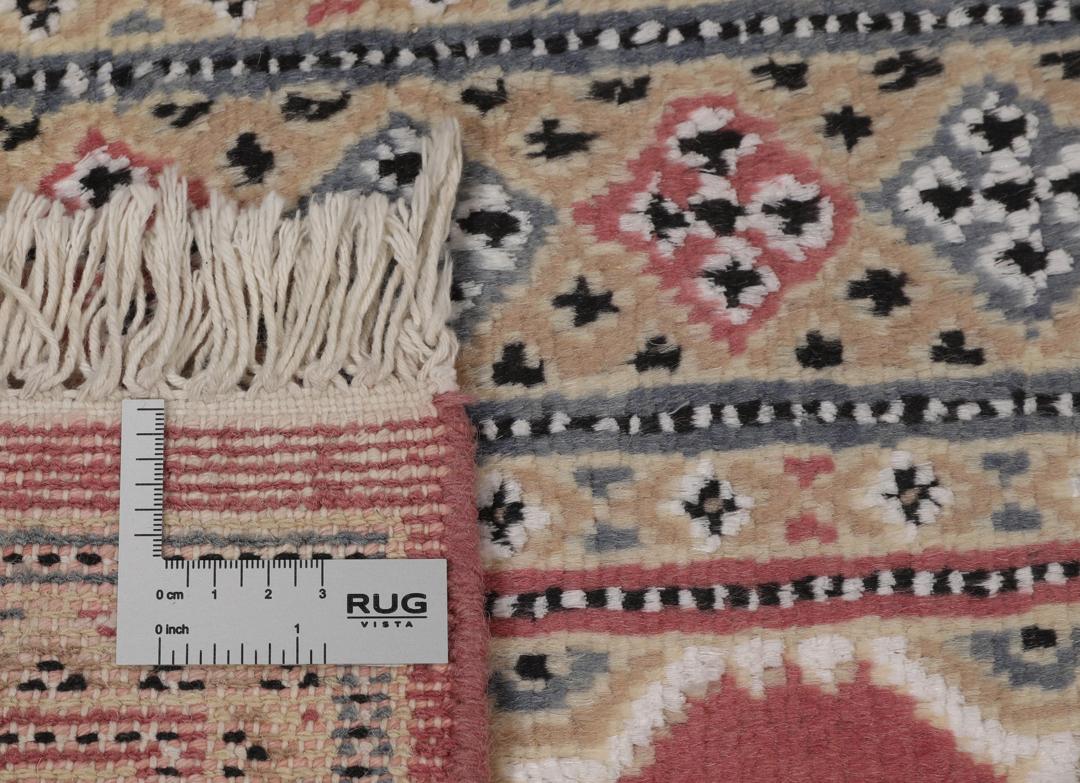
The term 2ply refers to the construction of the pile, where two strands of wool are twisted together before being knotted. This method is significant because it creates a thicker, more durable, and more lustrous pile than single-ply wool. The result is a rug that feels more substantial underfoot and holds its appearance better over time, as the twisted fibres are more resistant to crushing and wear.
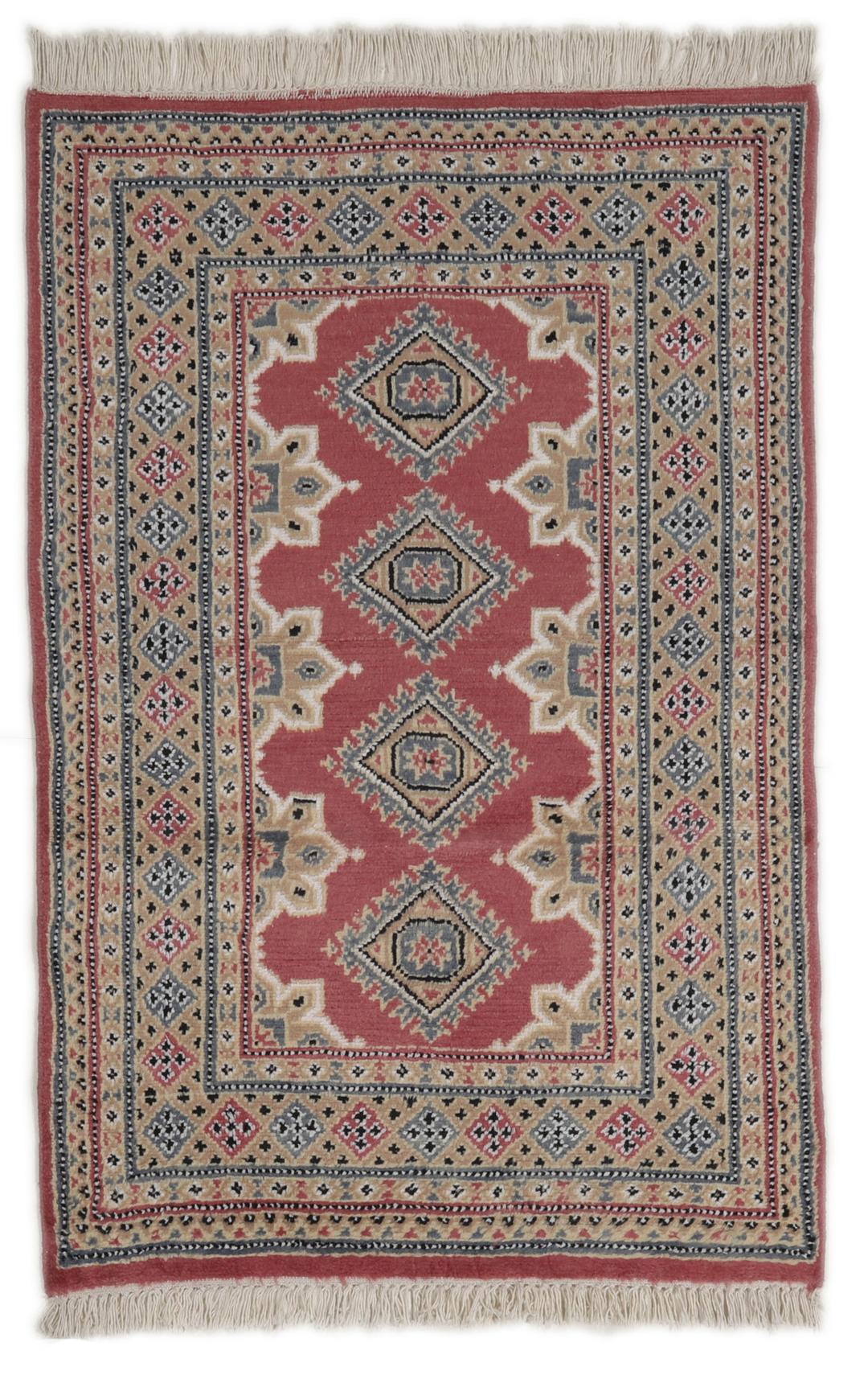
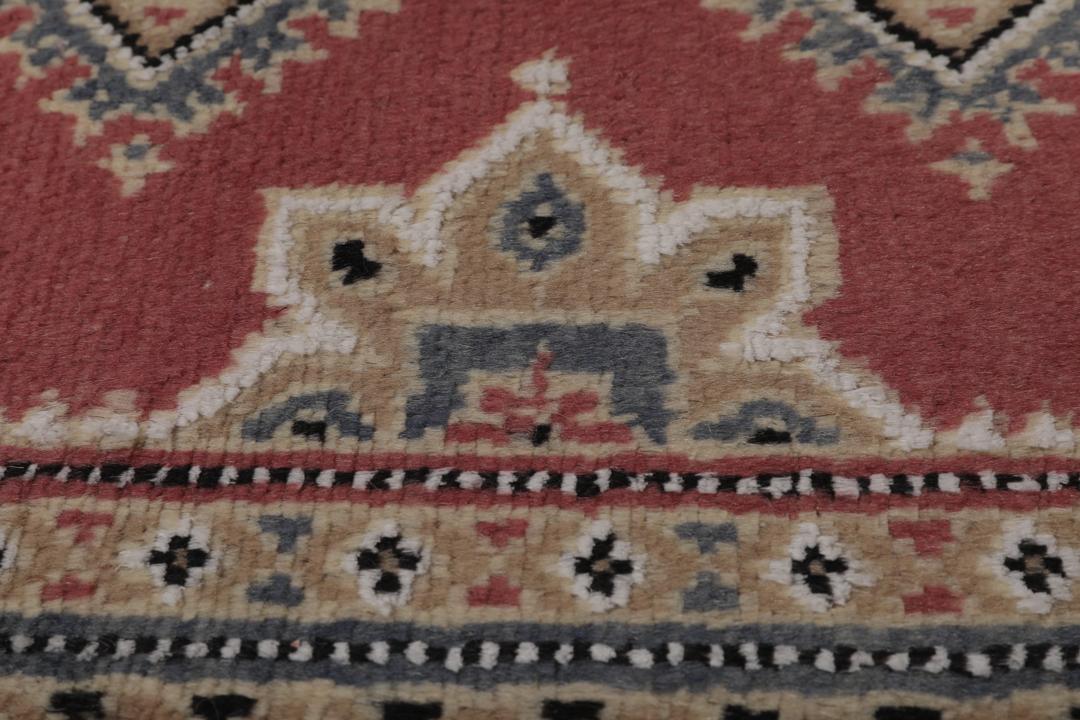
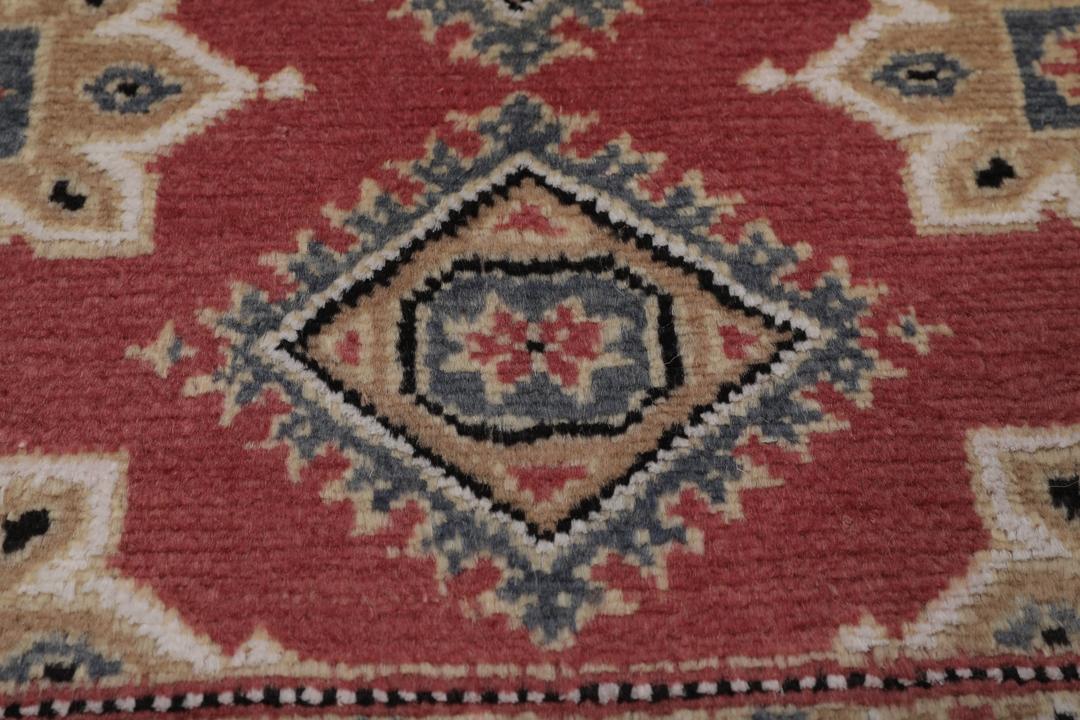
Signature to the Bokhara tradition is the repeating gul motif, which often appears as octagonal or elephant-foot shapes arranged in orderly, rhythmic rows. These patterns are typically enclosed by complex, decorative borders that frame the field, creating a sense of balance and harmony. While the deep red hues are iconic to this style, the specific variations in border geometry and secondary colours make each individual rug a unique expression of its maker's vision.
These rugs are highly valued by collectors and homeowners alike for their ability to bring a sense of heritage and timelessness to a space. Owning a piece from this tradition is an investment in human skill and cultural continuity. It is a reminder of the thousands of years of history embedded in the art of knotting, offering a level of character and warmth that mass-produced items cannot provide.