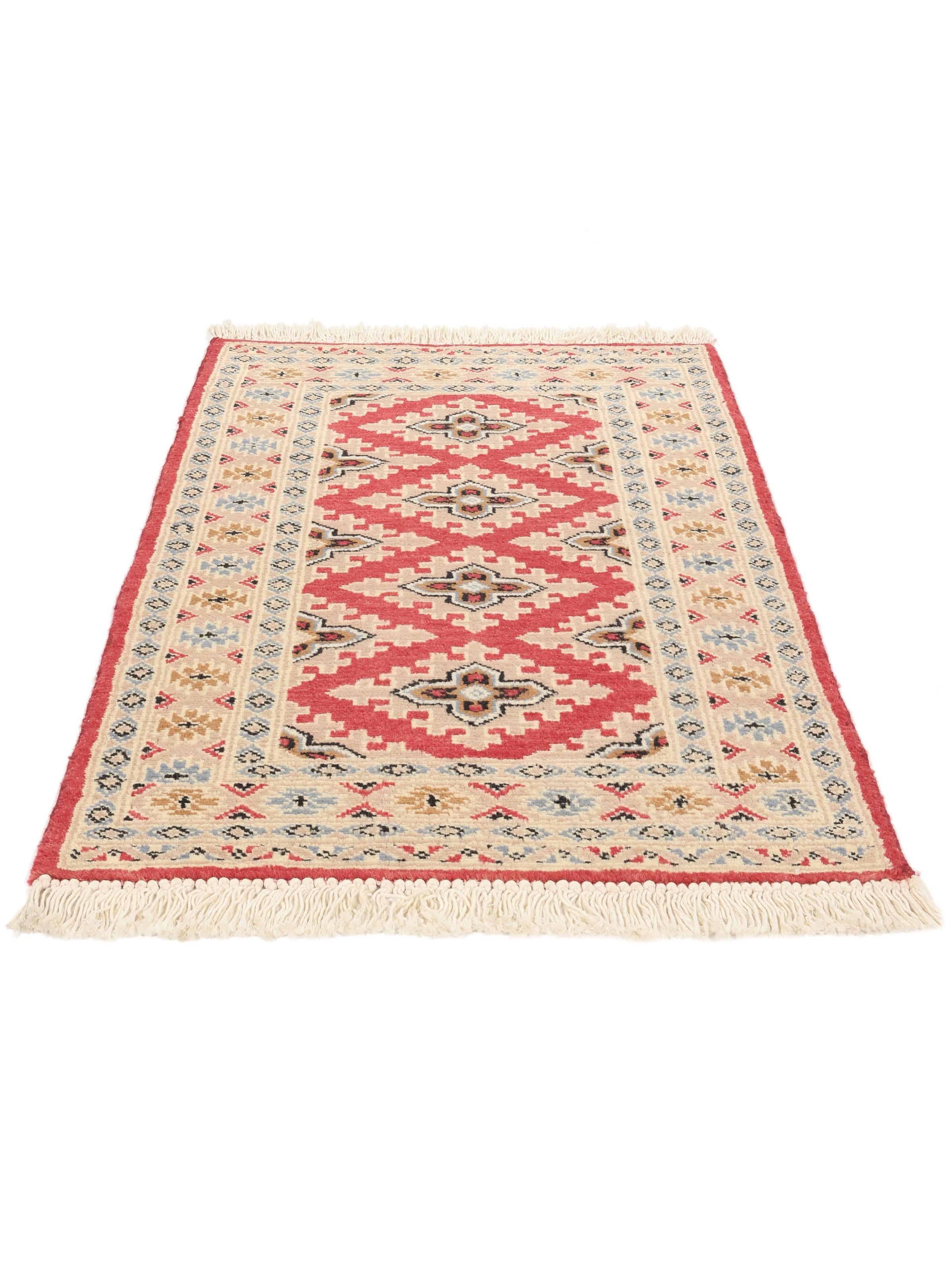
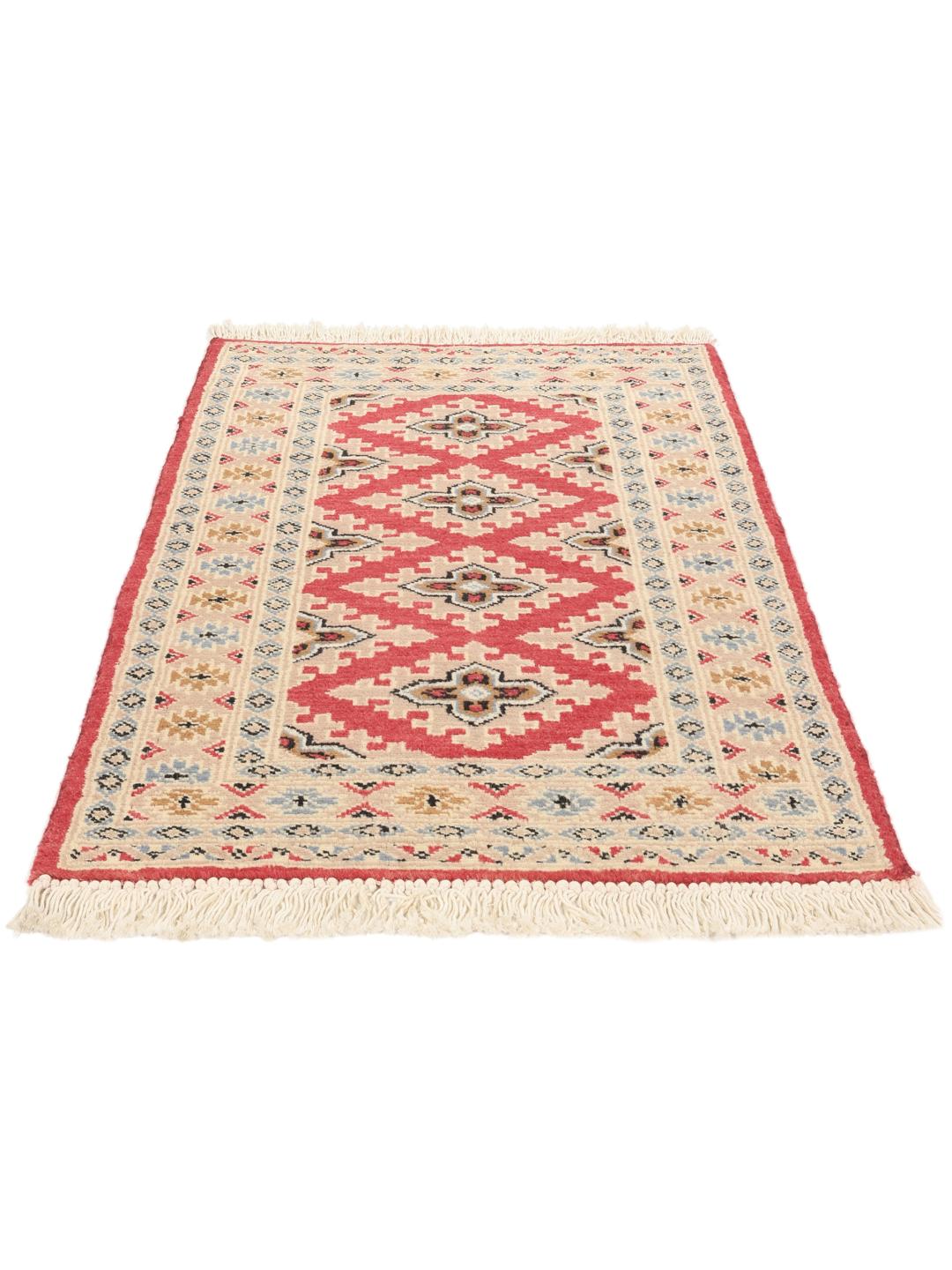
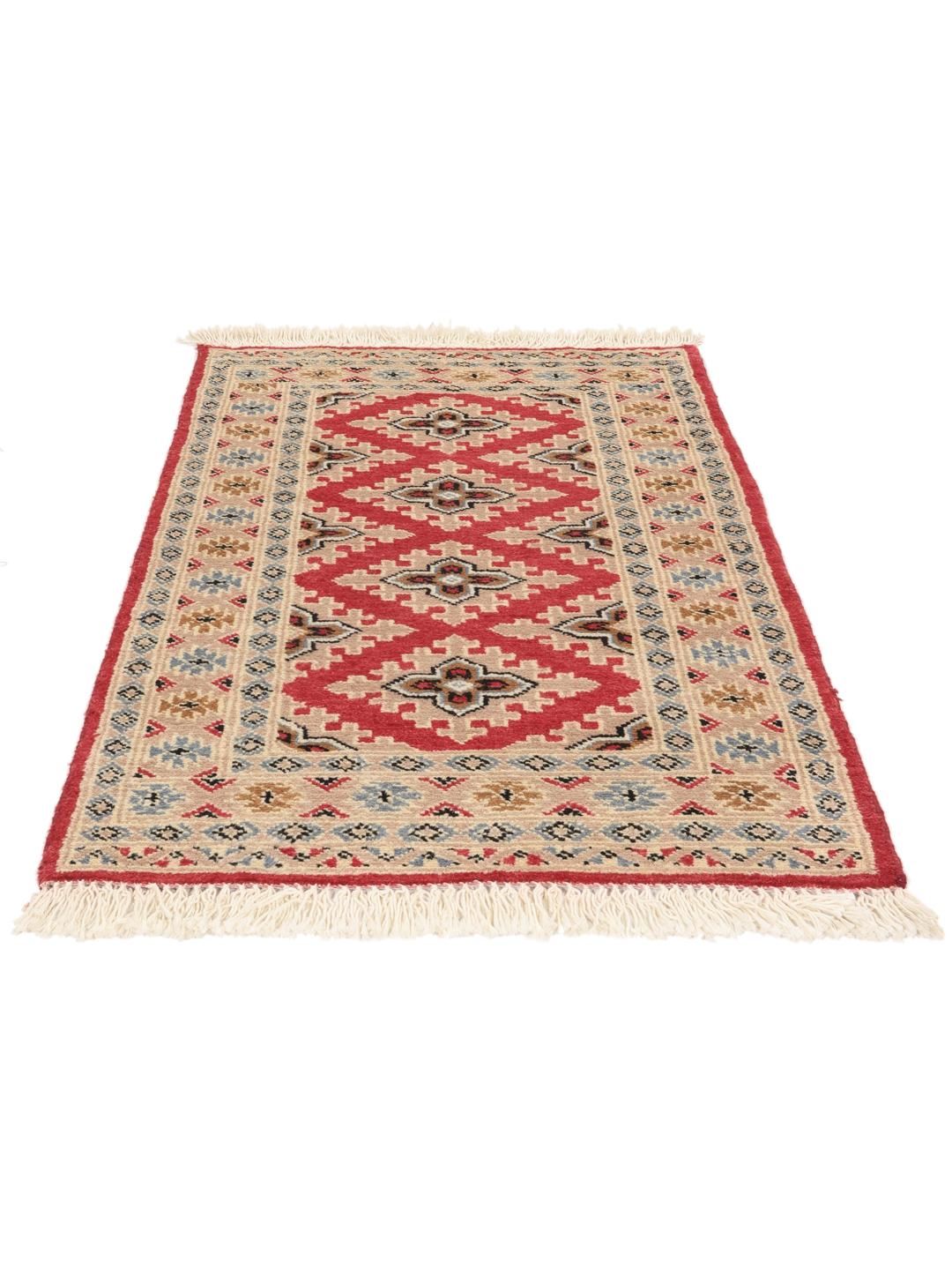
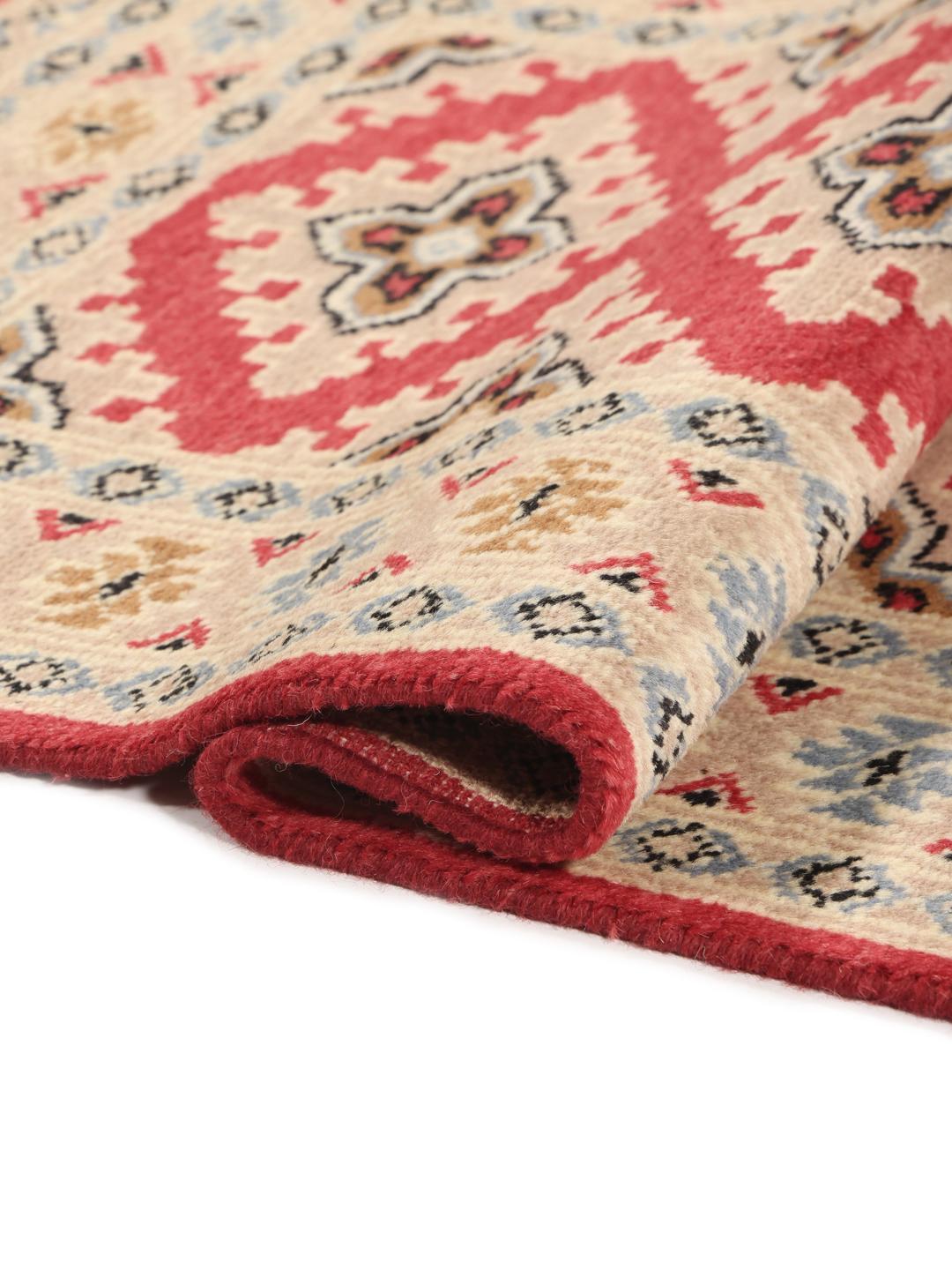
The story of the Bokhara rug is deeply tied to the ancient Silk Road, taking its name from the historic city of Bukhara in Central Asia. Historically, these designs were developed by nomadic tribes who carried their weaving traditions across vast distances. Today, Pakistan has become the primary home for this craft, where weavers have refined and perfected the style to an exceptional standard.
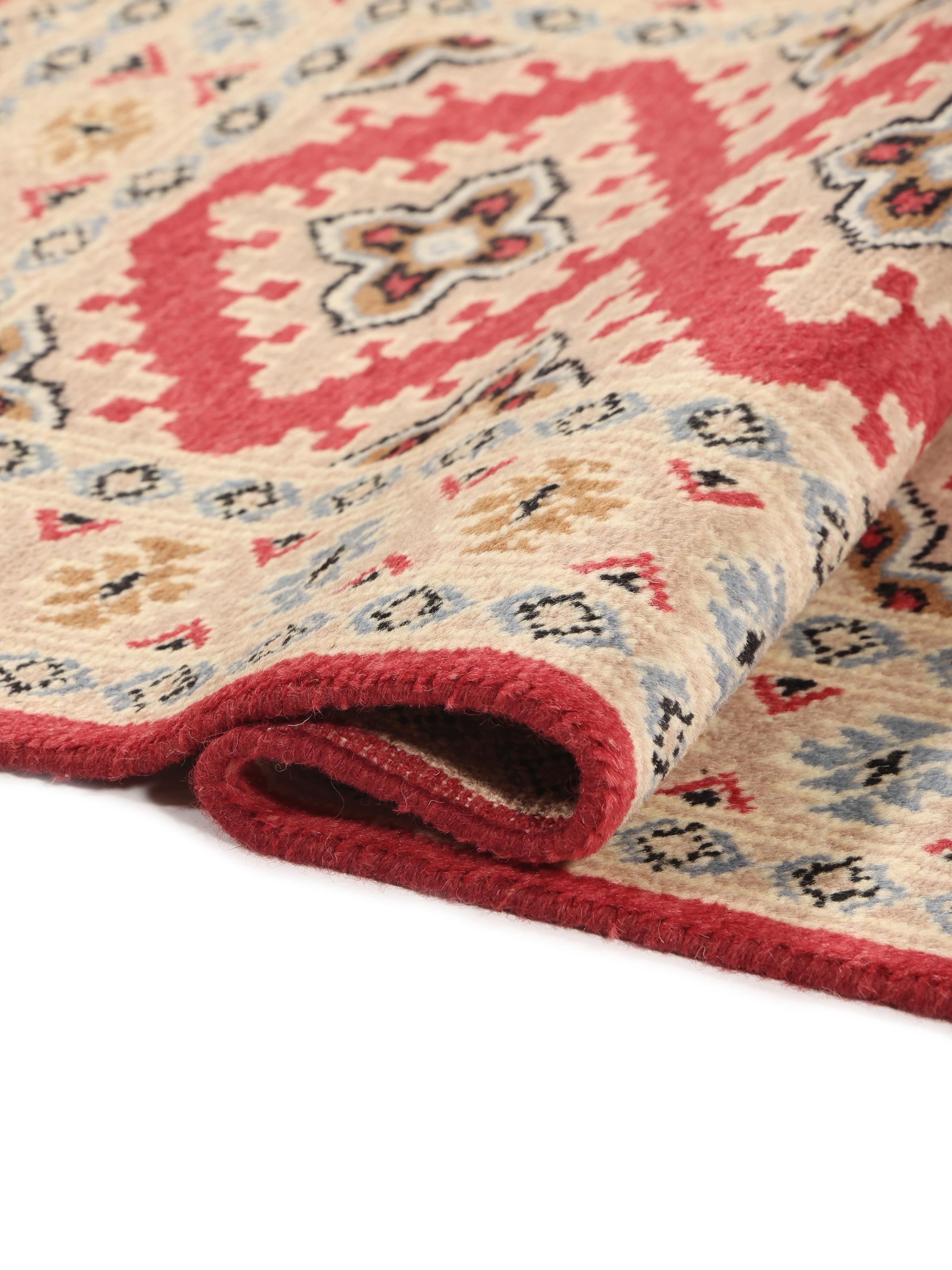
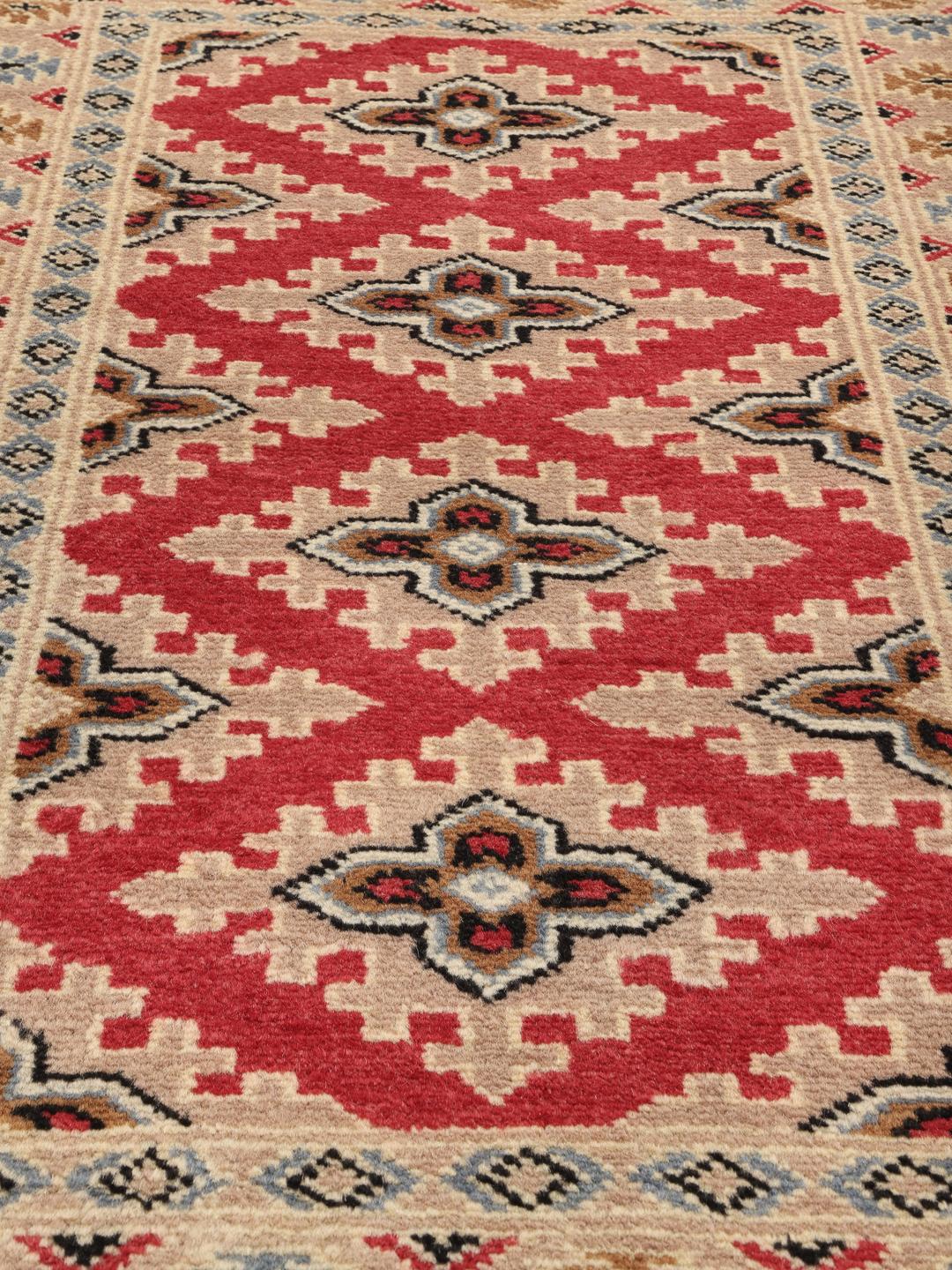
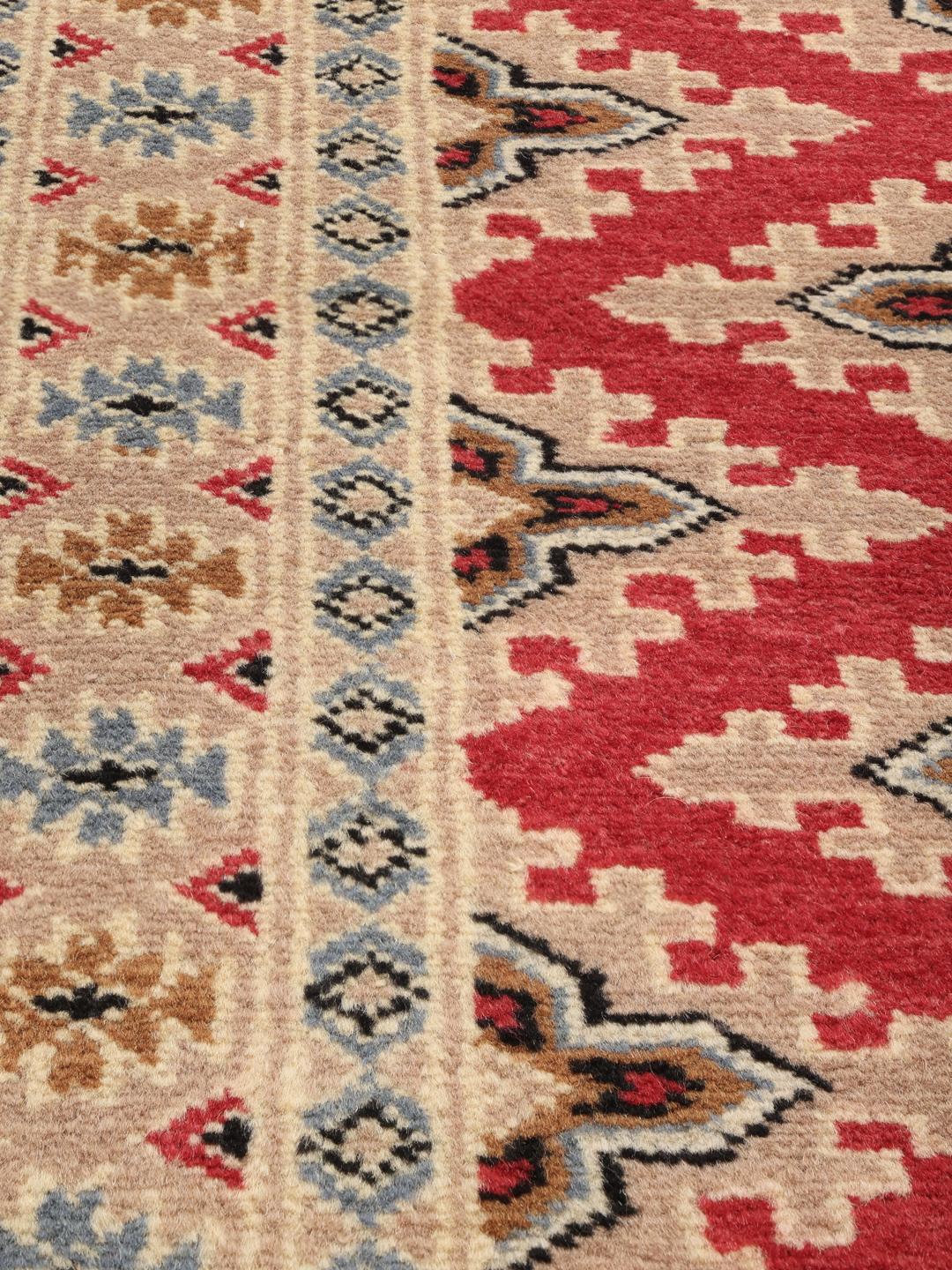
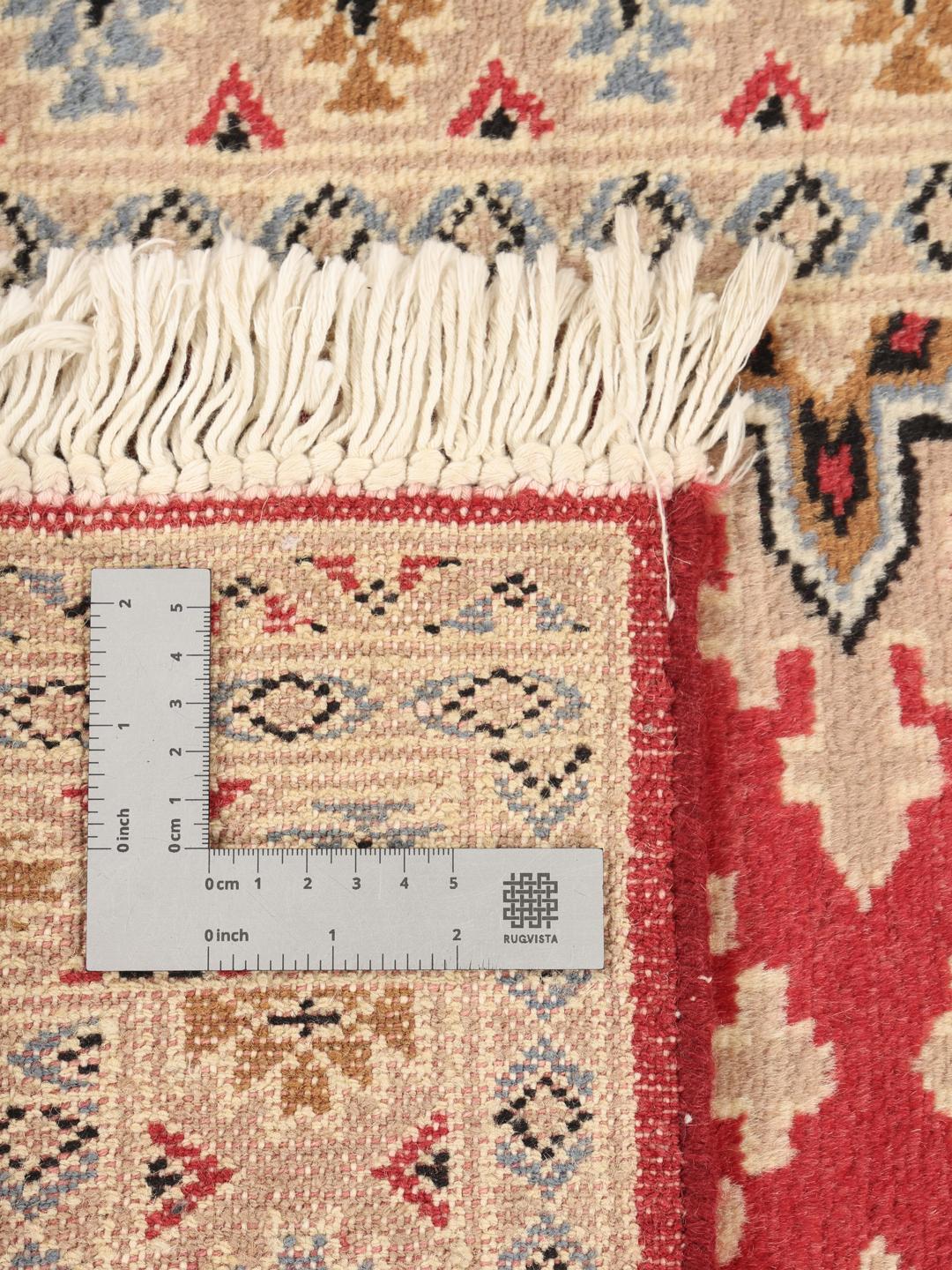
The '2ply' designation refers to the specific way the wool is prepared before weaving. By twisting two strands of wool together, the artisan creates a yarn that is significantly stronger and more lustrous than single-ply alternatives. This technical choice is what gives these rugs their signature plush, resilient feel and long-lasting quality.
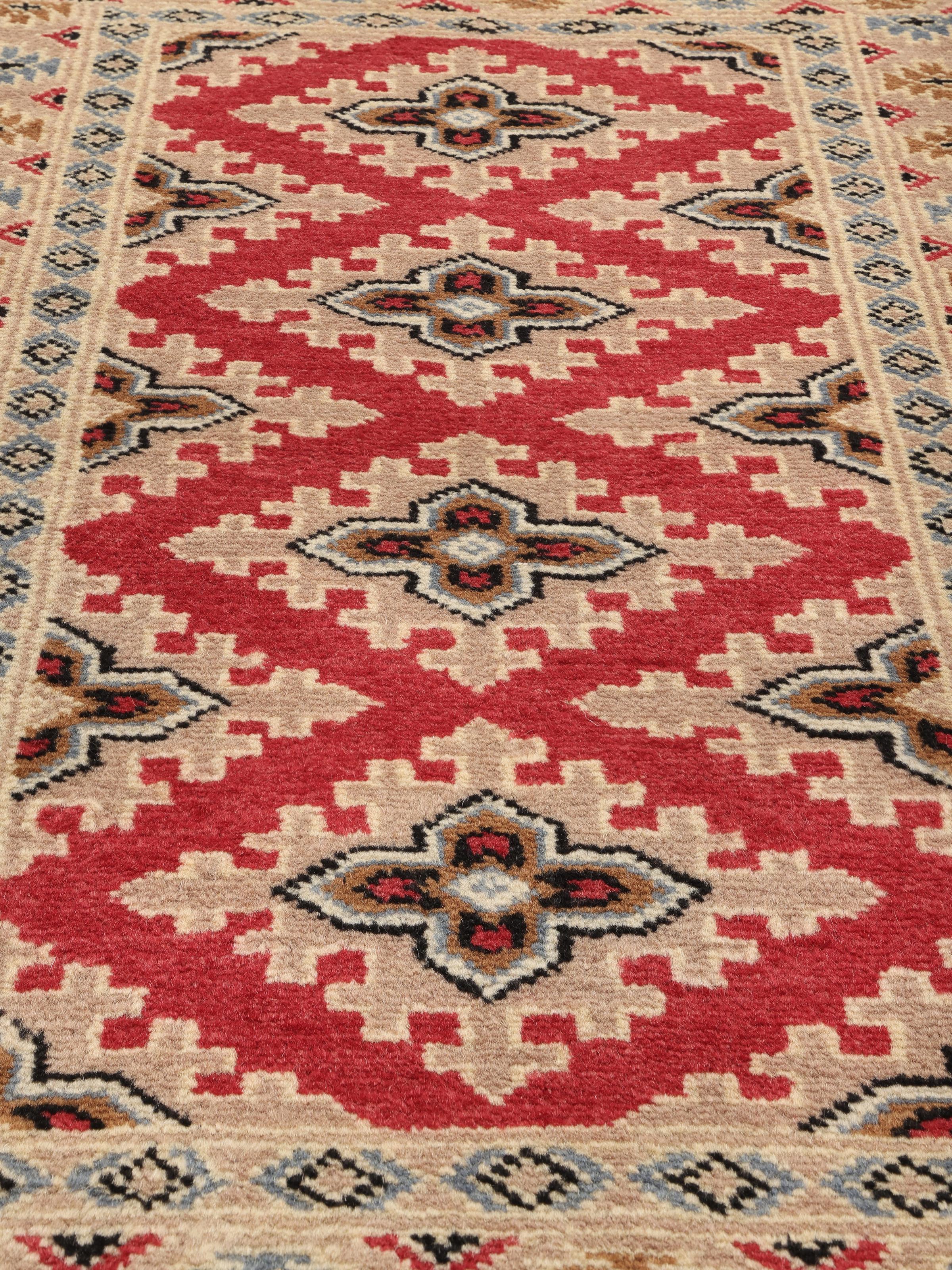
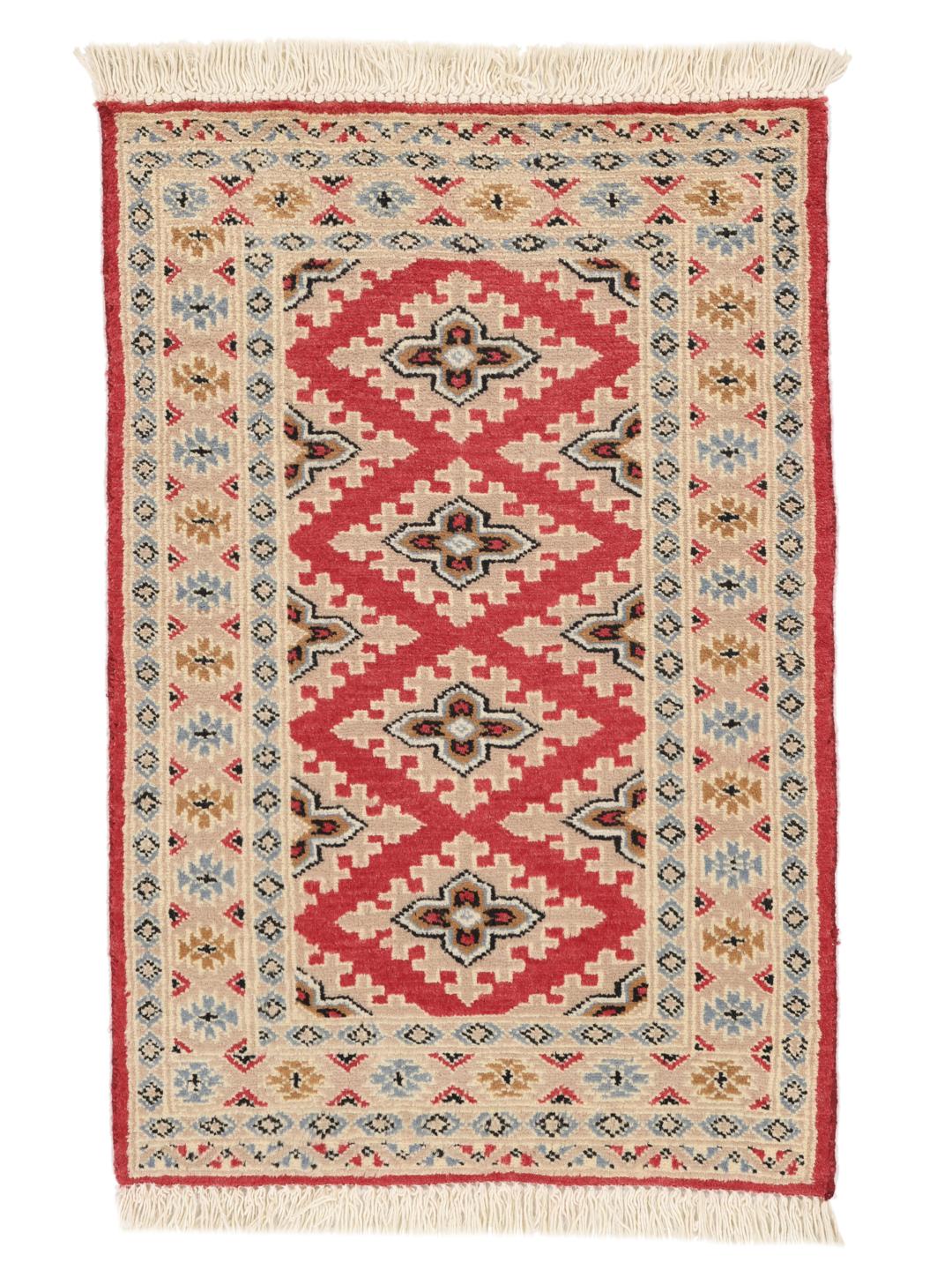
Visually, these rugs are defined by their repetitive 'gul' motifs, which are stylised, octagonal medallions that represent traditional tribal symbols. The borders are often formal and geometric, framing the field with precision. This specific piece showcases a harmonious blend of red and beige tones, which is a classic colour palette for this tradition, highlighting the pattern's symmetry.
Owning a hand-knotted rug from this tradition is an investment in cultural heritage and human skill. These pieces are highly valued by collectors not just for their aesthetic beauty, but for the story of tradition and patience woven into every thread. By choosing this rug, you are welcoming a piece of history into your home that celebrates the enduring value of manual craft.