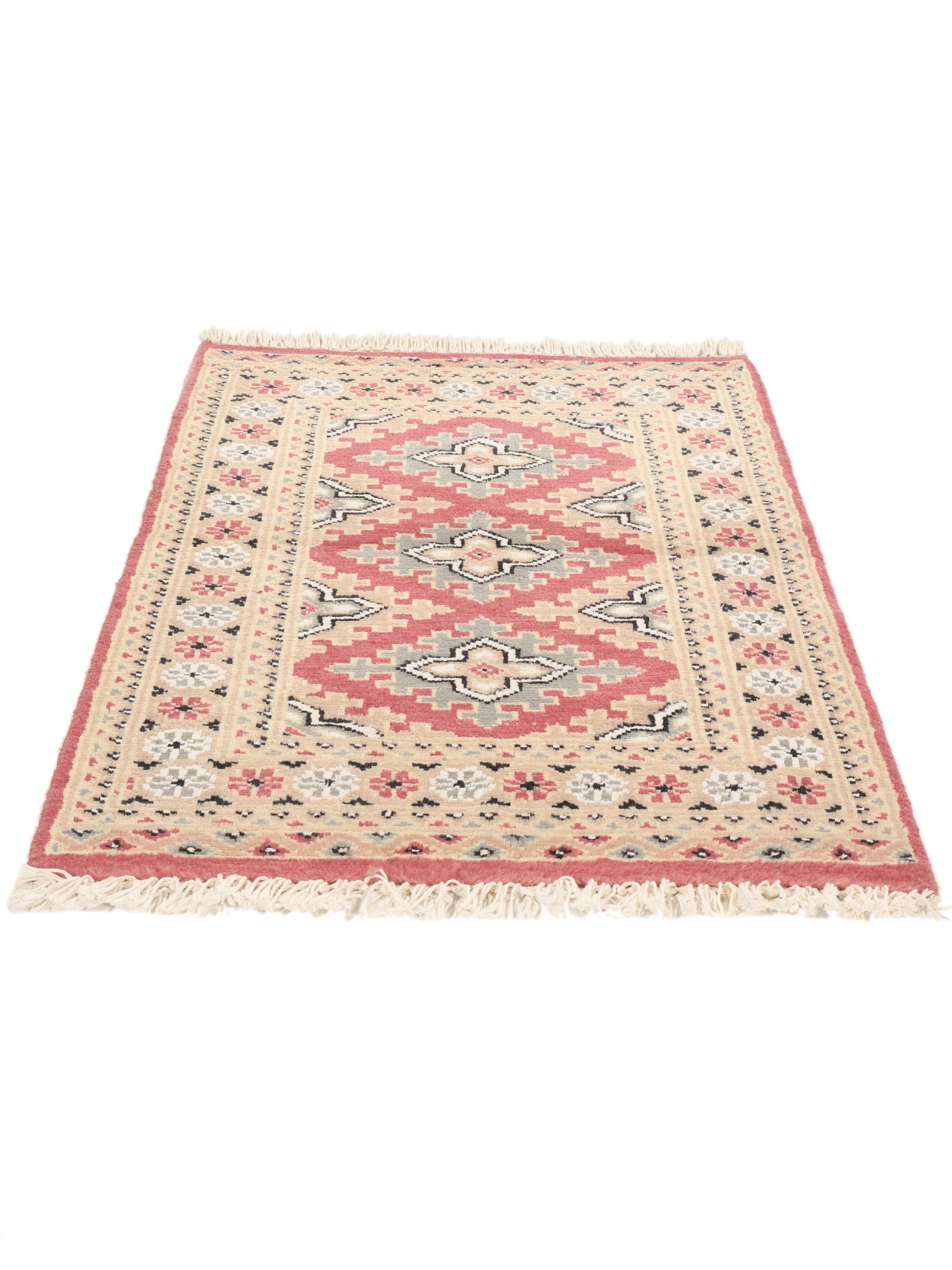
Bokhara rugs take their name from the ancient Silk Road city of Bukhara in Central Asia, a legendary hub of trade and culture. While the style originated with nomadic tribes in the region, the finest examples today are woven in Pakistan, where artisans have perfected the craft over generations, adapting ancient techniques to contemporary standards of quality.
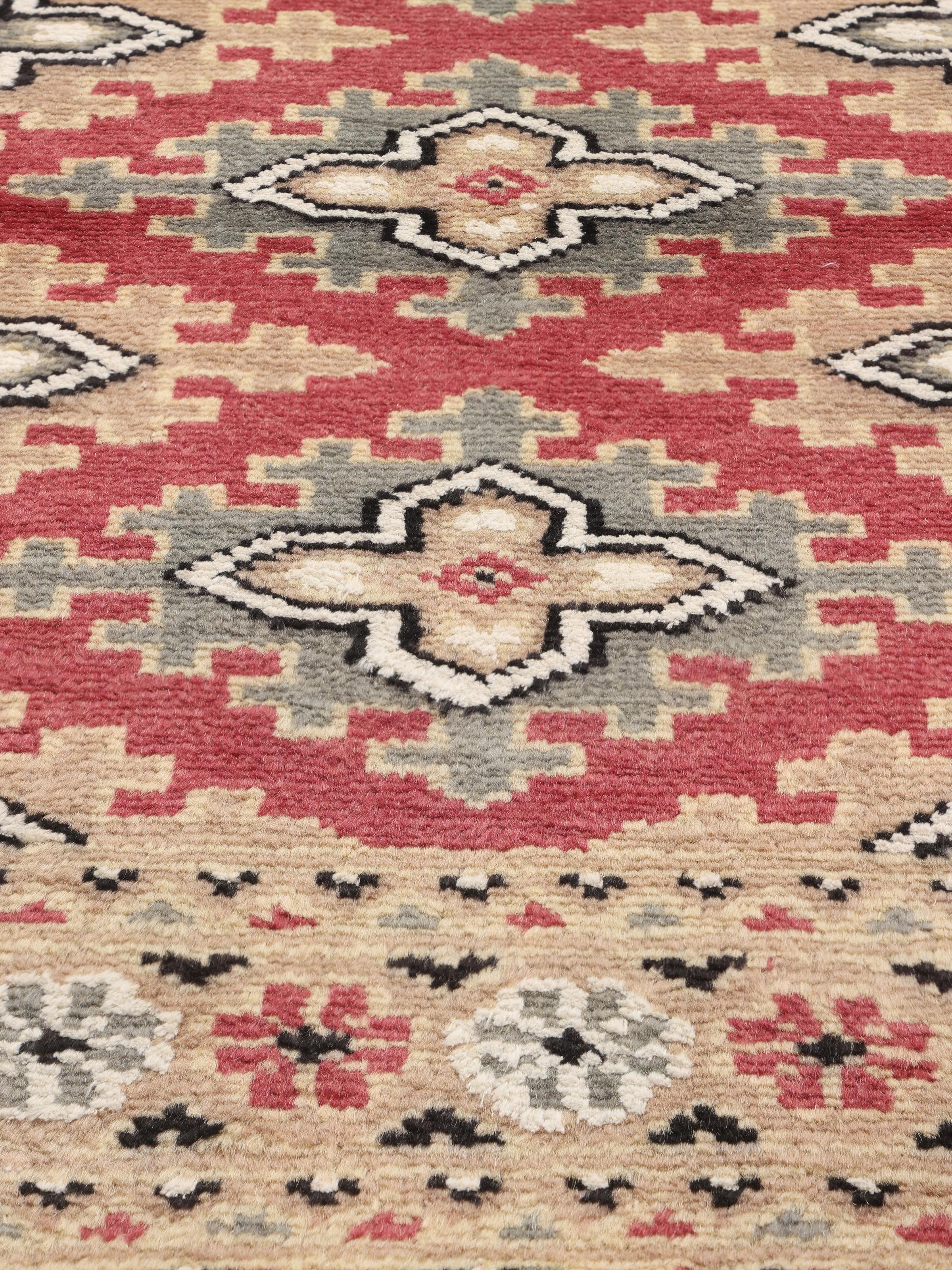
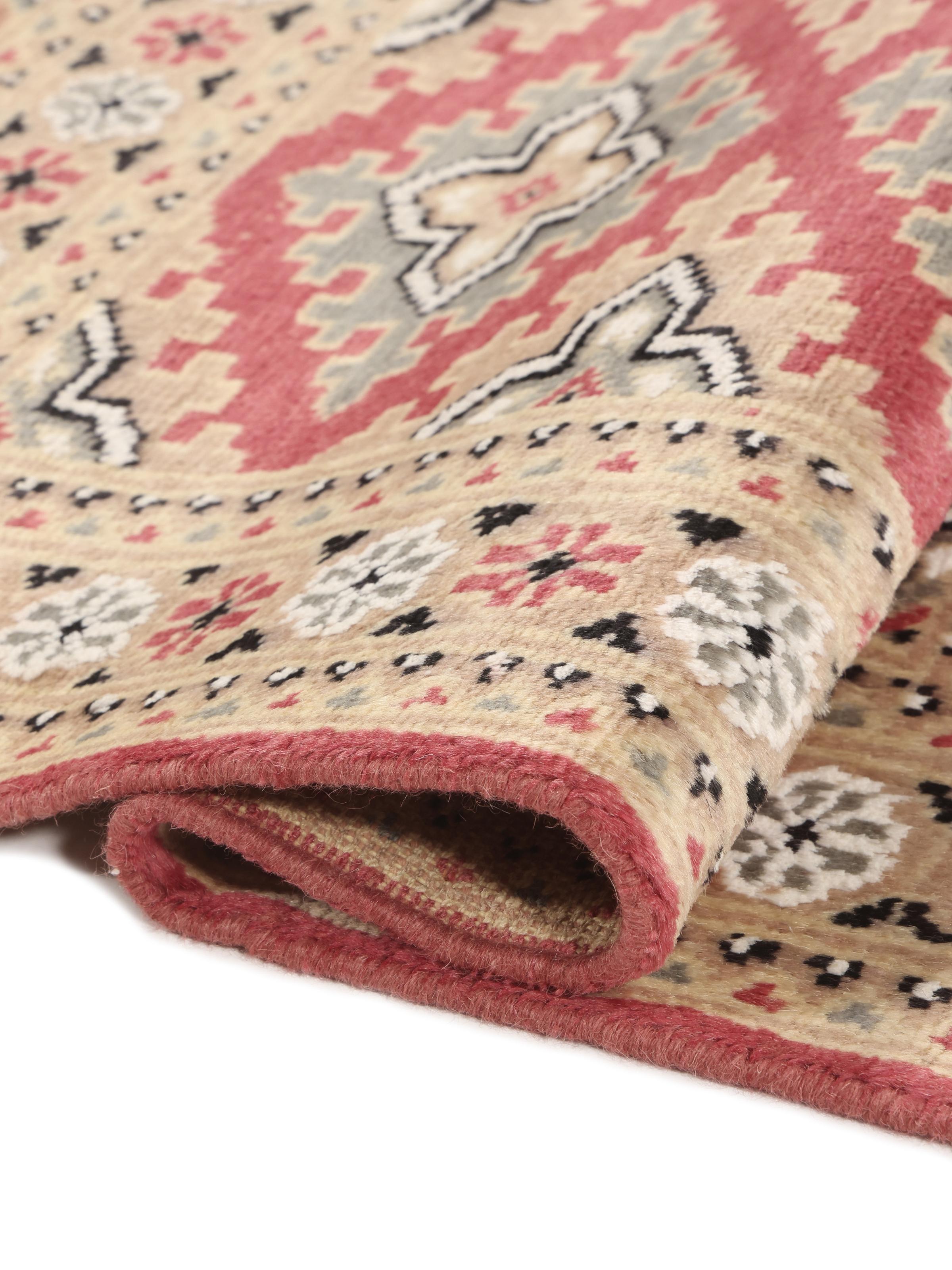
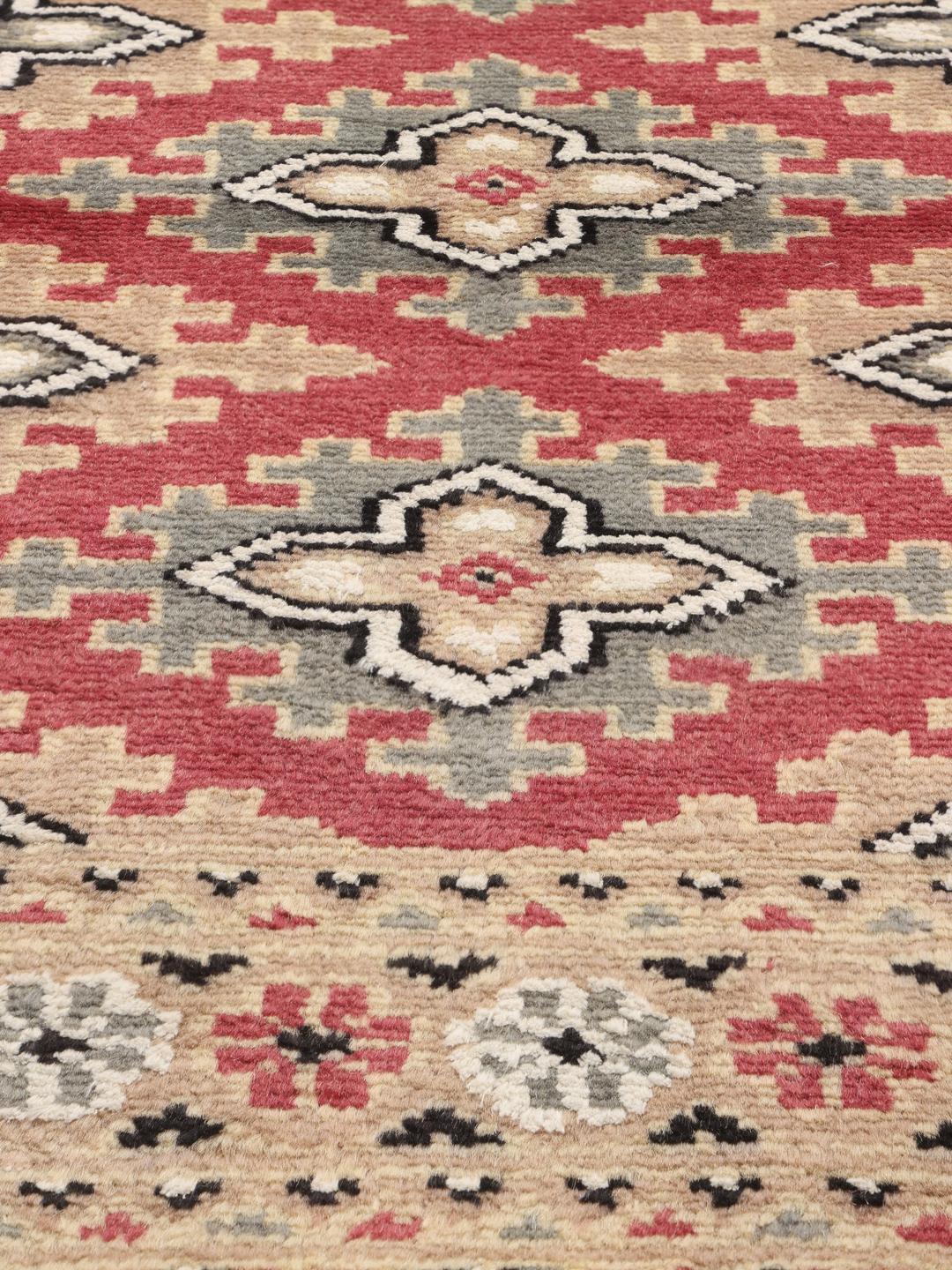
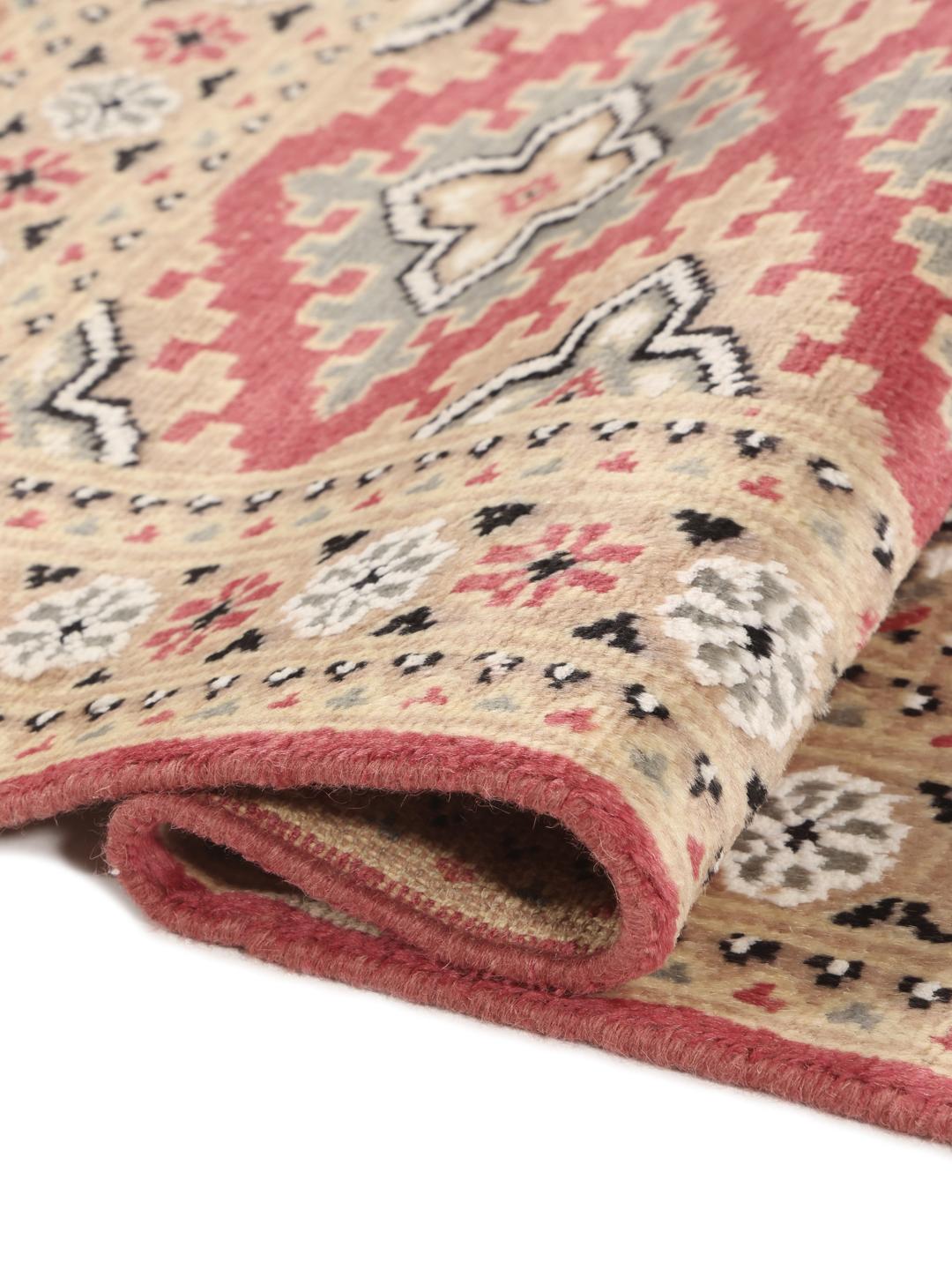
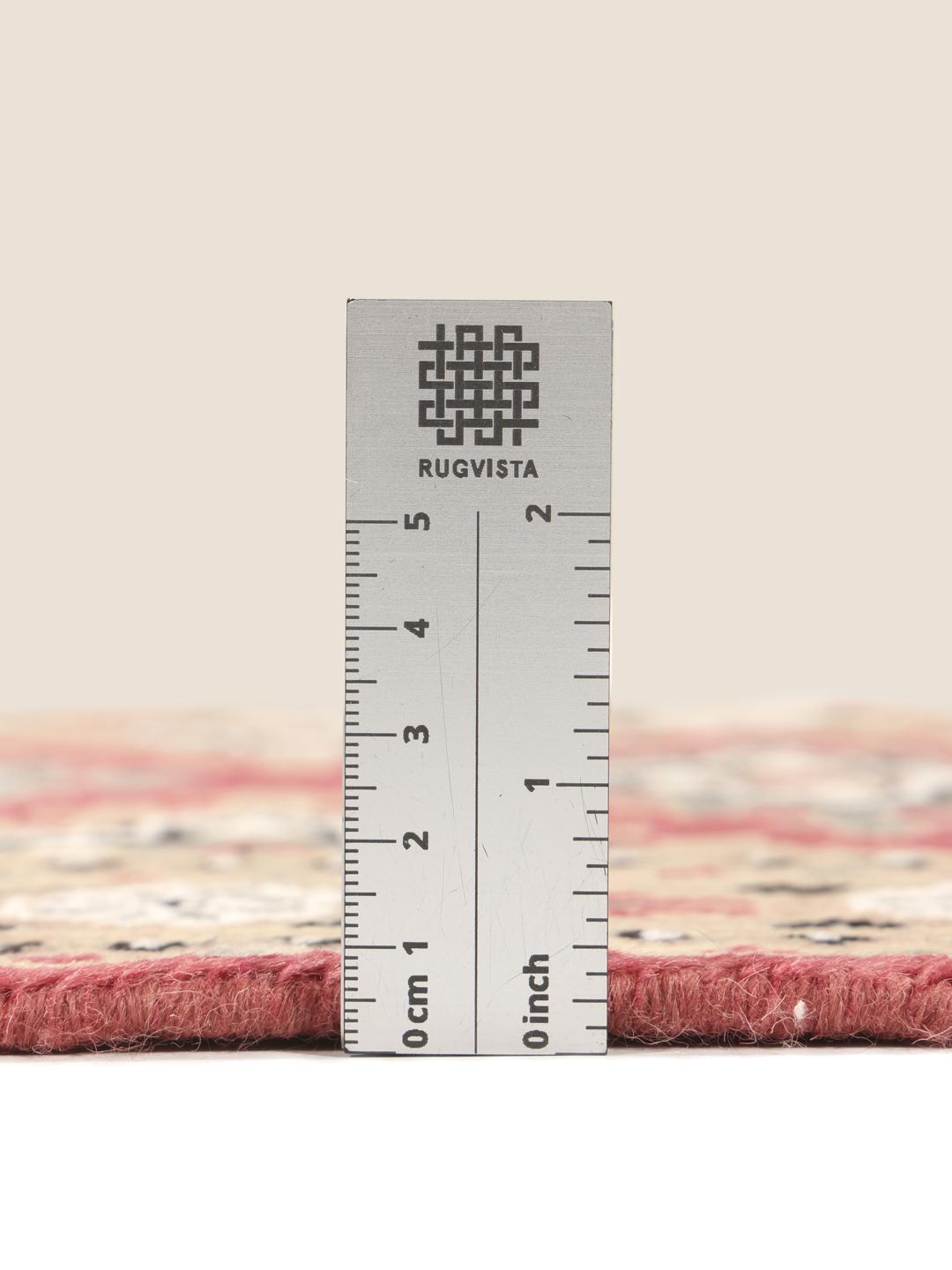
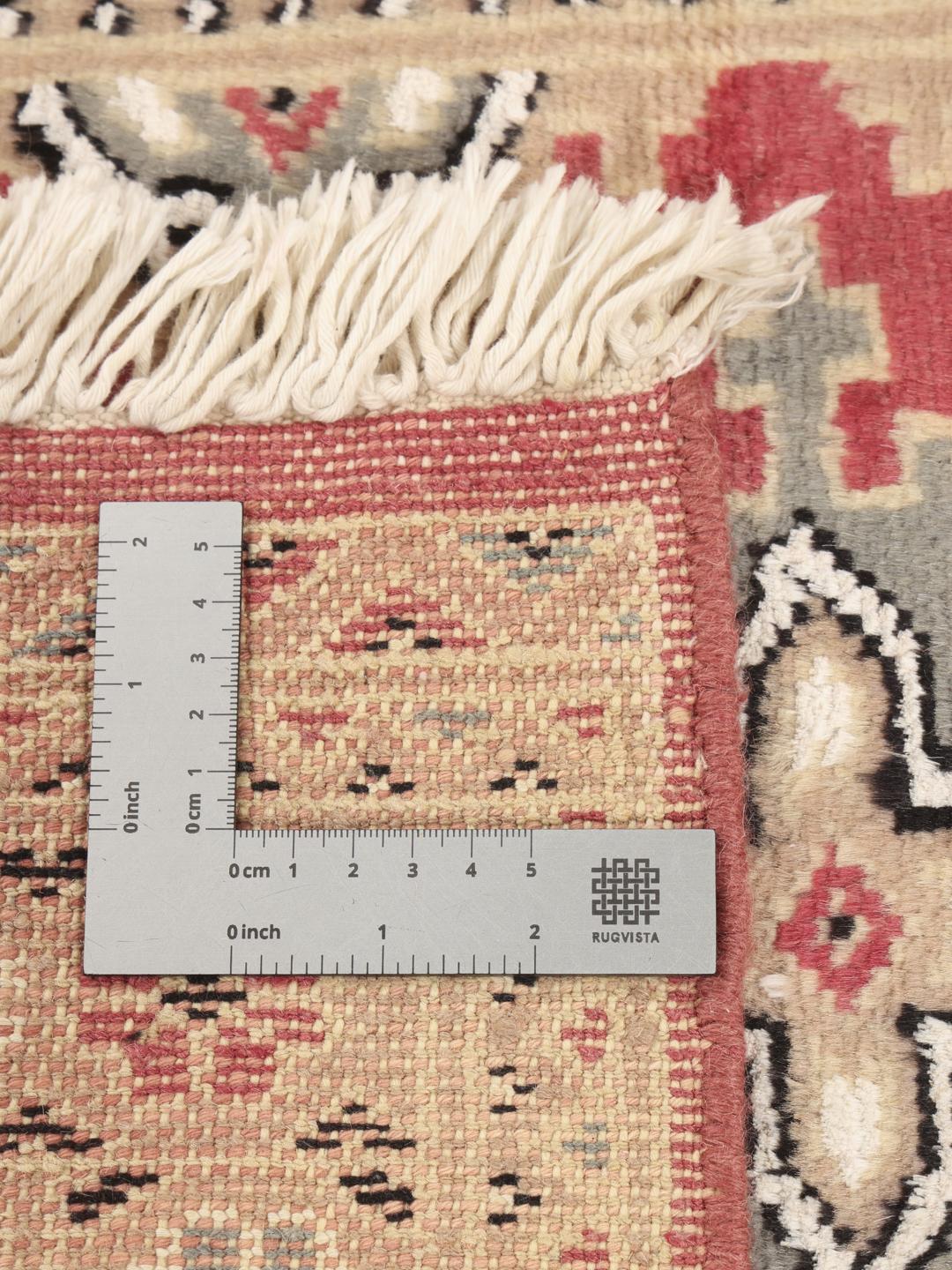
The term 2ply refers to the construction of the pile, where two strands of Wool are twisted together before being knotted. This double-ply method is essential for creating a denser, more lustrous, and longer-lasting pile compared to single-ply alternatives, ensuring the rug maintains its rich texture and appearance through years of use.
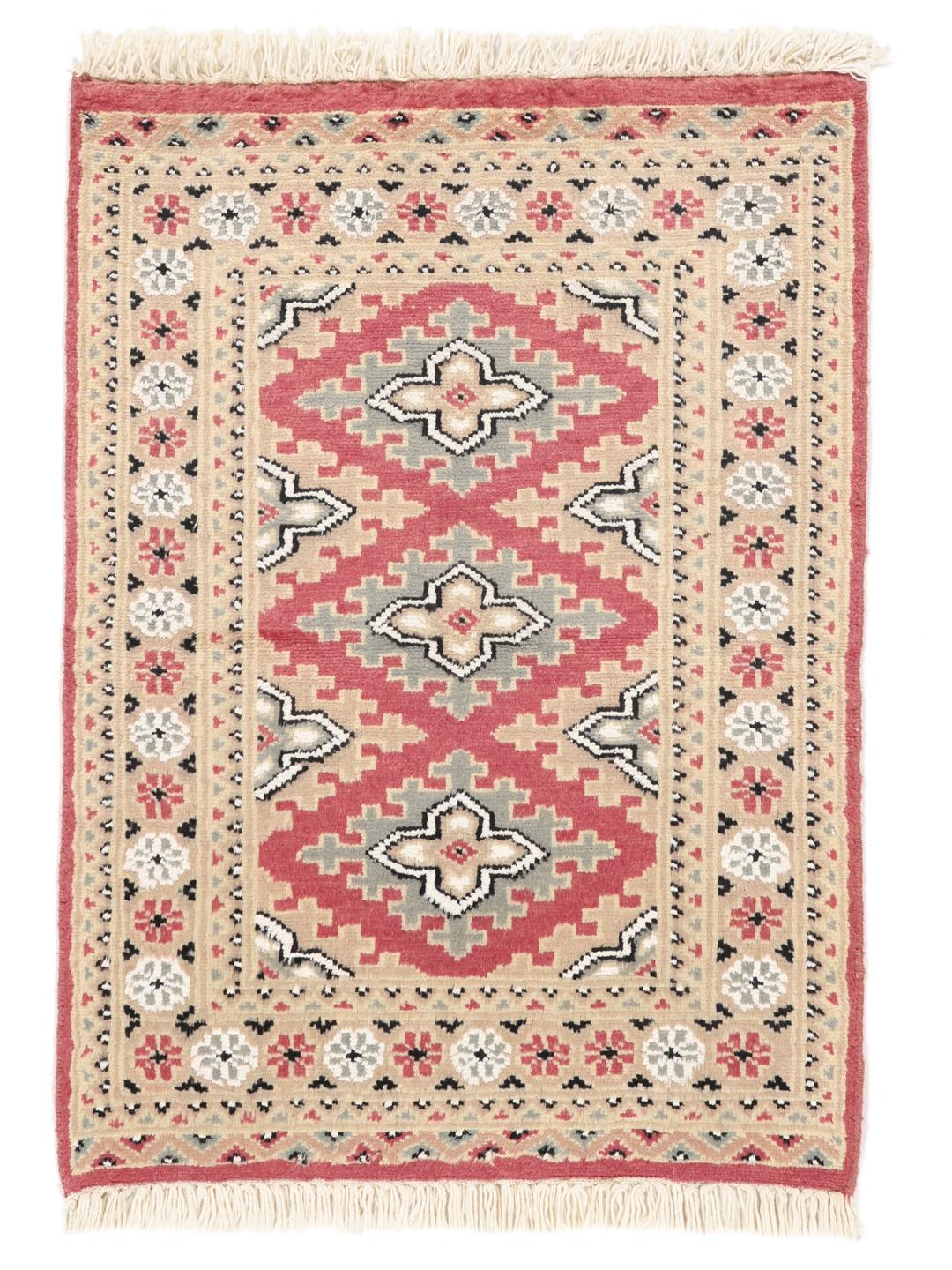
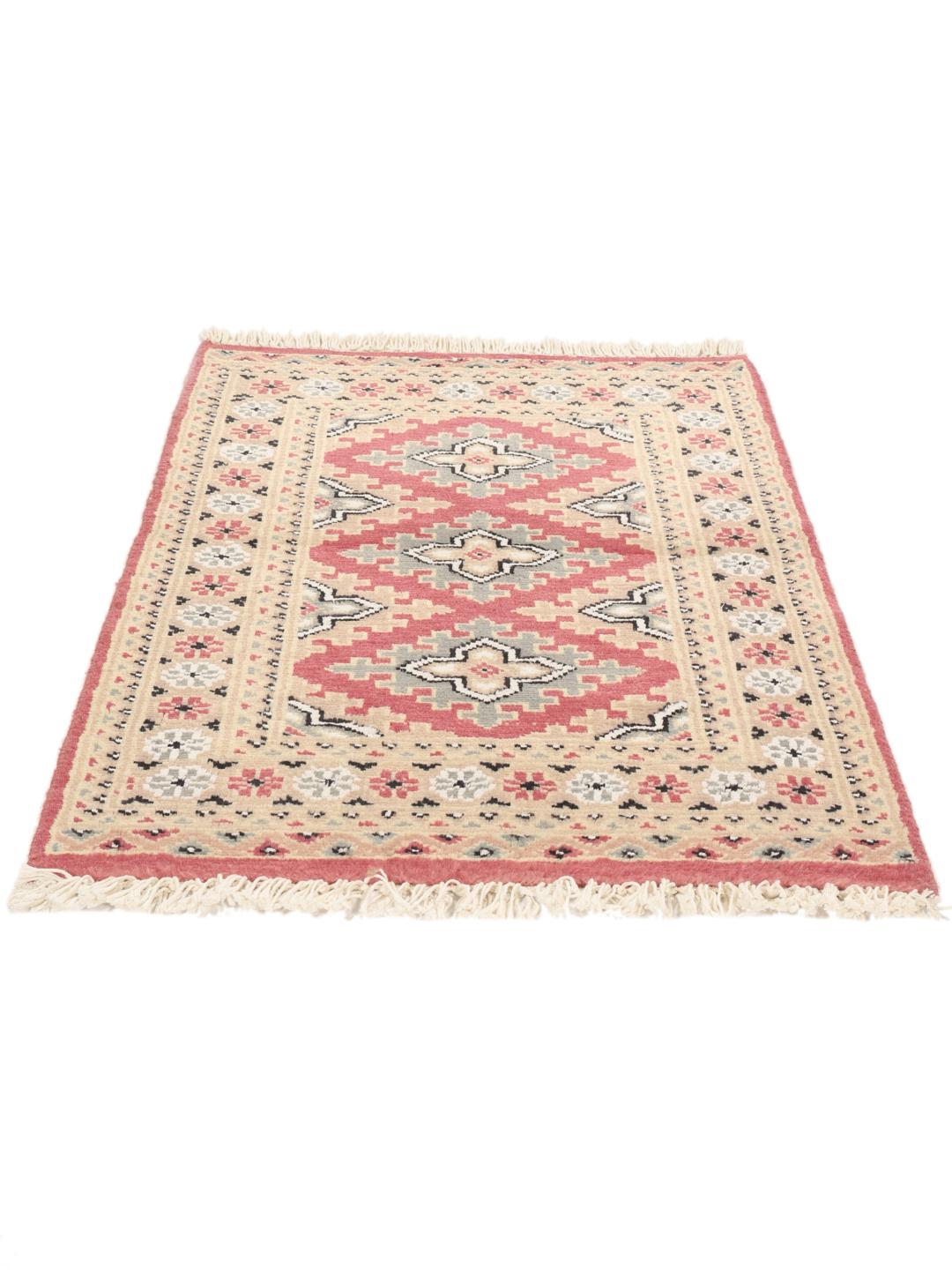
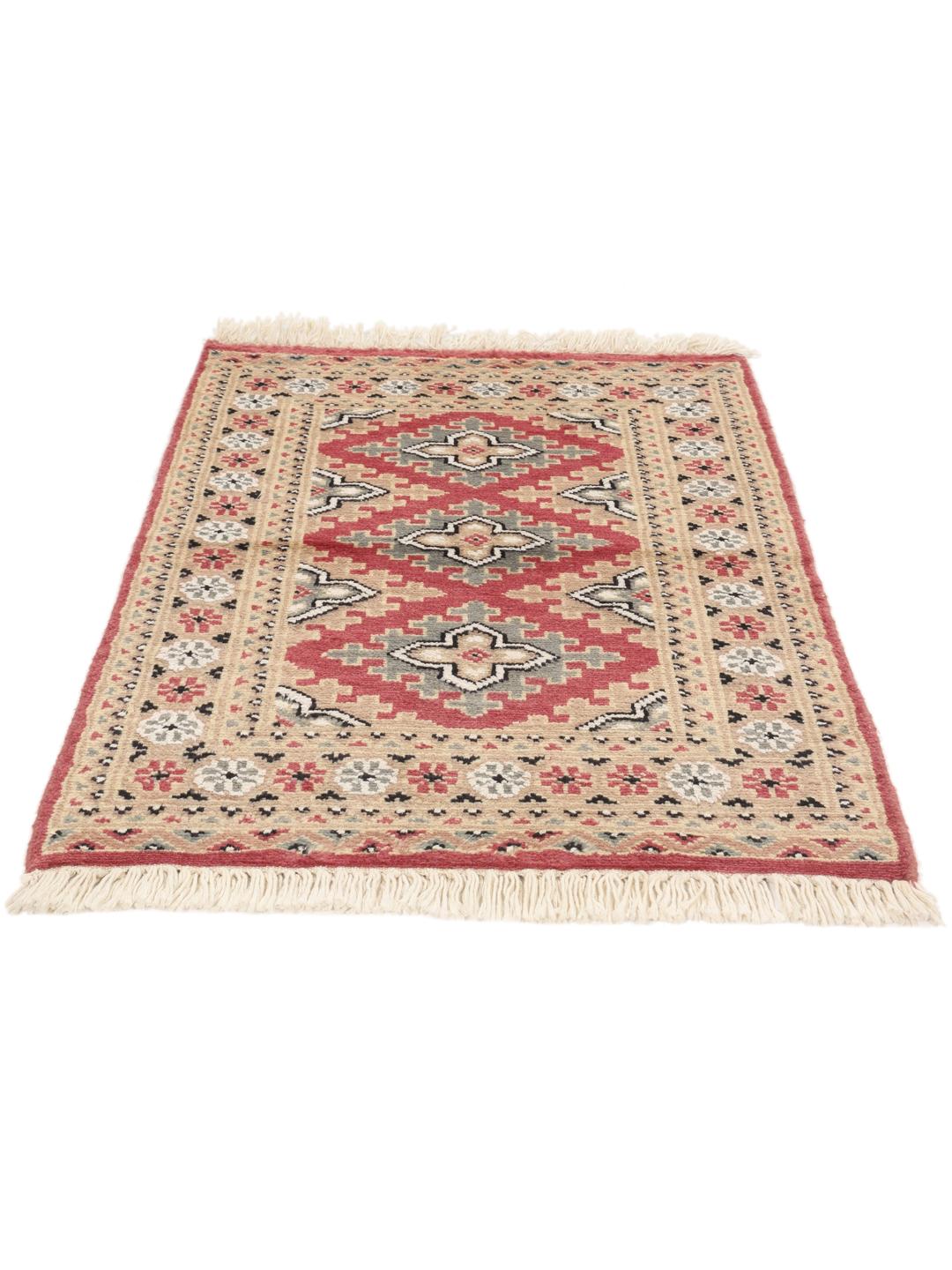
The signature design of this tradition is the repeating gul motif, which appears here as a series of octagonal or diamond-shaped medallions. These geometric forms are typically arranged in orderly rows and enclosed by complex, decorative borders that frame the field, showcasing a disciplined yet intricate visual language that has defined this style for centuries.
Collectors and enthusiasts value these rugs for their combination of cultural heritage and technical skill. Owning a piece from this tradition is an investment in authentic craftsmanship, offering a sense of history and human connection that mass-produced floor coverings simply cannot replicate.