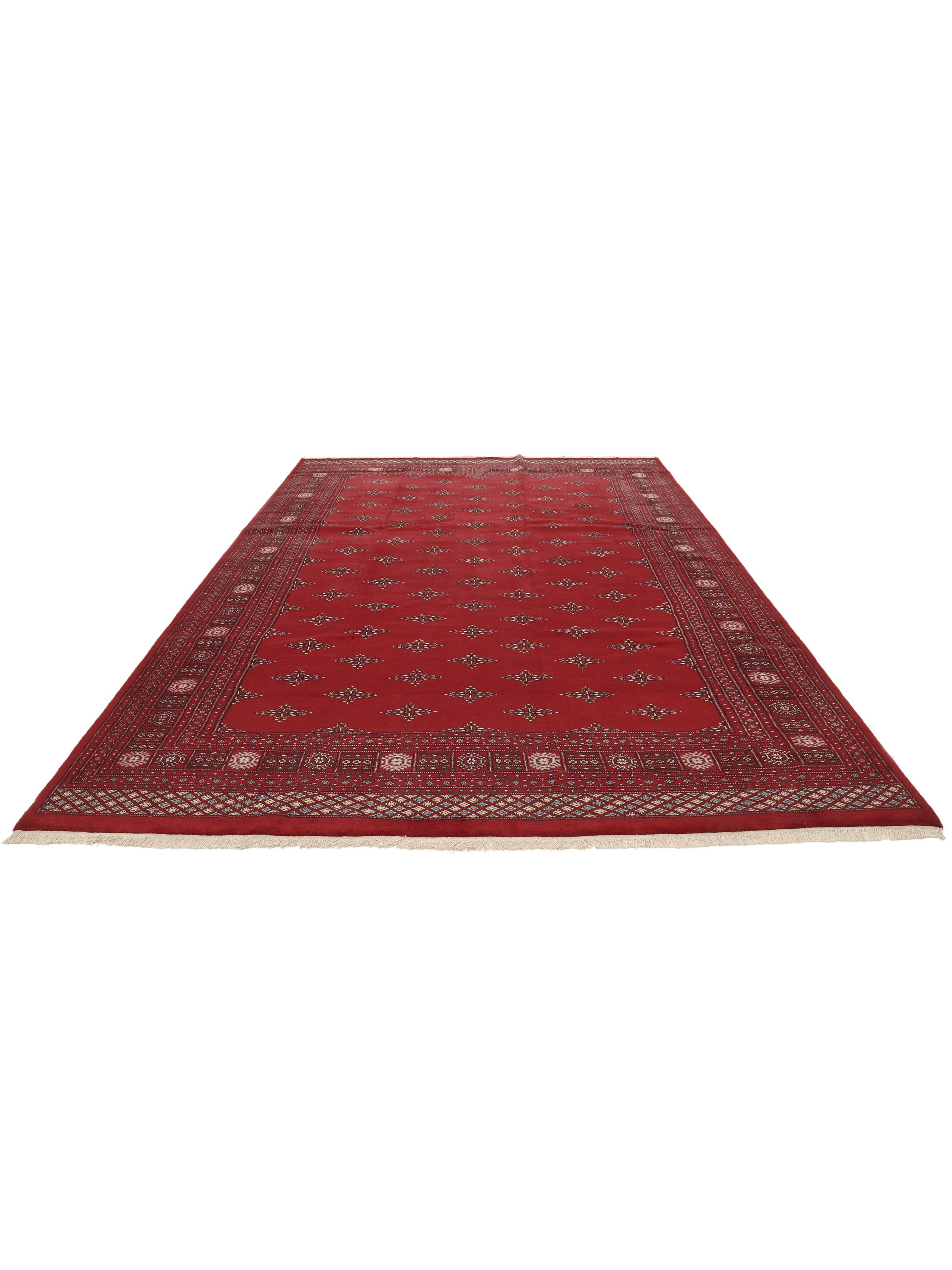
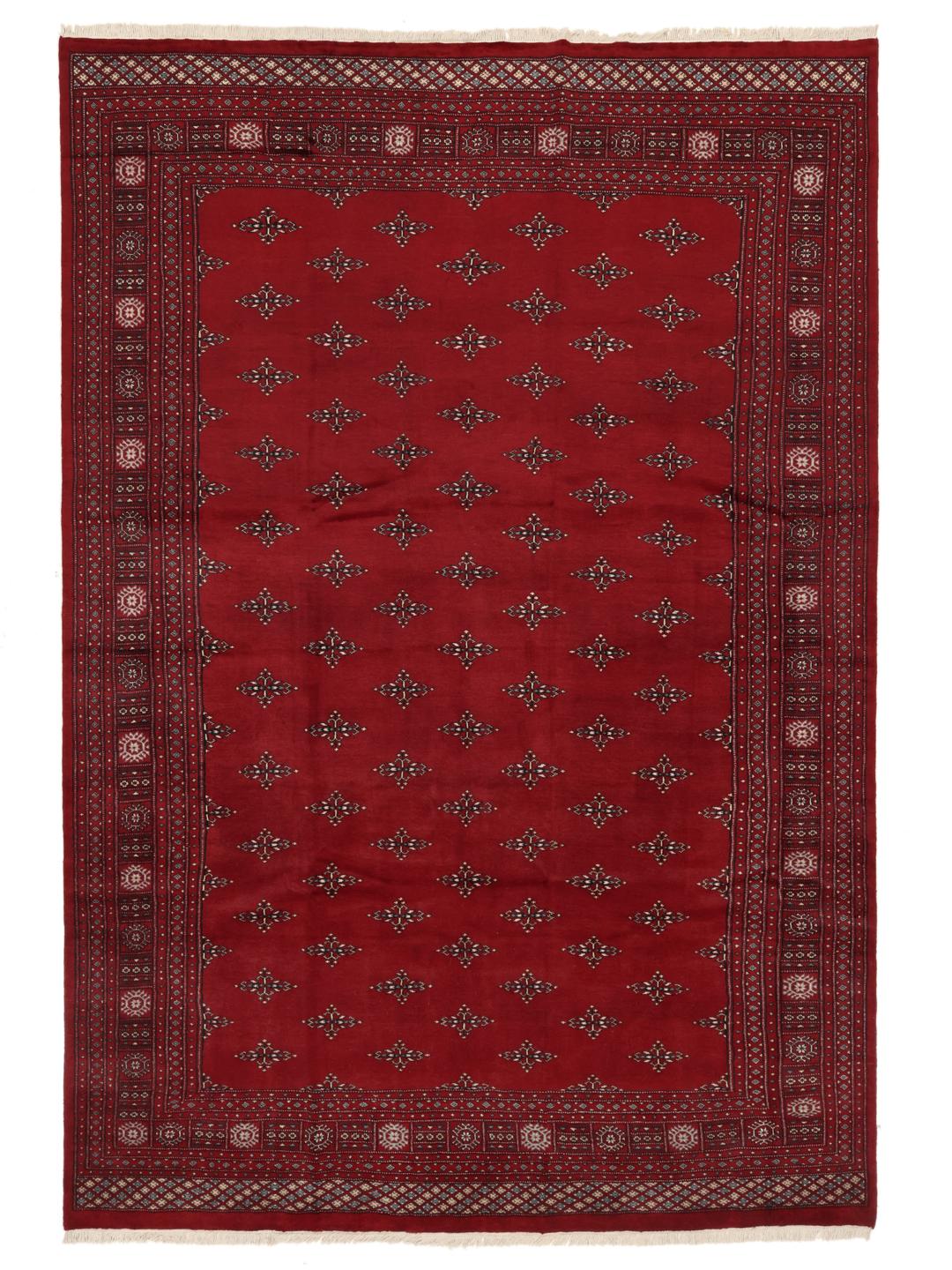
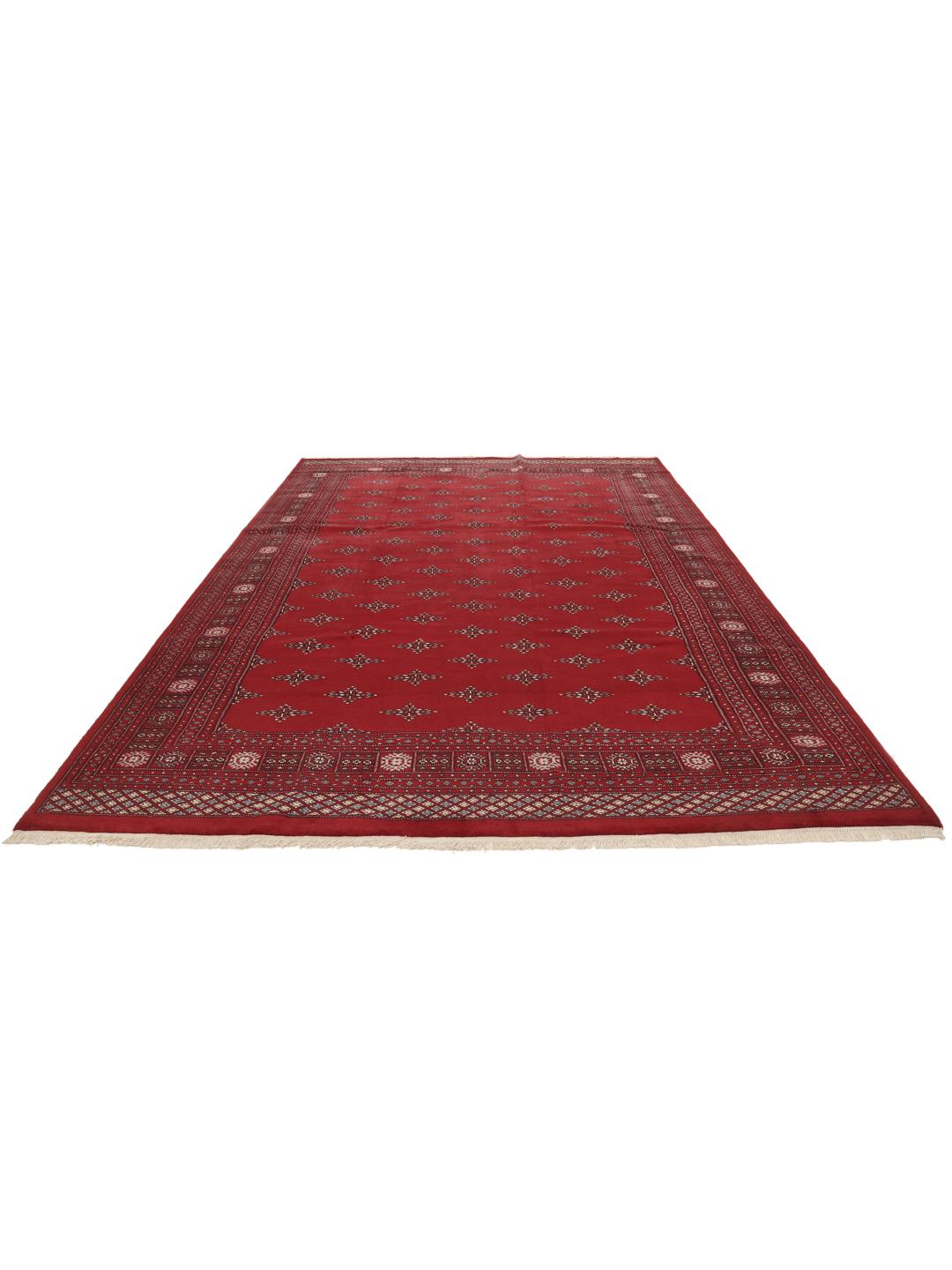
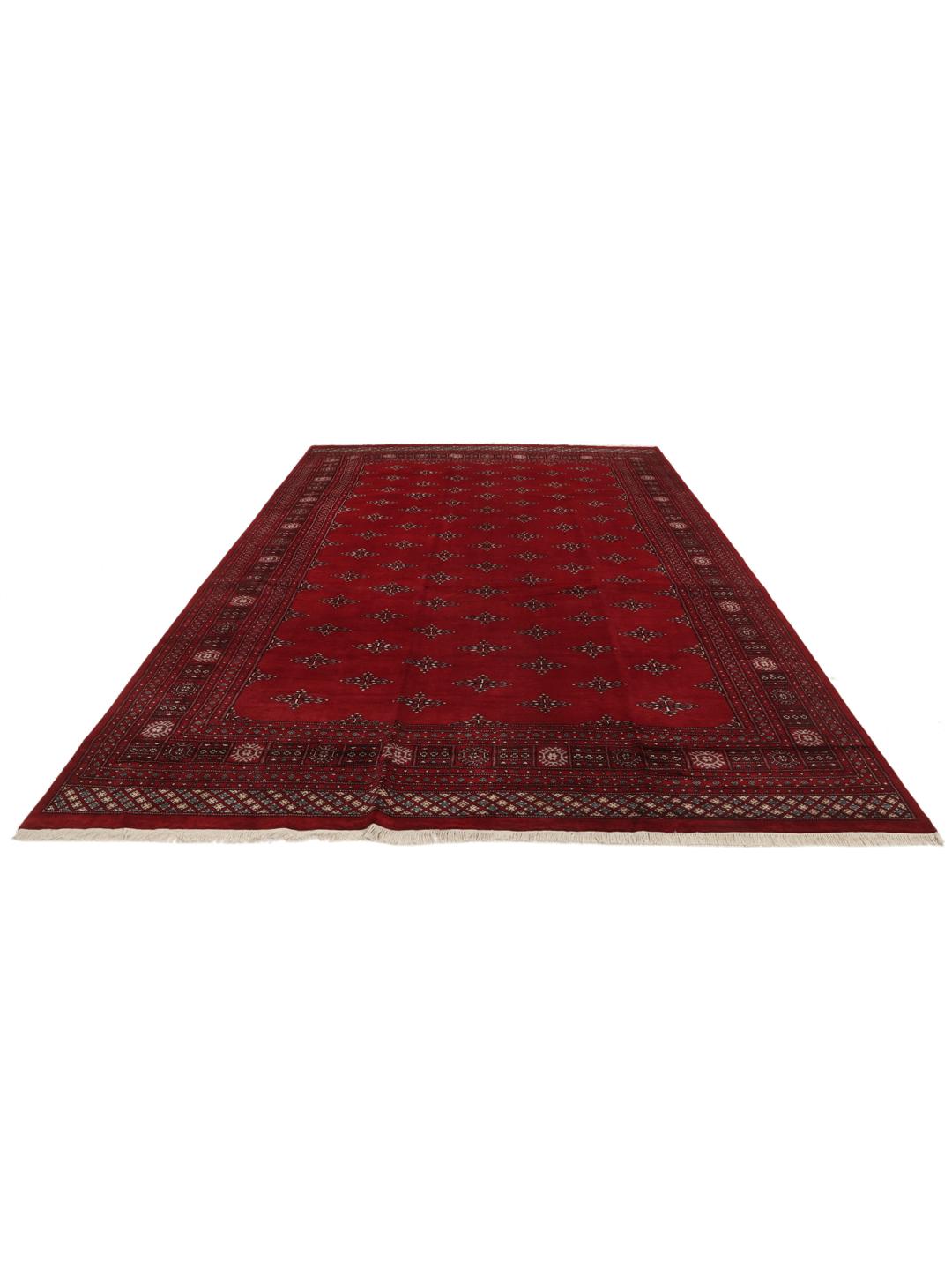
The Bokhara rug is a style with roots in the ancient Silk Road city of Bukhara, though today the finest examples of this tradition are crafted in Pakistan. This evolution reflects the migration of weaving techniques across Central Asia, where nomadic traditions were refined and adapted into the sophisticated, structured styles we recognise today as the classic Pakistan Bokhara.
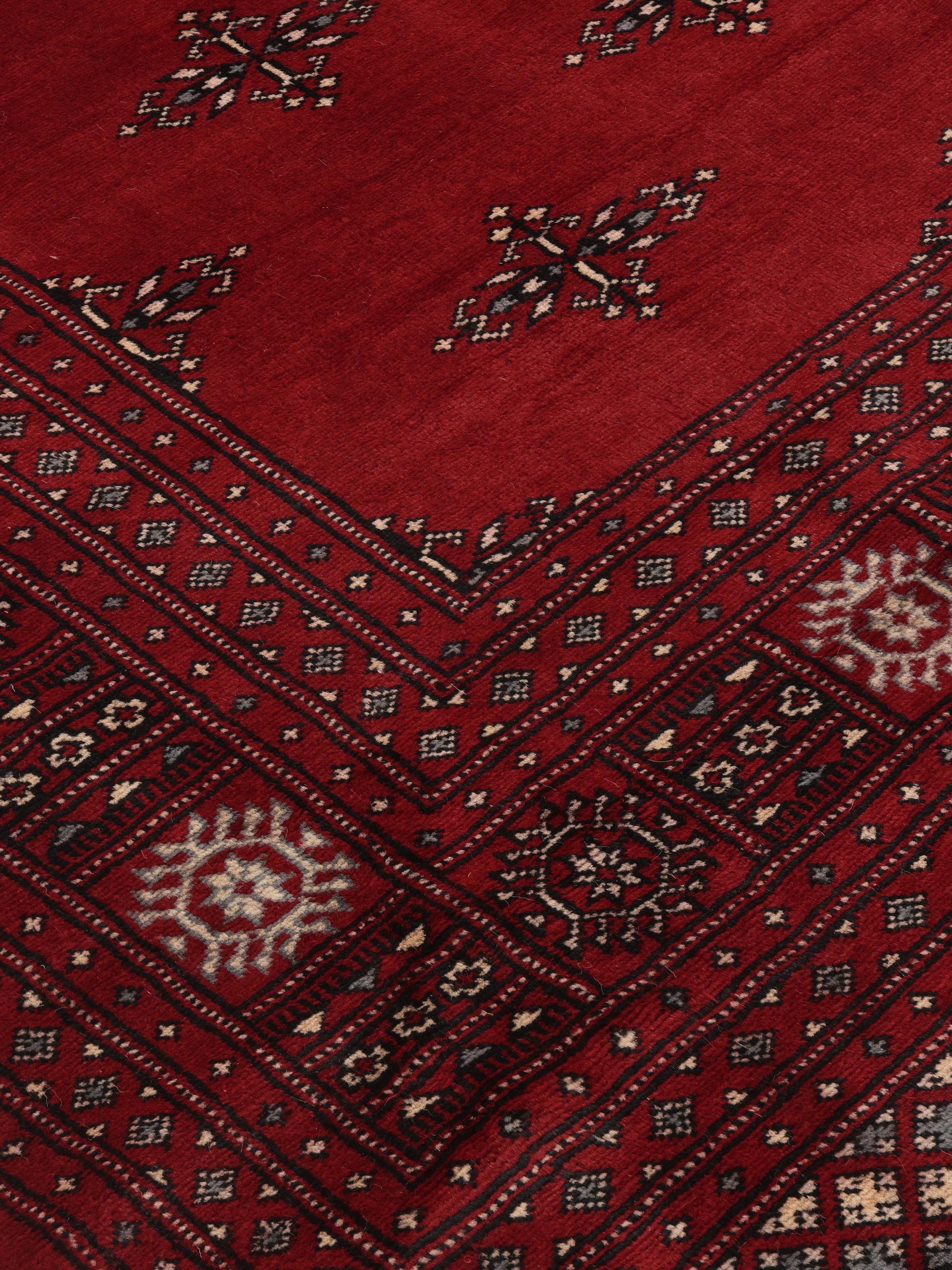
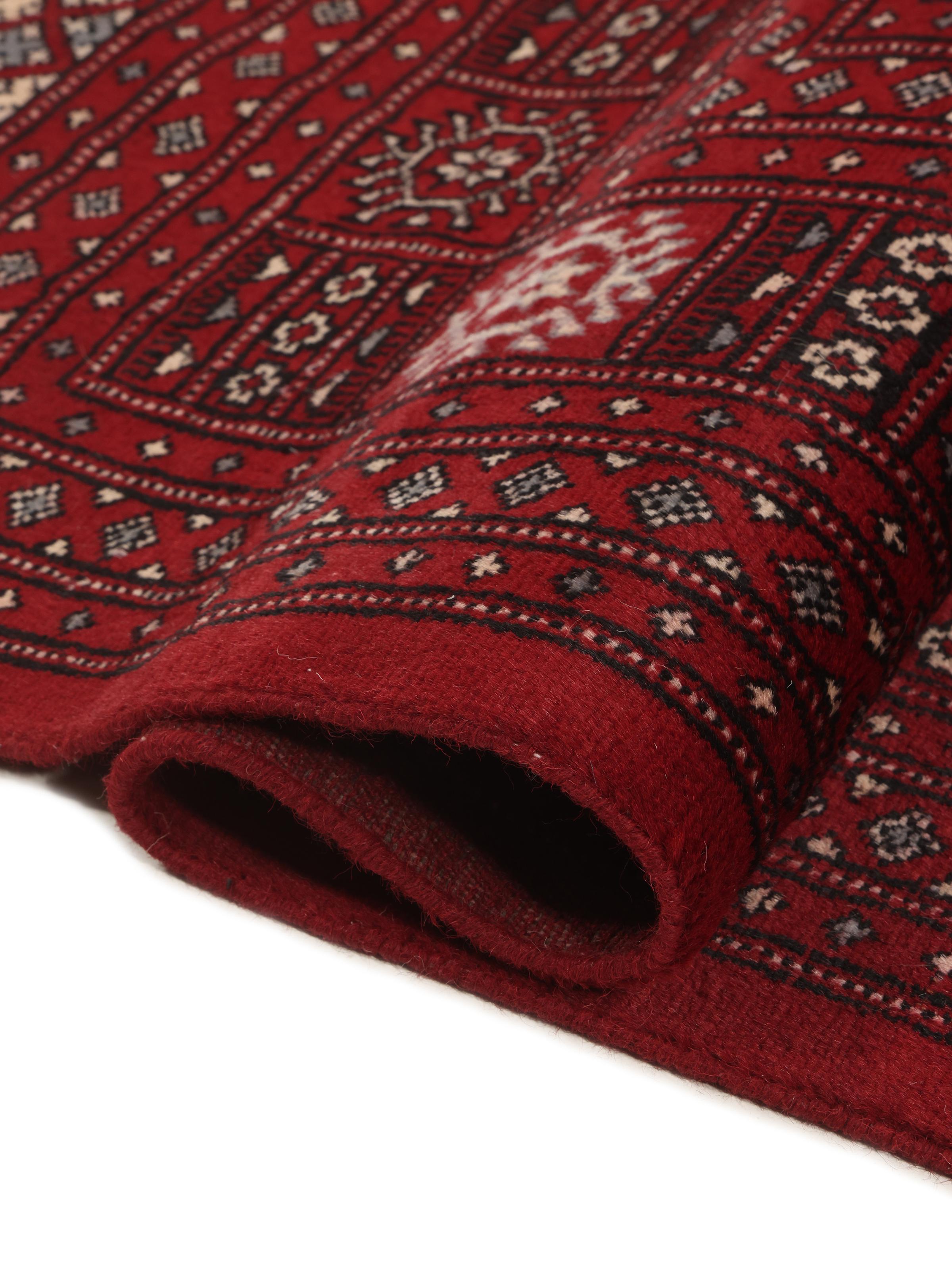
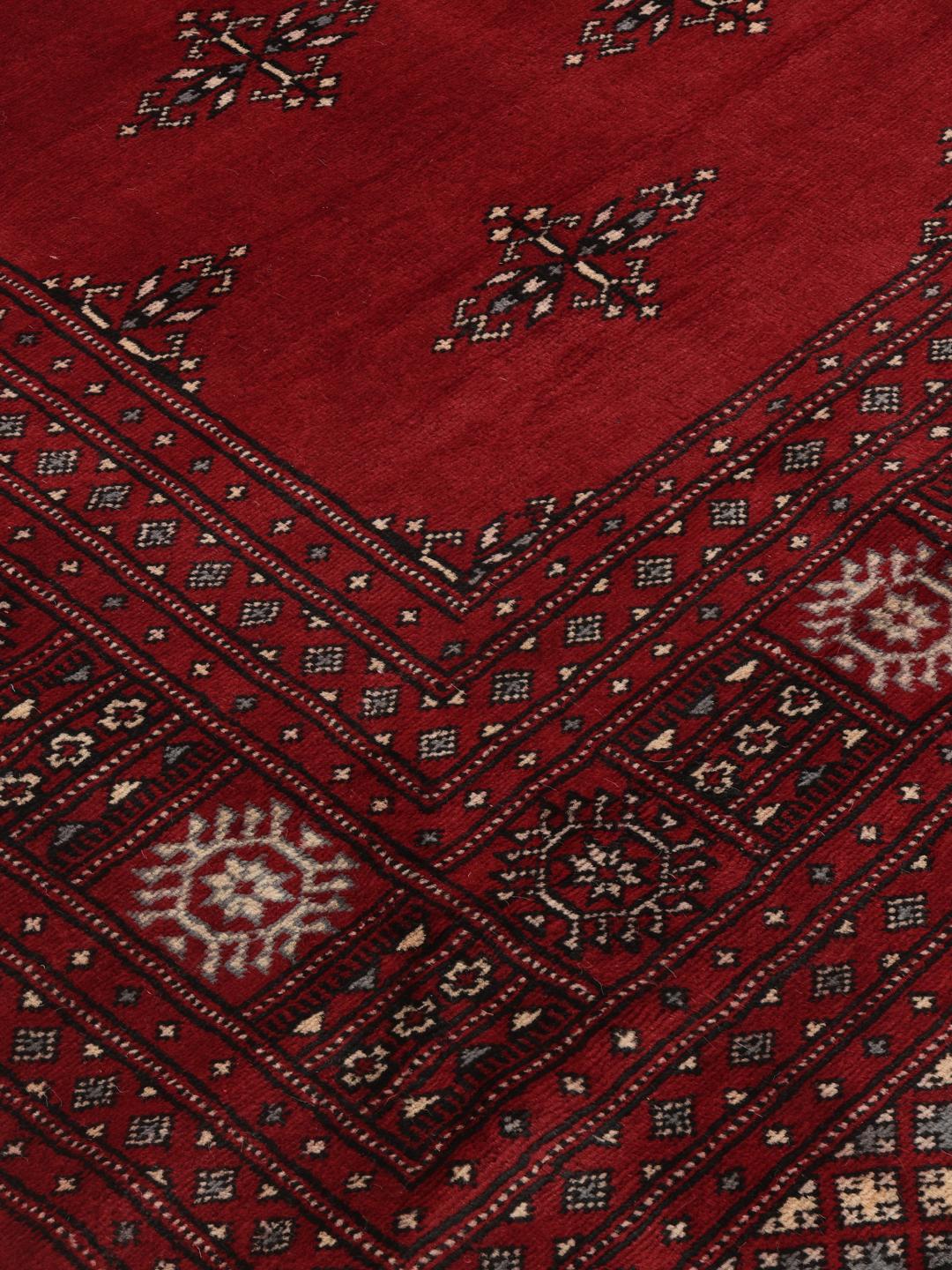
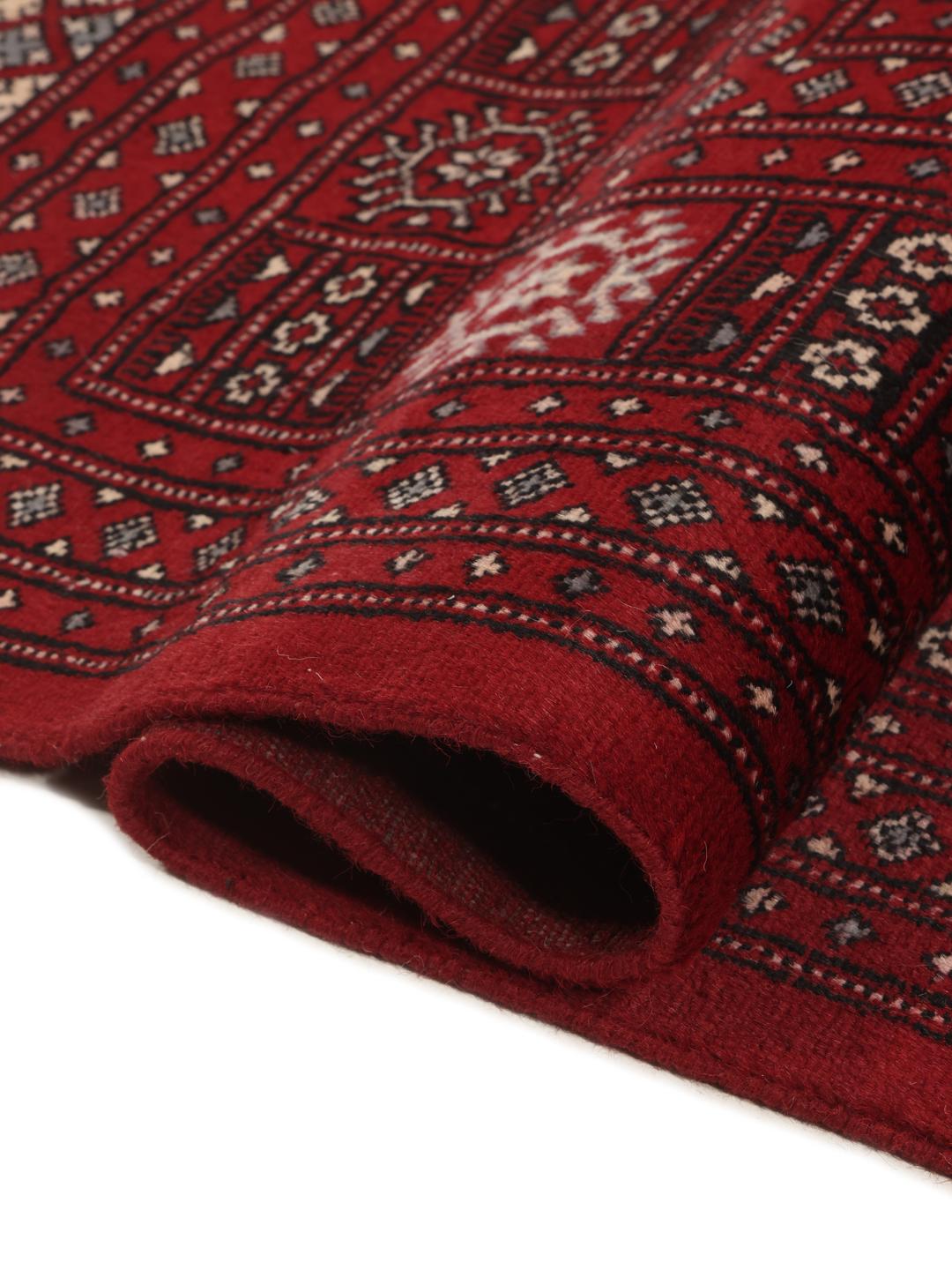
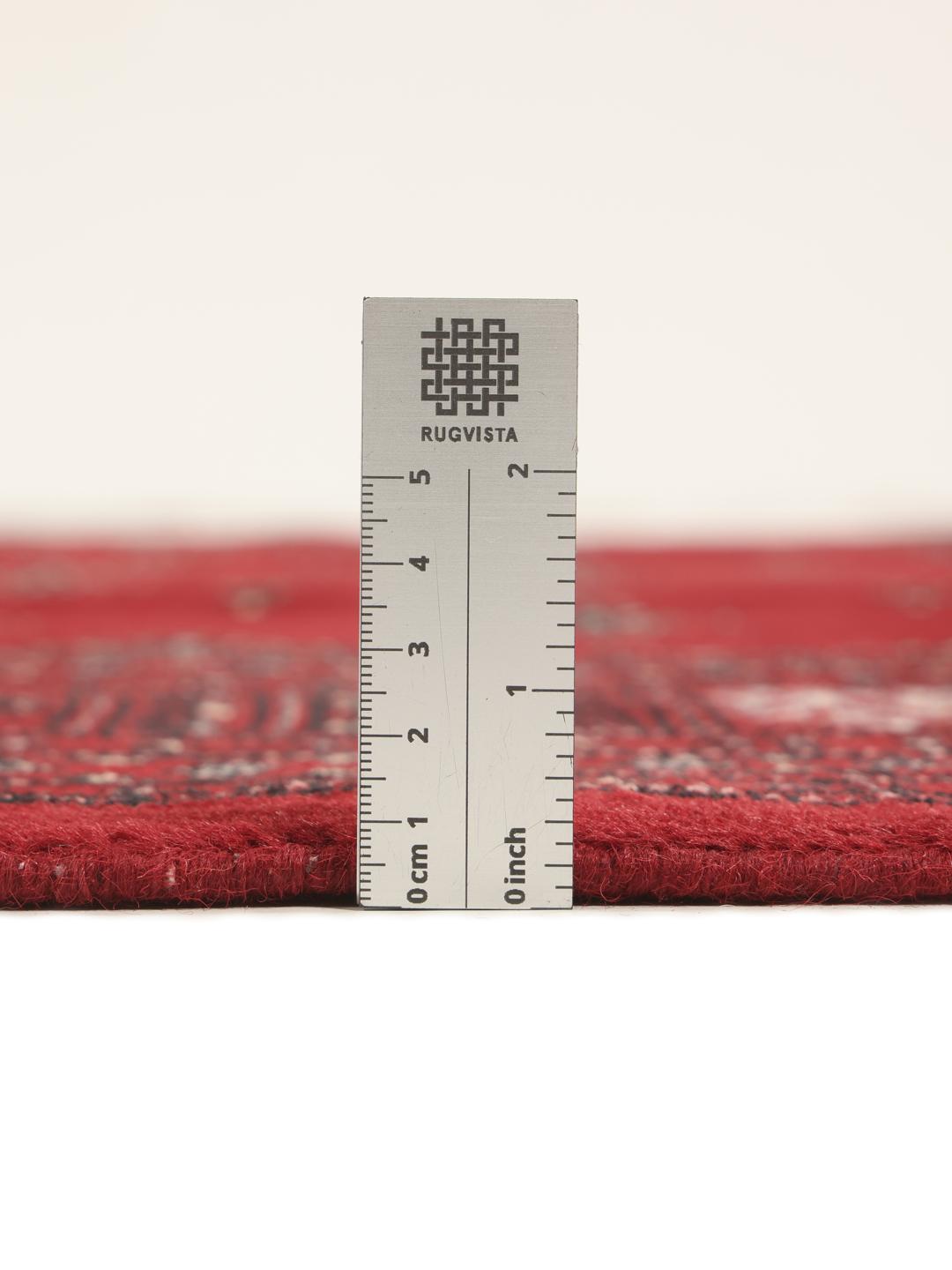
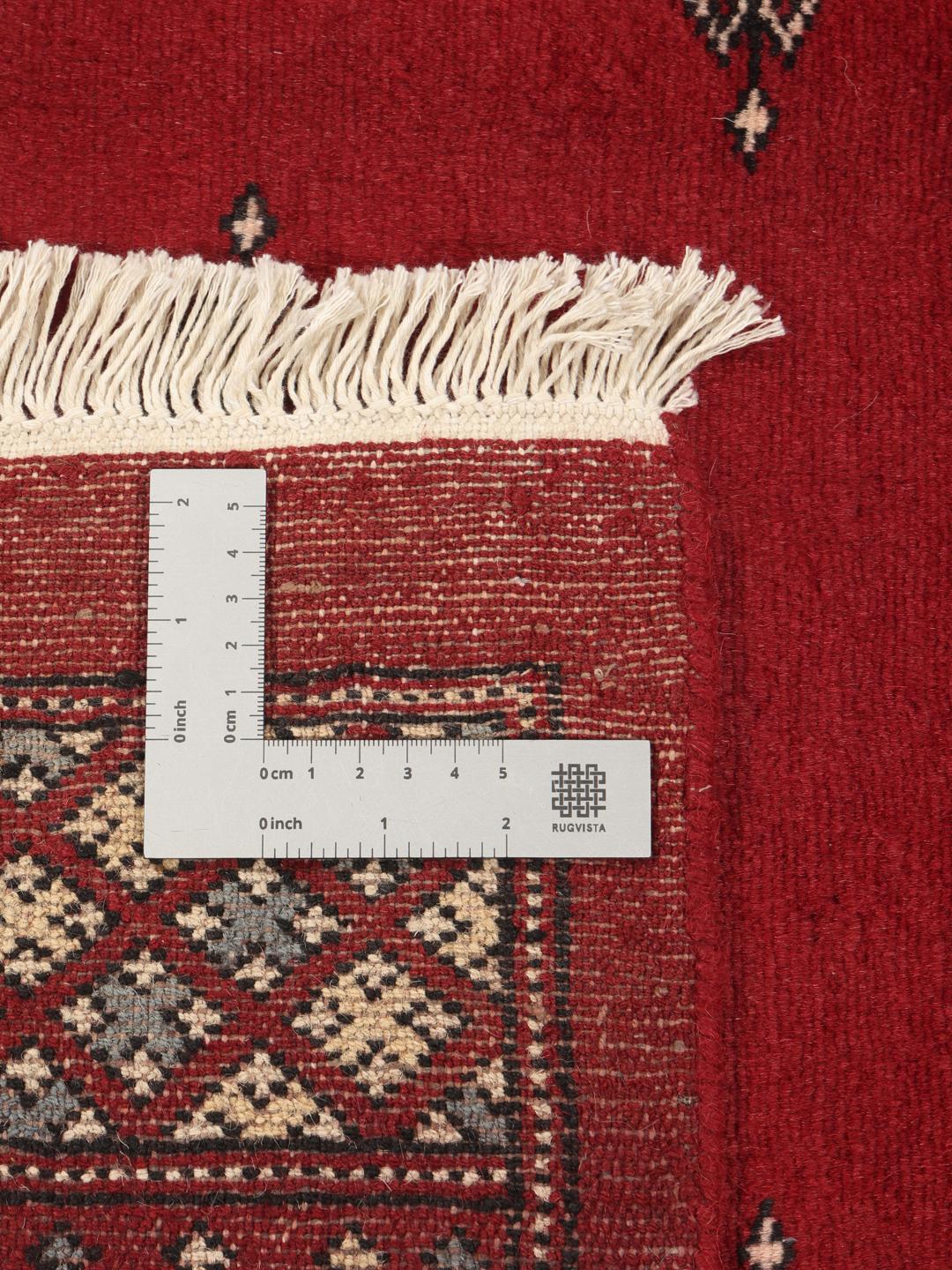
The '2ply' designation refers to a specific technique where the wool pile is created using two strands twisted together before being knotted. This is significant because it produces a pile that is noticeably denser, more lustrous, and much more resilient than single-ply alternatives. For the owner, this means a rug that is not only softer and more luxurious to the touch but also better equipped to withstand the demands of daily life.
Visually, these rugs are defined by their signature gul motifs, which appear as repeating, geometric medallions arranged in orderly rows. These octagonal or elephant-foot shapes are typically set against a rich, saturated field and enclosed by complex, repeating borders. The deep red colour palette is a hallmark of the tradition, symbolising warmth and endurance, and providing a classic aesthetic that complements a wide variety of interiors.
Collecting a rug from this tradition is an opportunity to own a piece of cultural heritage. These pieces are valued for their balance of symmetry and artistry, representing a standard of skill that has been passed down through generations. By choosing a hand-knotted Bokhara, you are investing in a tradition that prizes long-term quality and the quiet, steady beauty of artisanal work.