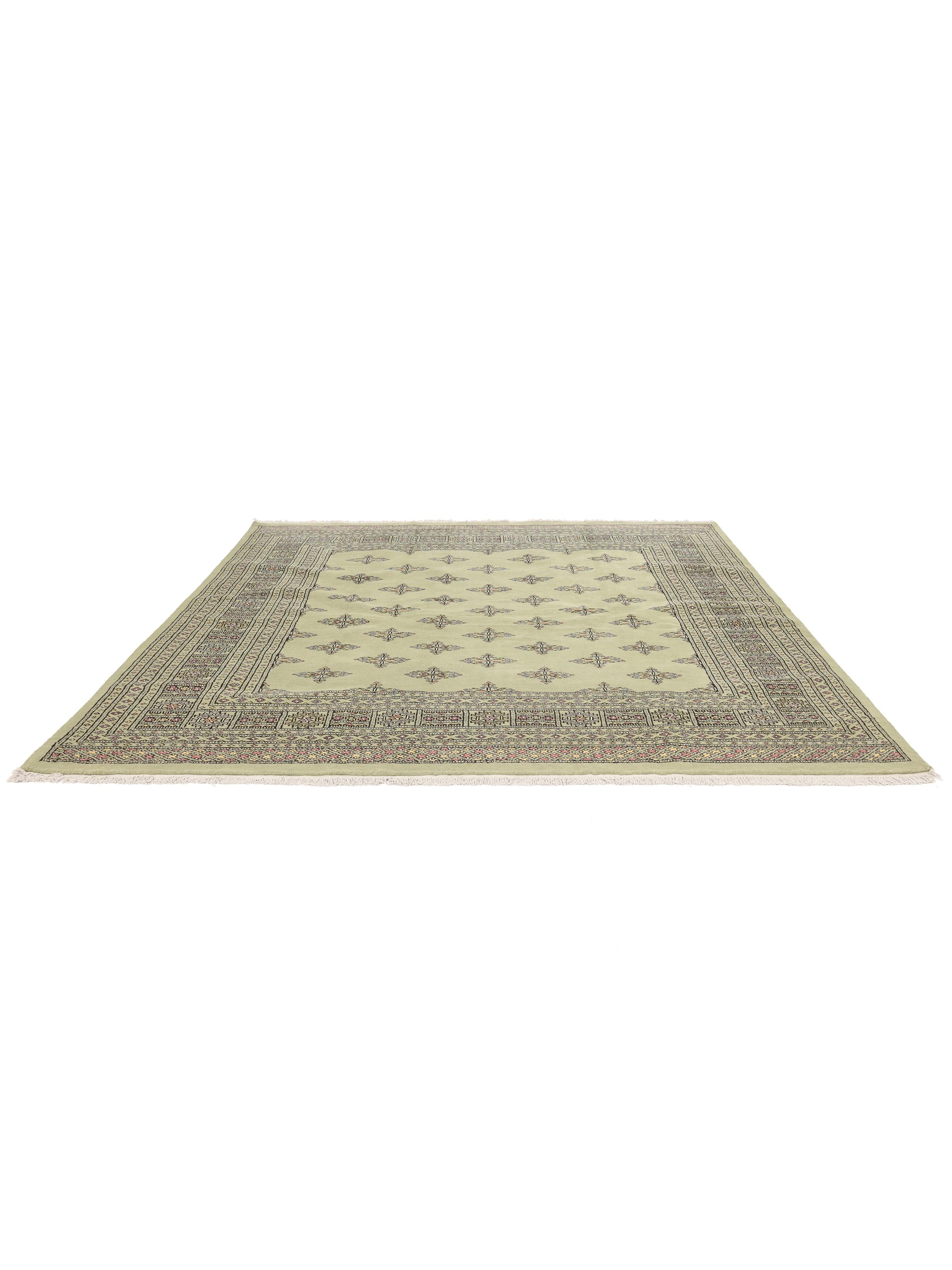
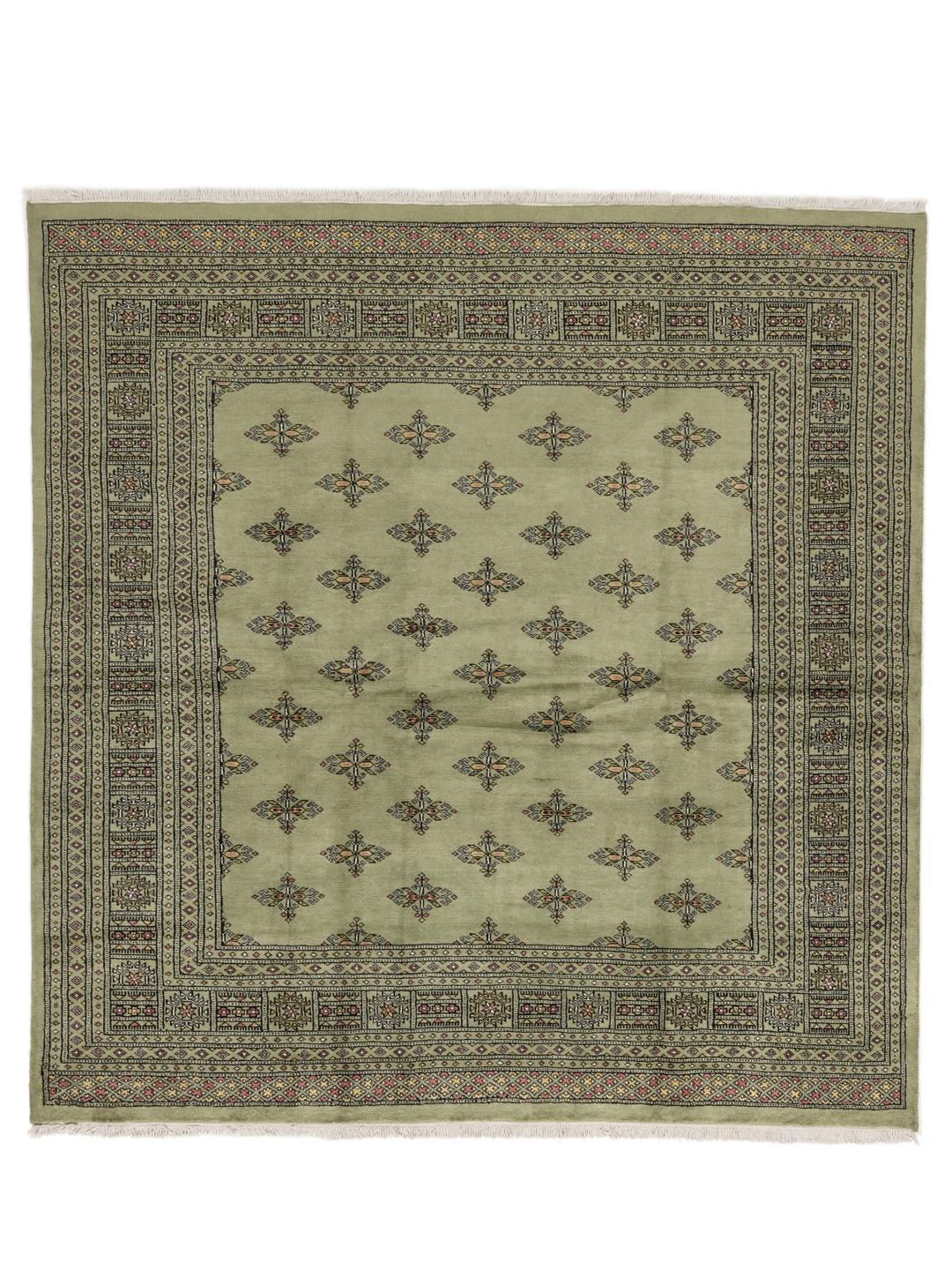
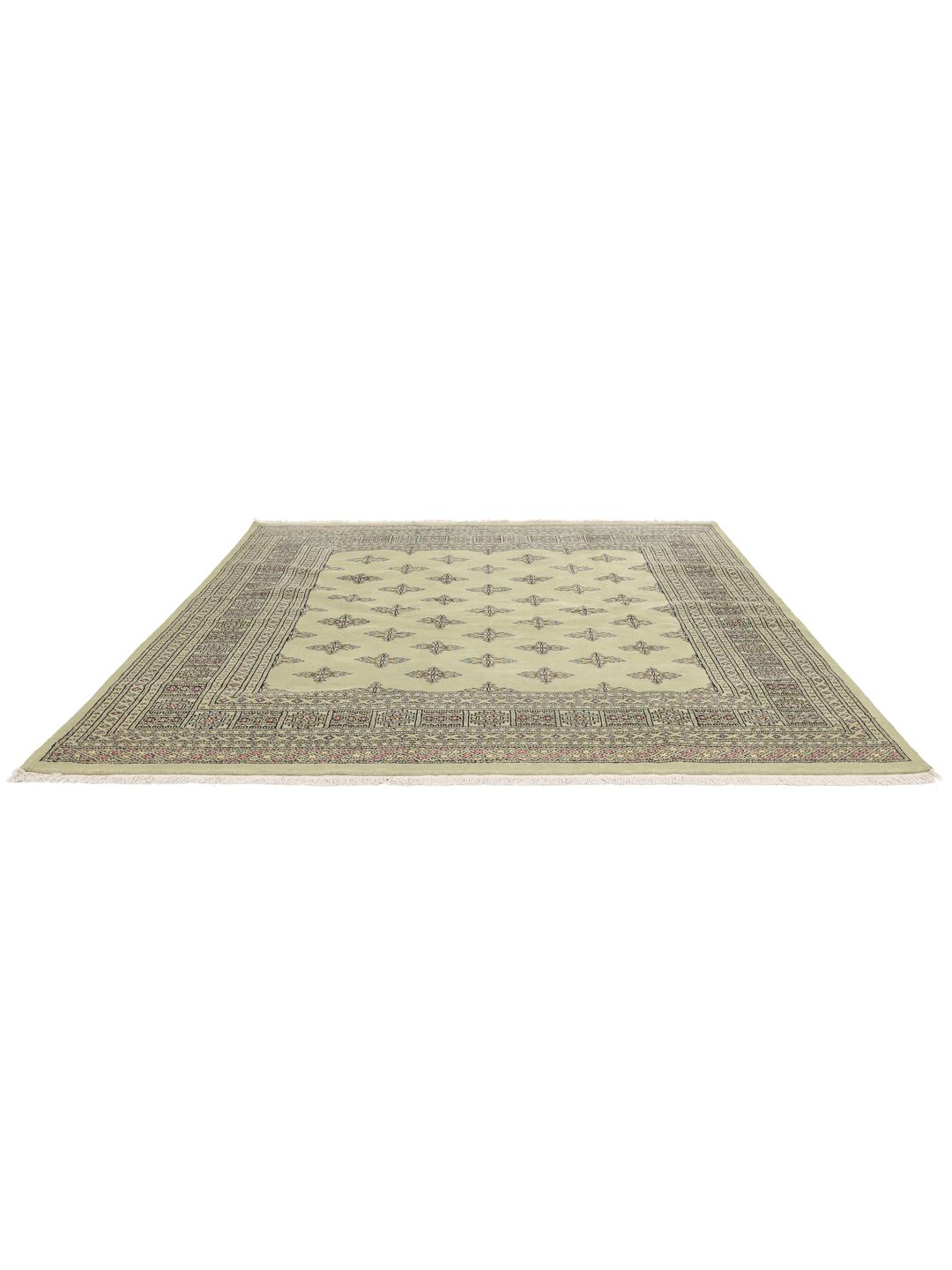
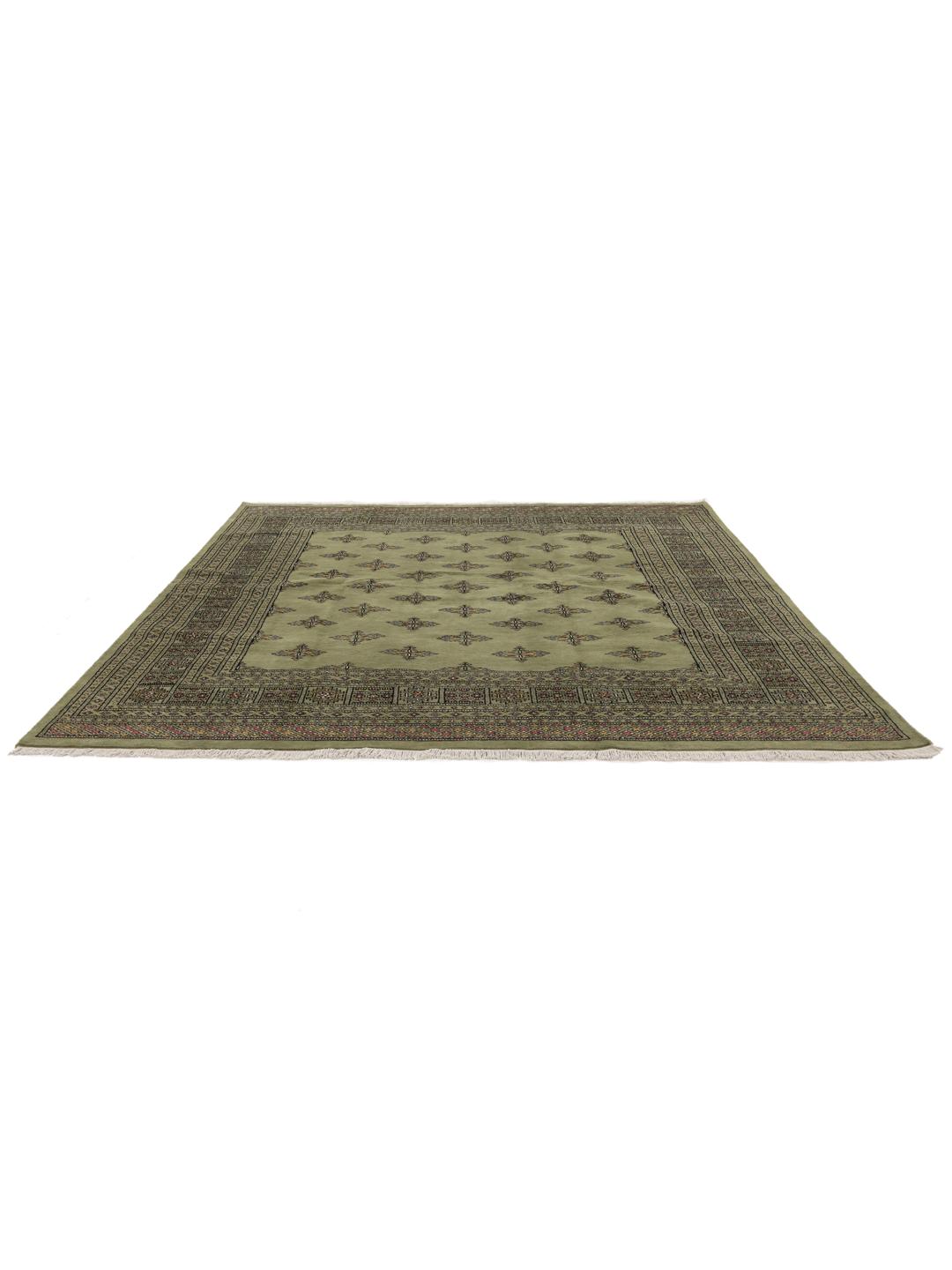
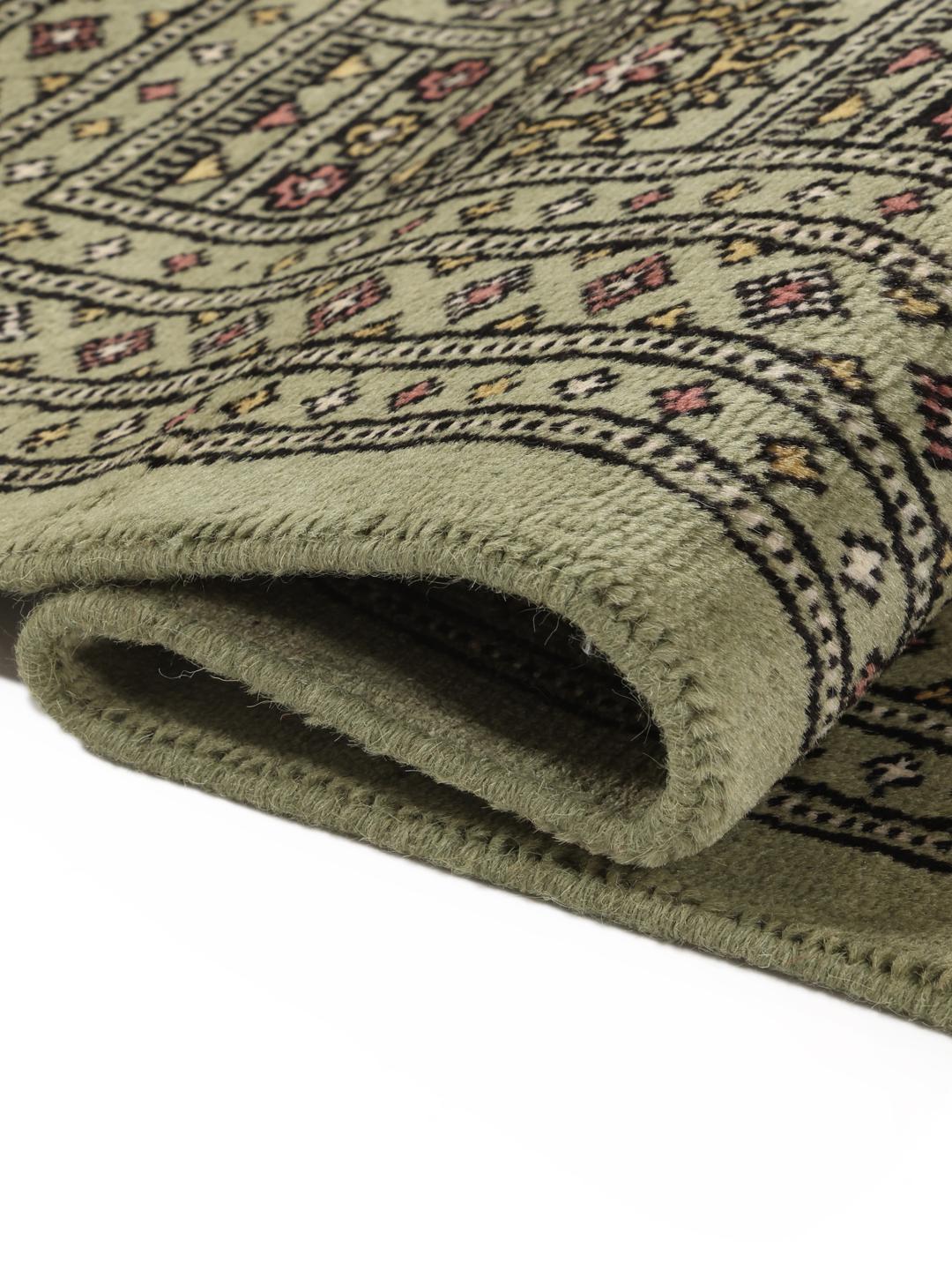
The Bokhara rug tradition is deeply rooted in the history of the Silk Road, taking its name from the ancient city of Bukhara in Central Asia. While the style traces its origins back to nomadic tribes who carried their weaving traditions across vast landscapes, the finest contemporary examples are predominantly produced in Pakistan. Over centuries, these designs have been refined into the sophisticated, highly consistent aesthetic recognised today.
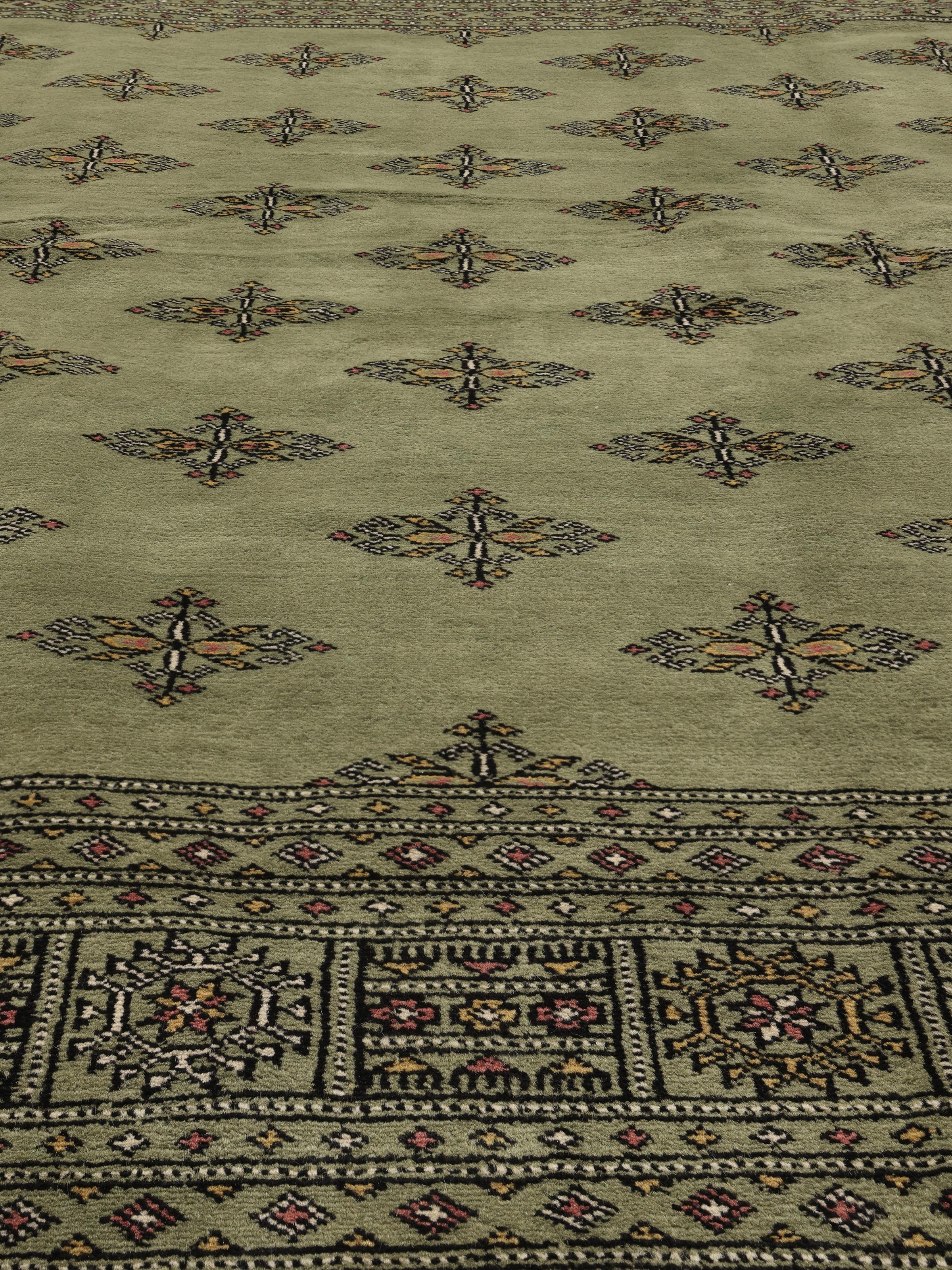
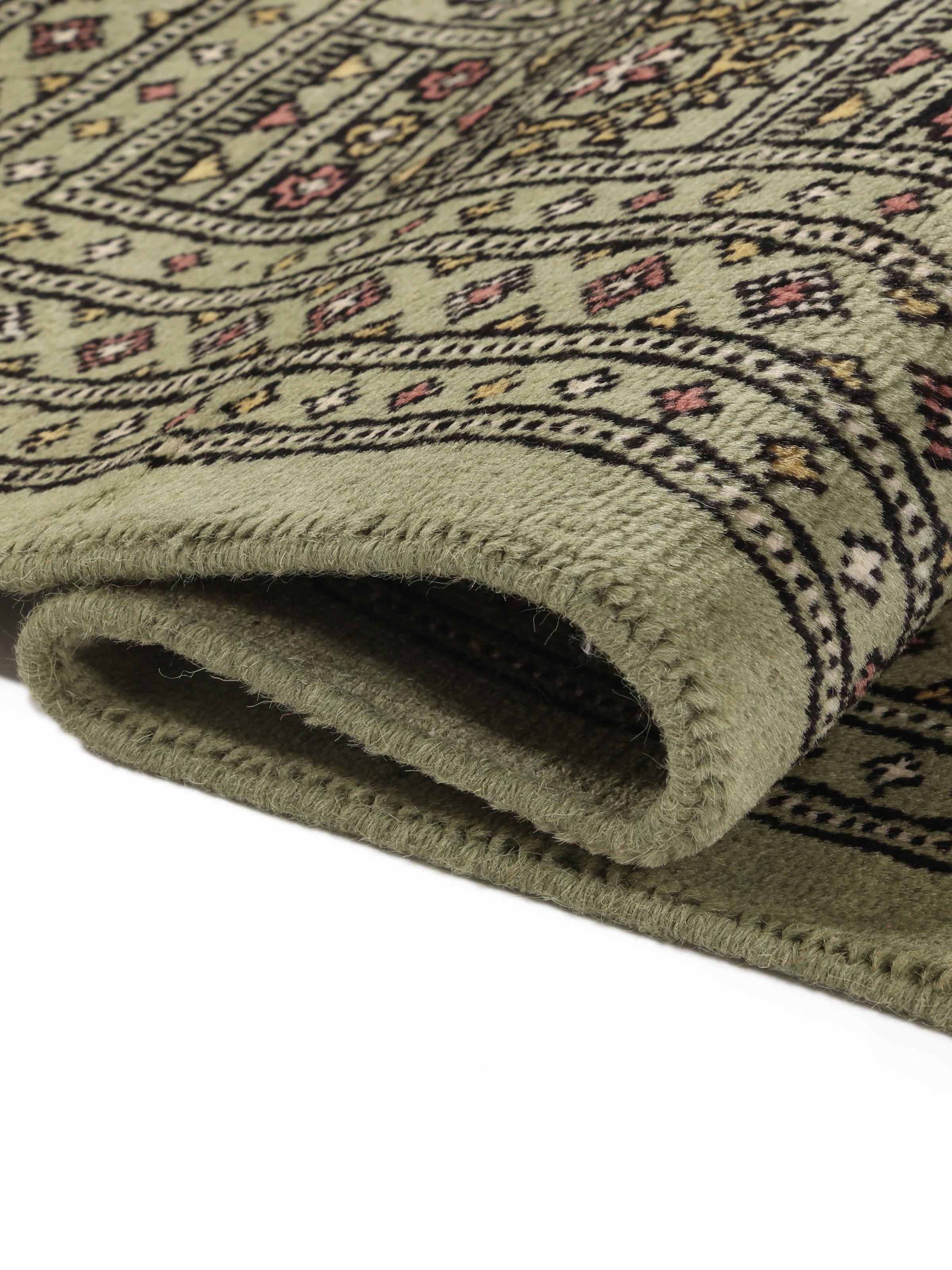
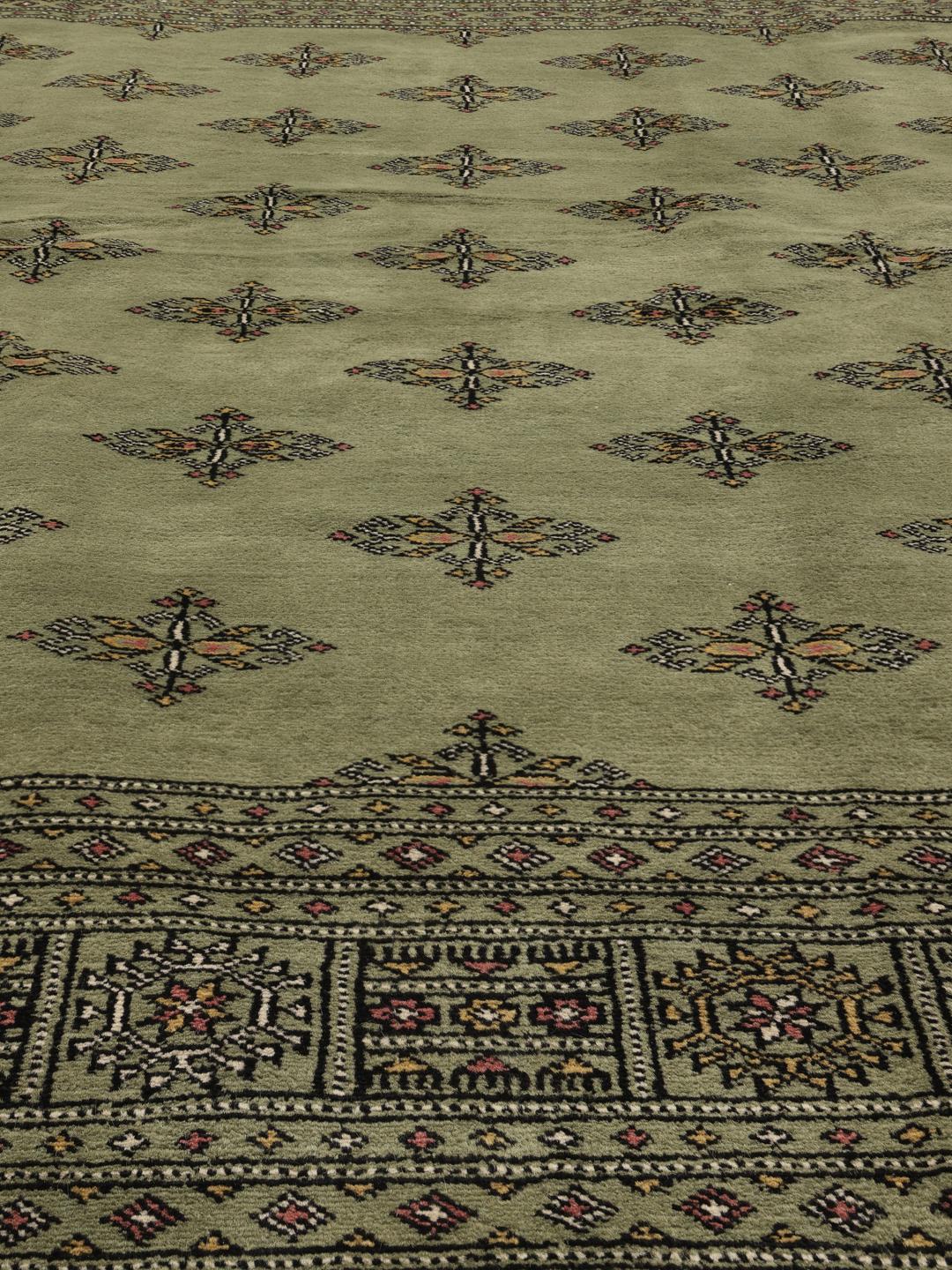
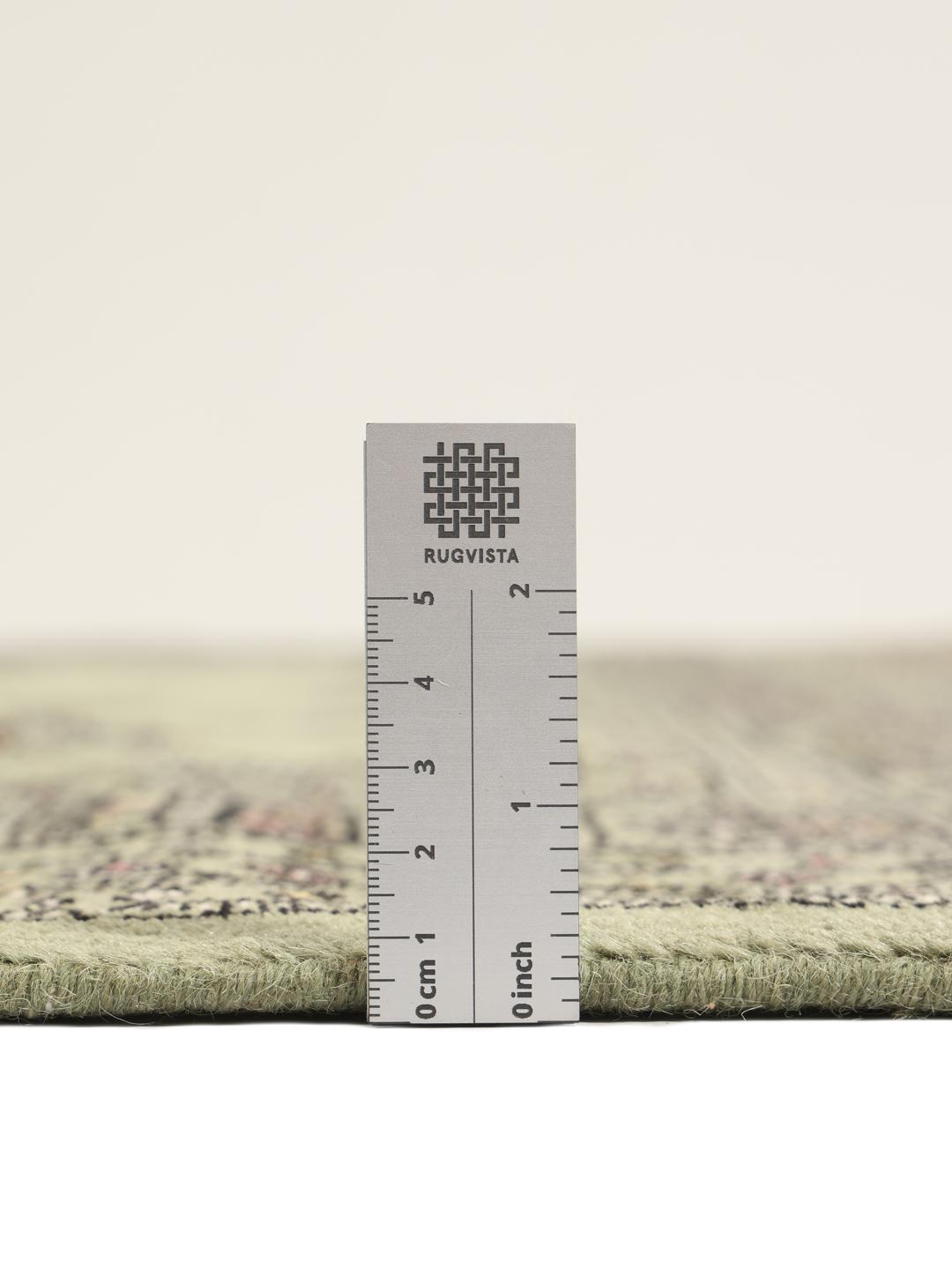
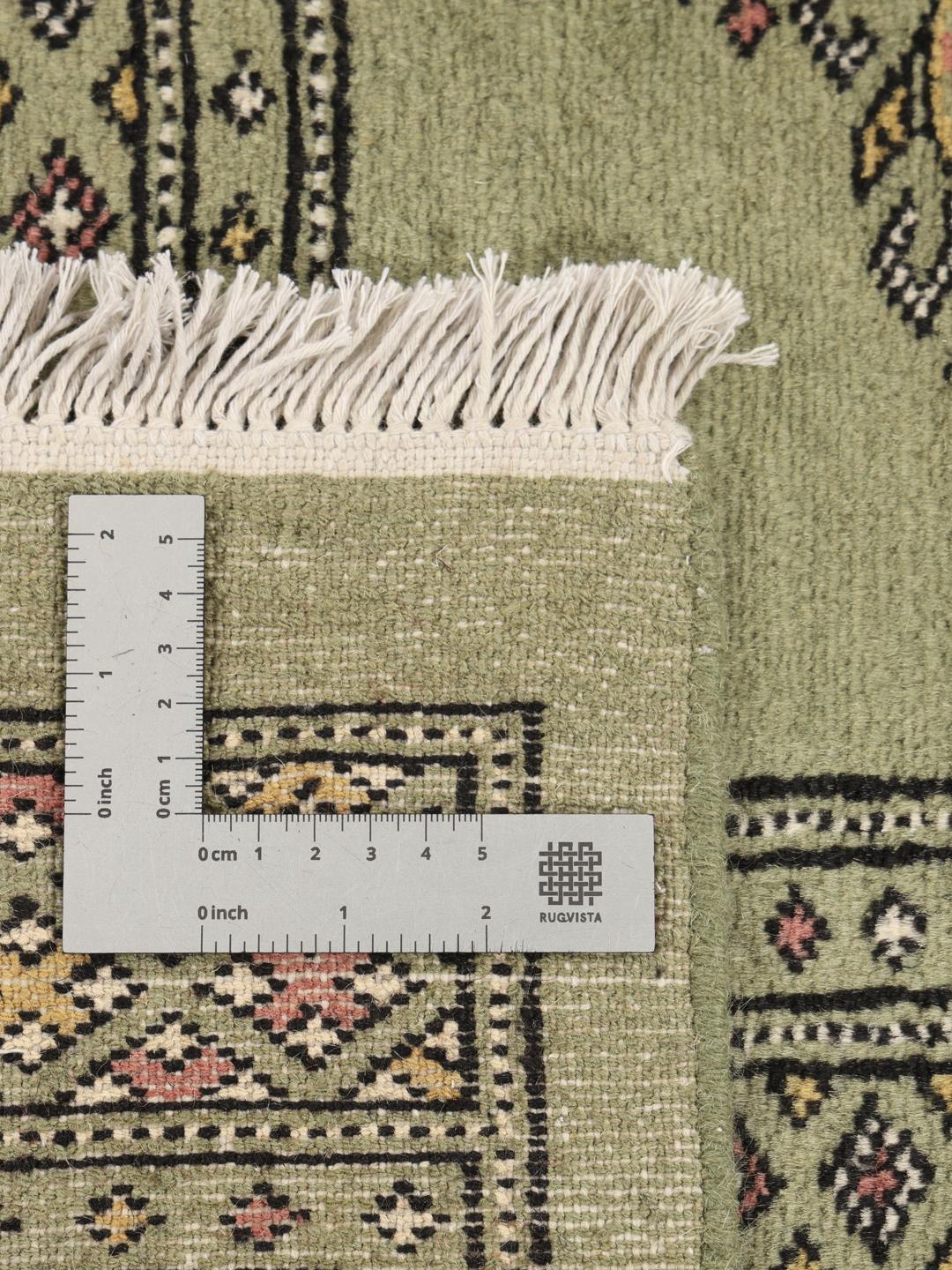
The term 2ply is a crucial indicator of quality in this tradition. By using two strands of wool twisted together, the weavers create a pile that is significantly more durable and lustrous than single-ply alternatives. This technical choice ensures the rug has a rich, deep texture that catches the light beautifully, while also providing the necessary strength to withstand years of use in a family home.
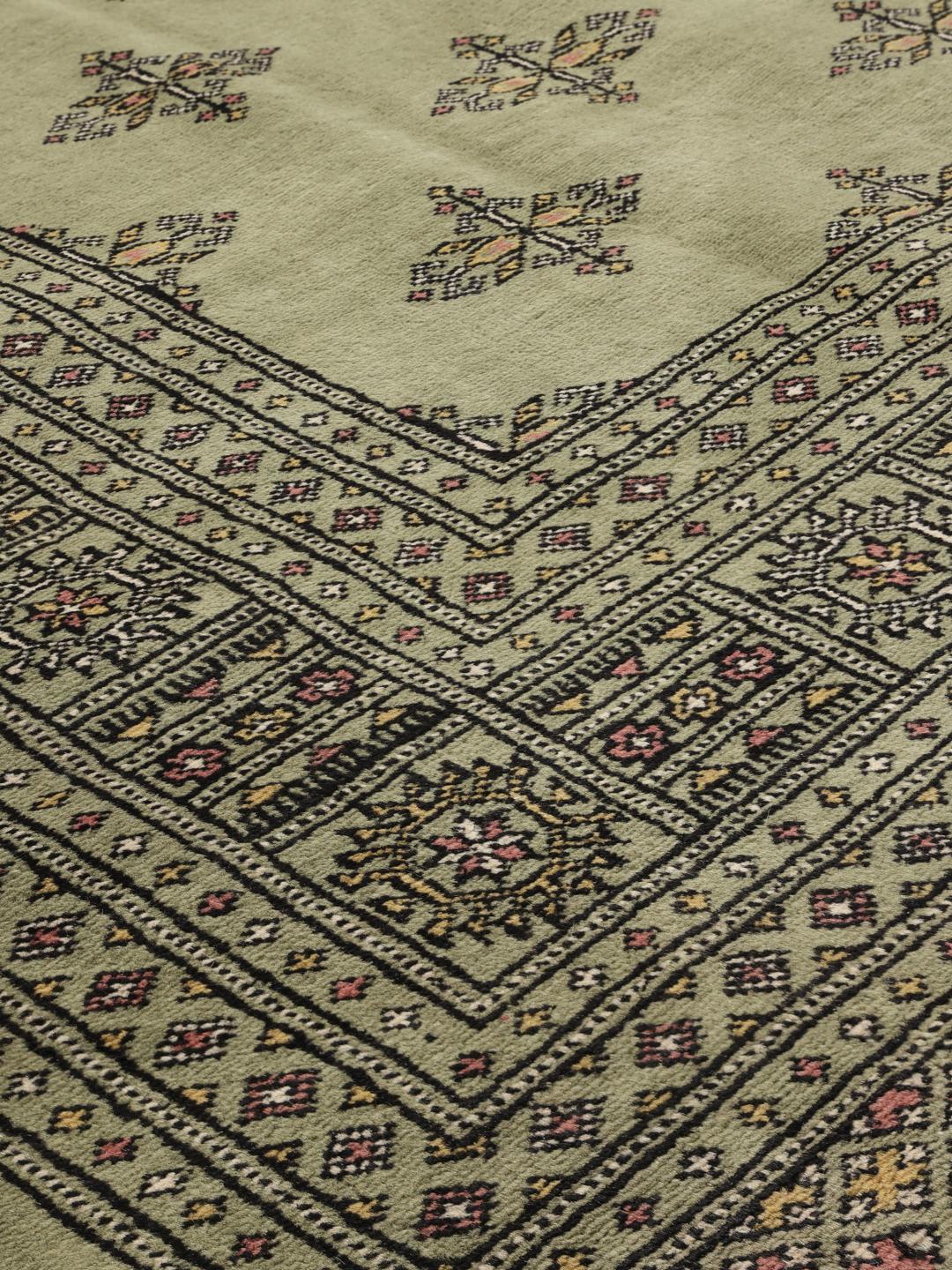
Visually, these rugs are defined by their field of repeating gul motifs. These medallion-like shapes are often octagonal or resemble elephant footprints and are typically arranged in a structured, formal grid. The borders are equally important, featuring complex, geometric patterns that frame the central field. This specific rug, with its serene green background, offers a unique variation on the traditional warm-toned palettes often associated with the style.
Owning a hand-knotted Pakistan Bokhara is an opportunity to connect with a long-standing cultural legacy. These rugs are highly valued by collectors not just for their aesthetic beauty, but for the immense human skill required to produce them. To possess one is to appreciate the heritage of the craft and the patience of the artisan, making it a significant addition to any interior that values authenticity and enduring quality.