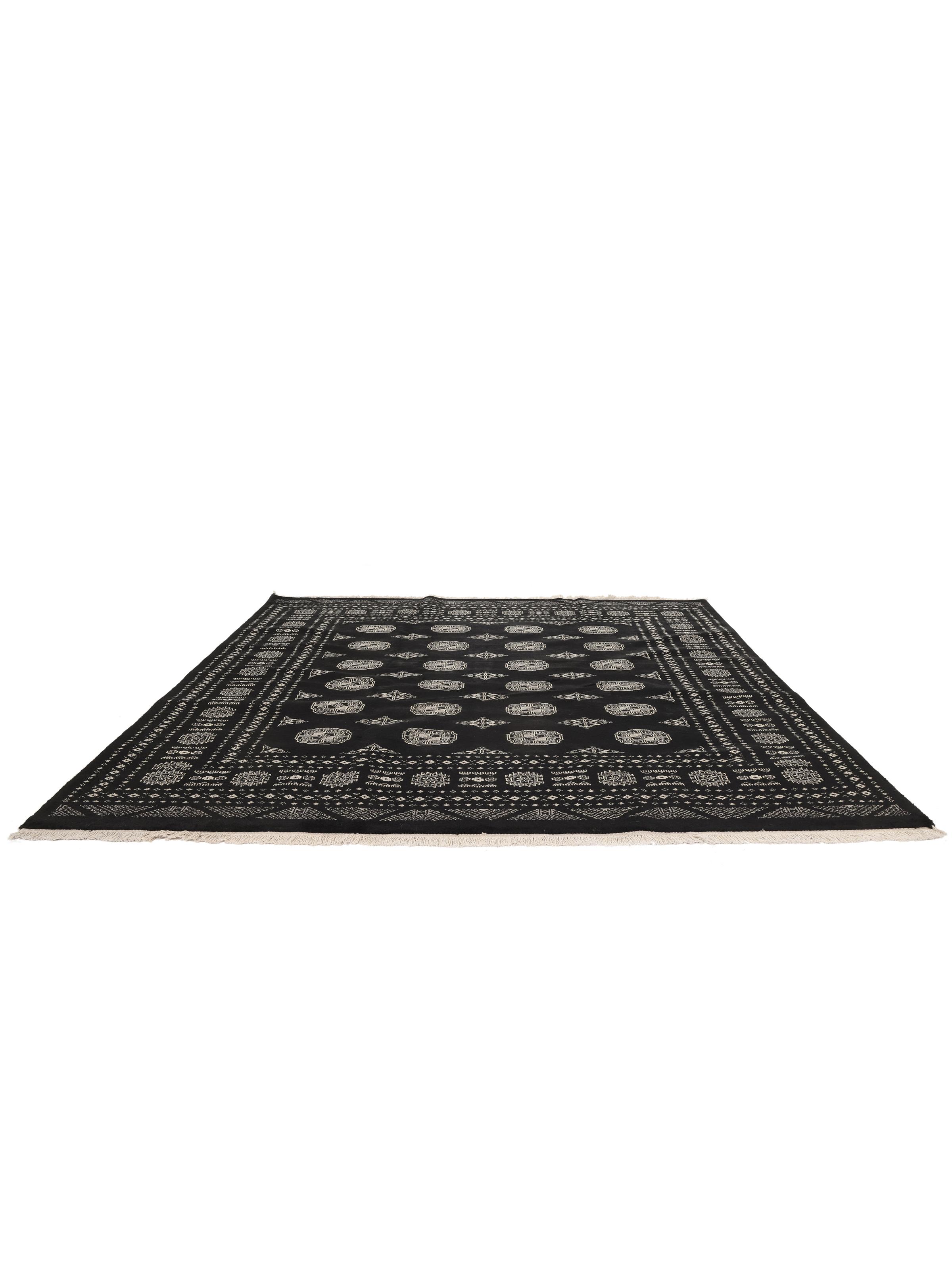
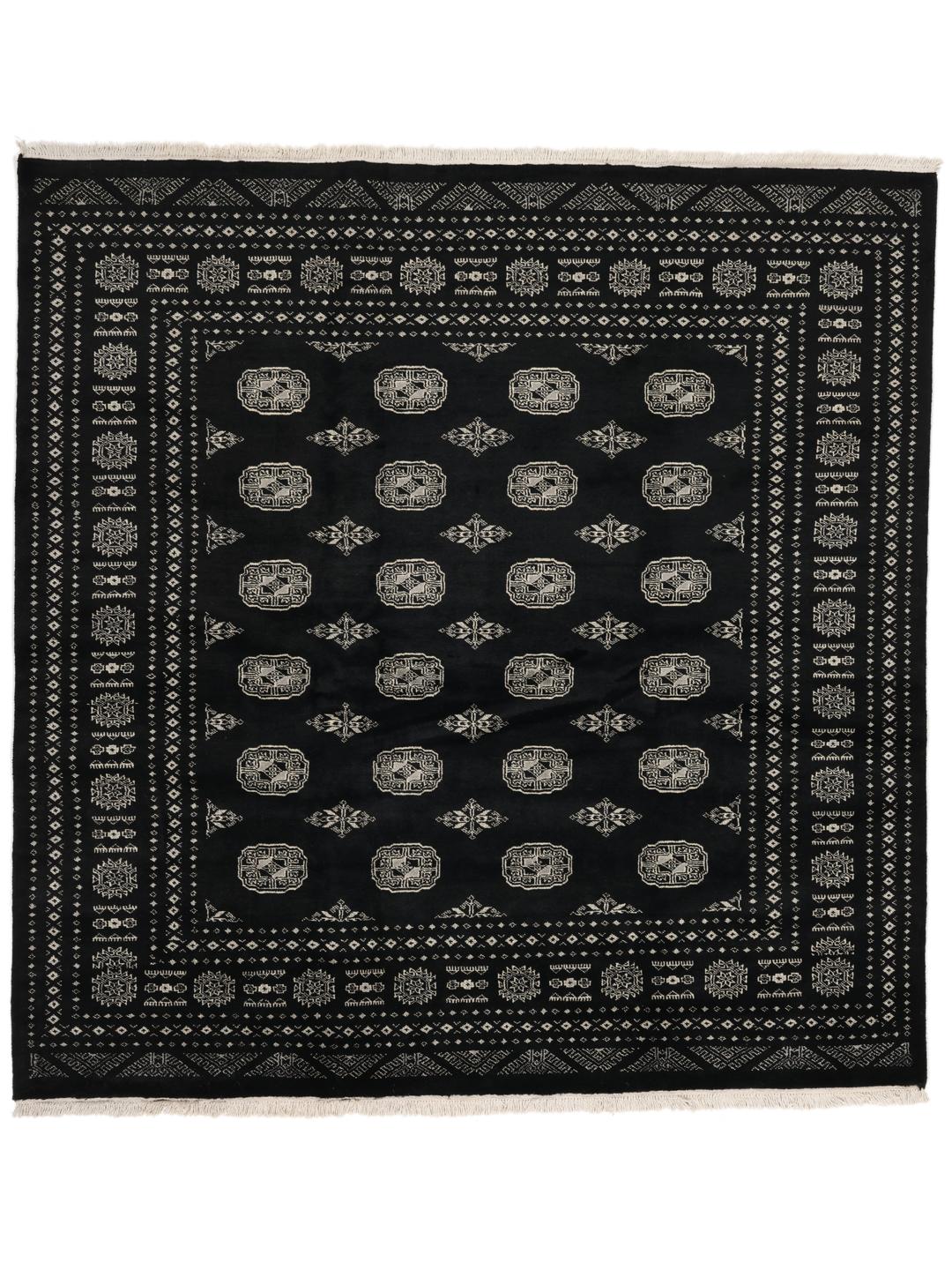
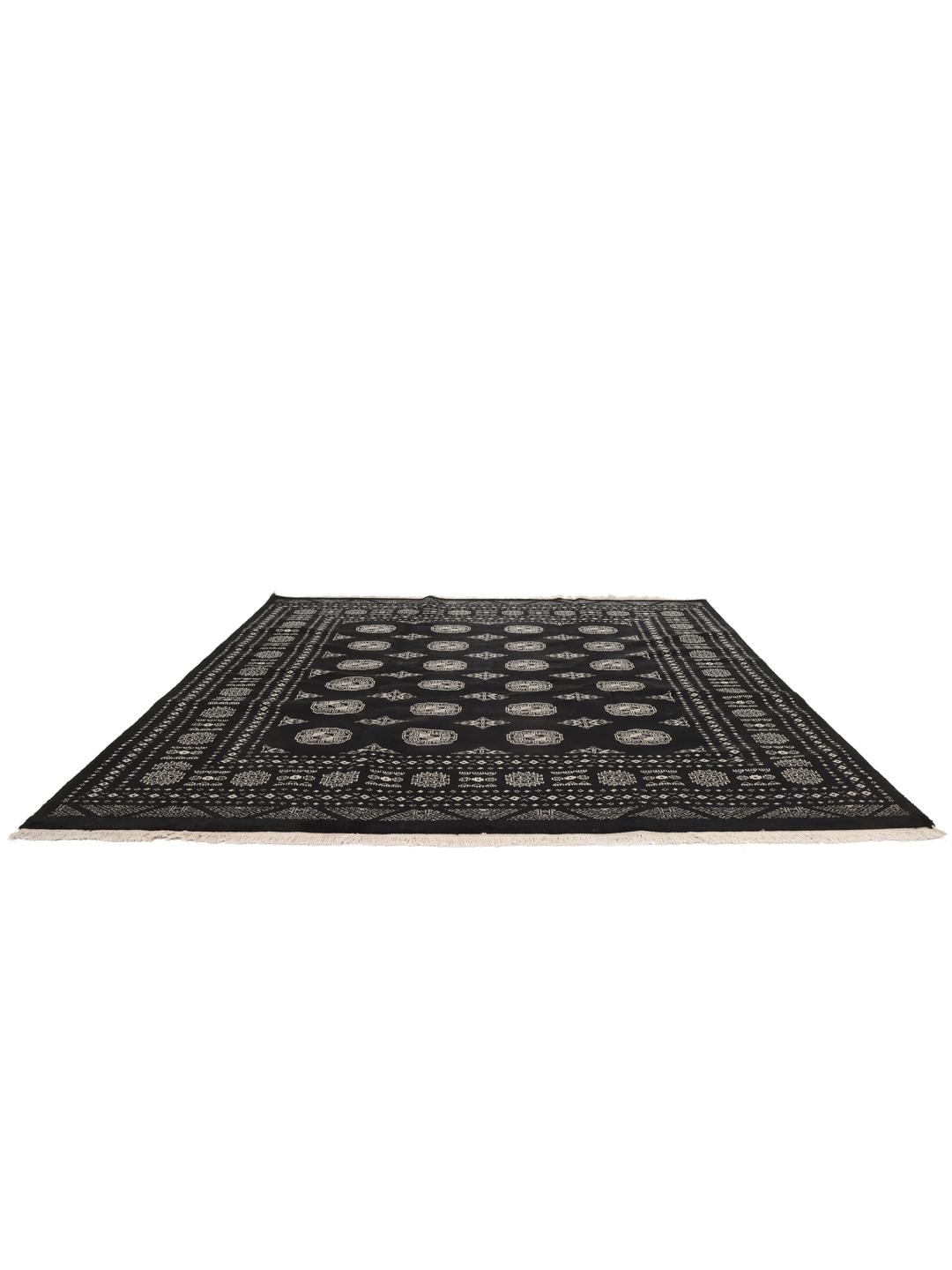
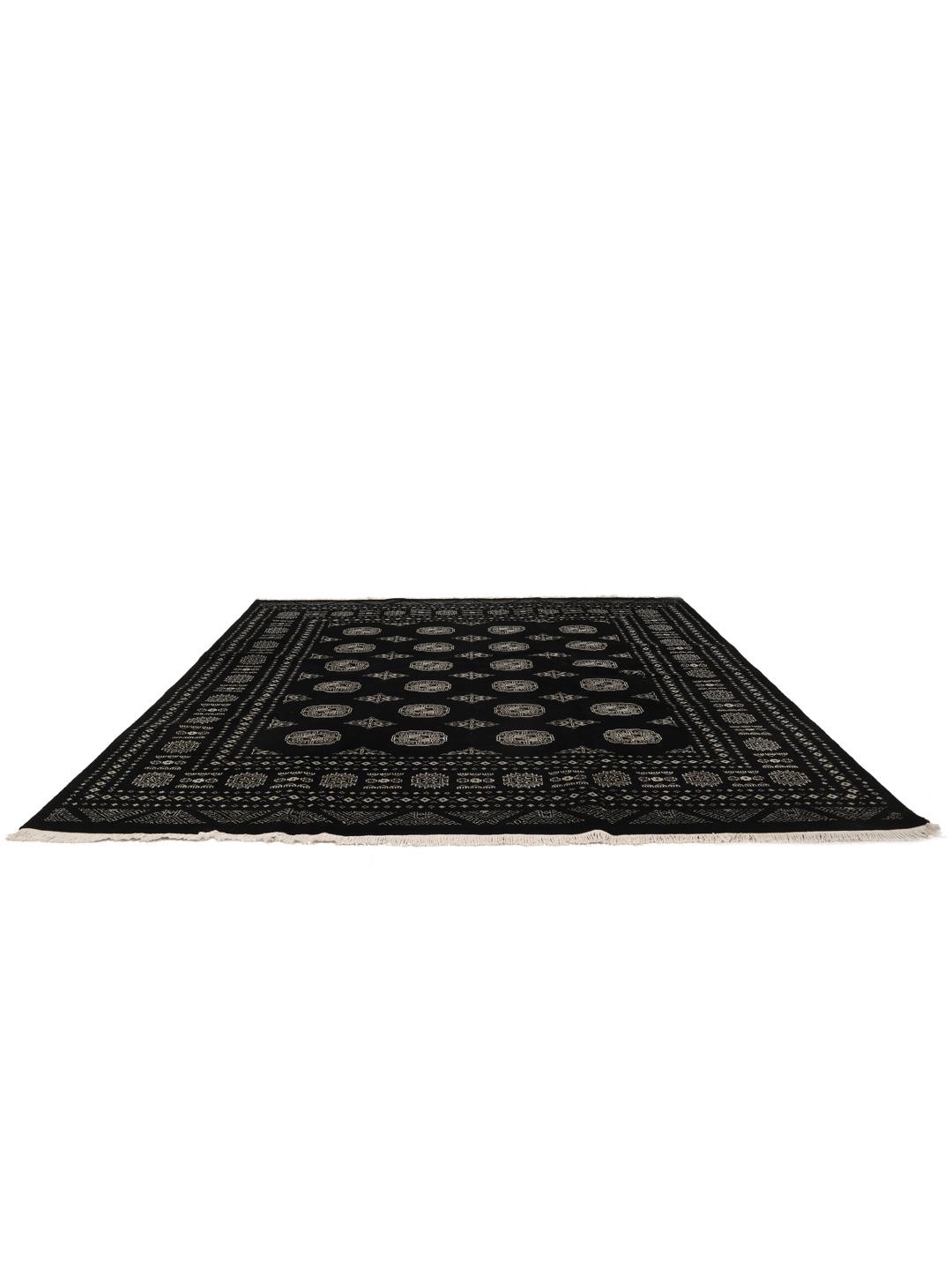
Bokhara rugs are among the most celebrated traditions in the world of textiles, taking their name from the ancient Silk Road city of Bukhara in Central Asia. While the design lineage traces back to the nomadic tribes of the steppes, the finest examples today are expertly crafted in Pakistan. This evolution reflects a migration of skill and aesthetic heritage, where traditional techniques were refined and adapted to meet the highest standards of international weaving.
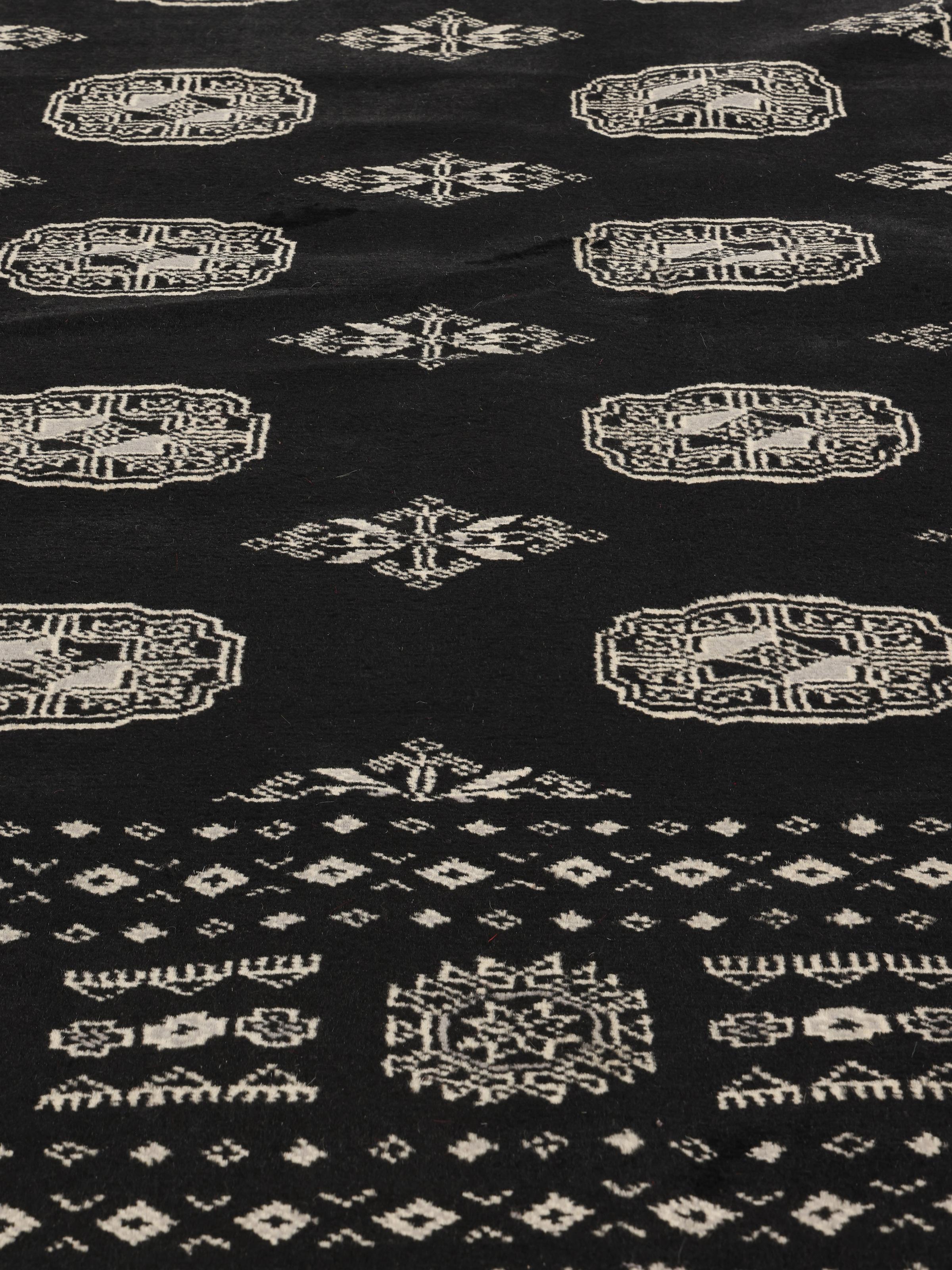
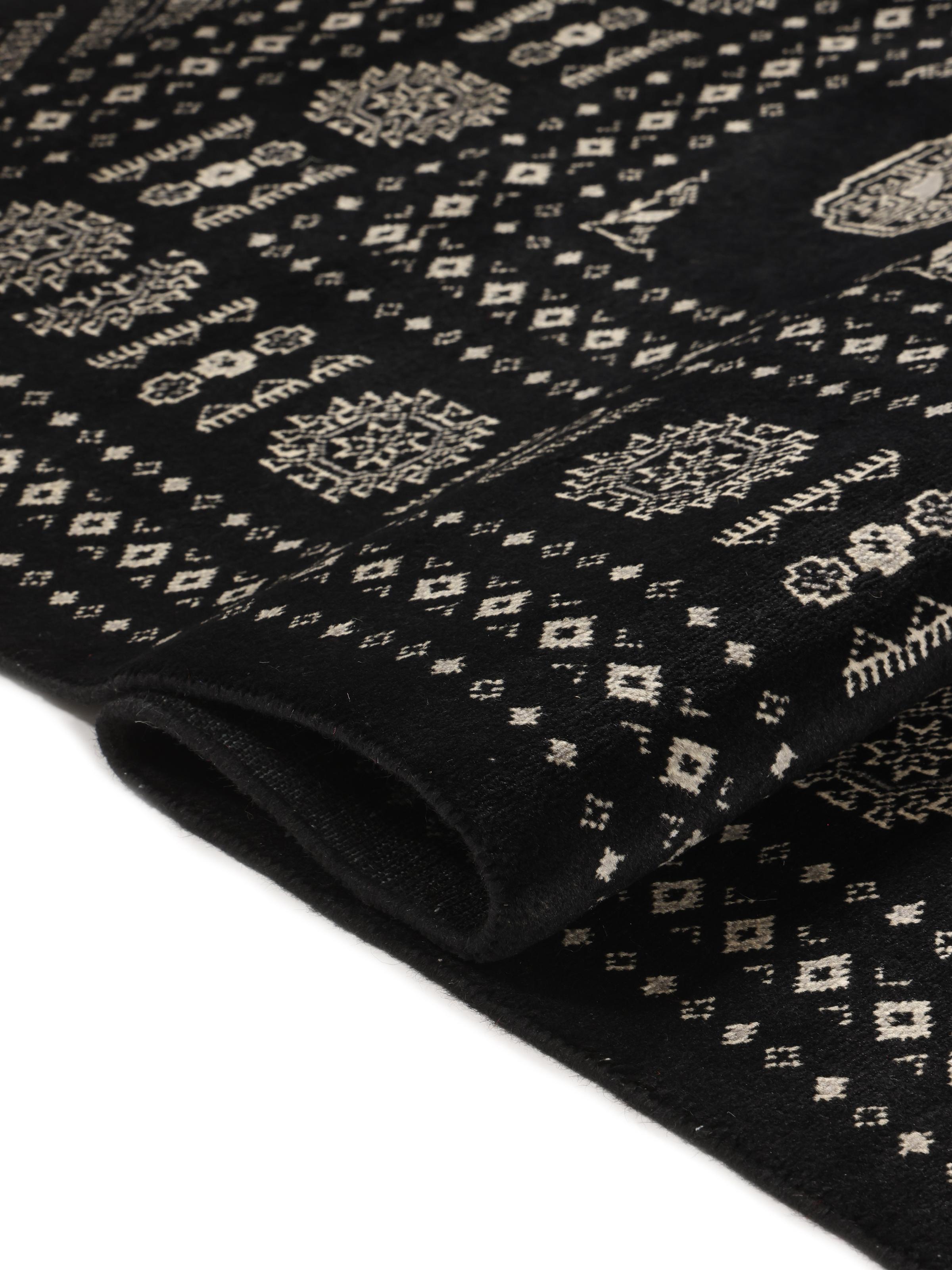
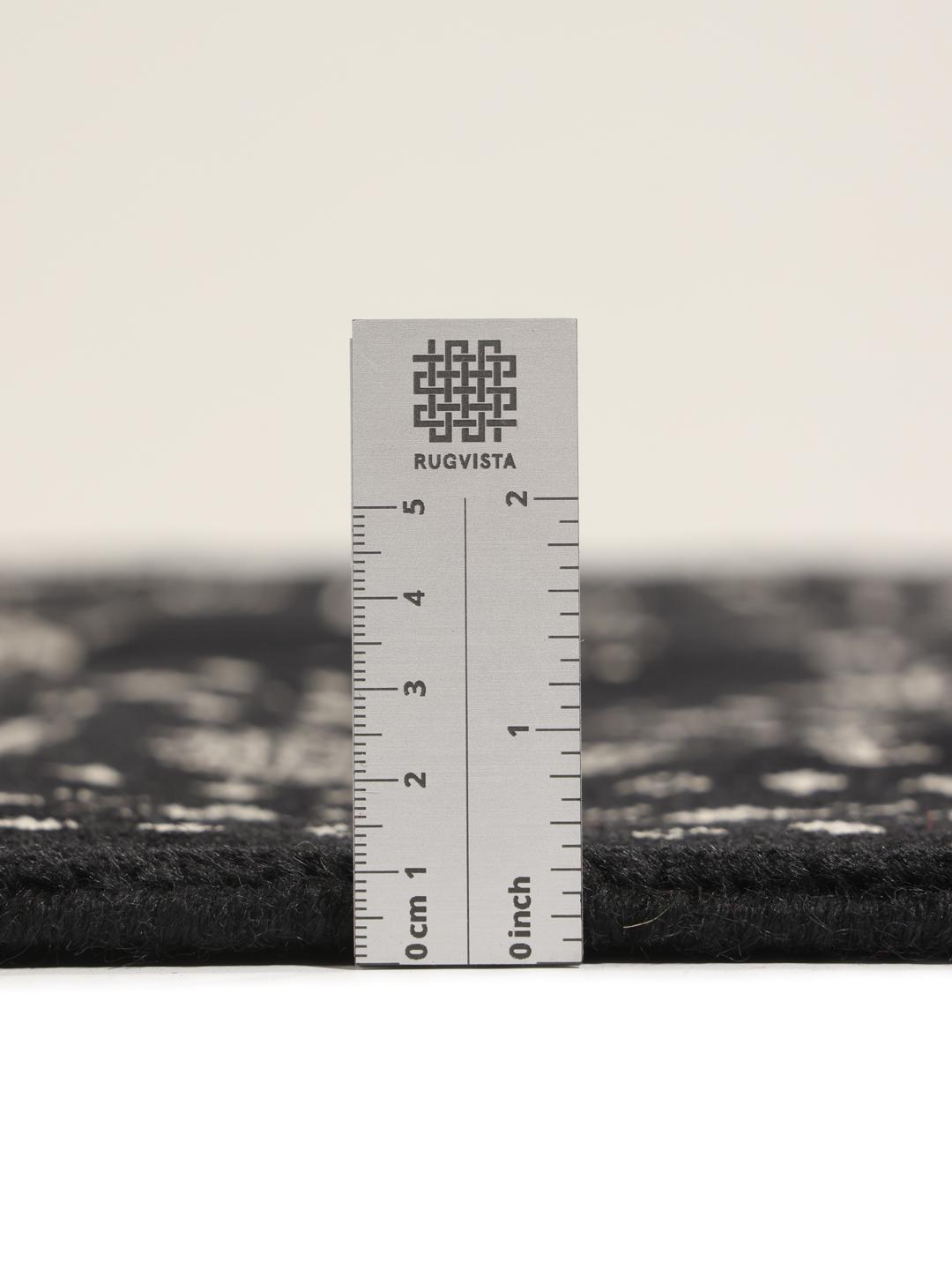
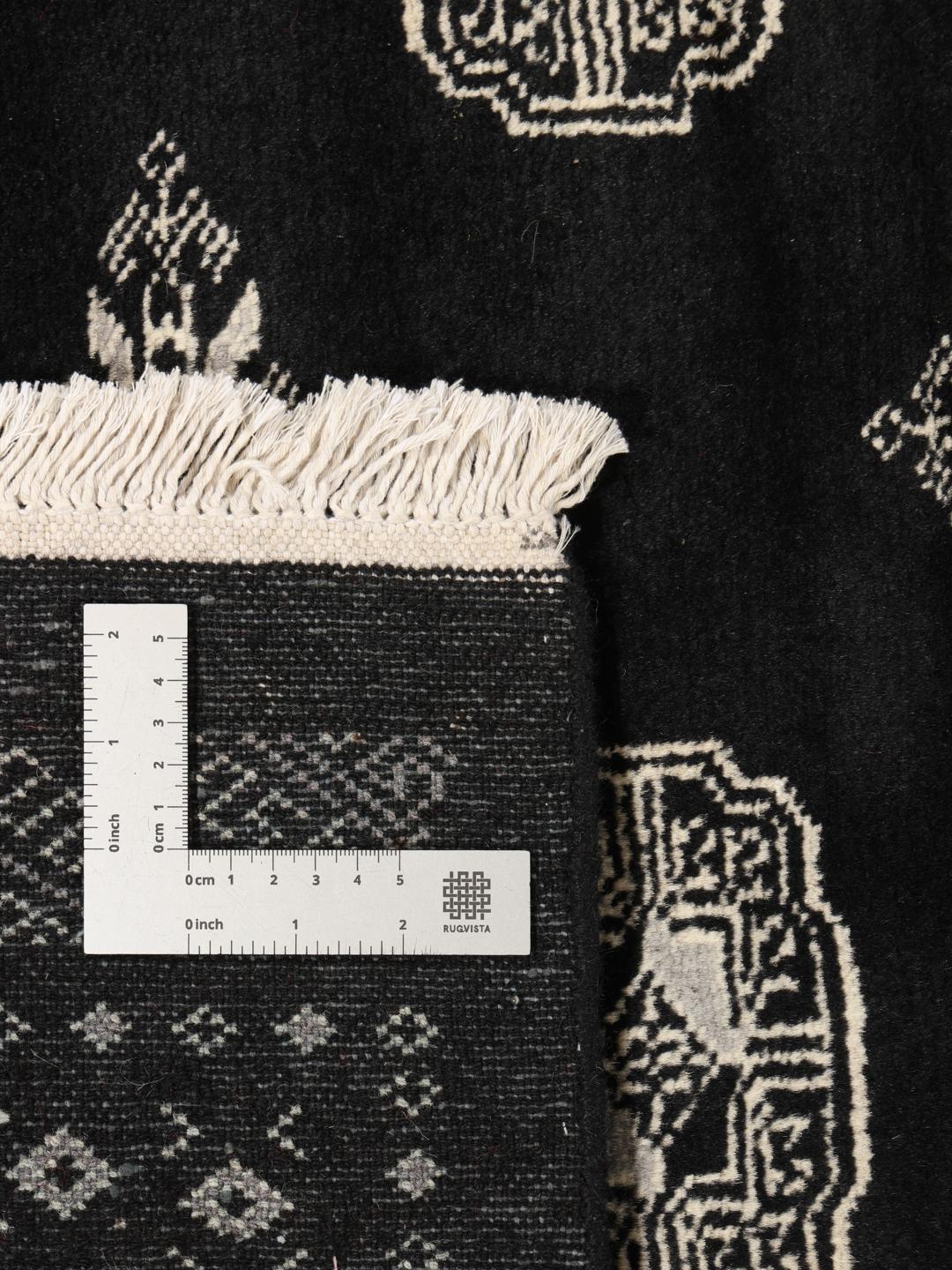
The term 2ply refers to the construction of the pile, where two strands of wool are twisted together before being knotted. This method is vital for the quality of the rug, as it creates a much stronger, more resilient pile that resists matting and wear. By using 2ply wool, the artisan ensures that the rug retains its lustrous finish and soft texture, providing a superior tactile experience compared to rugs made with single-ply yarns.
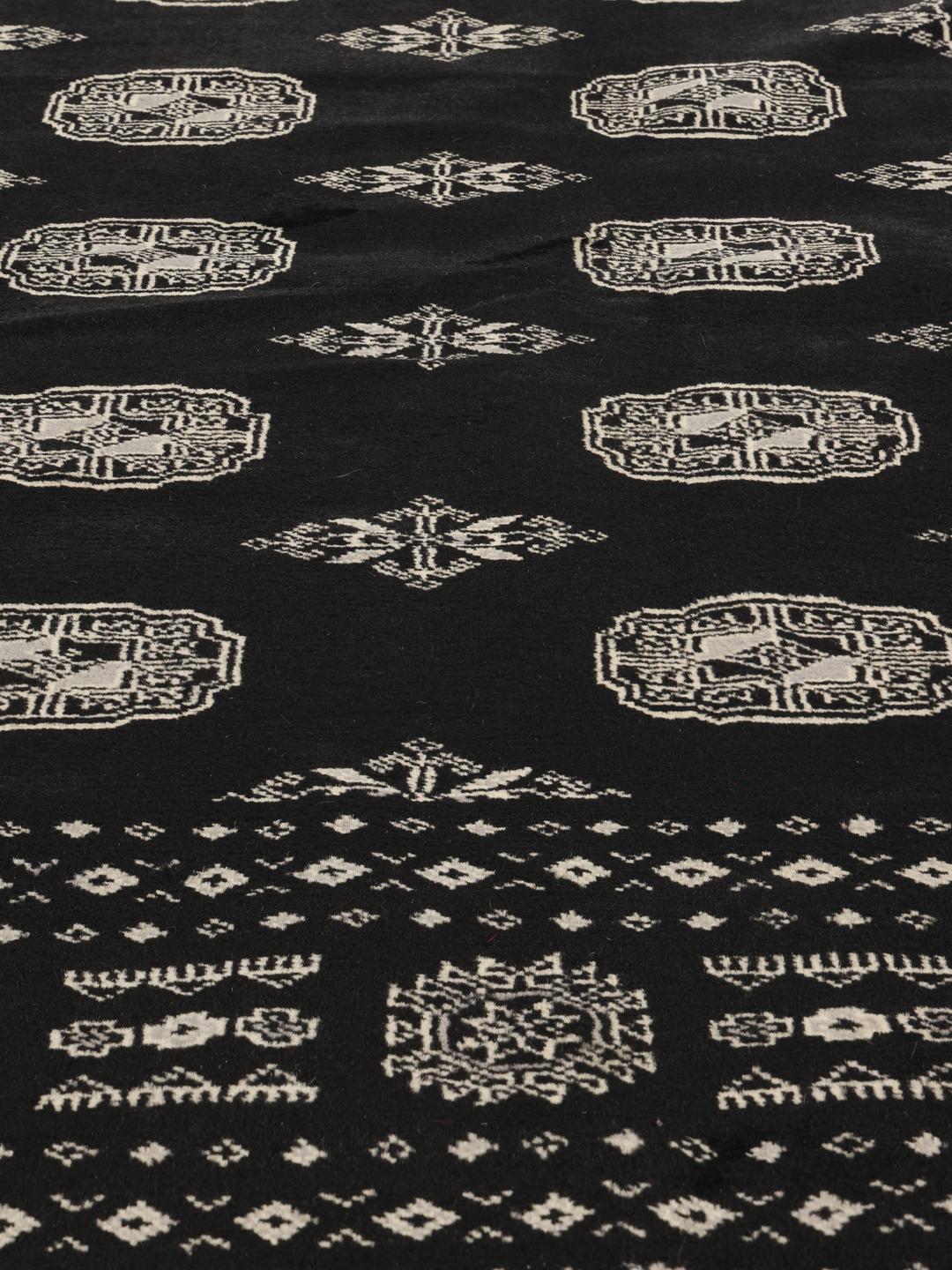
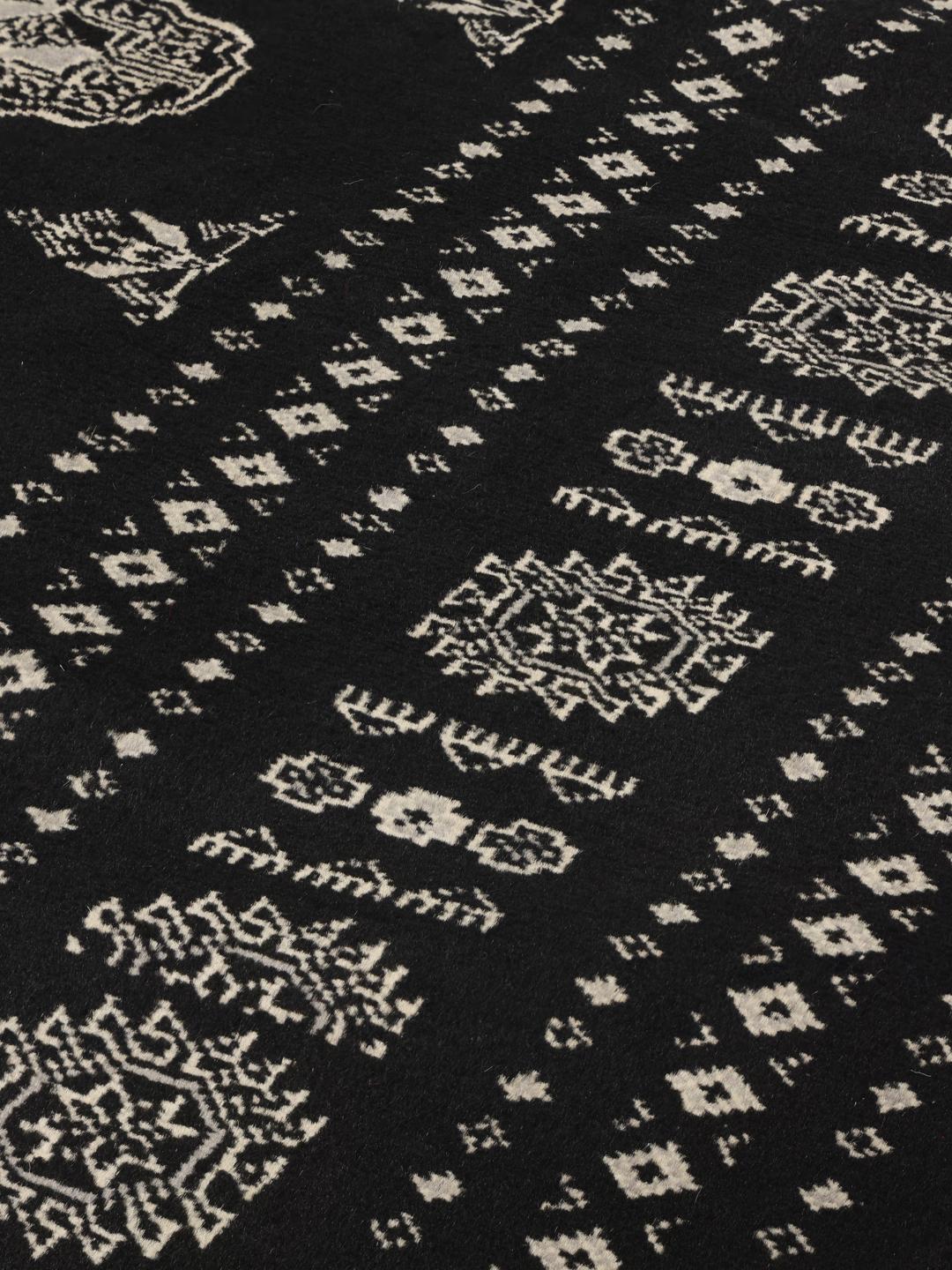
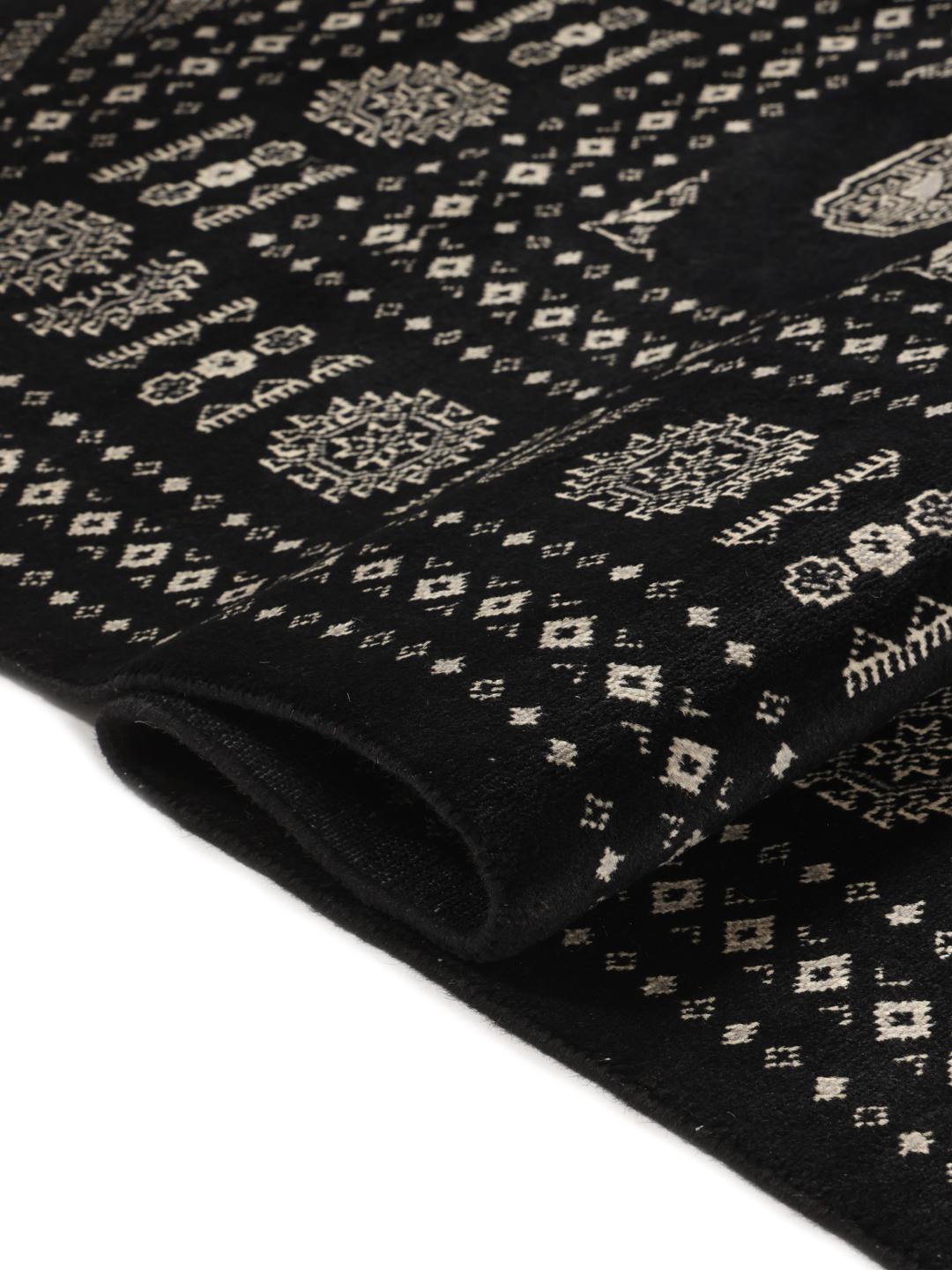
Visually, these rugs are defined by their signature gul motifs—repeating, octagonal medallions that symbolise tribal identity and historical prosperity. These motifs are typically arranged in clean, formal rows across the field and framed by complex, decorative borders that showcase the weaver's attention to detail. The choice of a black field for this particular piece is a bold and sophisticated departure from the more common red tones, highlighting the intricate white pattern work with modern clarity.
Owning a hand-knotted rug of this tradition is more than just a decor choice; it is an act of preserving a centuries-old craft. Collectors value these pieces for their cultural weight and the undeniable skill required to produce them. Each rug represents a link to a long history of artistry, making it a meaningful addition to a home that values heritage, authentic craftsmanship, and pieces with a genuine story to tell.