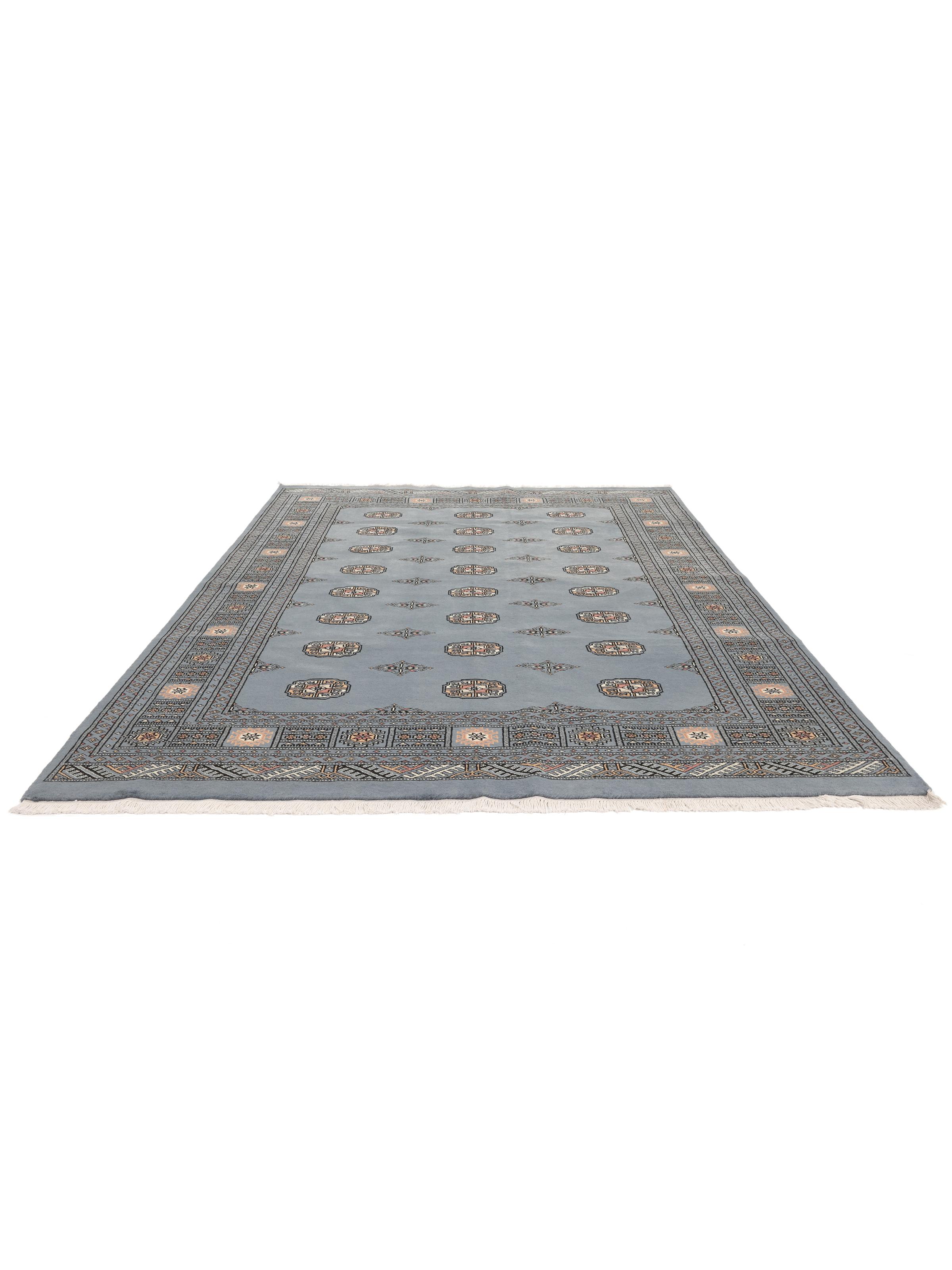
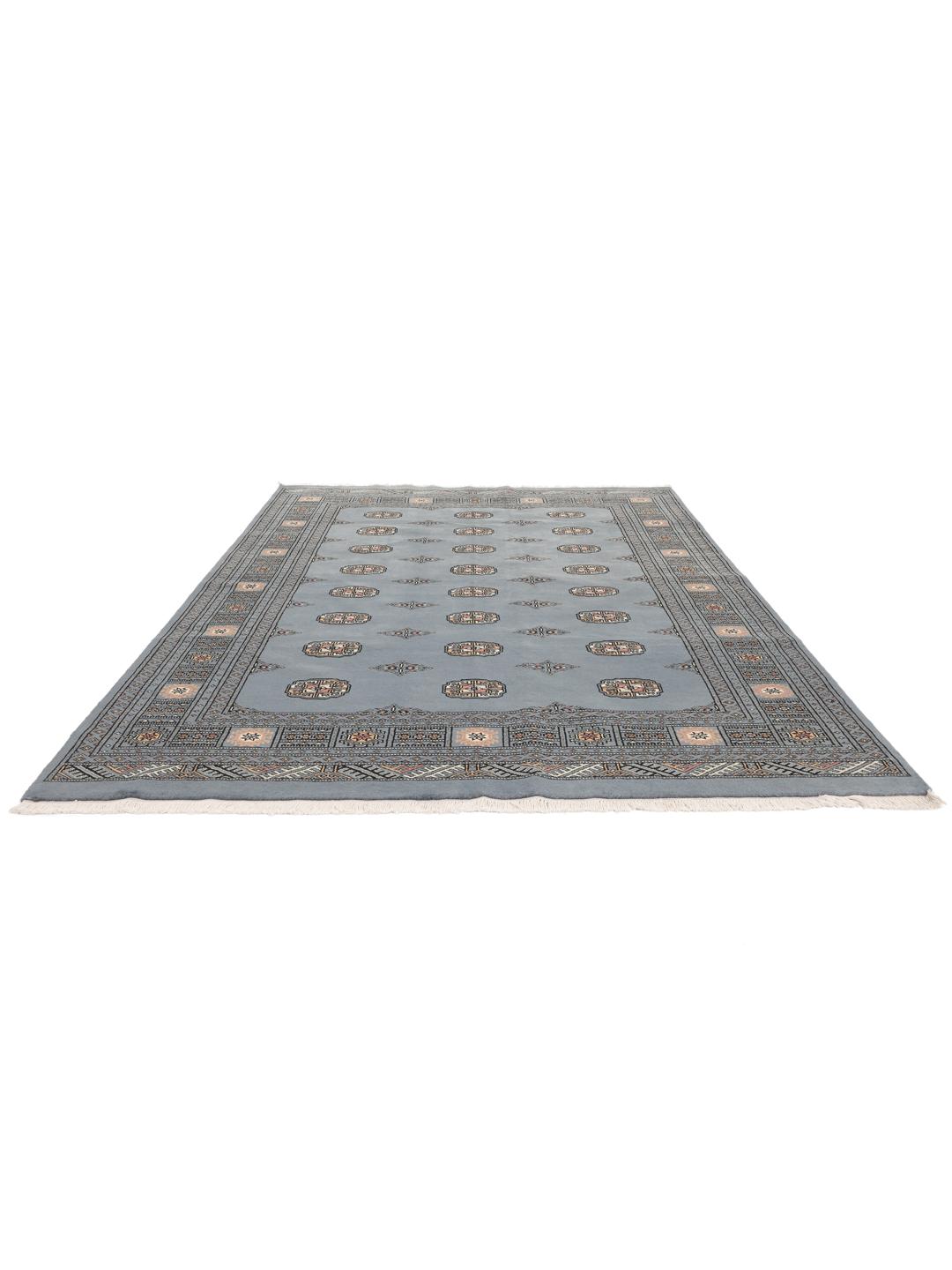
The Bokhara rug is a style deeply rooted in the history of Central Asia, taking its name from the ancient Silk Road city of Bukhara. While these rugs were historically crafted by nomadic tribes, the finest examples today are primarily woven in Pakistan. This evolution reflects a migration of weaving expertise, where traditional techniques have been refined and adapted to meet contemporary standards of quality and design.
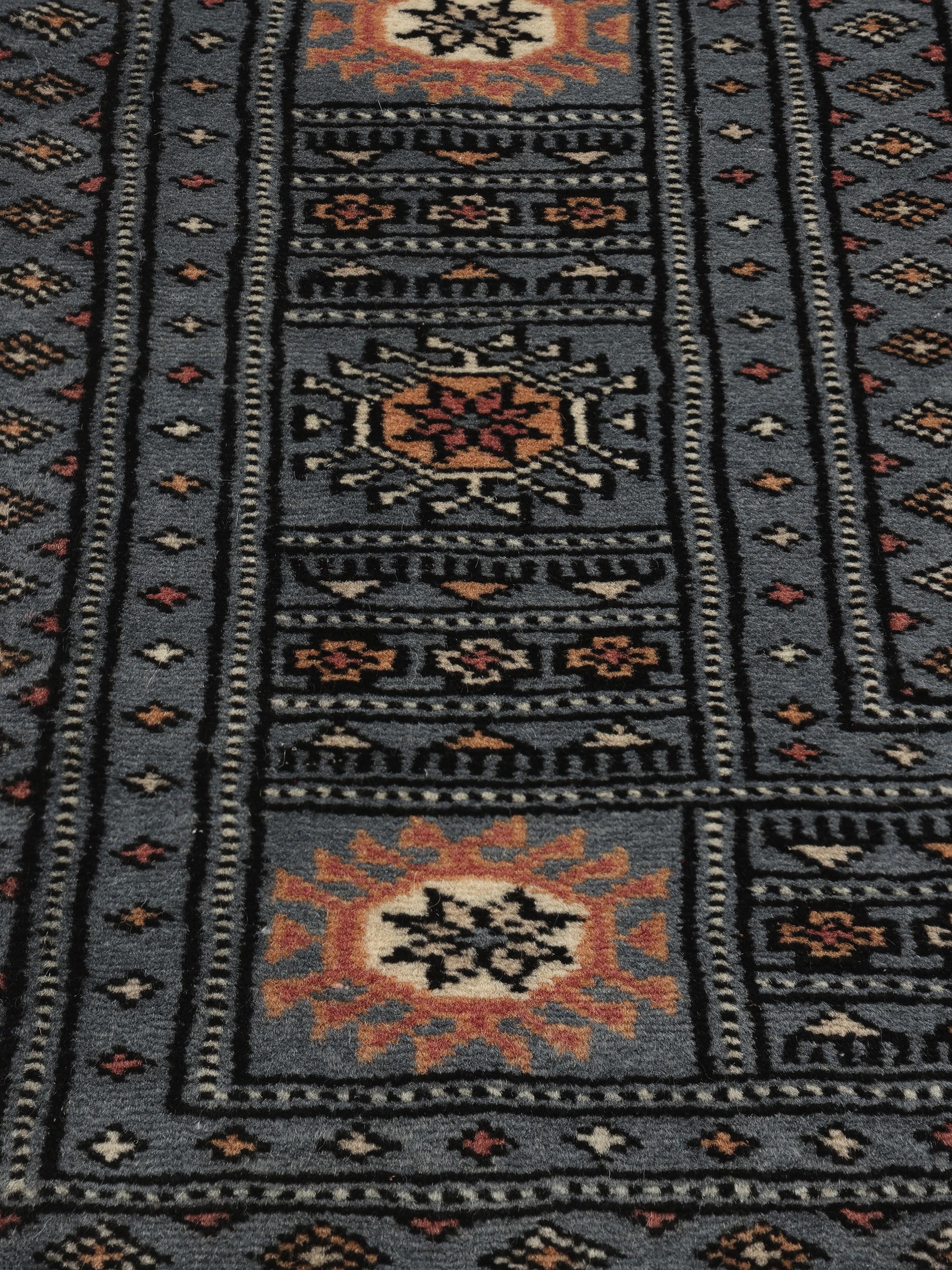
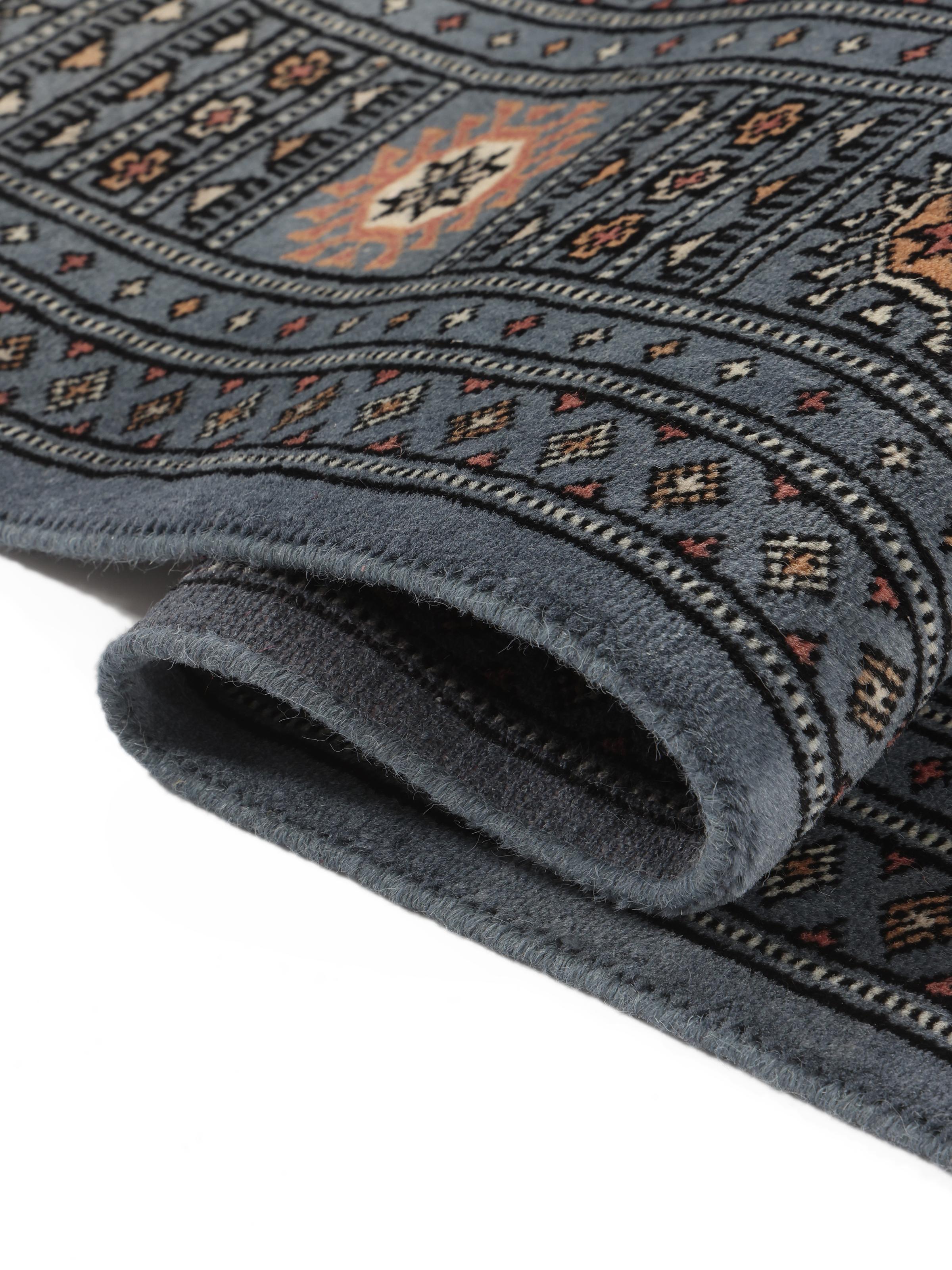
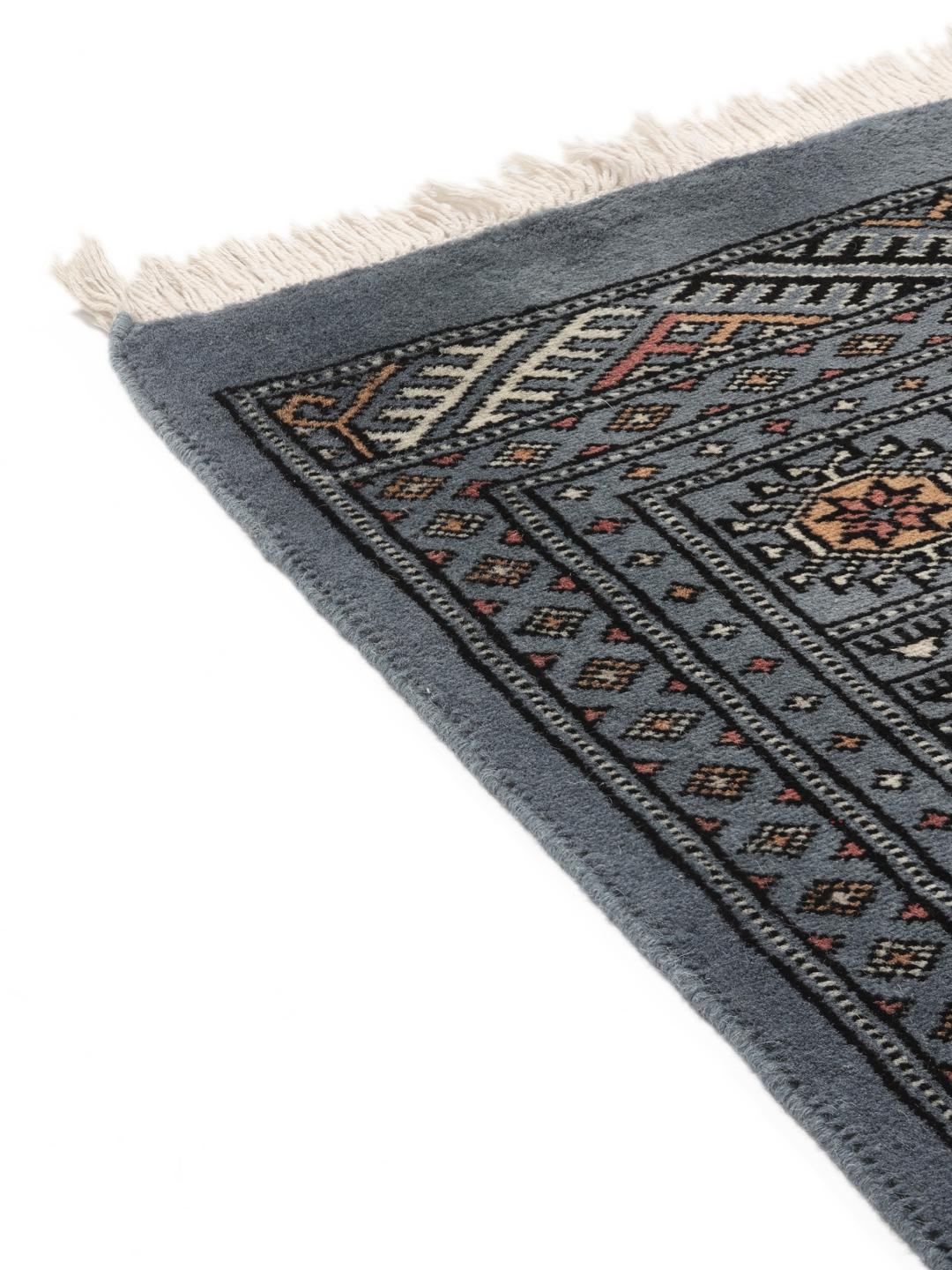
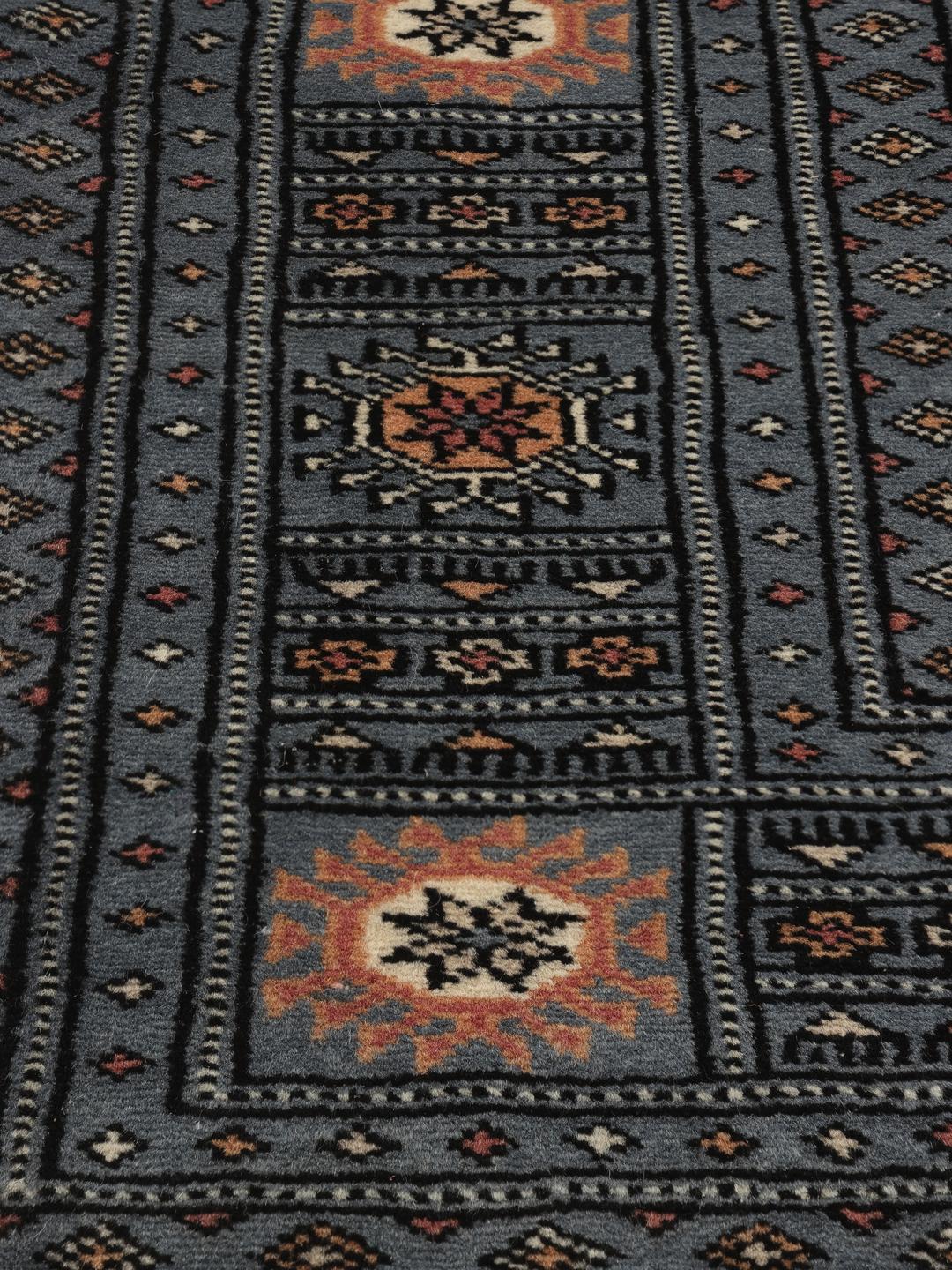
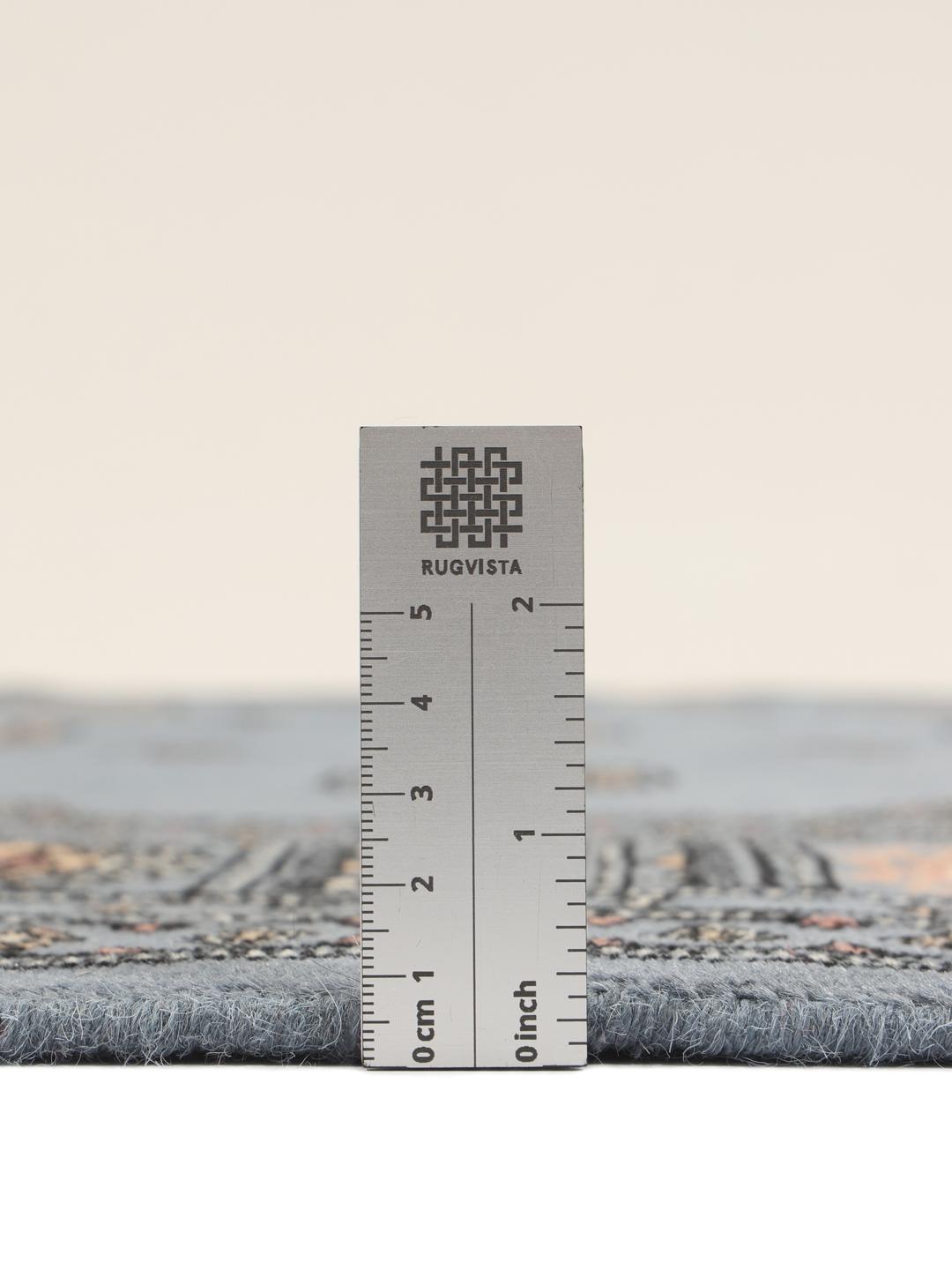
The '2ply' designation refers to the specific way the wool is prepared before weaving. By twisting two strands of wool together to create a single thread, the pile becomes denser, more lustrous, and remarkably durable. This technique is a hallmark of high-quality craftsmanship, ensuring the rug feels substantial and holds its pile height beautifully even in high-traffic areas of the home.
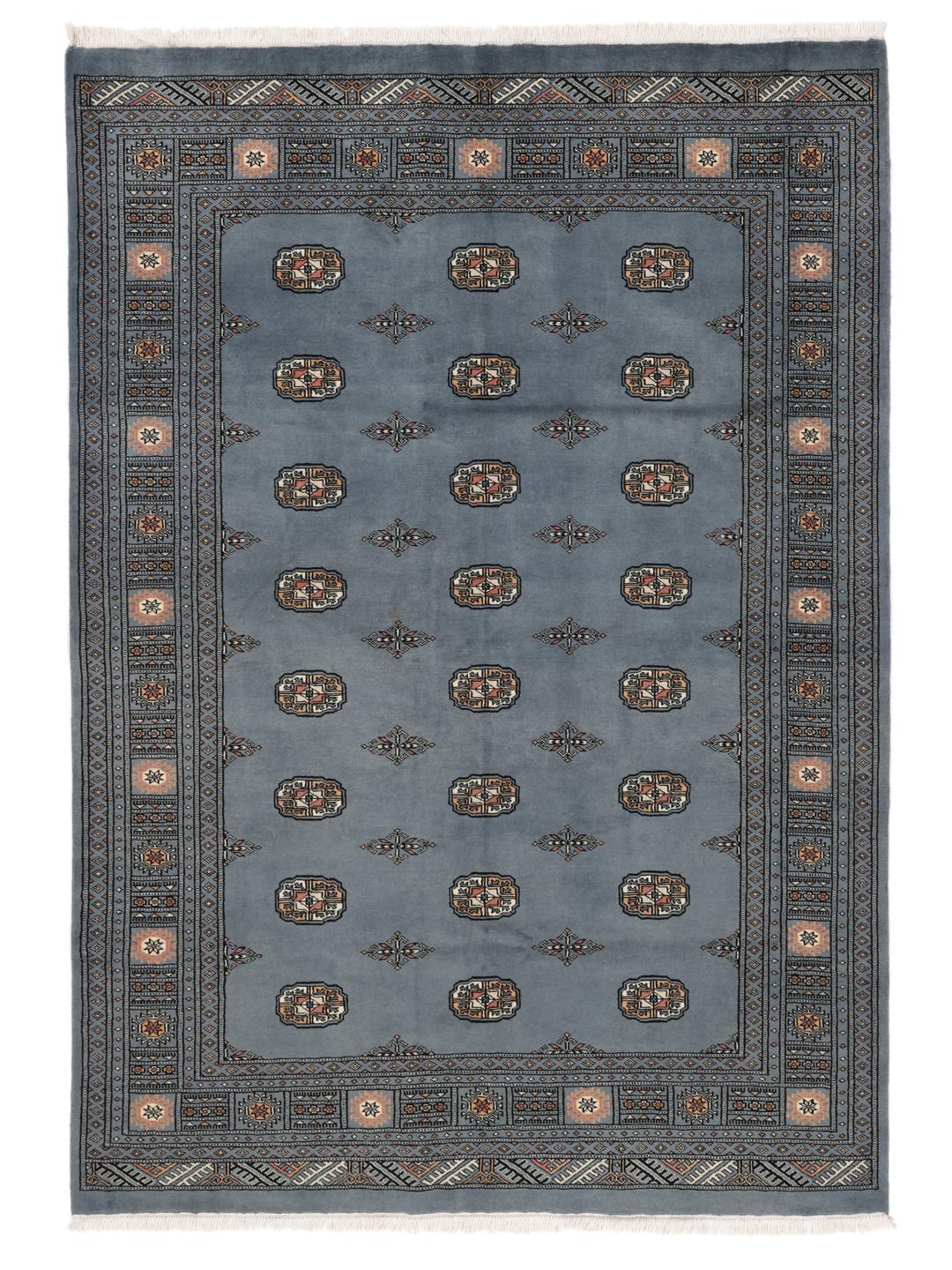
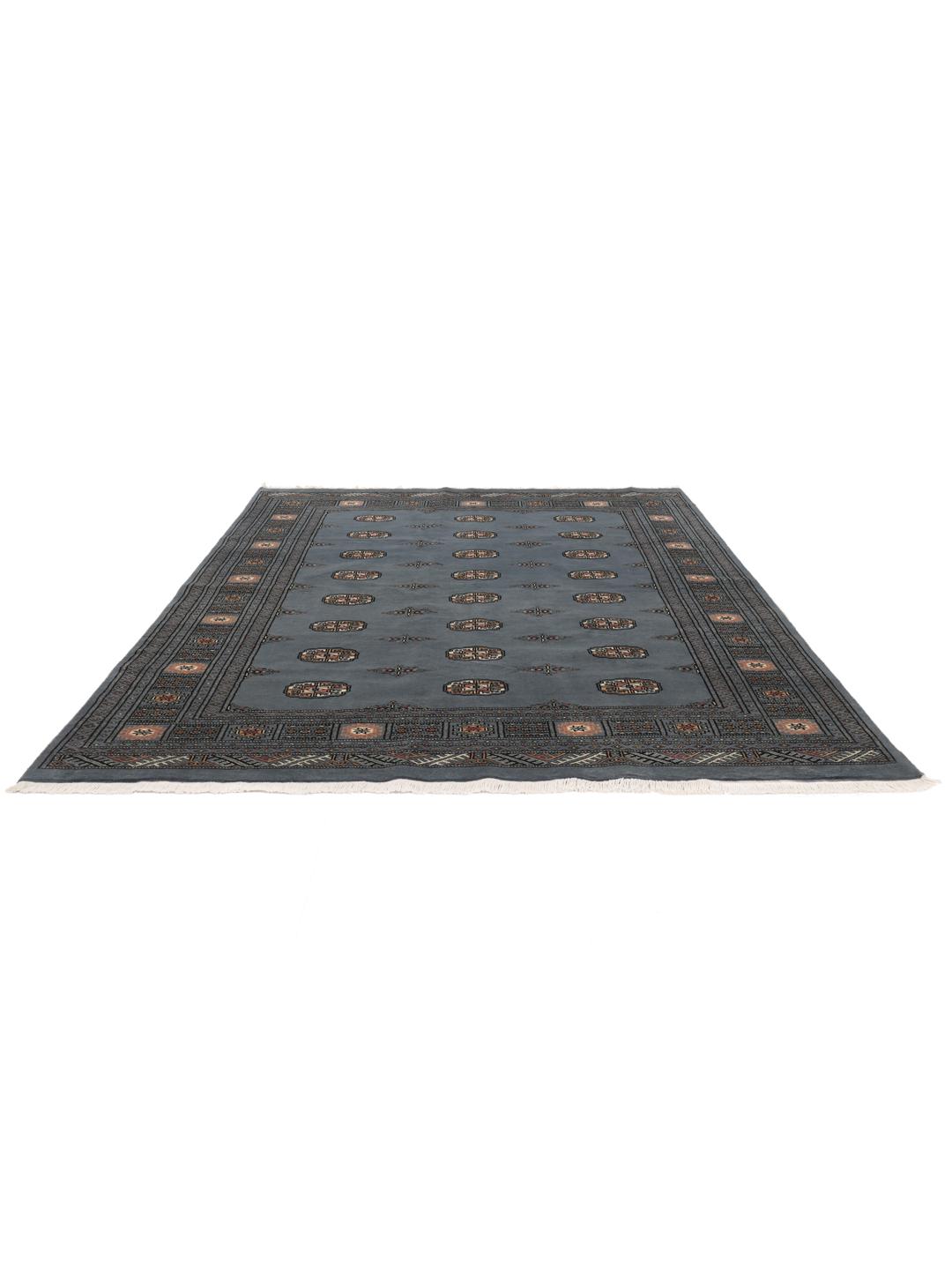
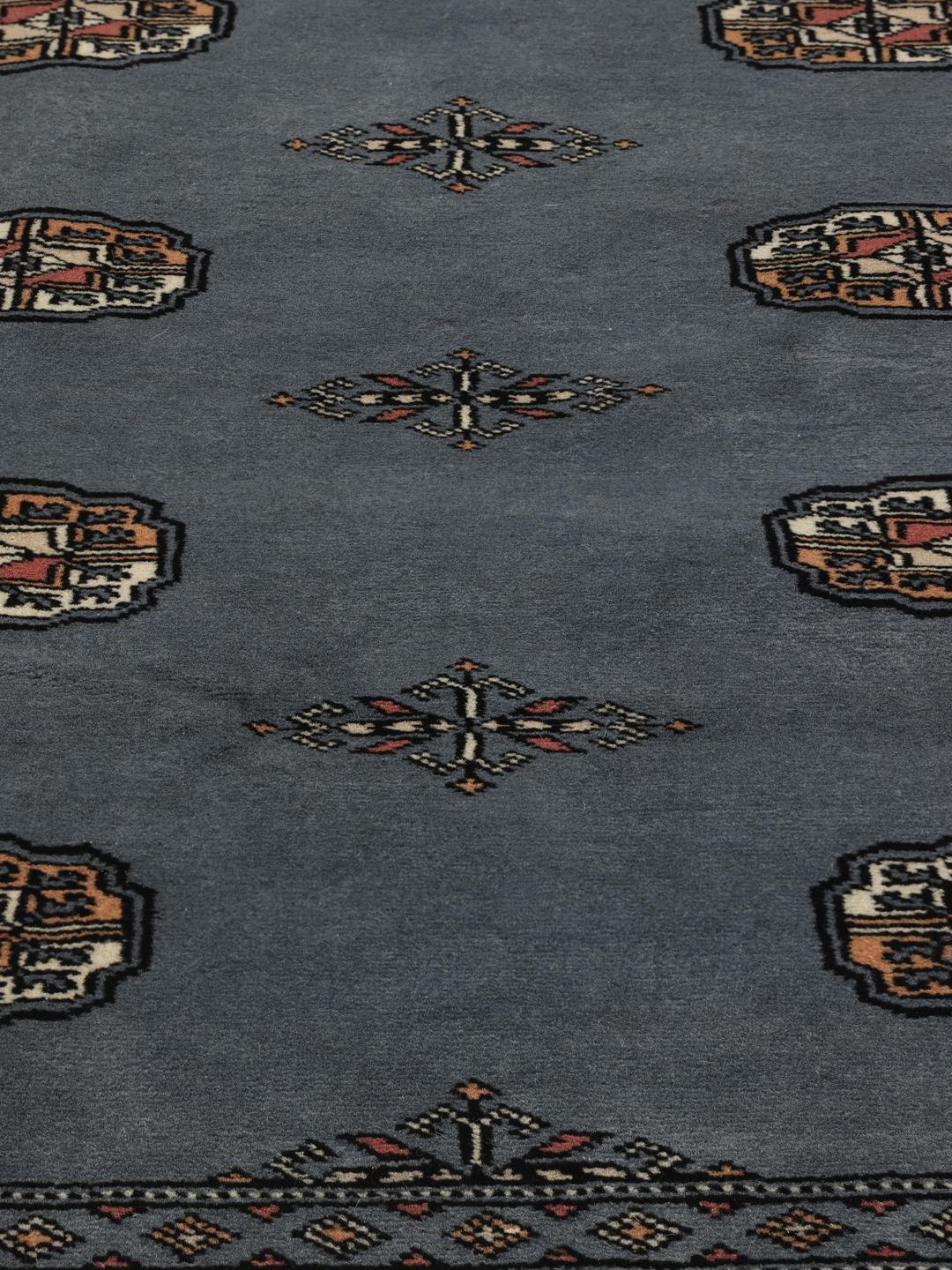
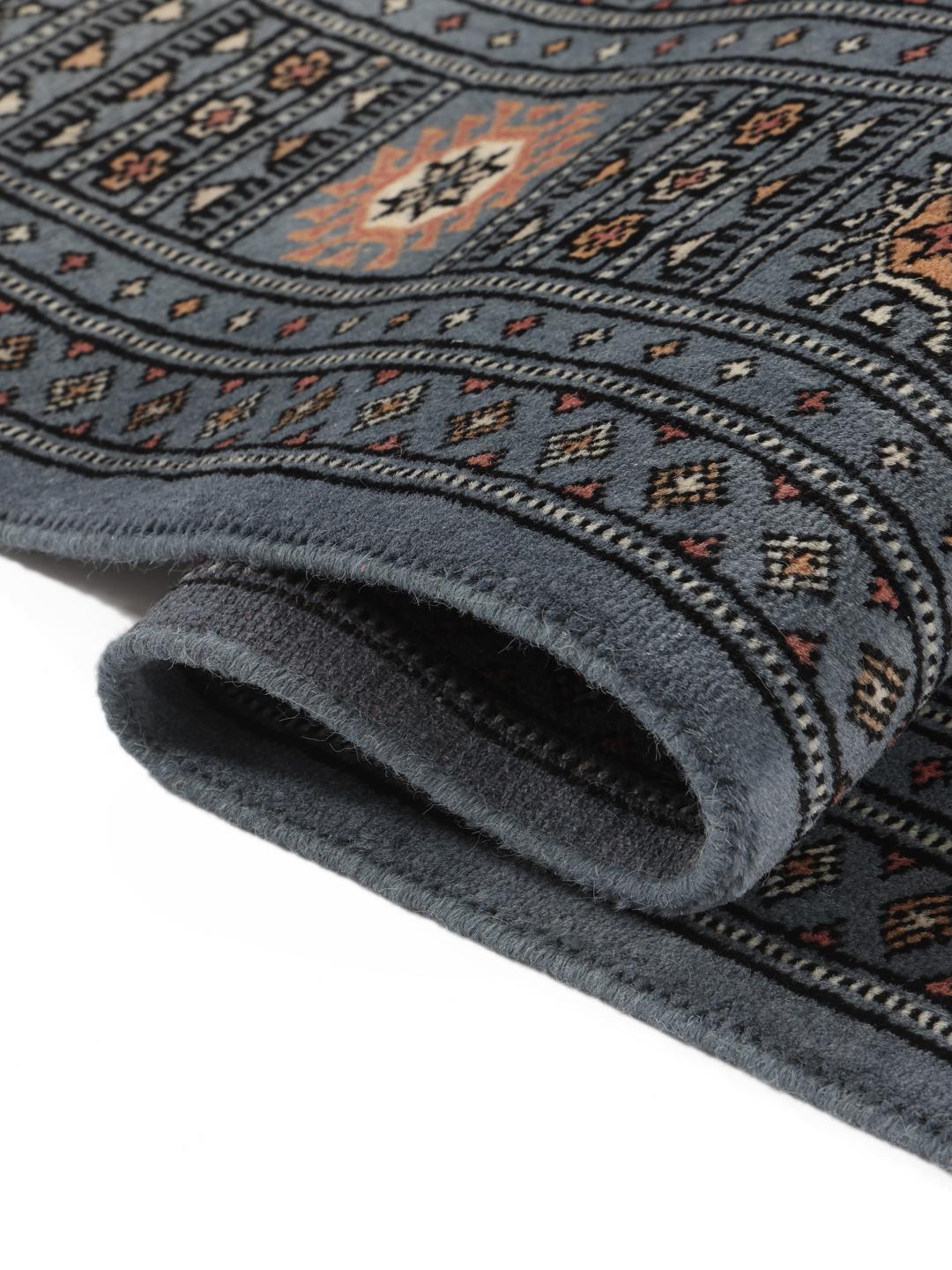
Visually, these rugs are defined by their iconic 'gul' motifs, which are repeating geometric medallions that represent tribal heritage and cultural symbolism. These are typically arranged in clean, symmetrical rows across the field and framed by complex, multi-layered borders. The colour palette often leans toward warm tones, making the choice of a blue field in this piece a distinctive and sophisticated variation on the classic tradition.
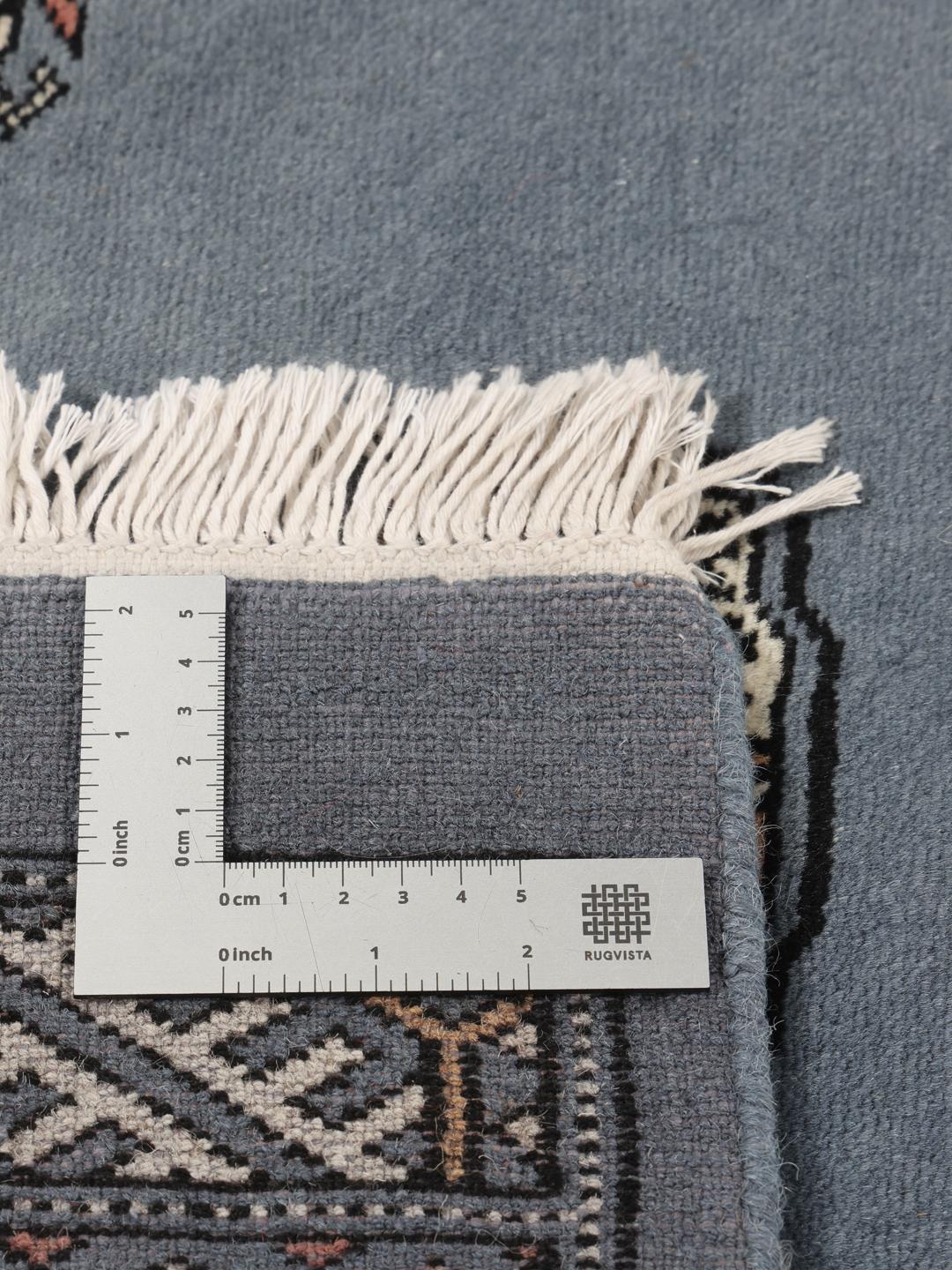
Collecting a Pakistan Bokhara is an investment in human skill and cultural history. These rugs are valued not just for their appearance, but for the story of the artisan whose hands guided every knot. To own one is to participate in a living tradition, bringing a piece of heritage into your home that celebrates precision, artistic expression, and the enduring nature of hand-knotted textiles.