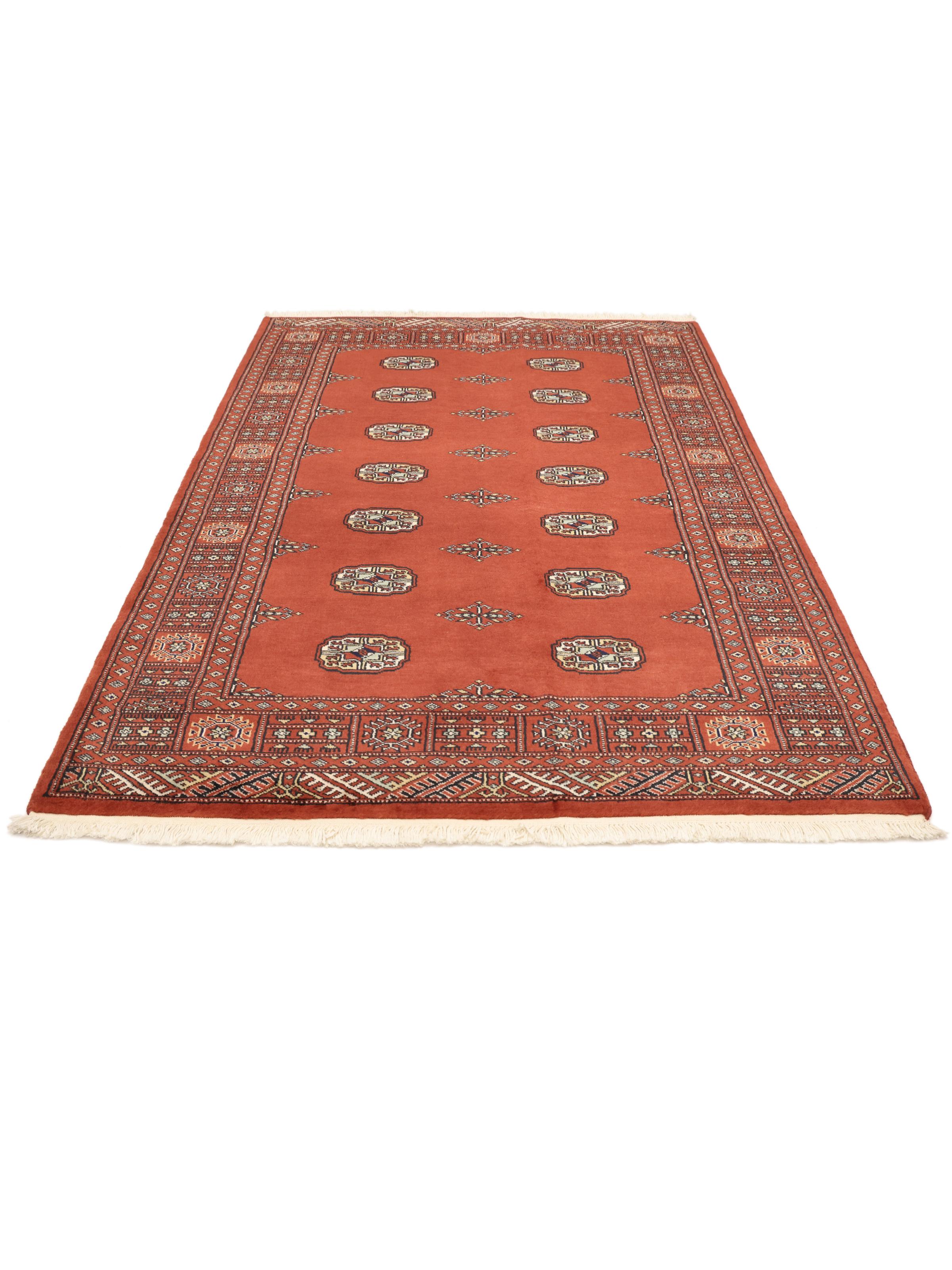
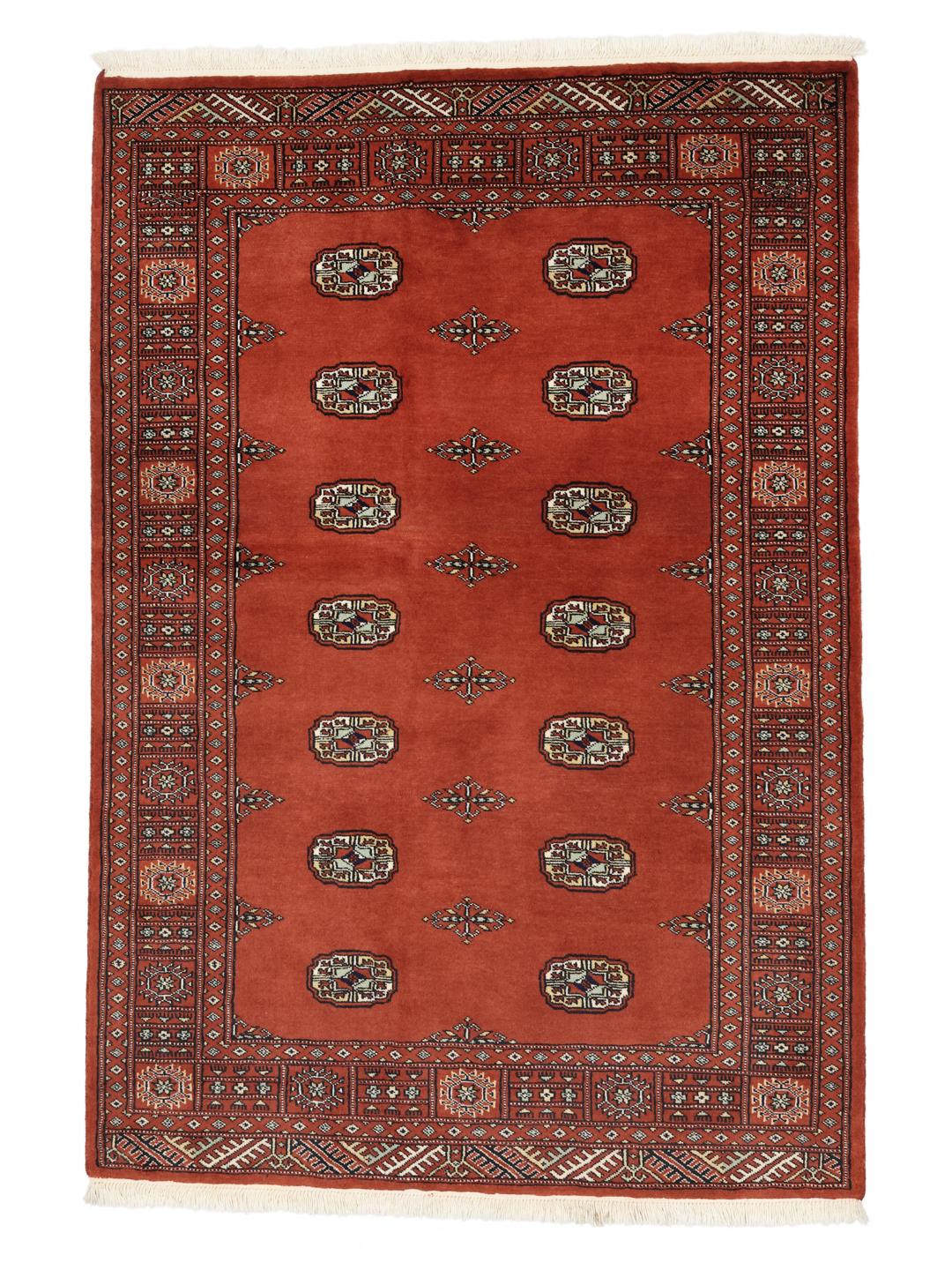
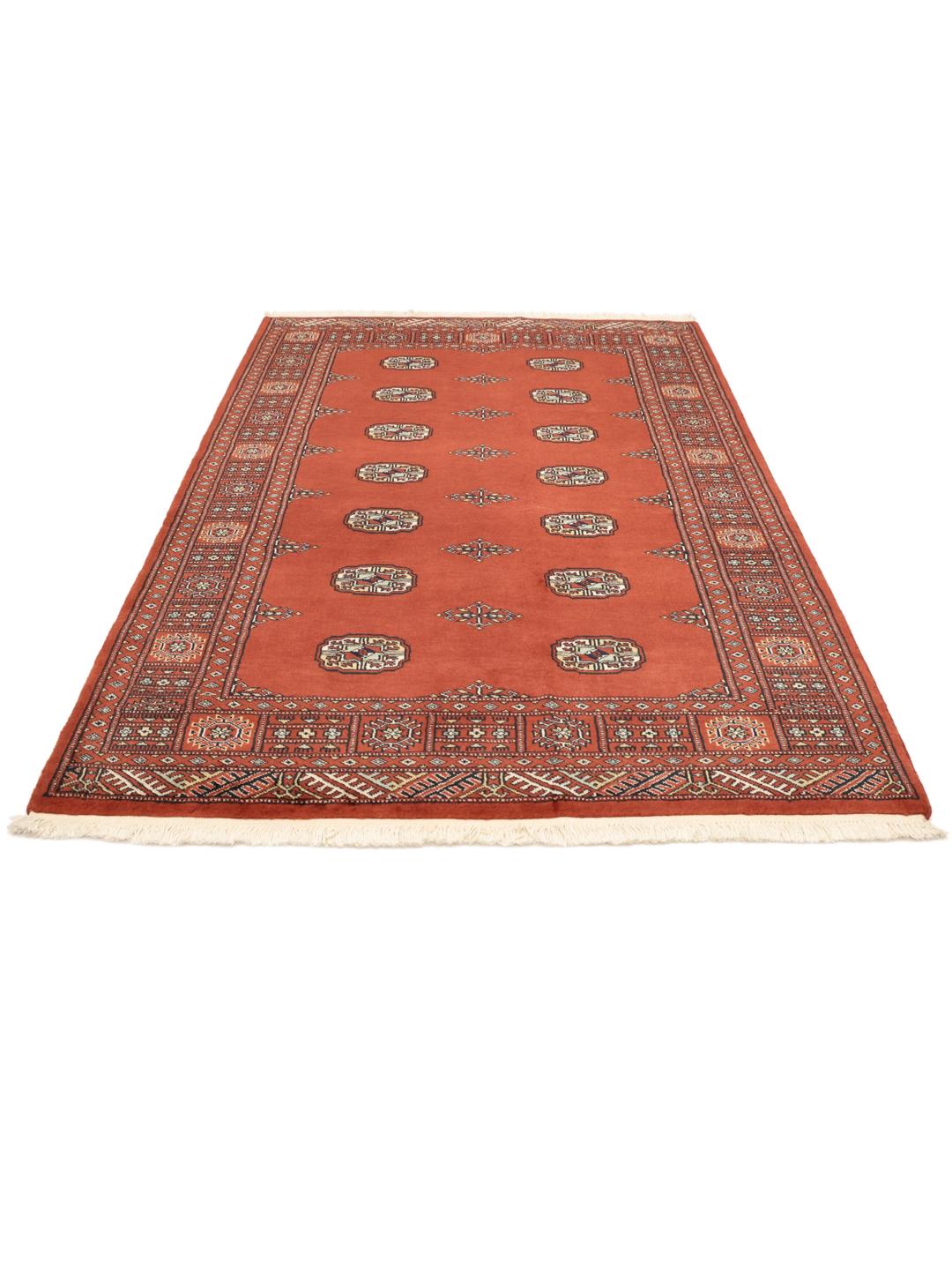
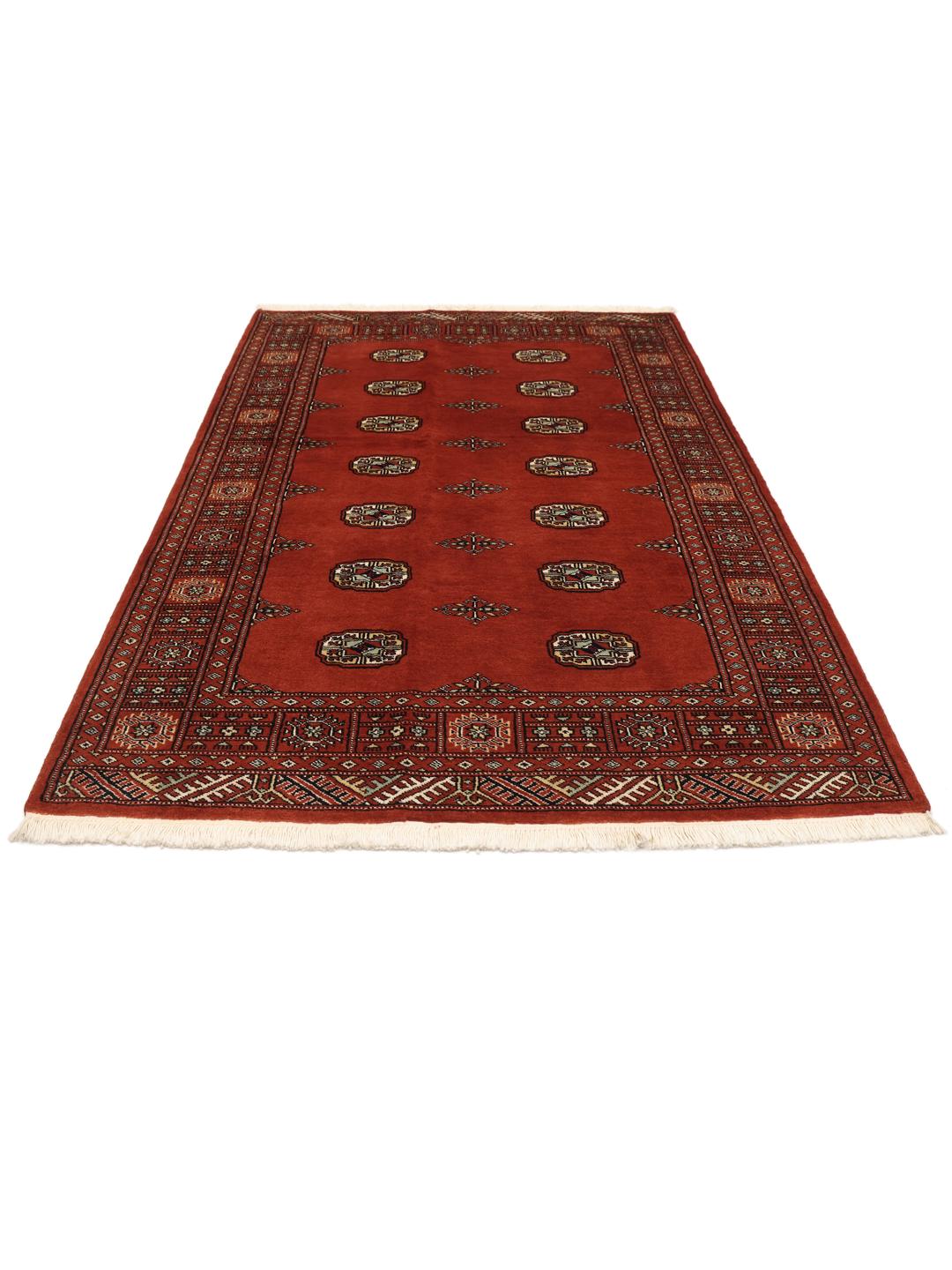
Bokhara rugs take their name from the ancient Silk Road city of Bukhara in Central Asia, historically a vital trading hub for textiles and carpets. Over time, the weaving traditions associated with these rugs migrated and evolved, with the finest contemporary examples now being masterfully produced in Pakistan.
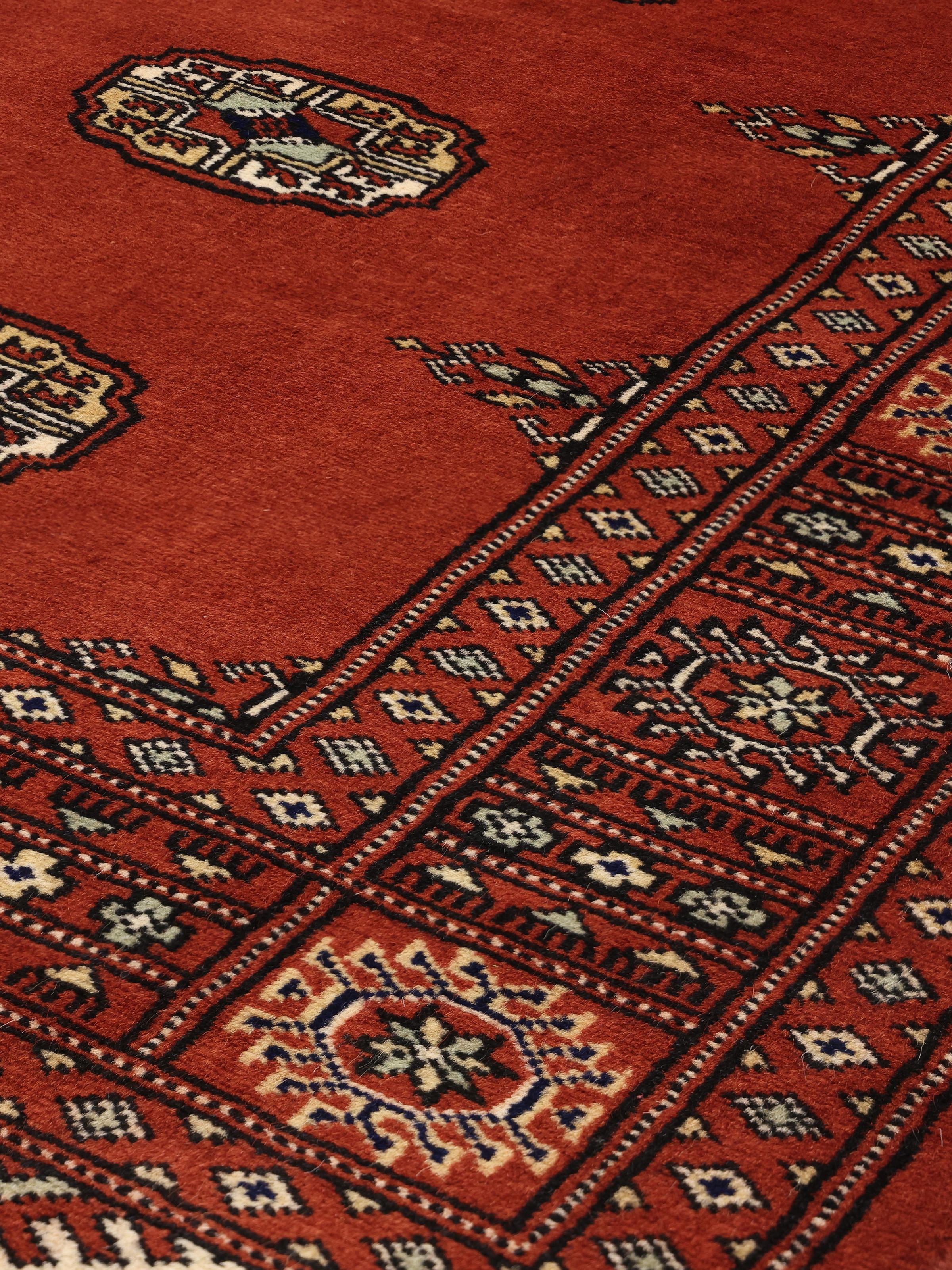
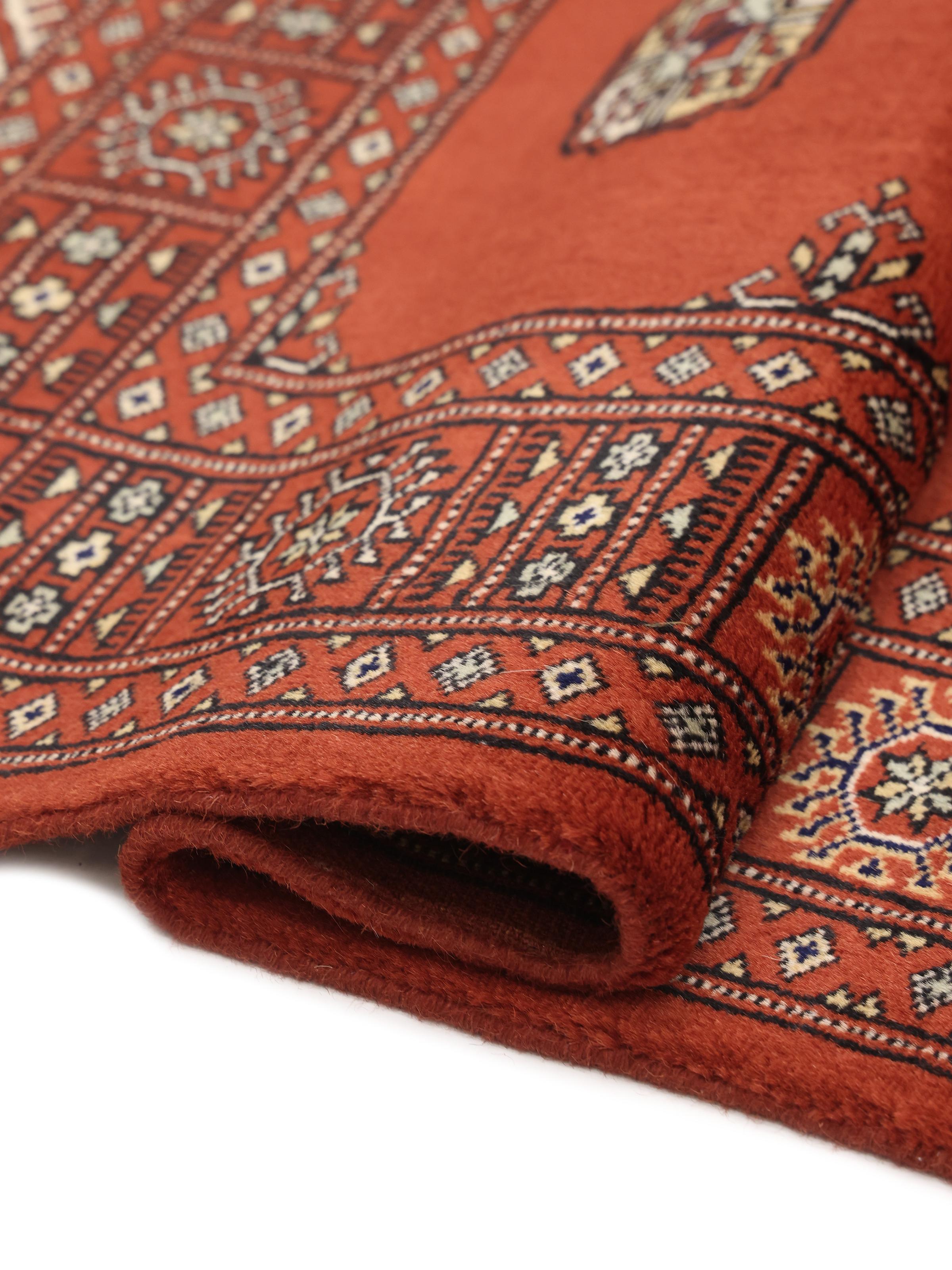
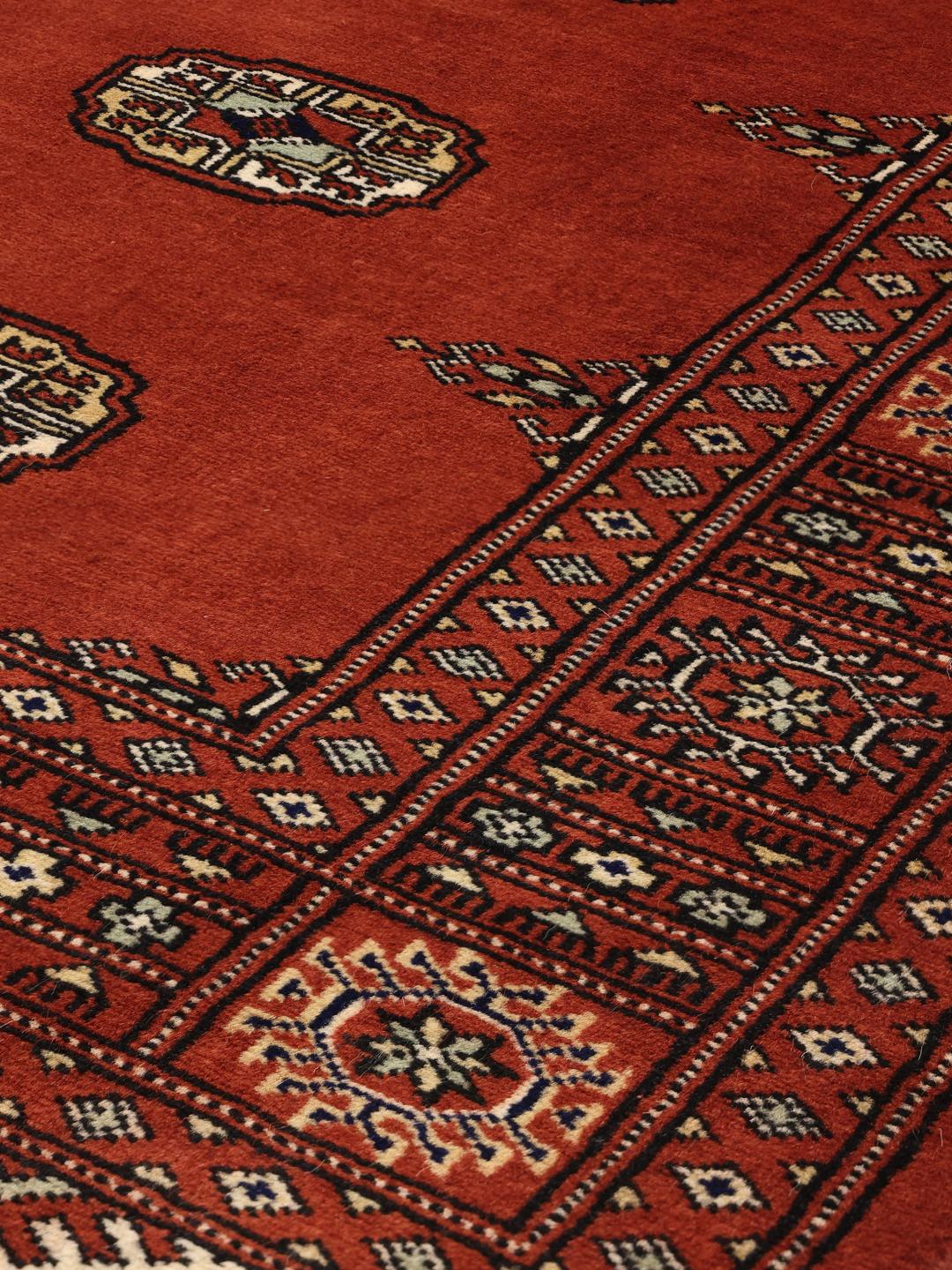
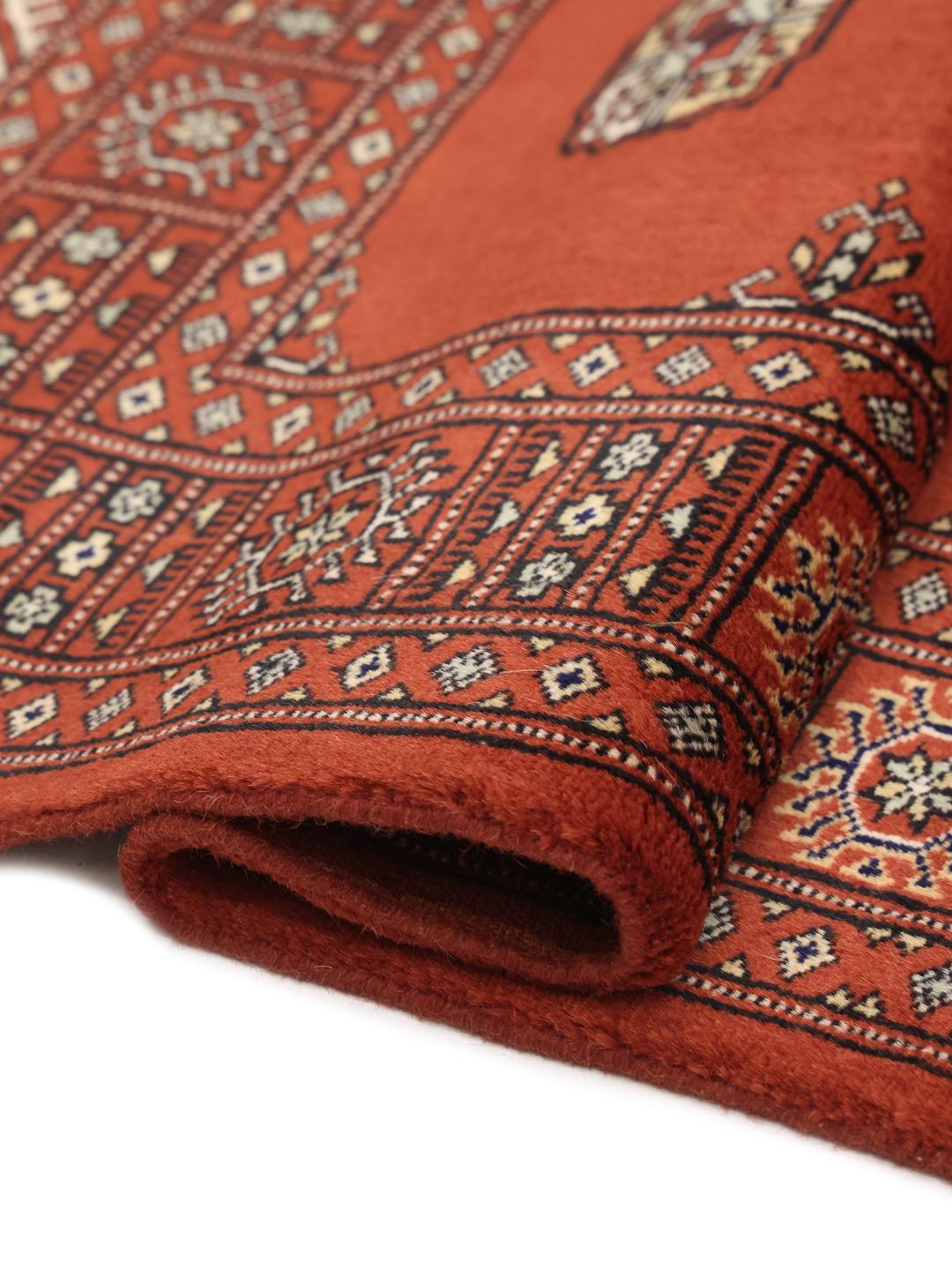
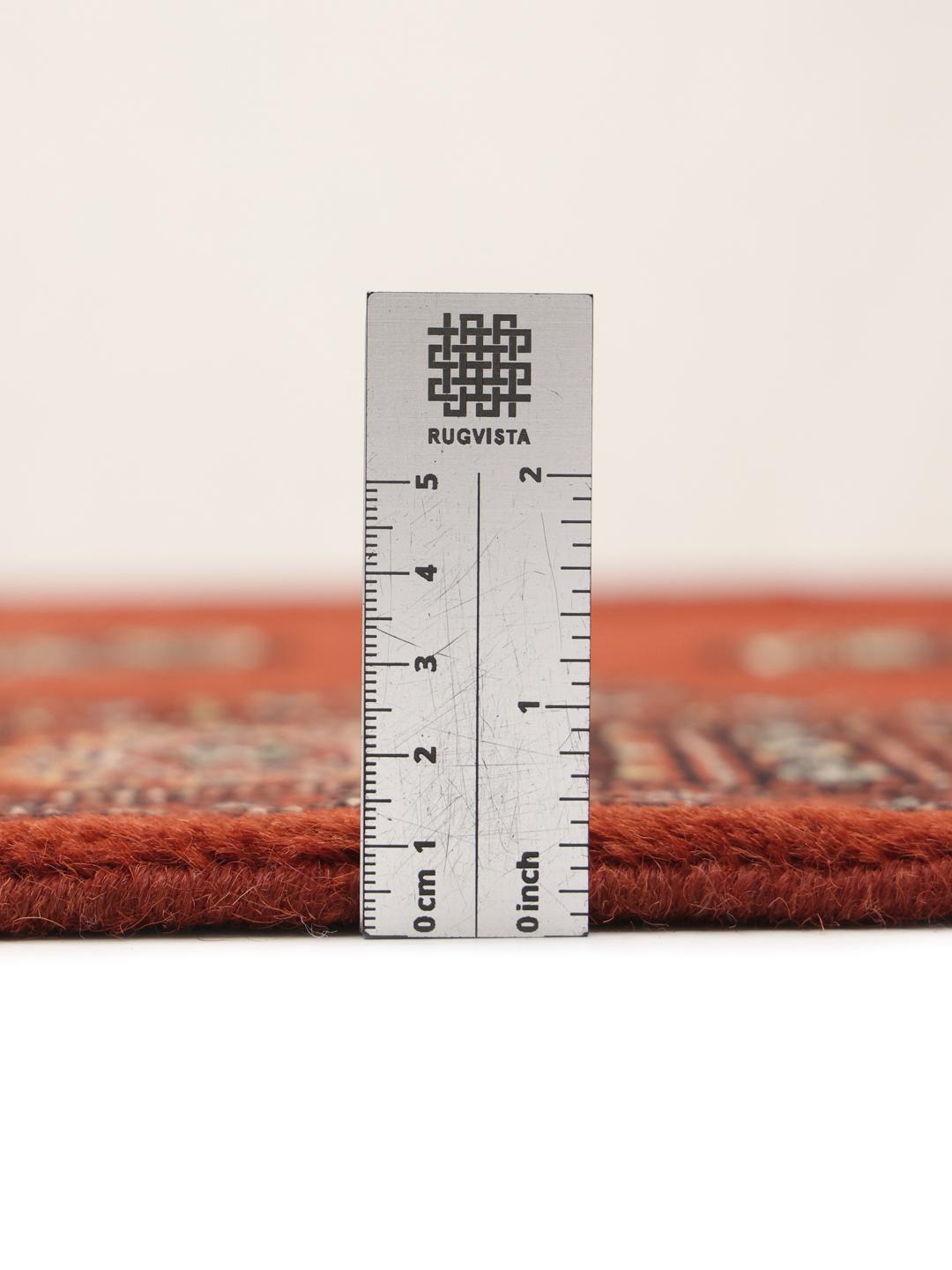
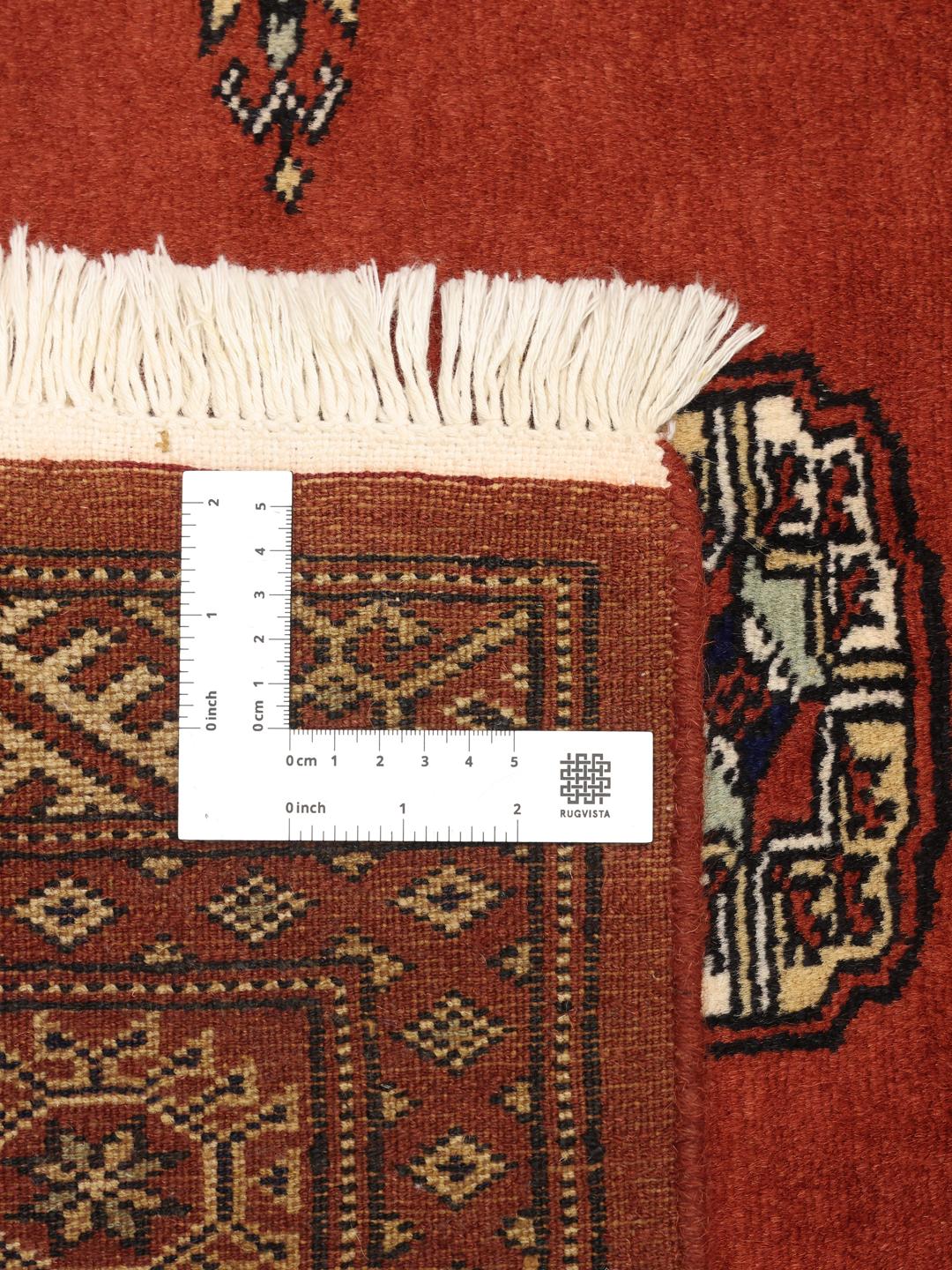
The term 2ply in this rug's name refers to the construction of the pile, where two strands of wool are twisted together before being knotted. This technique is essential for quality, as it creates a denser, more lustrous, and significantly longer-lasting pile compared to single-ply alternatives, ensuring the rug keeps its texture over time.
Visually, these rugs are defined by their signature gul motifs—repeating, octagonal or elephant-foot shaped medallions arranged in precise rows across the field. These are almost always framed by complex, multi-layered borders that showcase the weaver's technical skill and commitment to traditional geometric design.
These rugs are highly valued by collectors for their cultural weight and the immense skill required to produce them. By owning this piece, you are participating in a long lineage of craft, securing an object that carries the heritage of Middle Eastern weaving techniques into a modern residential setting.