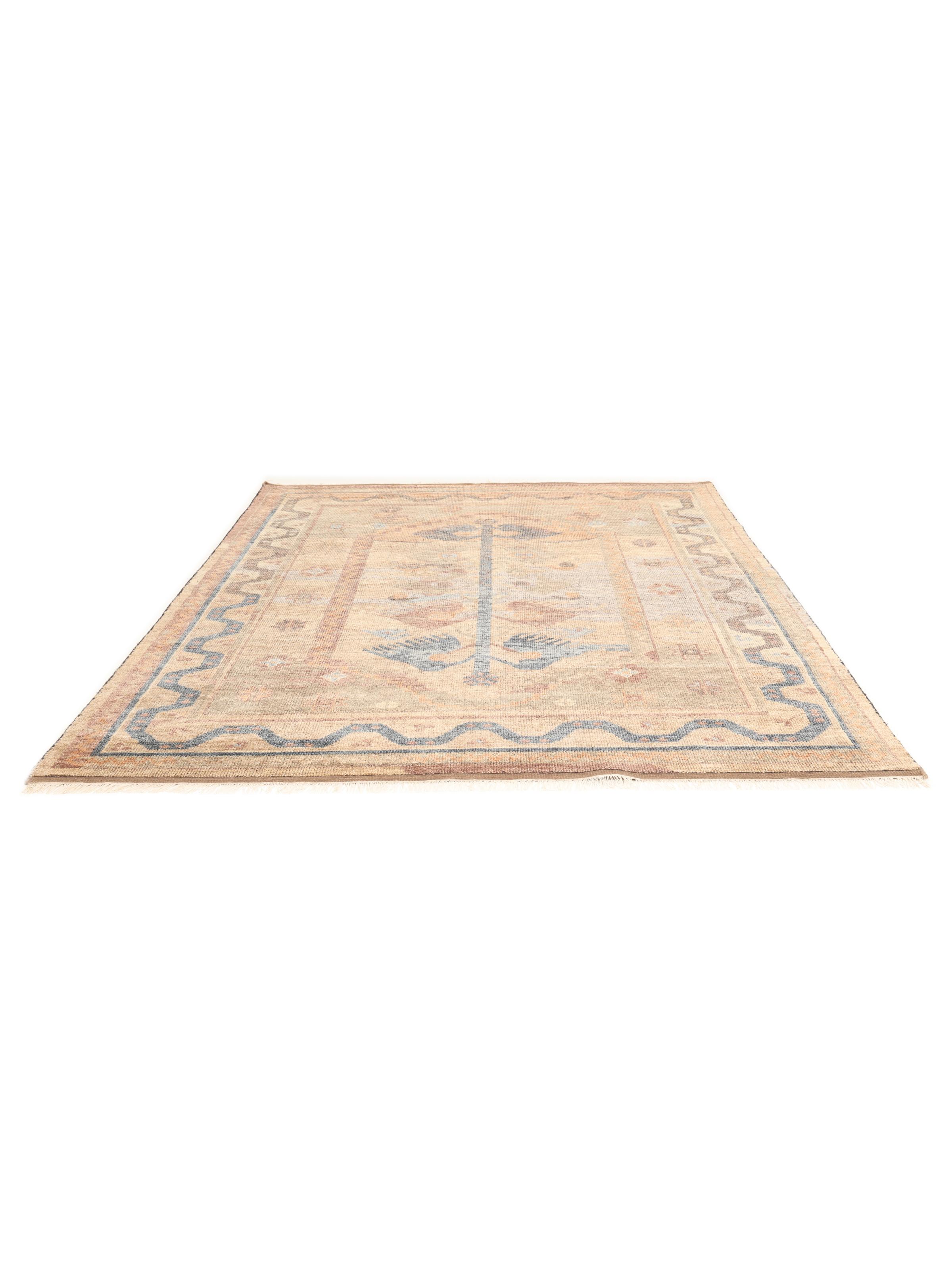
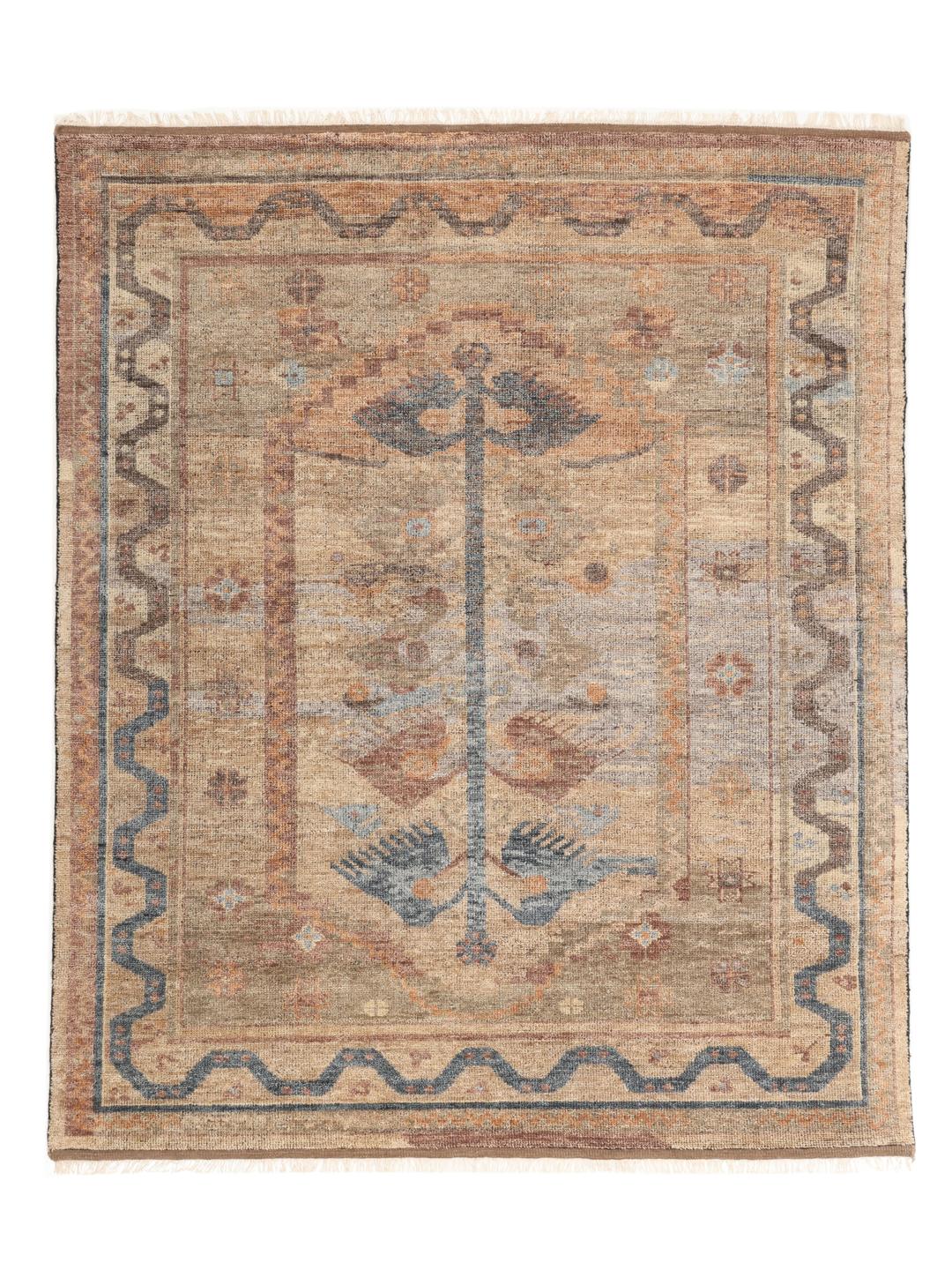
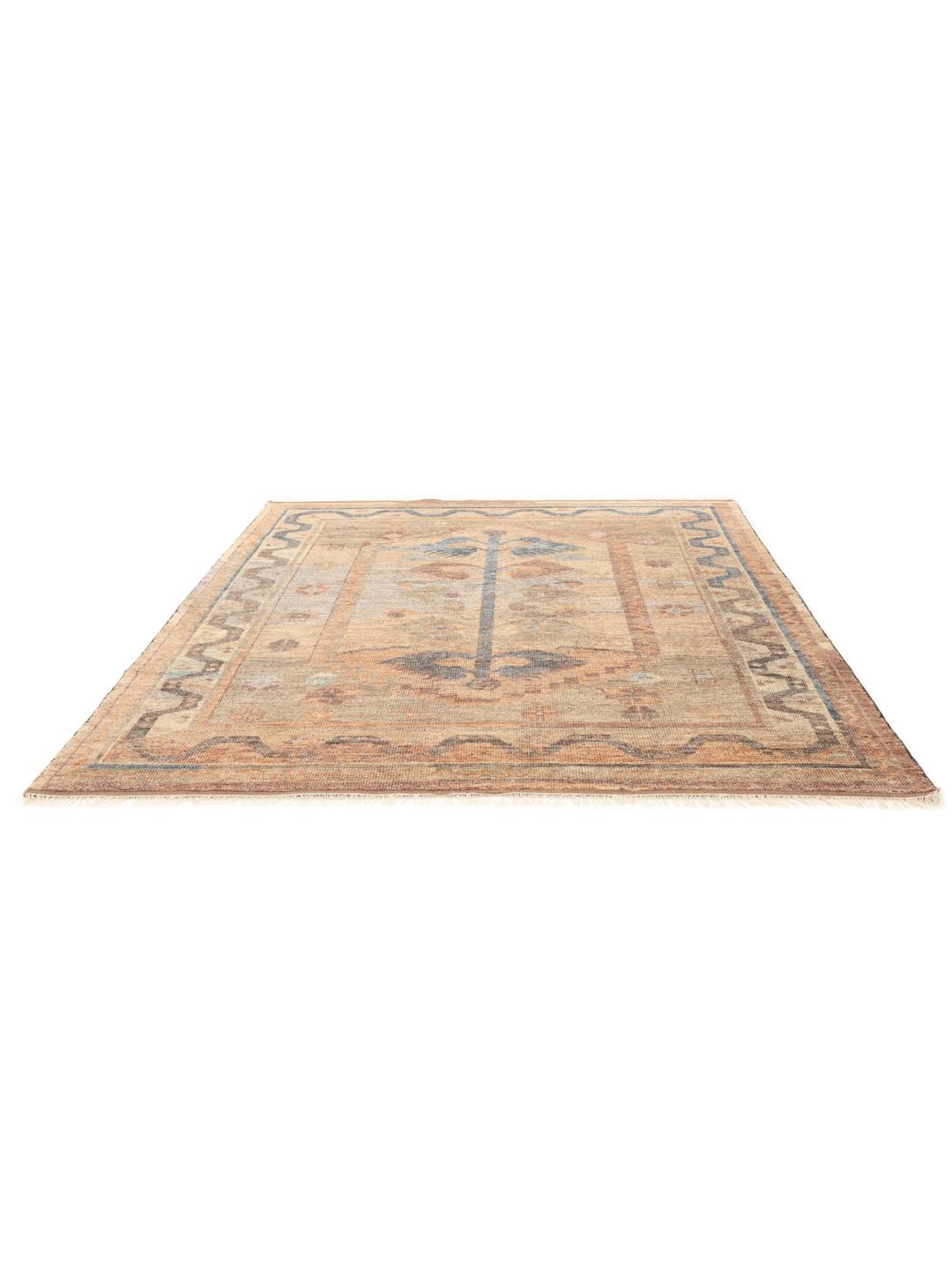
The Usak rug tradition traces its origins to the town of Uşak in western Turkey, a region that became famous during the 15th and 16th centuries for producing some of the most sought-after carpets in the world. While the original Turkish pieces were often grand in scale and featured bold, large-scale floral patterns, the tradition has evolved significantly over the centuries.
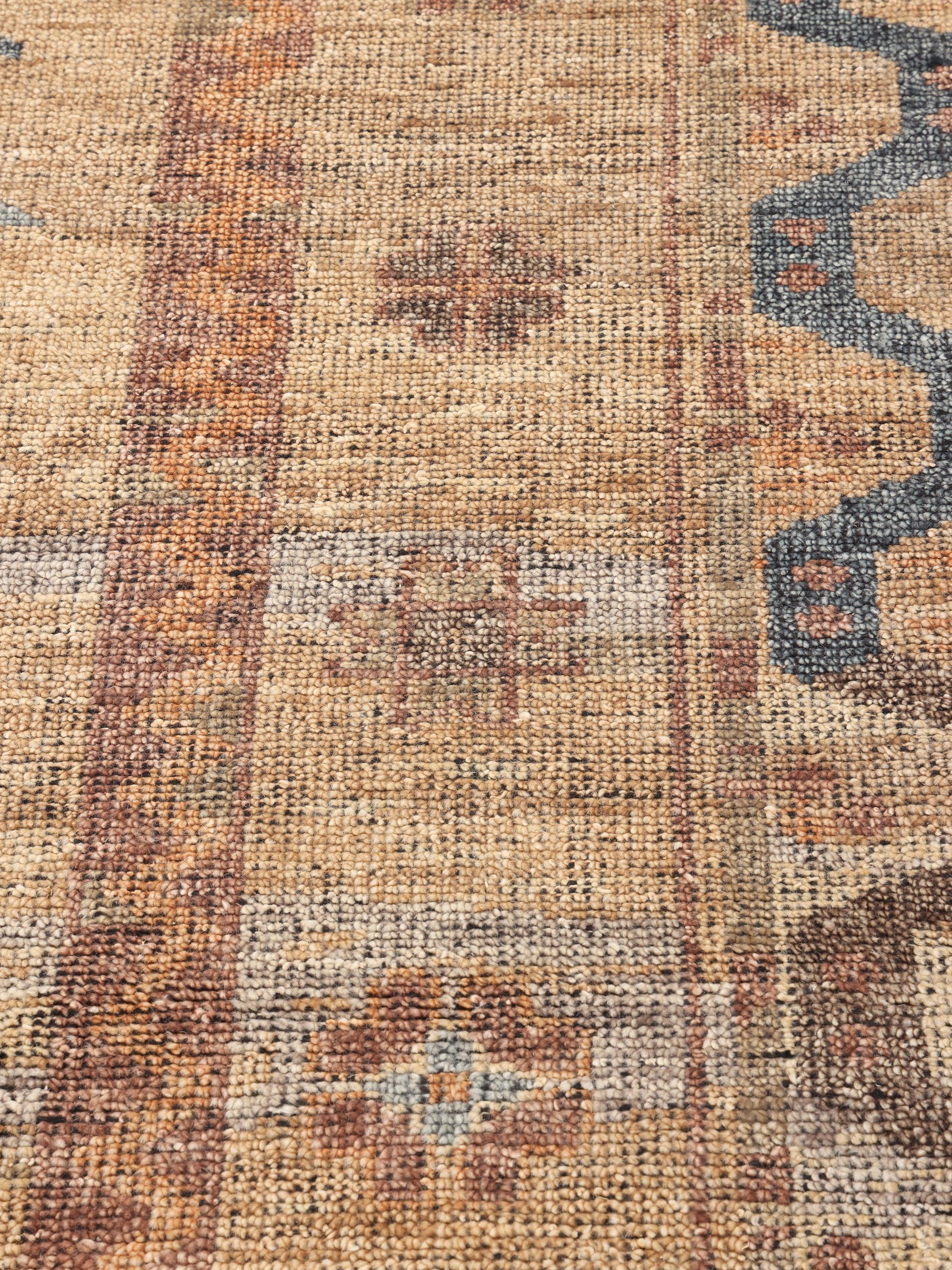
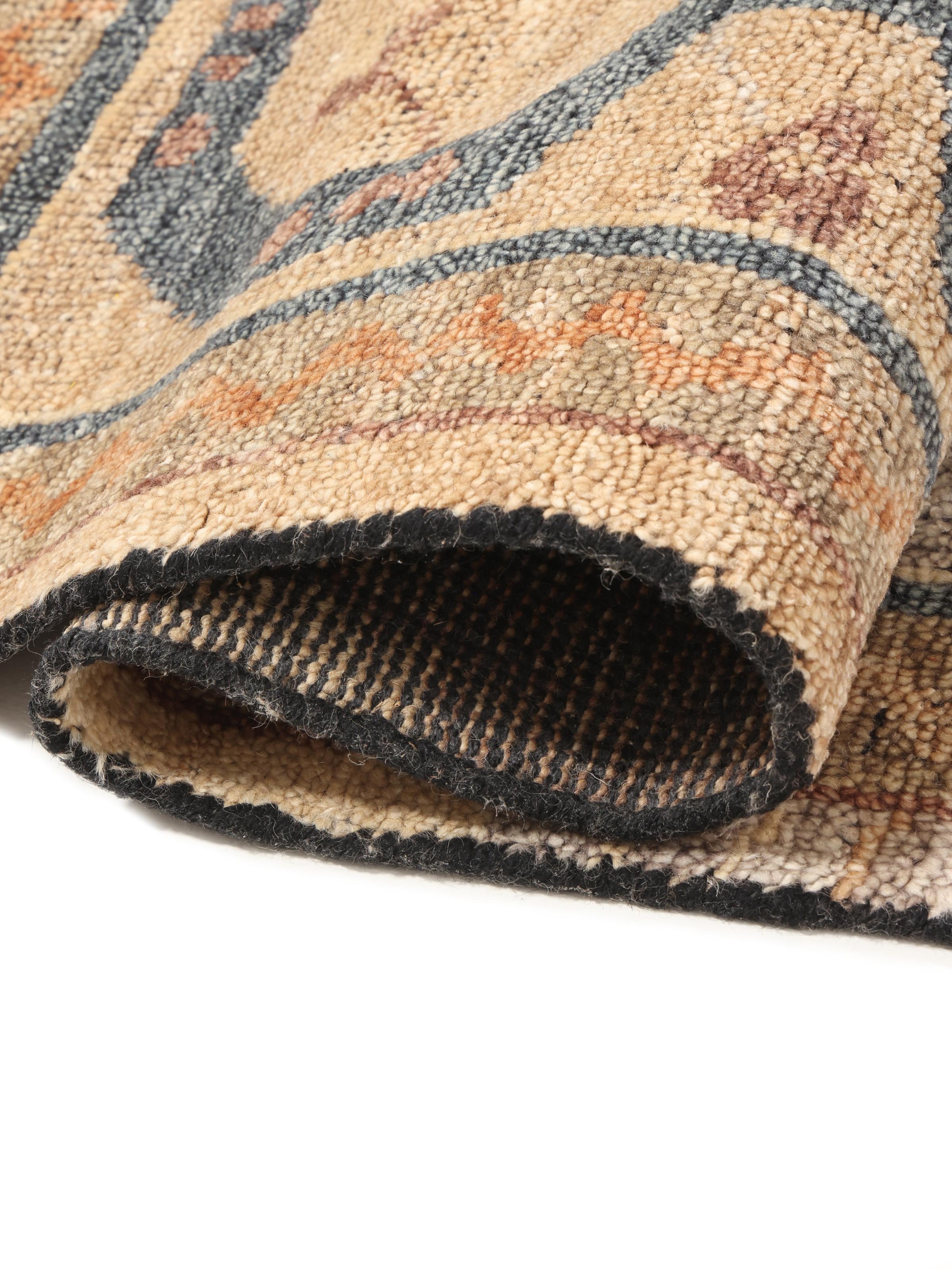
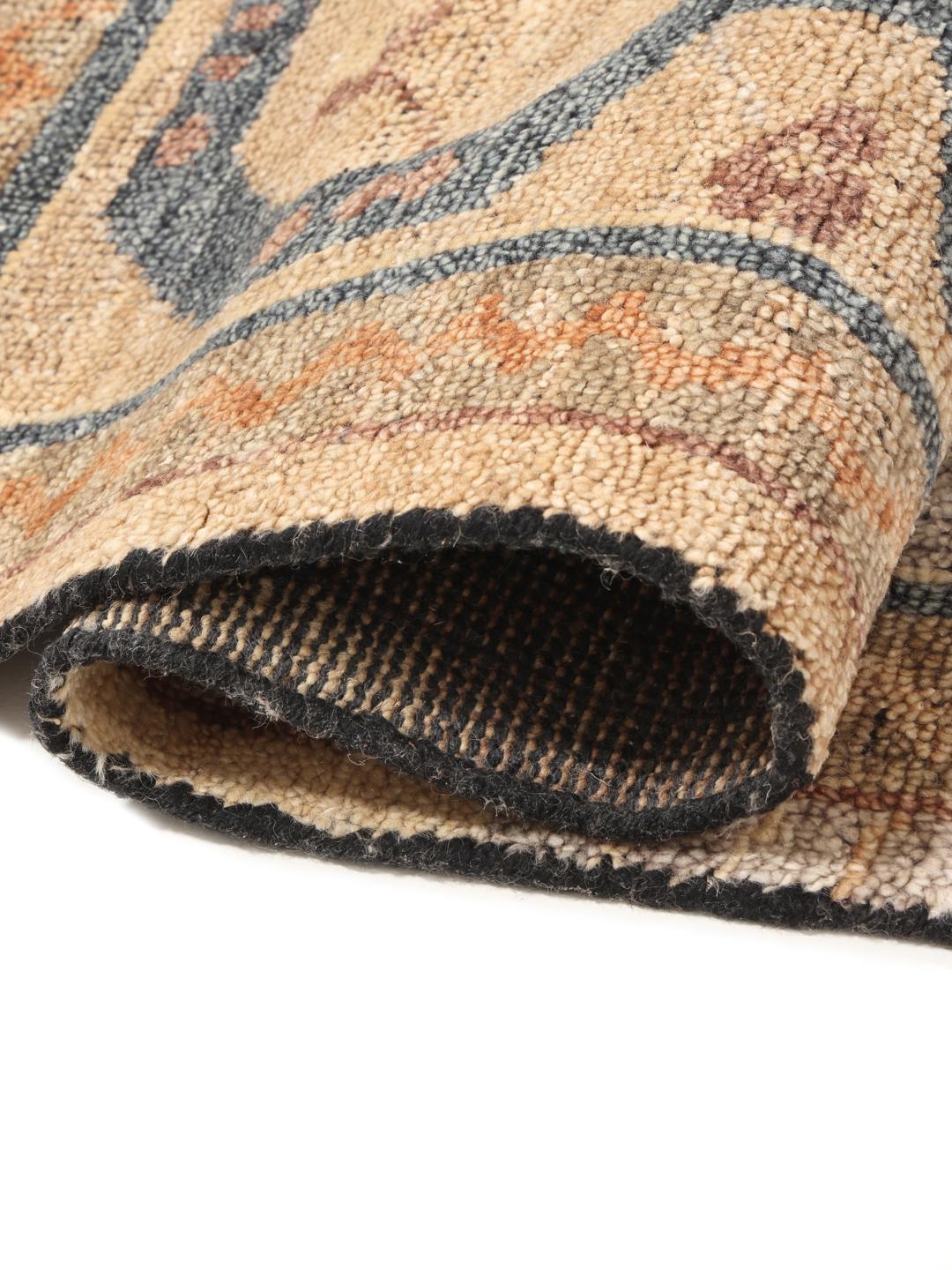
Today, the spirit of Usak design is beautifully preserved by skilled weavers in India. These artisans adapt the classic, expansive patterns to suit contemporary homes, often utilising softer, more muted colour palettes that emphasise the natural texture of the wool. This evolution ensures that the traditional aesthetic remains relevant and accessible to modern collectors.
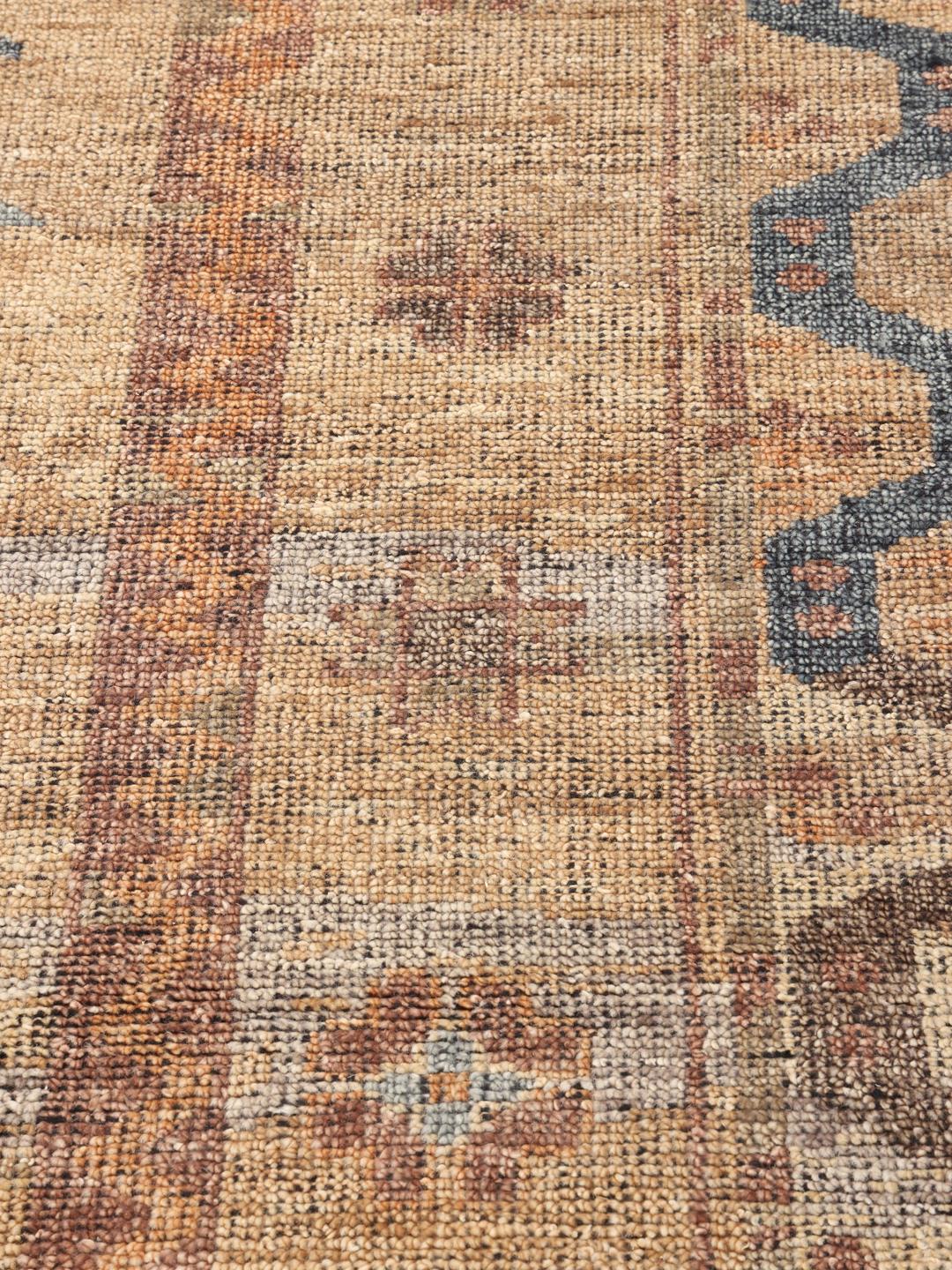
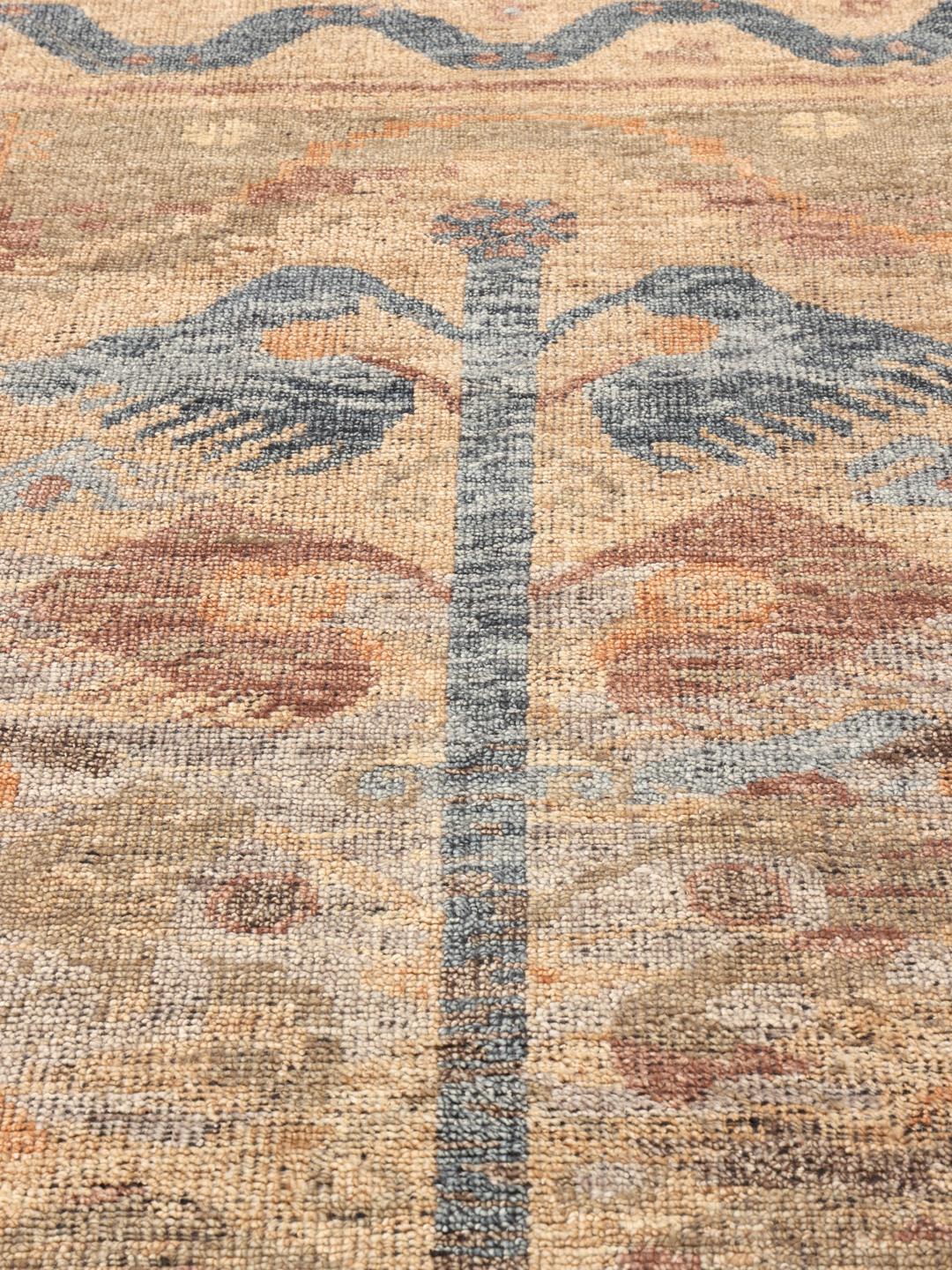
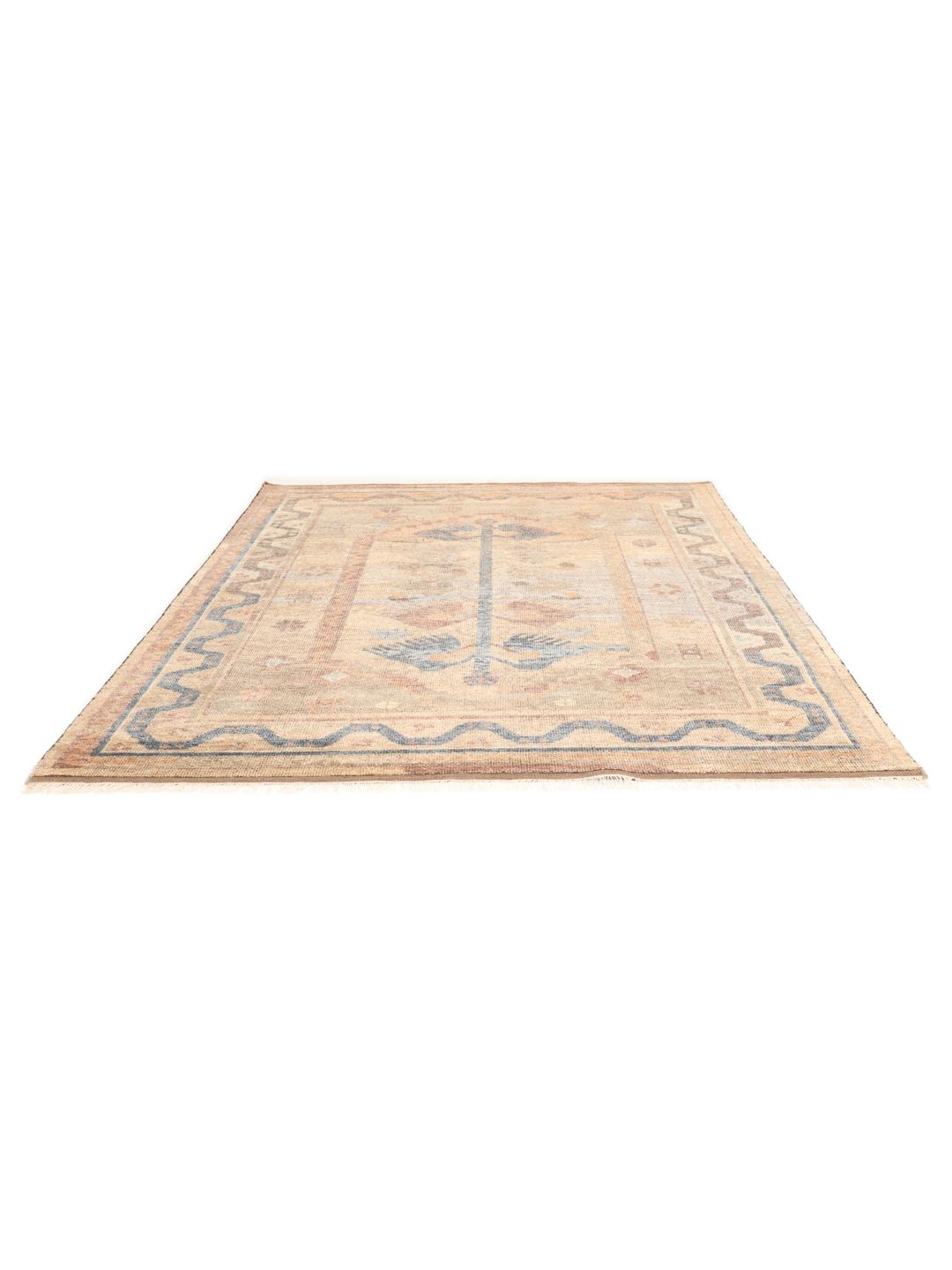
The visual language of an Usak rug is defined by its characteristic large-scale floral motifs, often arranged in an open, airy composition. Unlike more densely packed rug styles, the Usak design relies on space and balance, with elegant, flowing vines and palmettes that create a sense of harmony. The borders are typically wide and feature intricate, repetitive geometric or floral elements that frame the central field perfectly.
For collectors, an Usak rug is highly valued for its combination of historical significance and decorative versatility. Owning one means connecting with a long lineage of weaving expertise. These rugs are cherished not just for their beauty, but for the skill required to translate complex, traditional designs into a finished piece that feels both authentic and deeply personal.