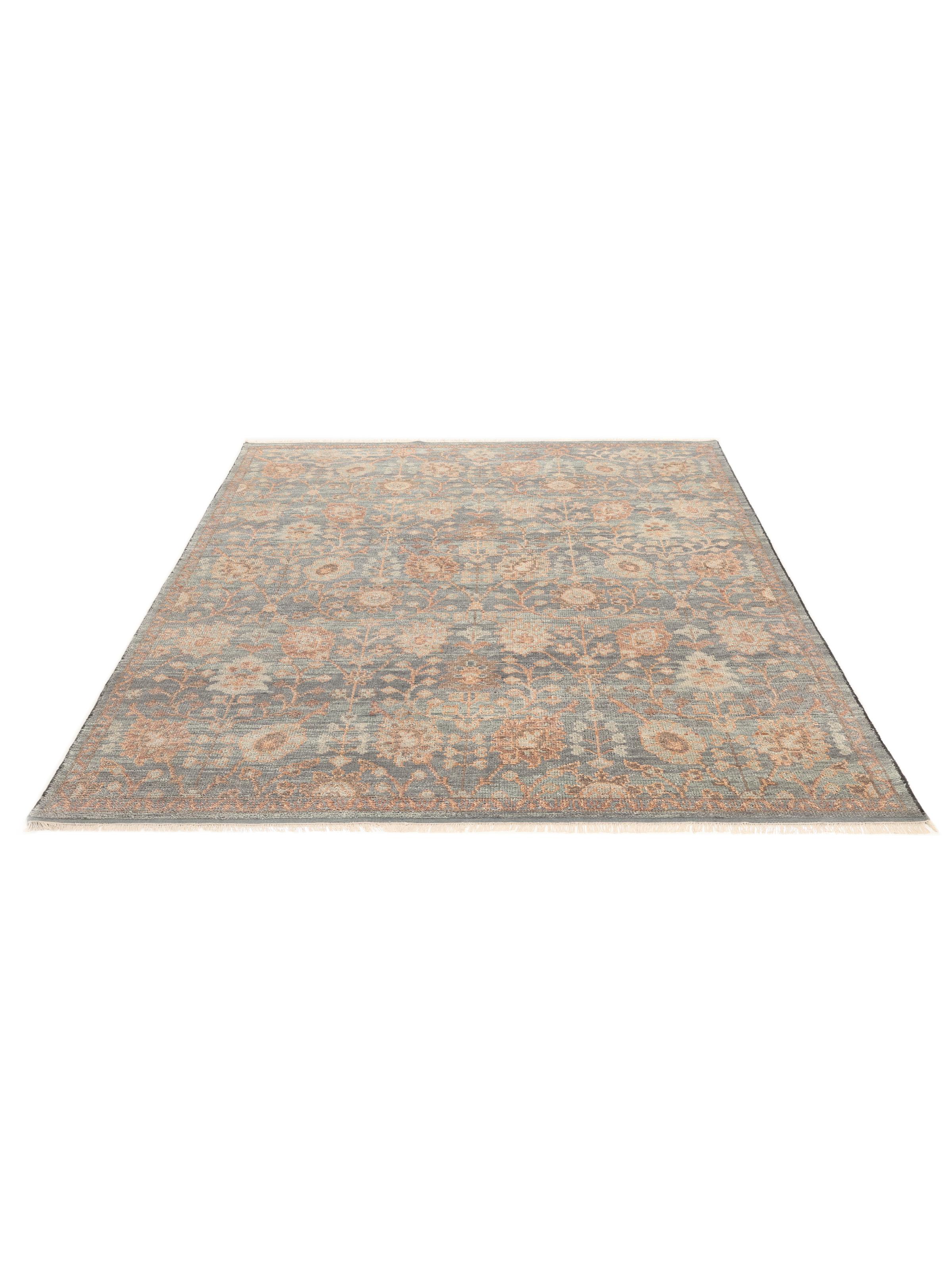
Usak rugs originate from the historic city of Usak in western Turkey, a region renowned for its long-standing tradition of weaving large, grand carpets. Historically, these rugs were highly sought after by European nobility and feature prominently in Renaissance-era paintings, often referred to as Holbein or Lotto carpets due to the artists who depicted them.
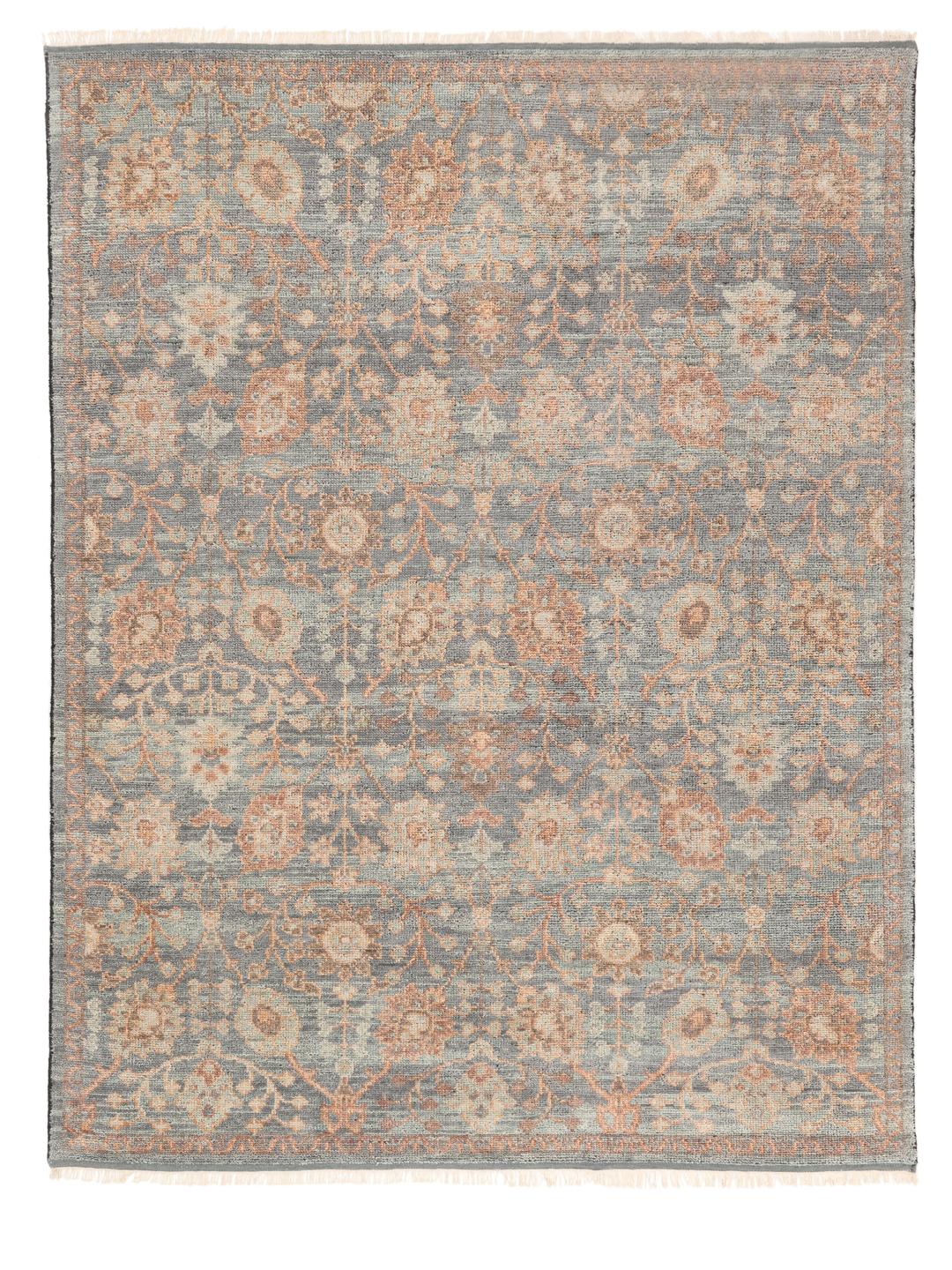
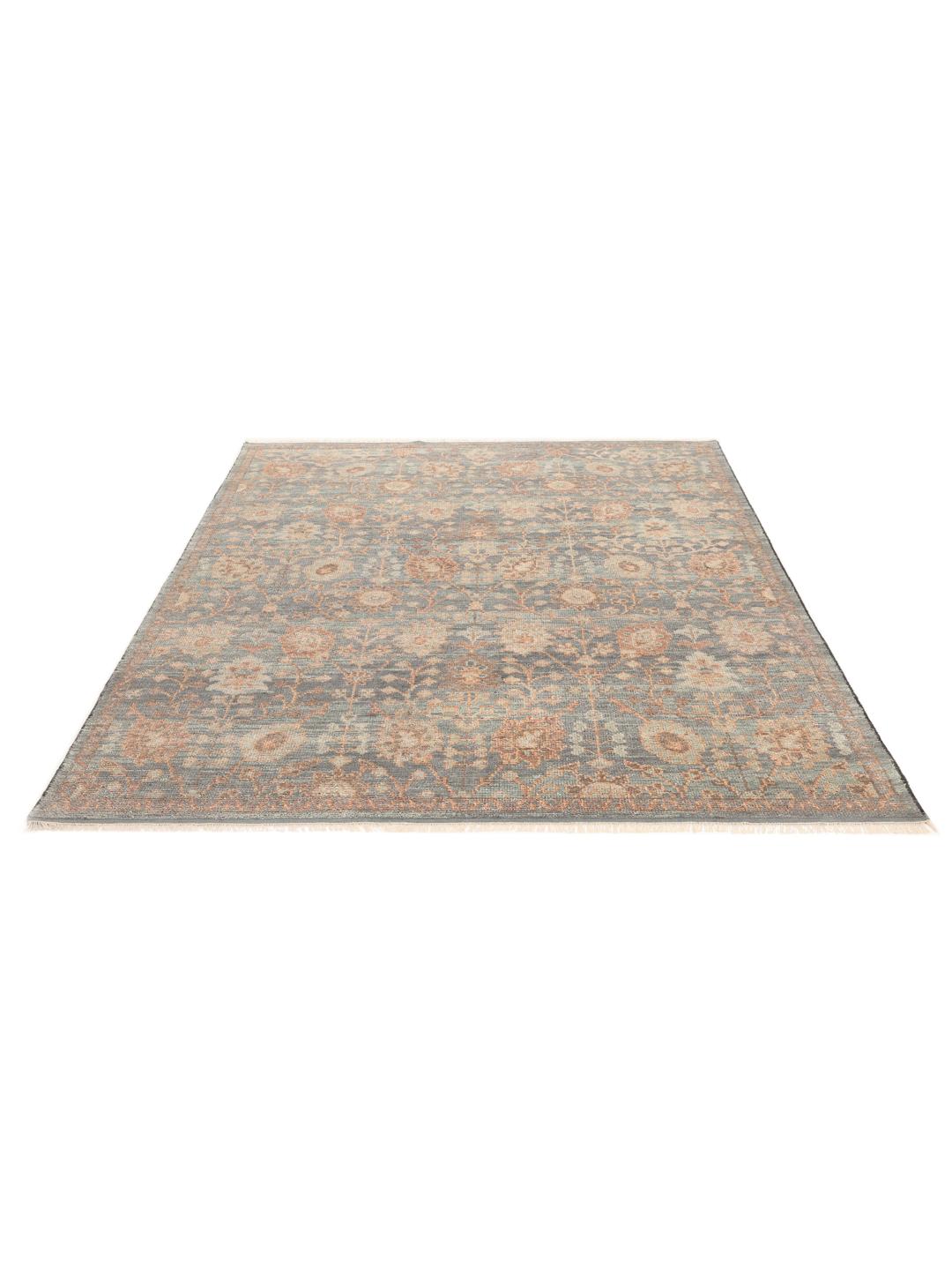
The evolution of the Usak tradition saw a migration of techniques and designs as weavers brought their expertise to other regions, including India. In this context, the Usak style has been refined to include a wider palette of soft, muted tones while maintaining the characteristic large-scale floral patterns and open, airy fields that define the tradition.
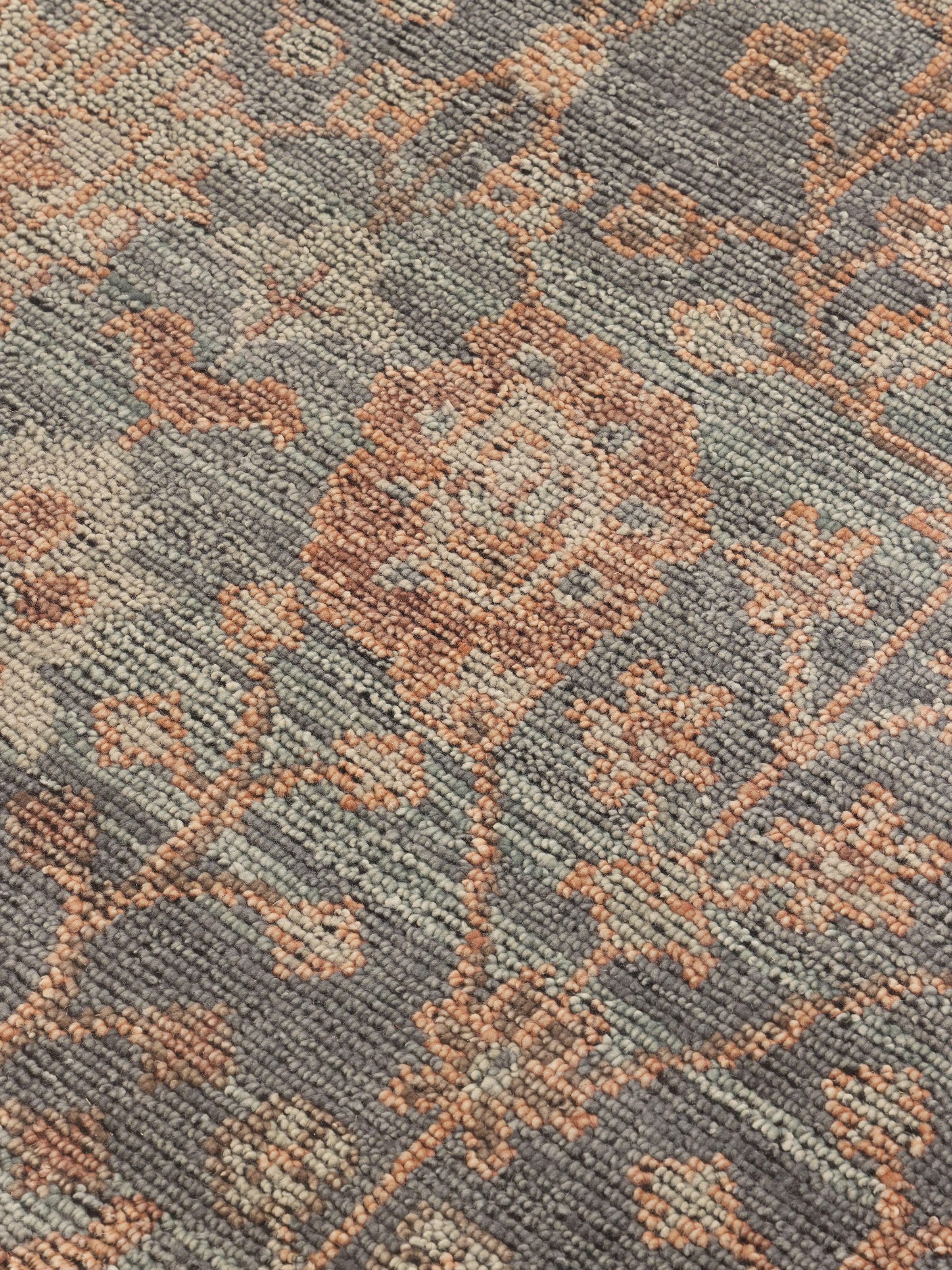
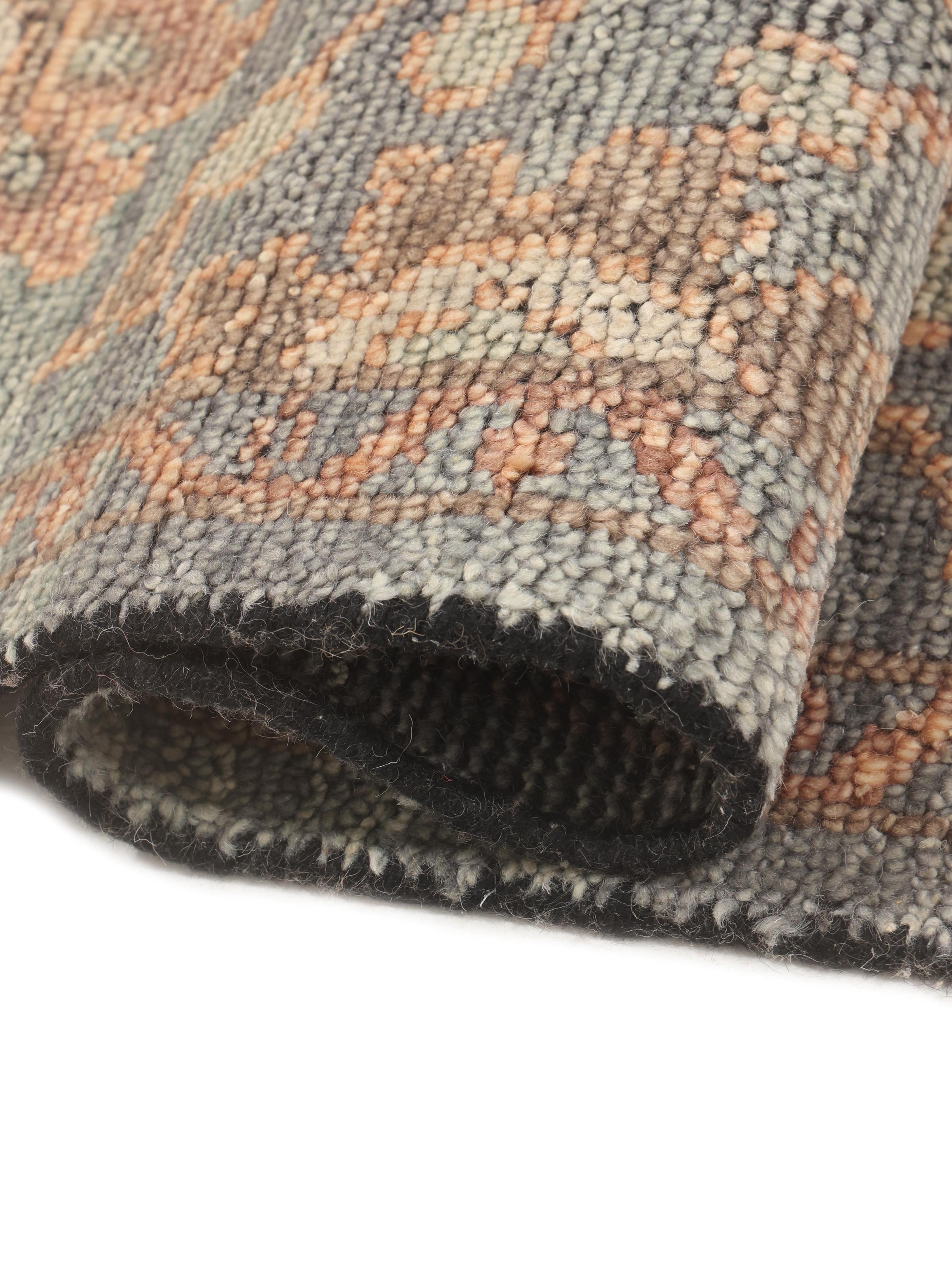
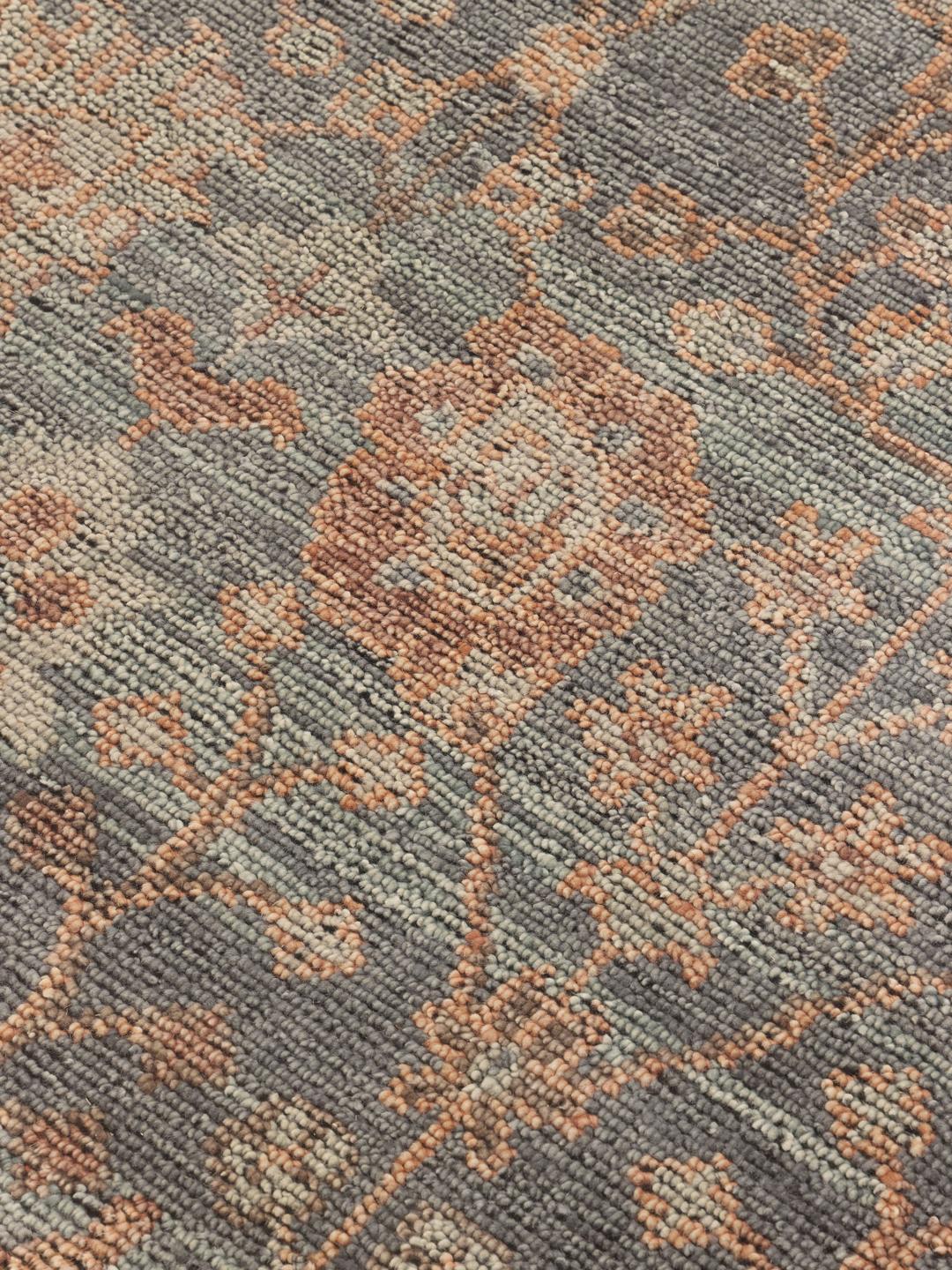
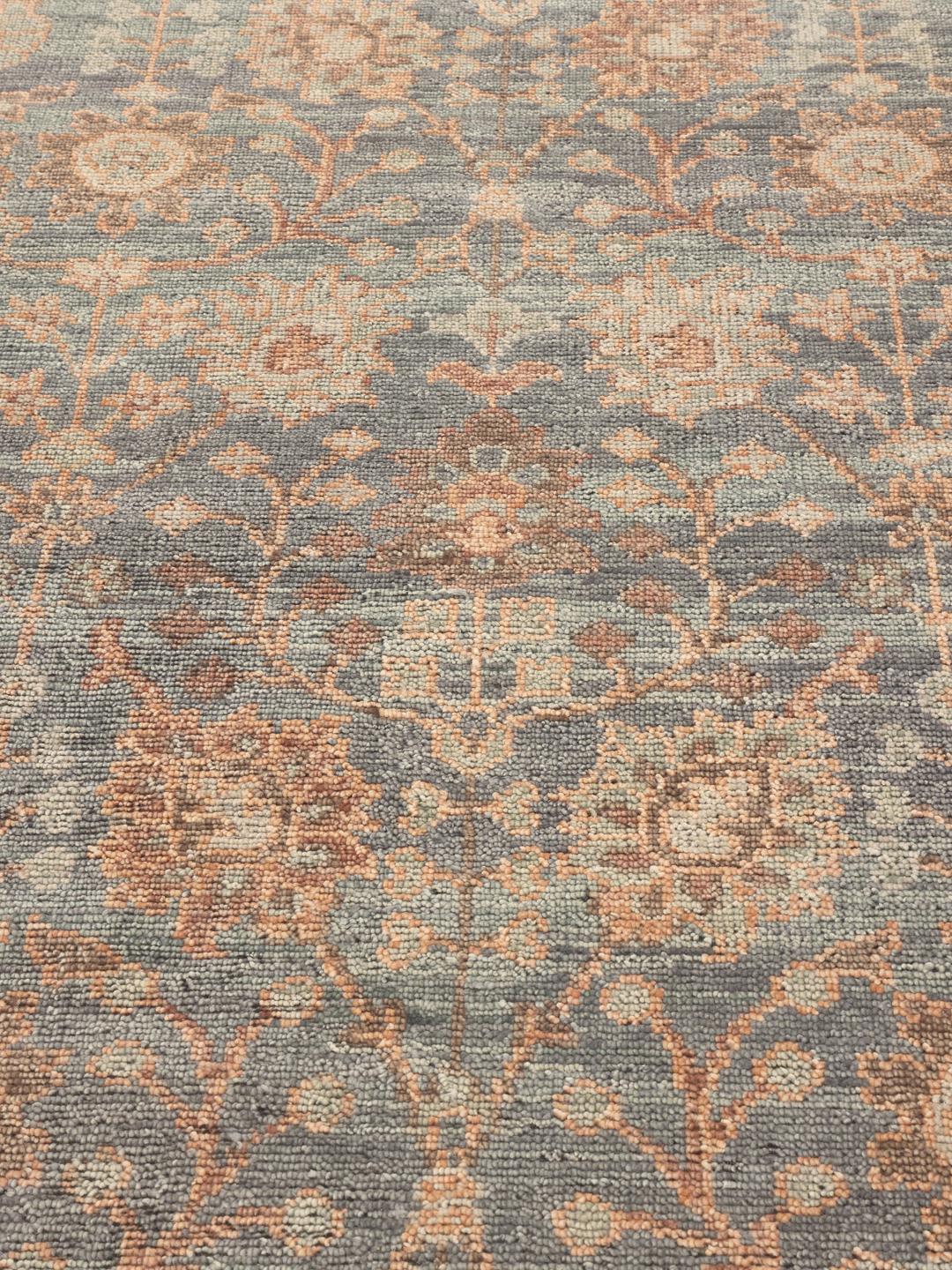
The signature design elements of a Usak rug typically include stylized floral medallions or sprawling vine-work that feels organic rather than rigid. While classical styles often used bold reds and blues, modern interpretations frequently embrace more subtle, earthy tones, making them exceptionally versatile for contemporary homes that value a soft, historical aesthetic.
Owning a piece from this tradition is a way to connect with centuries of weaving heritage. These rugs are valued not just for their beauty, but for the skill required to translate complex, traditional motifs into a finished floor covering. They represent a bridge between the artistic traditions of the past and the functional needs of a modern home.