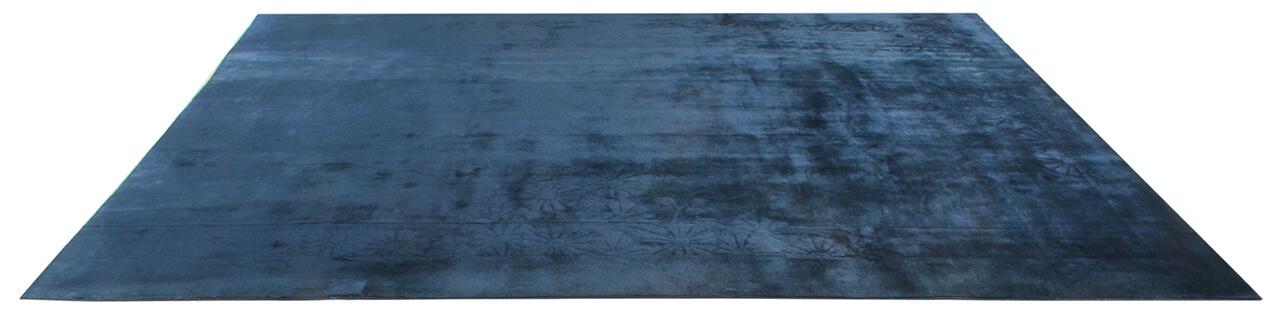
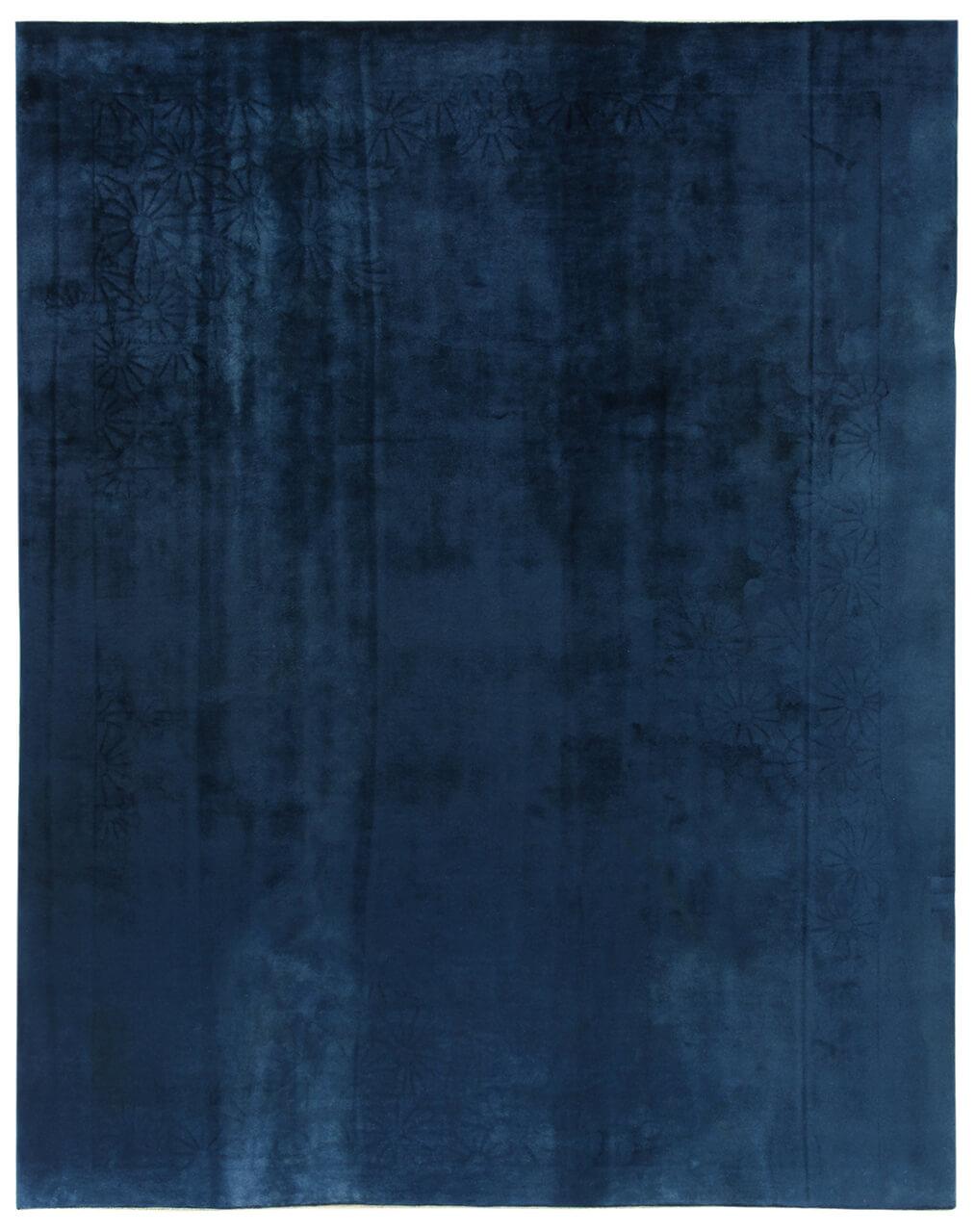
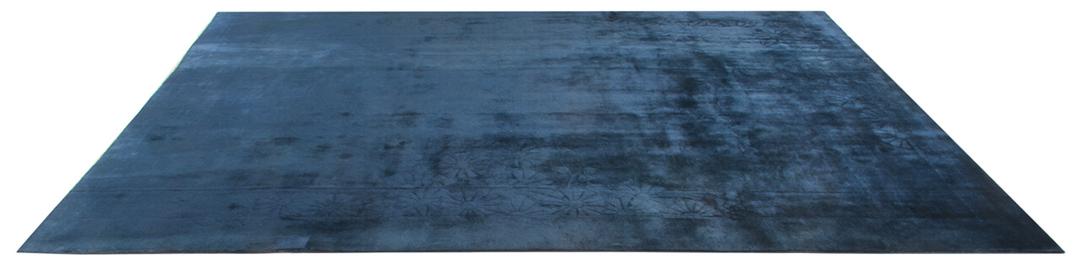
The Nichols rug tradition represents a fascinating chapter in the evolution of Chinese textile arts during the early 20th century. Named after Walter Nichols, an American who established production in Tientsin, these rugs successfully merged traditional Chinese motifs with the bold, clean lines of the Western Art Deco movement, creating a style that was instantly recognisable and highly coveted.
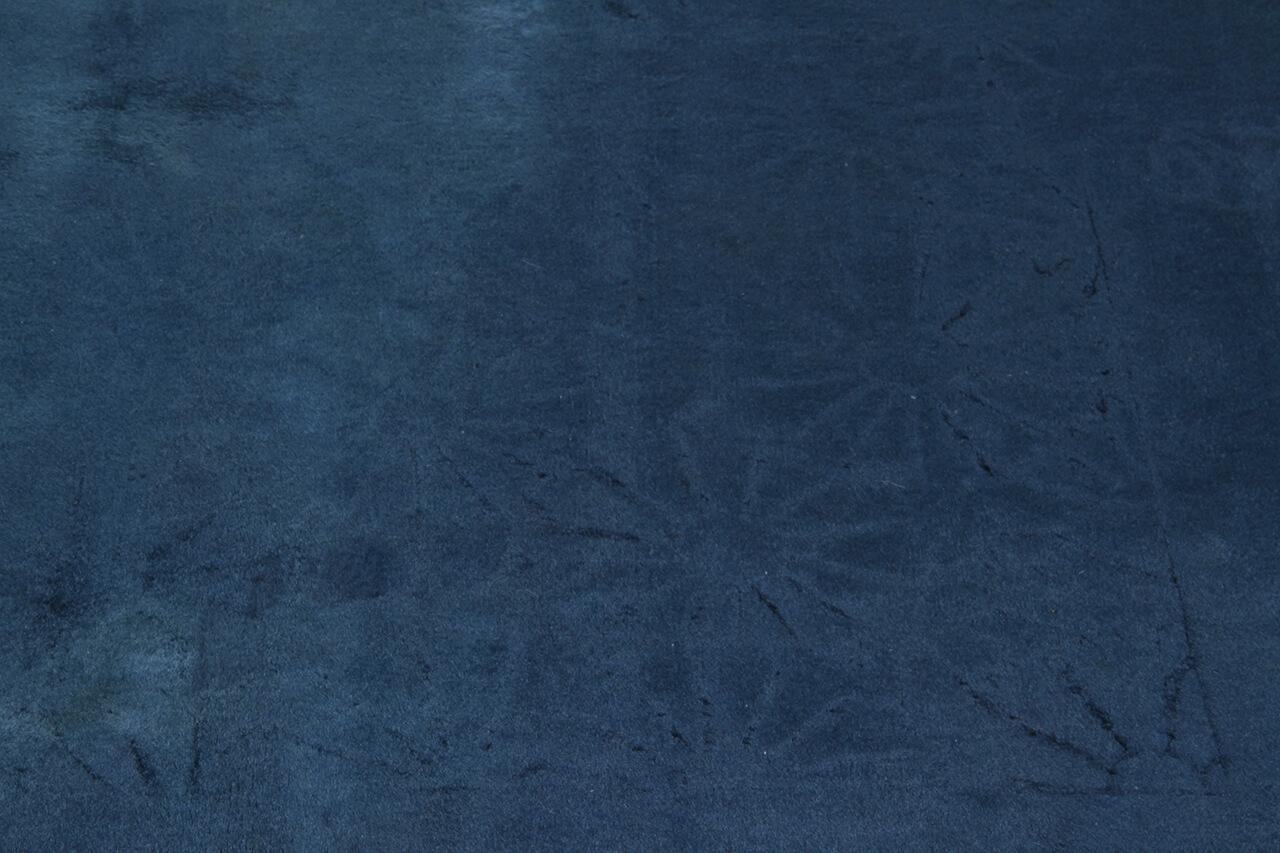
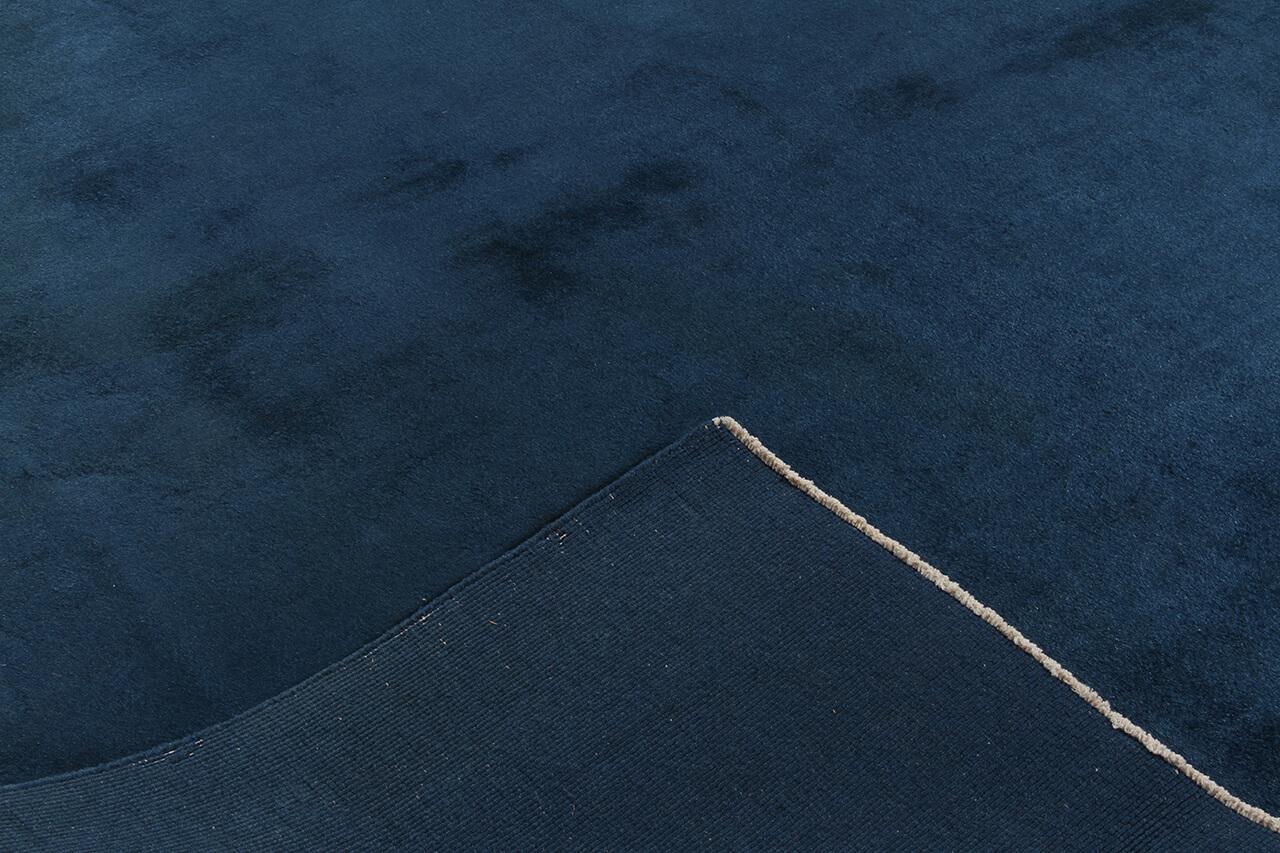
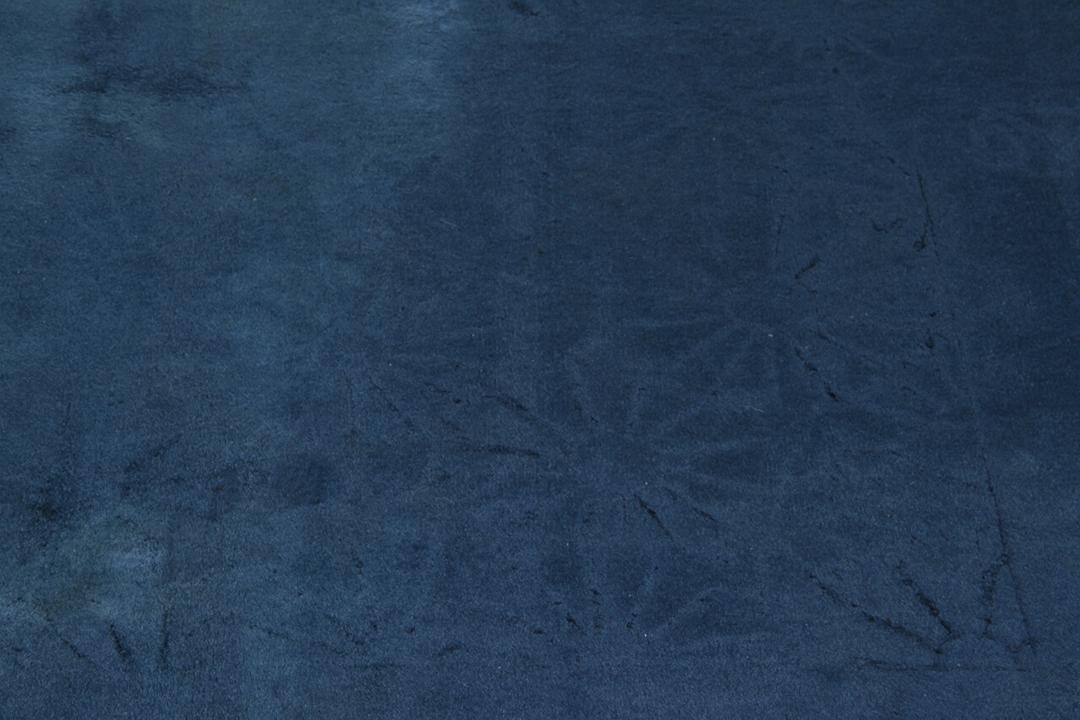
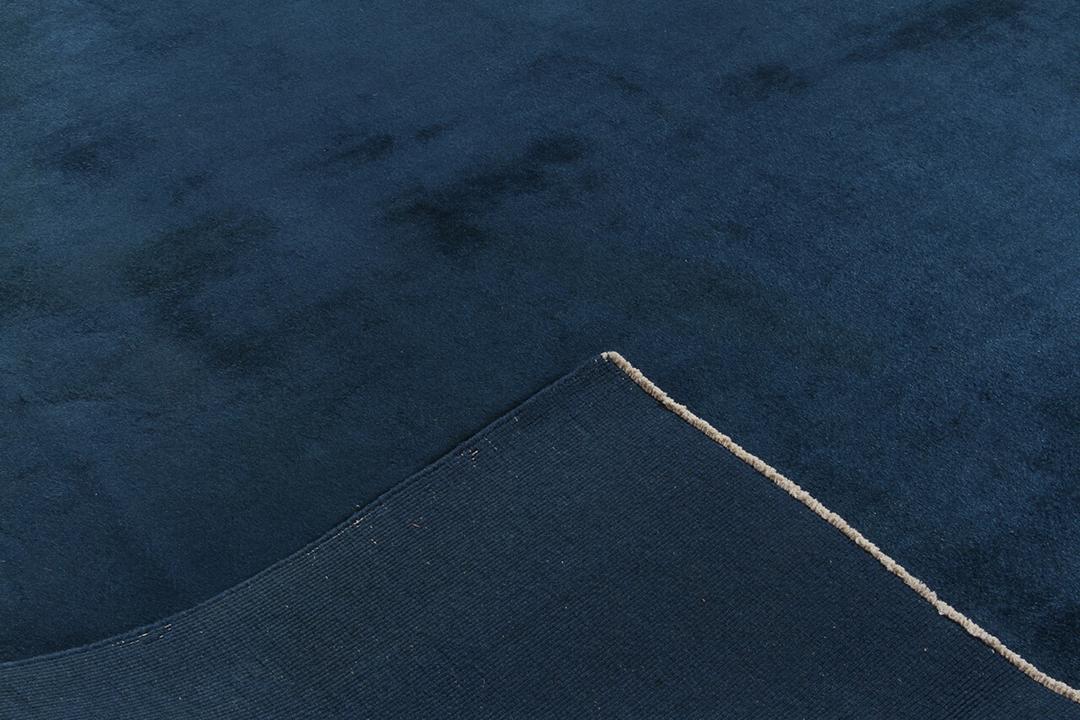
These rugs are celebrated for their distinctive use of pile height and sculptural carving, which gives the patterns a three-dimensional appearance. The construction involves a specialised approach to knotting that allows for a dense, plush surface. This technique was vital for achieving the sharp, graphic designs that defined the Art Deco period, ensuring the patterns remained clear and vibrant.
Visually, Nichols rugs are known for their sophisticated colour palettes and stylised naturalistic designs. While many incorporate familiar Chinese symbols like flowers, clouds, and pagodas, they are rendered with a modern, simplified aesthetic. The deep, saturated colours often found in these pieces were achieved using high-quality dyes, which have allowed them to retain their depth and character over many decades.
Today, Nichols rugs are highly sought after by collectors and enthusiasts who value the intersection of Eastern craftsmanship and Western design history. Owning an authentic antique piece is an investment in a specific cultural moment, representing a rare synthesis of skill and style that continues to influence contemporary interior design.