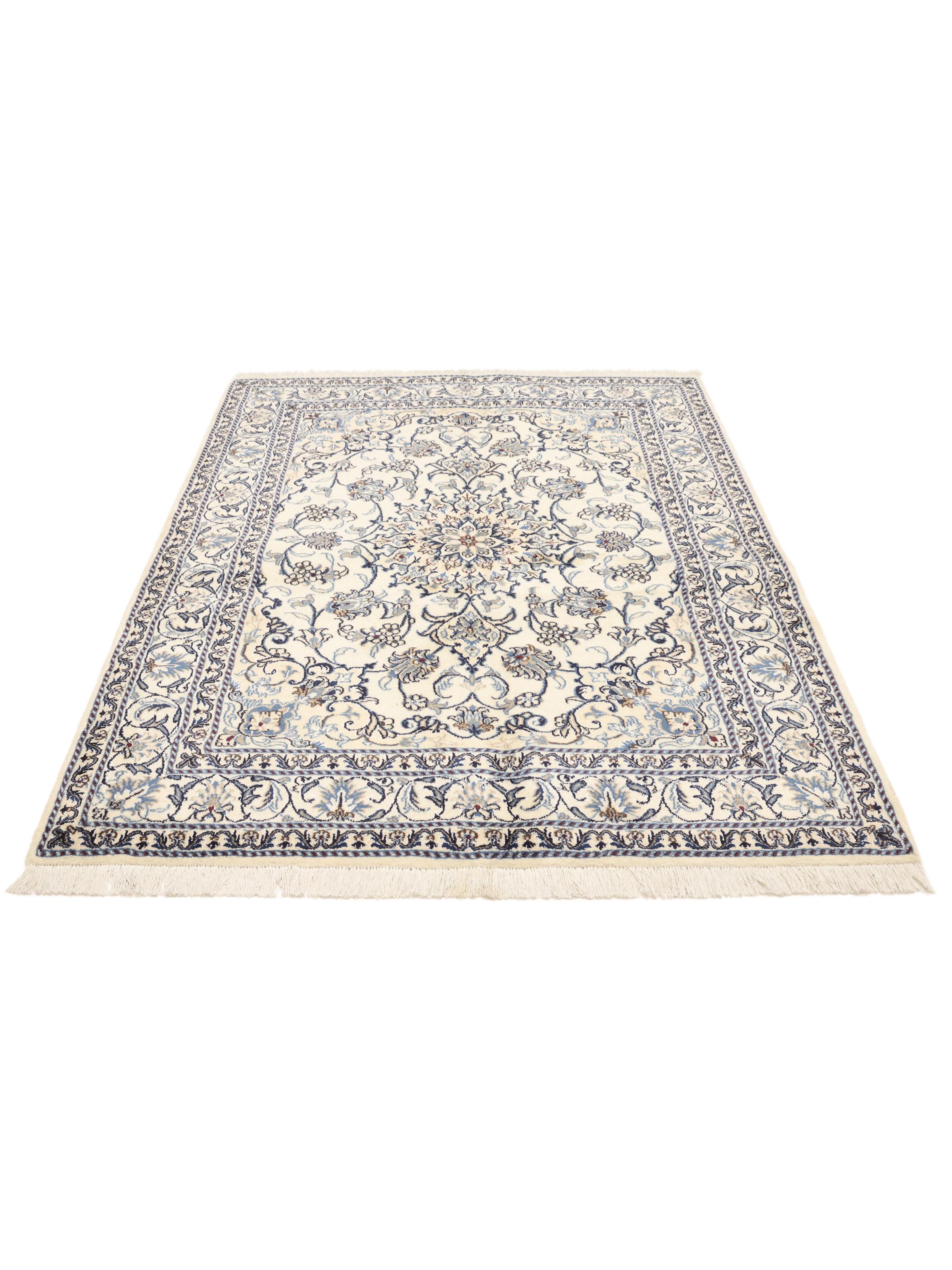
Nain rugs originate from the historic city of Nain in the Middle East, a region known for its long-standing tradition of weaving and textile excellence. Originally famous for producing high-quality religious robes, the weavers of Nain transitioned their expertise toward carpet making in the early 20th century. This shift brought a unique, refined aesthetic to the region's rug-making tradition, characterised by a lighter colour palette and incredibly fine detail.
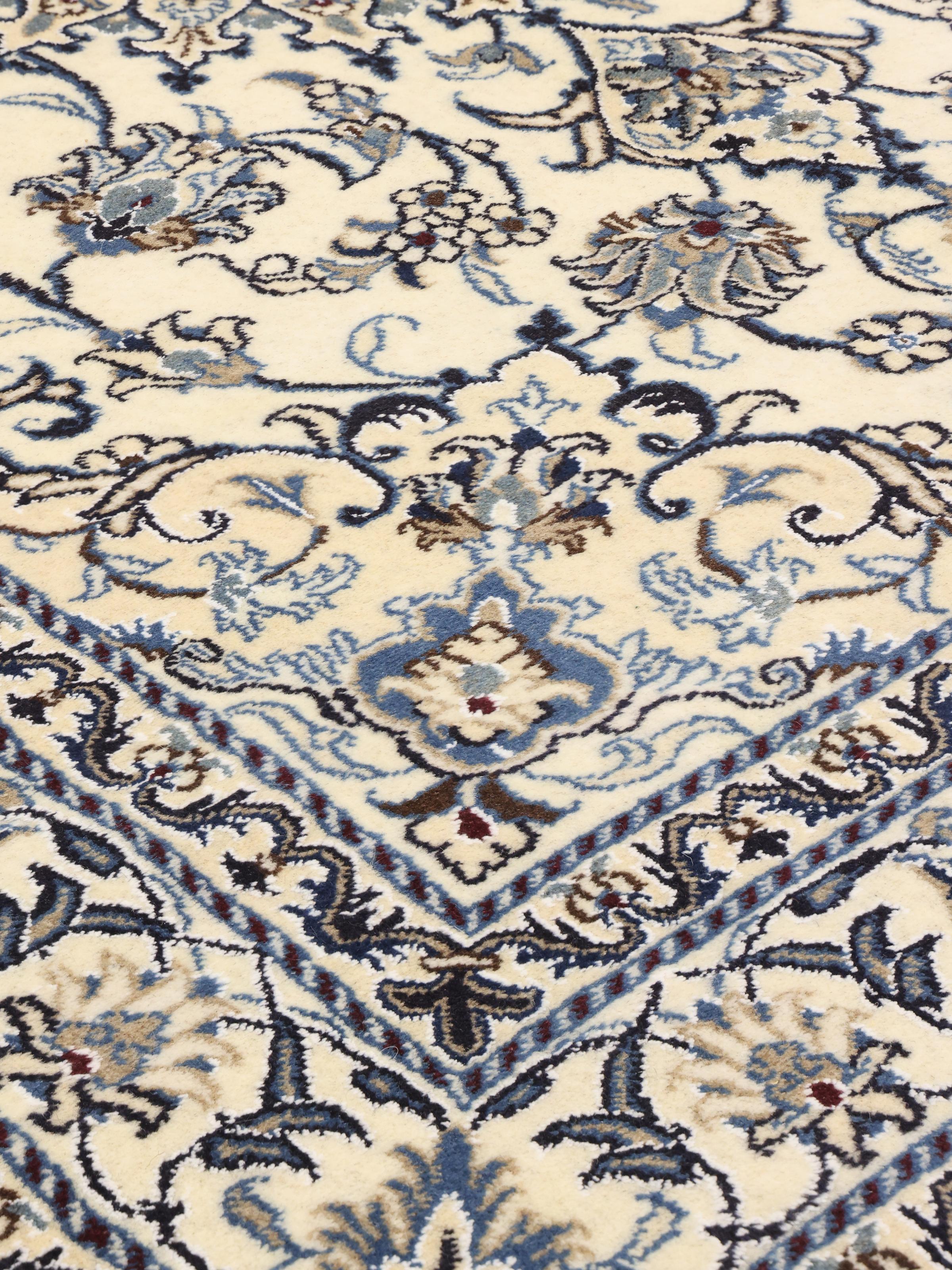
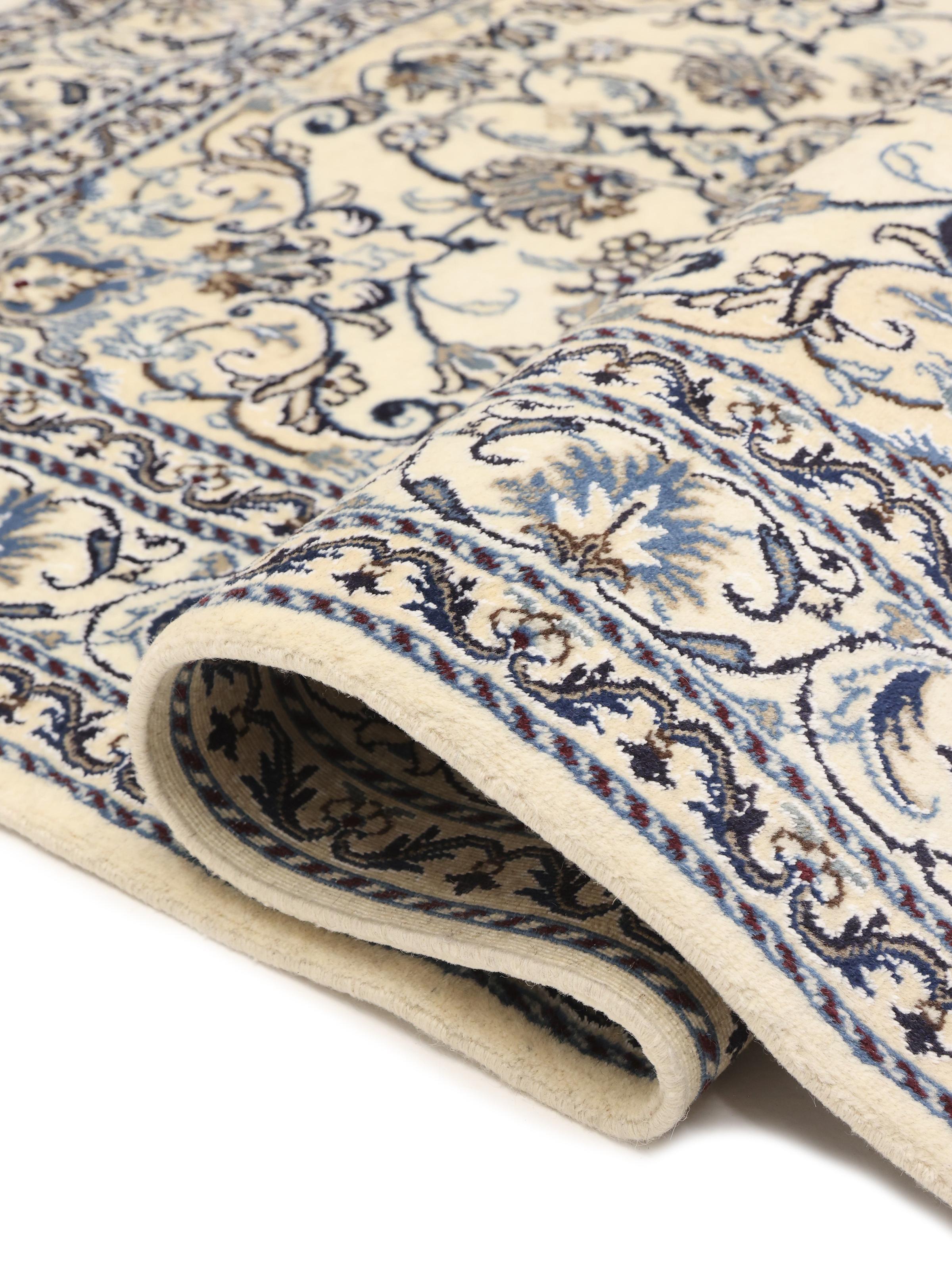
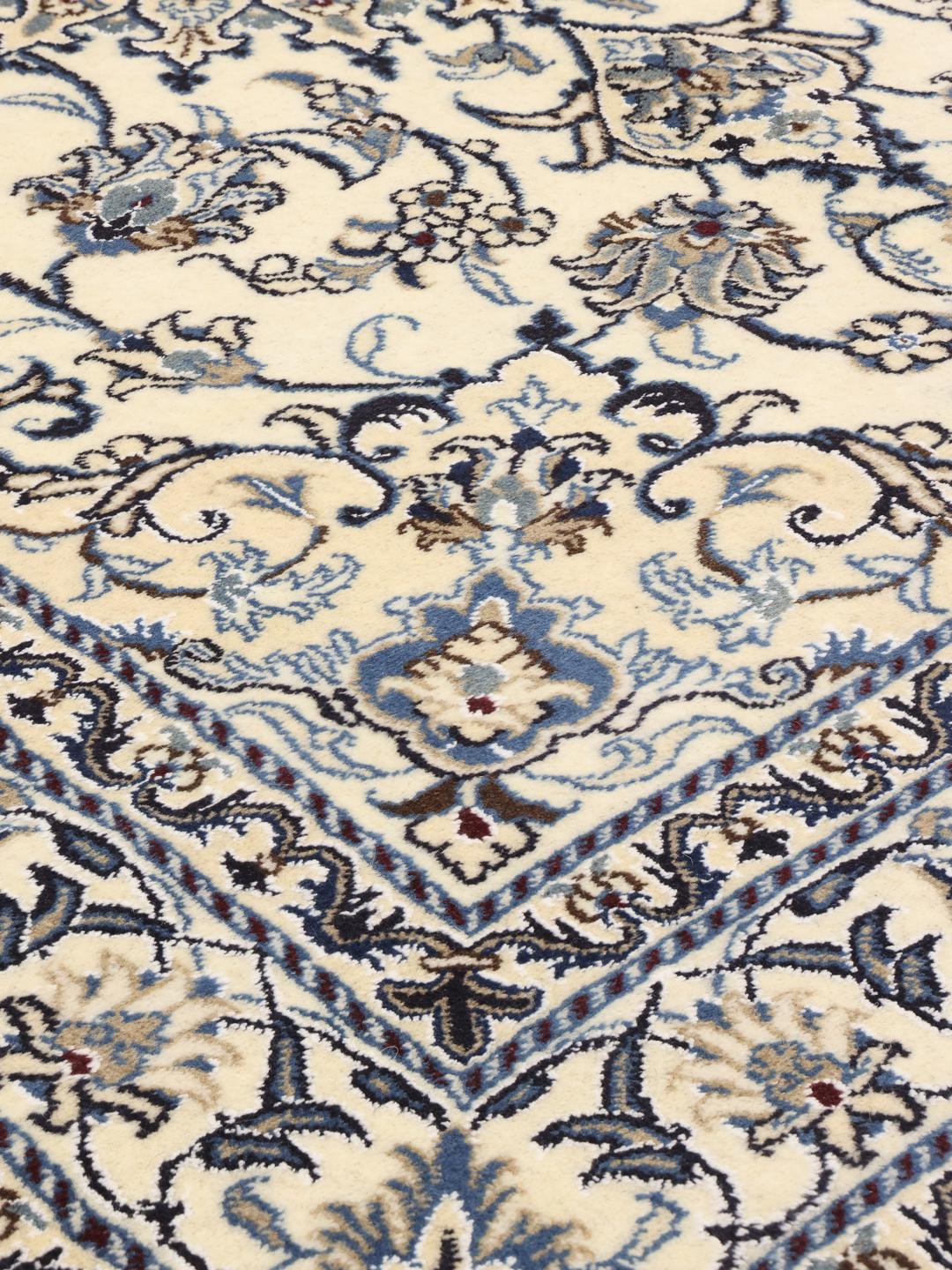
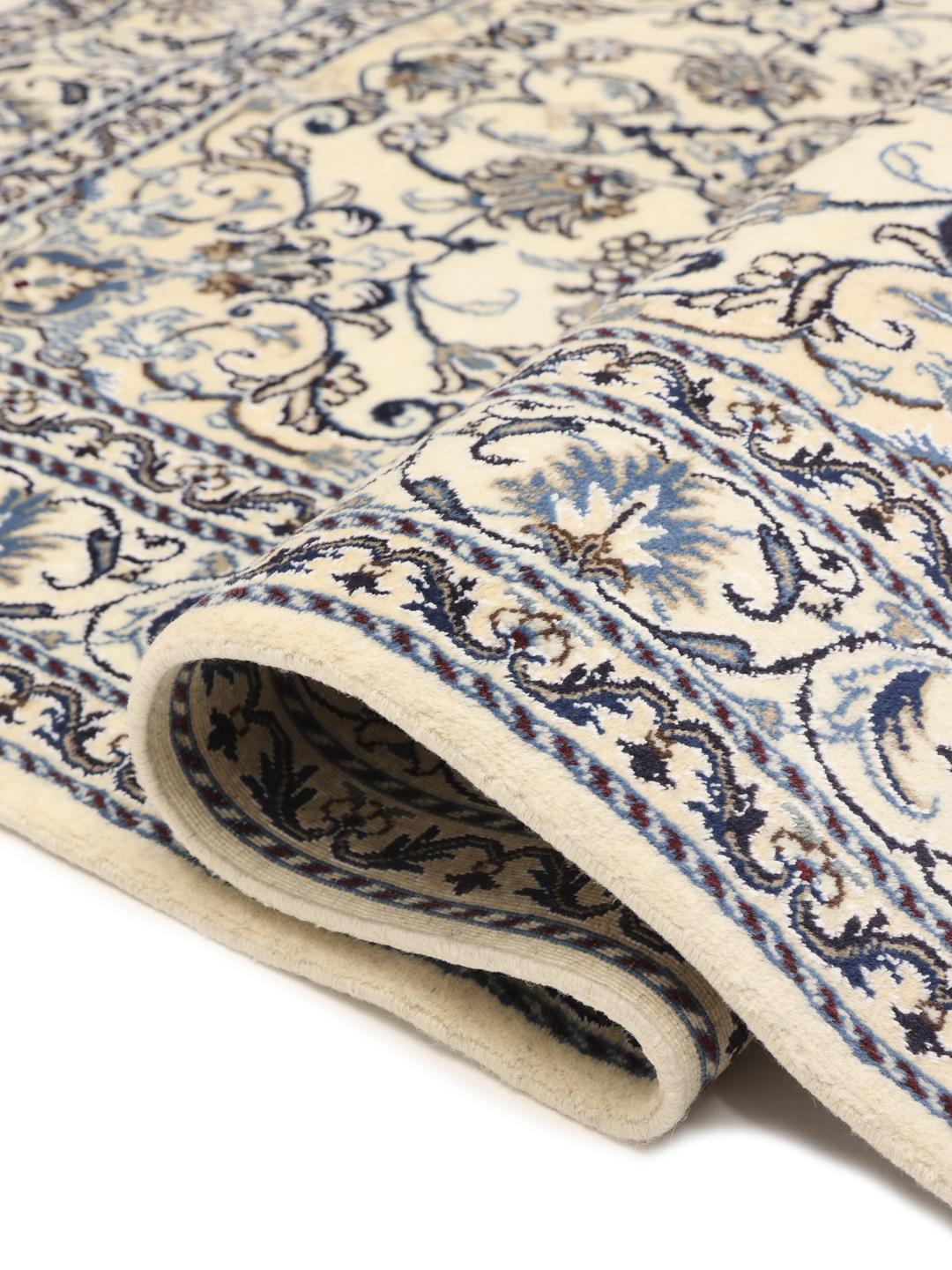
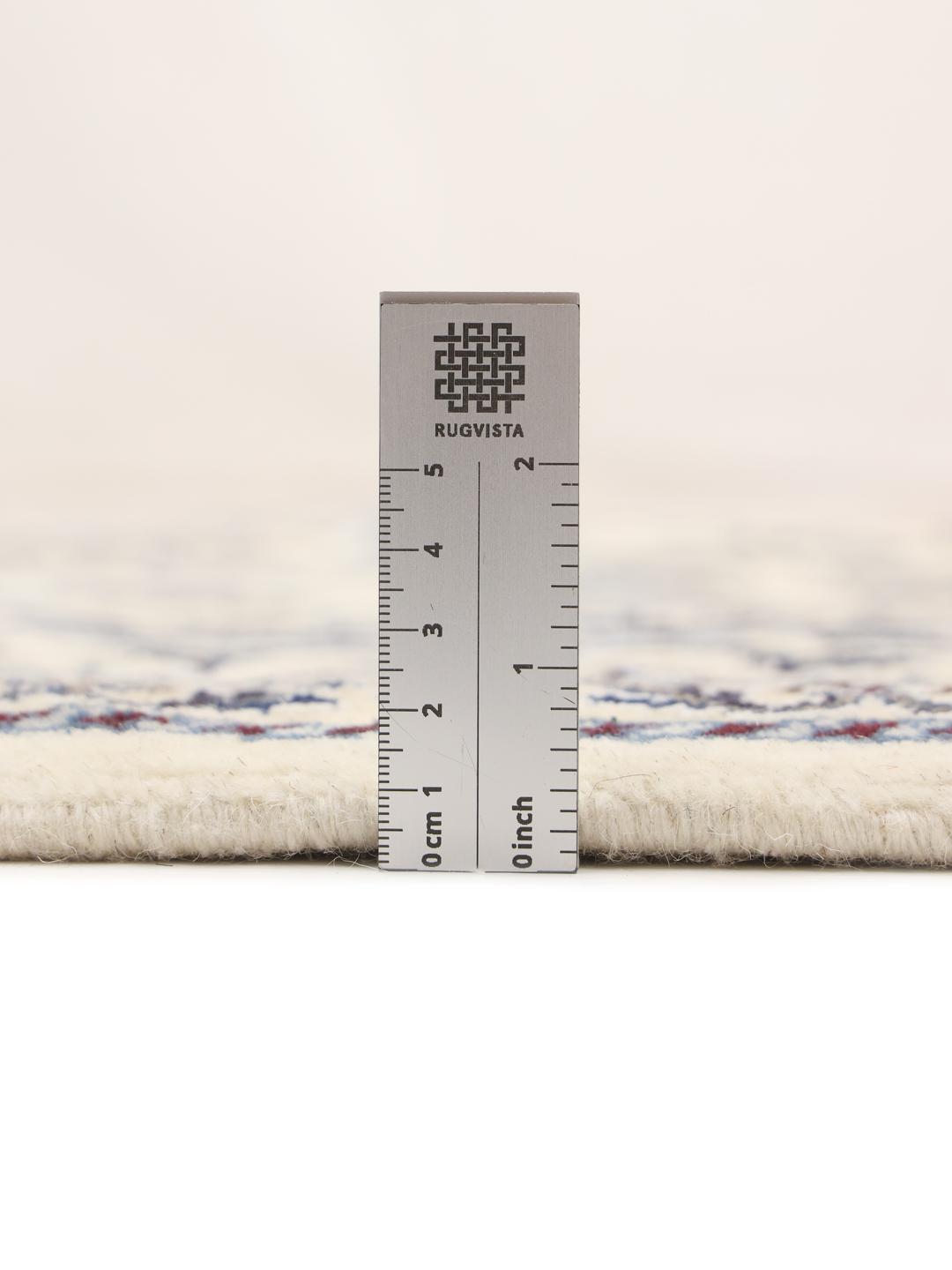
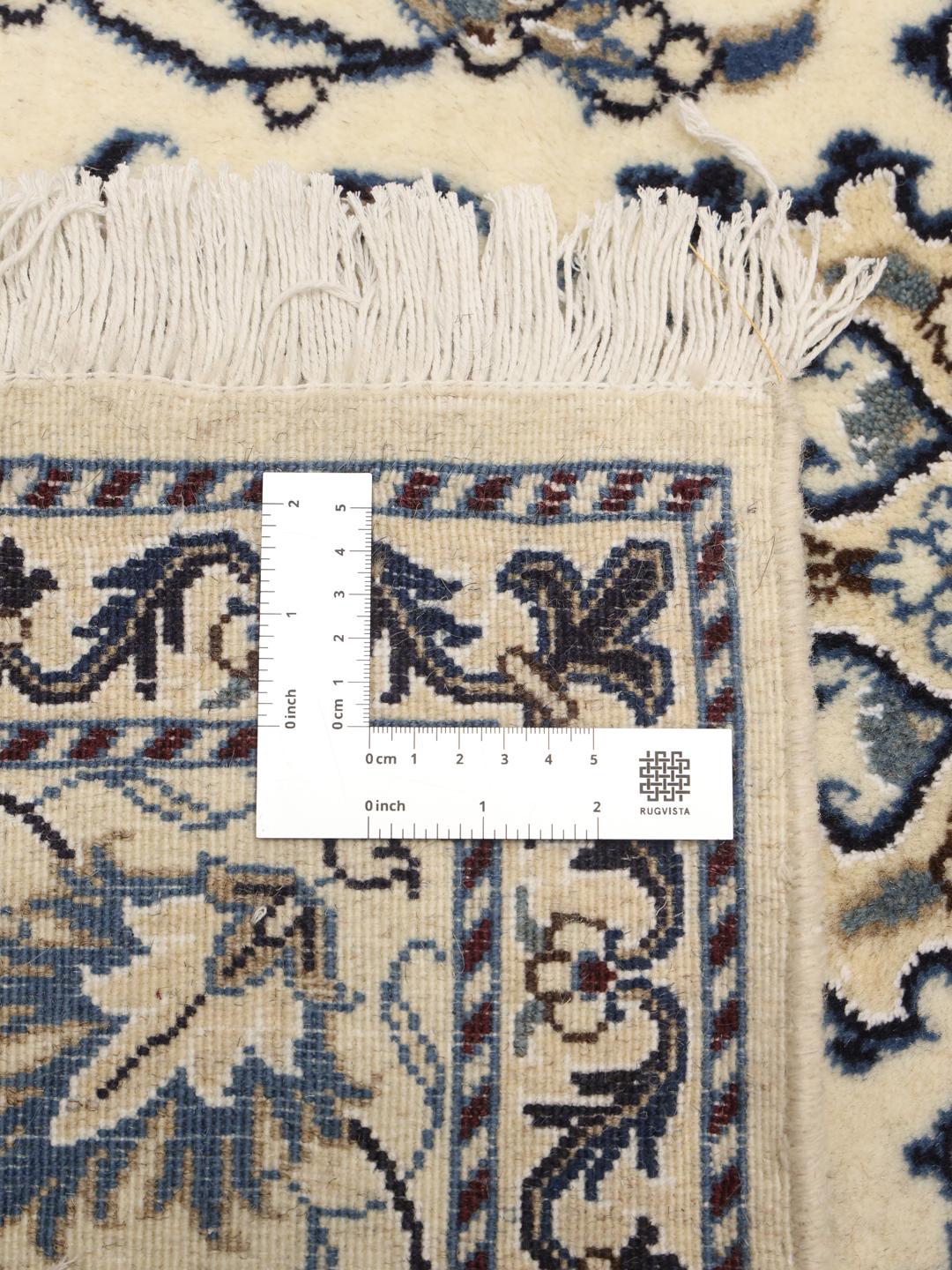
The quality of a Nain rug is often defined by the precision of its knotting and the quality of the materials used. These rugs are known for their dense, durable construction, which allows for complex, flowing designs that look like paintings on the floor. The use of fine wool creates a pile that is not only soft to the touch but also highly resilient, ensuring that the rug maintains its structural integrity and visual clarity for generations.
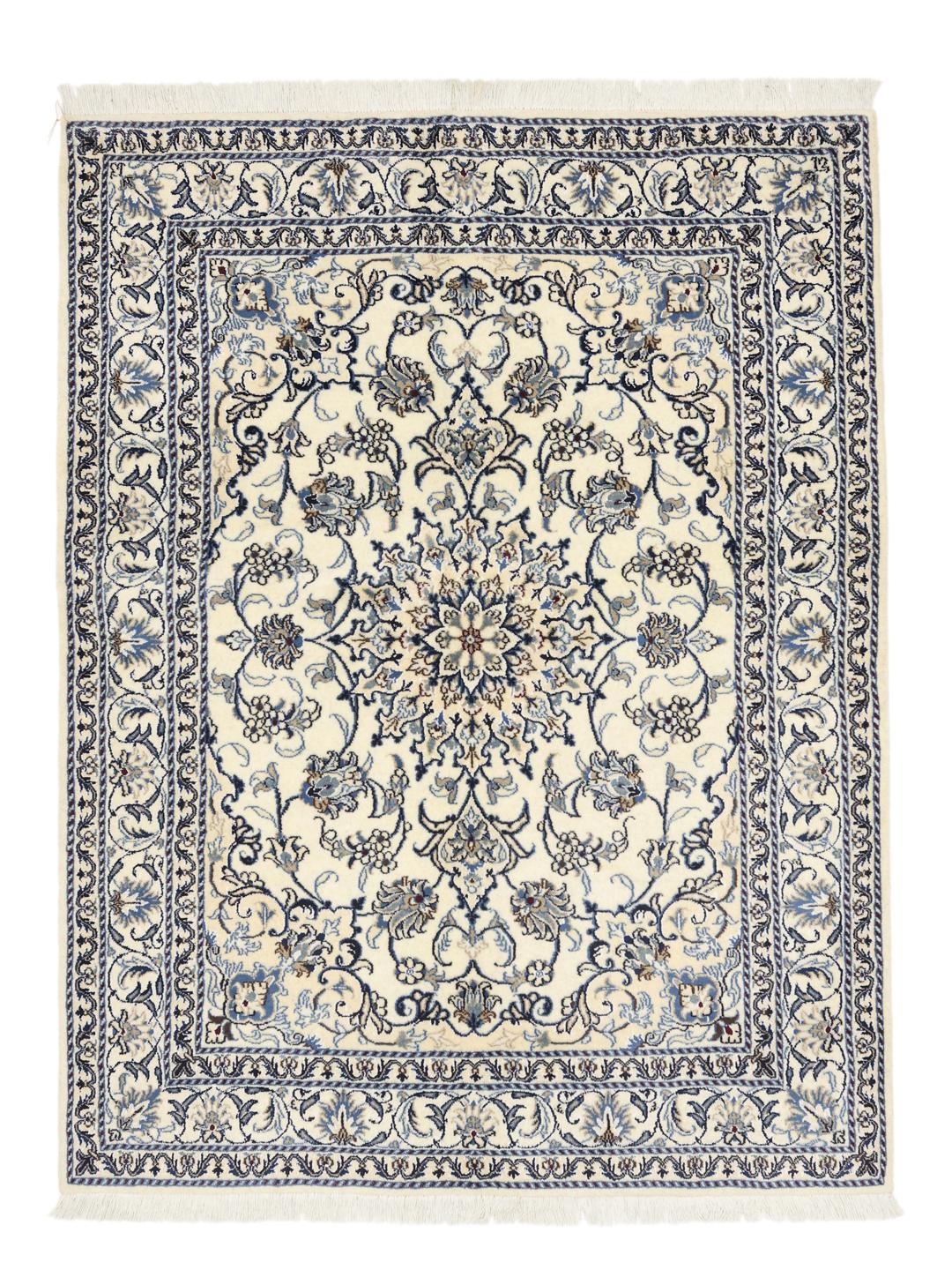
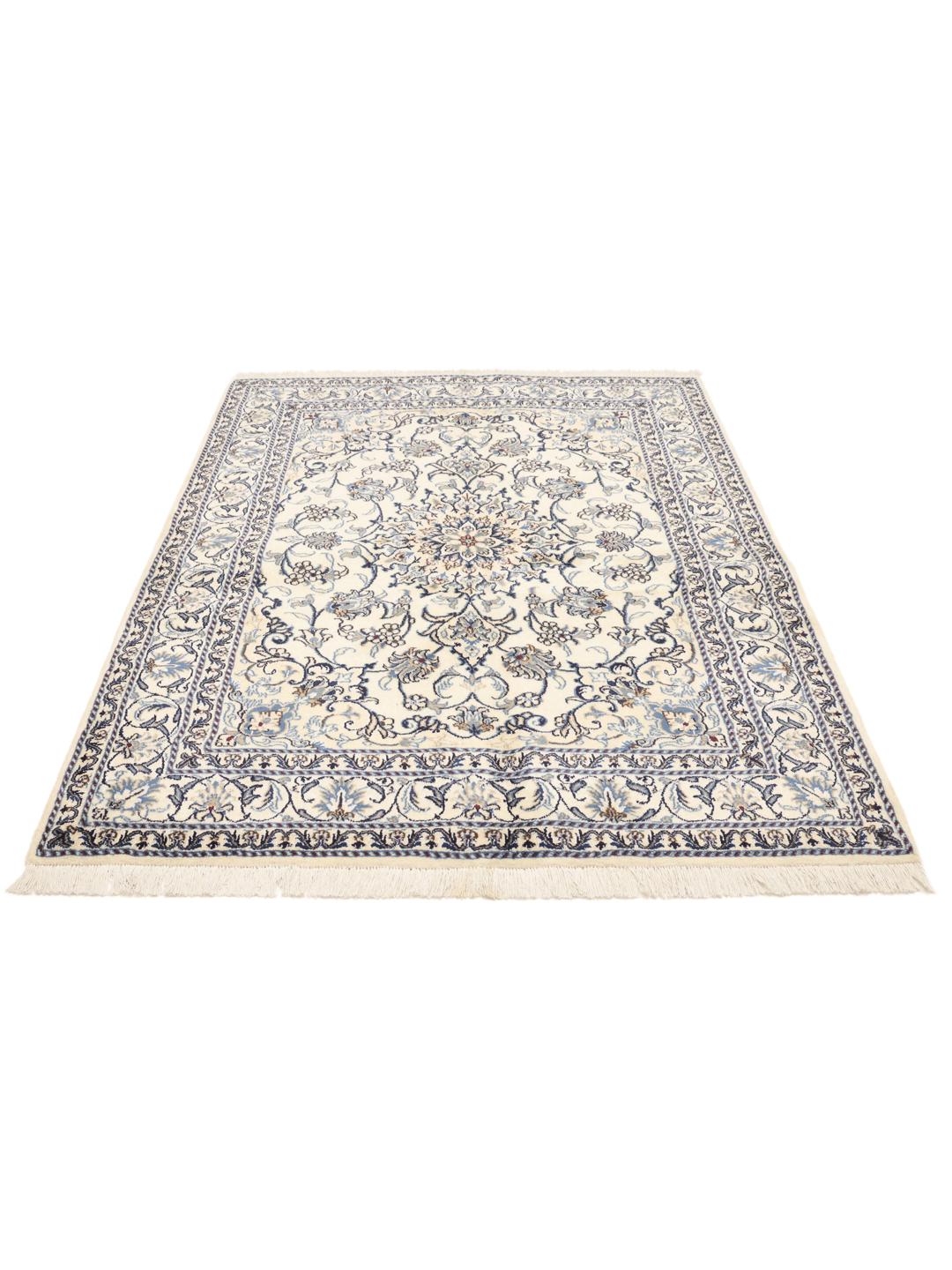
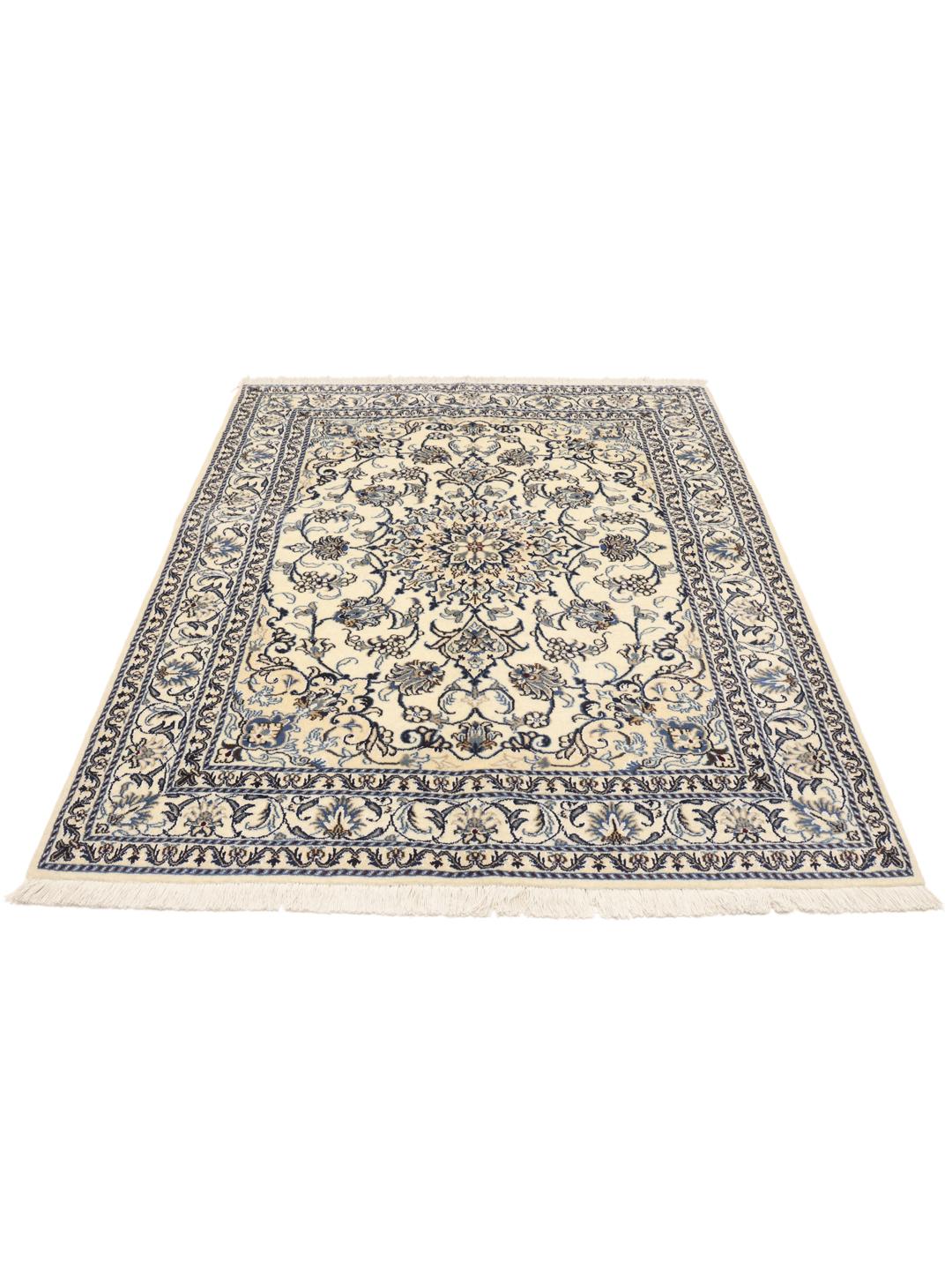
Visually, these rugs are celebrated for their sophisticated use of space. Typically, they feature a central medallion surrounded by lush, scrolling floral patterns and arabesques. The borders are often just as intricate as the field, featuring repeating motifs that frame the centre beautifully. The colour palette is usually restrained, relying on shades of cream, beige, and various tones of blue to create a sense of harmony and light.
To own a Nain is to possess a piece of significant cultural heritage. These rugs are highly sought after by collectors not just for their beauty, but for the immense skill required to produce them. They represent a pinnacle of weaving tradition, where every detail tells a story of patience and perfection. Owning one is an investment in a legacy of craft that continues to be respected and admired around the world.