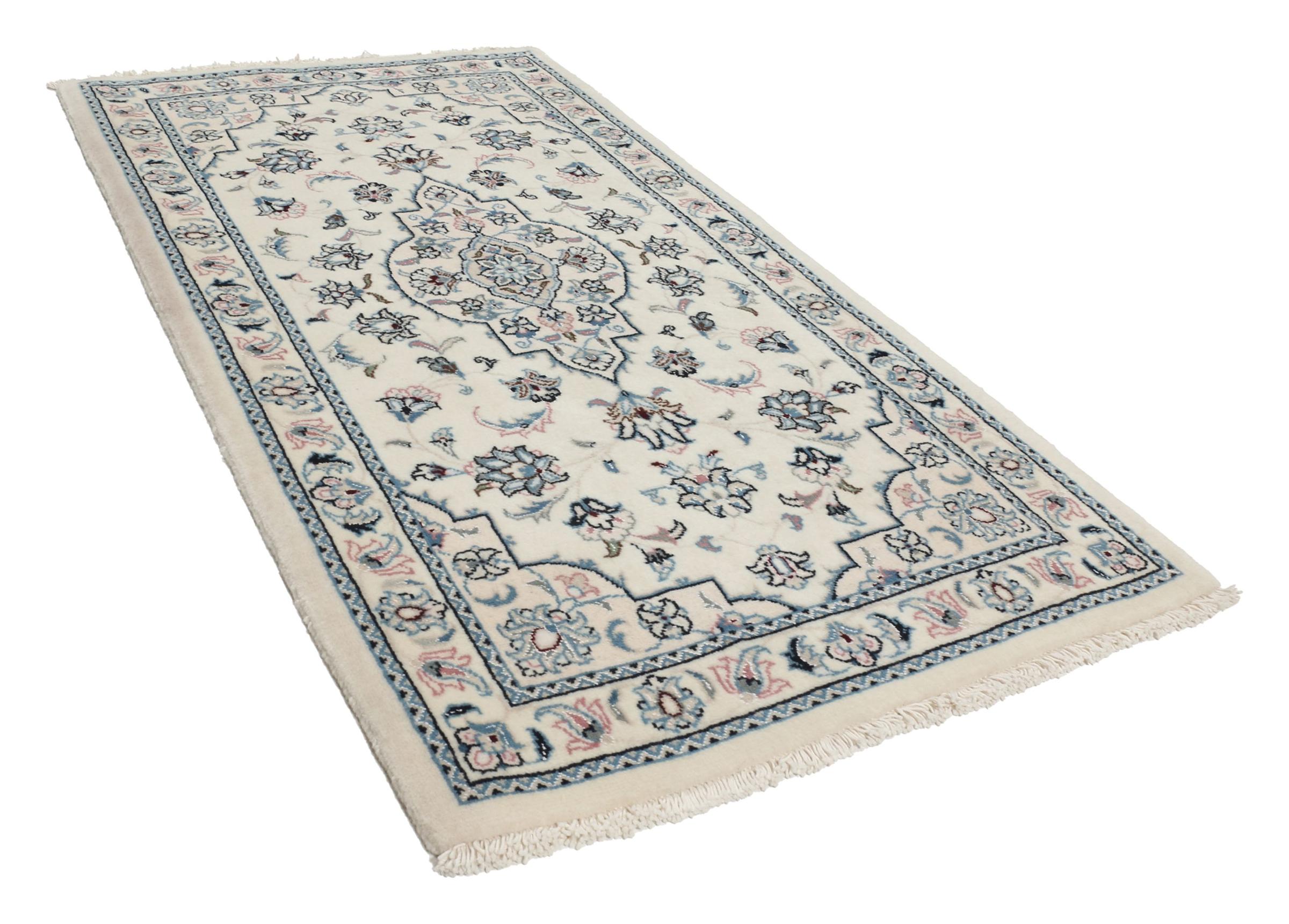
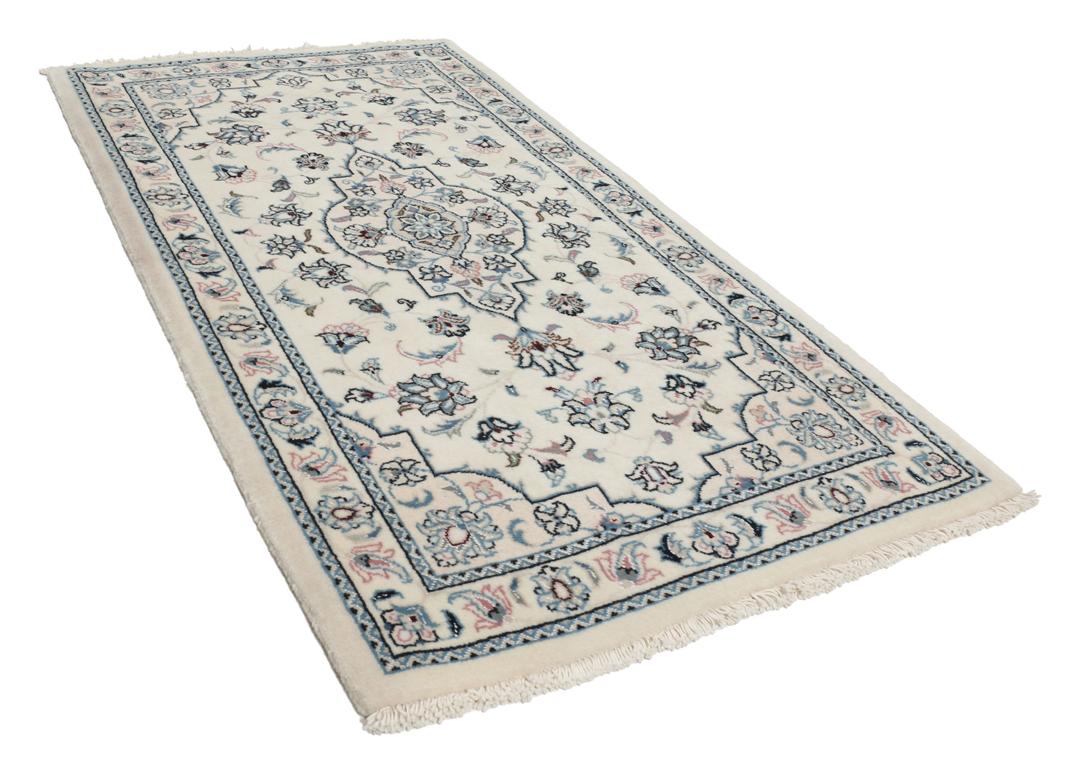
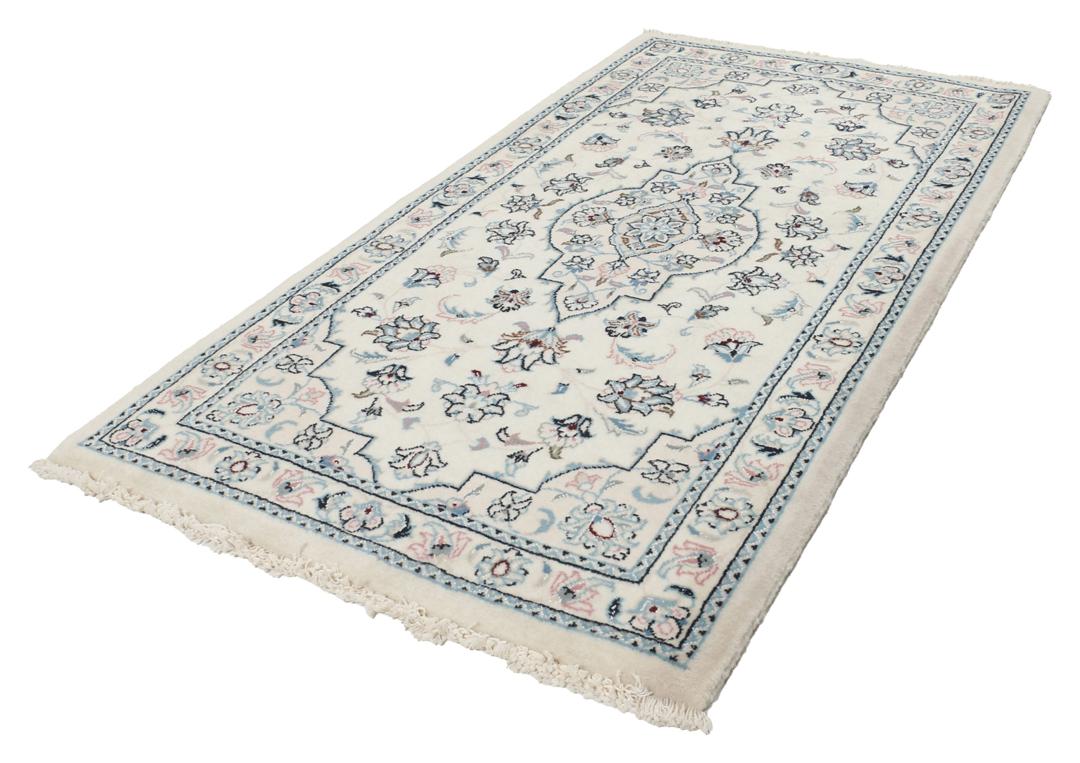
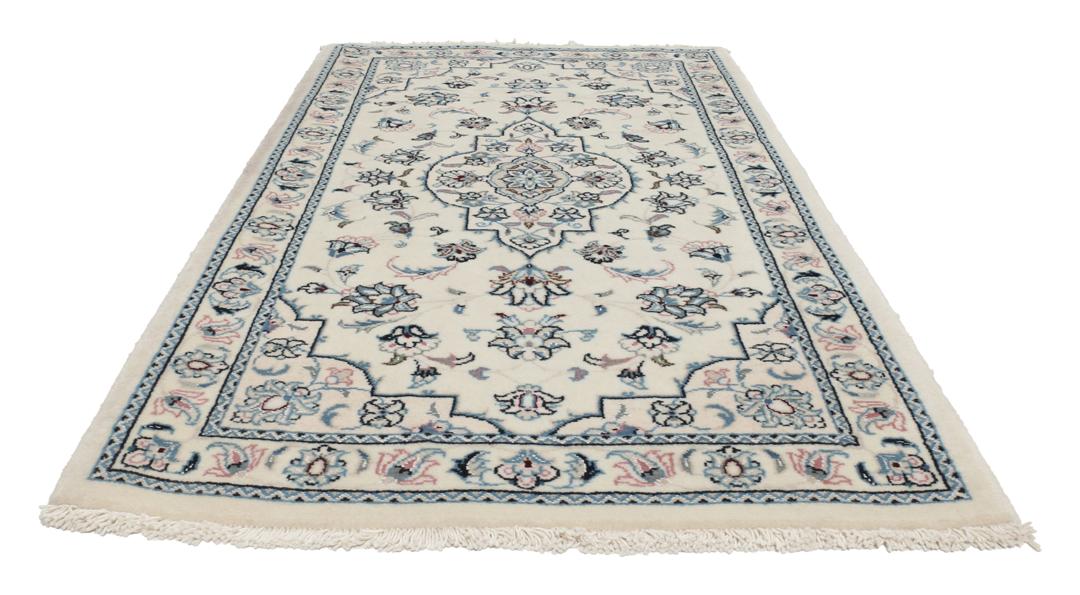
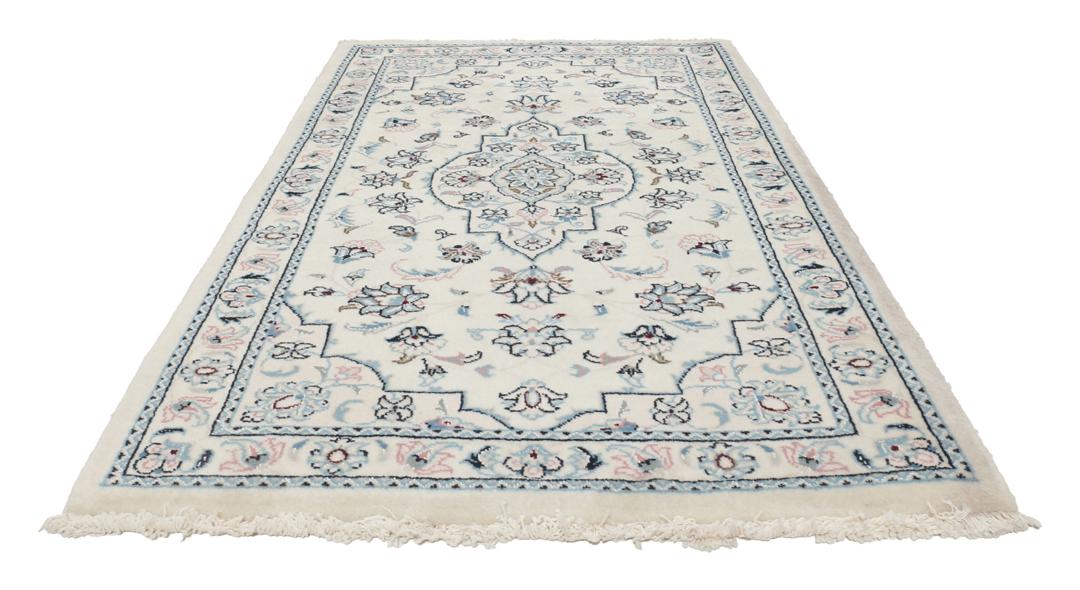
The Nain rug tradition hails from the historic city of Nain in the Middle East, a region known for its long-standing contribution to the world of fine textiles. Originally a centre for the production of high-quality cloaks, the local artisans transitioned their exceptional skills to rug weaving in the early 20th century. This shift brought a new level of refinement to the craft, blending historical techniques with a sophisticated aesthetic that has since become synonymous with the Nain name.
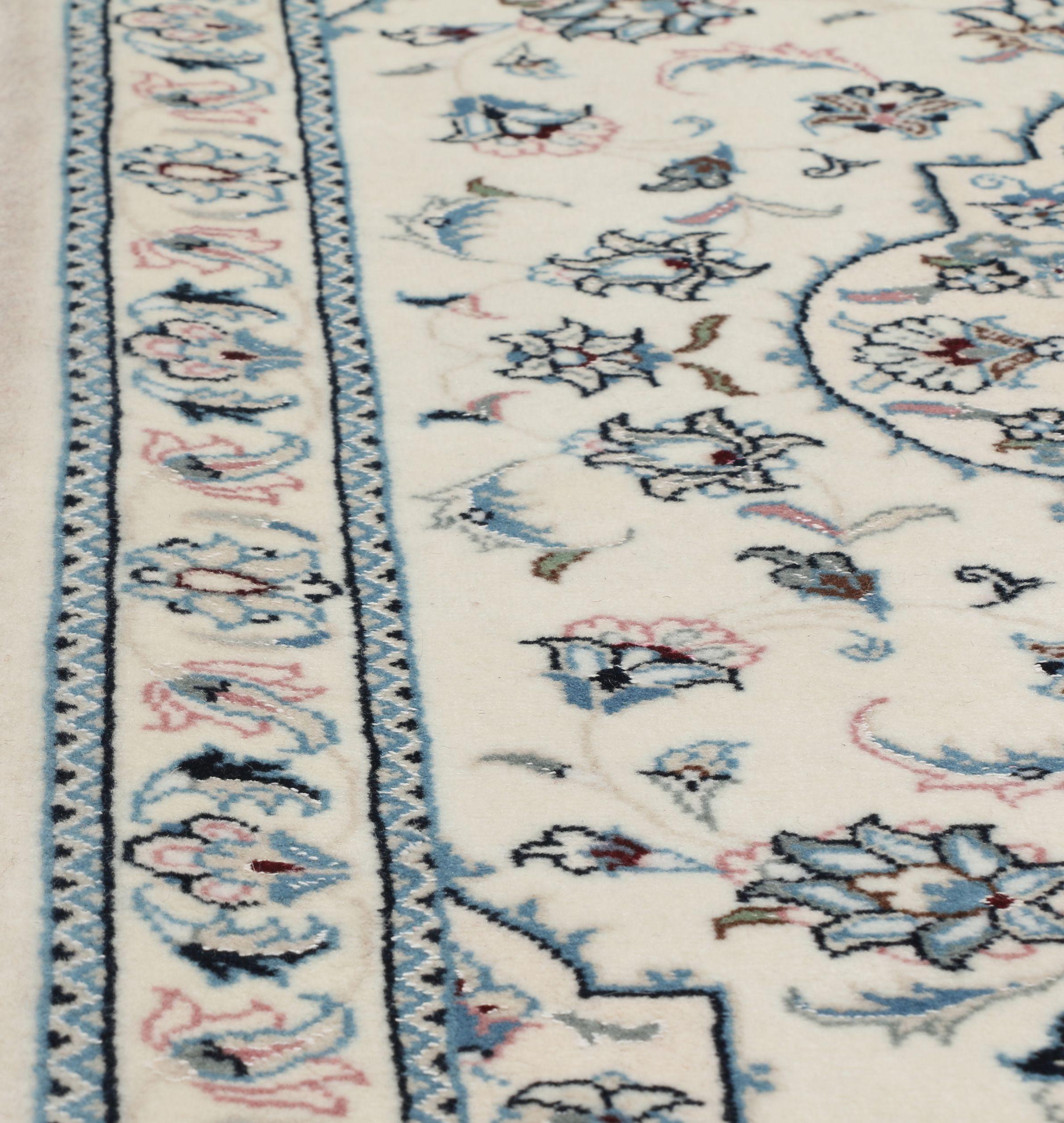
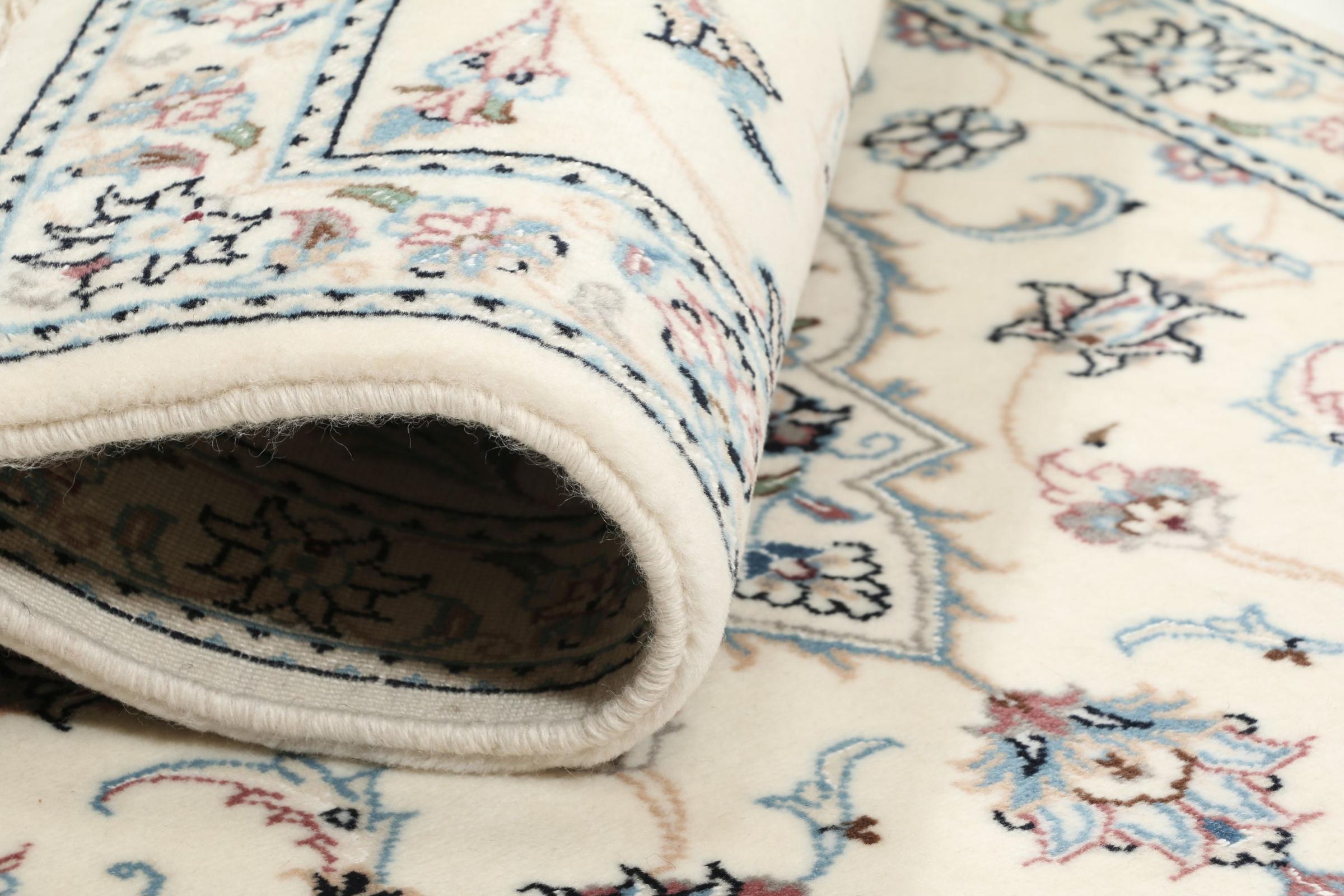
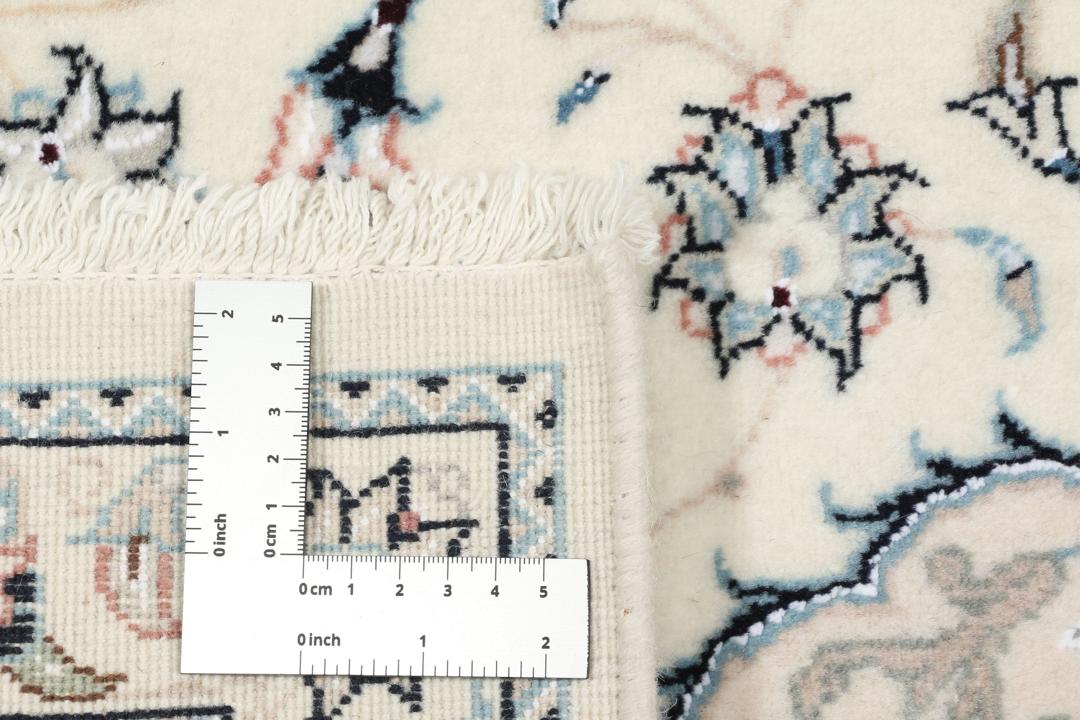
The '9La' designation refers to the construction of the rug, specifically the number of threads used in the fringe. In this technical classification, 'La' refers to the layers of thread, and a 9La rug is highly regarded for its balance of density and fine detail. This specific construction requires a great deal of precision, as the thinner threads allow for more intricate patterns and a smoother, more lustrous surface that captures light beautifully.
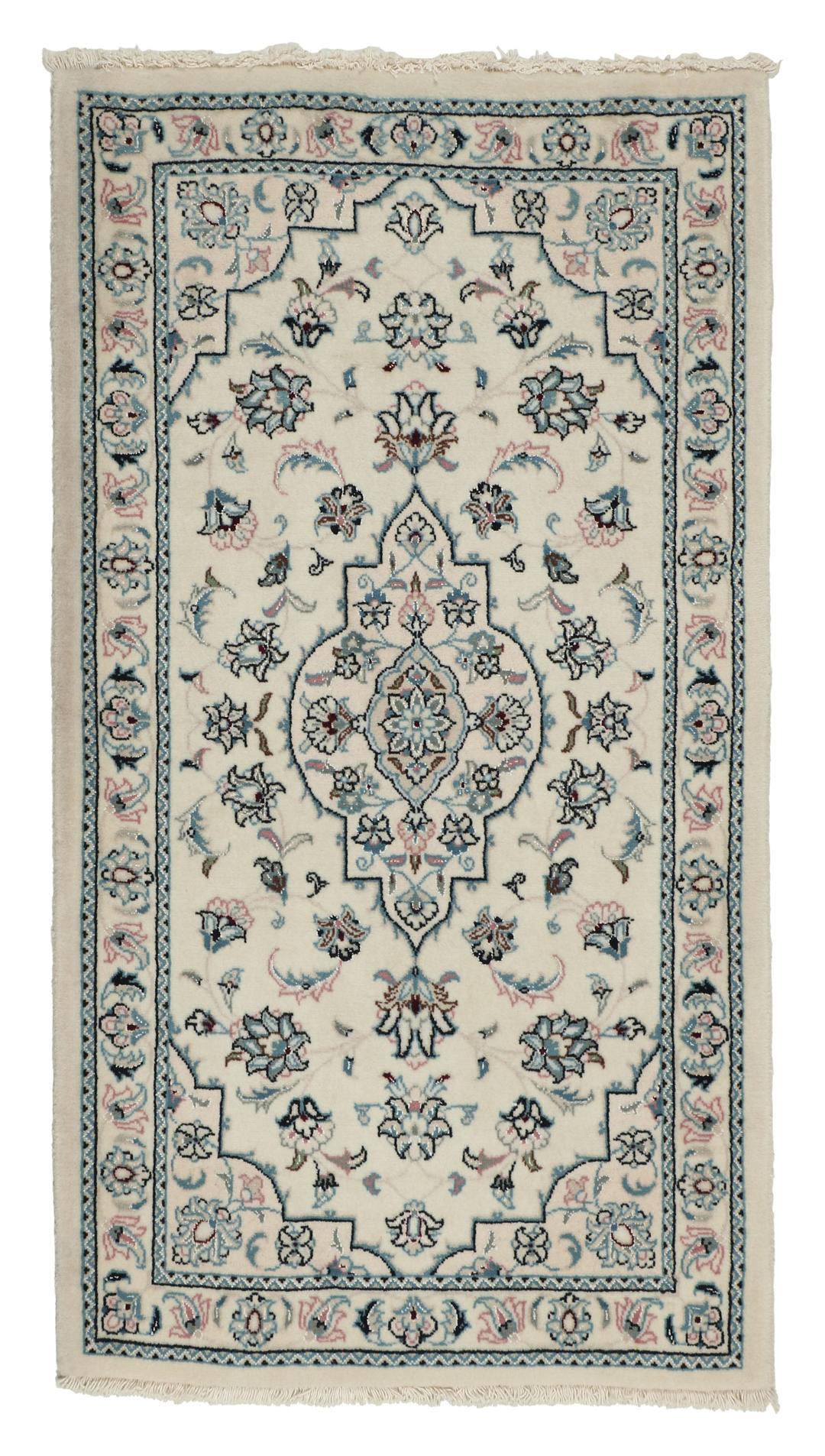
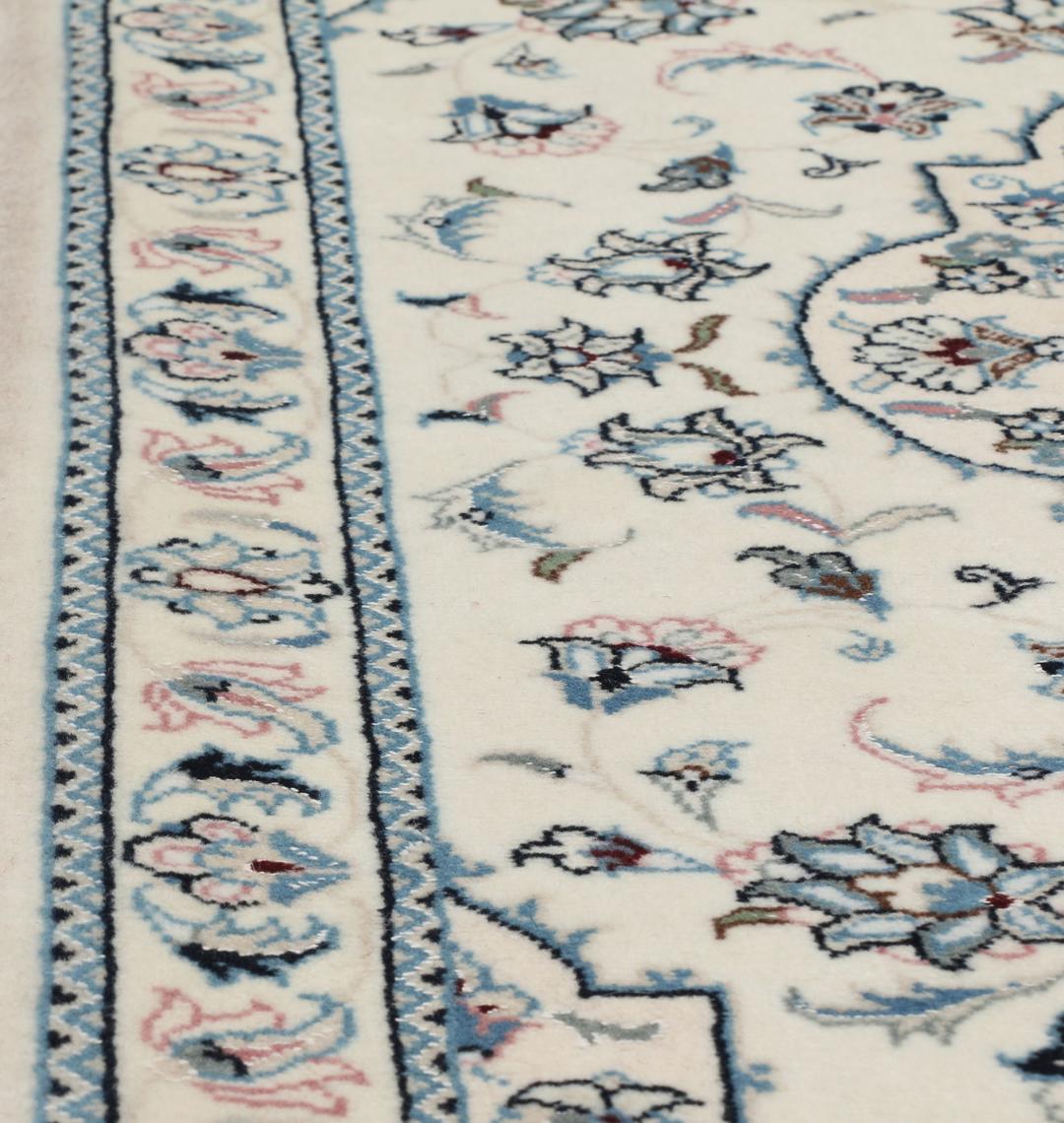
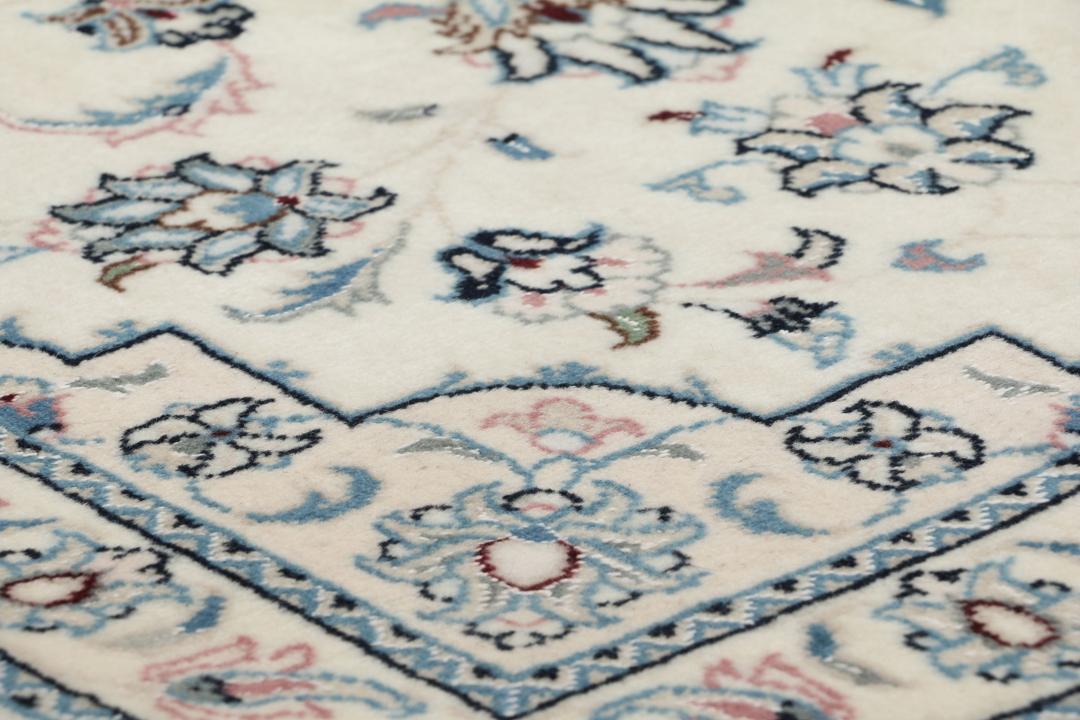
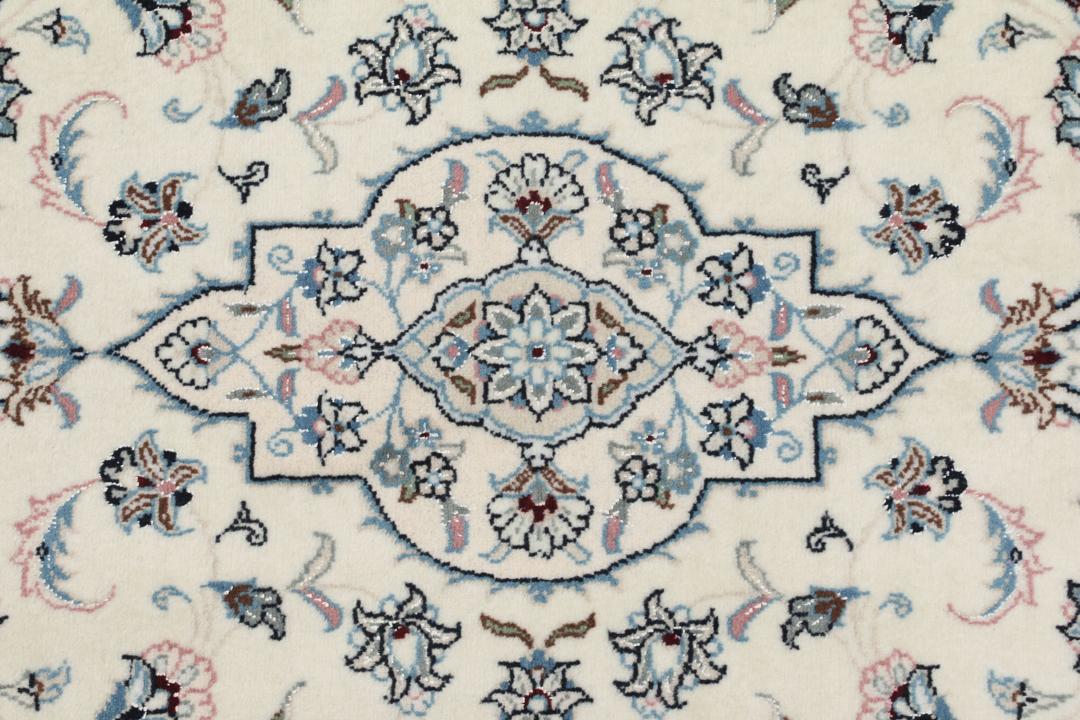
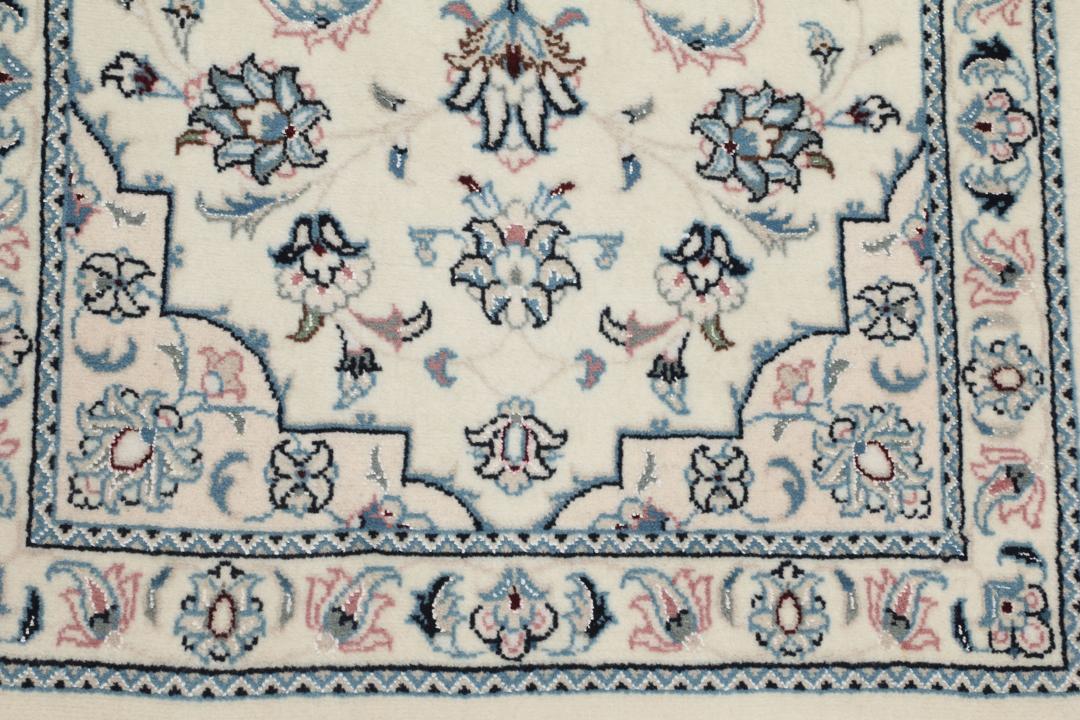
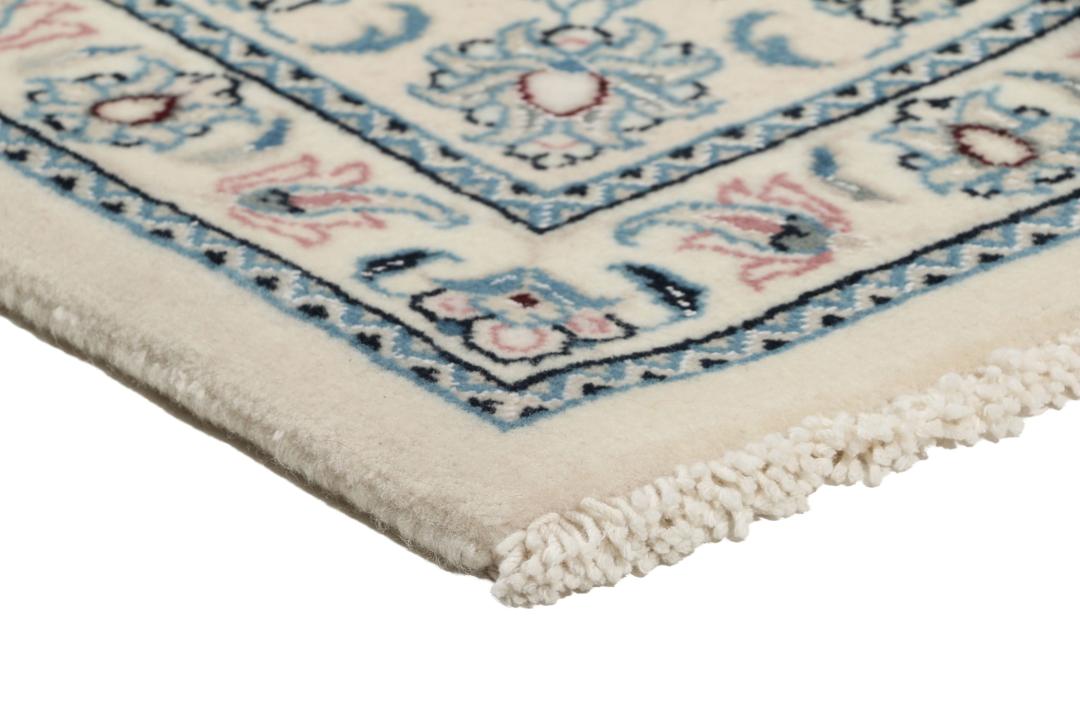
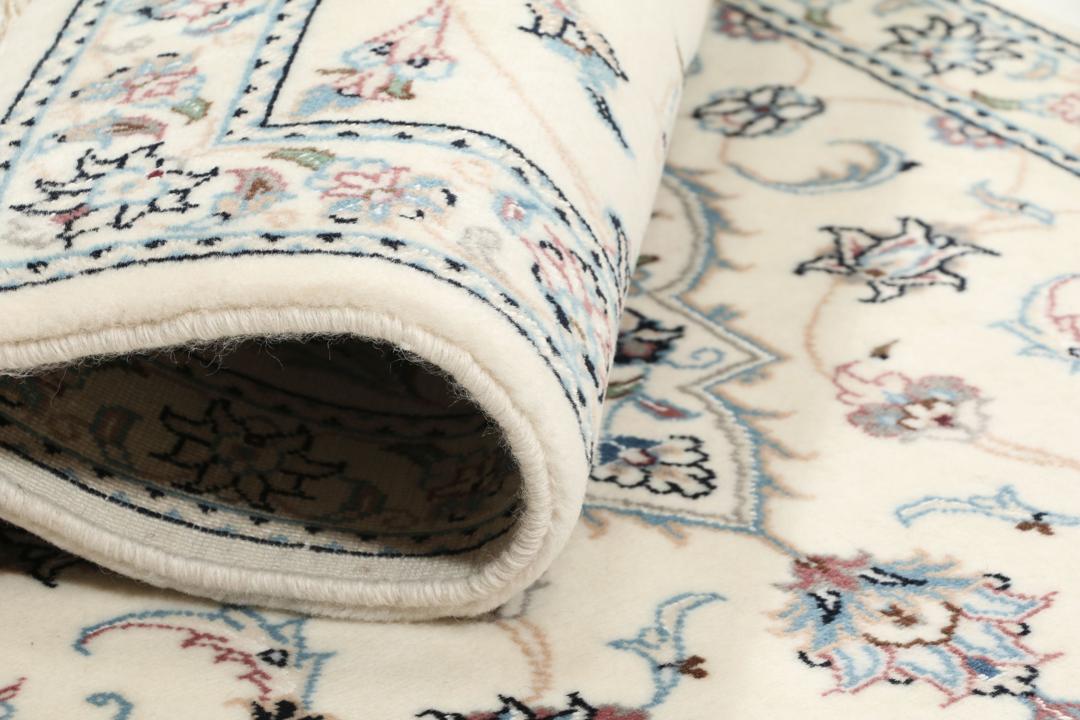
Nain designs are famous for their elegant, curvilinear floral motifs and central medallions, often rendered in a restrained, harmonious palette. You will frequently find vines, palmettes, and delicate blossoms that reflect the natural beauty of the region's garden traditions. The borders are typically filled with complementary floral scrolls, creating a frame that enhances the central design and provides a sense of visual balance.
Owning a Nain rug is an investment in cultural heritage. These pieces are highly prized by collectors for their combination of artistic beauty and technical excellence. They represent a pinnacle of Middle Eastern weaving, where the artisan's ability to render complex patterns with such clarity and poise is a testament to the enduring value of human-led craftsmanship.