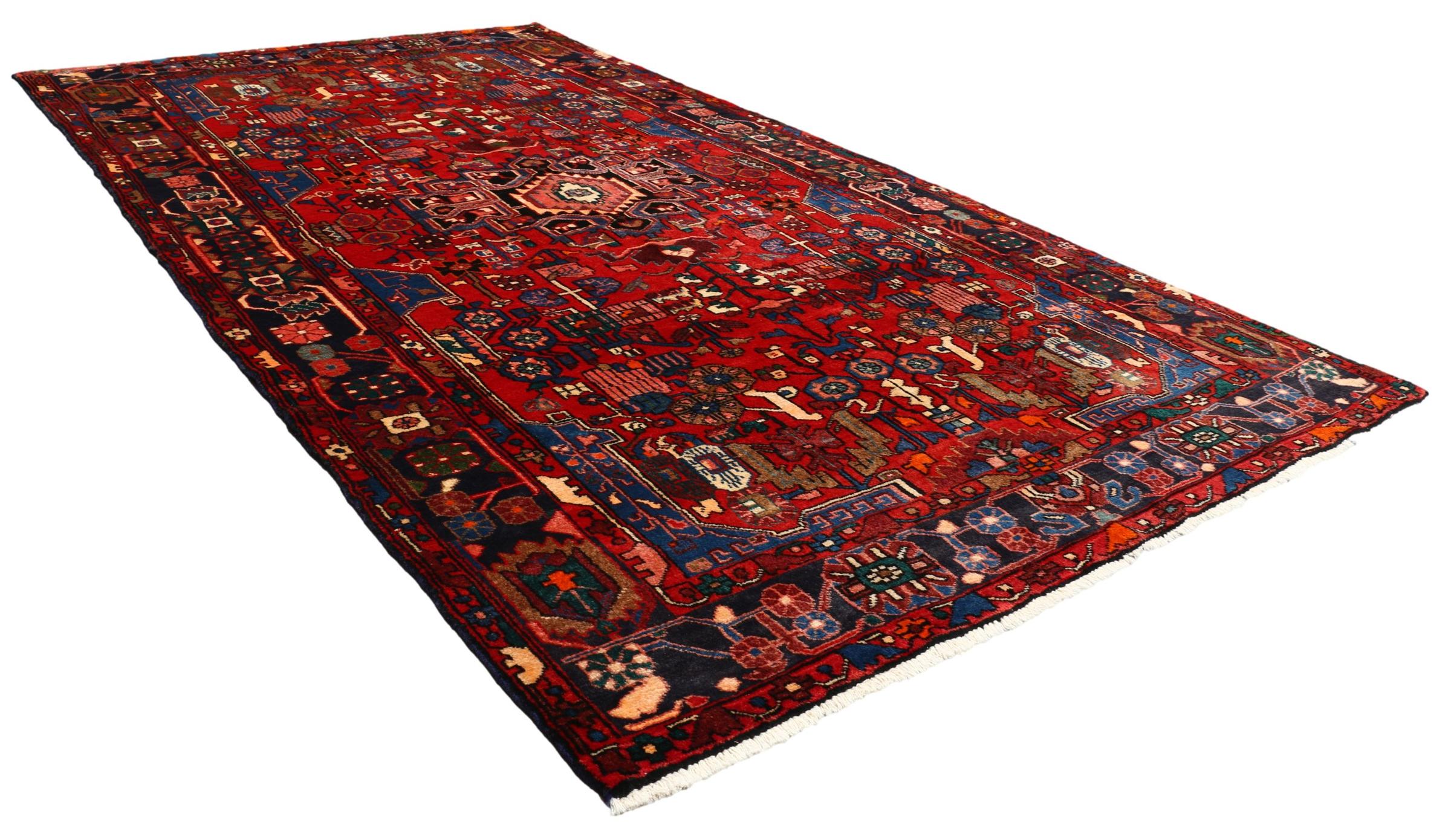
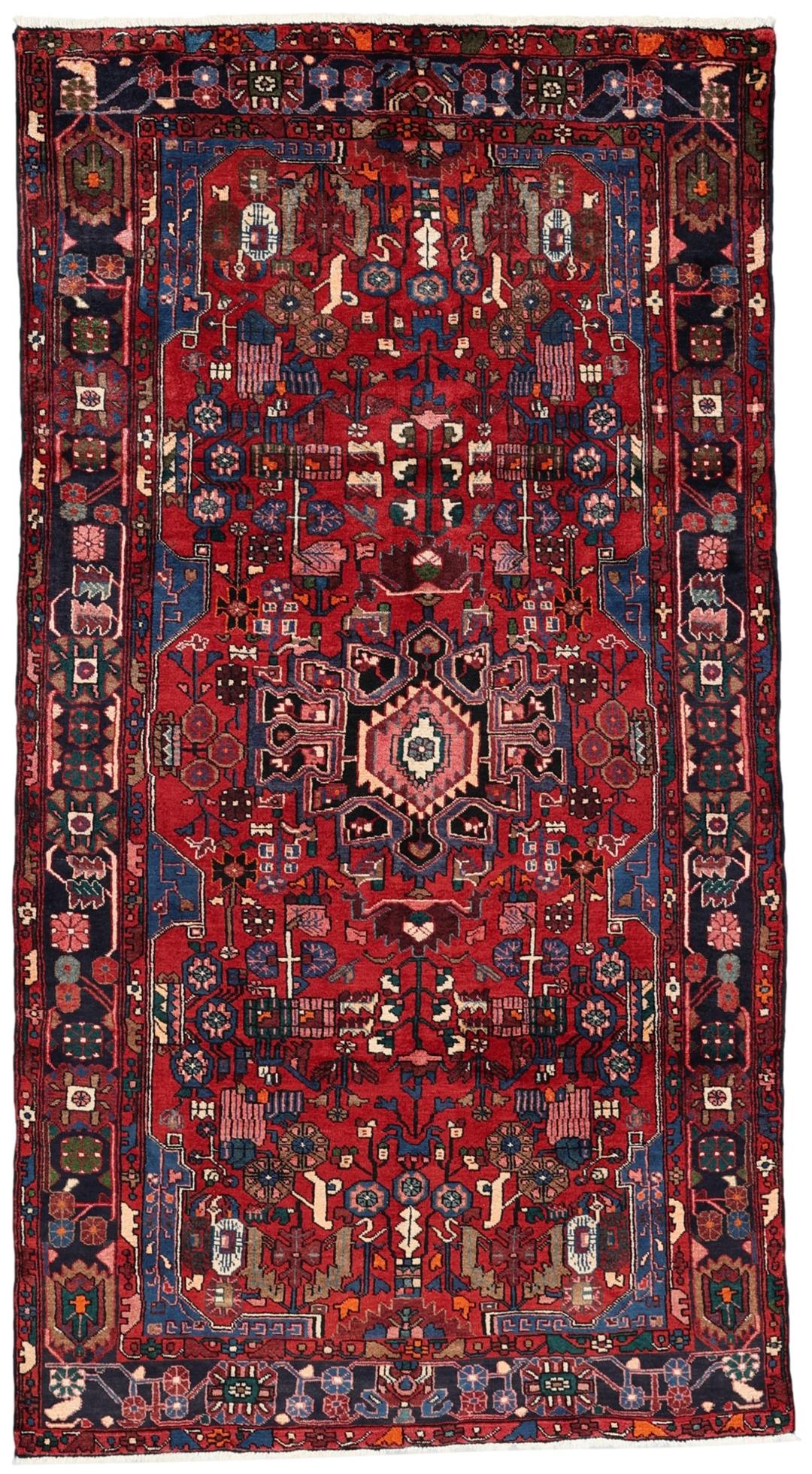
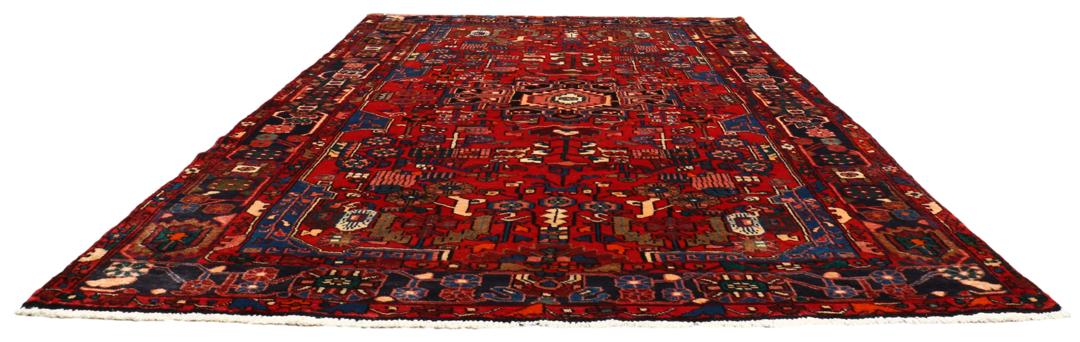
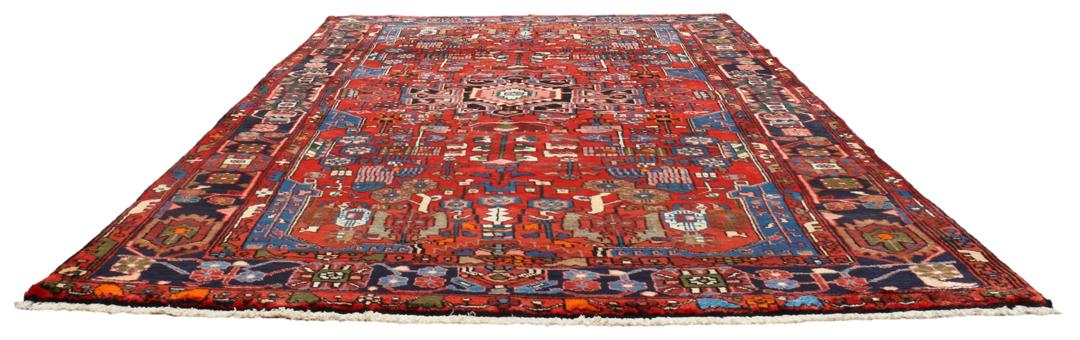
The Nahavand rug tradition finds its roots in the mountainous regions of the Middle East, specifically around the historical city of Nahavand. This area has long been a hub for tribal weaving, where local families and nomadic groups developed distinct styles that reflect the geography and culture of their surroundings. These rugs are highly regarded for their rustic charm and the way they bridge the gap between formal, structured design and the free-spirited nature of tribal art.
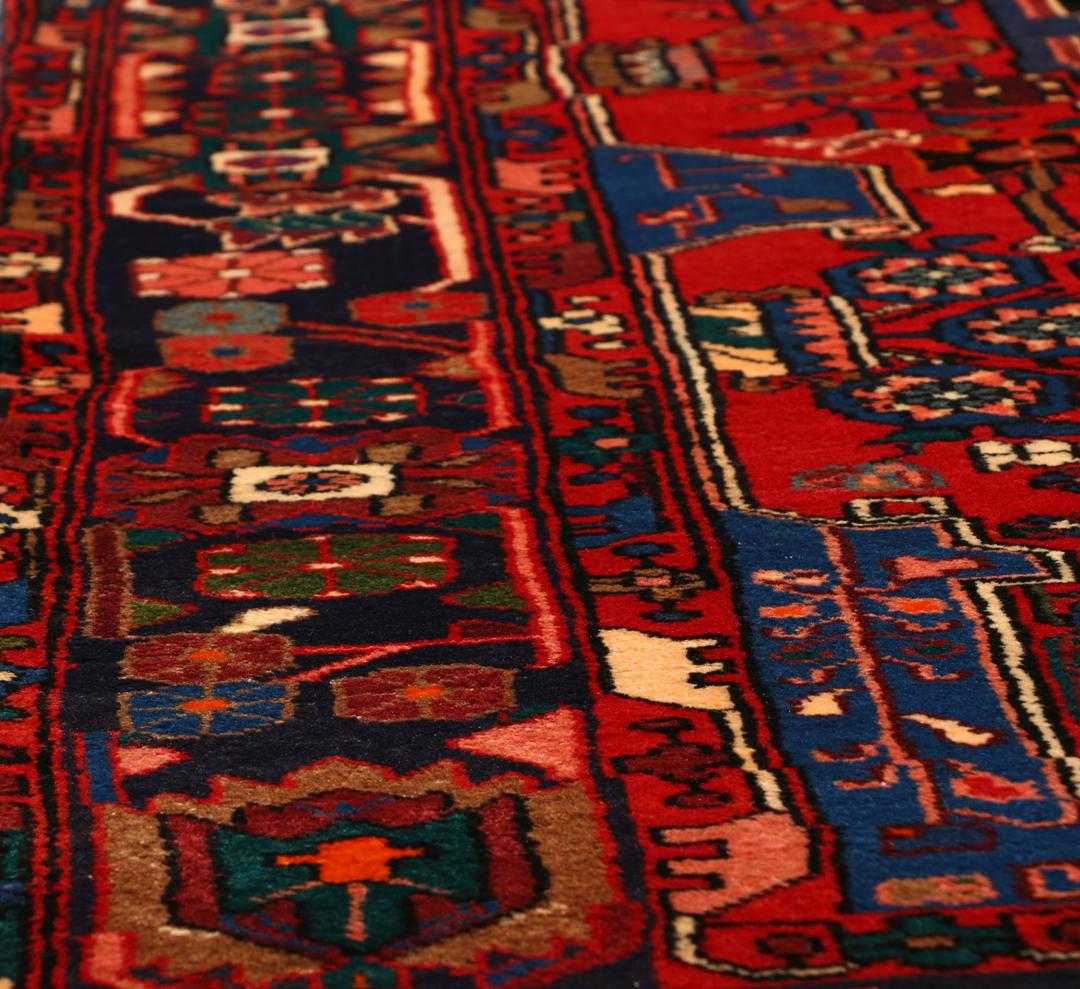
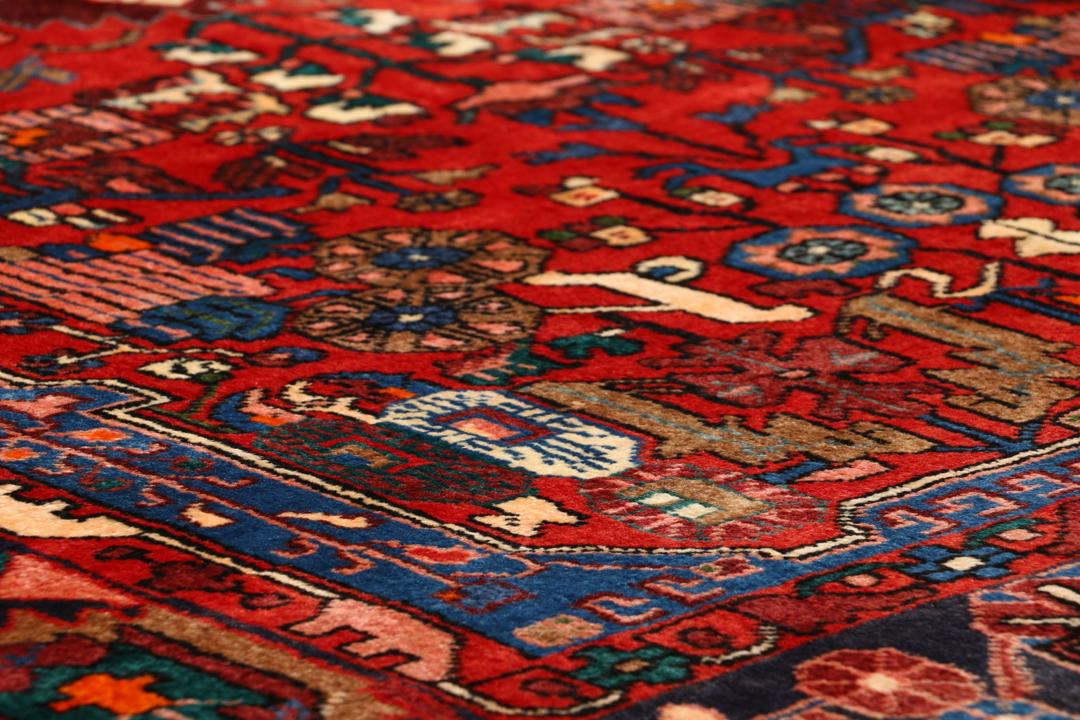
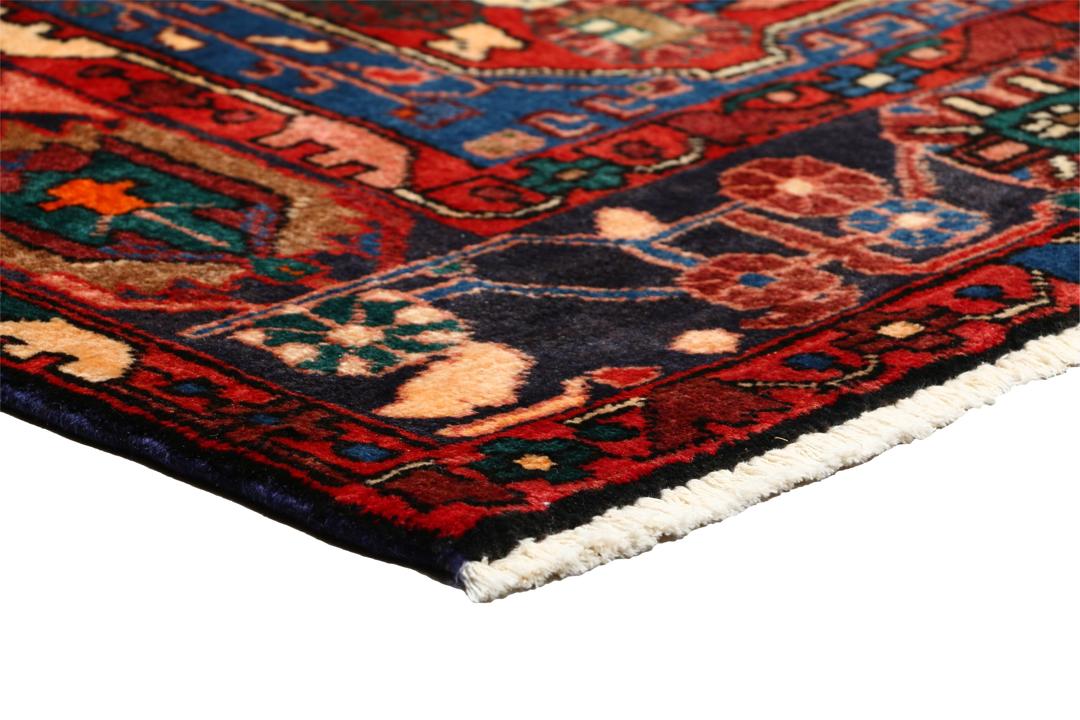
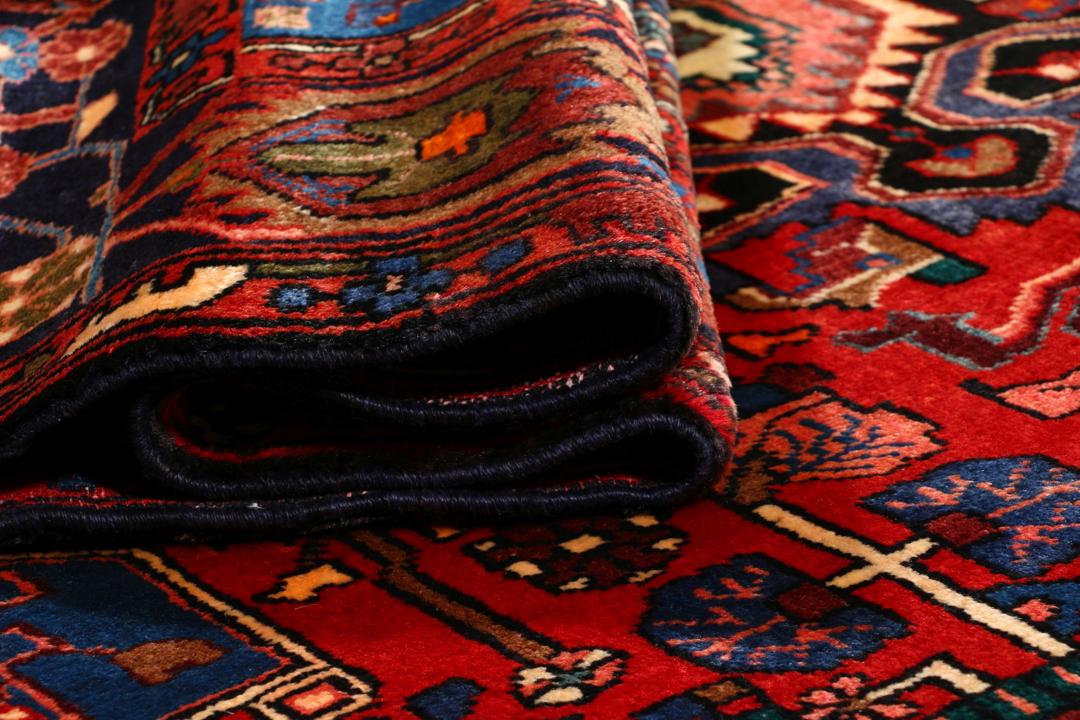
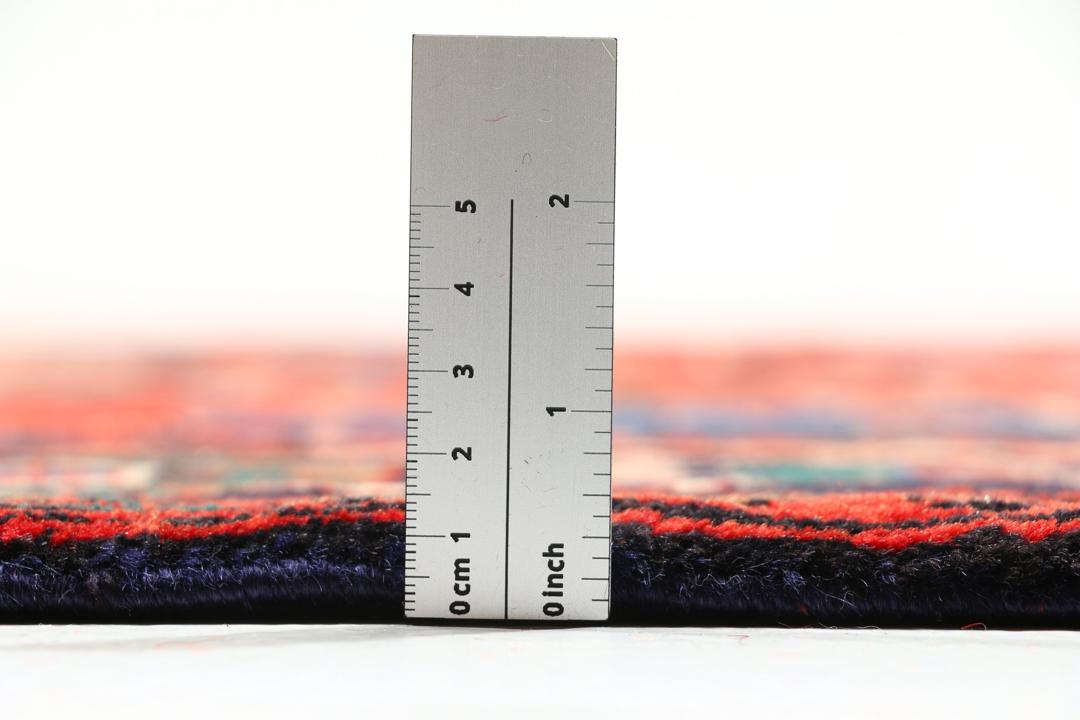
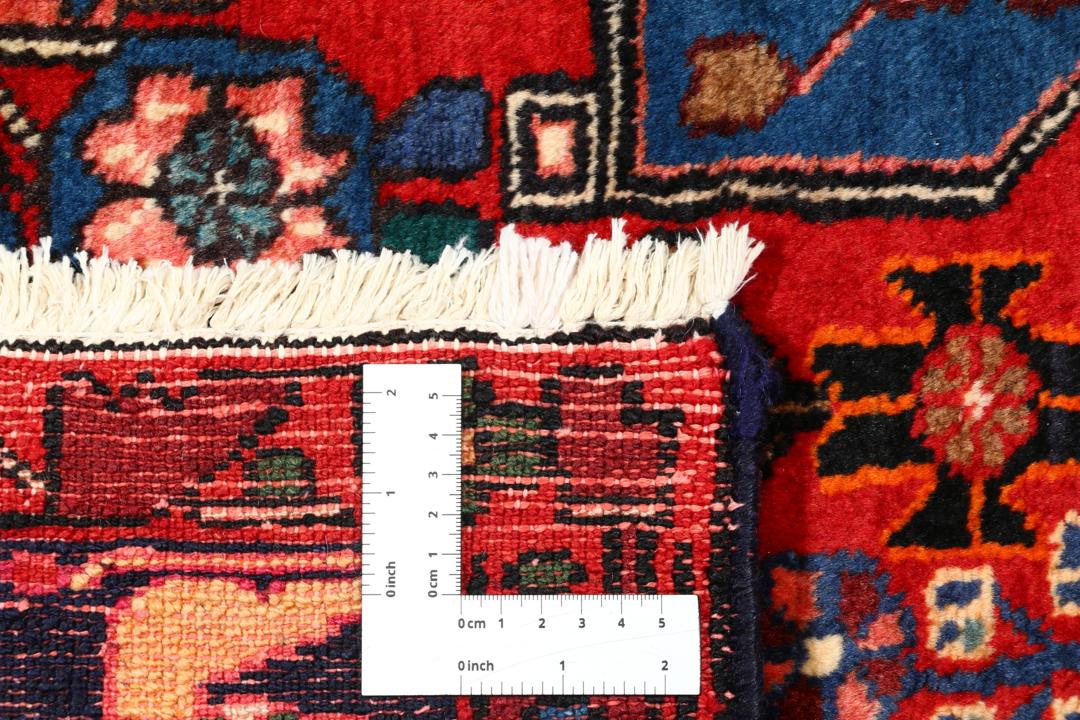
Technically, the Nahavand style is defined by its use of sturdy wool on a cotton foundation, which provides the necessary durability for rugs that were traditionally intended for both floor use and as wall hangings. The construction often features a distinct, slightly irregular knotting style that gives the finished piece a unique texture and character. This is not a flaw, but rather a signature of the hand-made process that distinguishes authentic regional weaving from more uniform, modern interpretations.
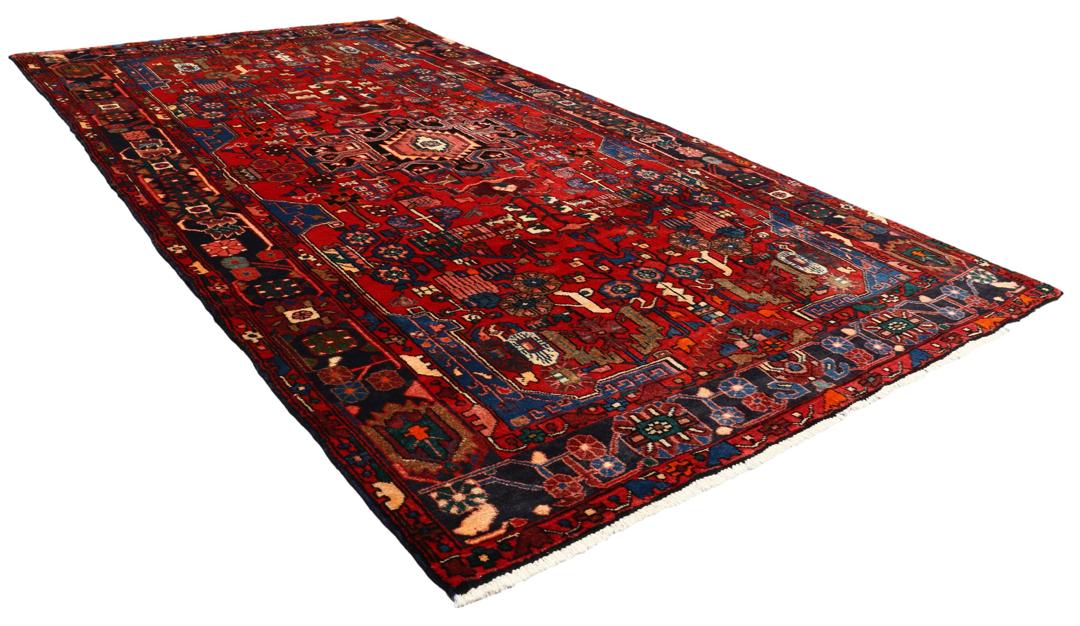
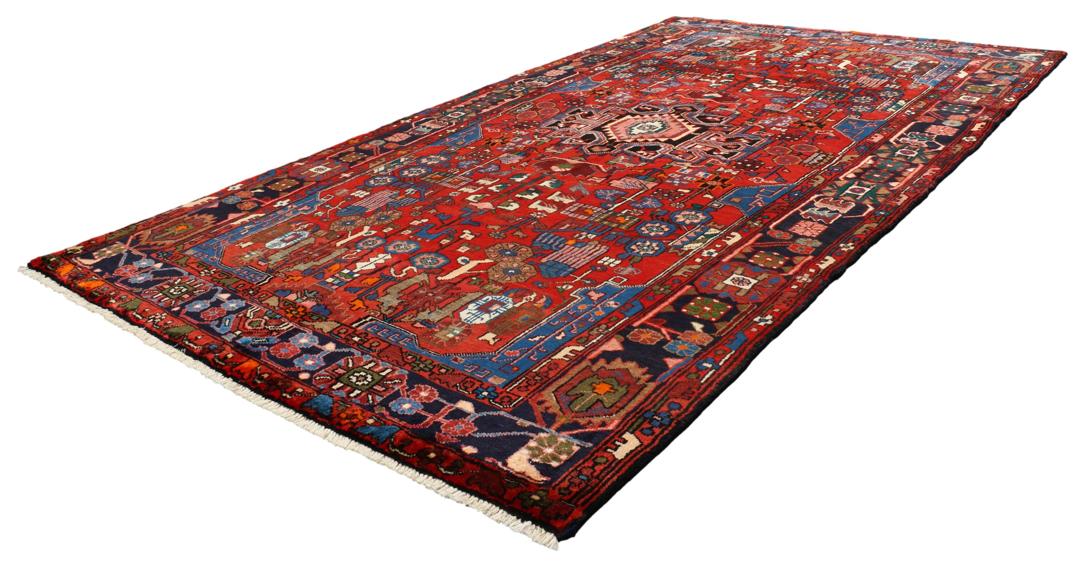
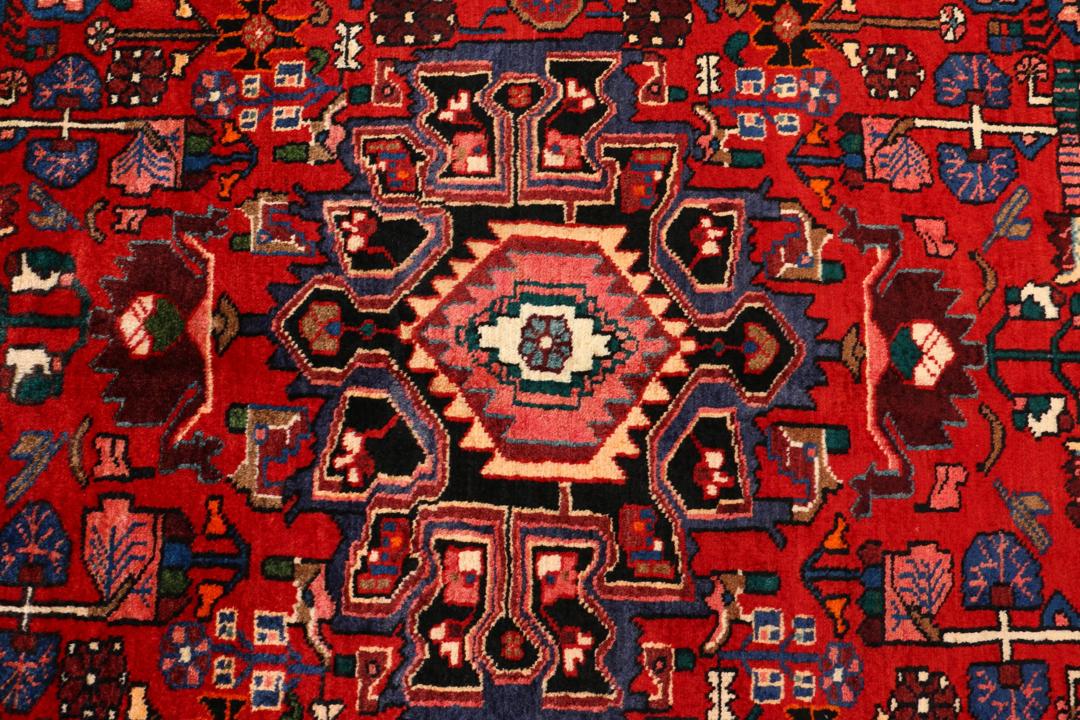
Design-wise, these rugs are famous for their bold, spontaneous interpretations of floral and geometric motifs. While many follow a classic medallion structure, the surrounding field is frequently filled with stylized birds, animals, and plant life, all rendered in a warm, saturated palette. The use of deep reds and dark blues is particularly traditional, often achieved through natural dyes that soften beautifully over time, giving each piece an evolving personality.
For collectors and enthusiasts, the value of a Nahavand rug lies in its authenticity and the story it tells. Owning one is a commitment to preserving a specific cultural tradition that focuses on skill, patience, and visual storytelling. These rugs are not merely floor coverings but are considered functional heirlooms, representing a connection to a rich history of craft that remains vibrant and relevant in contemporary homes.