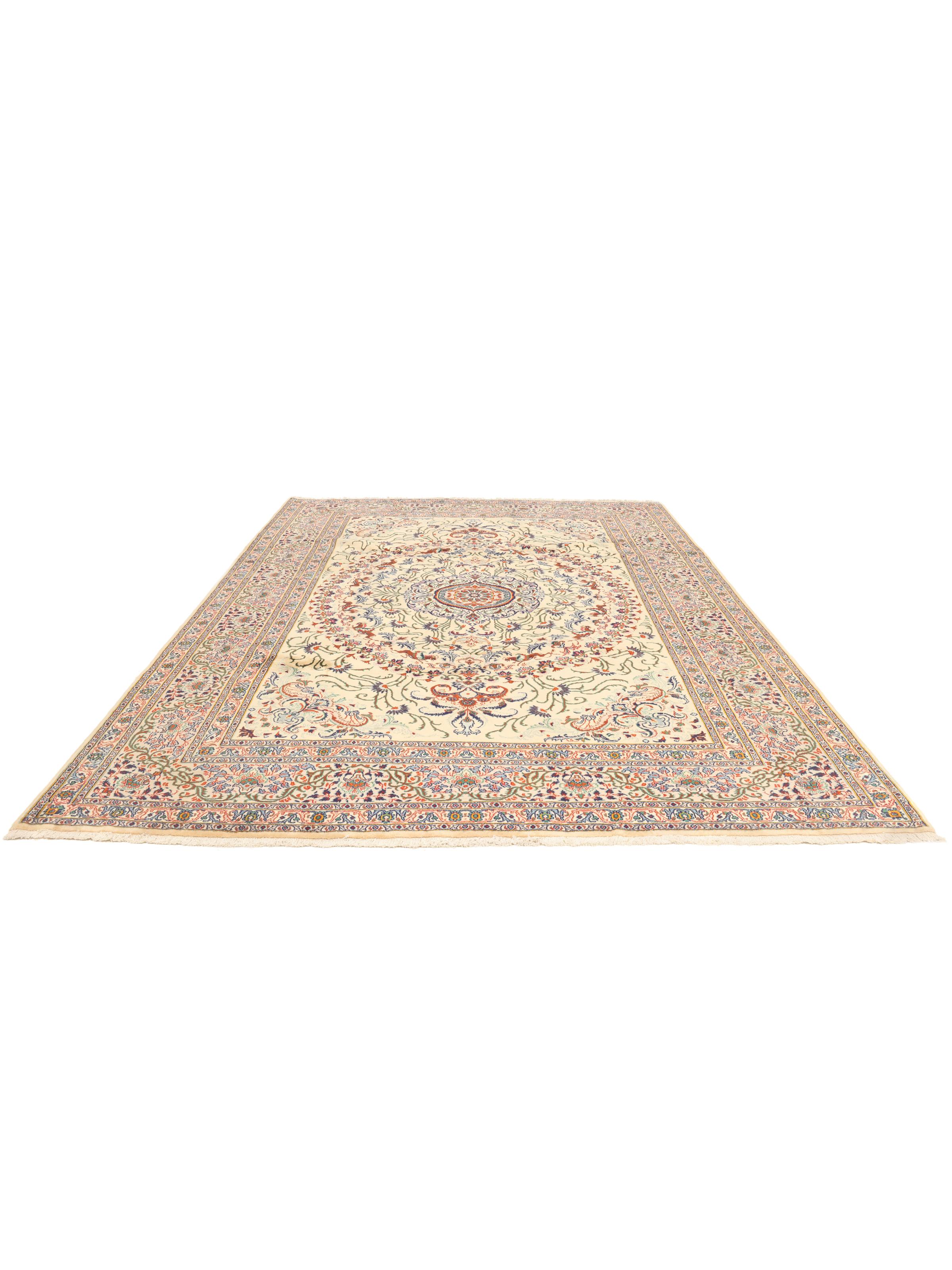
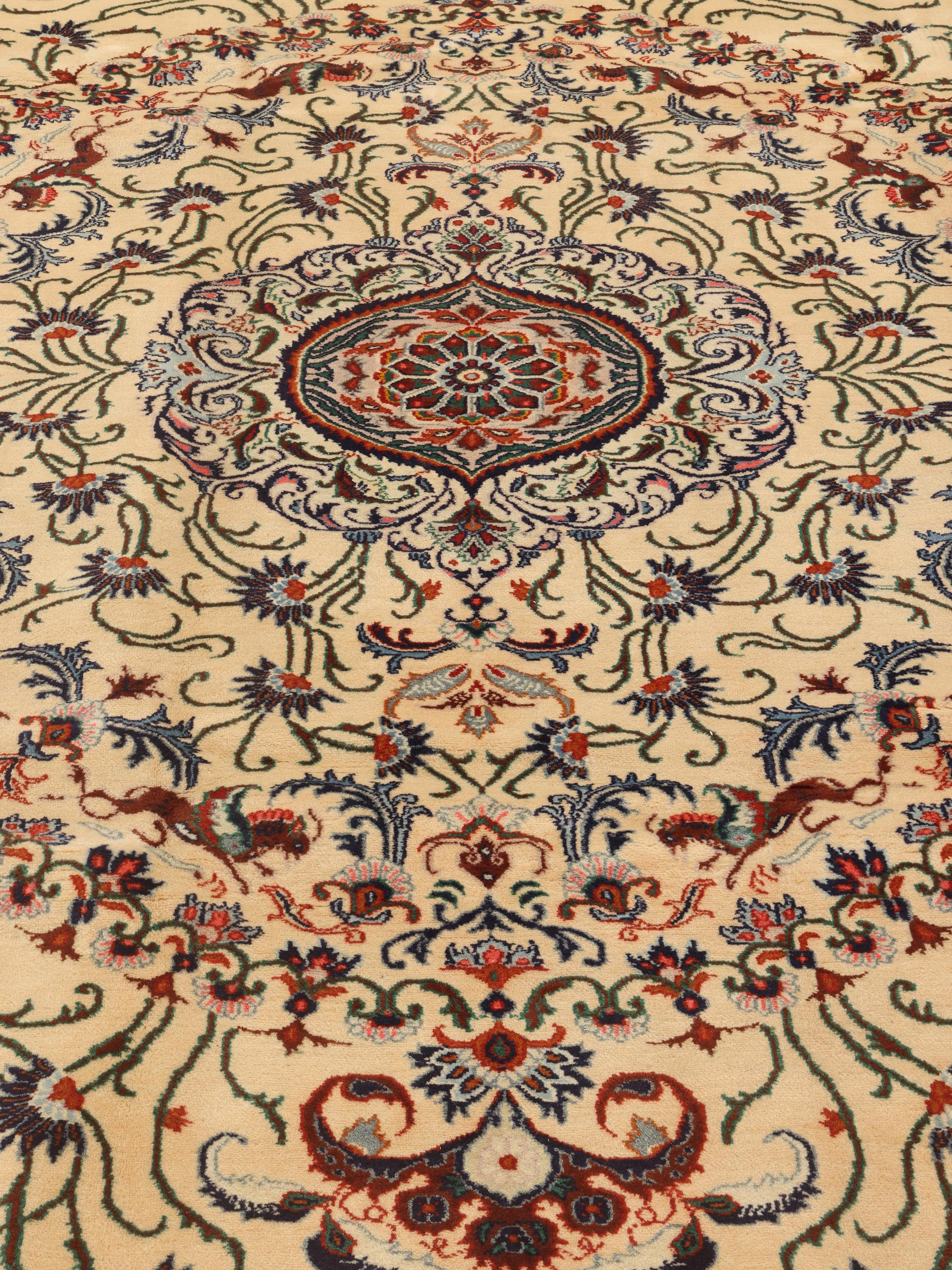
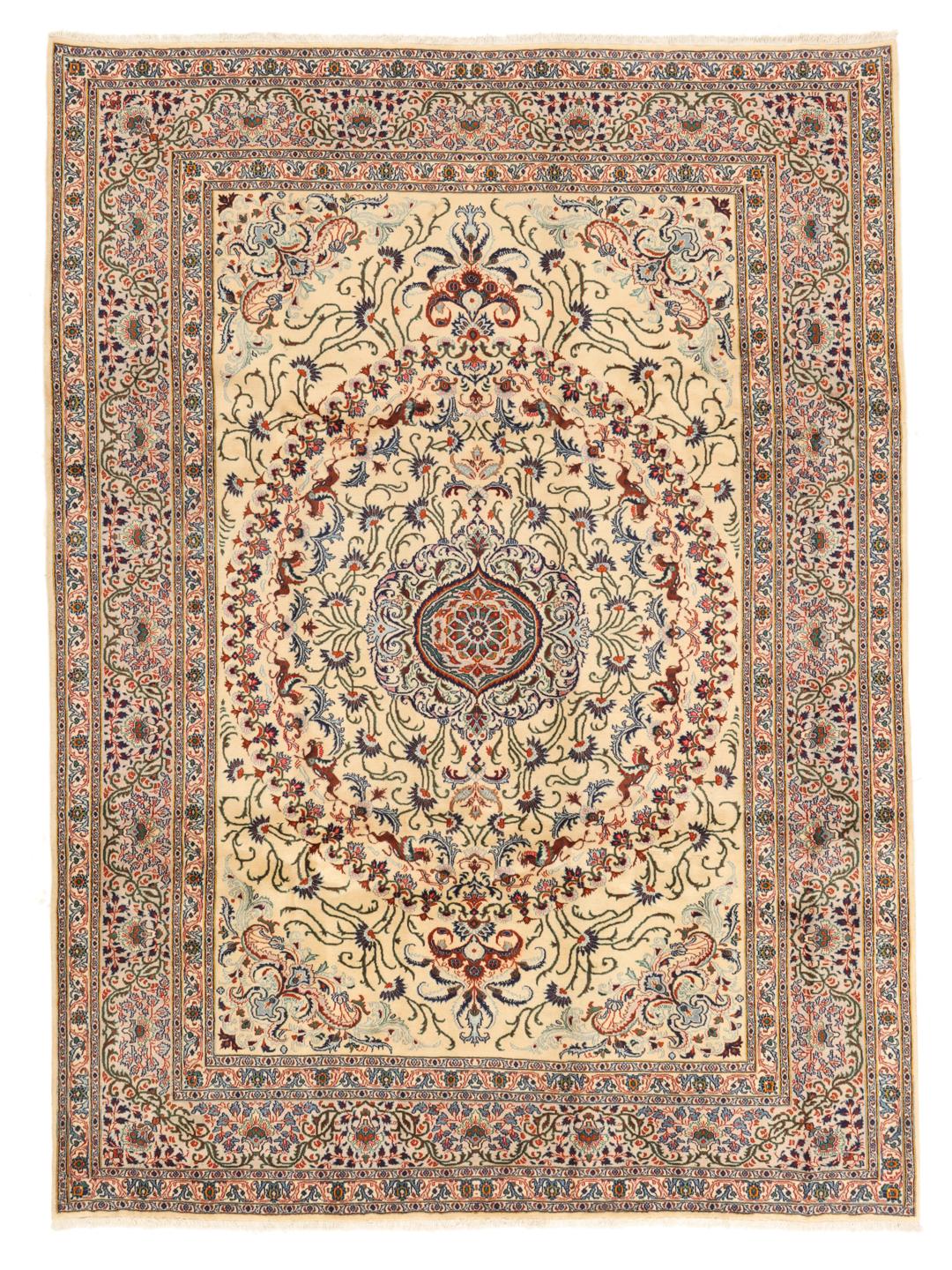
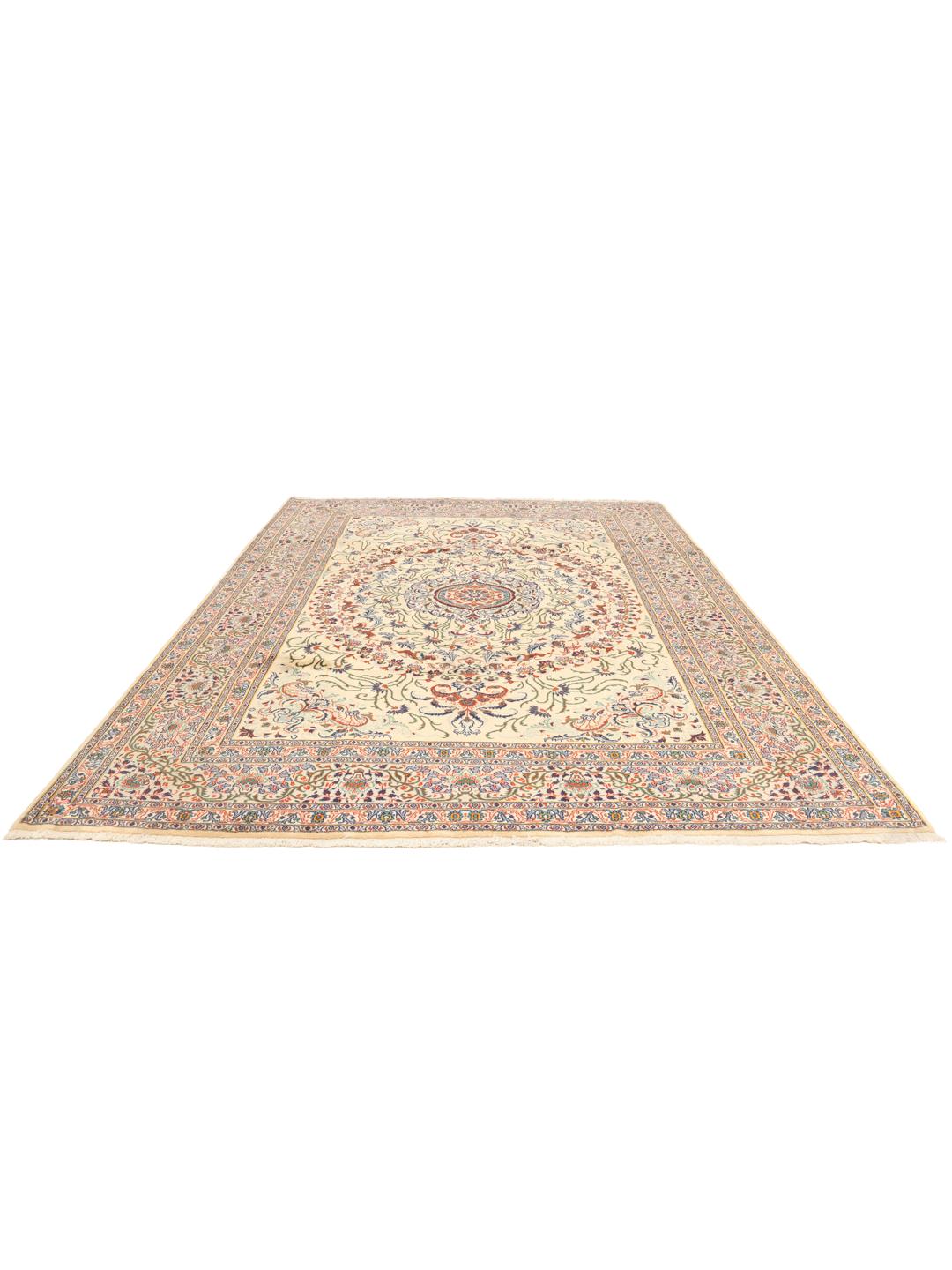
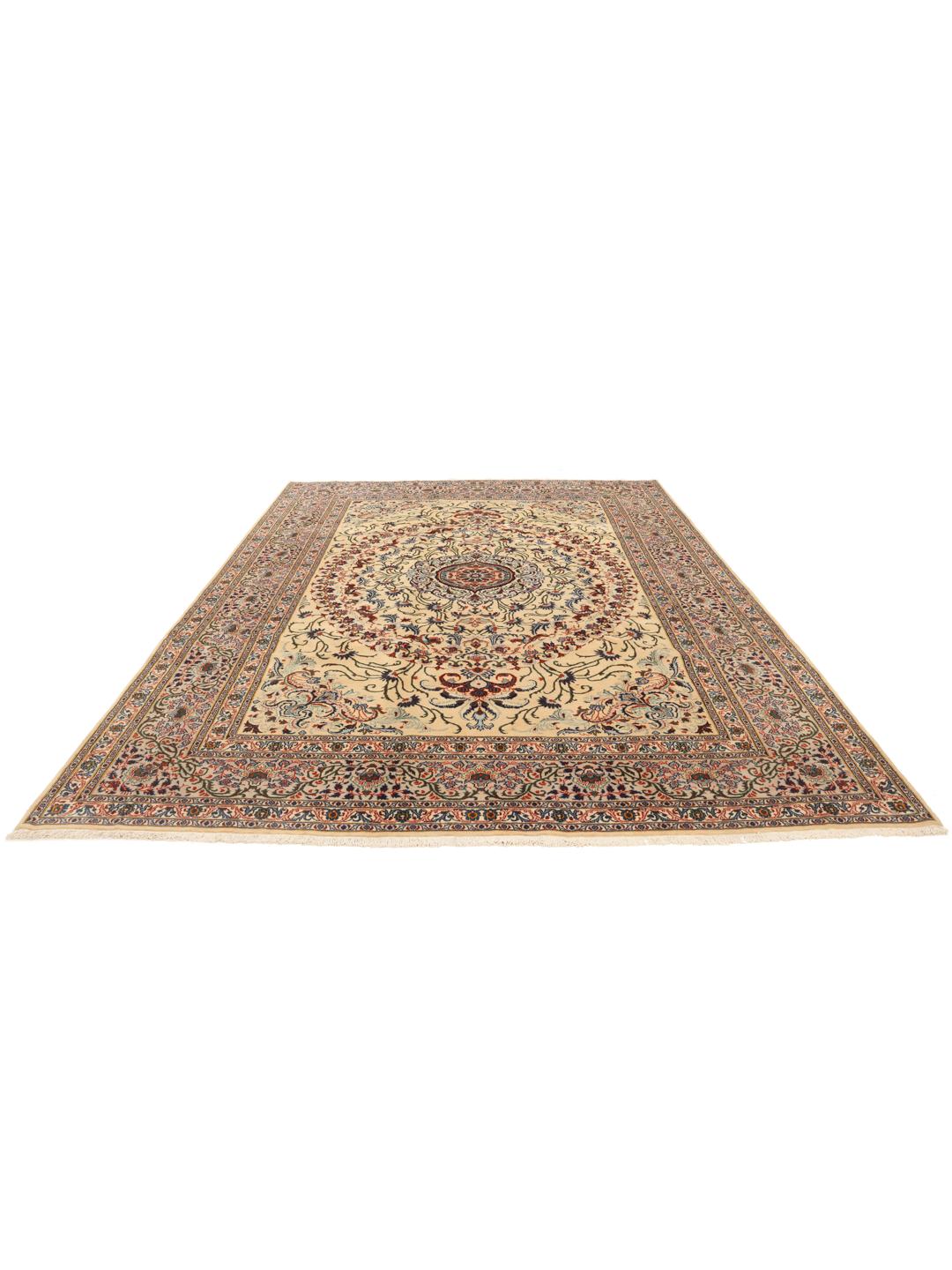
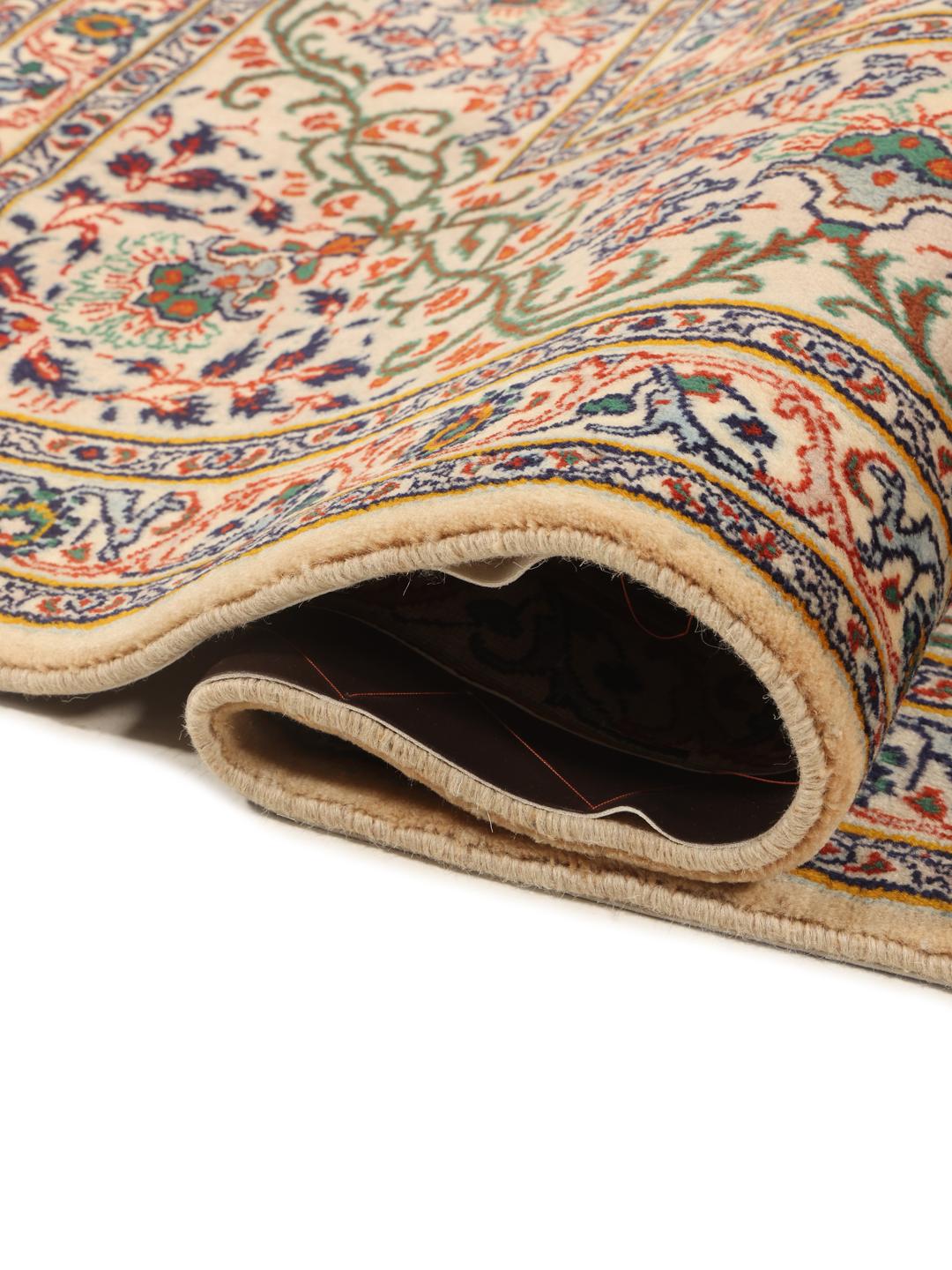
The Moud rug tradition originates from the small town of Moud in the eastern part of the Middle East. Historically, this region has been a vibrant centre for textile production, where local weavers developed a distinct style that successfully bridges the gap between nomadic tribal influences and the sophisticated, formal designs favoured in urban weaving centres.
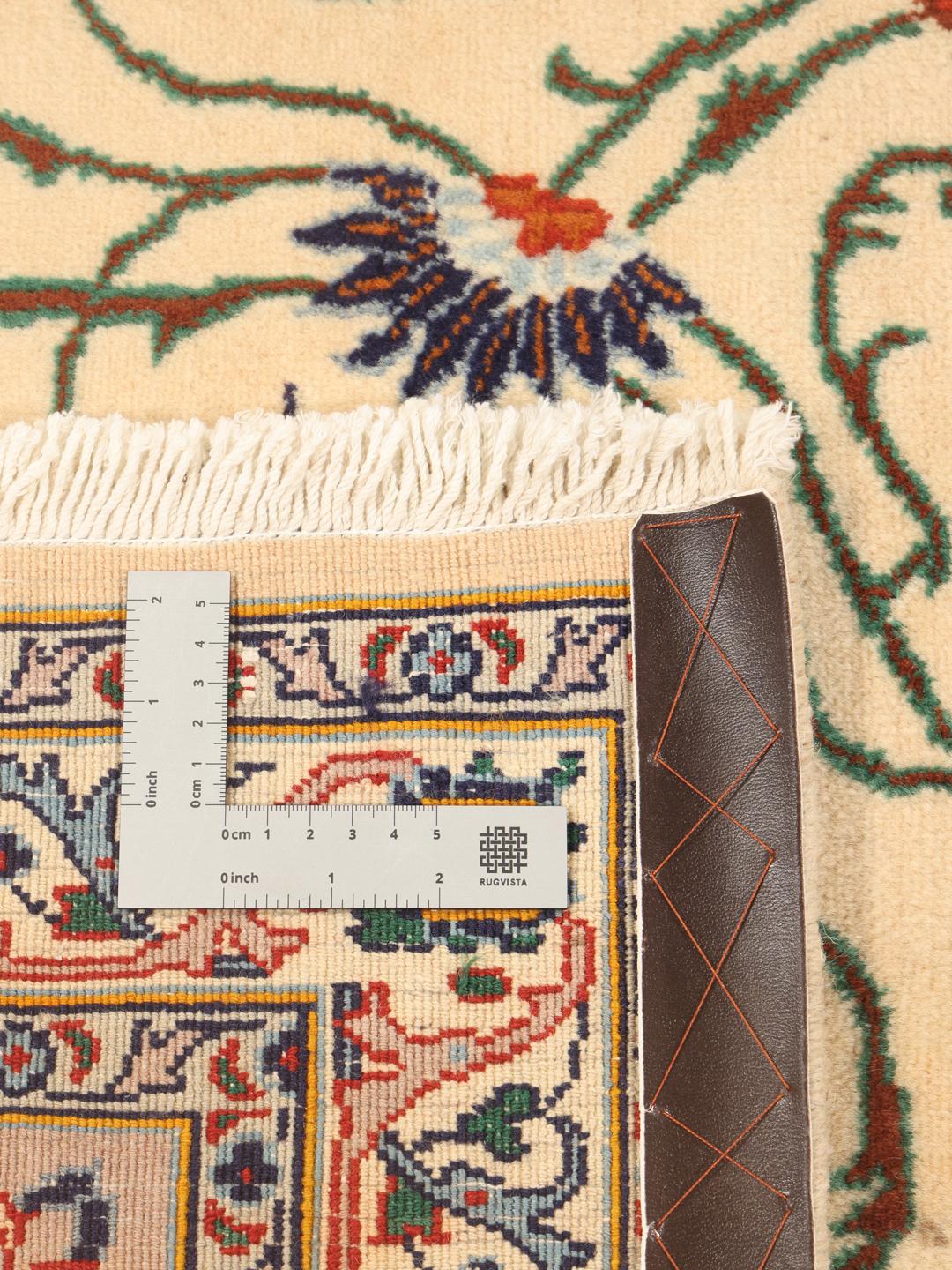
A Sherkat Farsh designation is a mark of prestige, indicating that the rug was produced under the oversight of a specialised professional organisation dedicated to preserving the highest standards of weaving. This ensures that the materials used are of the finest quality and that the traditional knotting techniques are executed with absolute precision, resulting in a product that meets rigorous quality expectations.
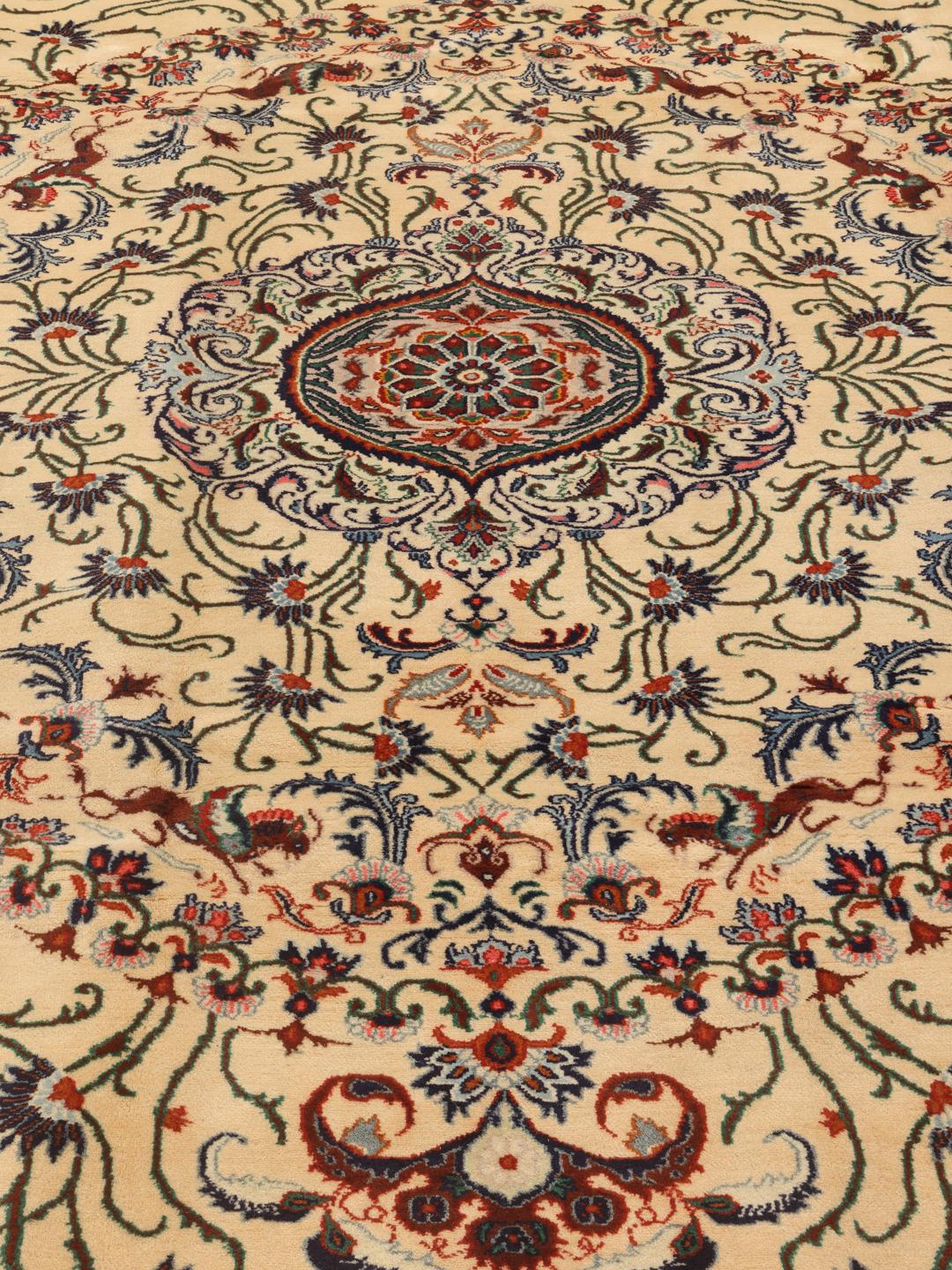
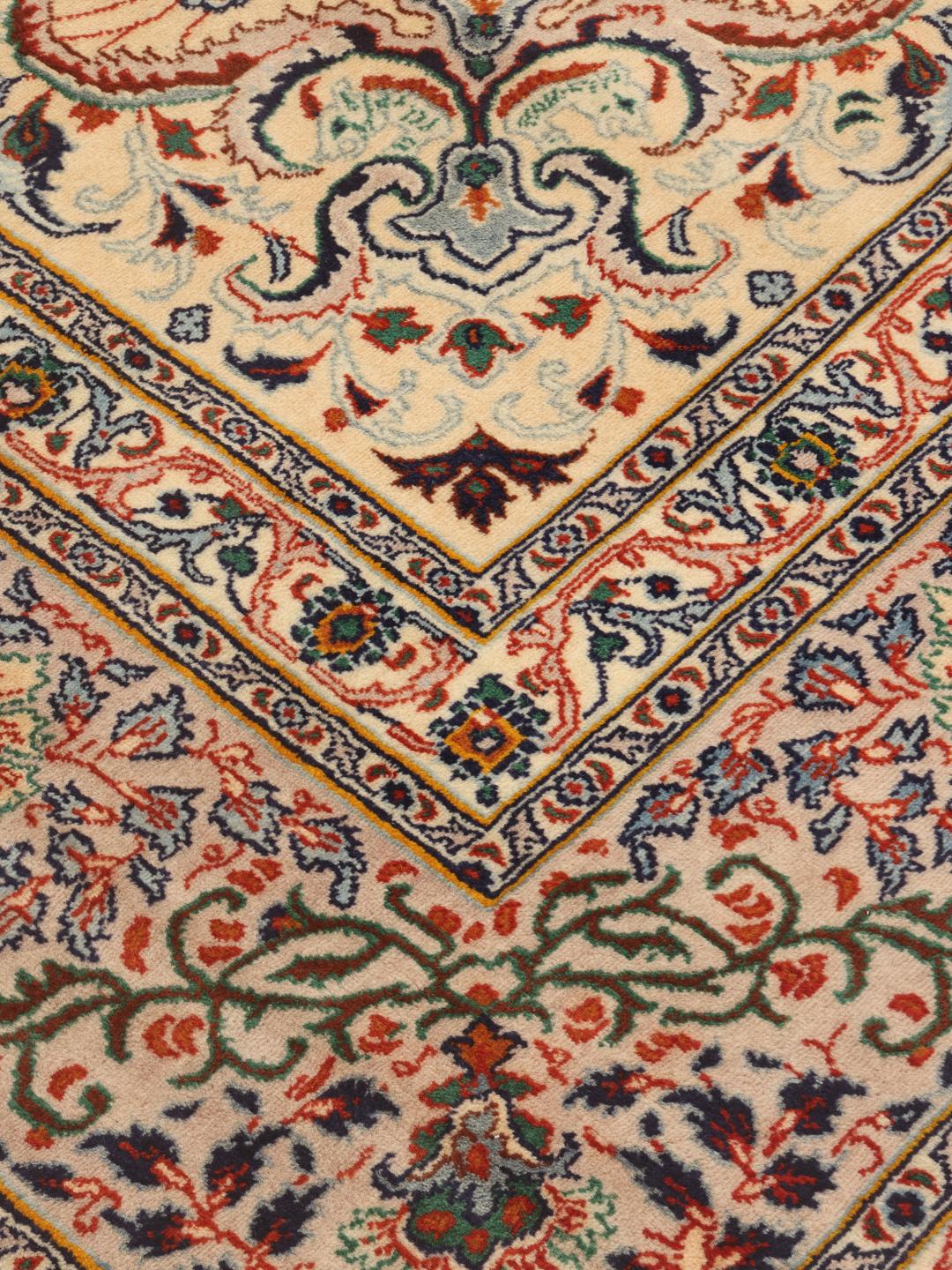
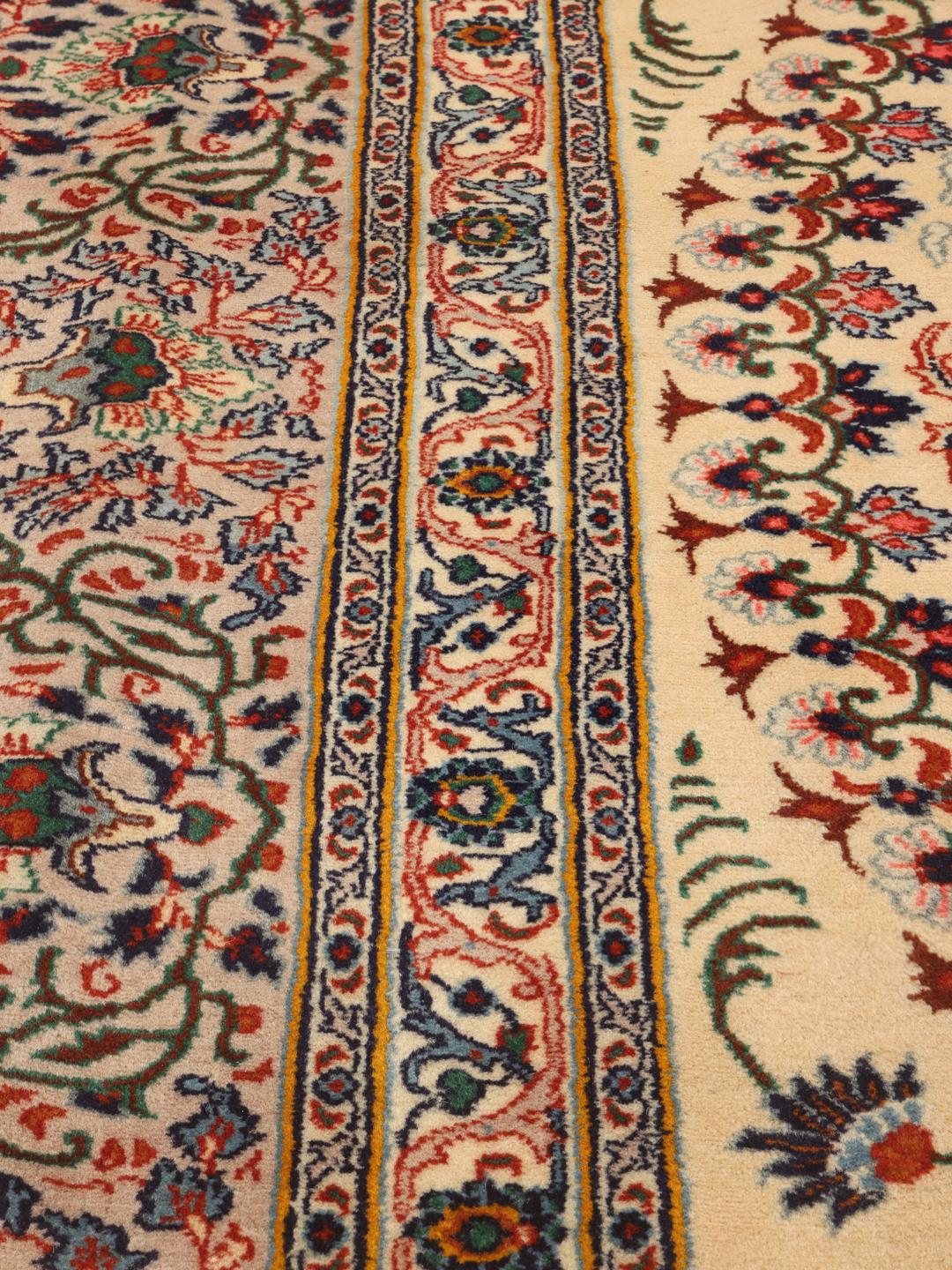
Visually, Moud rugs are celebrated for their balanced compositions. They often feature a central medallion surrounded by a field filled with the iconic 'Herati' pattern, also known as the fish pattern, which consists of a central flower surrounded by four leaves. The borders are typically well-defined, often showcasing floral vines that provide a sense of structure and completion to the overall design.
Collecting a Moud Sherkat Farsh rug is a commitment to preserving a rich cultural legacy. These rugs are highly valued for their ability to integrate seamlessly into a variety of interiors while serving as a testament to the skill of the artisan. Owning one means holding a piece of history that reflects the dedication, patience, and artistic vision of a long-standing weaving tradition.