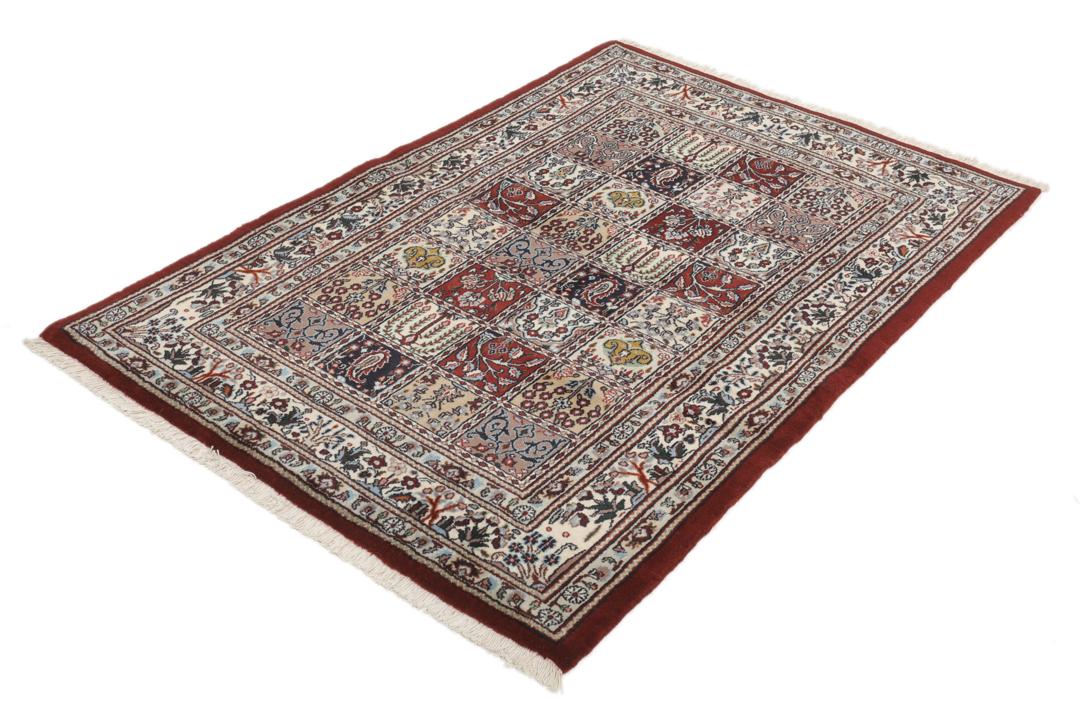
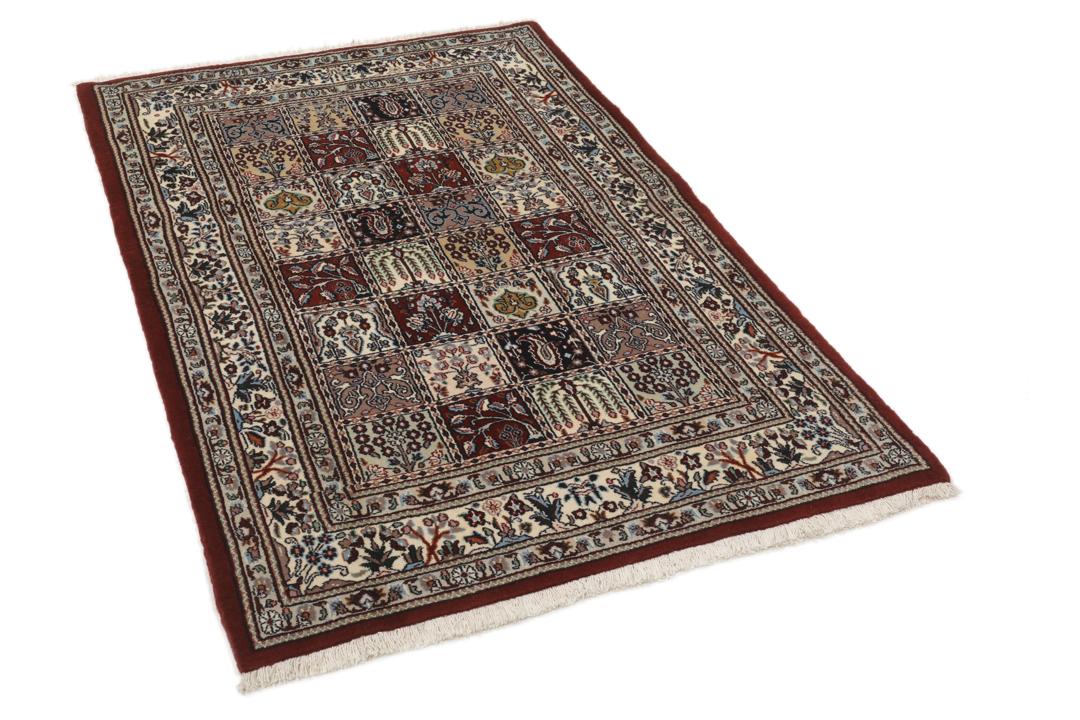
The Moud rug tradition originates from the town of Moud in the Khorasan province of the Middle East, a region with a deep-rooted history of textile artistry. These rugs are celebrated for their distinctive style which often bridges the gap between traditional floral patterns and more structured, geometric layouts.
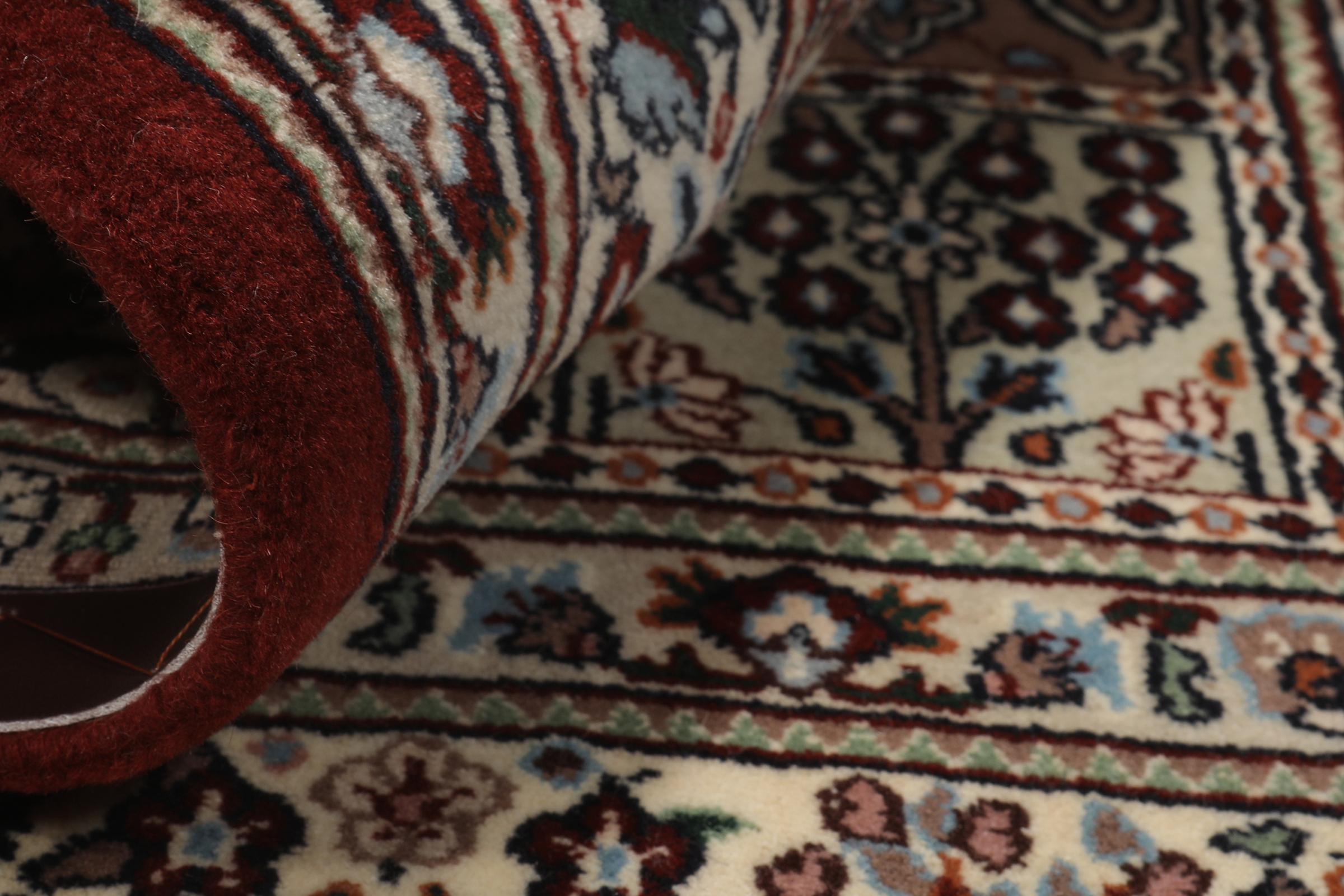
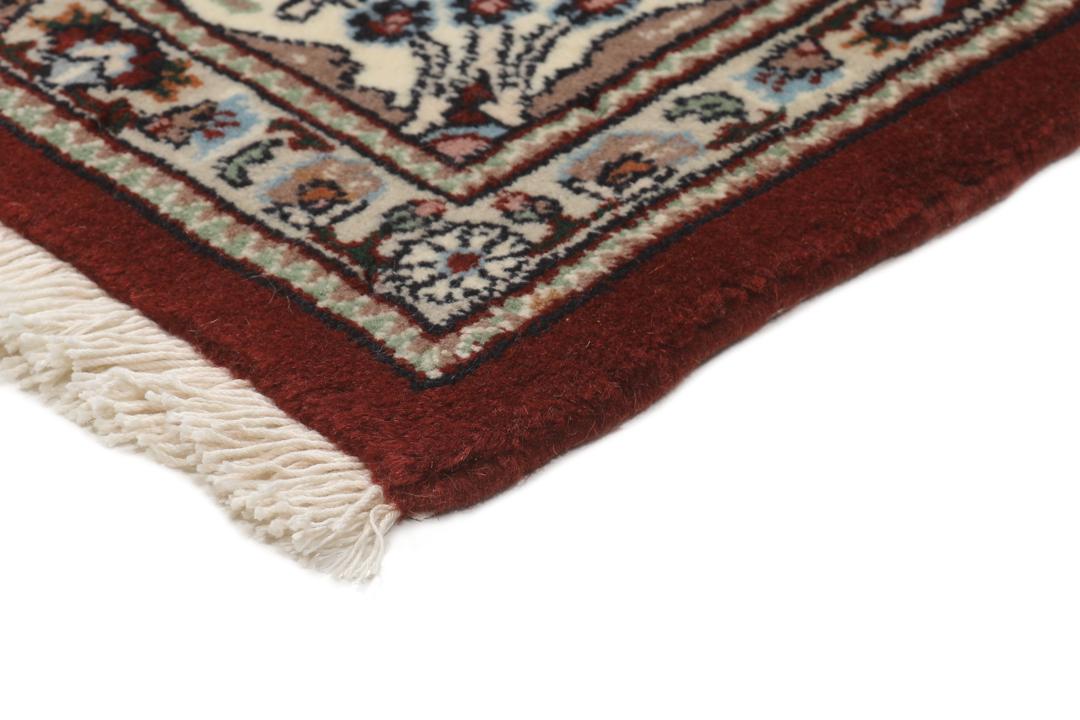
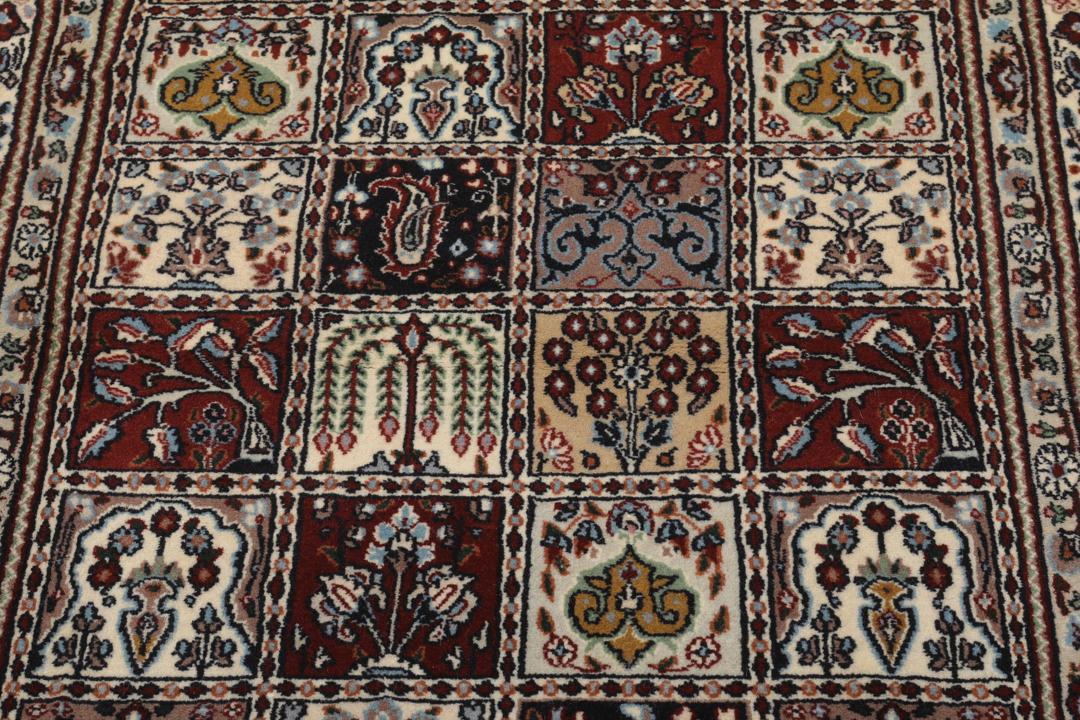
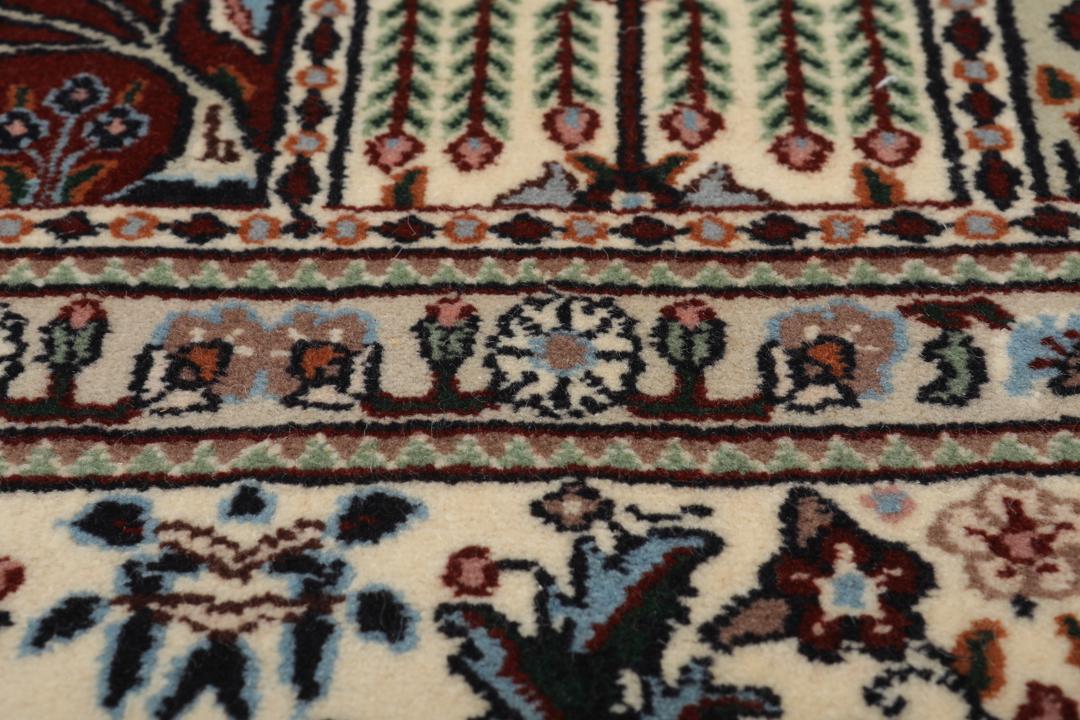
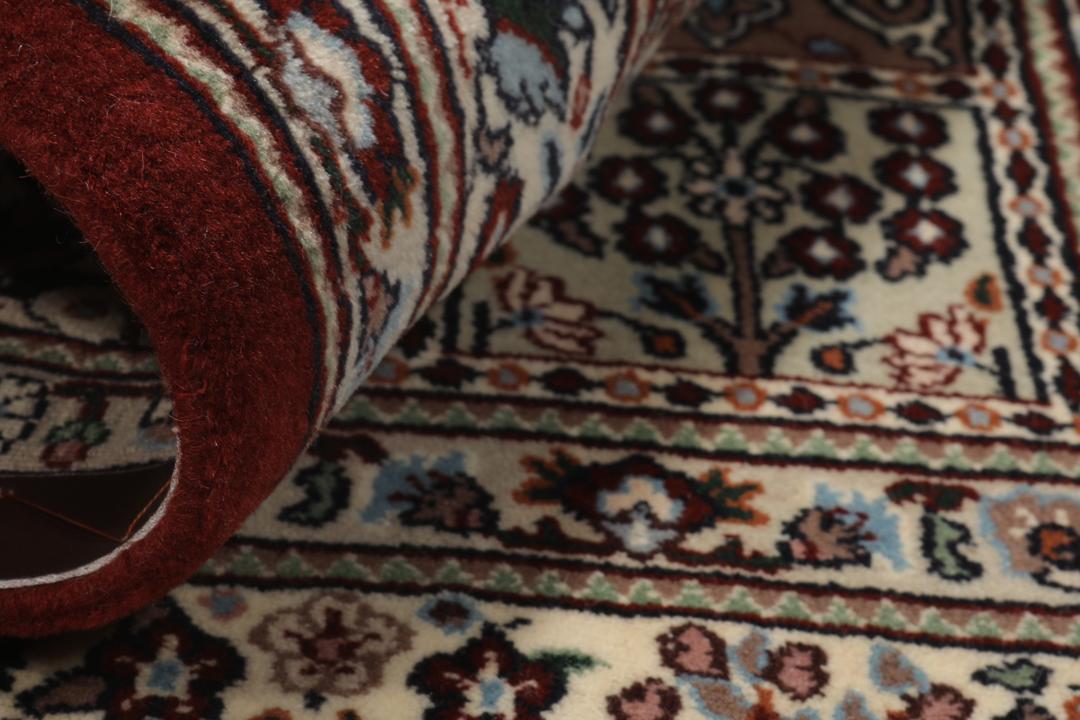
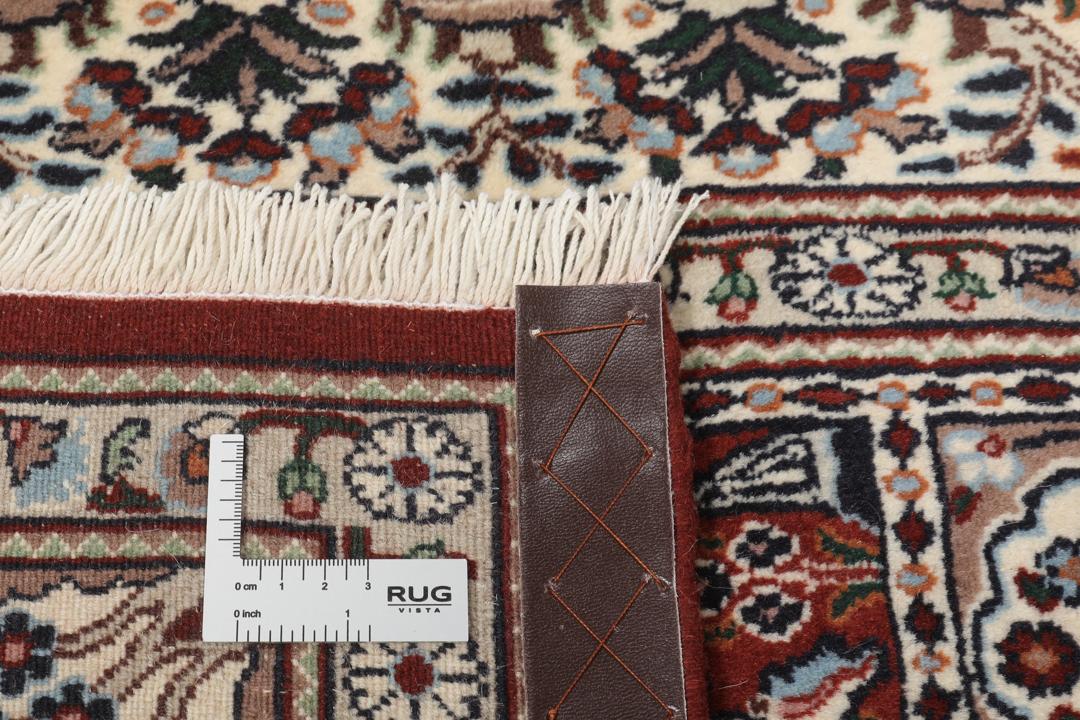
The technical quality of these rugs is defined by their knotting density, which directly impacts the sharpness of their intricate designs. A higher knot count allows artisans to execute complex, curvilinear floral motifs with incredible clarity, ensuring that the finished product is both a visually stunning piece and a durable floor covering.
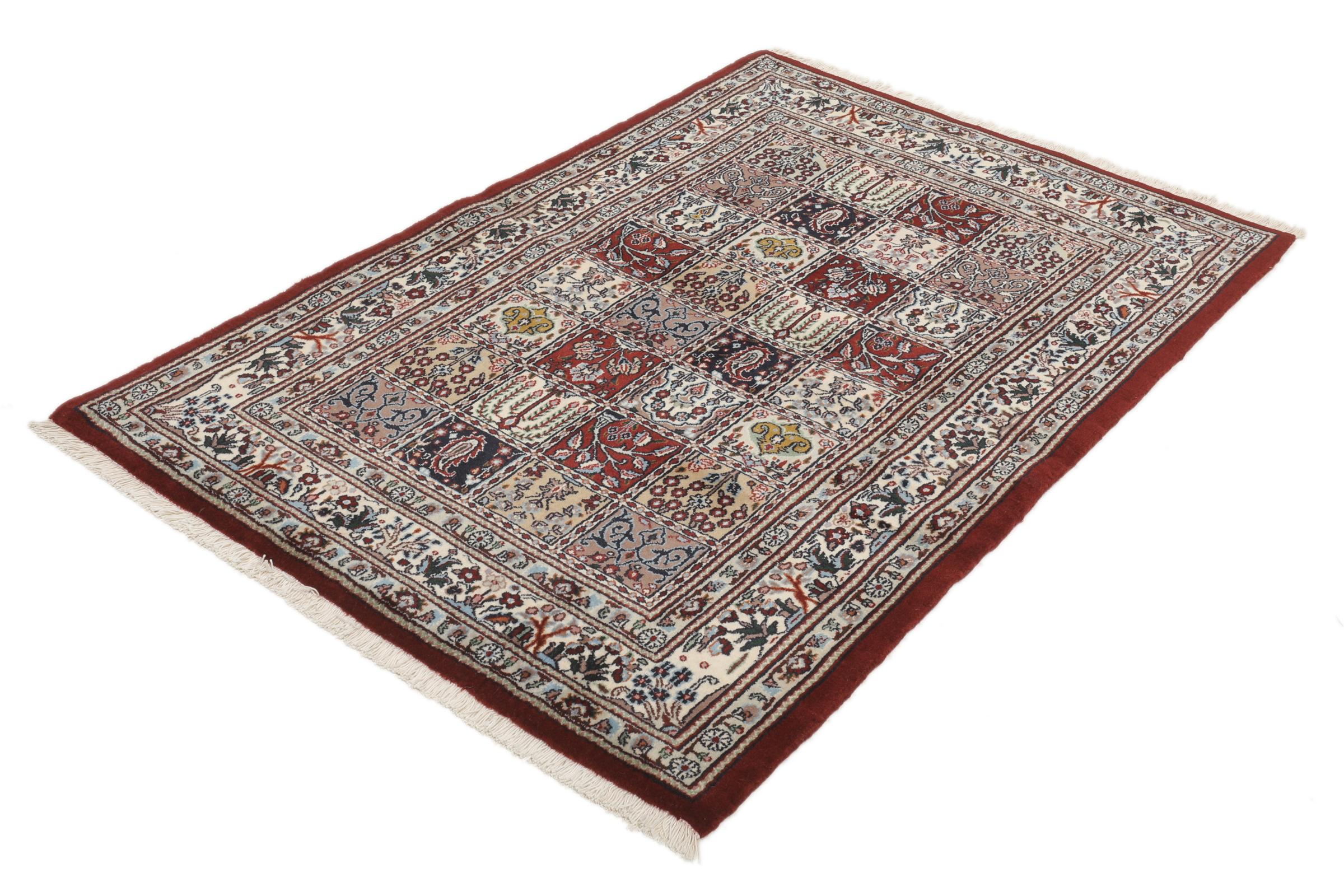
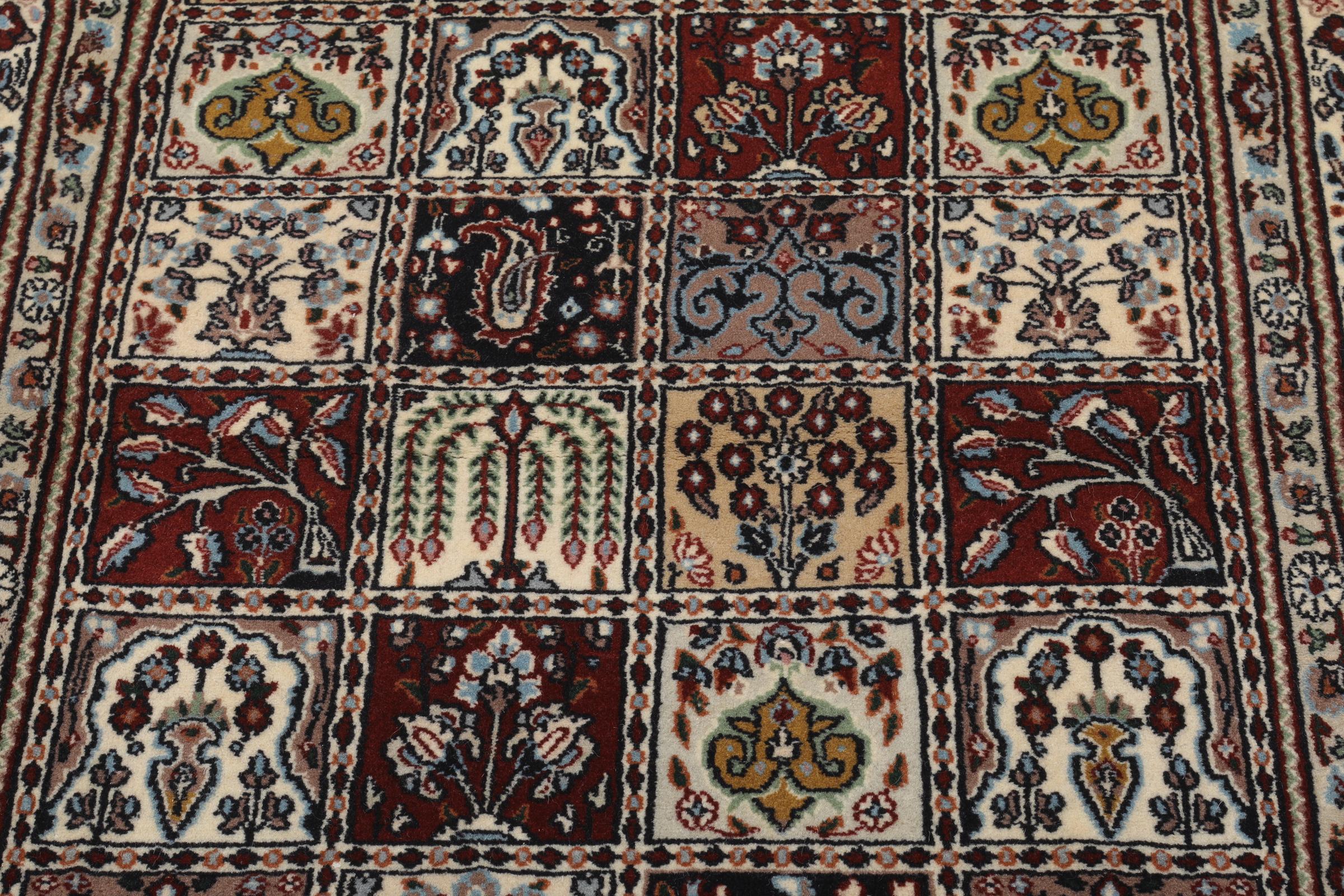
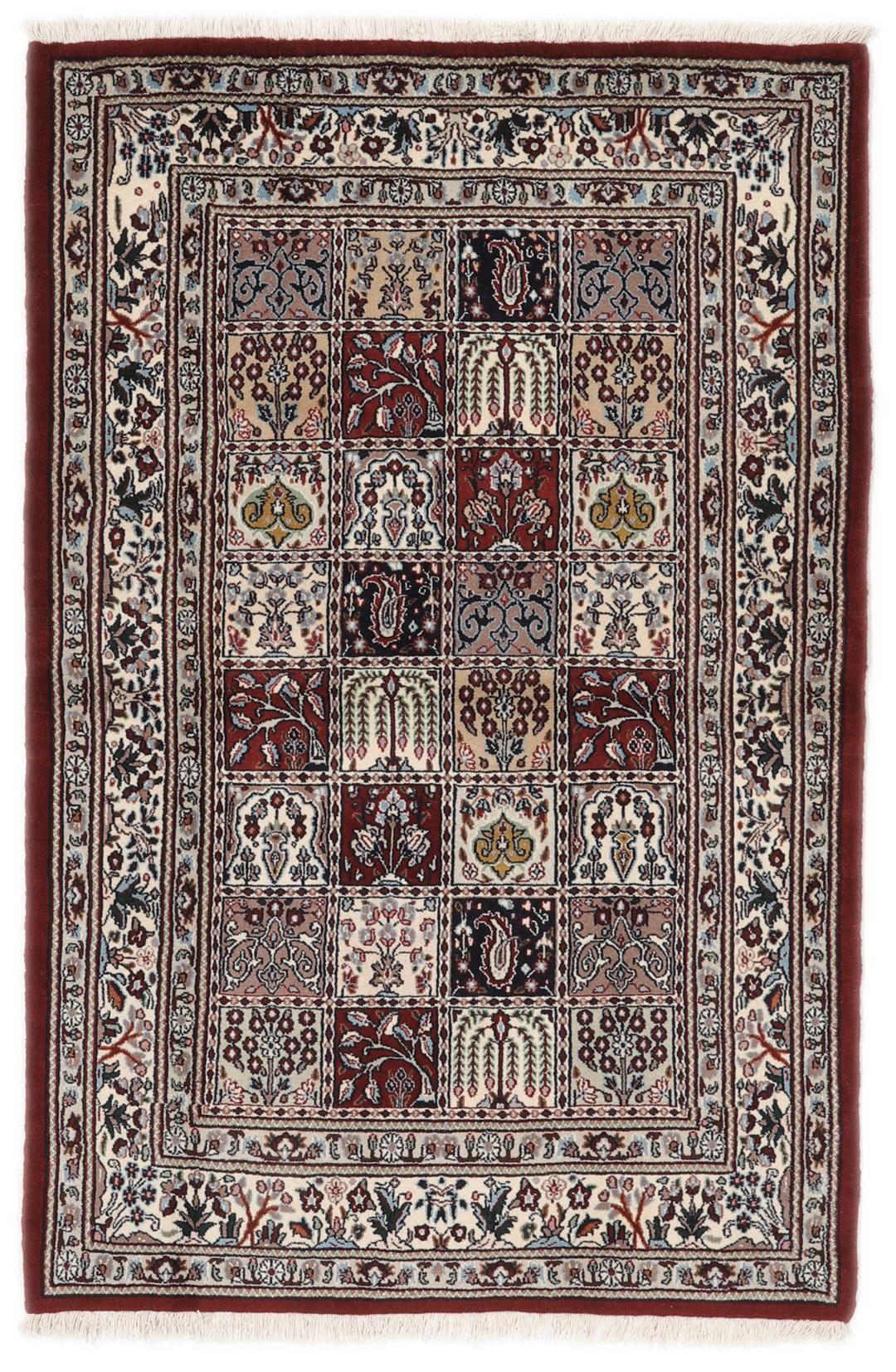
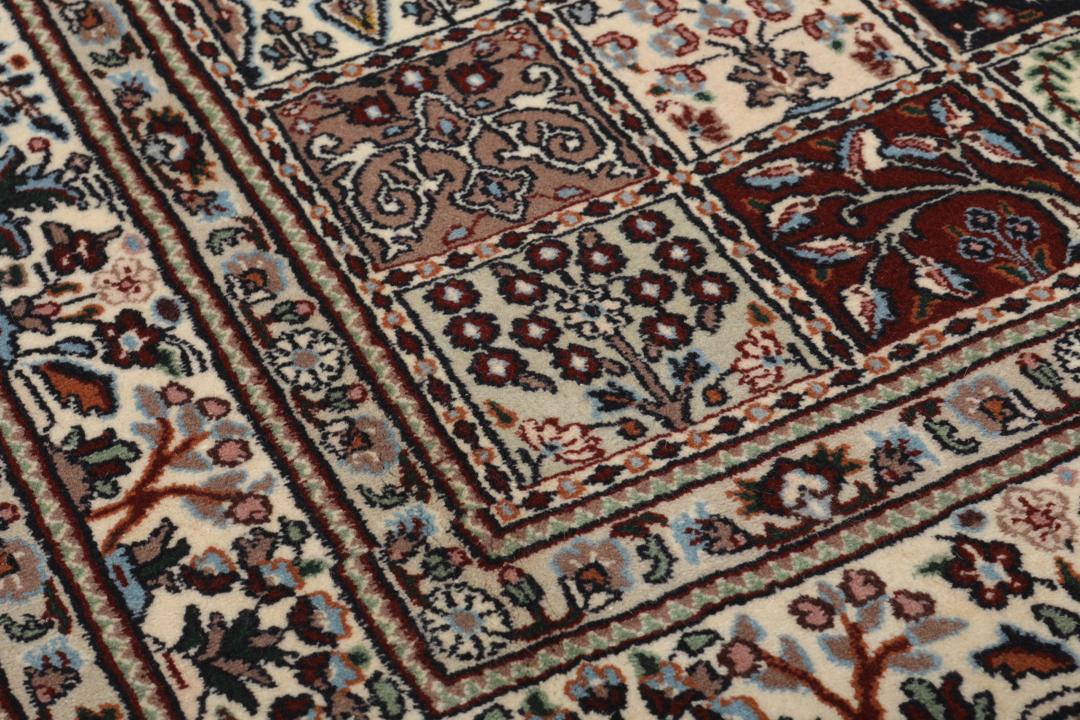
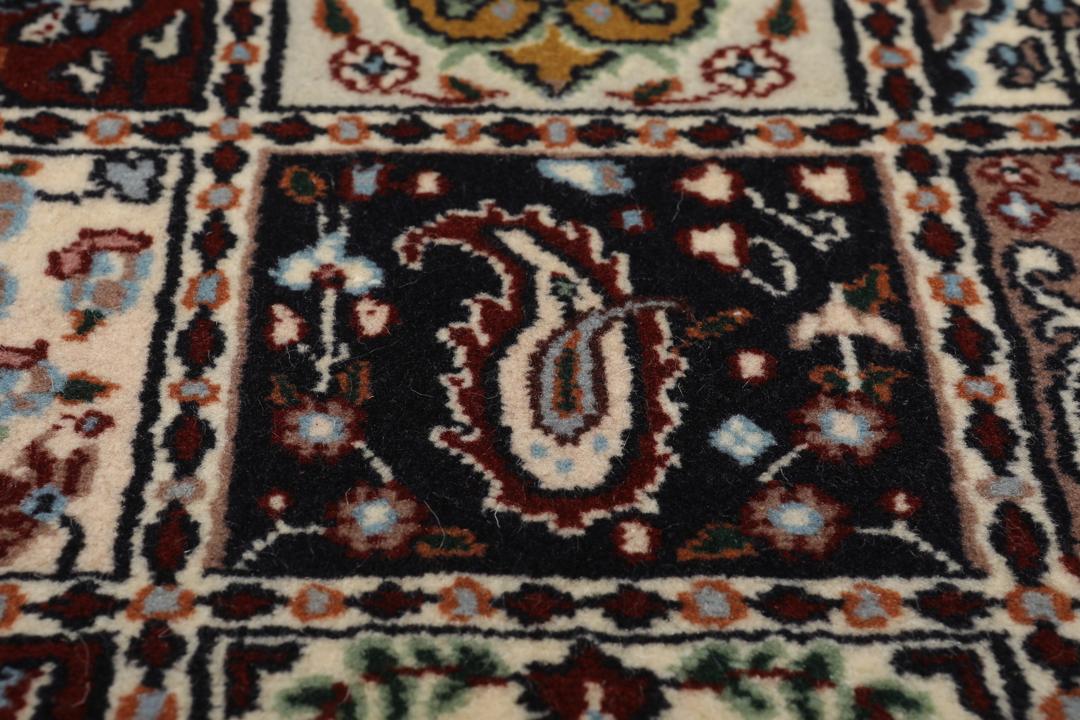
Signature design elements of the Moud style often include the 'Herati' pattern or the 'garden' grid seen here. The garden design, or 'Baktiari' influence, organises the field into distinct compartments, each filled with stylised flowers, shrubs, or trees. This compartmentalisation creates a formal, balanced aesthetic that is highly prized for its complexity and visual rhythm.
Owning a Moud rug is an investment in cultural heritage and skilled craftsmanship. These pieces are collected for their resilience and the sophisticated narrative they bring into a home. By choosing a hand-knotted piece, you are supporting a tradition that has been passed down through generations, valuing the human touch over mass production.