The tradition of Berber-style rugs originates from the indigenous tribes of the Middle East and North Africa, where weaving has long been a vital cultural practice. These rugs were historically created for domestic use, serving as warm bedding or floor coverings, and were infused with the personal stories and symbolic language of the weavers.
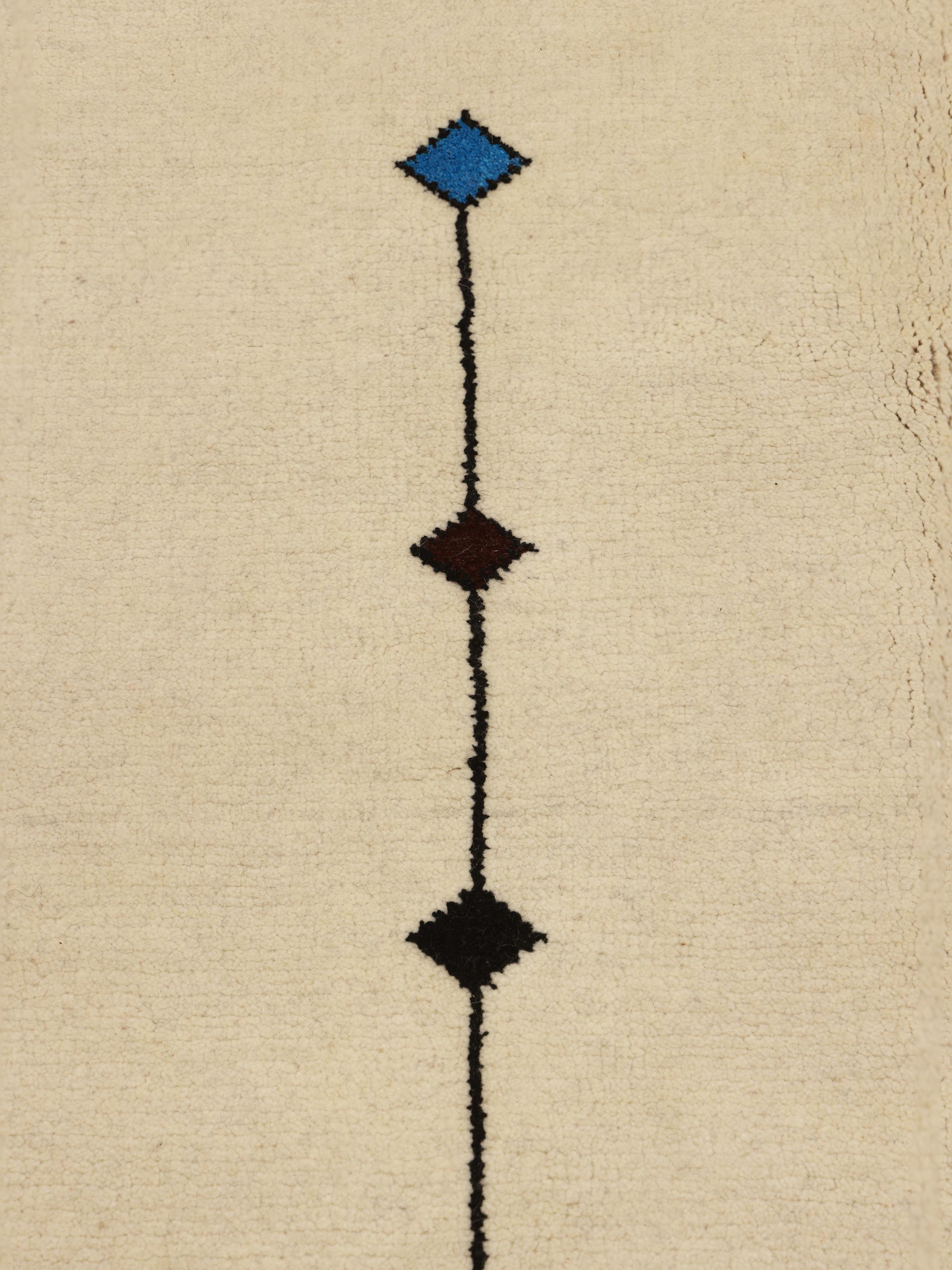
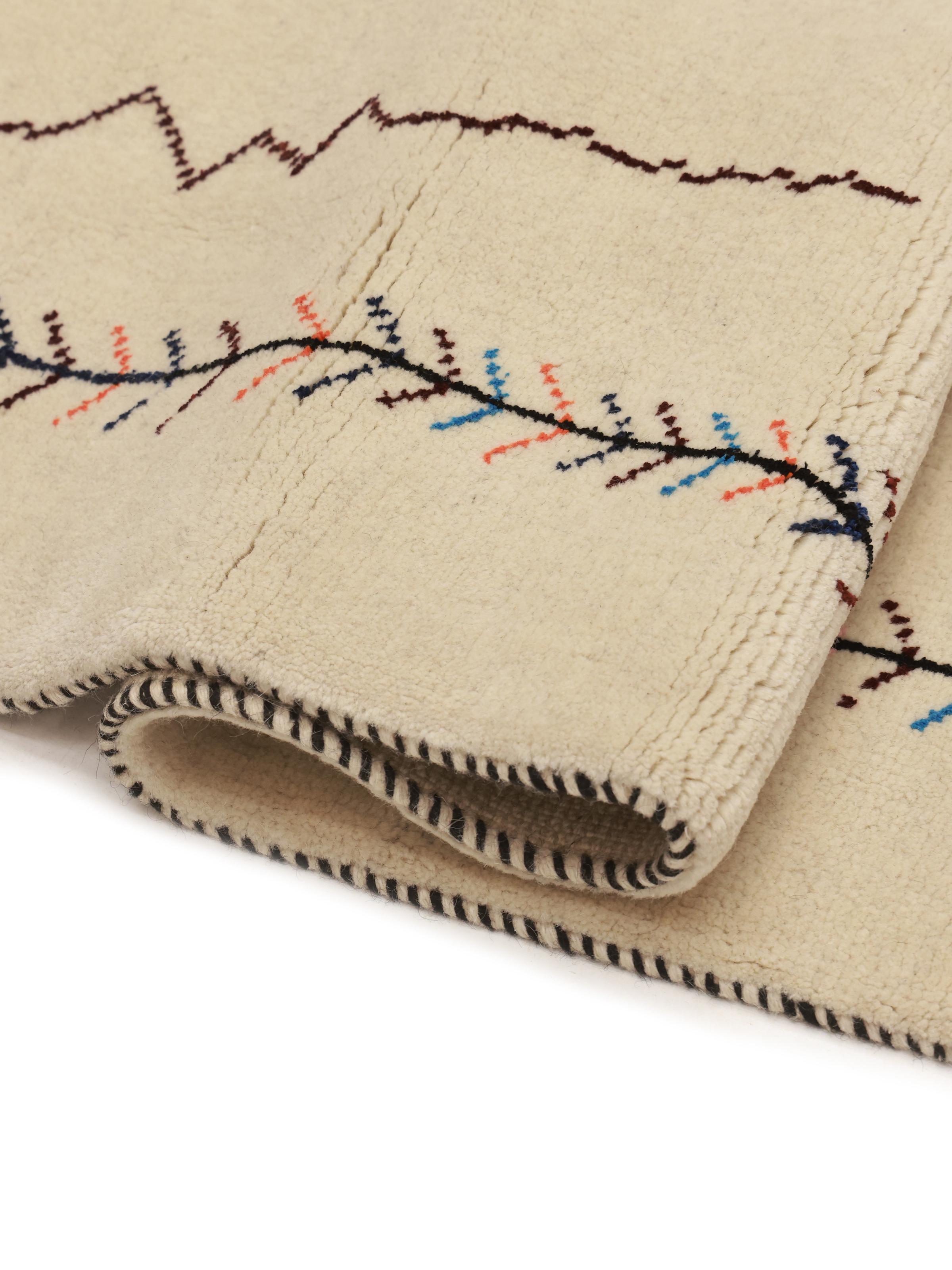
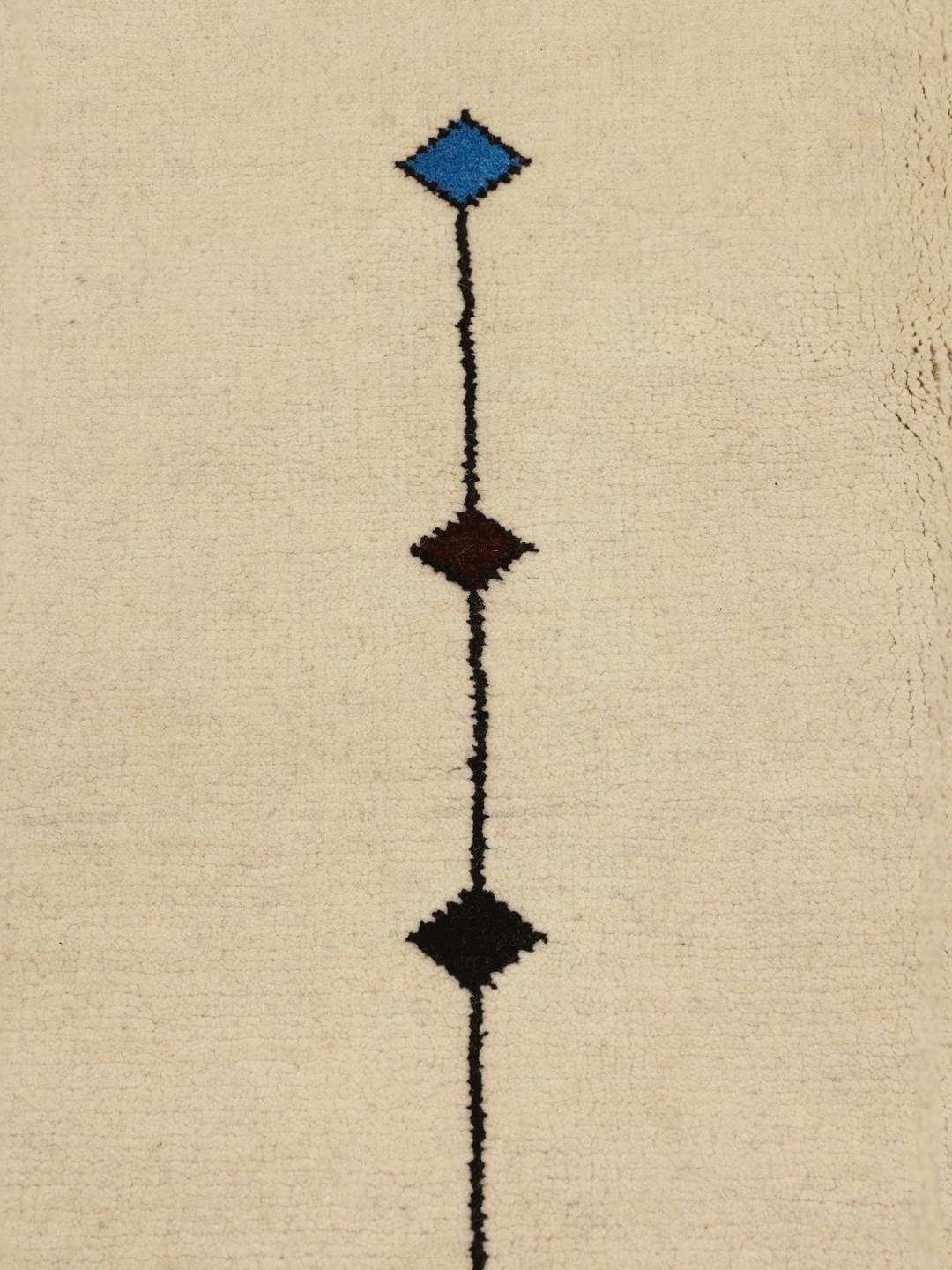
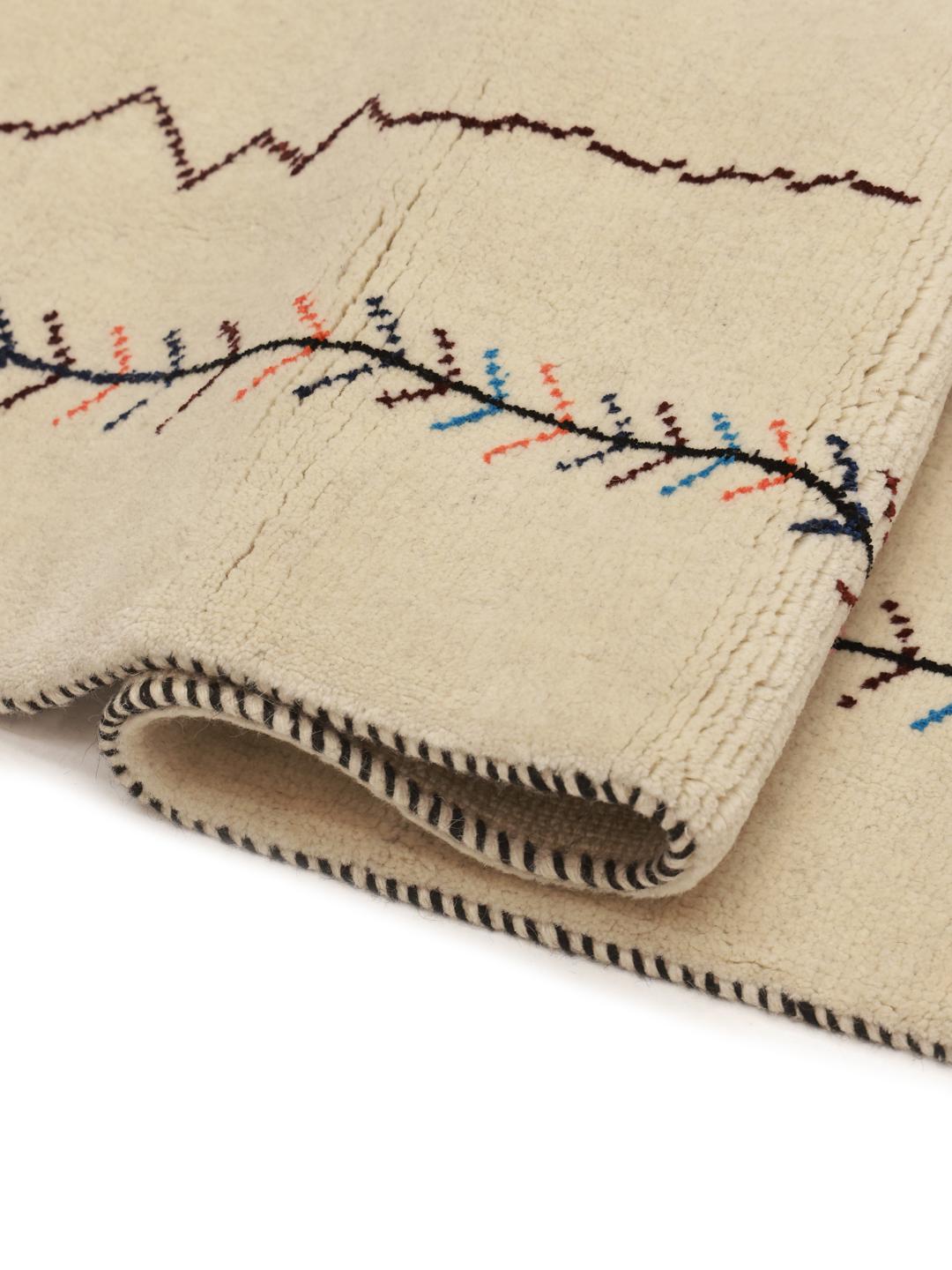
The terminology used to describe these pieces often refers to the specific tribal techniques passed down through generations. While the term 'Berber' is widely recognised for its association with thick, resilient piles and neutral palettes, the actual construction often involves intricate knotting methods that allow for a dense, high-quality finish that stands the test of time.
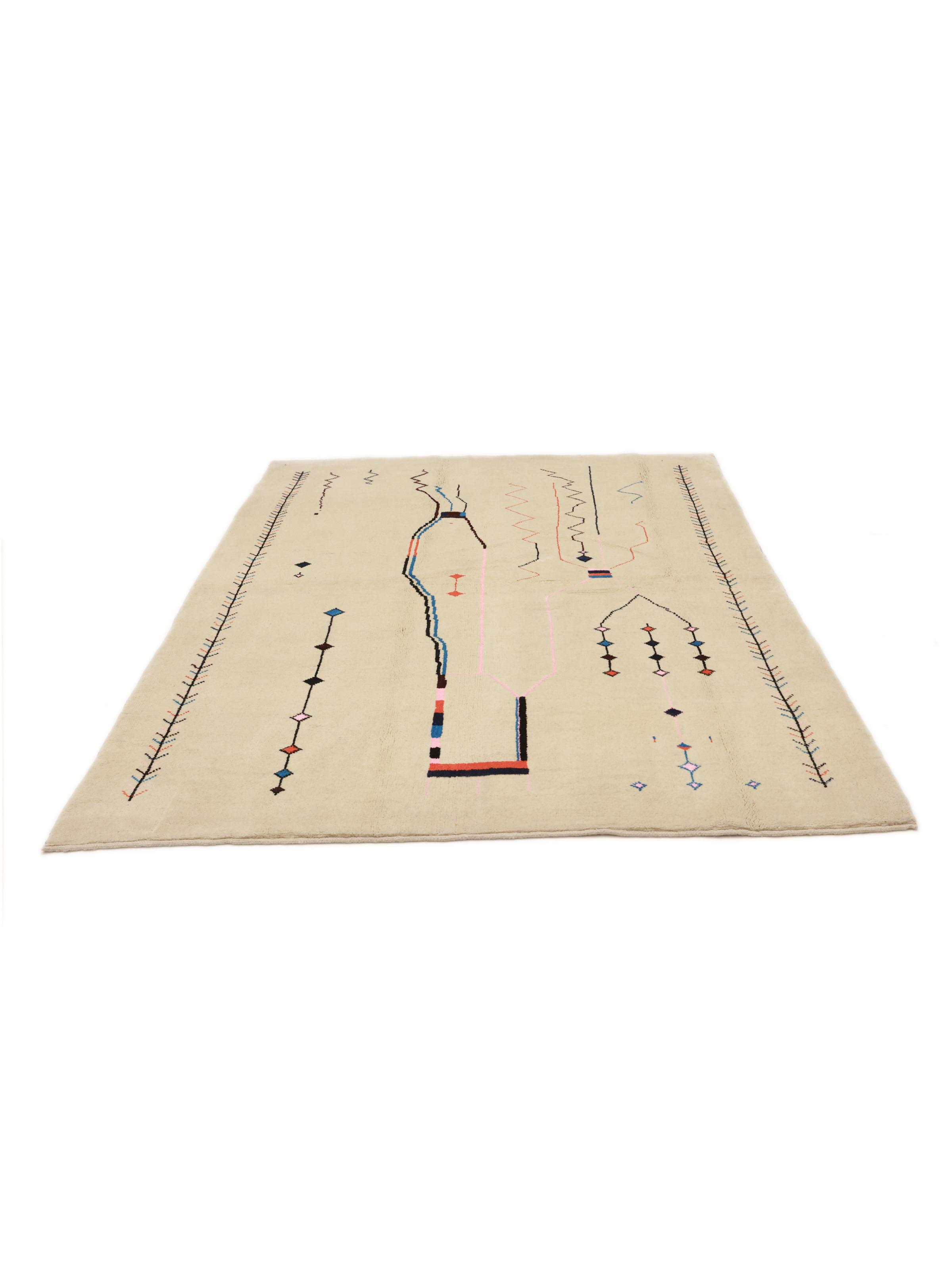
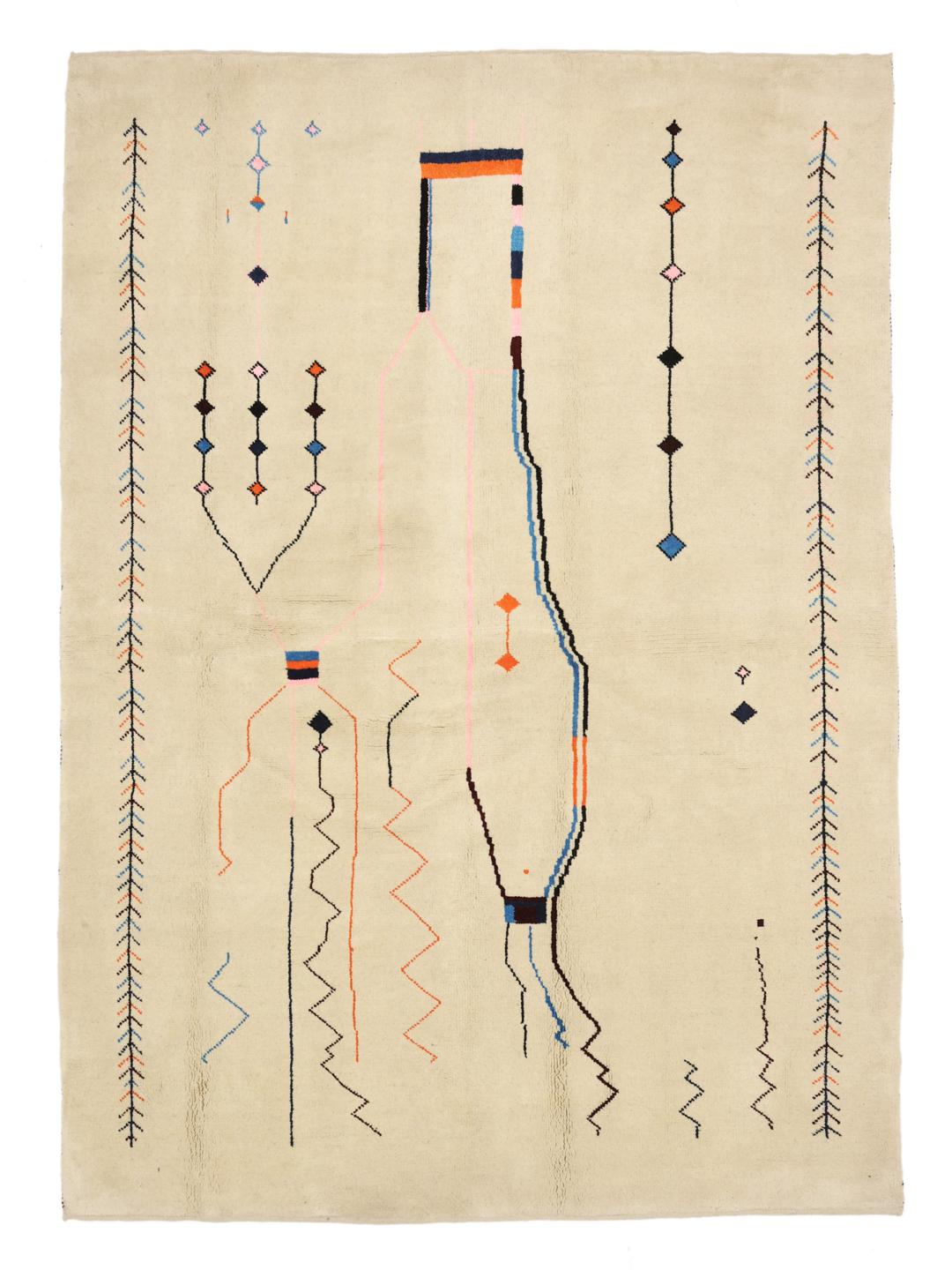
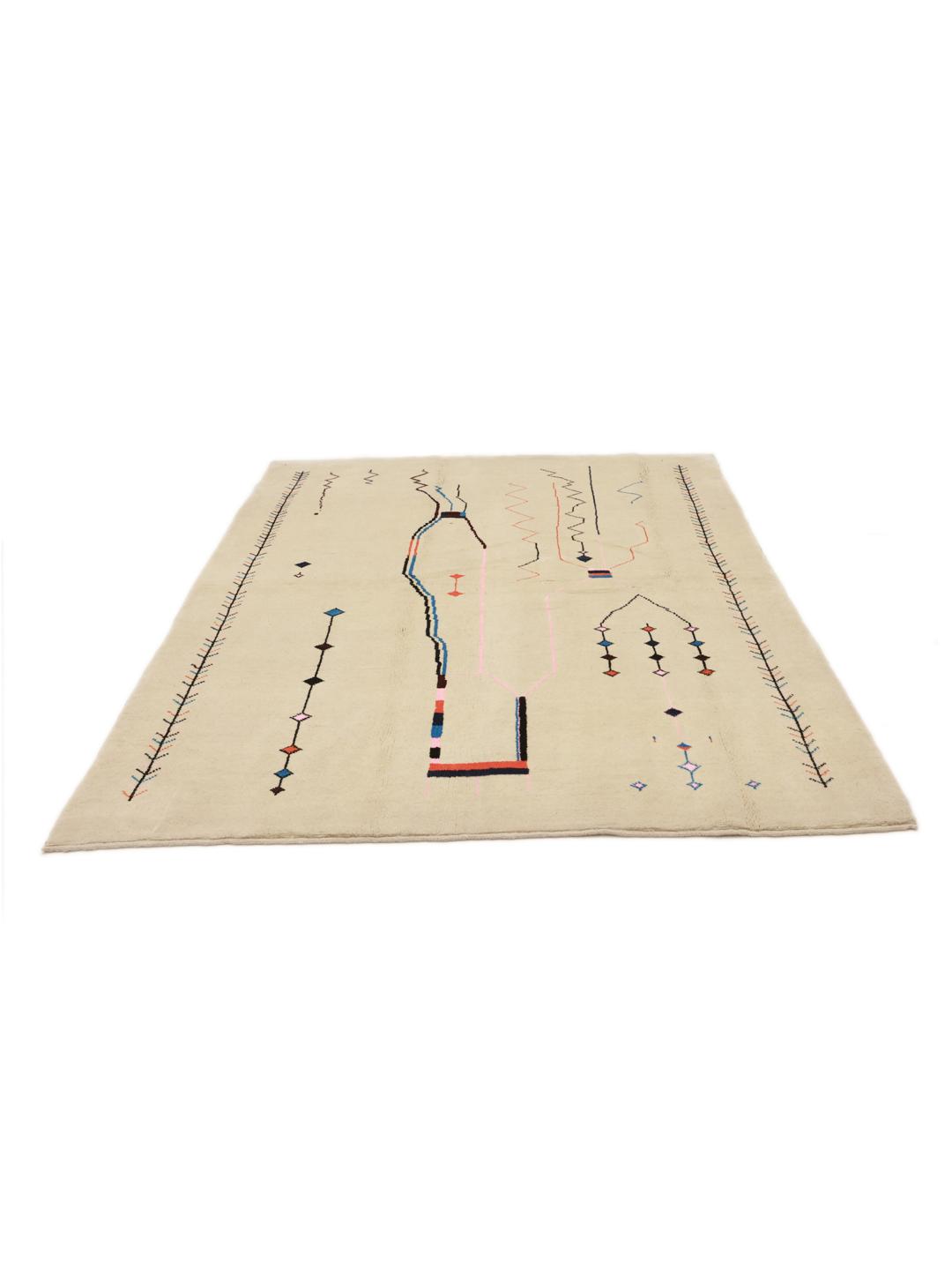
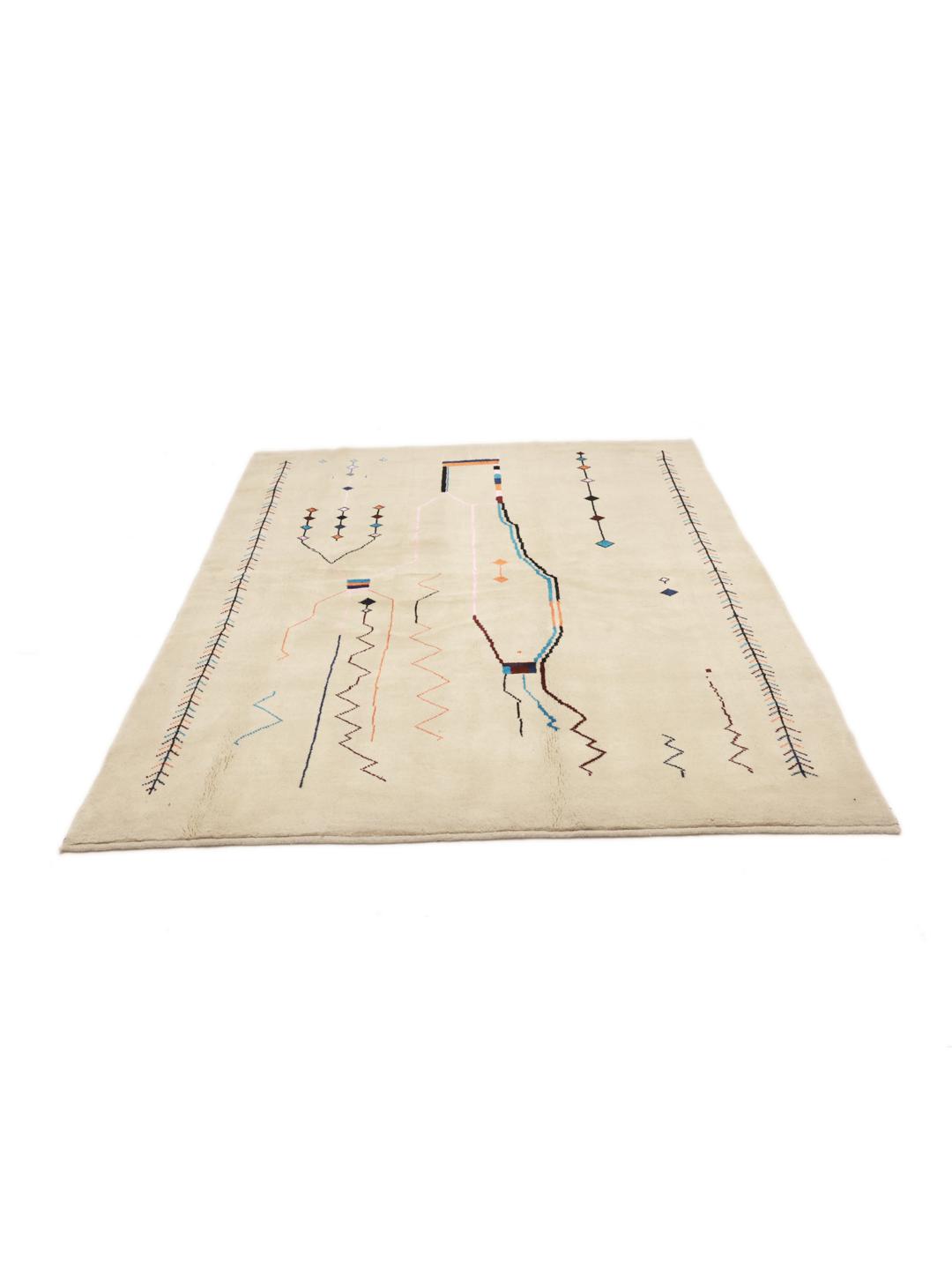
Signature design elements in this tradition often include a mixture of geometric symbols, lines, and abstract motifs. These elements are not purely decorative; they often represent a visual shorthand for beliefs, nature, or life events. In this particular piece, the sparse placement of these symbols against a light field highlights the beauty of individual expression within a traditional framework.
Today, these rugs are highly sought after by collectors and interior enthusiasts alike for their authentic, human quality. Owning a piece from this tradition is an investment in cultural heritage, representing a bridge between ancient methods and contemporary living spaces that value genuine craft and lasting beauty.