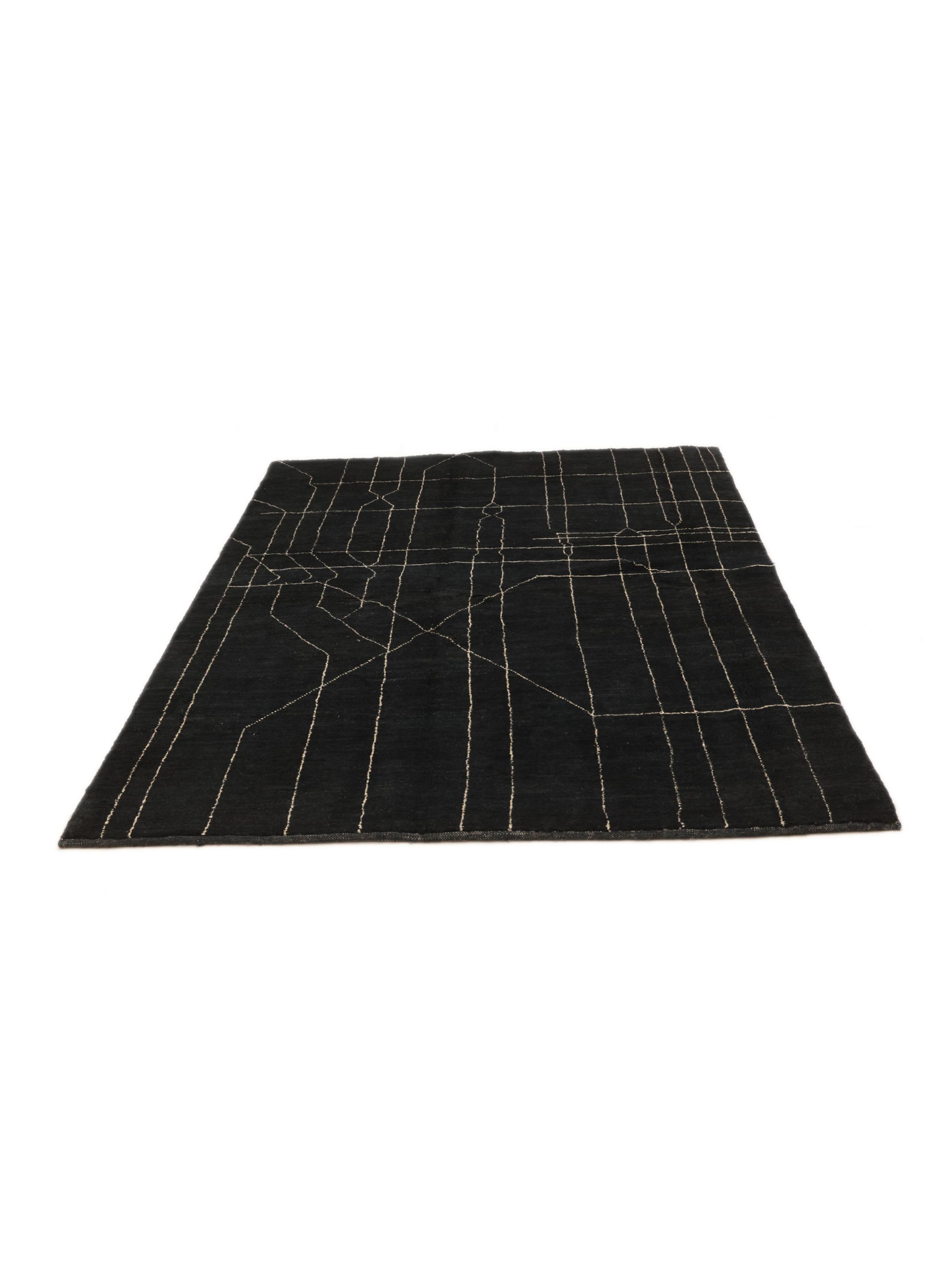
The Berber rug tradition traces its origins to the indigenous peoples of North Africa, whose weaving practices have been passed down through generations. While these rugs are historically celebrated for their cultural significance, the style has evolved to influence contemporary design across the Middle East and beyond, blending ancient techniques with modern artistic visions.
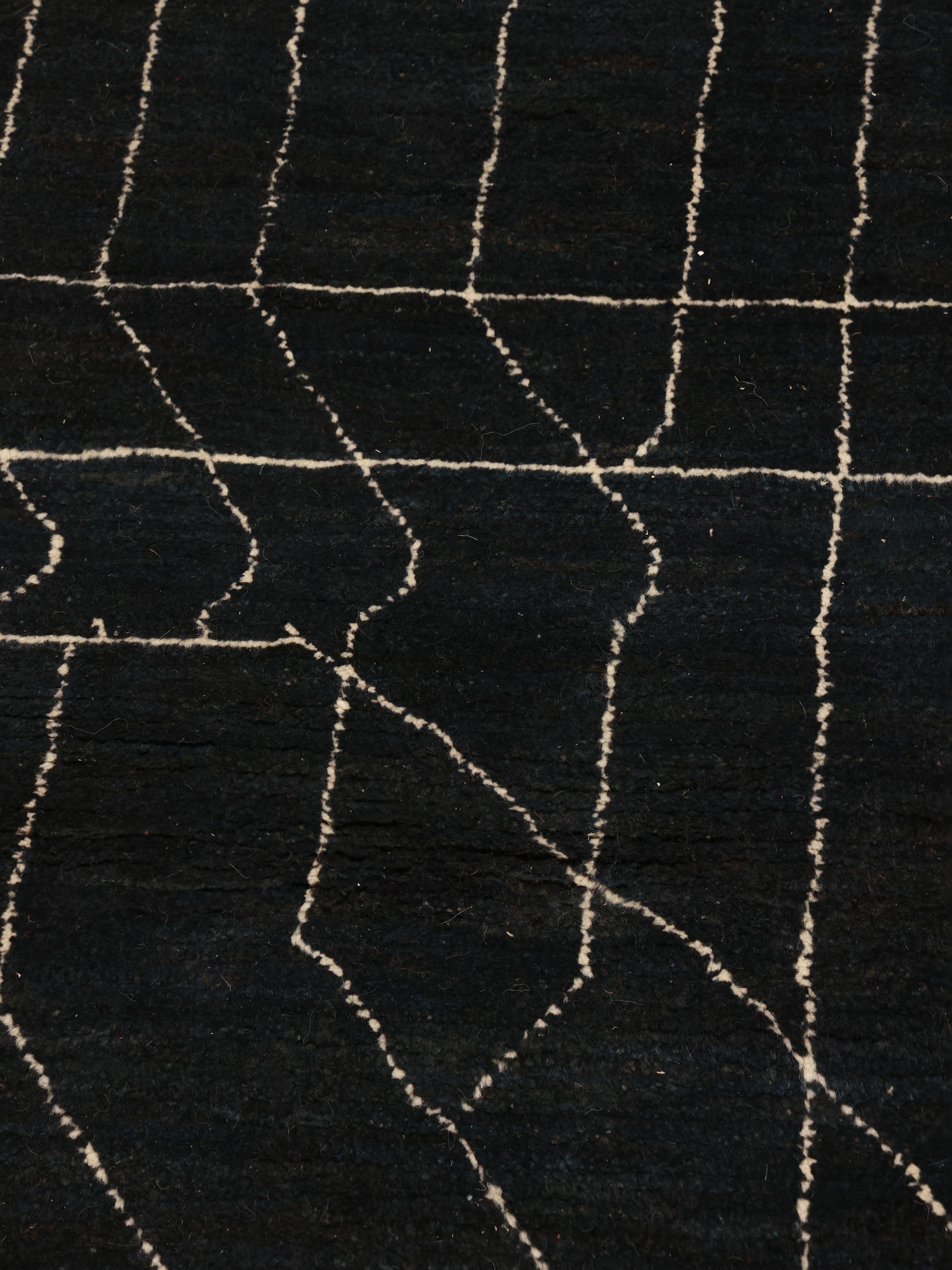
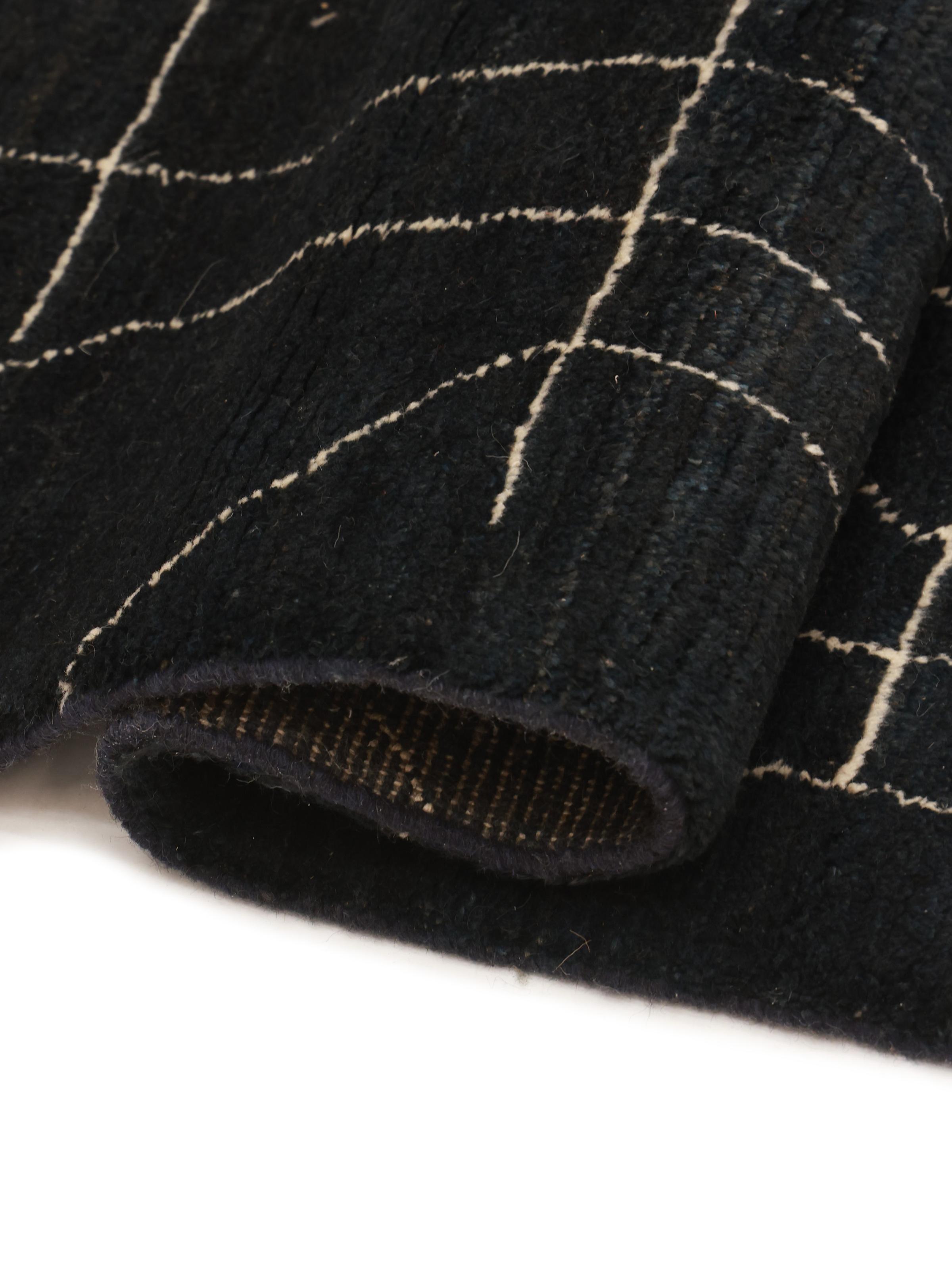
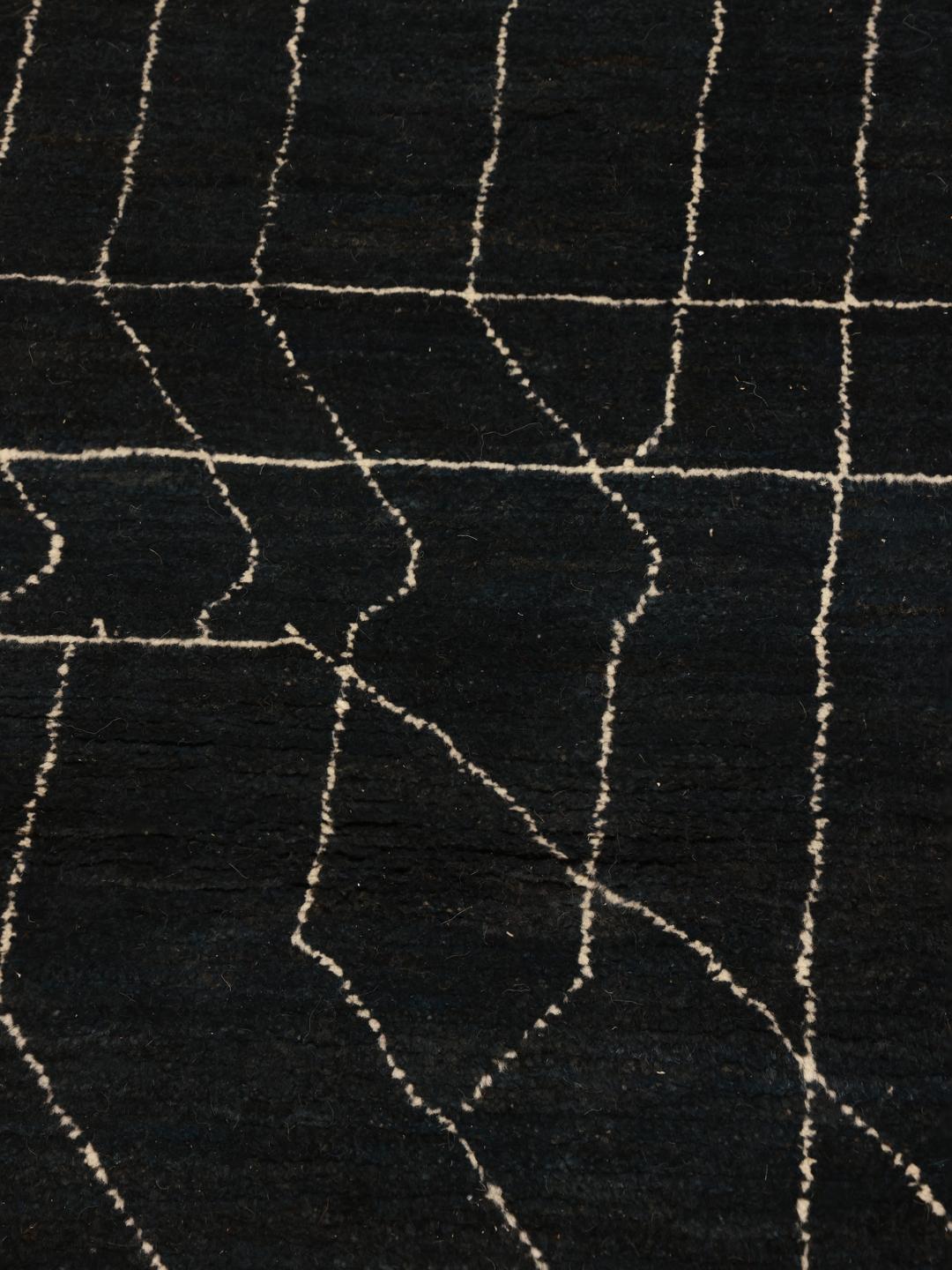
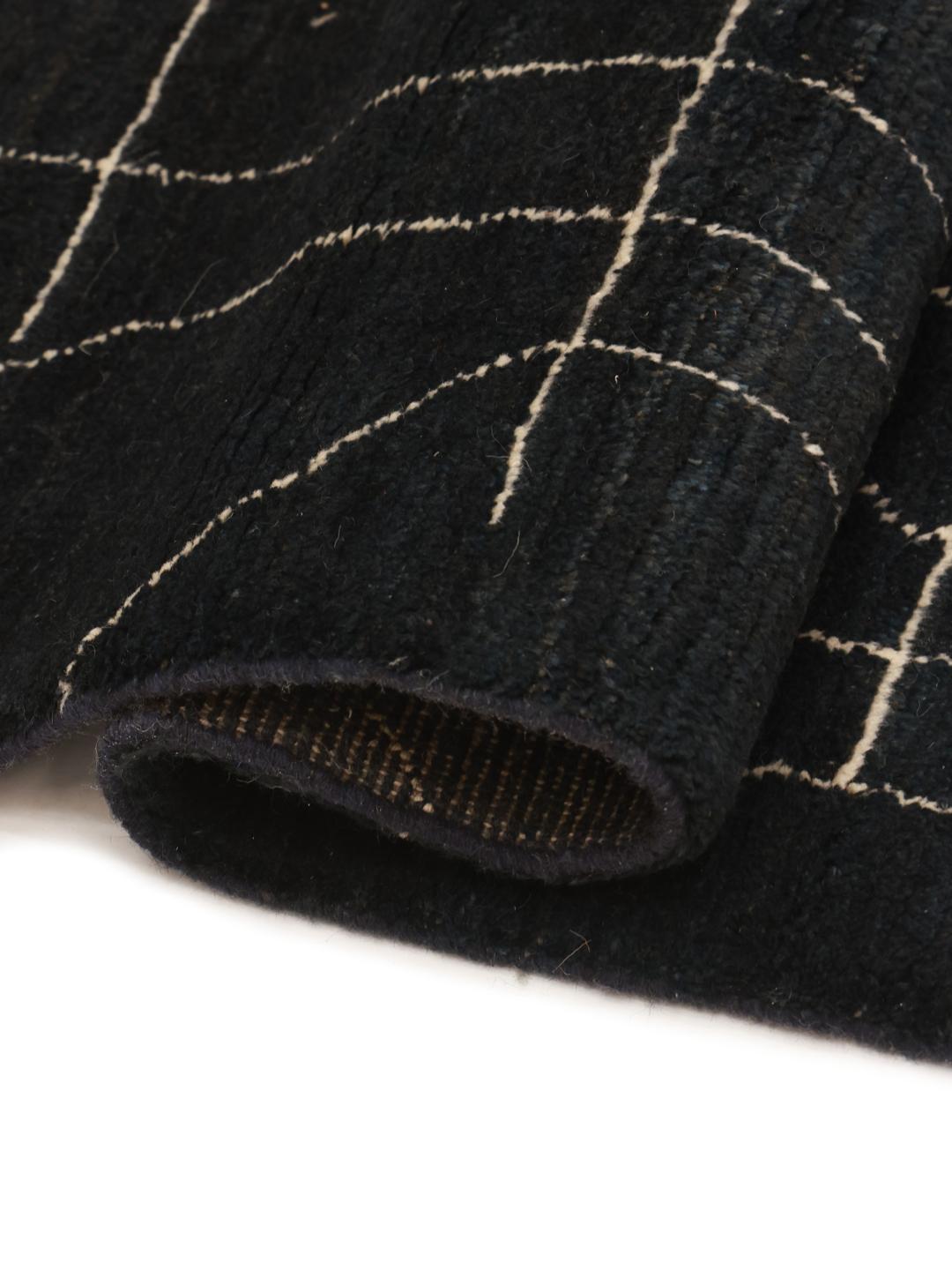
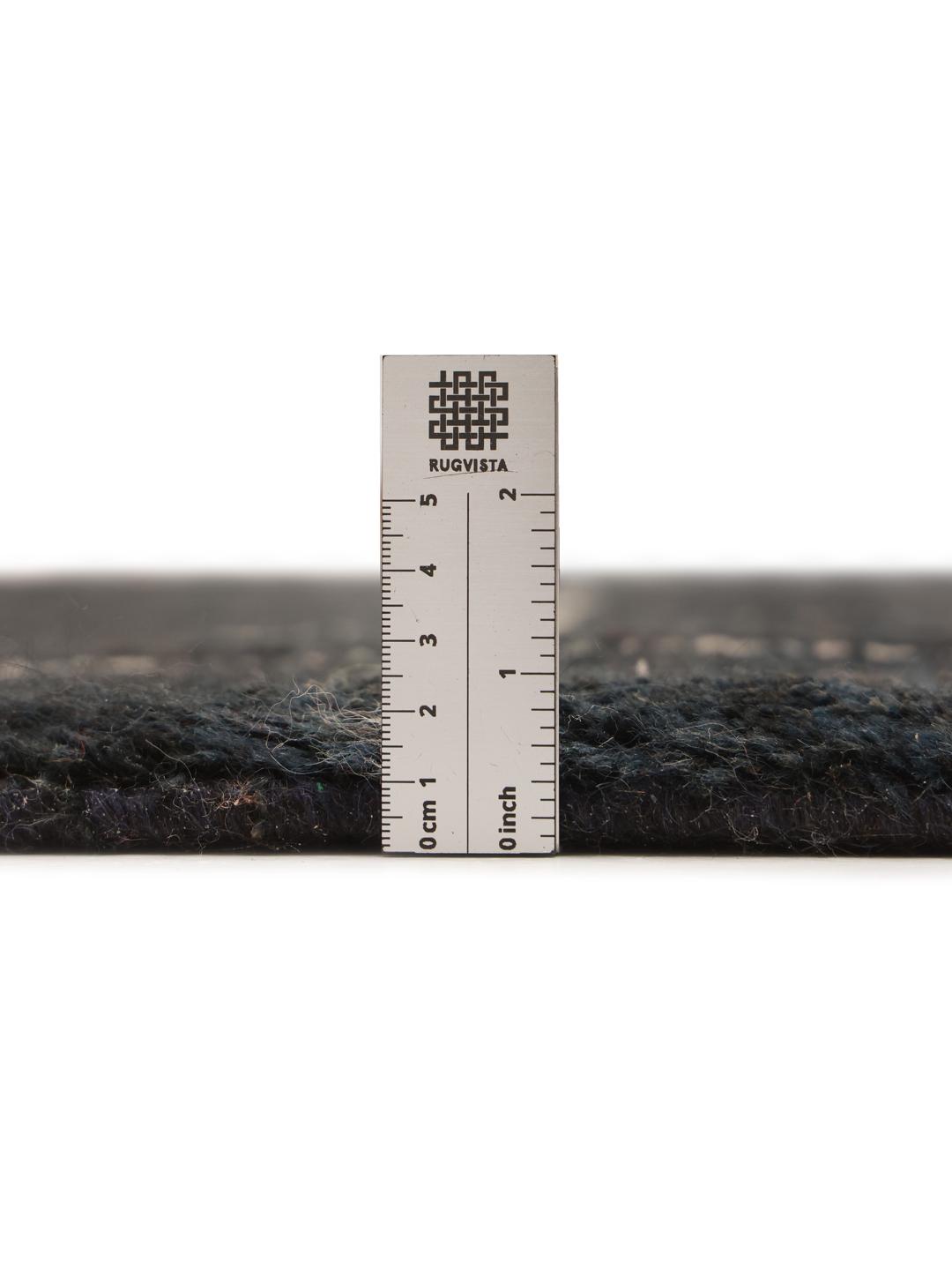
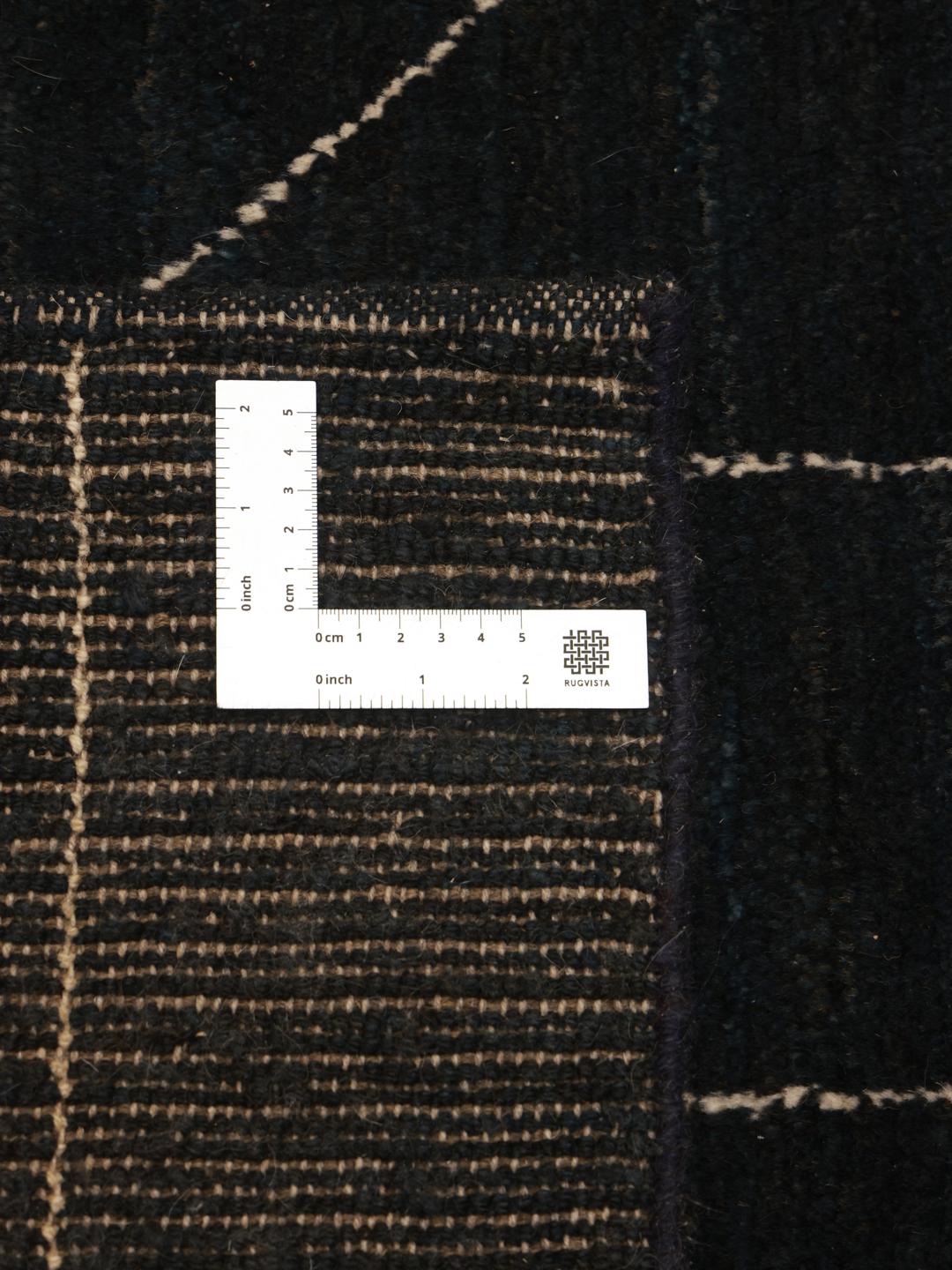
The term hand-knotted refers to the practice of tying individual knots onto the warp threads of the rug's foundation. This method is the hallmark of quality in textile craft, as it allows for intricate designs and a dense, resilient pile. The resulting rug is not only visually striking but also structurally sound, built to provide comfort for years to come.
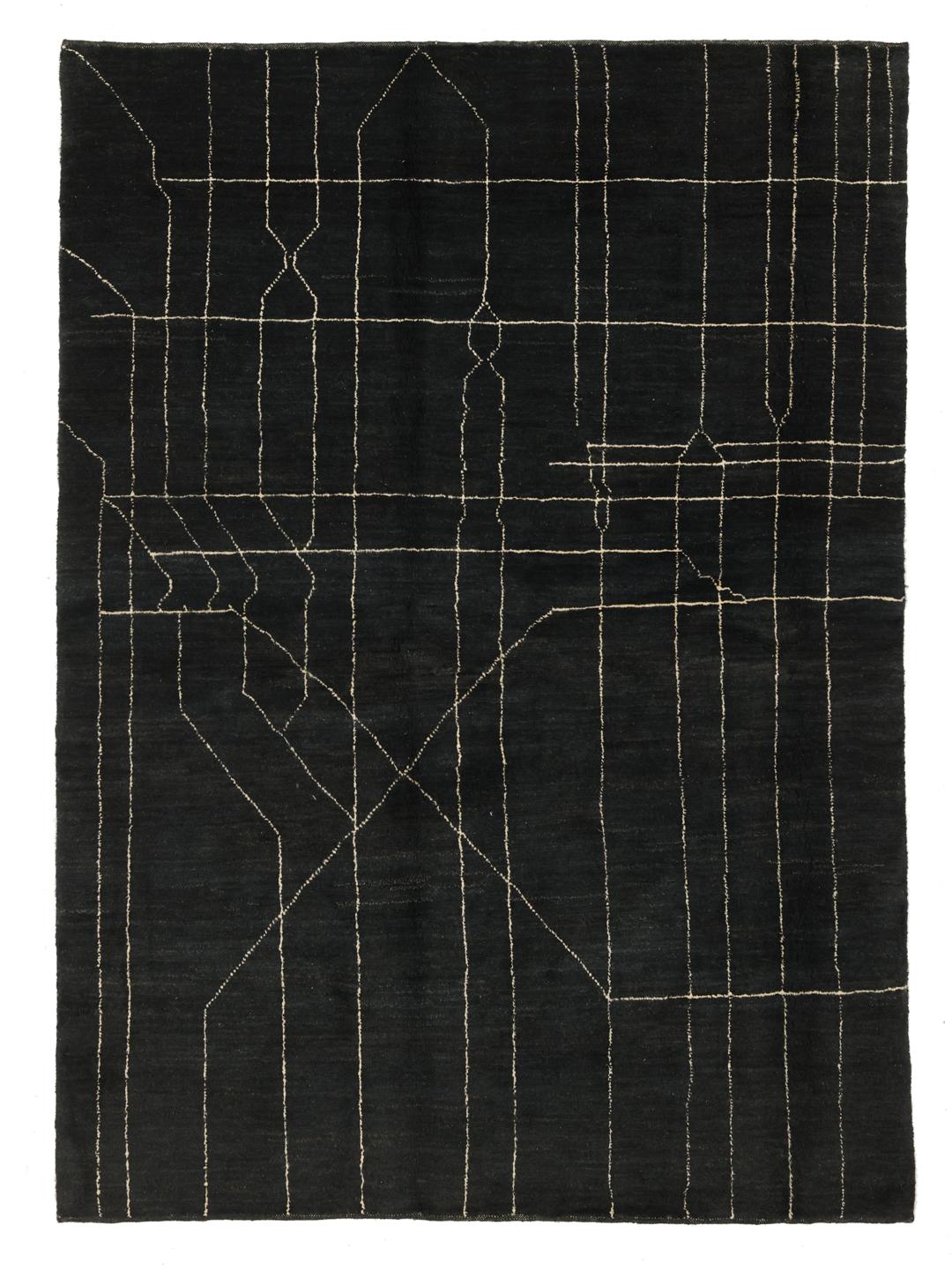
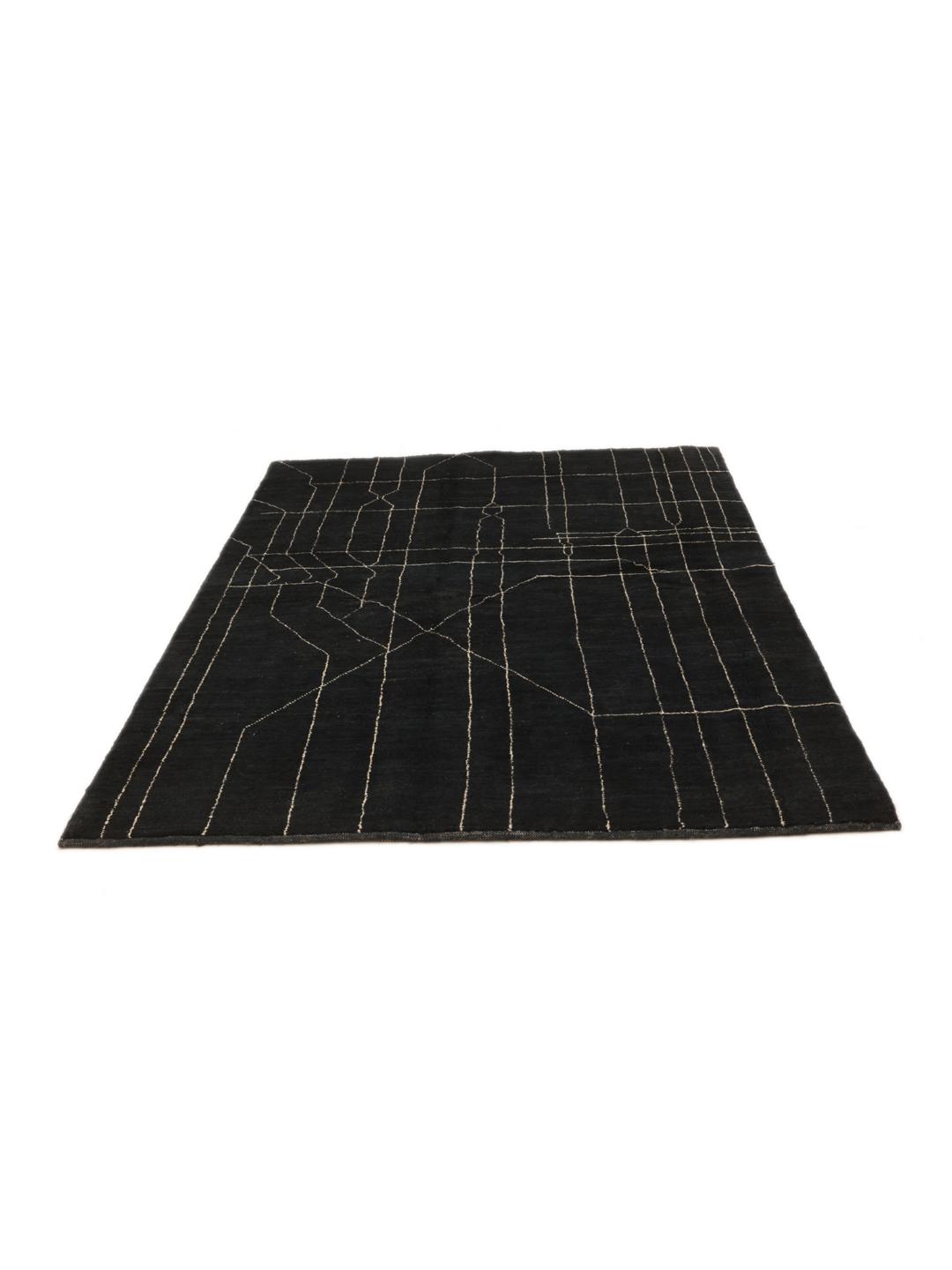
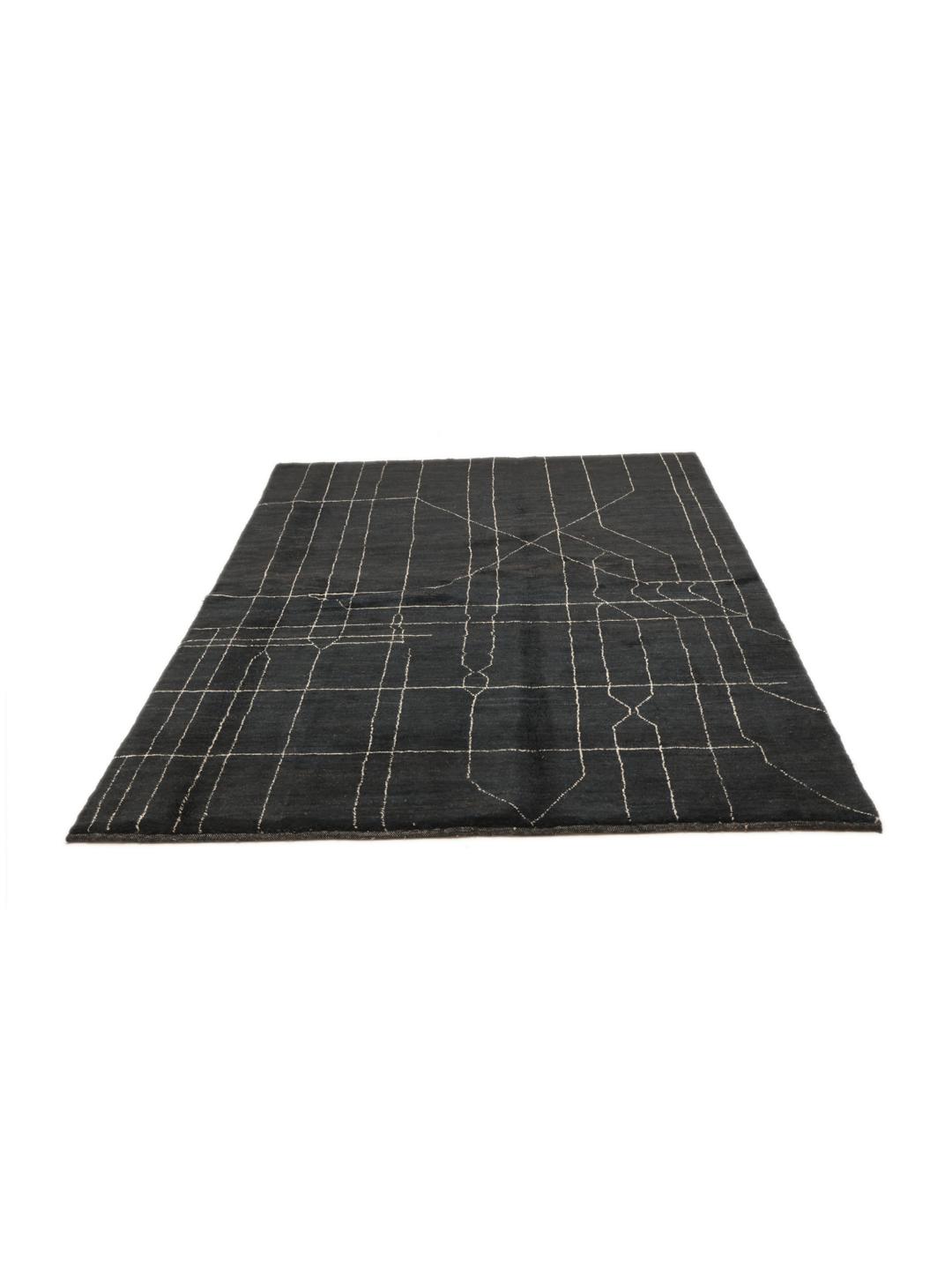
The design of this rug features a minimalist, geometric language that draws inspiration from architectural lines and structural patterns. By breaking away from traditional ornate motifs, this piece embraces a more abstract form, showcasing how classic weaving traditions can adapt to suit modern, streamlined interior aesthetics while maintaining their deep-rooted character.
Owning a hand-knotted rug from this tradition is an investment in human skill and cultural heritage. These pieces are highly valued by collectors for their individuality and the organic variations that occur during the weaving process. By welcoming such a rug into your home, you are preserving a legacy of craft that celebrates the beauty of imperfection and the value of slow, deliberate creation.