The tradition of rug weaving in Afghanistan is a storied craft that has evolved over centuries, drawing from nomadic influences and settled village traditions alike. These rugs are renowned for their strength and the use of high-quality, local wool, which is often prized for its natural sheen and resilience. Over time, Afghan weavers have adapted their ancestral techniques to meet contemporary design preferences, resulting in pieces that bridge the gap between ancient heritage and modern interior needs.
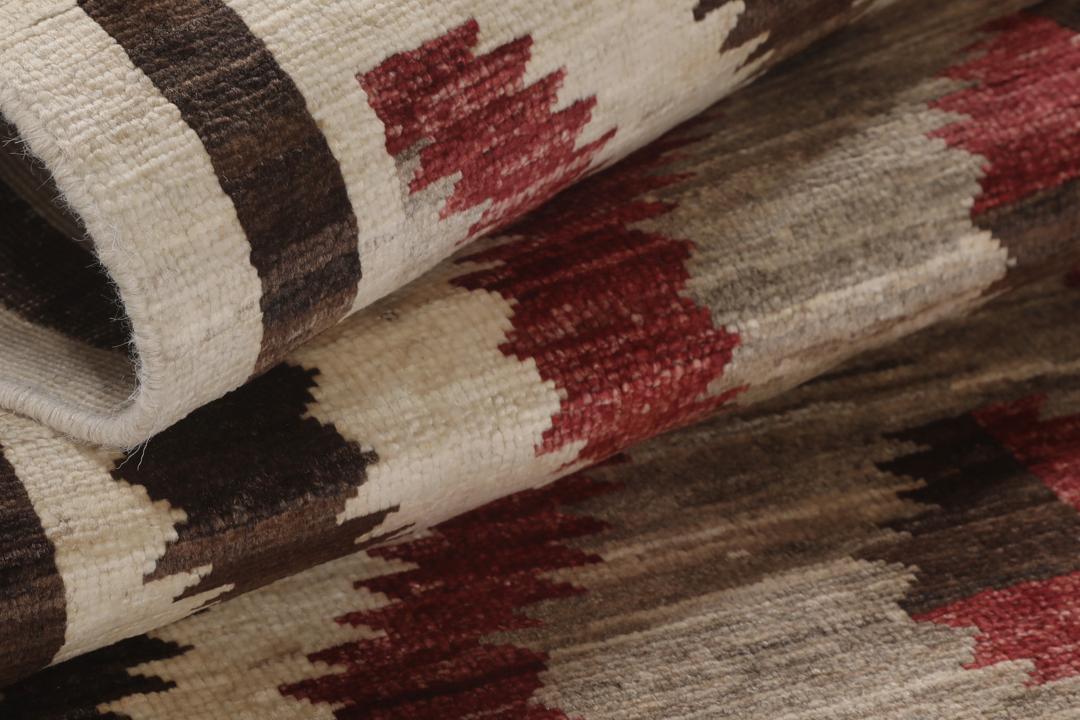
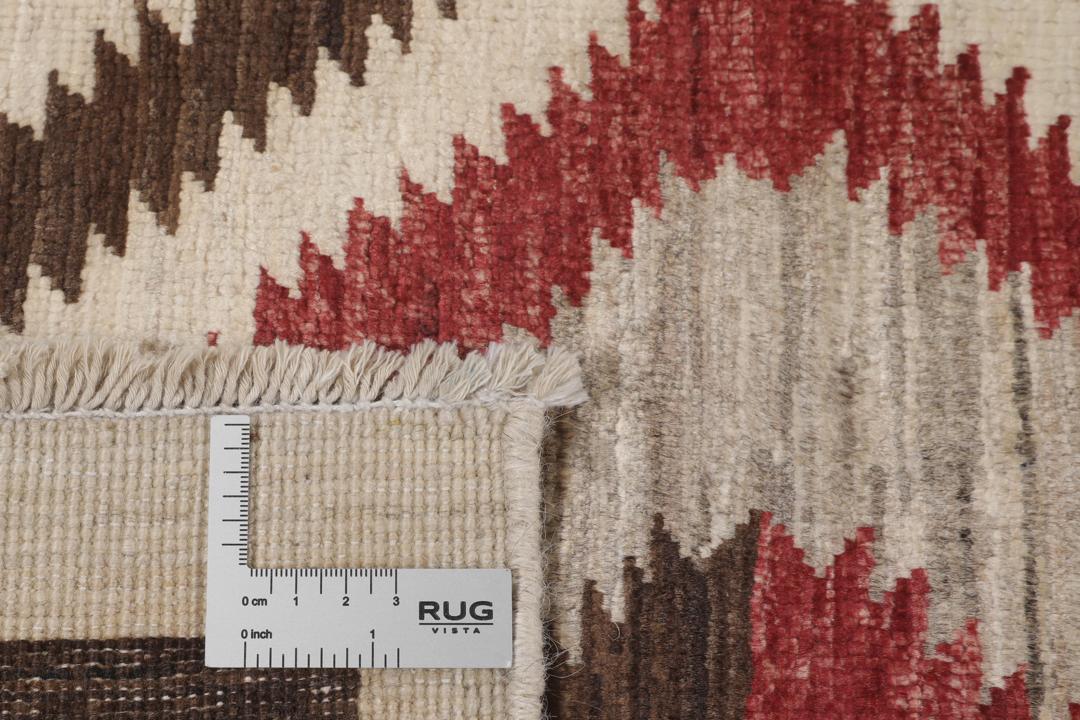
The term Gabbeh originally refers to a style of rug characterised by its simplicity and thicker, more open knotting, often showcasing bold, expressive designs. While traditional Gabbeh rugs were often made by tribal weavers for personal use or as bedding, modern interpretations have refined these techniques to create finer, more detailed patterns. This evolution allows for a greater variety of shapes and motifs while maintaining the rustic, authentic soul of the original craft.
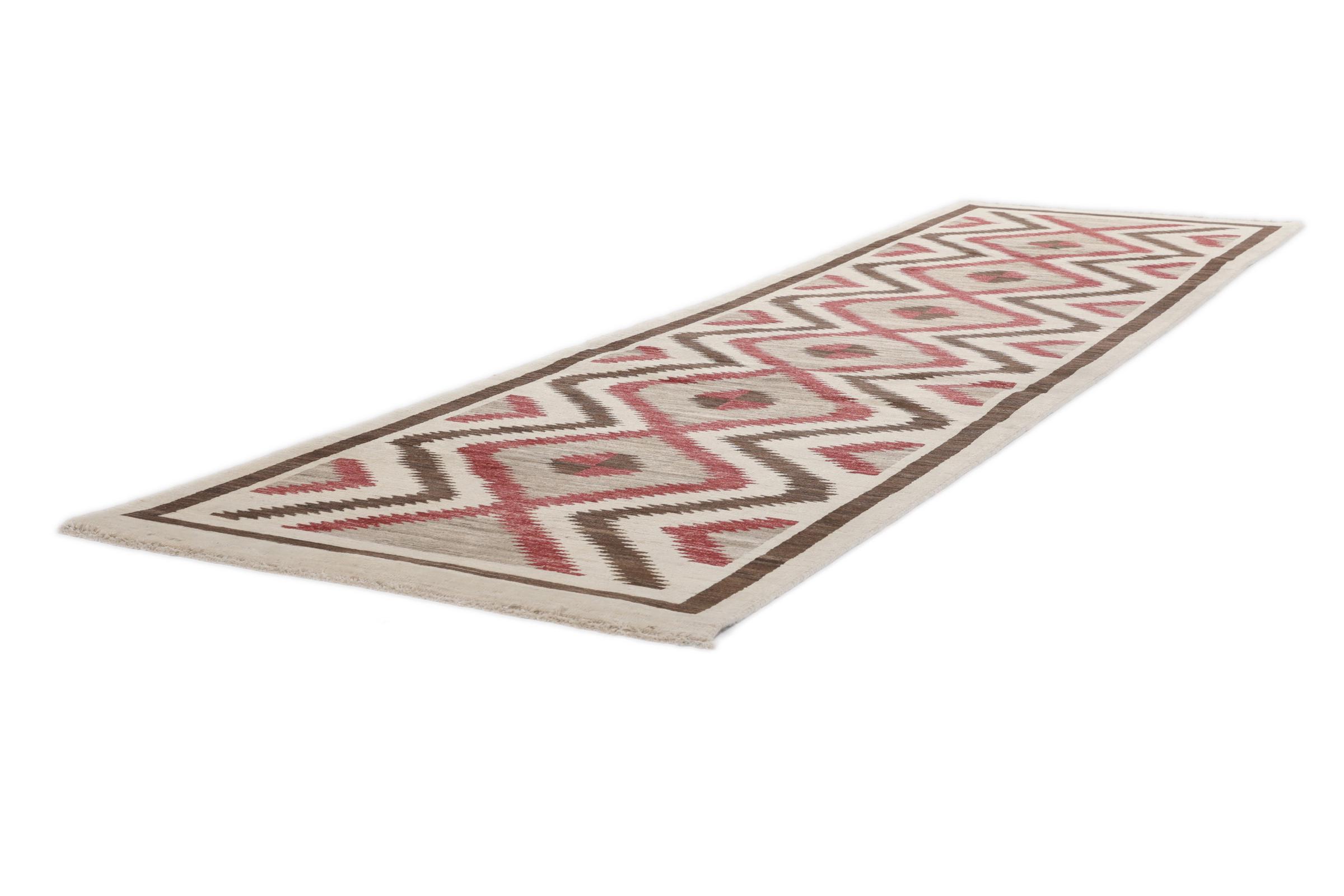
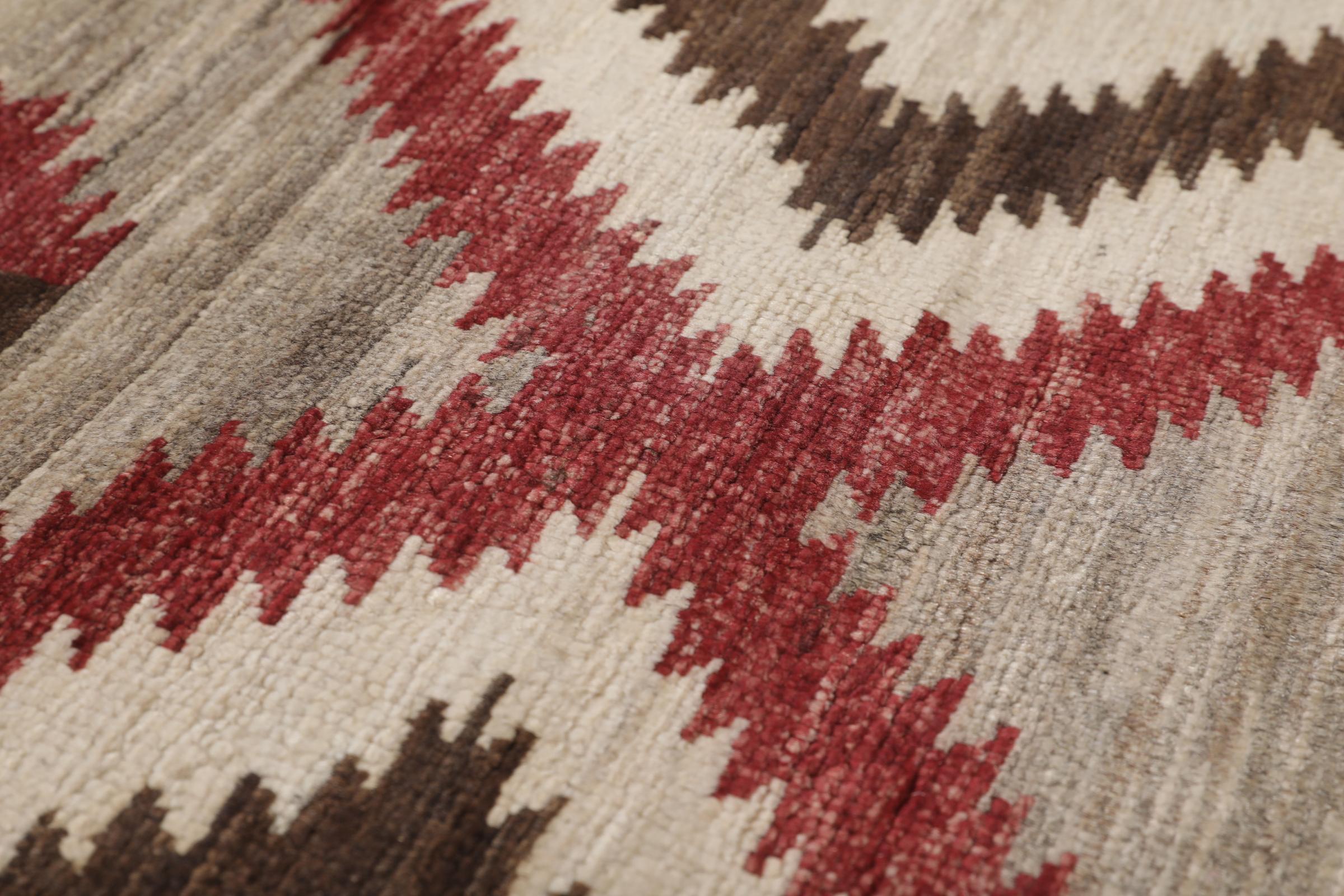
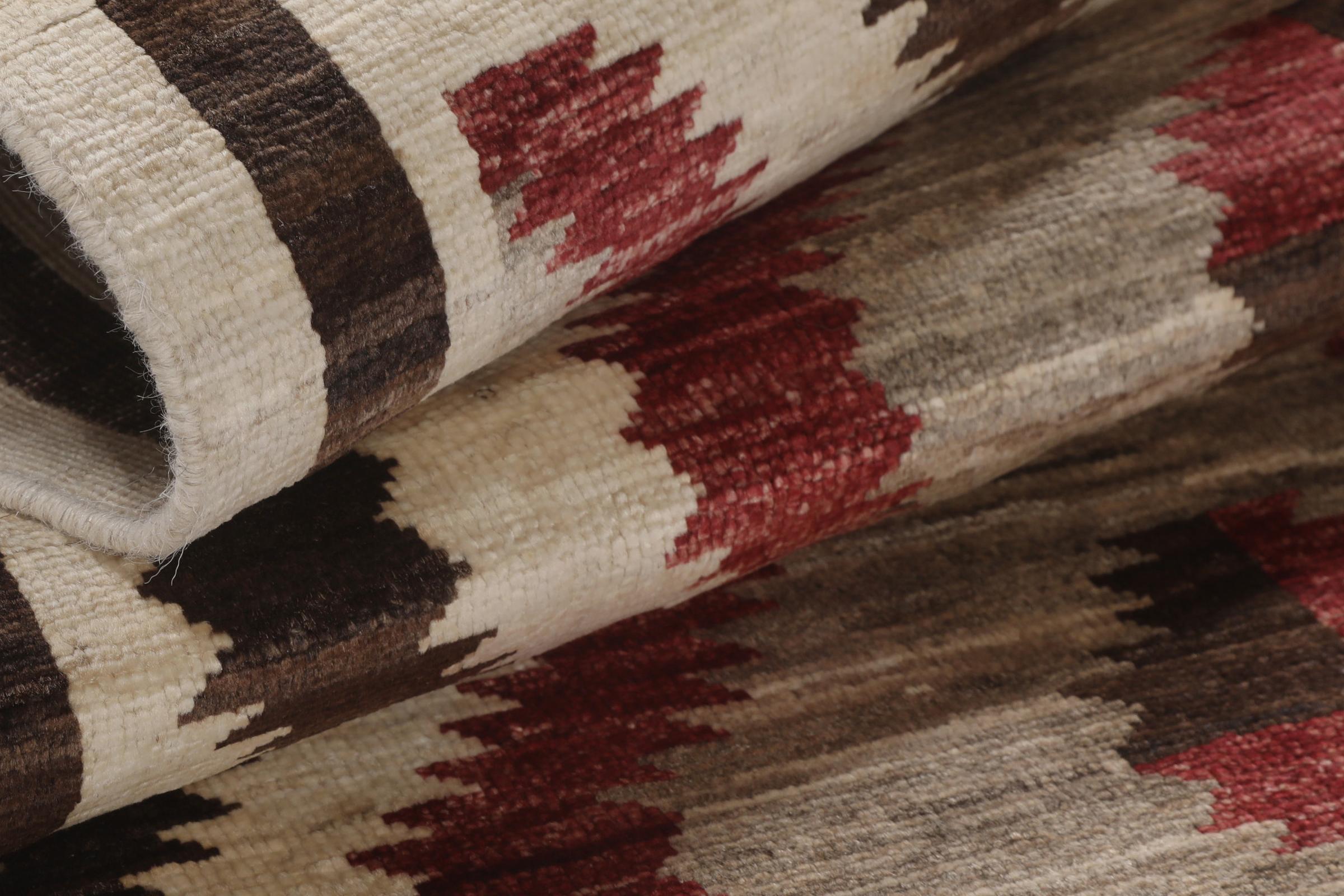
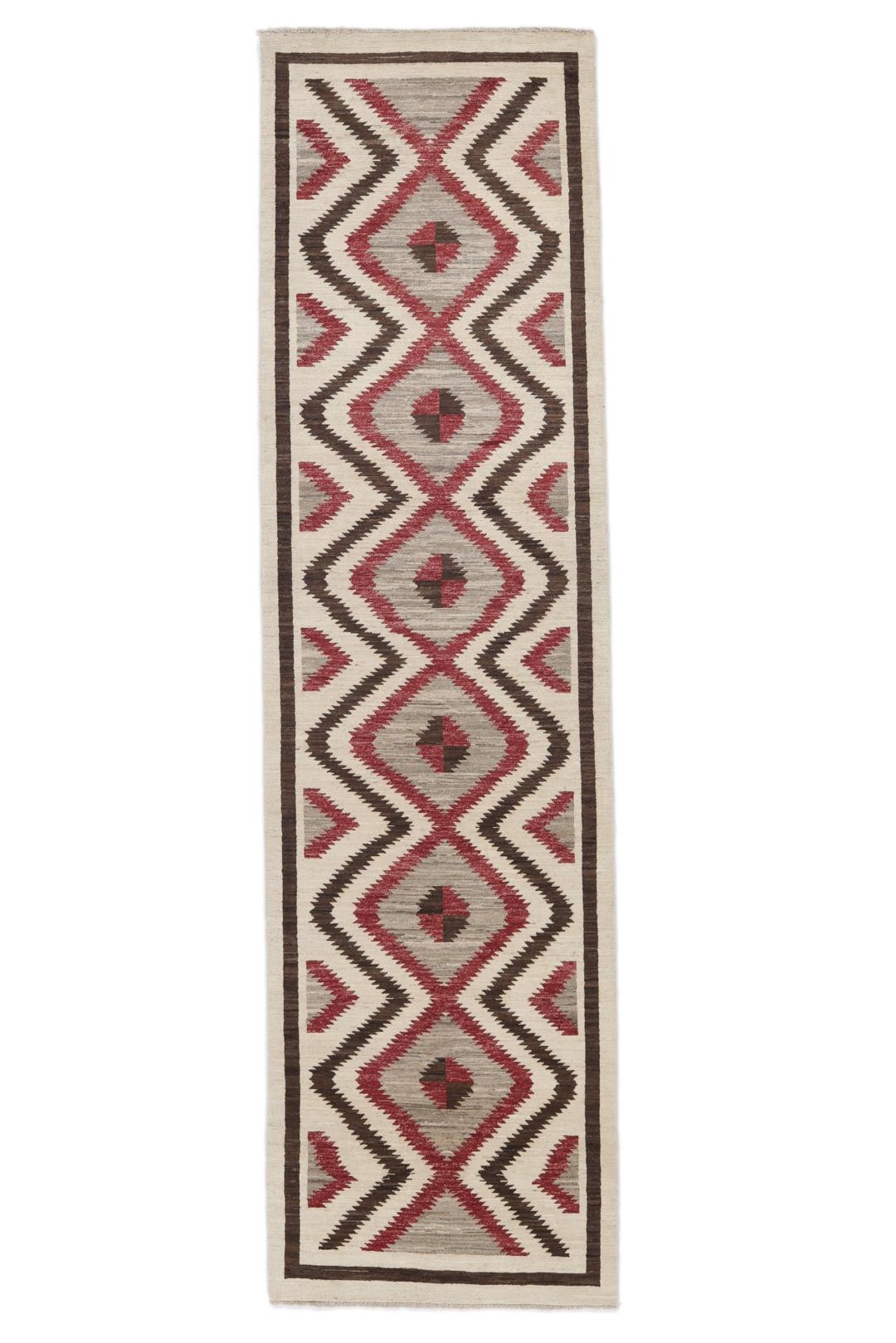
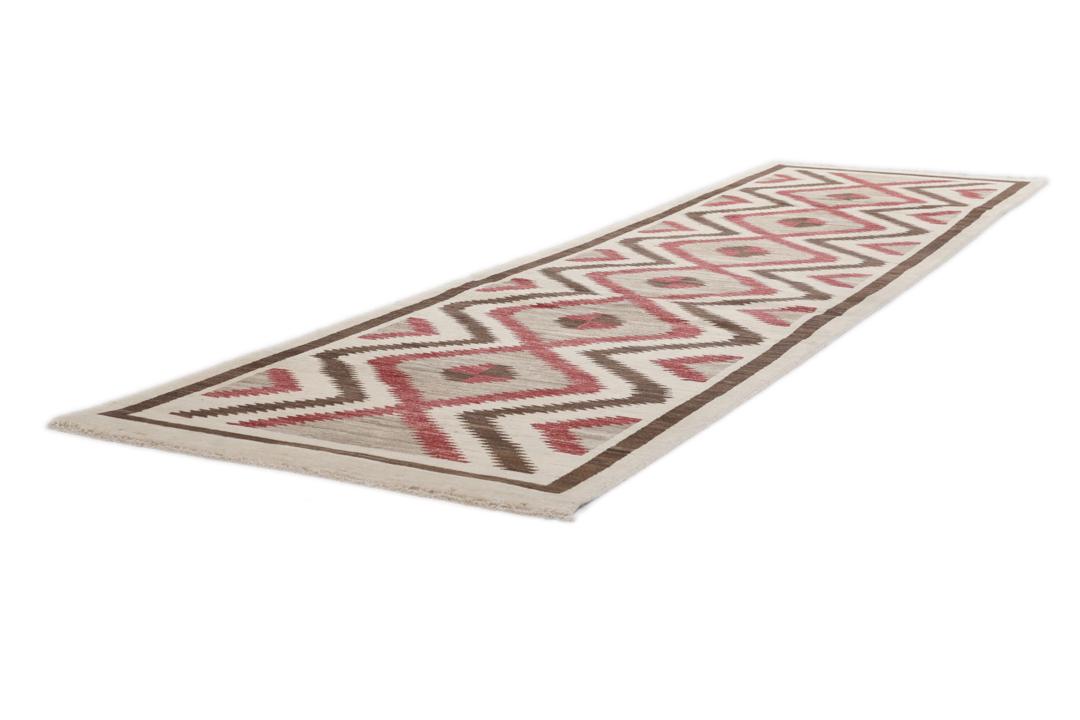
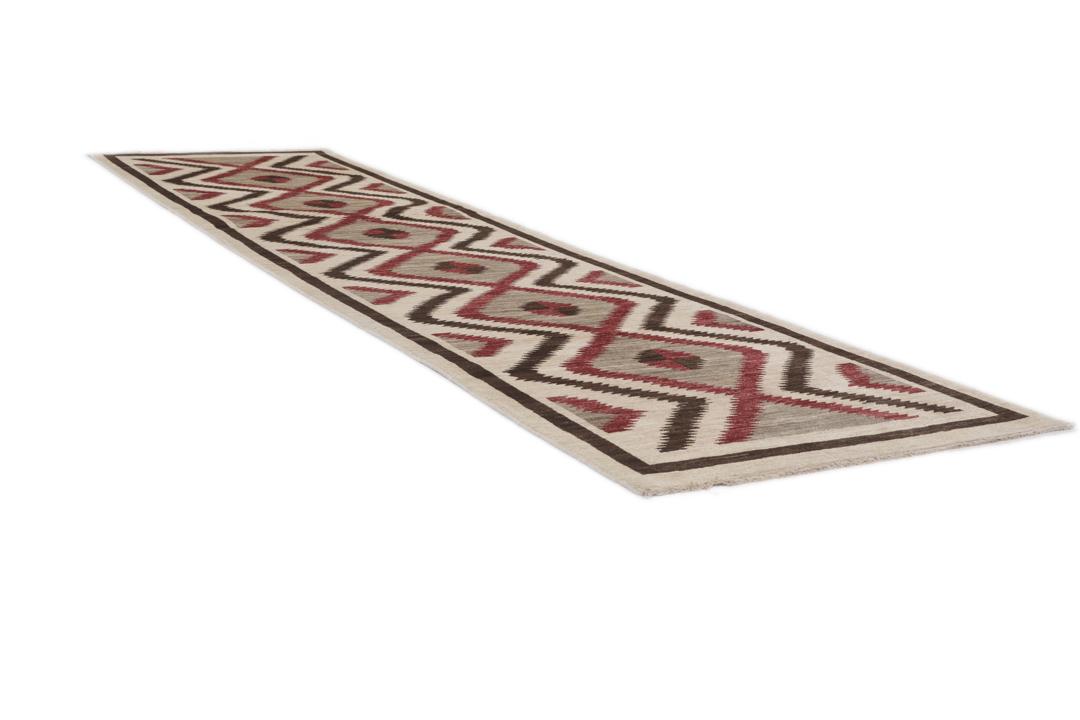
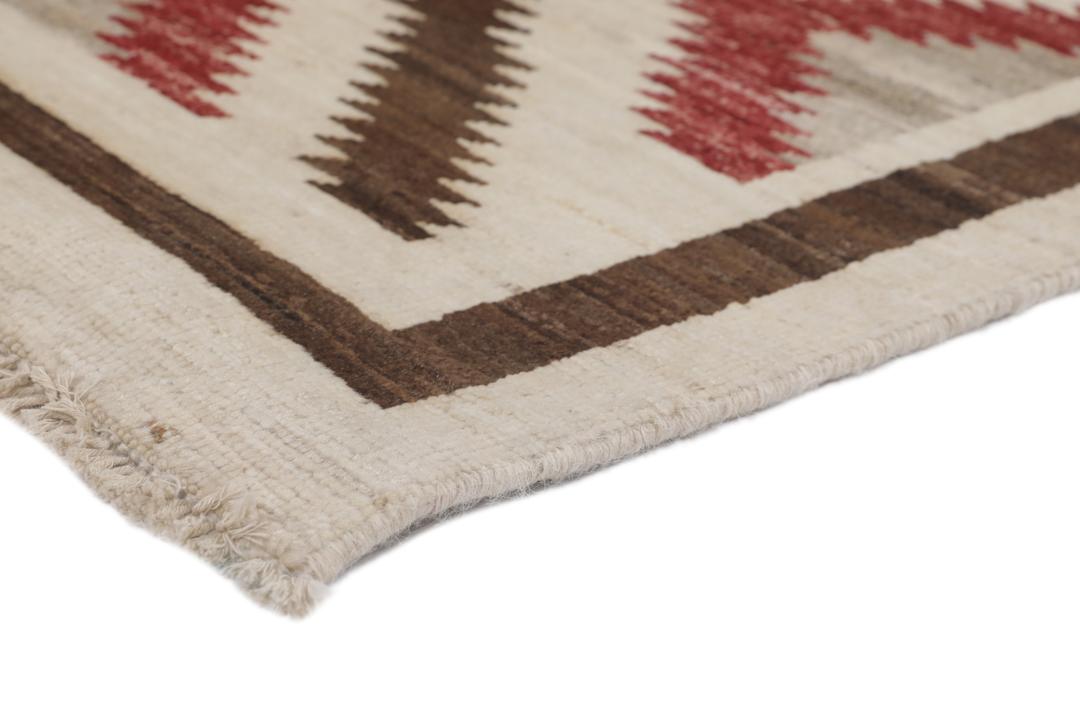
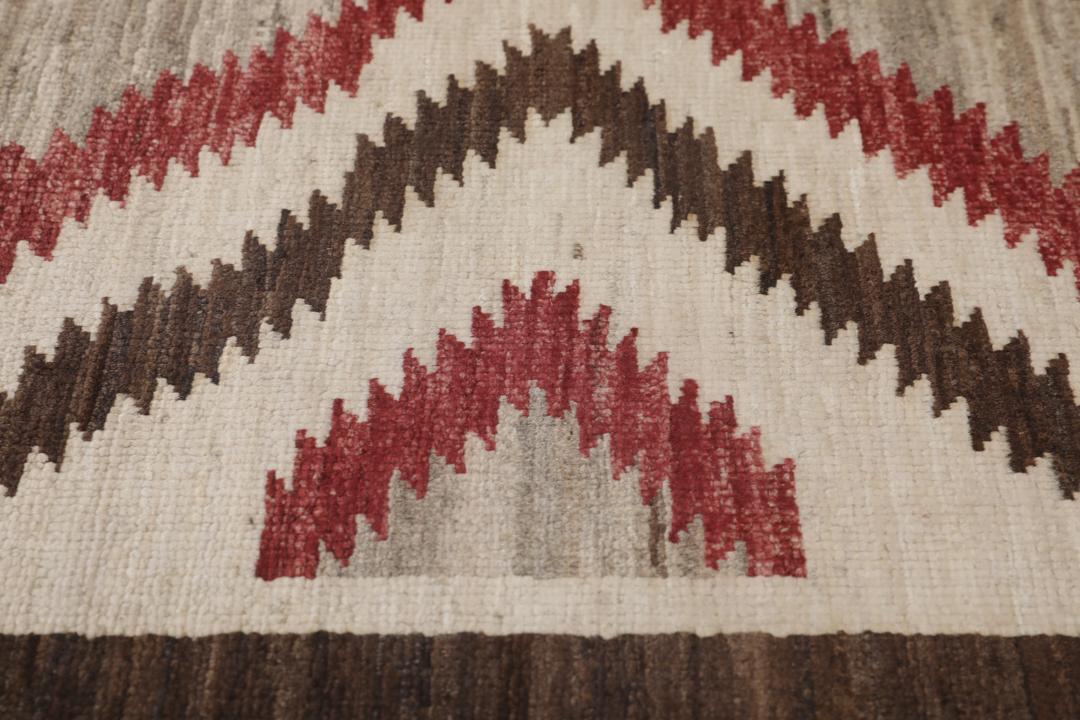
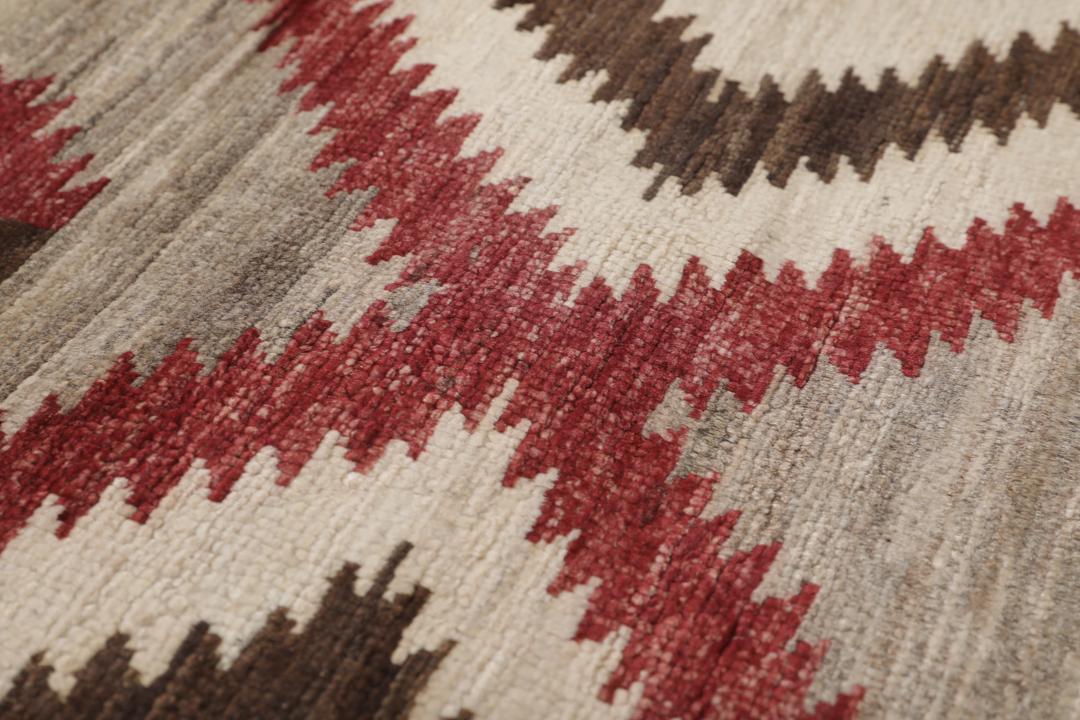
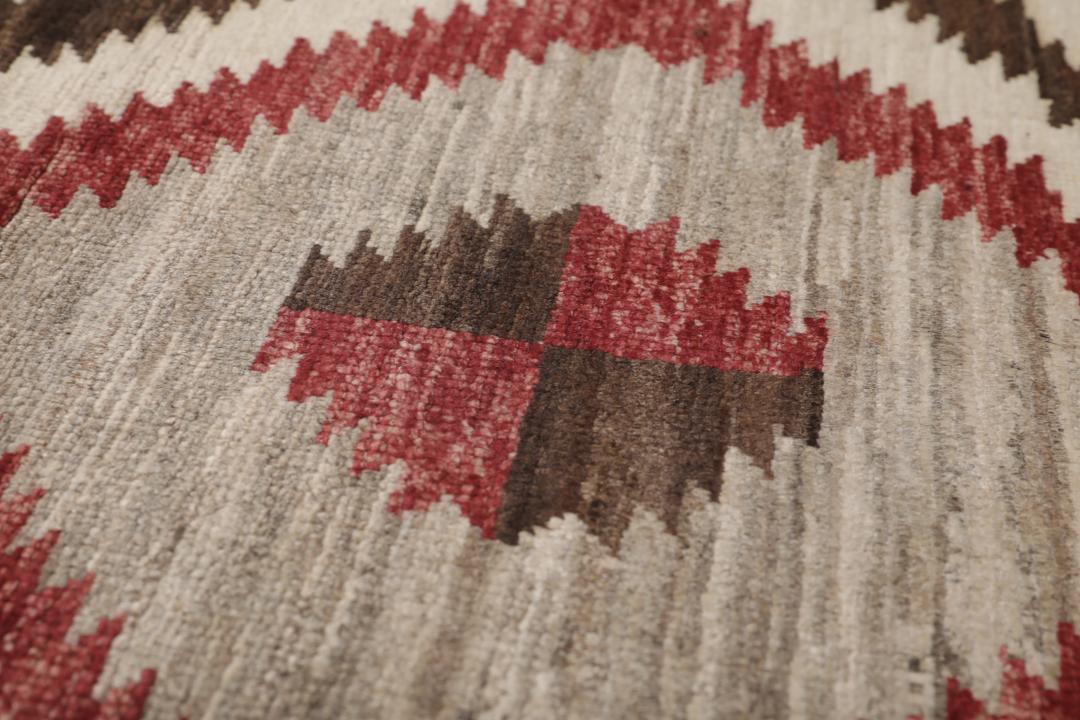
Signature design elements in these modern Afghan pieces often include large-scale geometric motifs, such as the repeating diamonds seen here. These patterns are not merely decorative but are deeply rooted in the cultural symbolism of the region, often representing protection, prosperity, or natural elements. The use of natural, rich dyes—typically derived from roots, flowers, and minerals—gives the rugs a depth of colour that ages gracefully, developing a unique patina over time.
Collecting these rugs is an investment in both culture and skill. Each piece serves as a physical record of the artisan's hand and the regional aesthetic history of the Middle East. Owners are not just acquiring a floor covering, but a piece of functional art that carries the weight of a long-standing tradition, ensuring that the history of these craft communities continues to be celebrated in homes around the world.