The tradition of rug weaving in Afghanistan is defined by a resilient spirit and a deep connection to the landscape. While many styles are rooted in ancient tribal motifs, modern Afghan weaving has evolved to incorporate contemporary design sensibilities, often blending classic techniques with abstract or geometric compositions. These rugs reflect a cultural heritage that prizes both utility and artistic expression, serving as vital components of home life across the region.
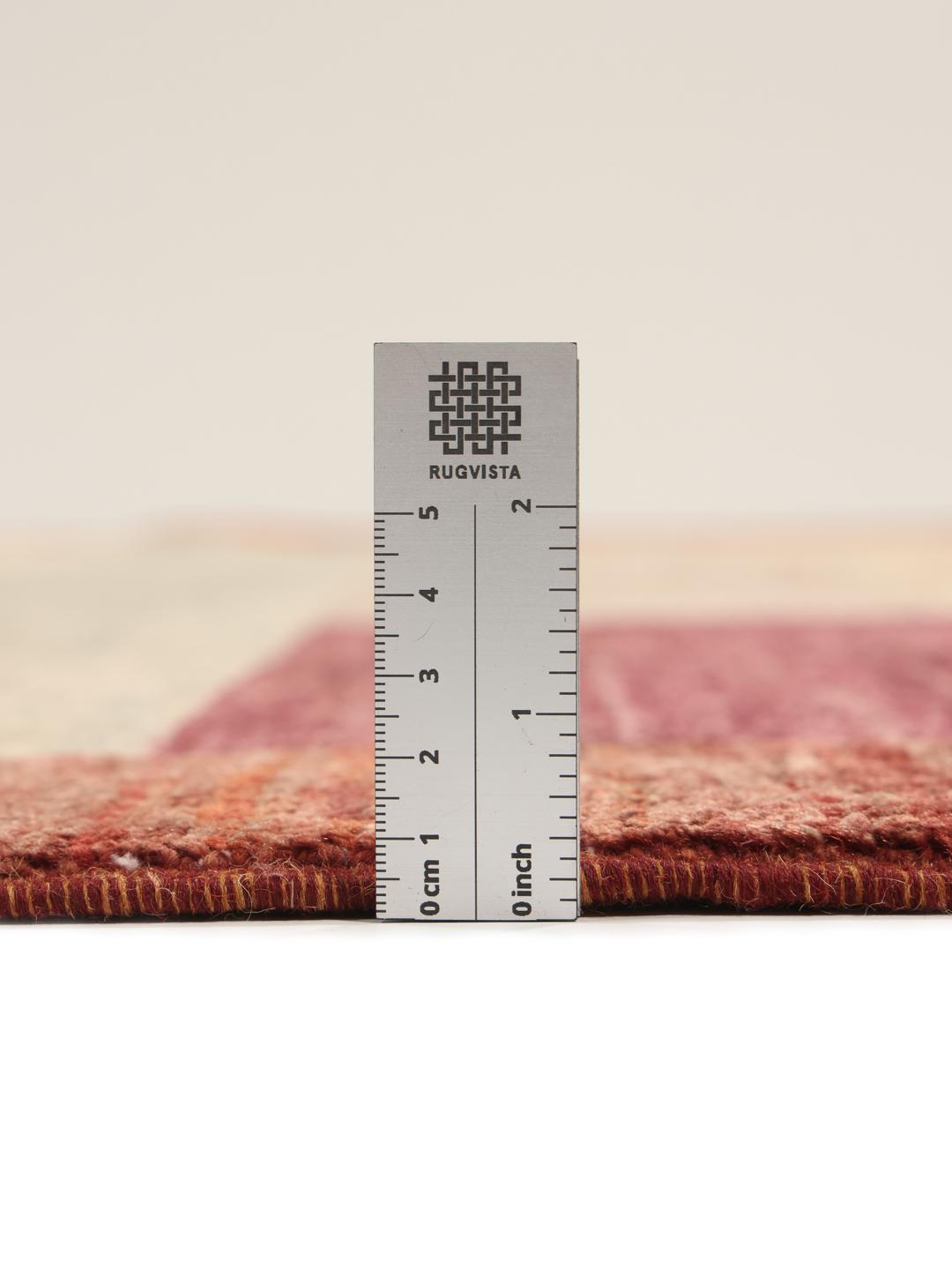
The term Gabbeh refers to a style of rug traditionally woven by nomadic tribes, known for their thicker, softer pile and simplified, often geometric designs. Historically, these were created for personal use, resulting in a more spontaneous and creative approach to patterns. Today, this tradition is celebrated for its artistic freedom, allowing weavers to experiment with colour and form while maintaining the high standards of traditional knotting that make these pieces so desirable.
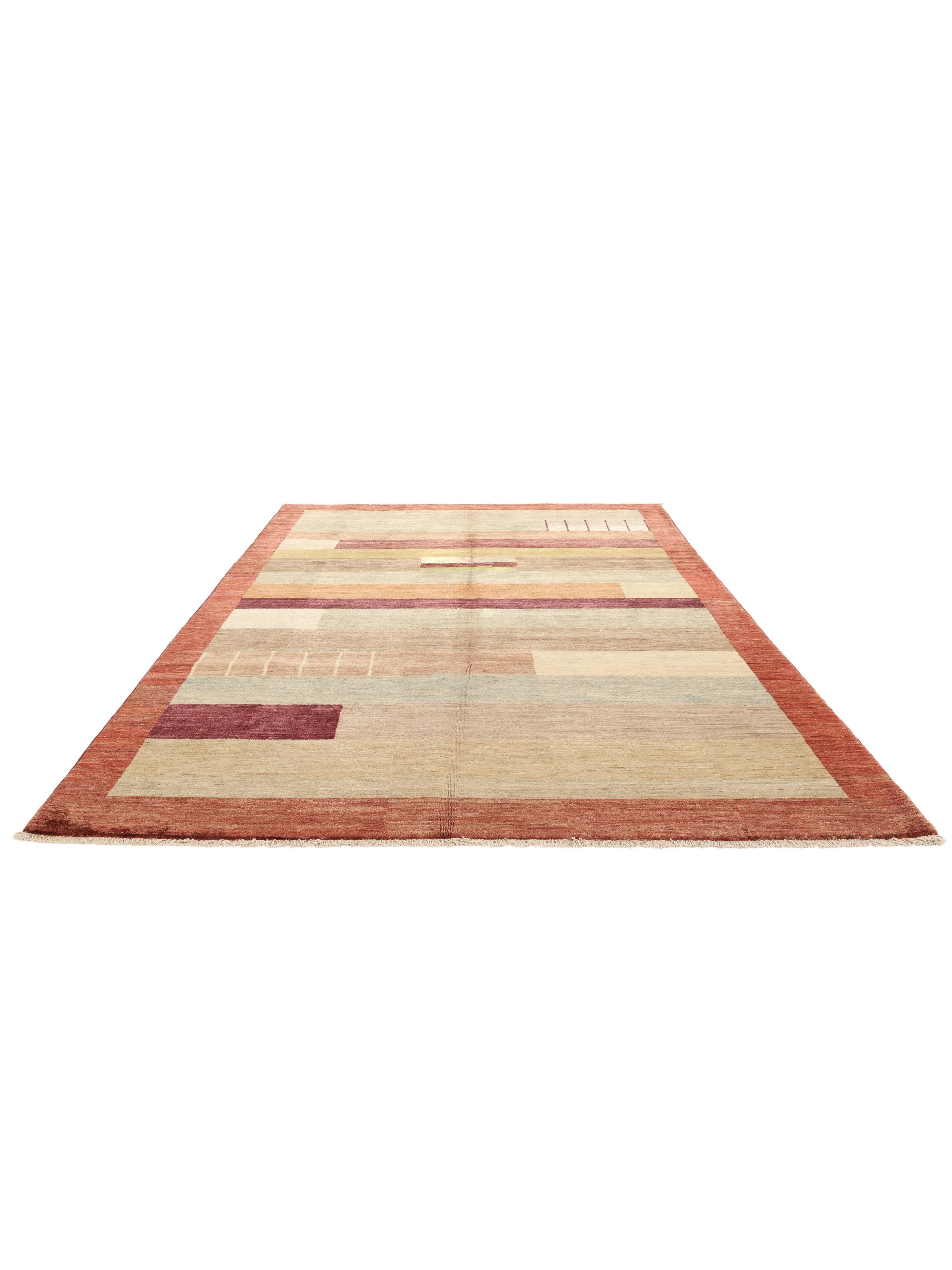
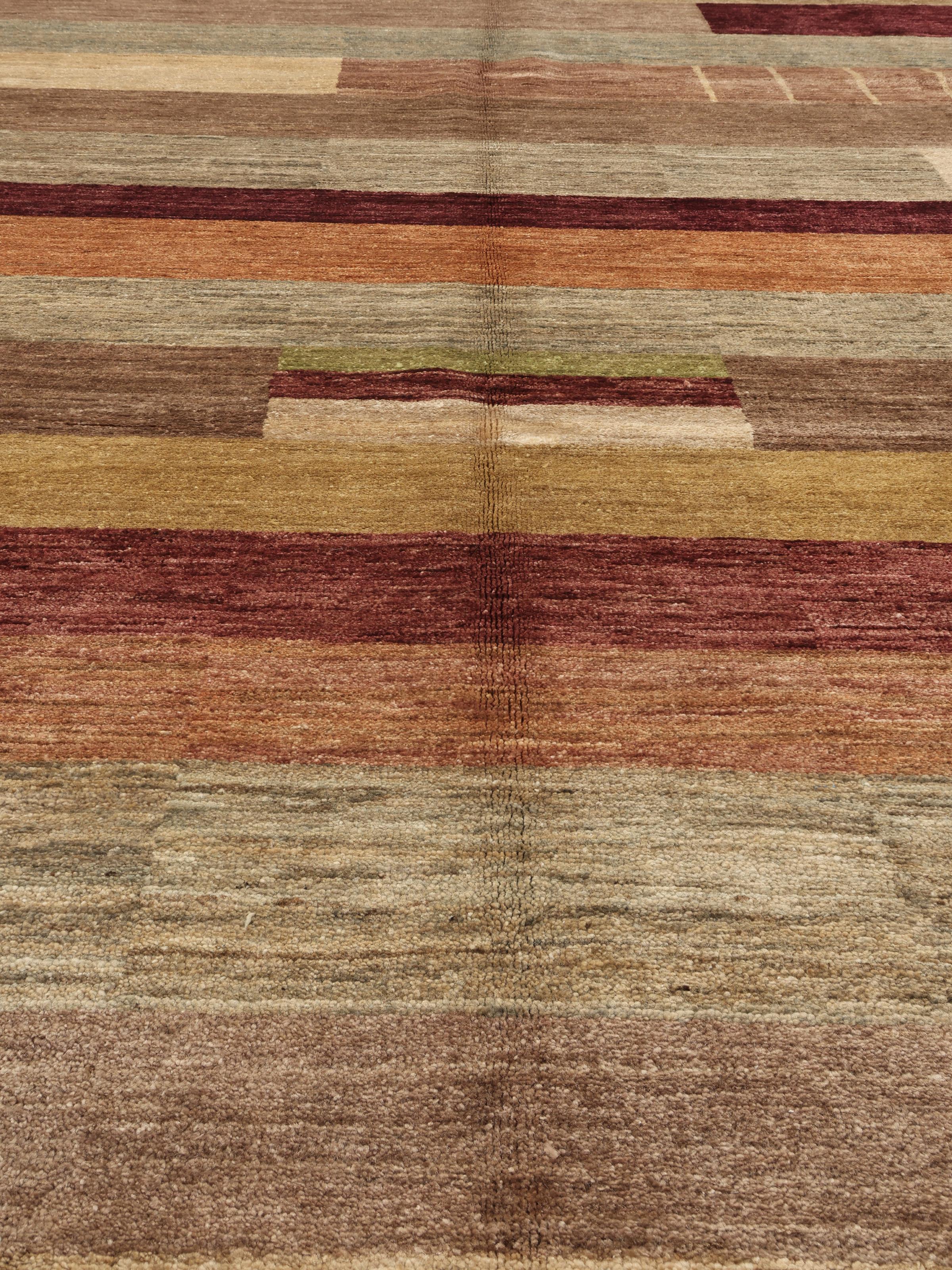
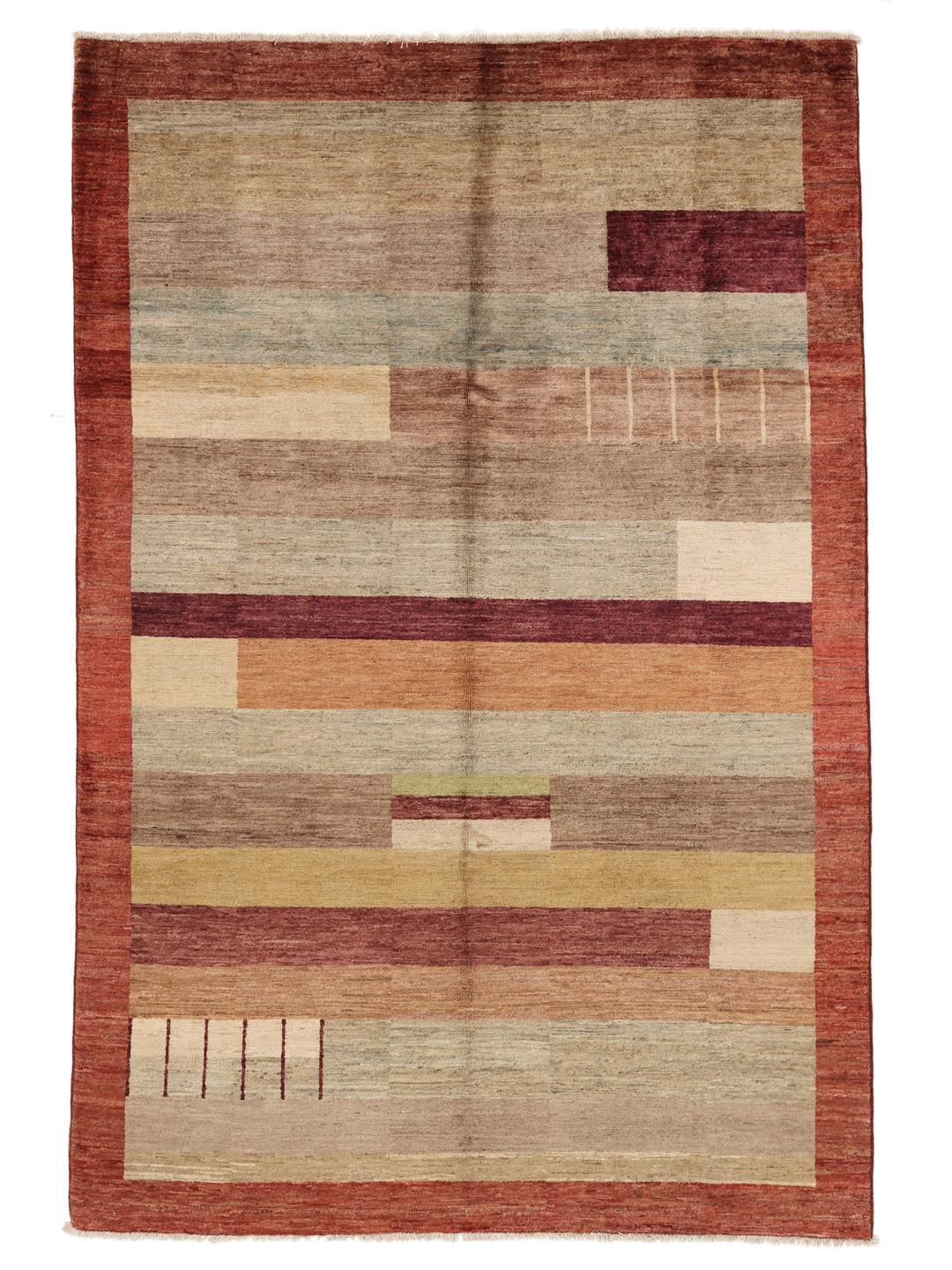
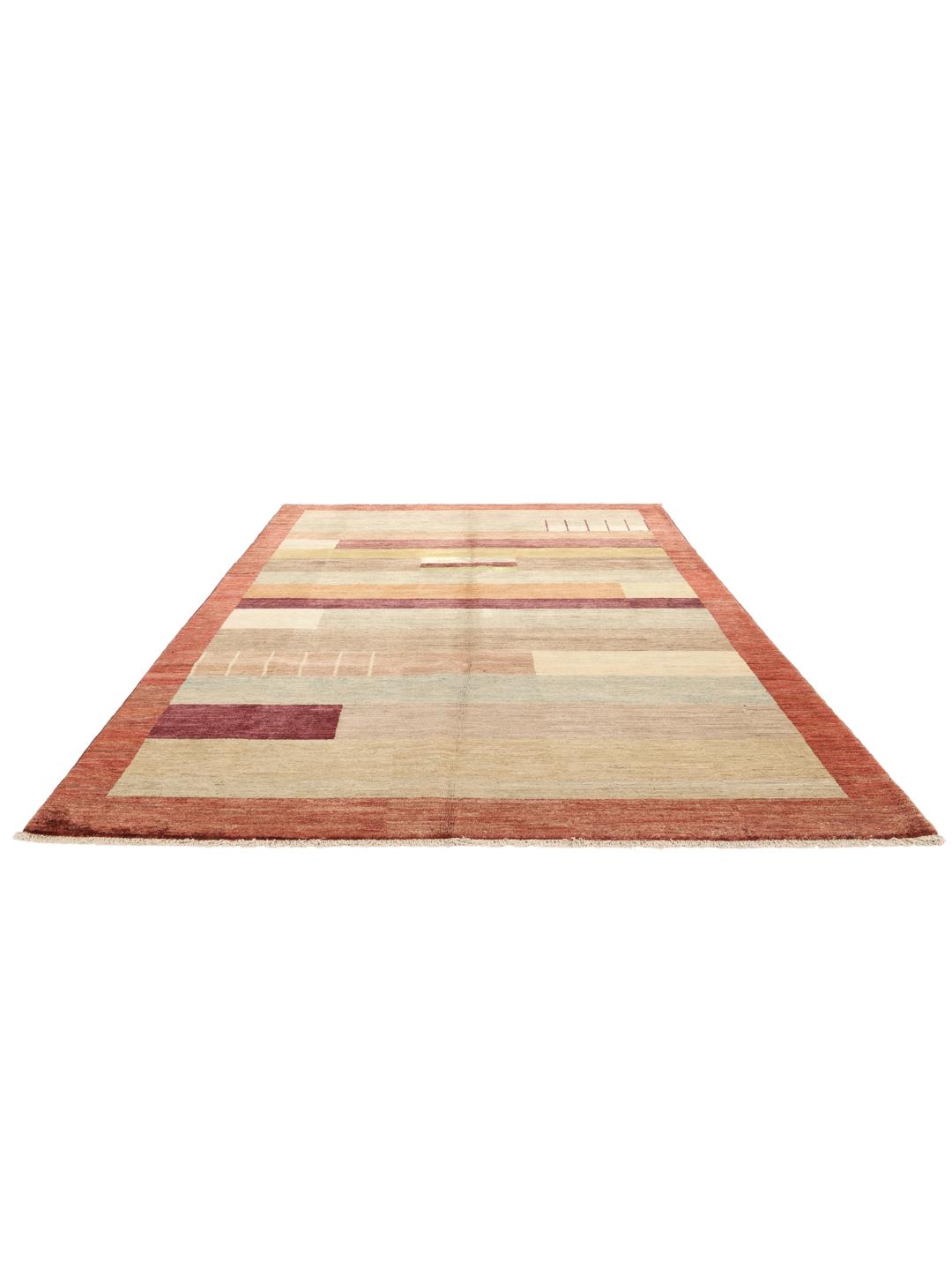
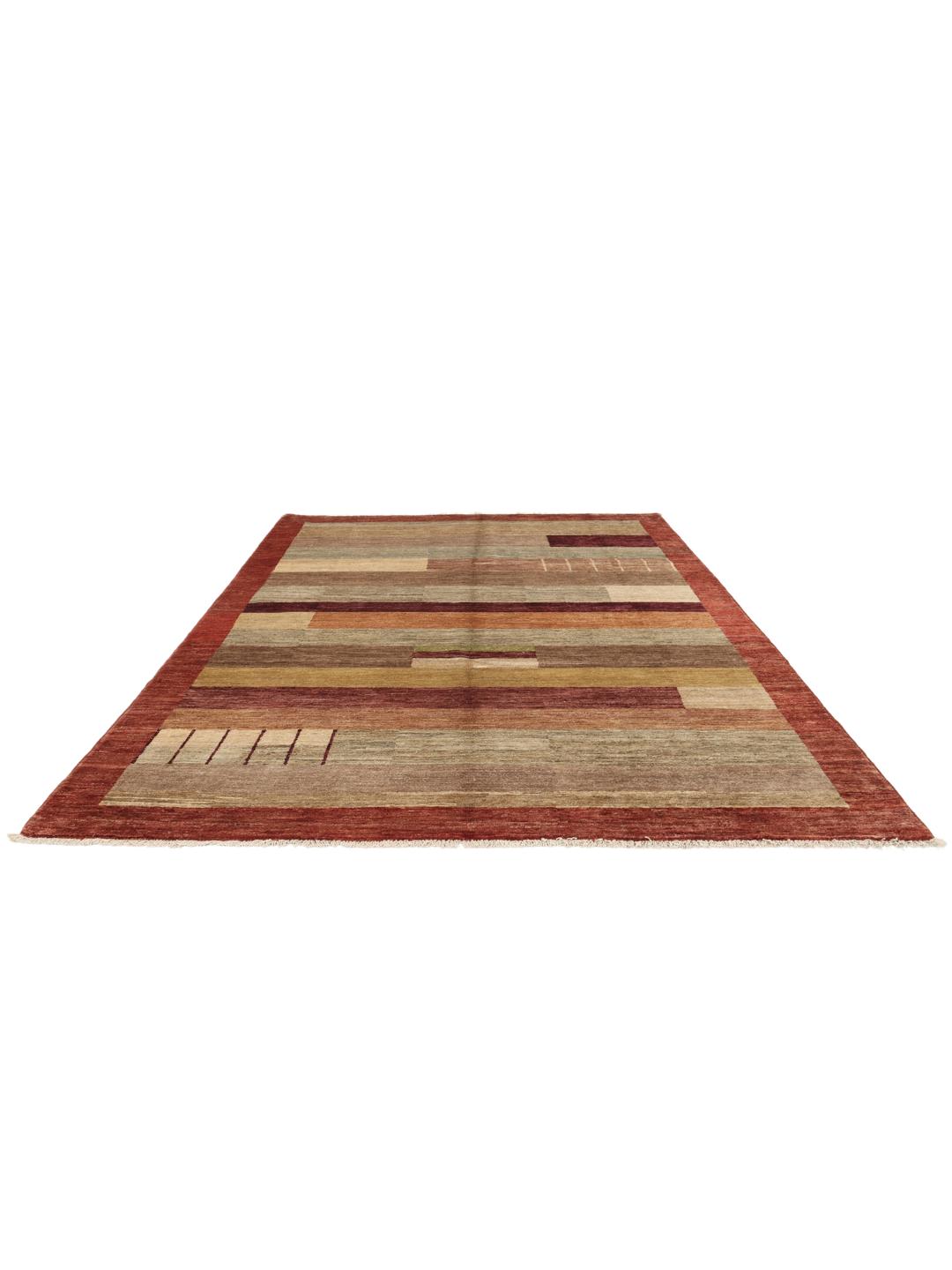
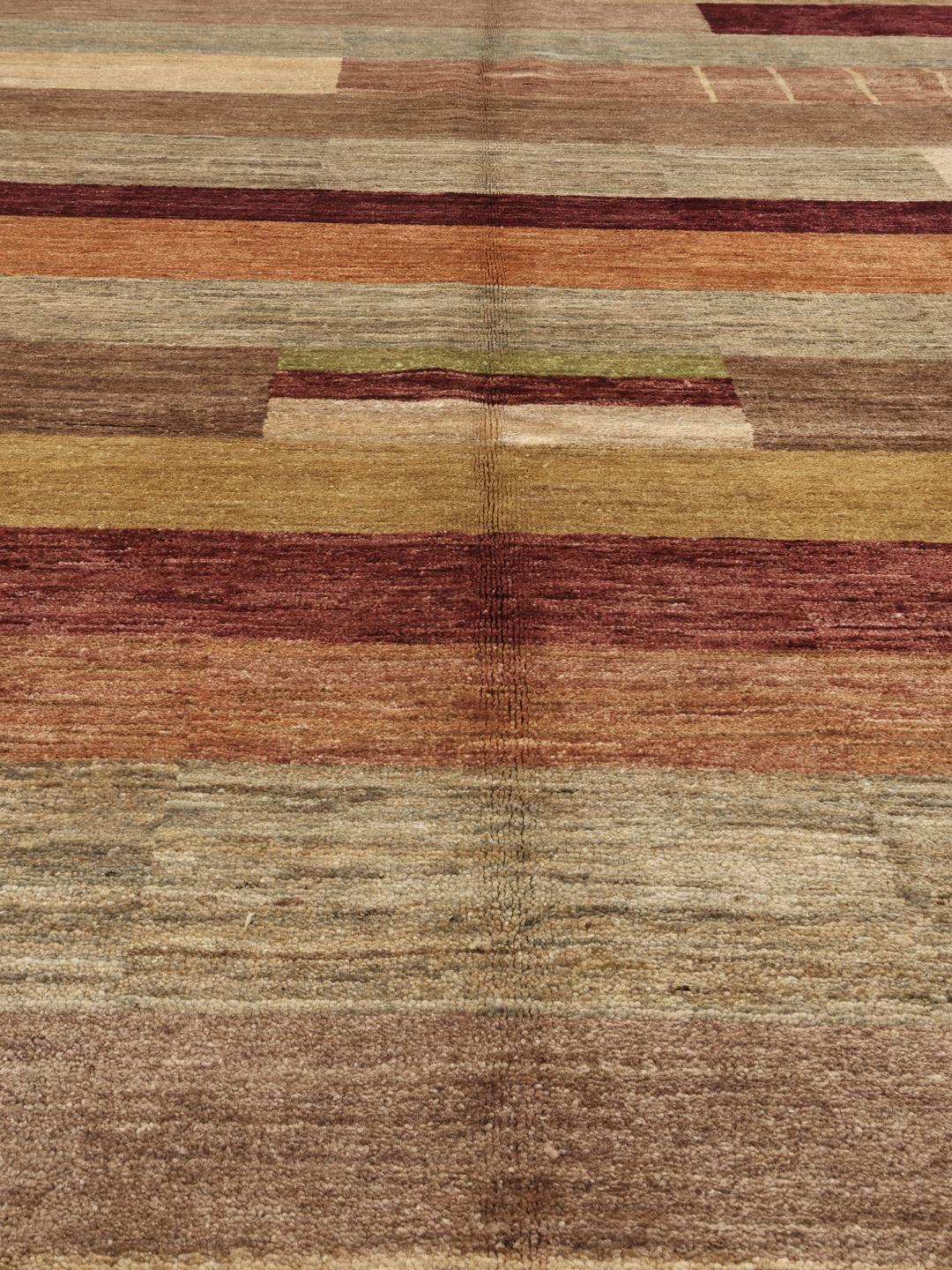
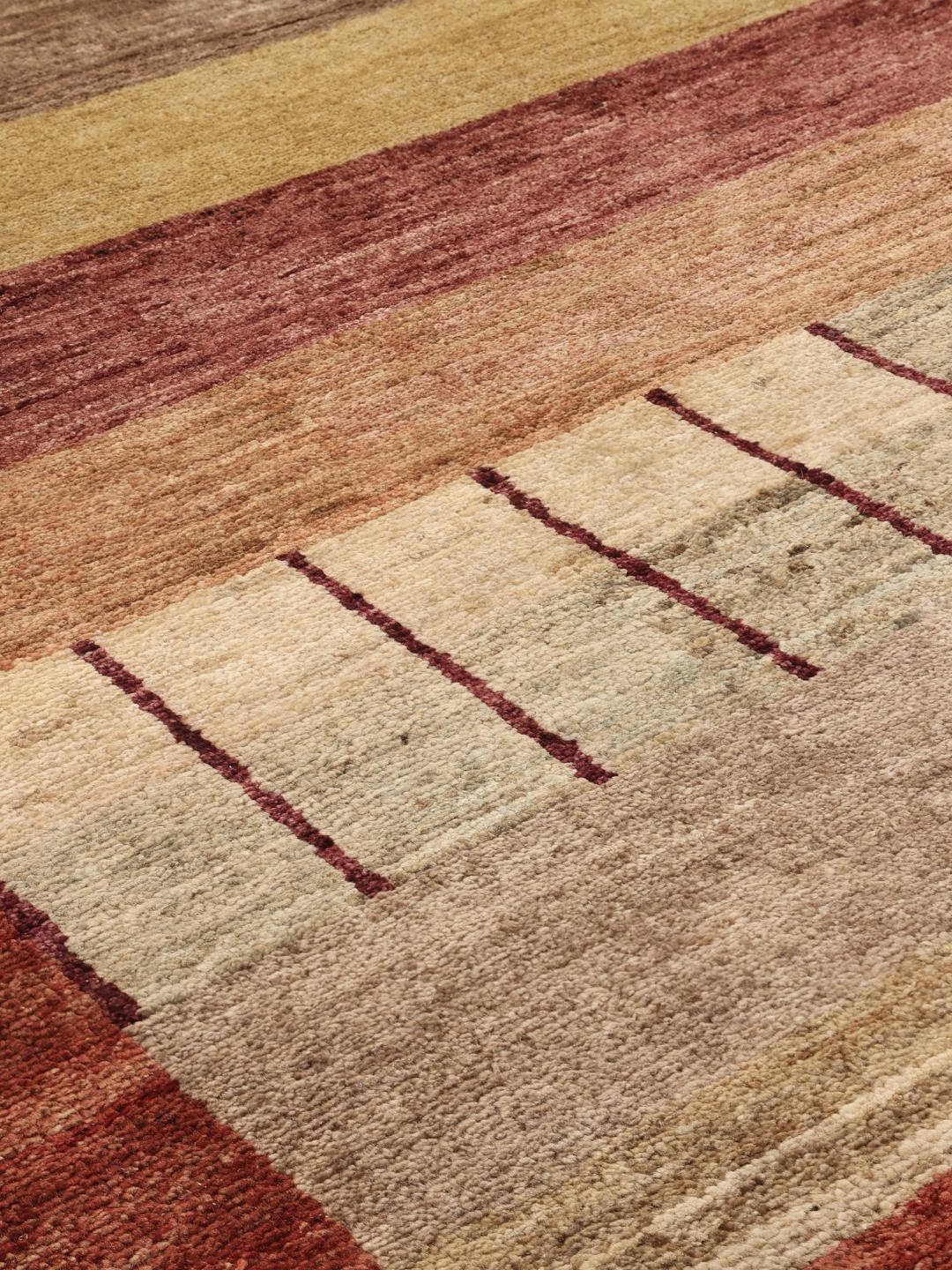
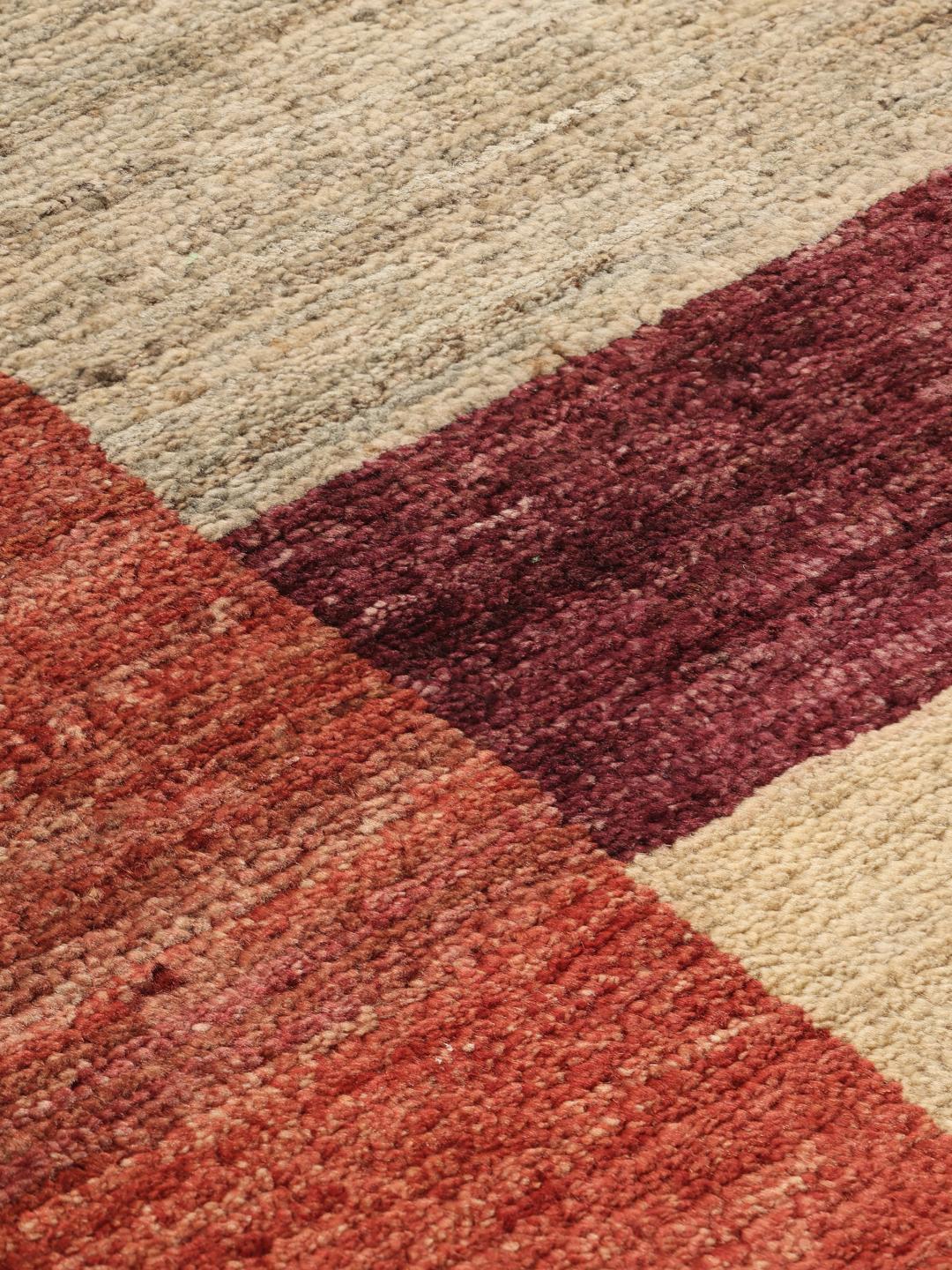
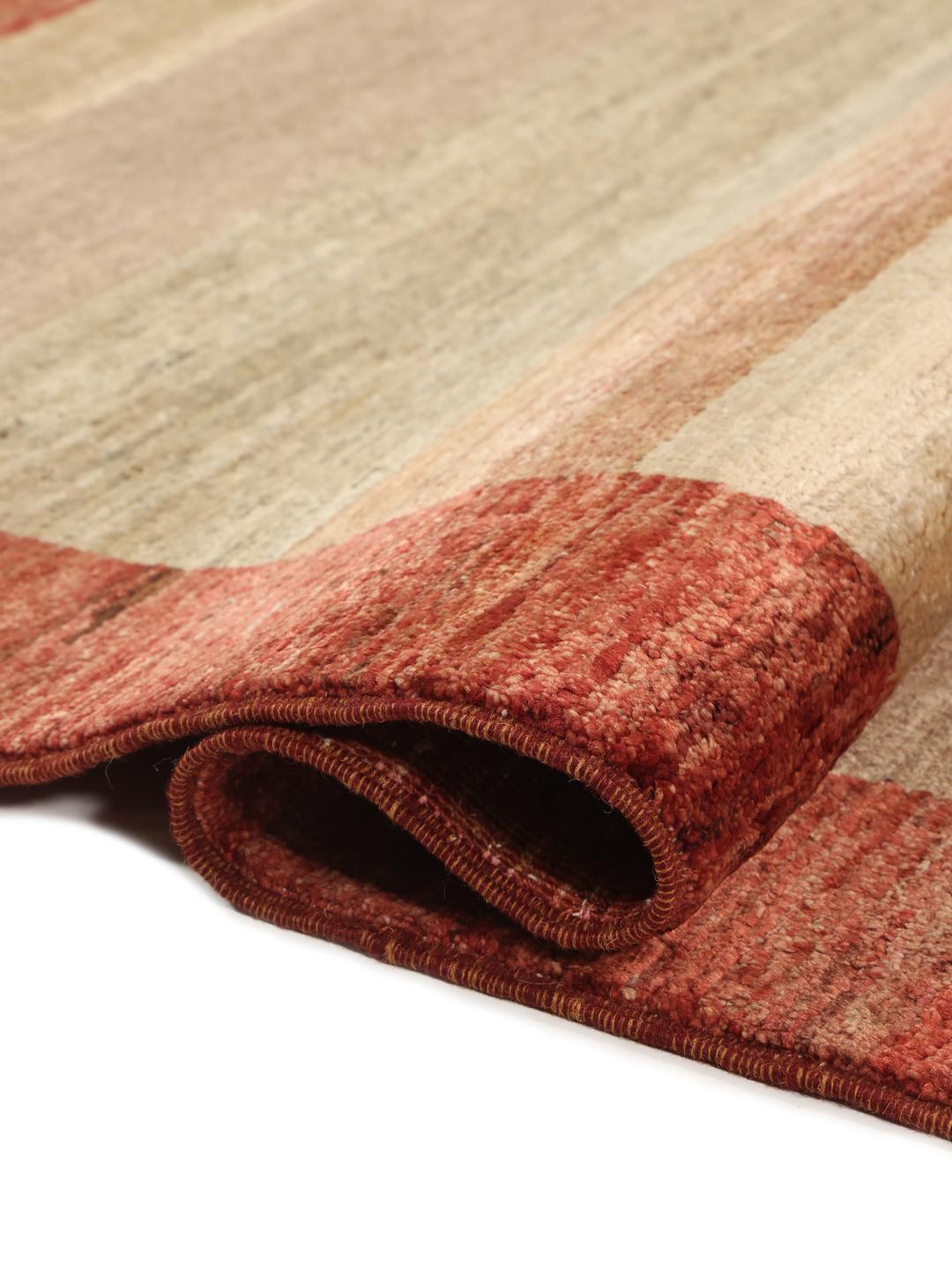
The visual language of this rug is characterised by its bold use of space and colour blocking. Unlike the highly intricate, curvilinear patterns found in other regional traditions, this style focuses on the interplay of colour and form, often utilising natural dyes that age beautifully over time. The geometric bands provide a structure that is both modern and timeless, reflecting a shift toward minimalist design without sacrificing the warmth of the original craft.
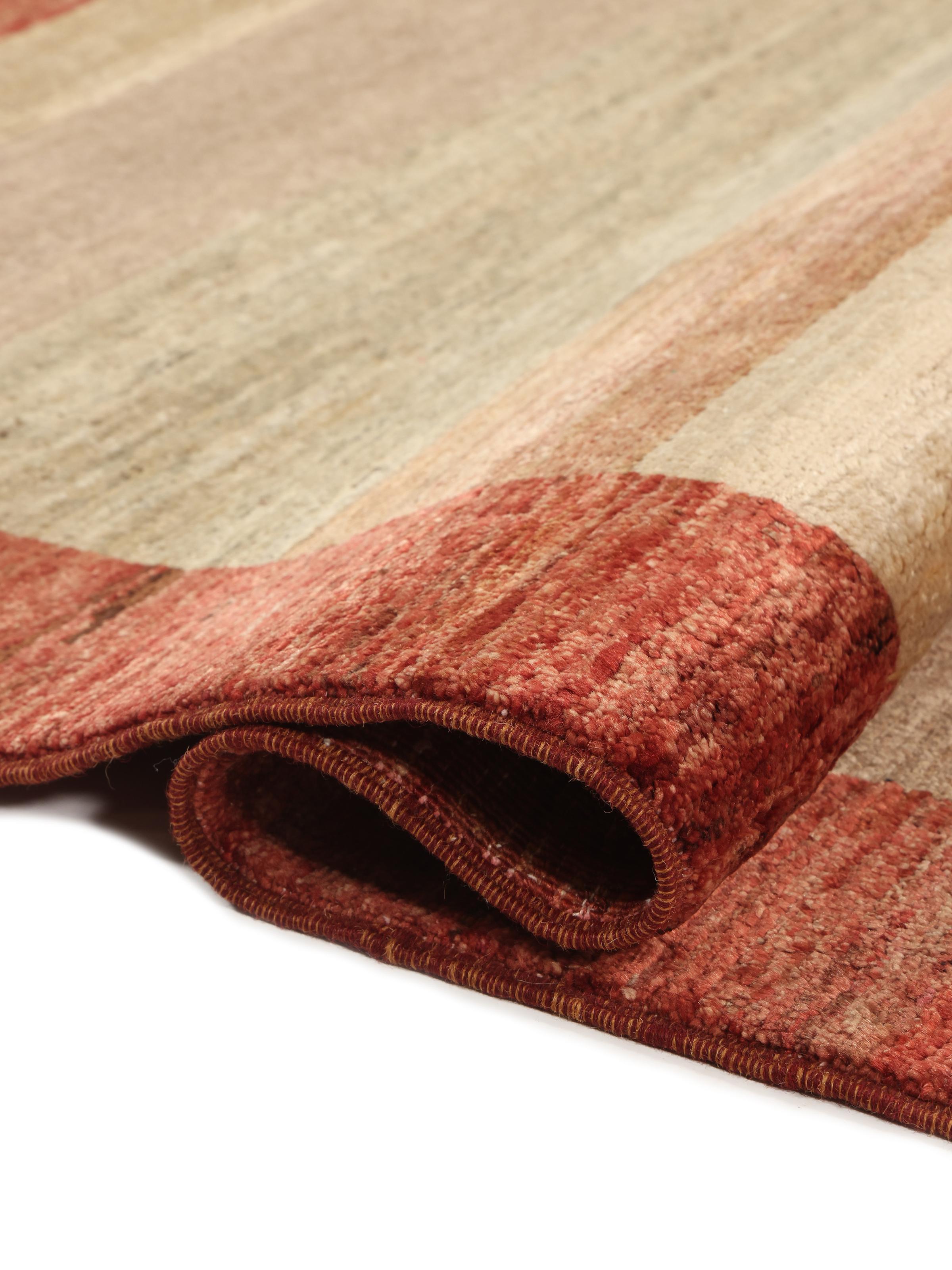
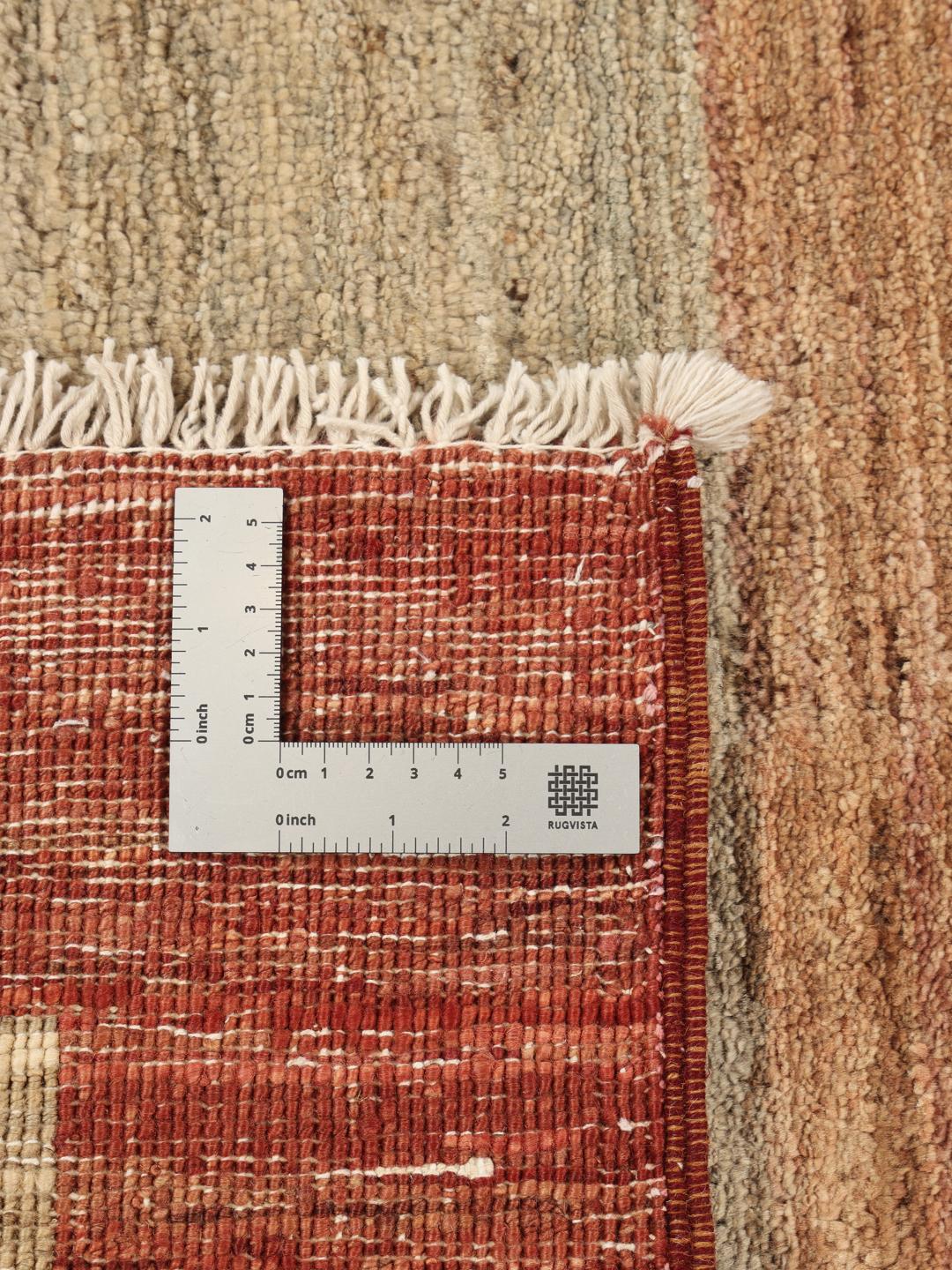
Collecting a rug from this tradition is an investment in human skill and cultural continuity. Because these pieces are made by hand rather than by machine, each one carries the individual signature of its maker. Owning such a rug is a way to bridge the gap between the past and the present, bringing a piece of authentic, storied craft into your modern home.