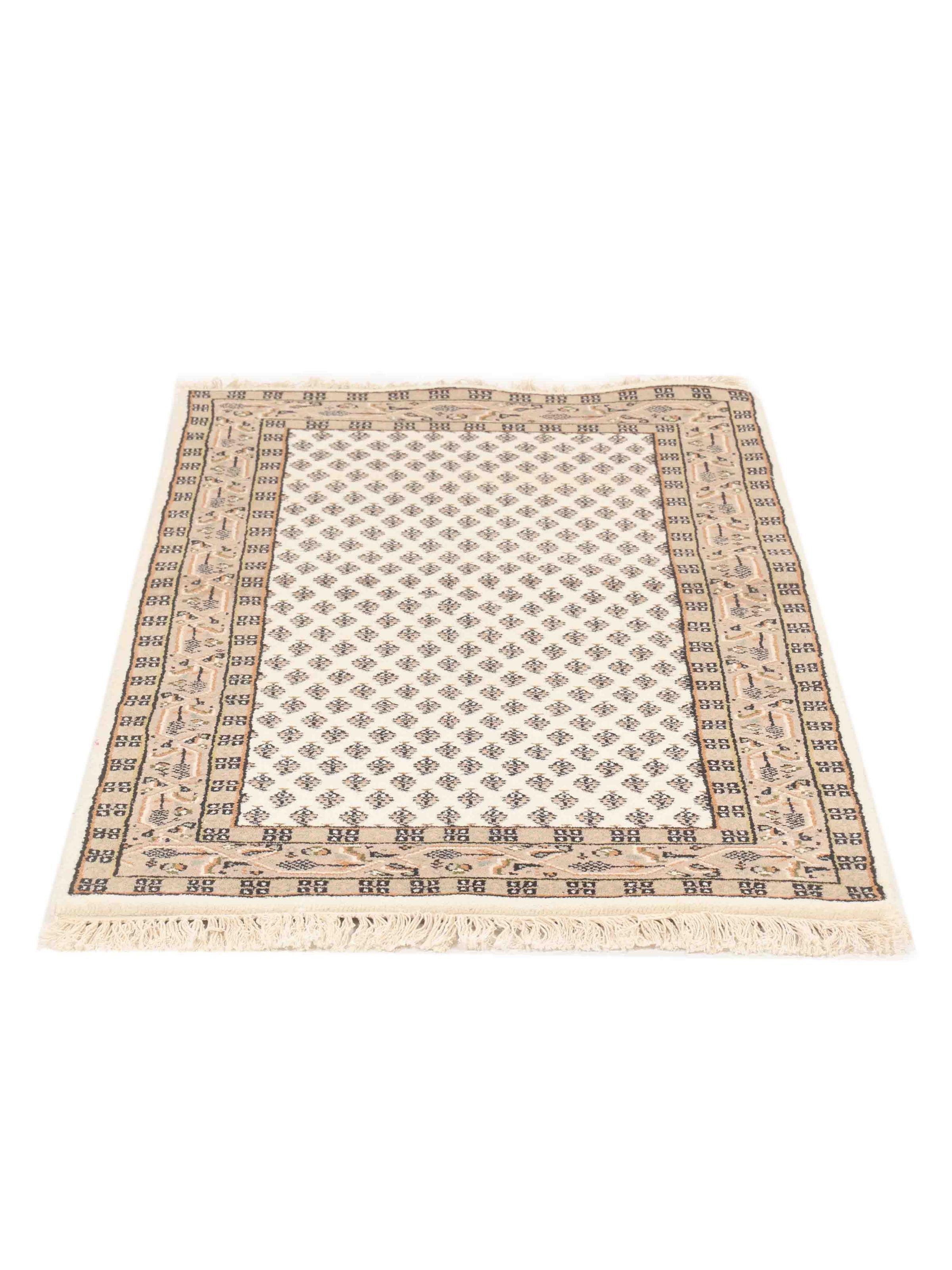
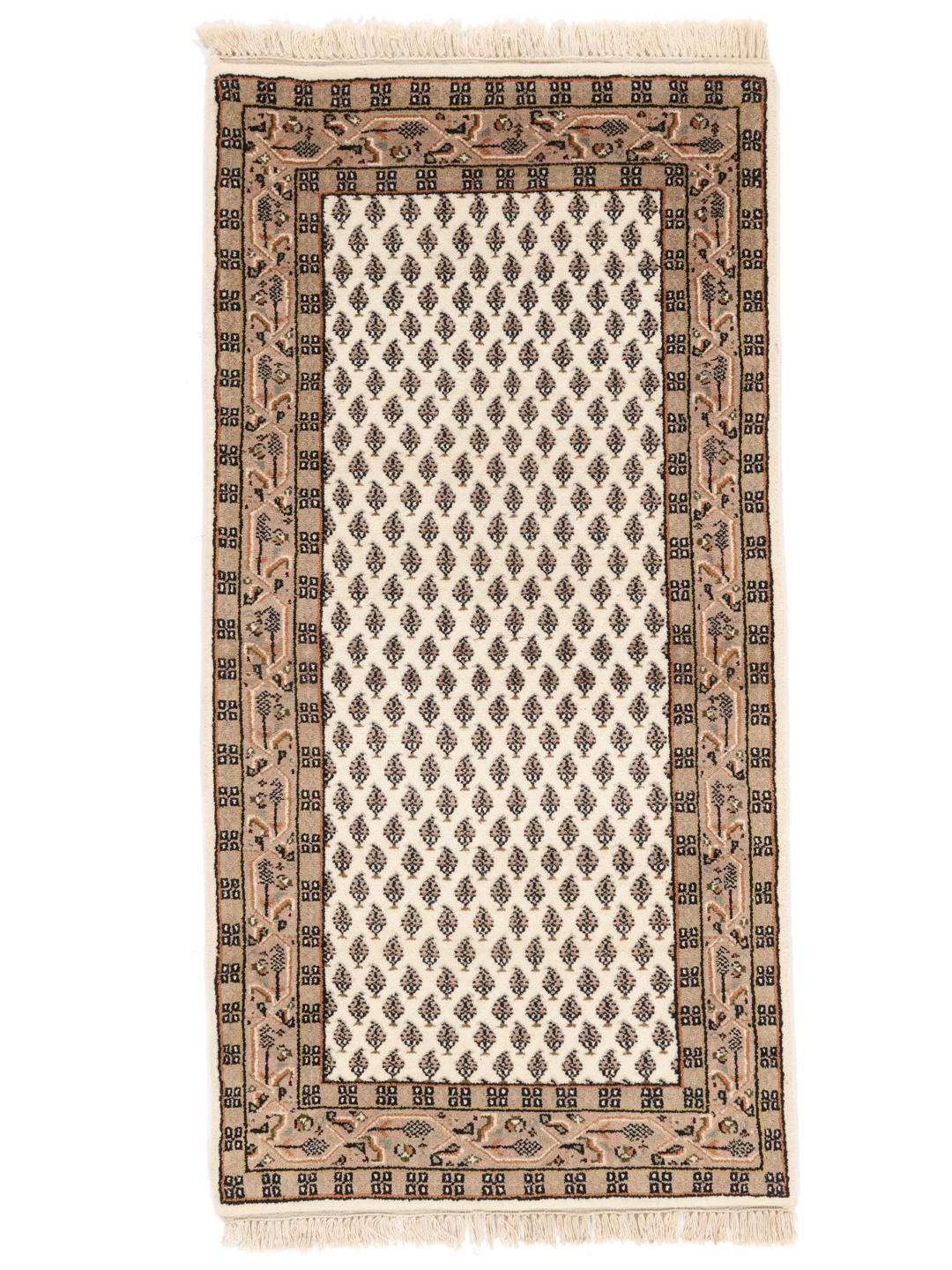
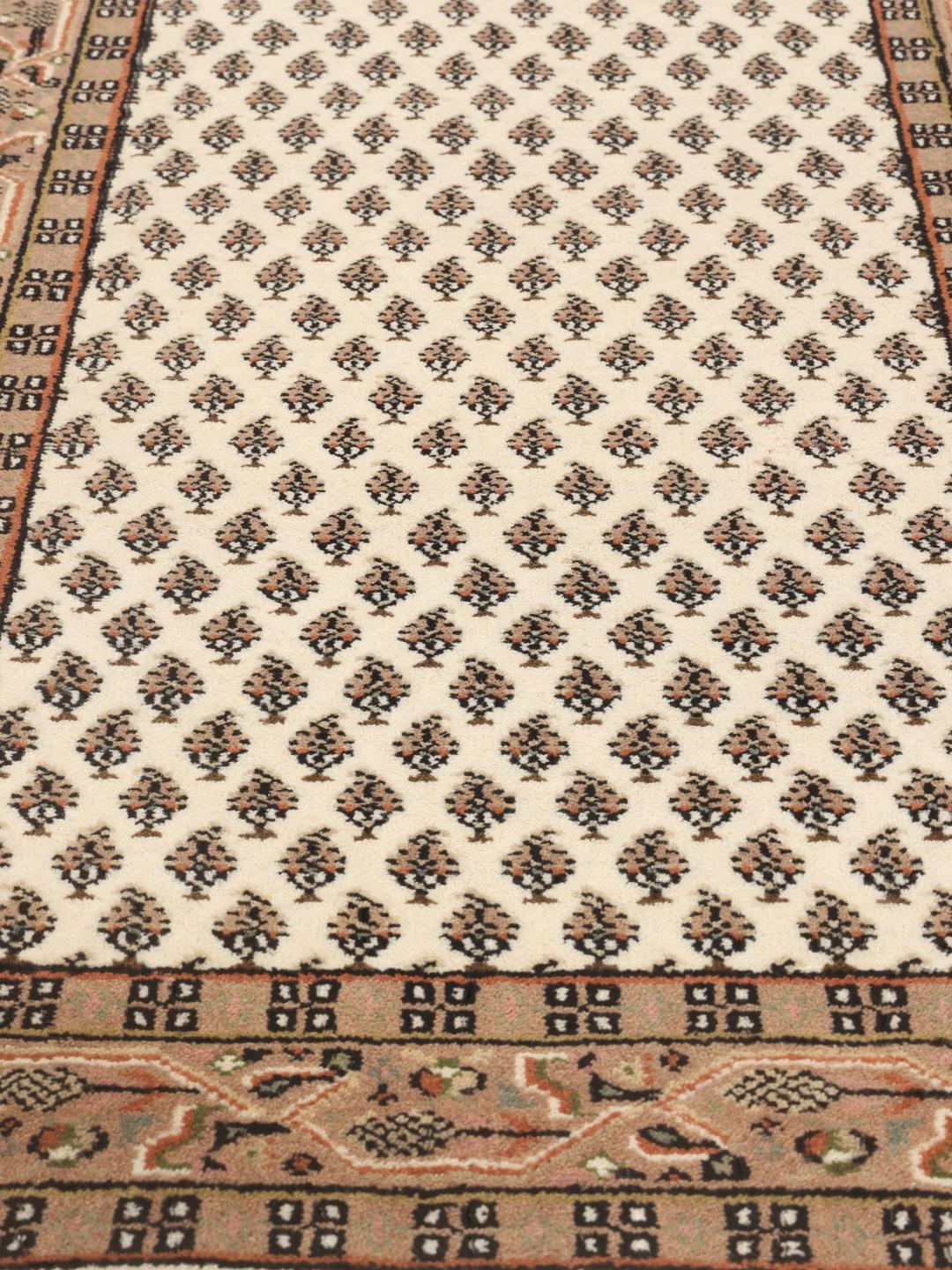
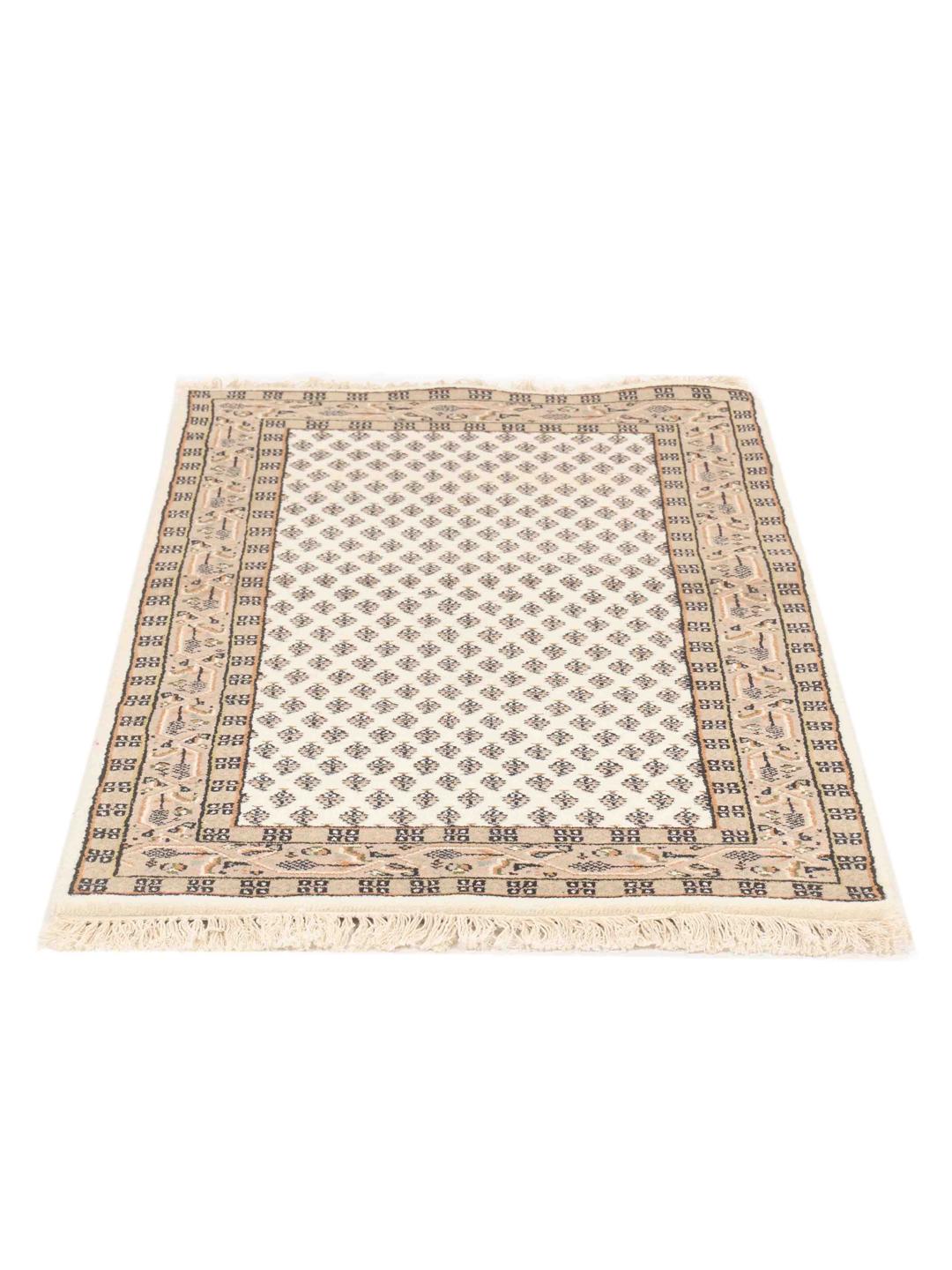
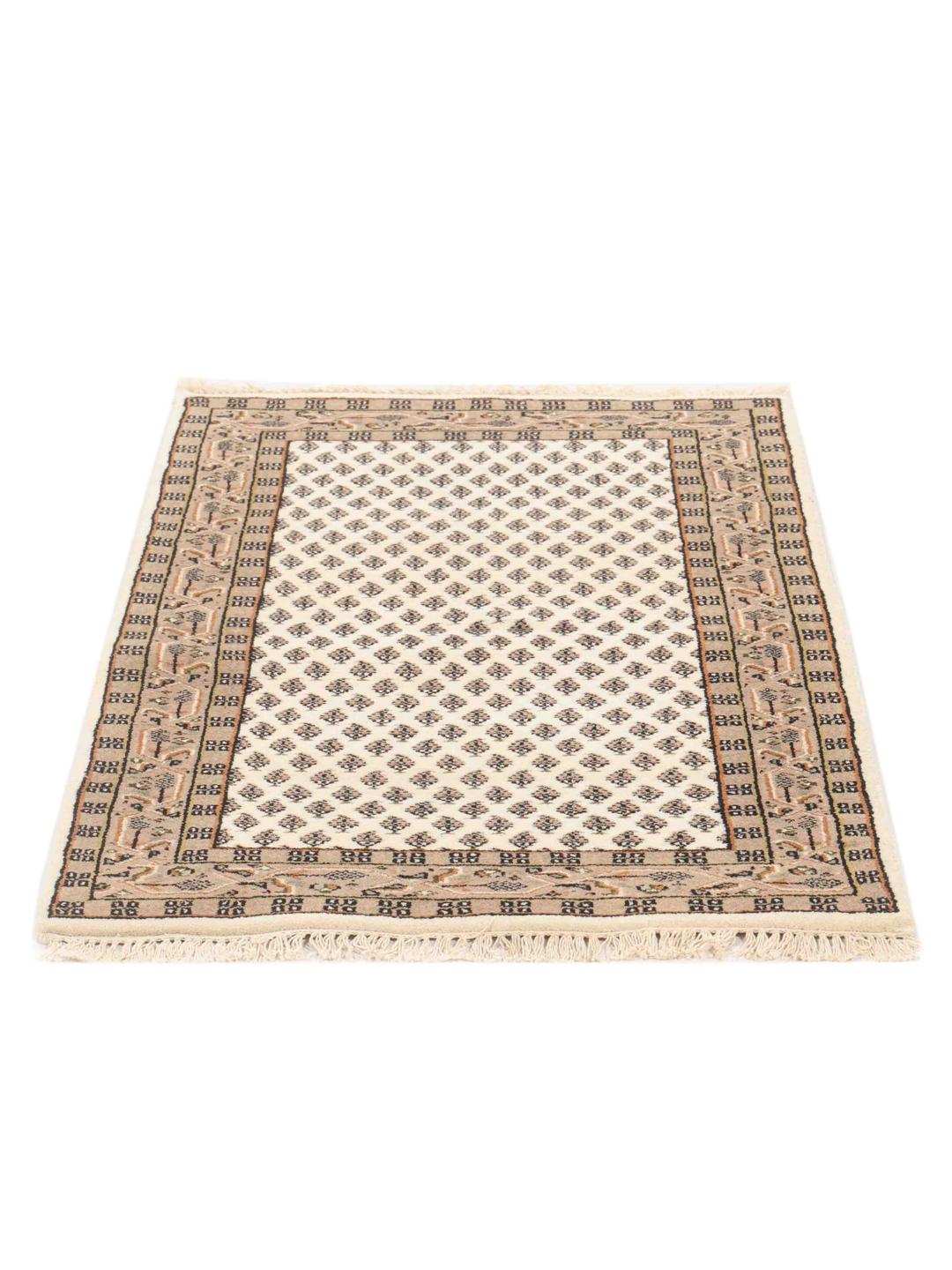
The Mir Indo rug tradition represents a fascinating cross-cultural evolution in the world of floor coverings. While the iconic Mir-e-Buta or 'paisley' motif has deep roots in Middle Eastern design, the production of these specific rugs migrated to India. This transition allowed Indian weavers to refine and adapt the traditional patterns, blending their own local techniques with the classic, sophisticated aesthetic that has made this style a staple in homes around the world.
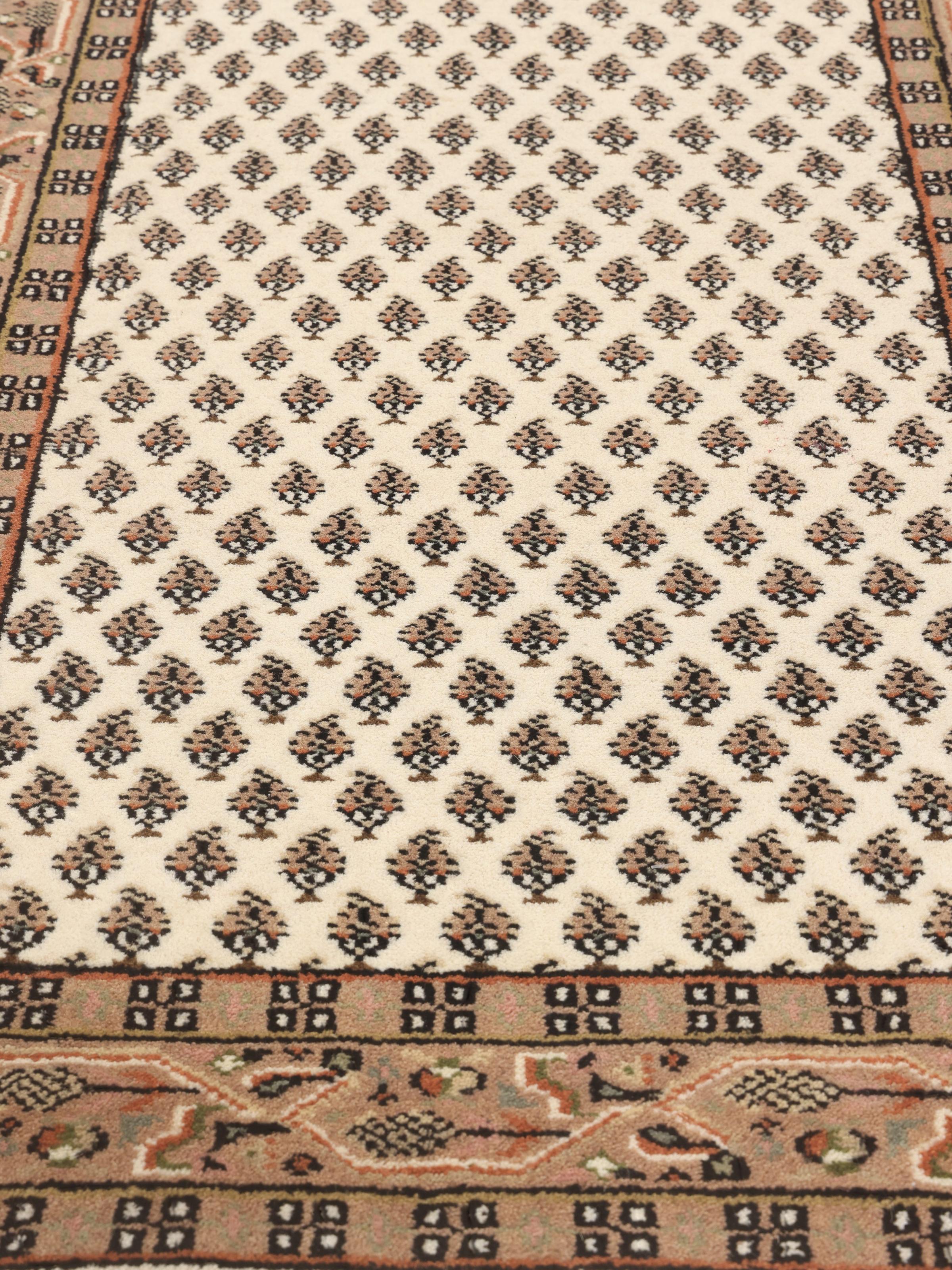
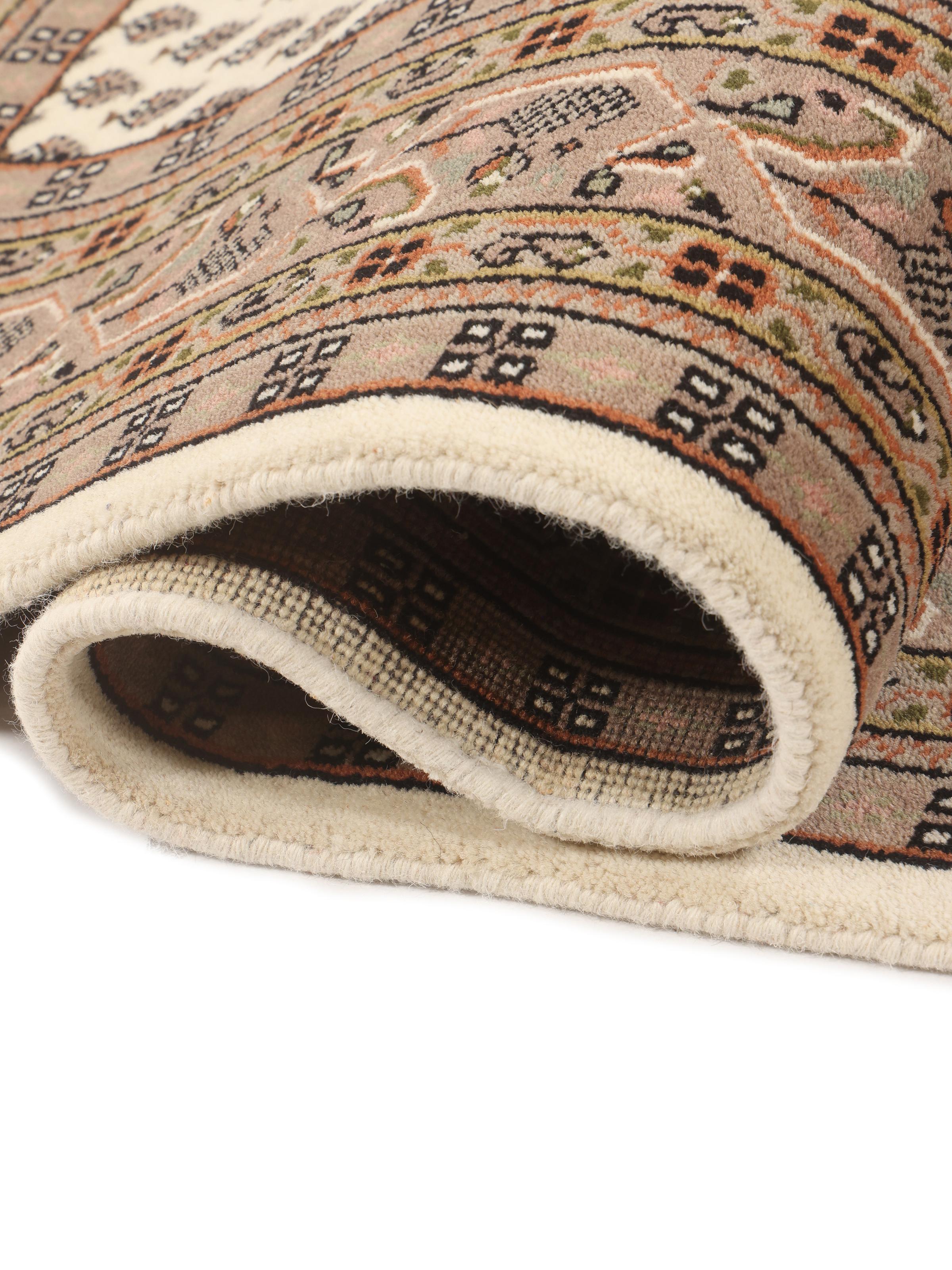
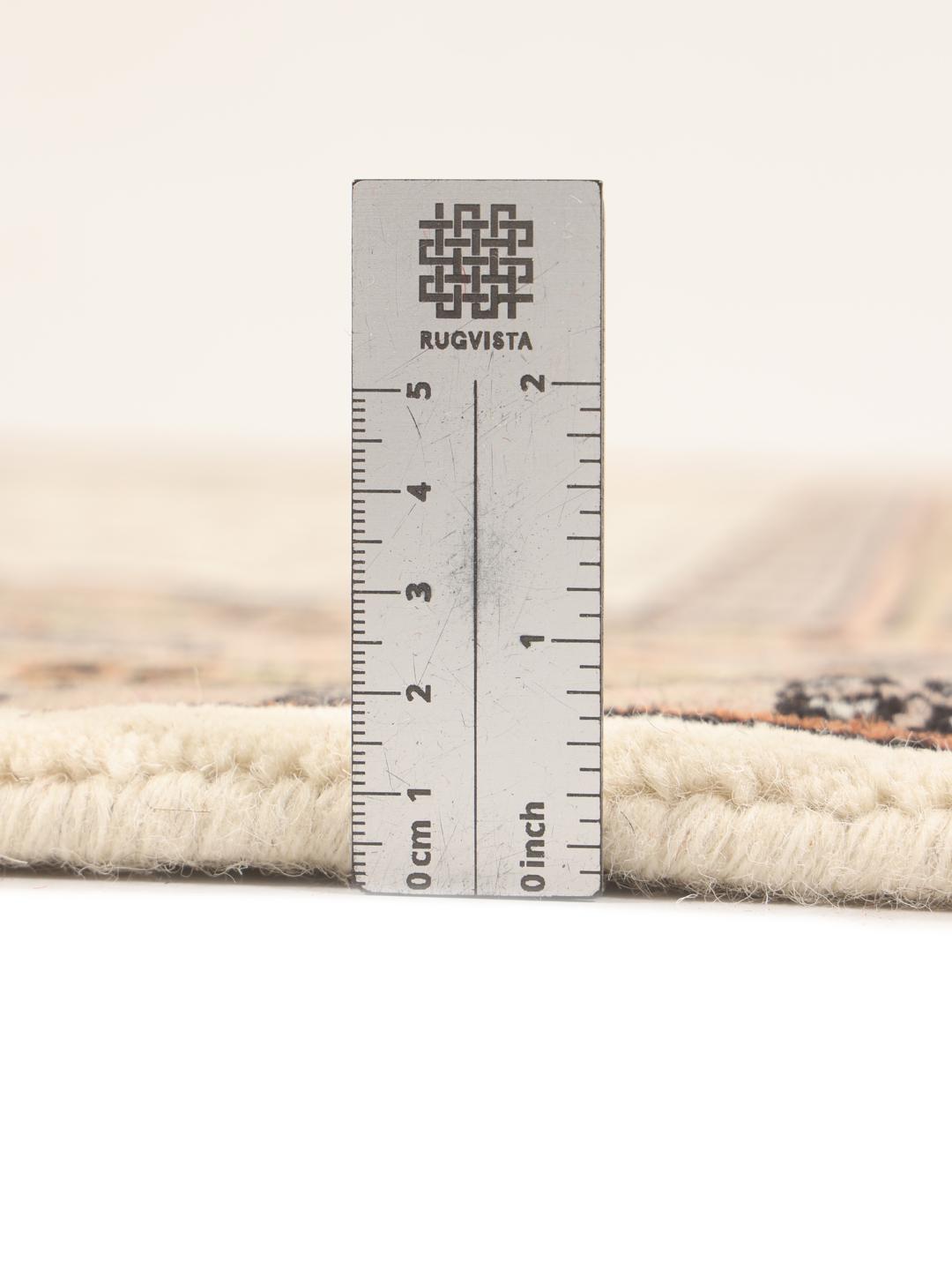
The term 'Mir' refers to the village or regional style from which the design originates, often characterised by its dense, all-over pattern of small, teardrop-shaped floral motifs. When these rugs are produced in India, the focus remains on maintaining the integrity of this traditional layout. The use of high-quality wool for the pile is essential, as it provides the necessary sheen and durability to allow the intricate, repetitive designs to remain sharp and clear for generations.
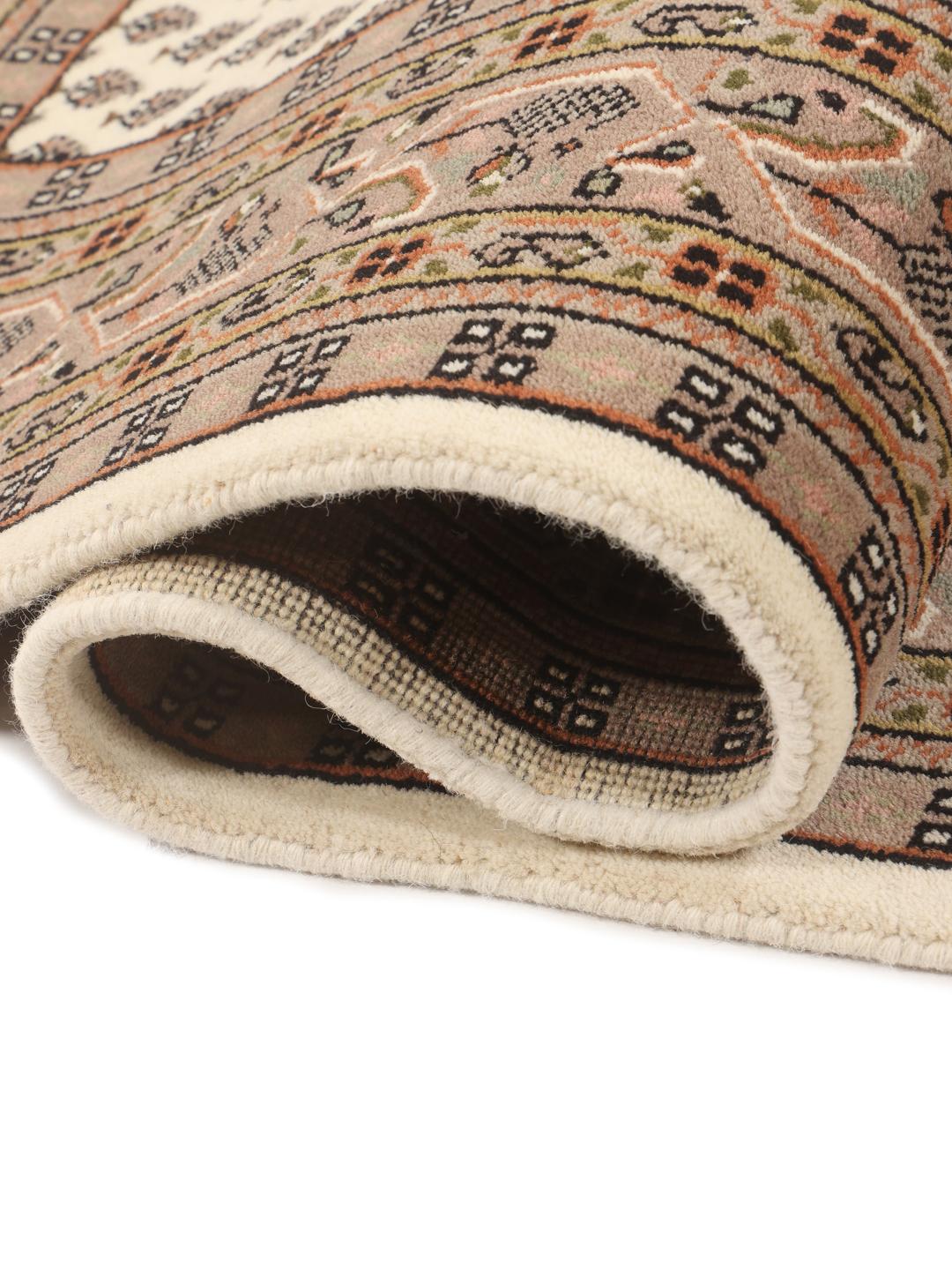
Signature design elements of the Mir Indo include the 'buta'—a stylised, curved leaf or floral sprig—which repeats across the central field. This is typically framed by multiple decorative borders that provide a sense of structure and completion. The balance achieved between the busy, uniform field and the solid borders is what gives these rugs their timeless appeal, making them versatile enough to complement both traditional and more contemporary interior settings.
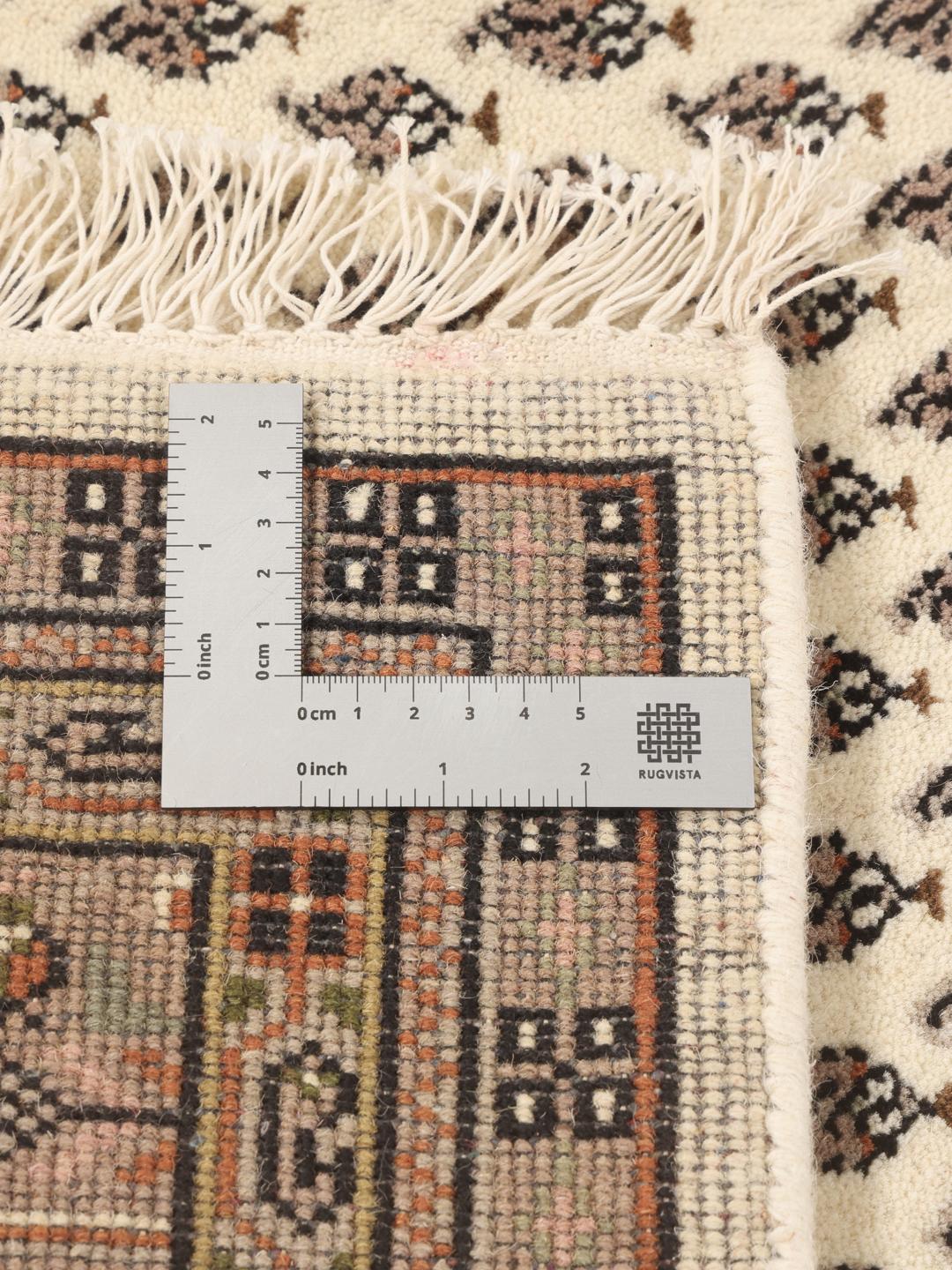
Collectors and enthusiasts value these rugs for their consistency and the high level of skill required to maintain such a uniform, repetitive pattern. Owning a piece from this tradition is an investment in cultural heritage and long-lasting quality. It represents a commitment to supporting the craft of hand-knotting, ensuring that these historical techniques continue to be practised and appreciated, rather than replaced by modern, automated methods.