The Mehraban rug tradition originates from the Hamadan region in the Middle East, an area long celebrated for its prolific and diverse weaving heritage. These rugs are deeply connected to the local villages where the knowledge of spinning and dyeing wool has been preserved for centuries, reflecting the cultural identity of the people who call this rugged, mountainous landscape home.
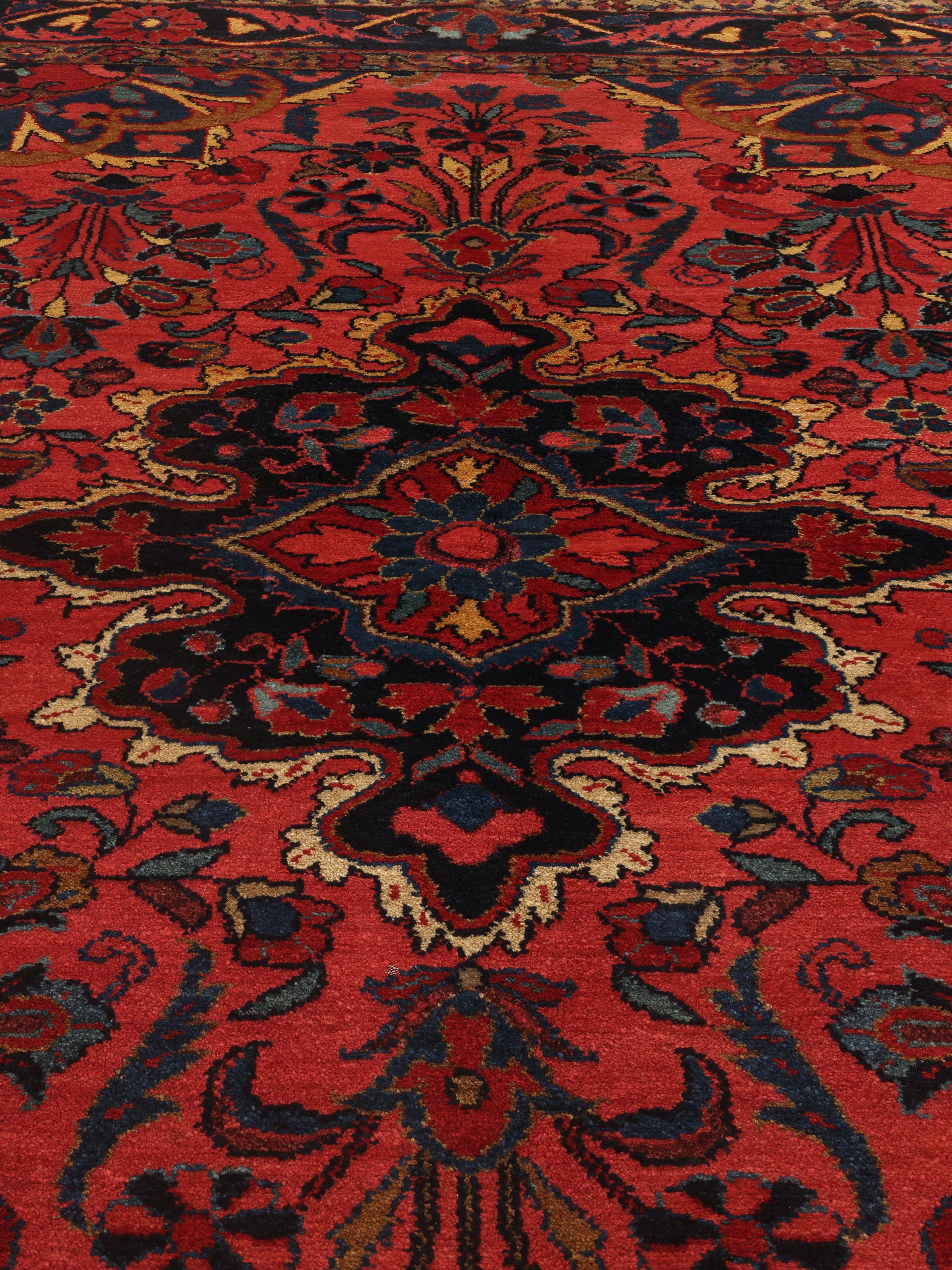
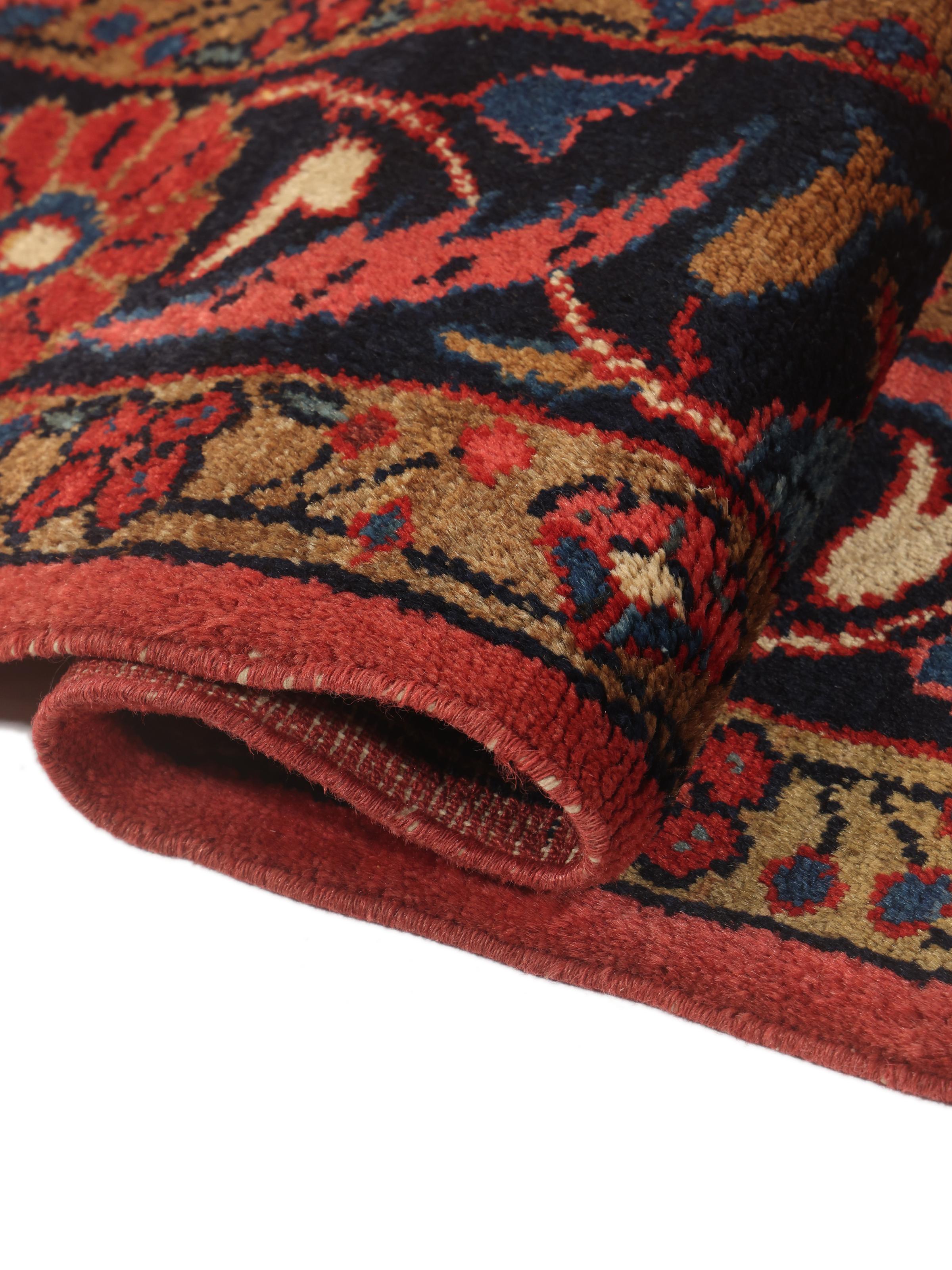
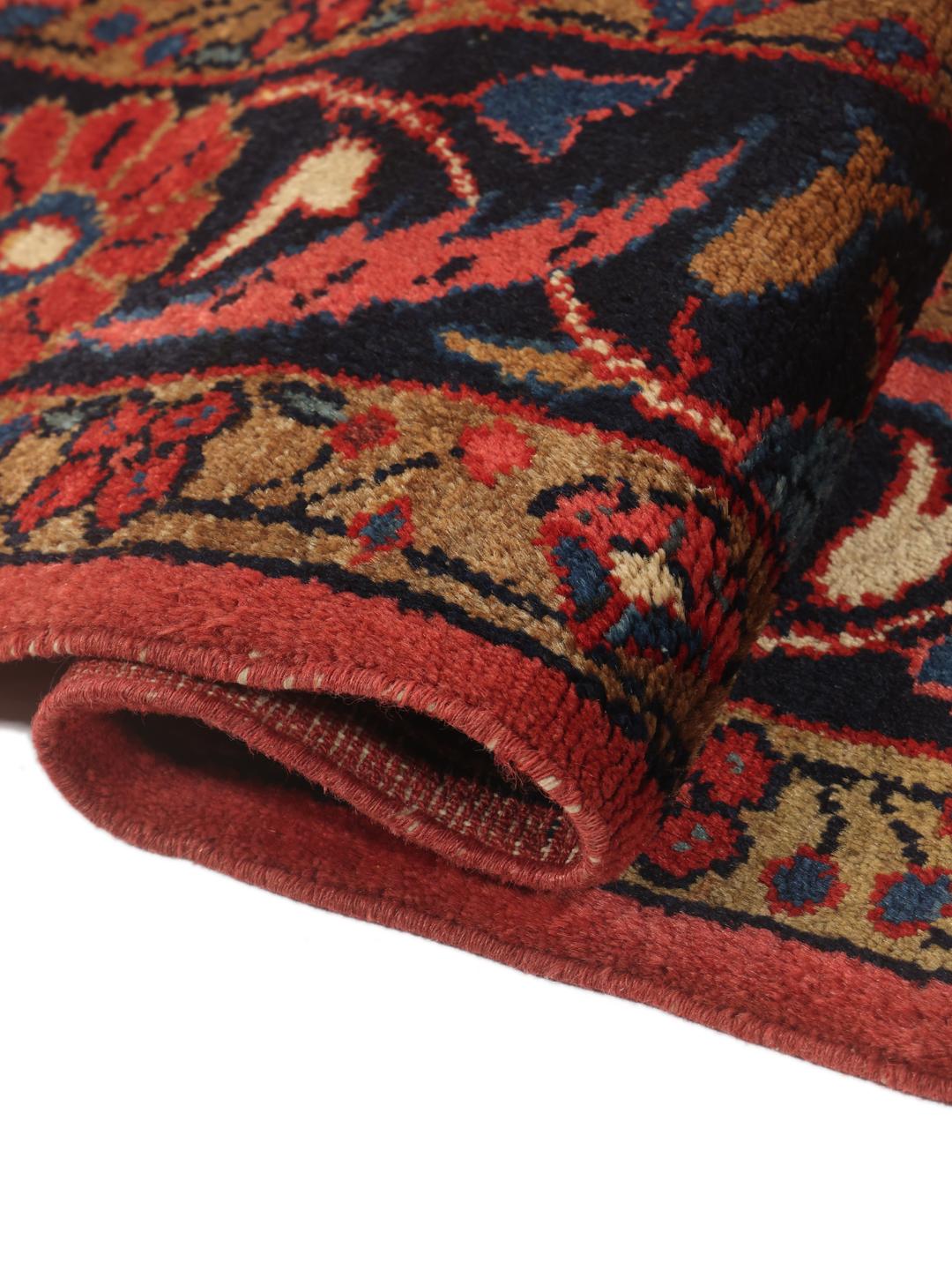
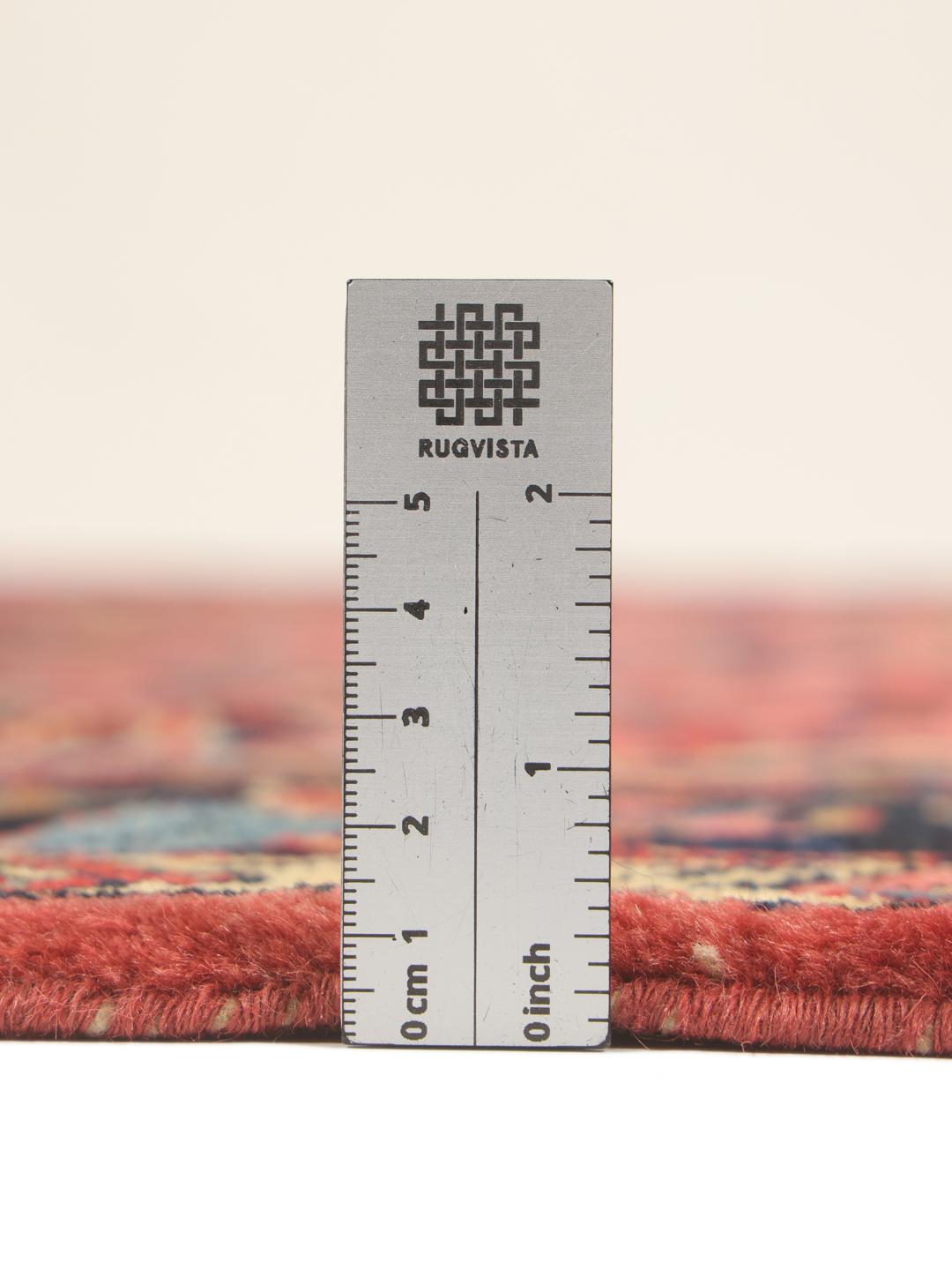
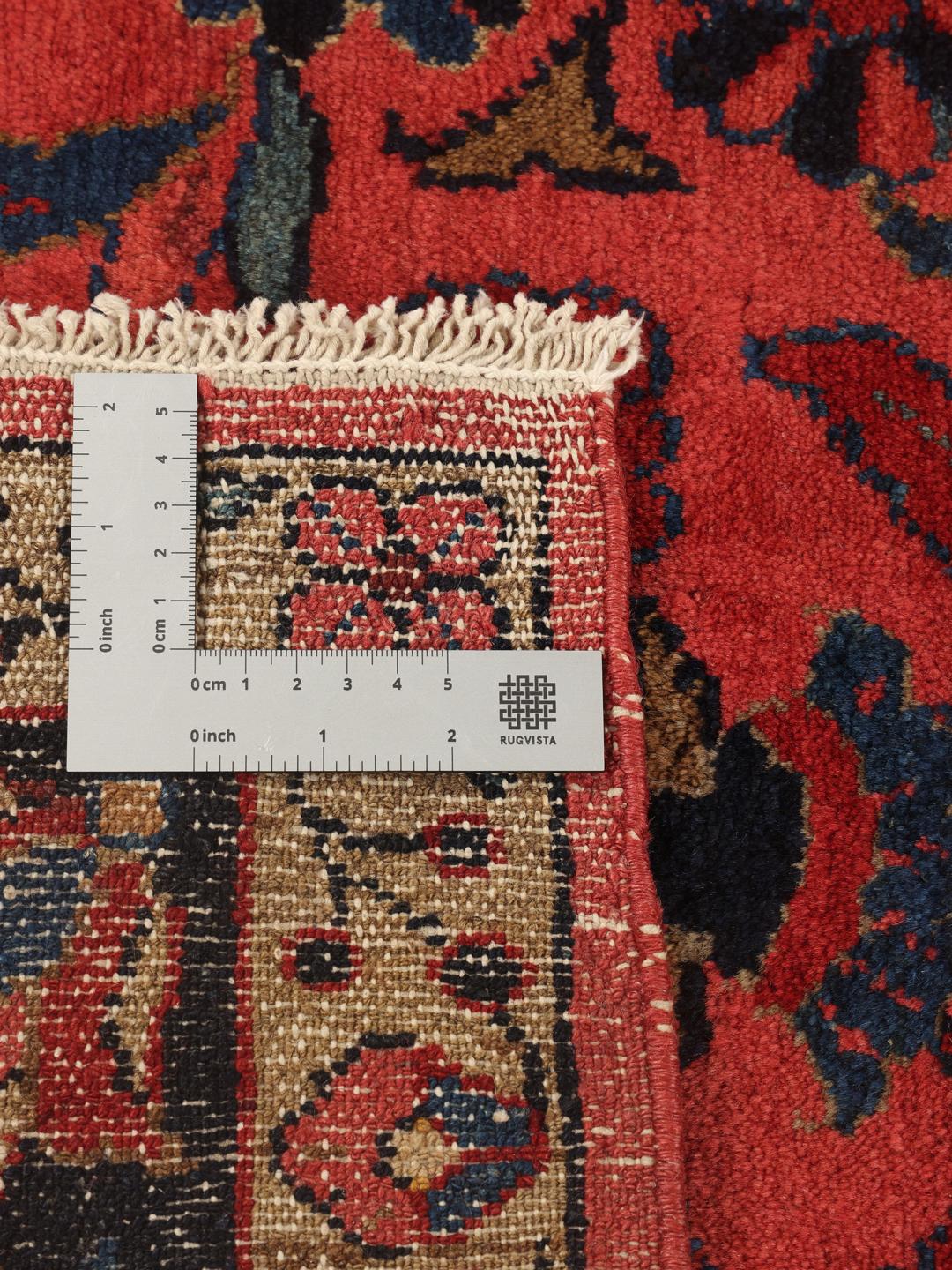
Technically, the Mehraban style is known for its sturdy construction and the use of high-quality wool, which is often spun with care to ensure longevity. The term refers to a specific design sensibility that balances bold, geometric-influenced florals with a more fluid, organic layout. This approach creates a harmony between the structured border and the more expressive, open field, a signature of the region's craft.
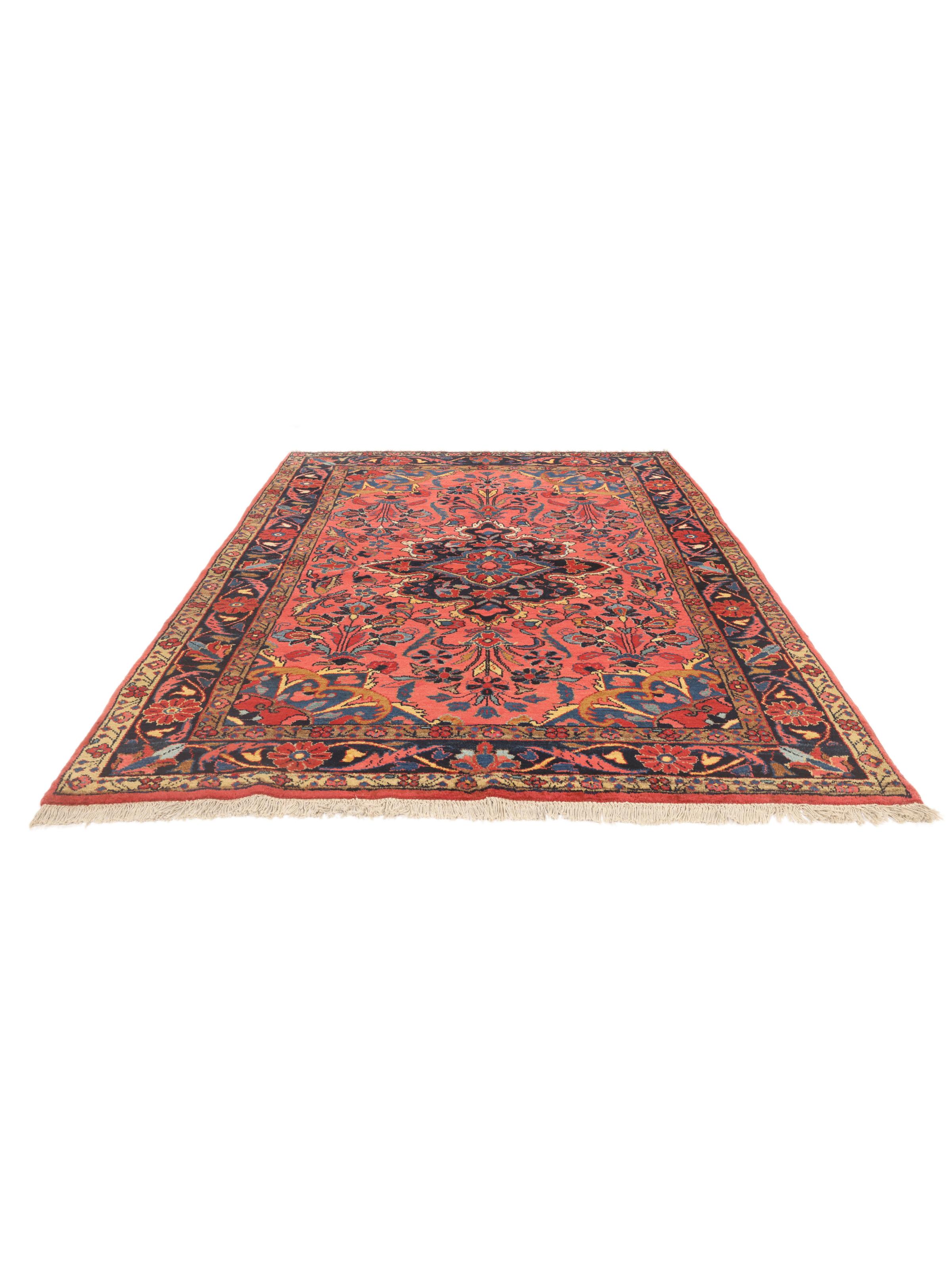
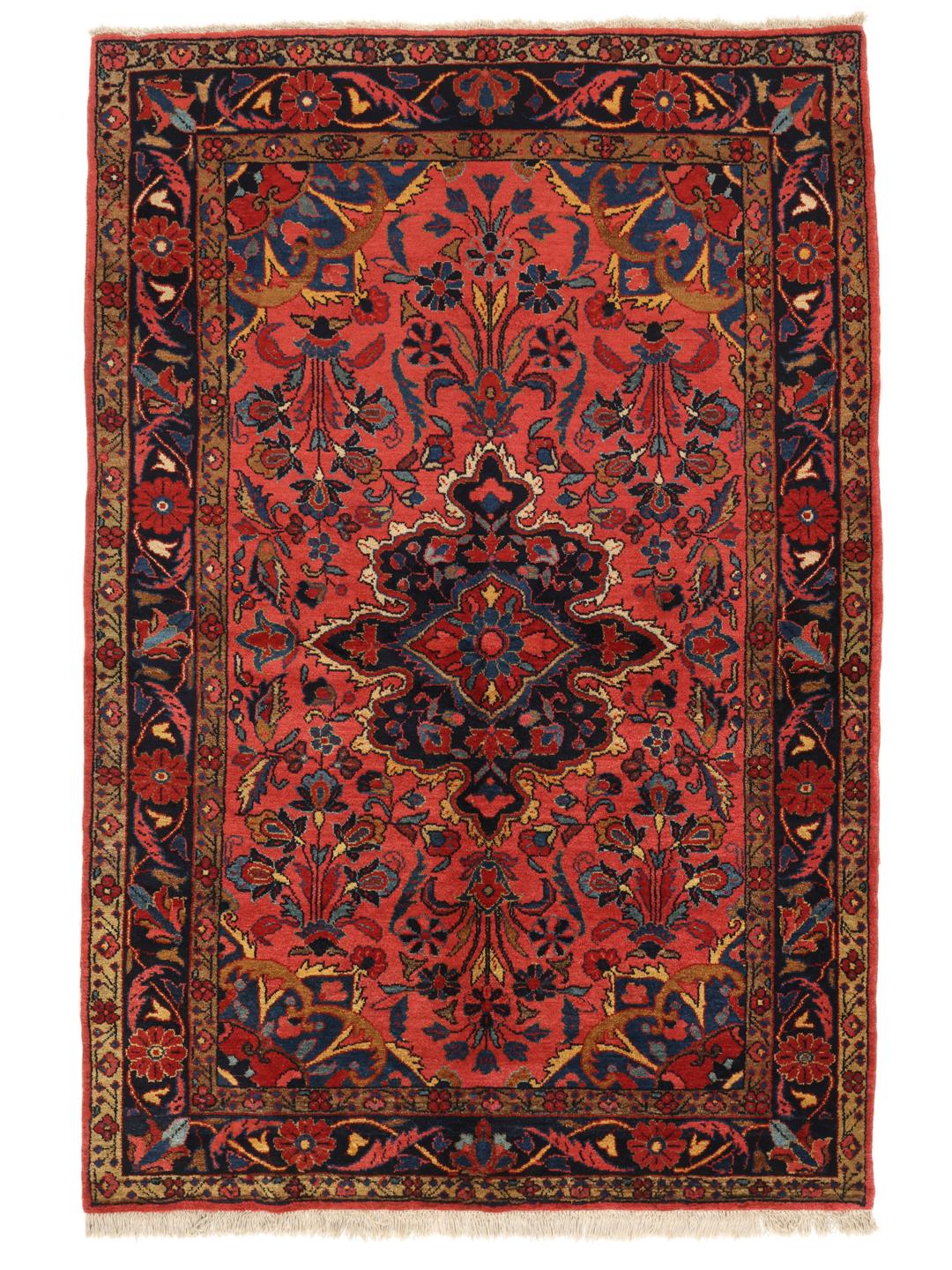
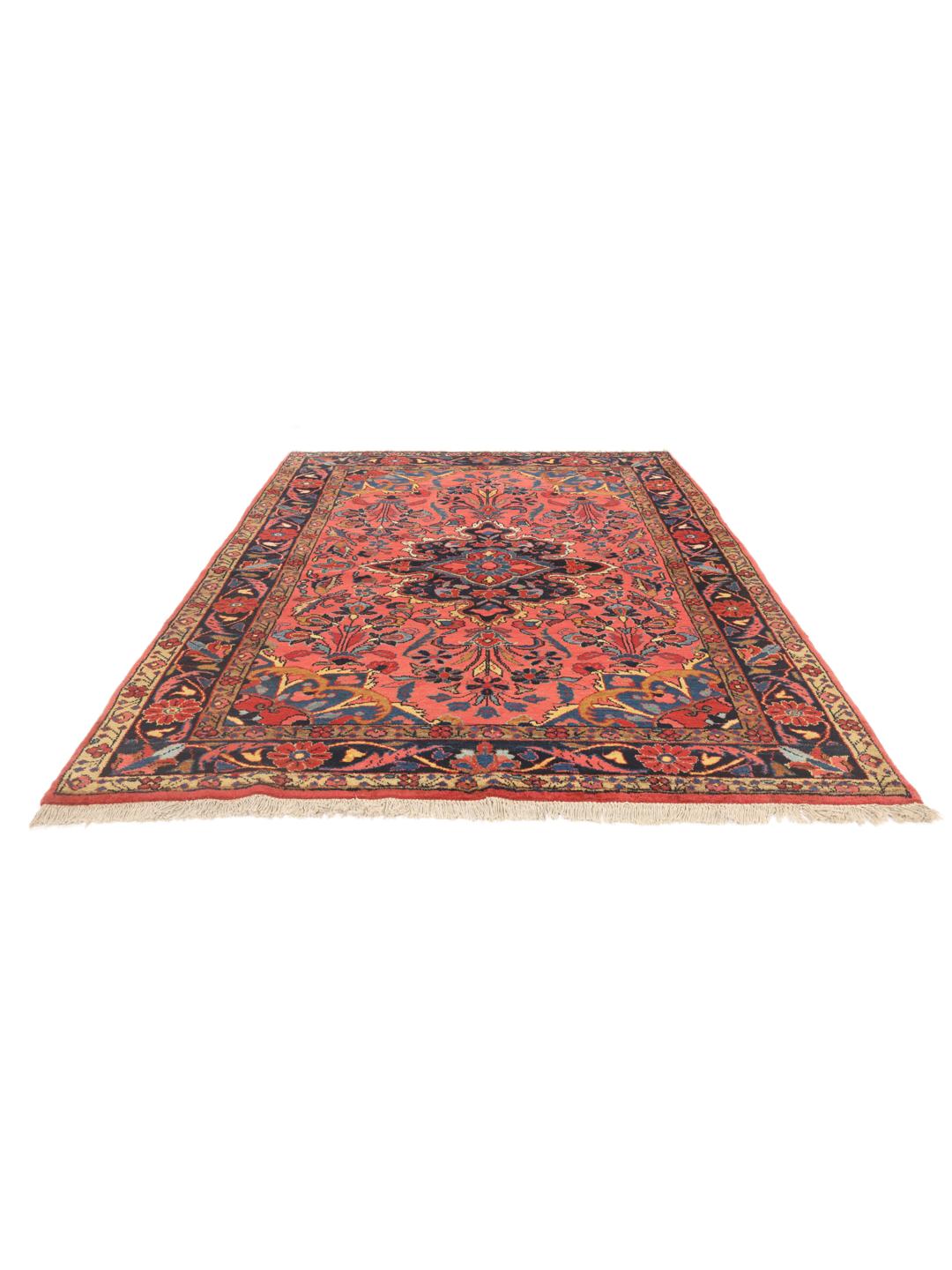
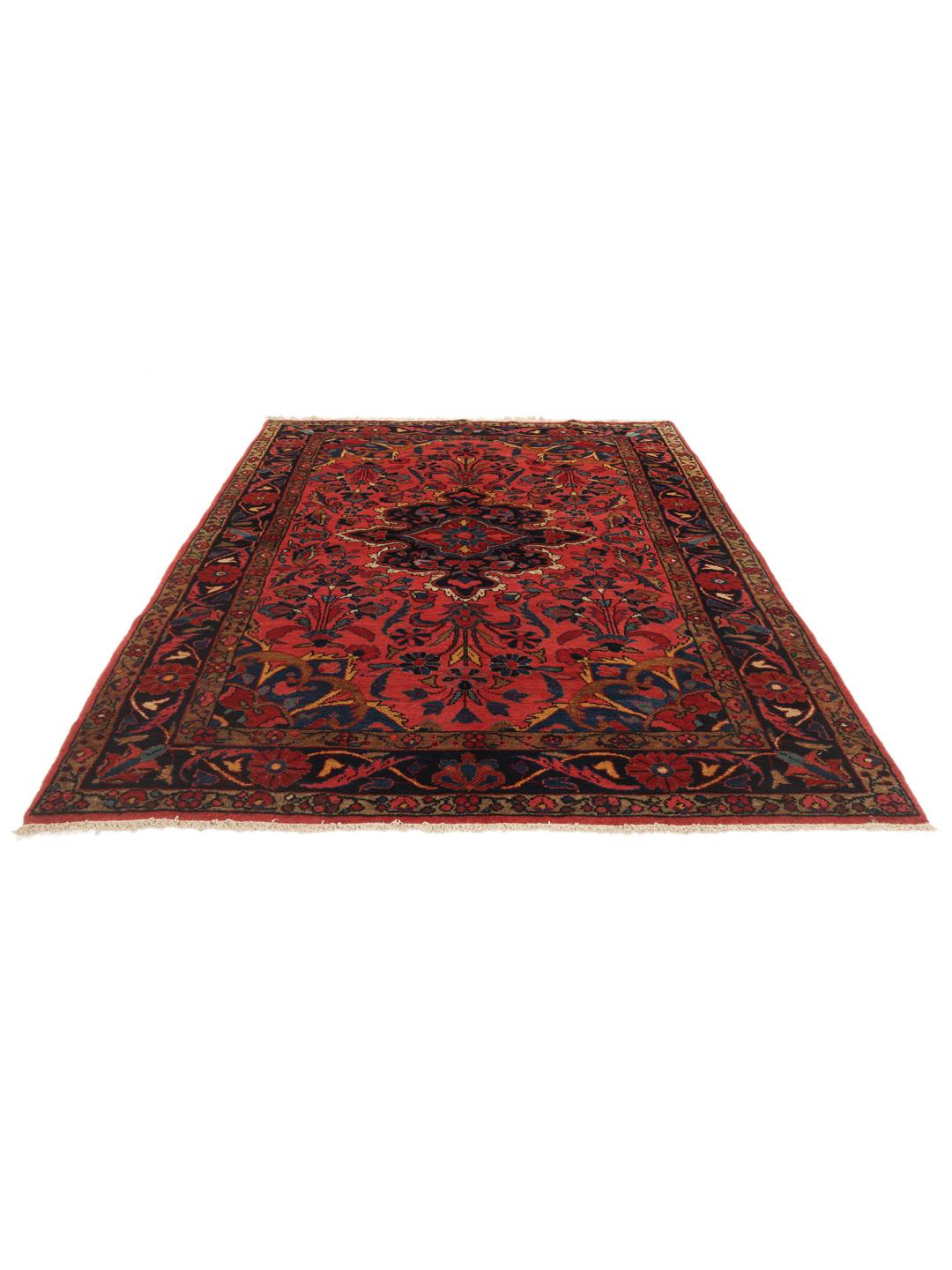
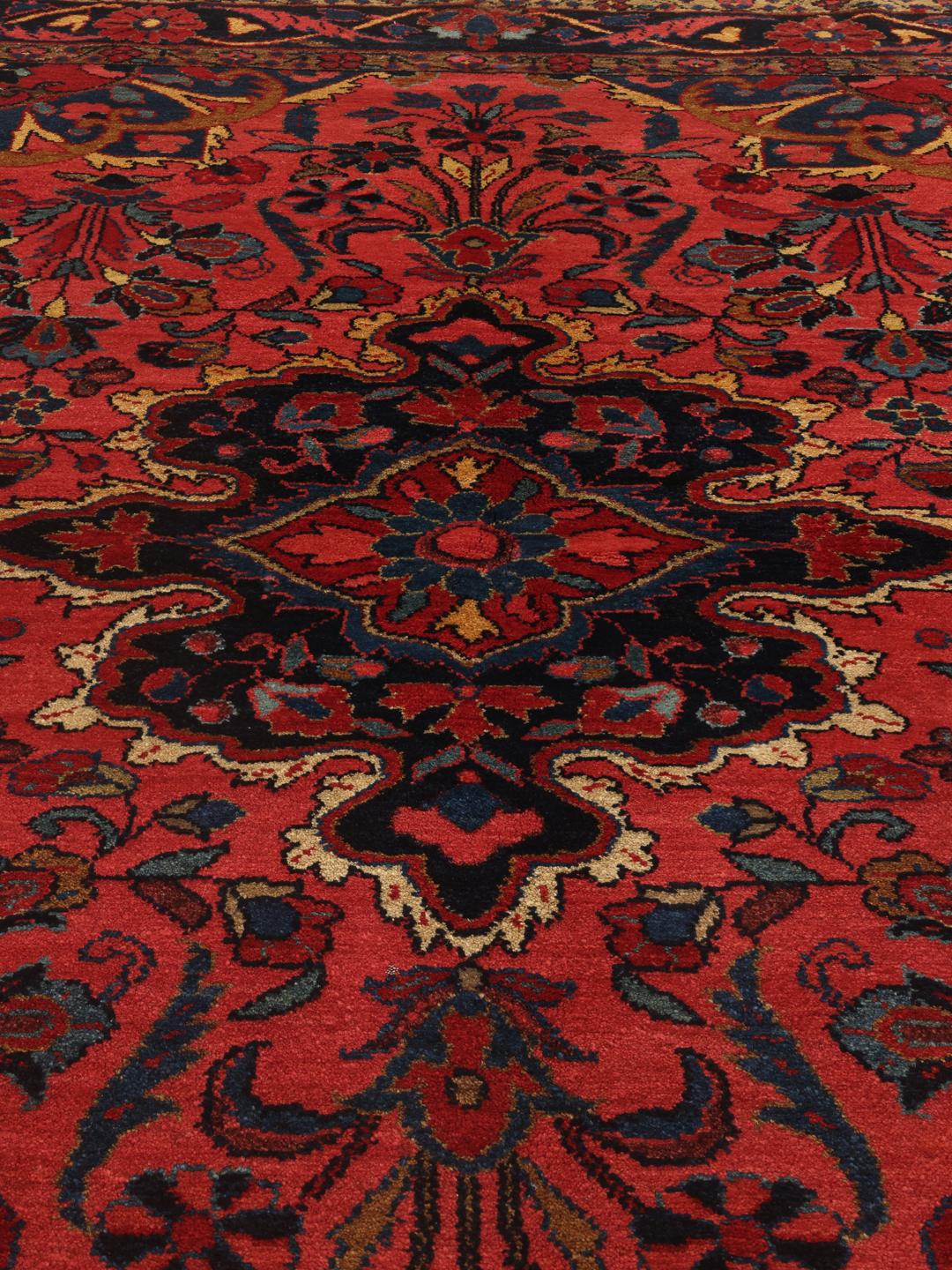
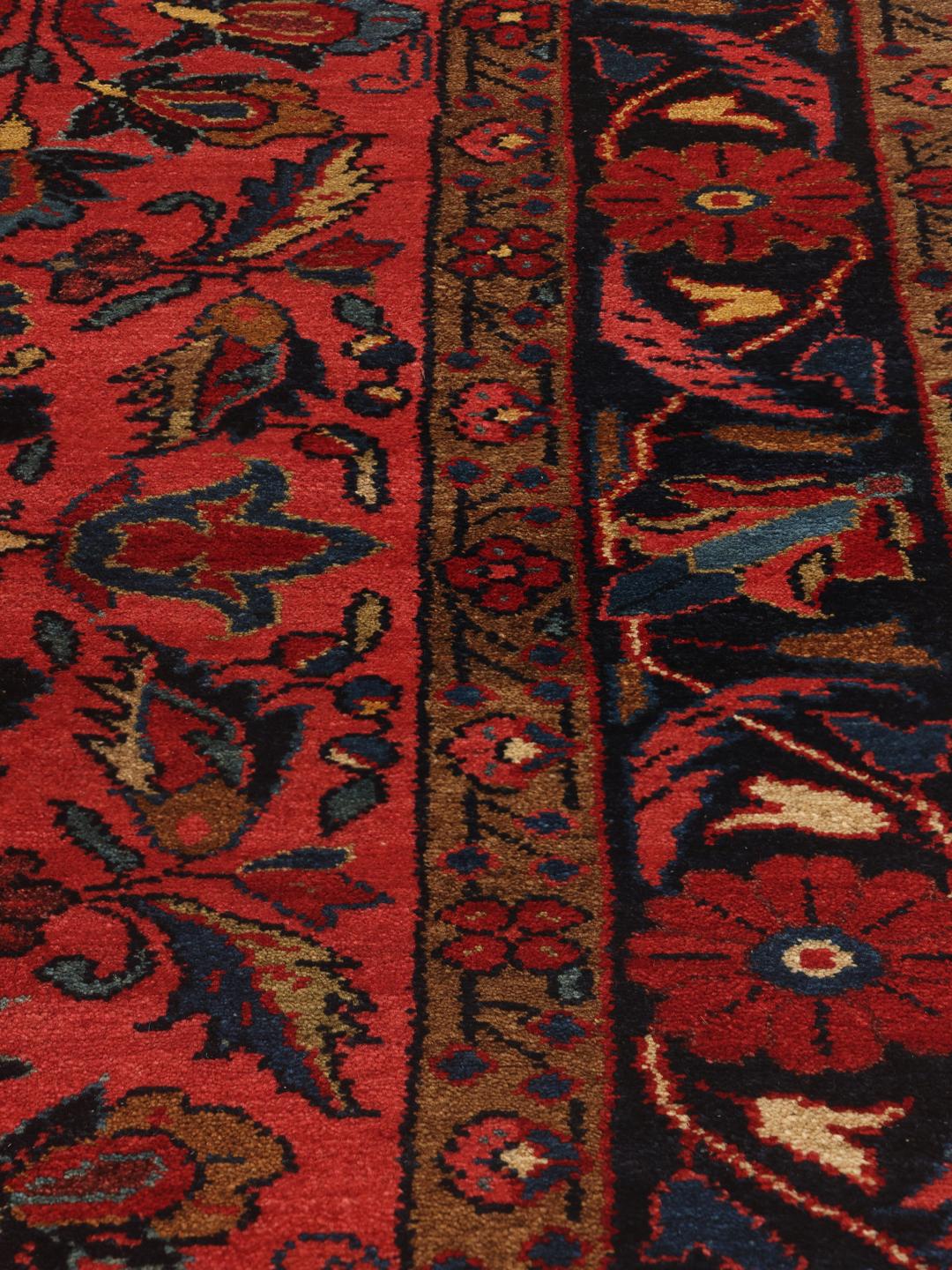
Signature design elements often include a prominent central medallion surrounded by stylised floral sprays and vines. While many pieces feature a classic red field, the inclusion of deep blues and earthy tones creates a dramatic contrast that draws the eye. The borders are typically wide and filled with repeating motifs, providing a formal frame that anchors the central design.
Owning a Mehraban rug is an investment in cultural heritage and long-standing skill. Because these rugs are produced in limited quantities using traditional methods, they are highly valued by collectors who appreciate the human story behind every thread. They are not merely floor coverings, but rather lasting records of an ancient art form that continues to thrive in contemporary homes.