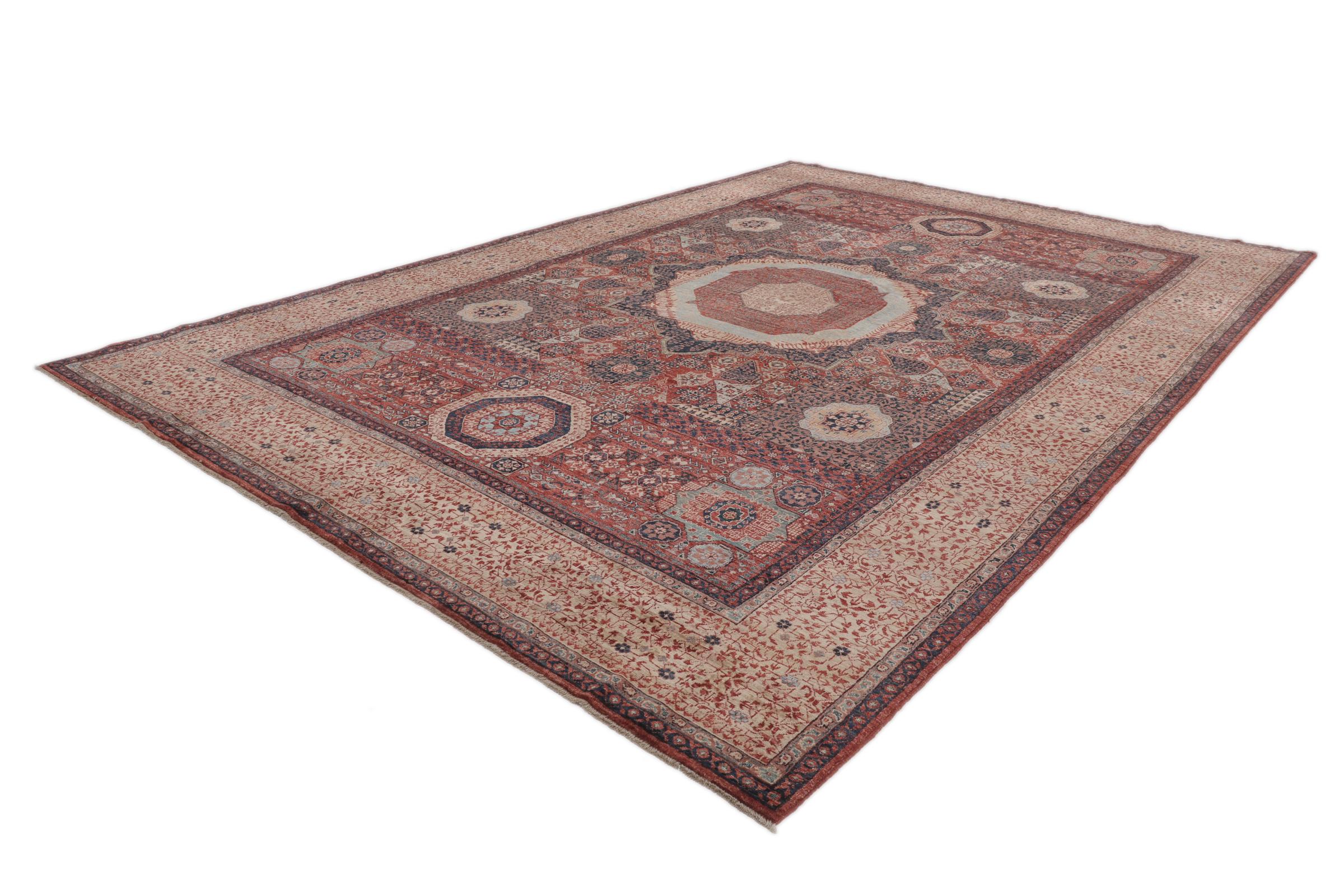
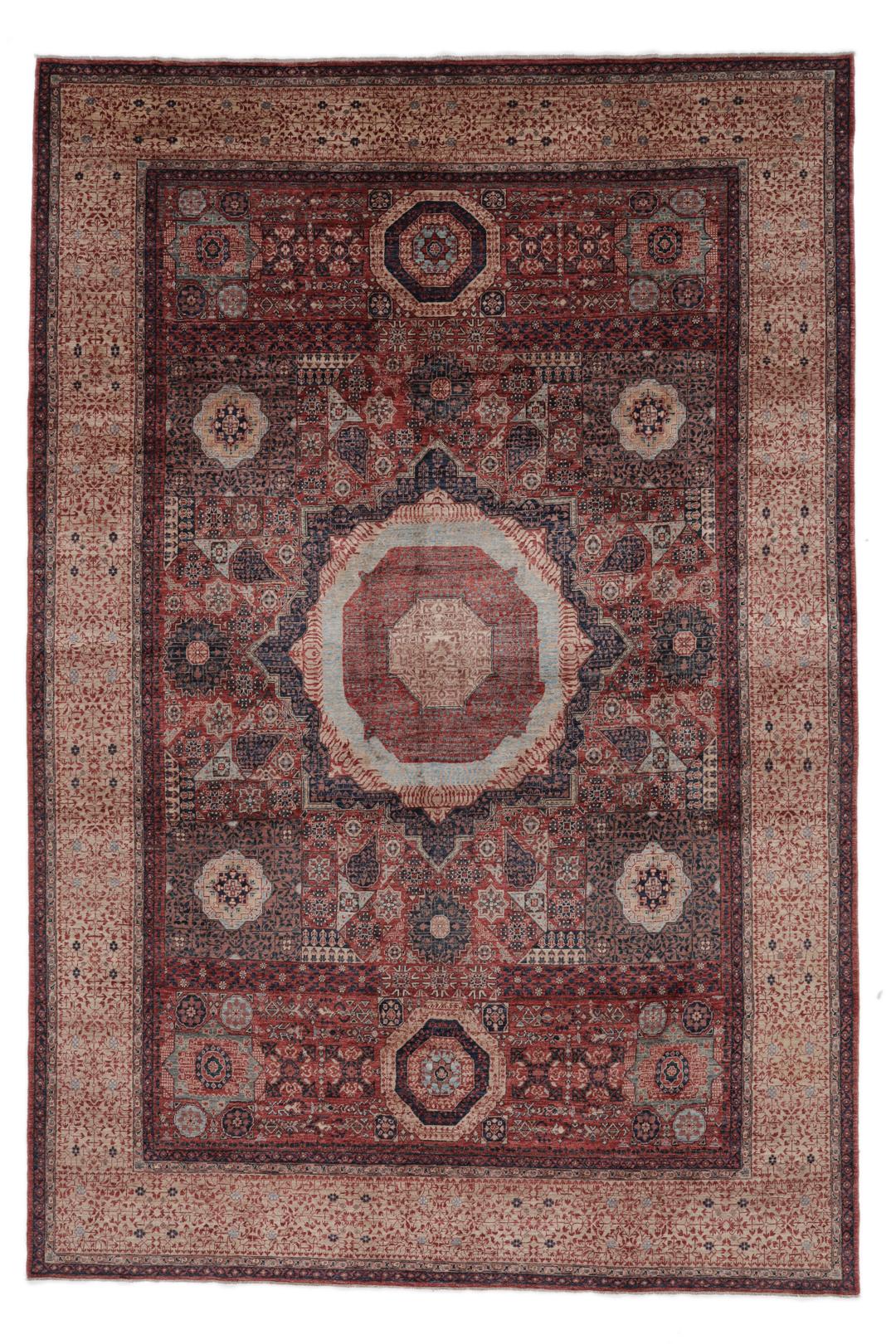
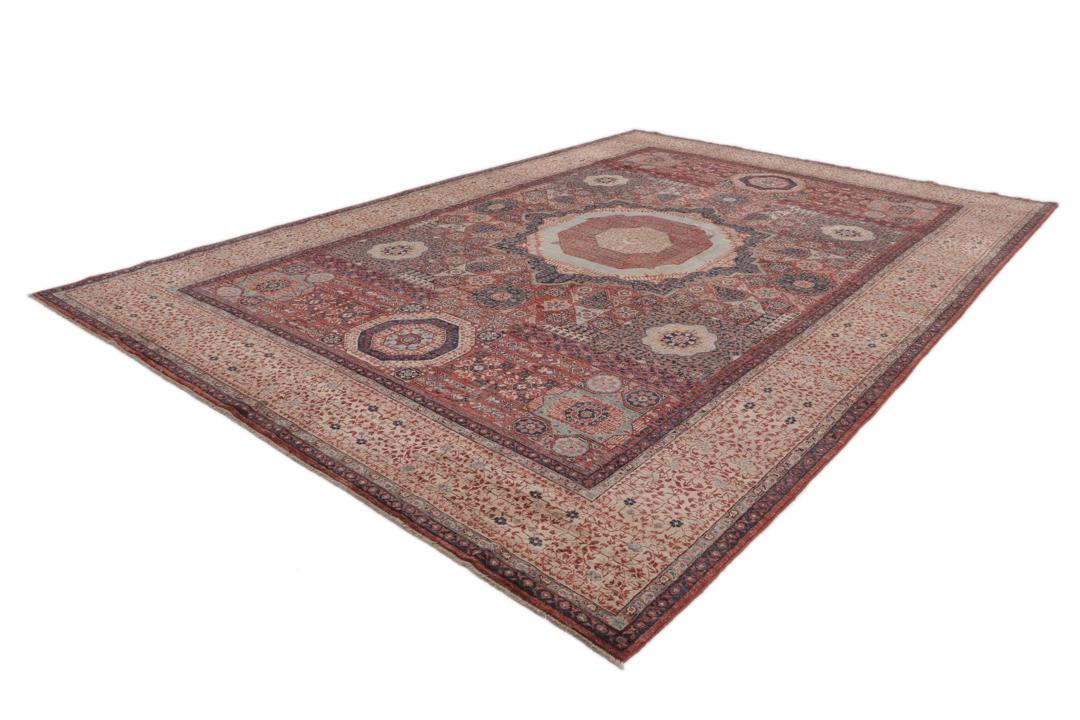
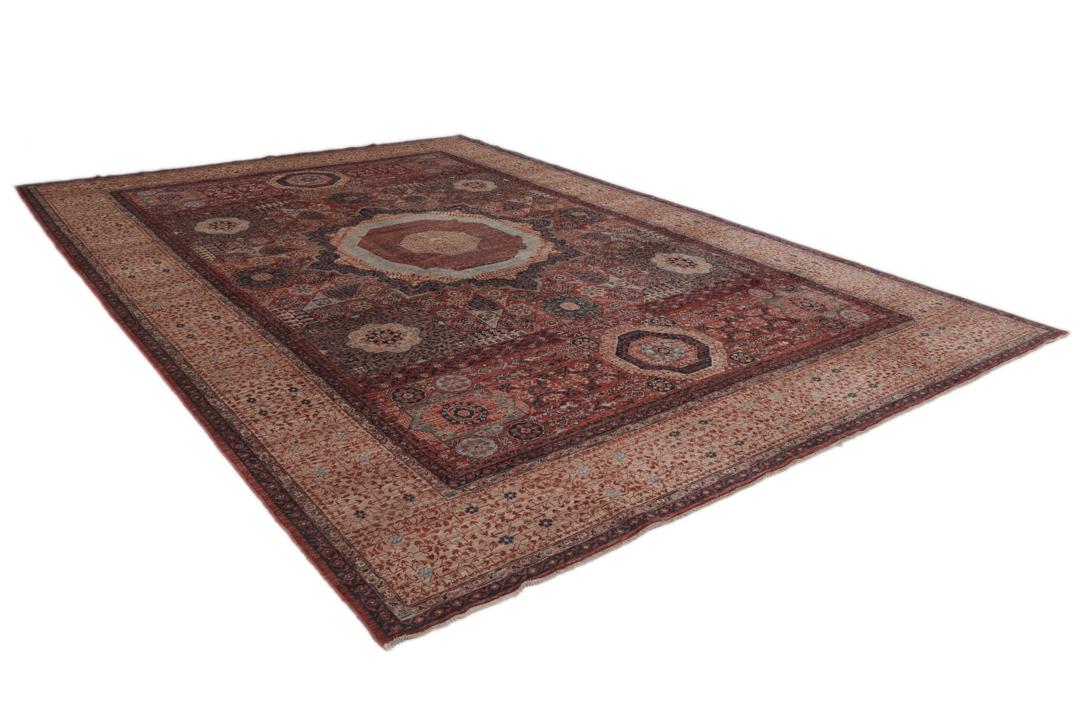
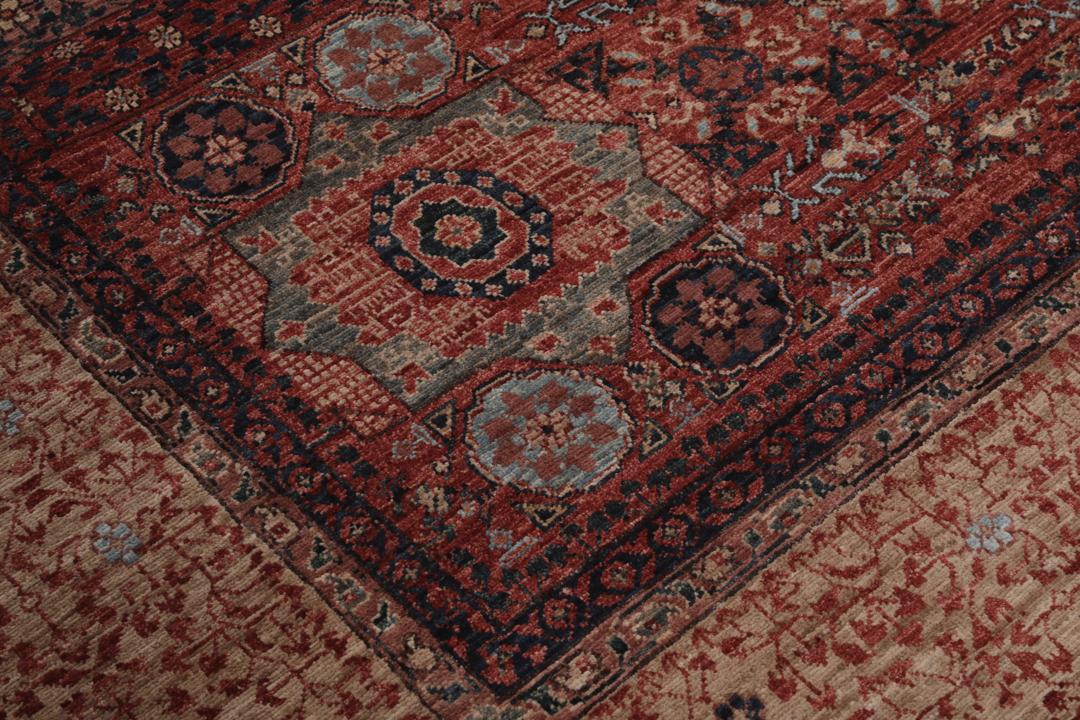
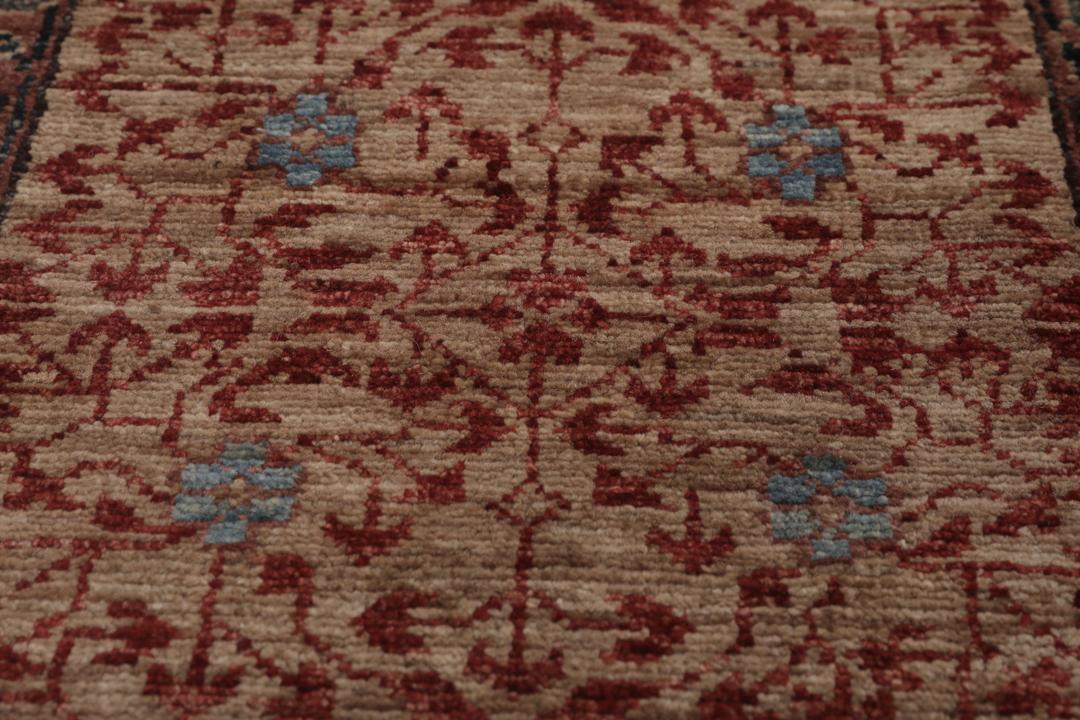
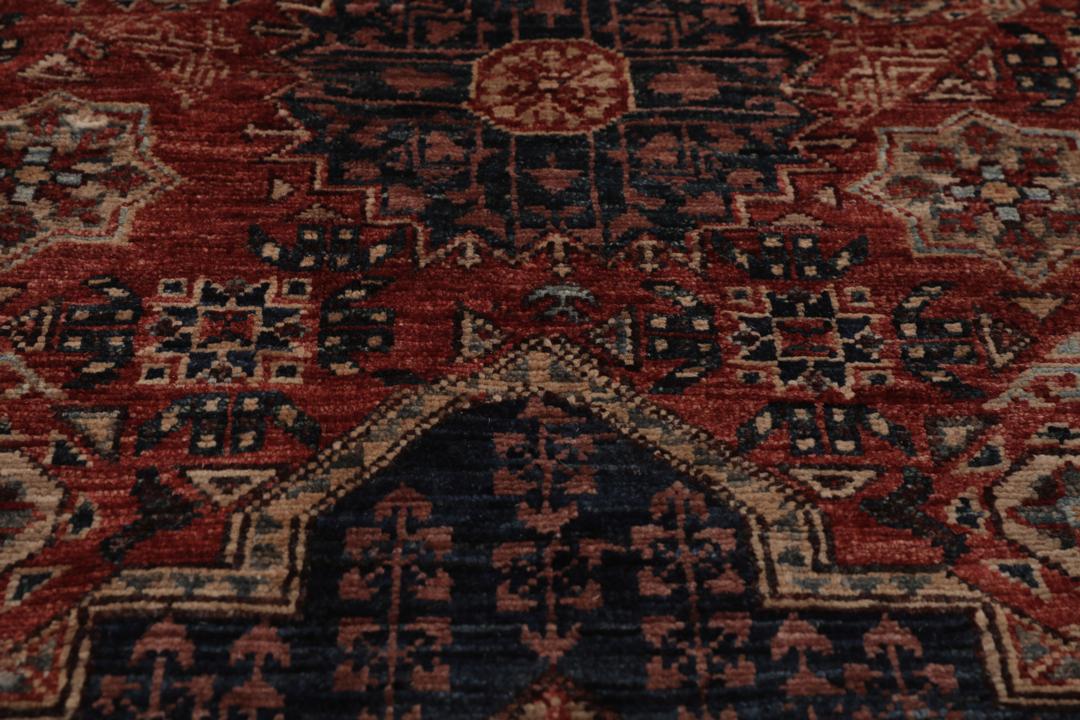
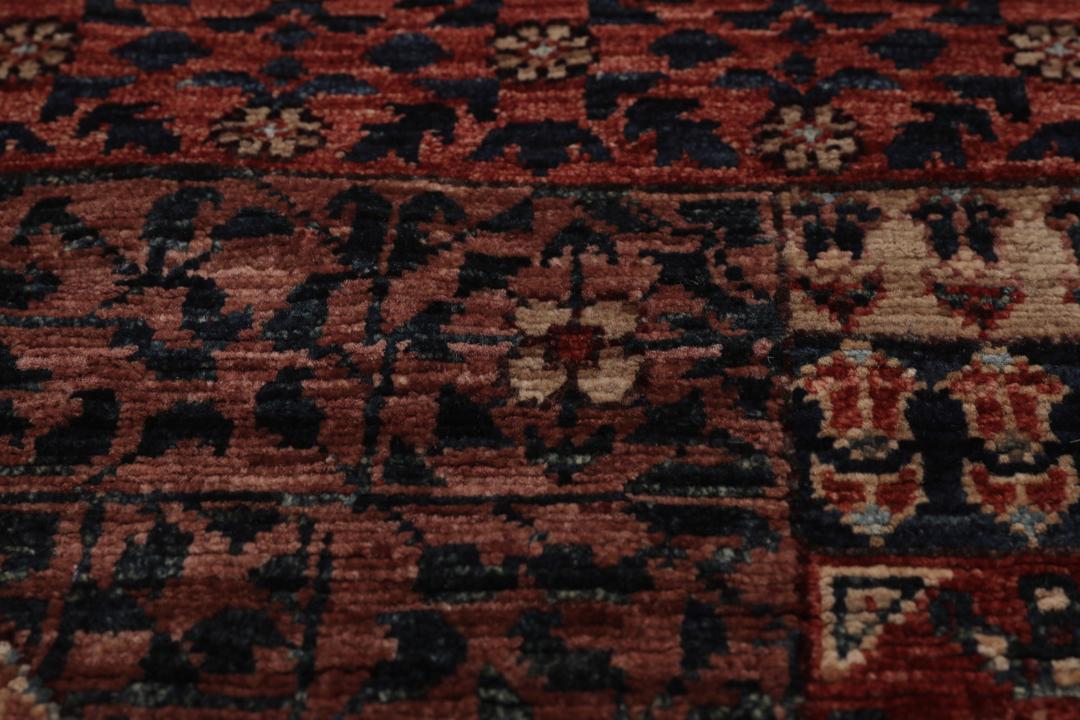
The Mamluk style takes its name from the Mamluk Sultanate that ruled Egypt and the Levant from the 13th to the 16th centuries. These rugs are celebrated for their sophisticated geometric language, which often features complex, interlocking star and medallion patterns. While the original historical pieces were typically produced in Cairo, the tradition has evolved over centuries, with modern master weavers in Afghanistan now keeping these classic motifs alive through exceptional, authentic craft.
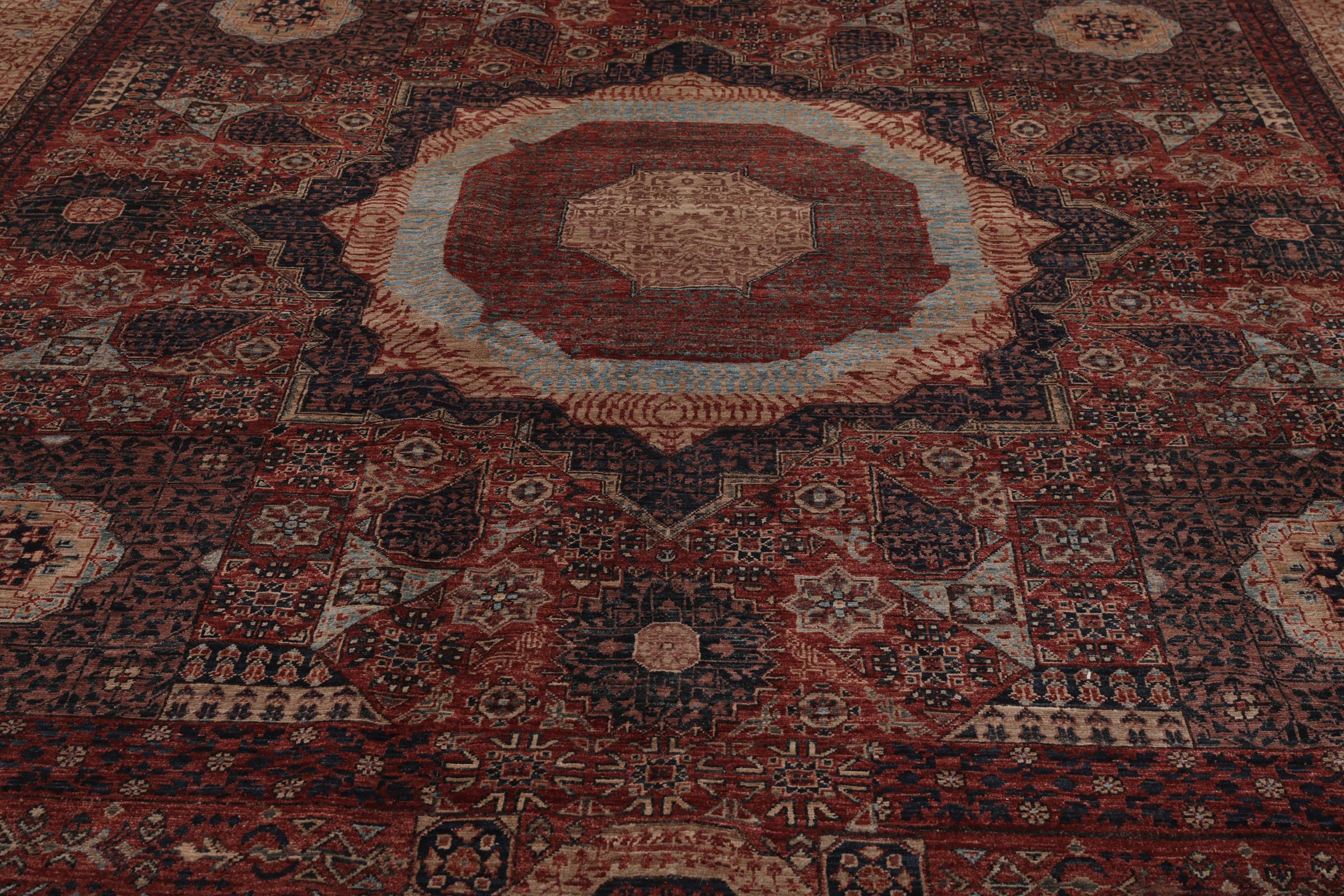
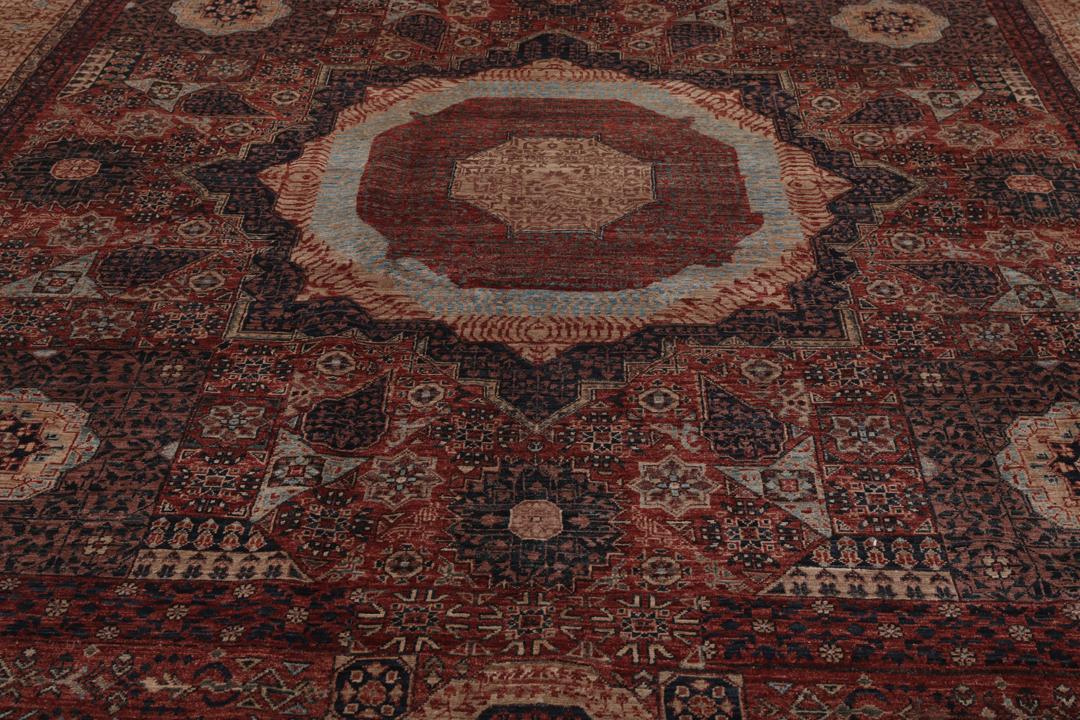
The technical brilliance of these rugs lies in their unique approach to geometry. Unlike the curvilinear floral designs found in other traditions, Mamluk rugs rely on a structured, almost mathematical arrangement of shapes. This requires a high degree of precision from the weaver, as even a small miscalculation in the knot placement can disrupt the harmony of the entire field. The resulting patterns are dense, balanced, and visually arresting.
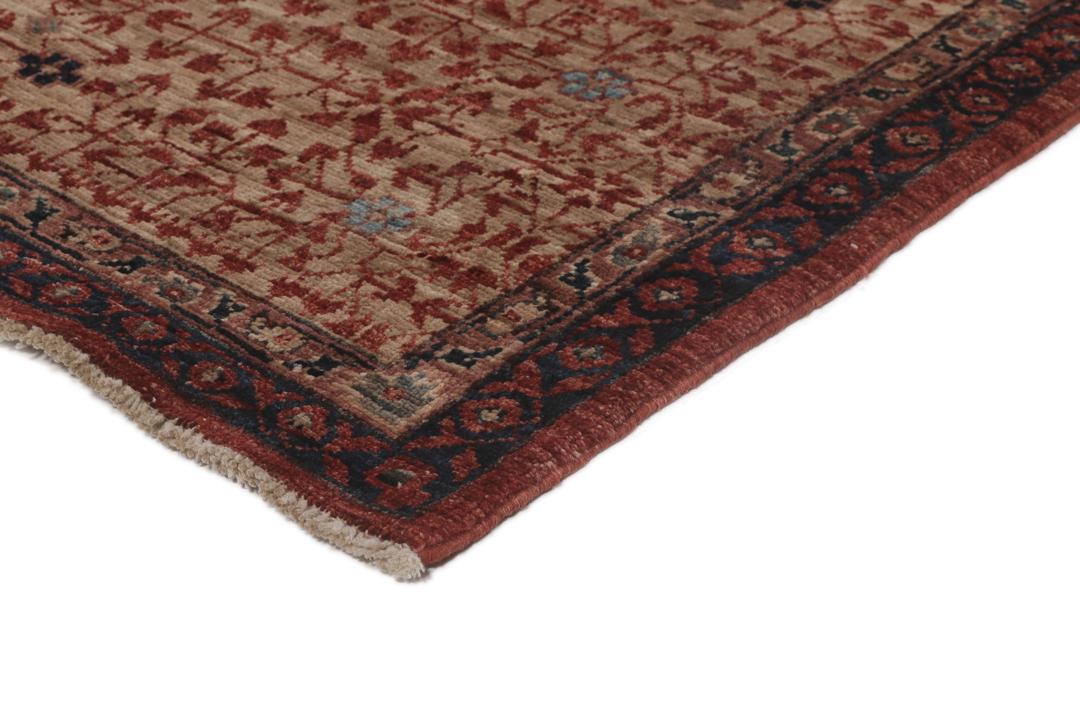
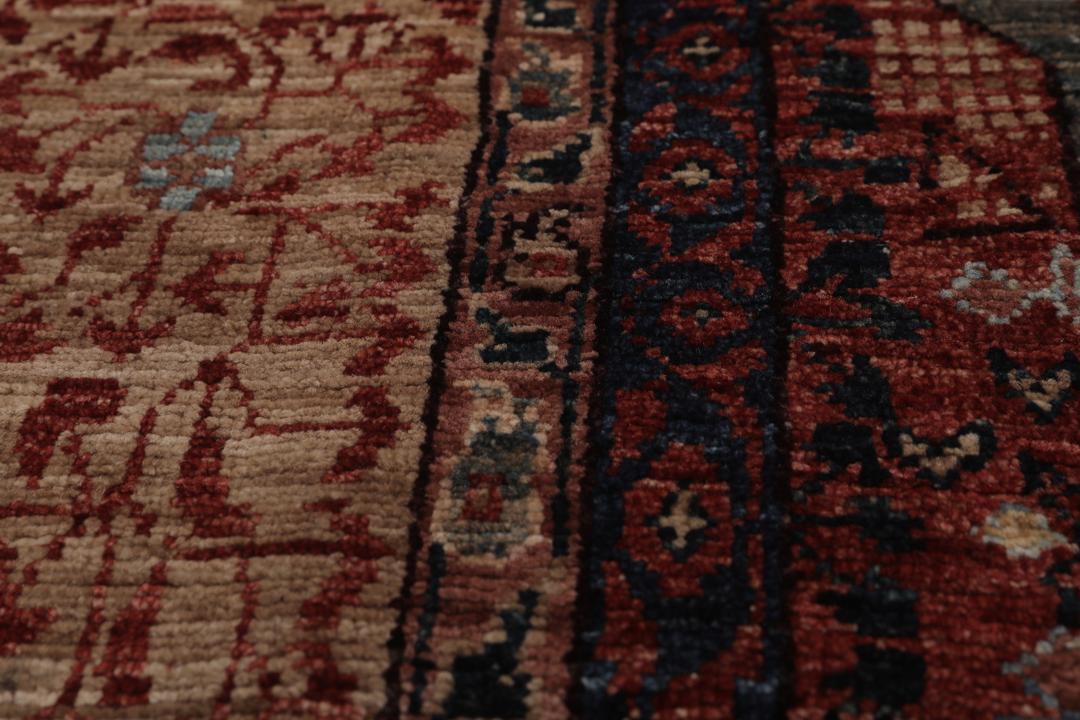
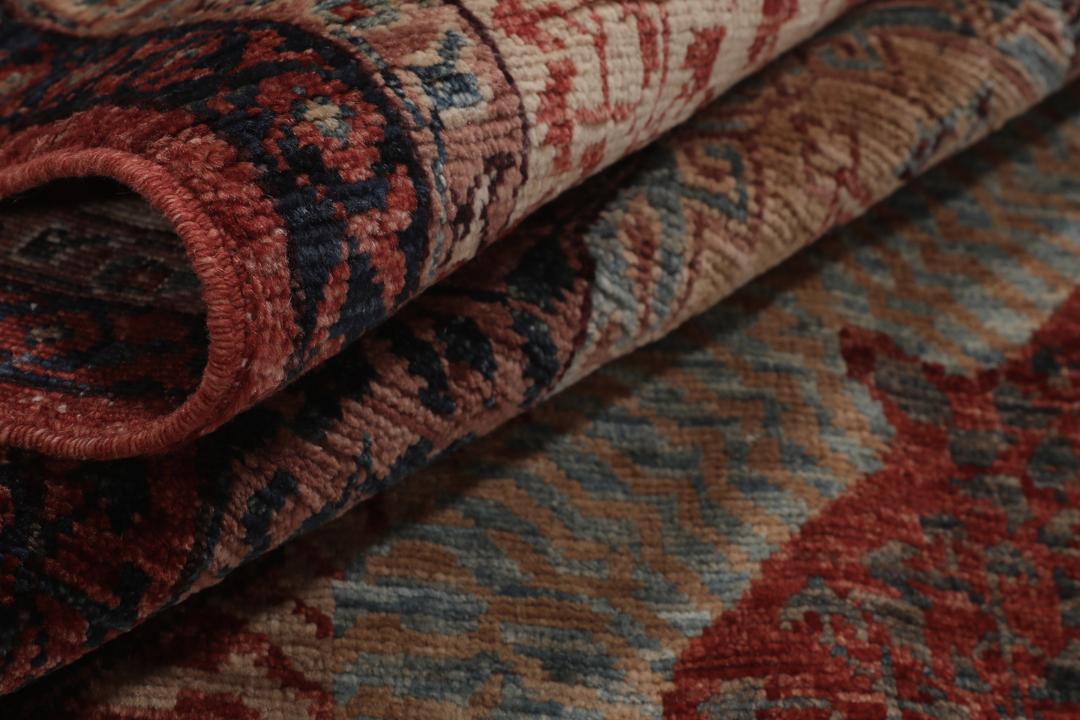
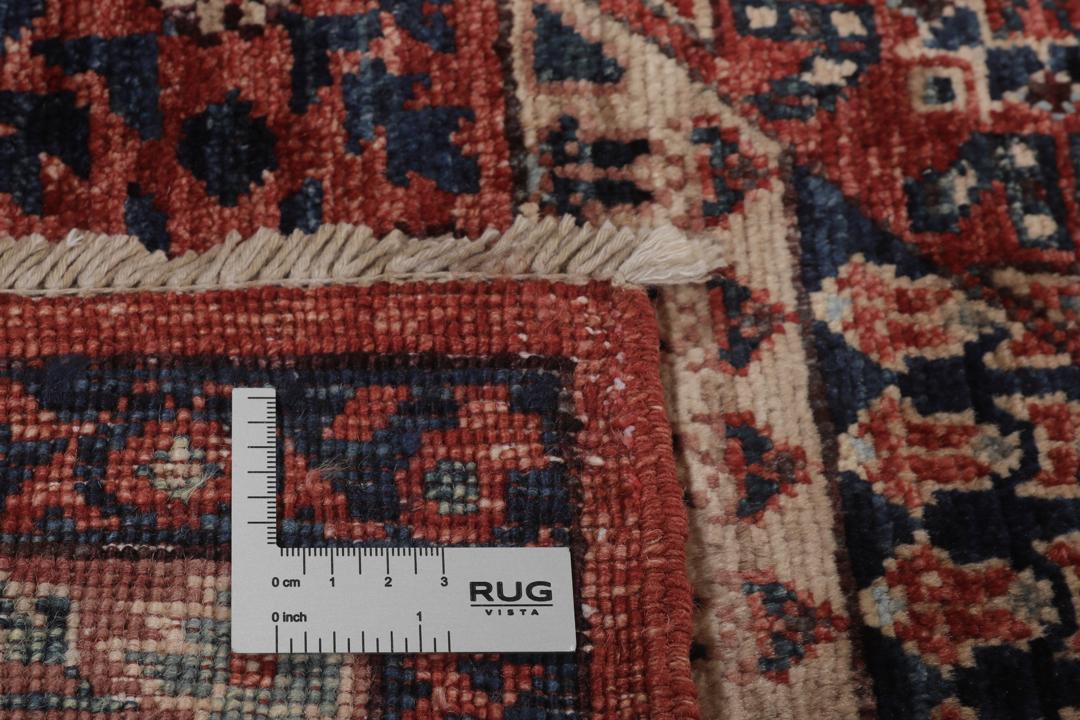
Signature elements of this tradition include the large, central star-shaped medallion, often surrounded by a series of smaller geometric motifs and intricate borders. The colour tradition is just as distinct, frequently utilising a palette of deep reds, blues, and soft, oxidised tones that seem to glow with age. This particular rug honours these traditions while showcasing the unique hand of its maker, making it a distinct example of the style.
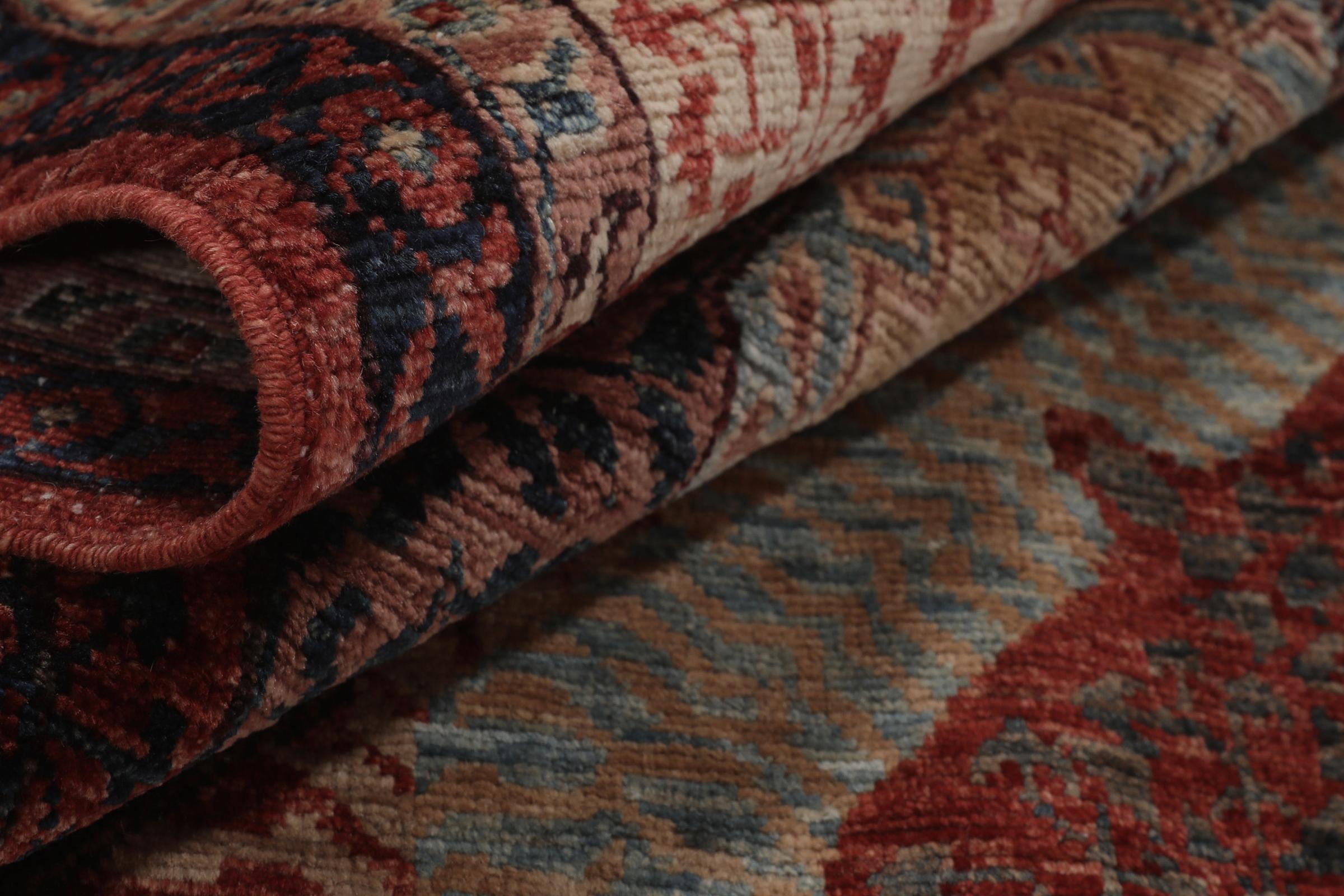
Today, Mamluk rugs are highly sought after by collectors who value the intersection of historical design and artisanal skill. Owning a piece from this tradition is an act of preserving a cultural legacy that has survived for centuries. It represents a commitment to quality and a respect for the slow, intentional labour that defines the most enduring pieces of decorative art.