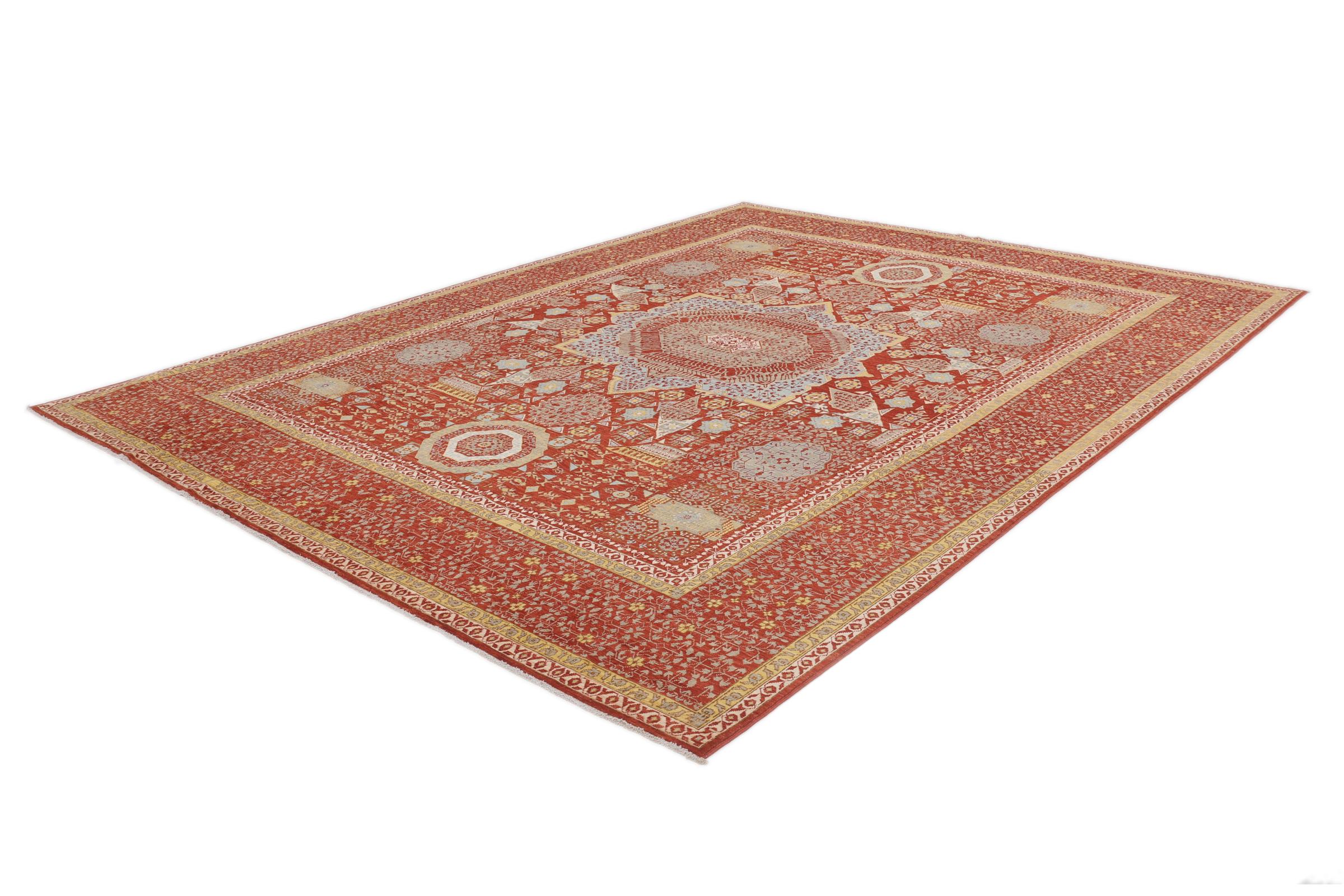
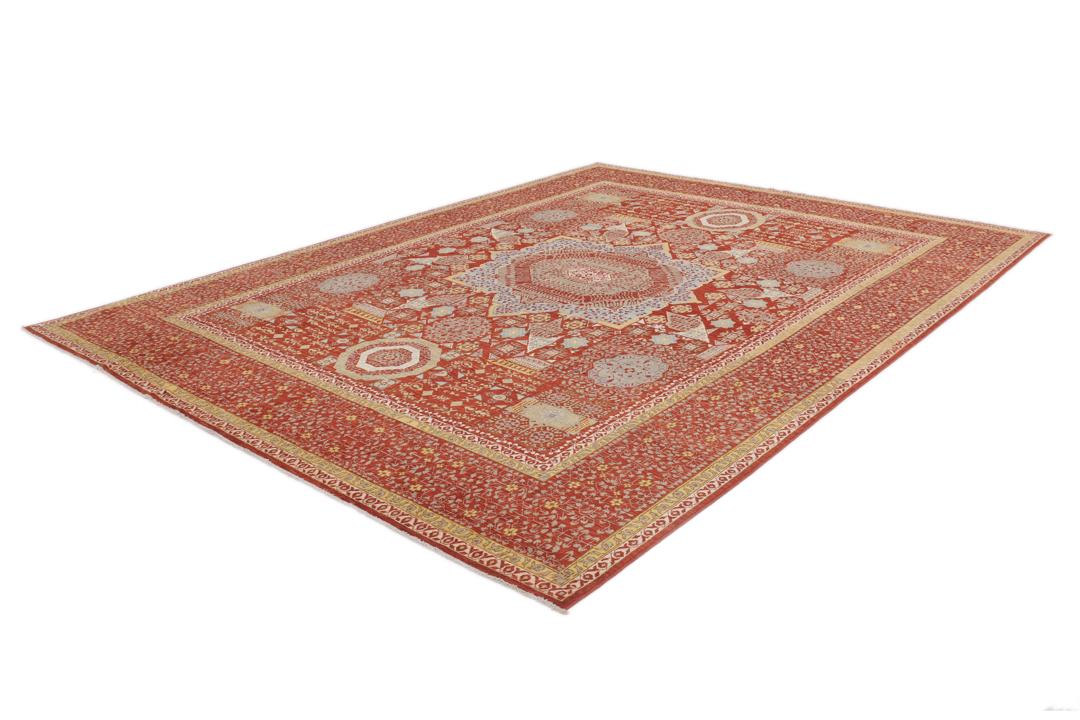
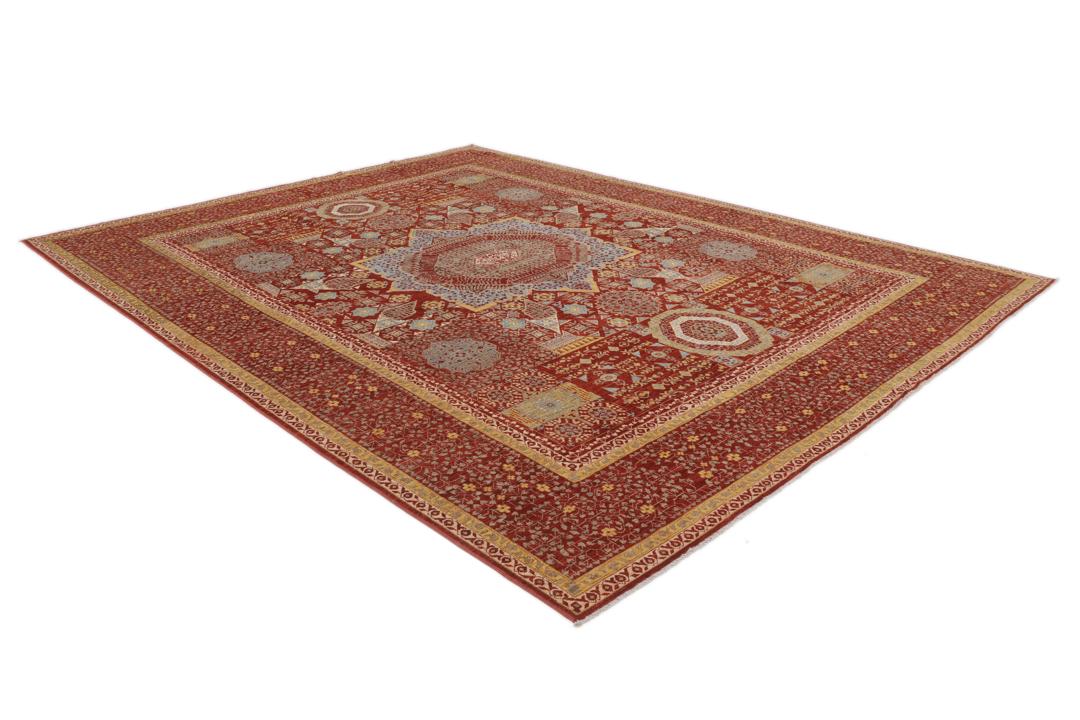
Mamluk rugs are among the most storied designs in the history of textile art. Named after the Mamluk Sultanate that ruled Egypt and parts of the Middle East between the 13th and 16th centuries, these rugs were originally commissioned for the palaces of the elite. Today, the tradition has found a vibrant new home in Afghanistan, where weavers continue to honour these ancient patterns with remarkable skill.
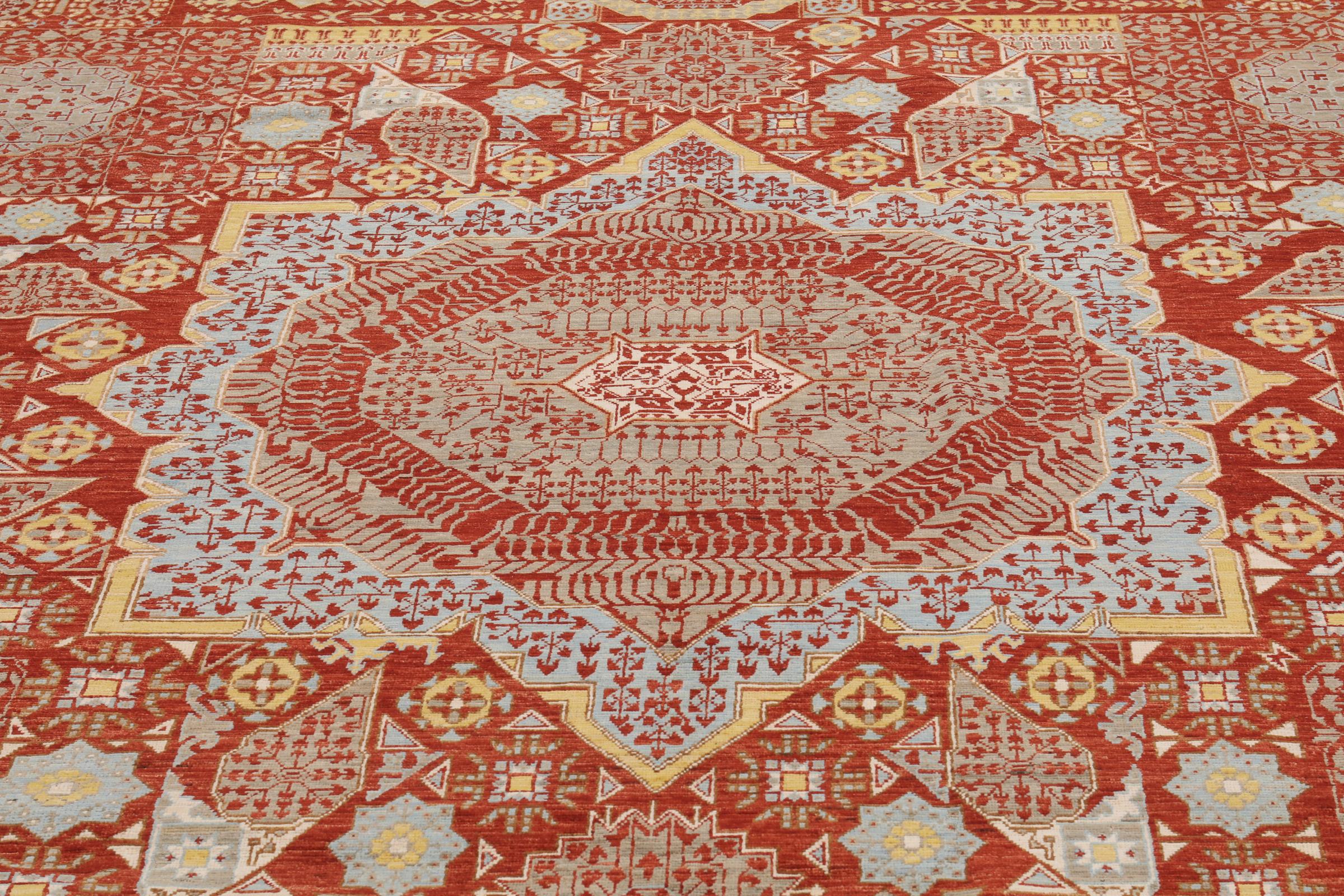
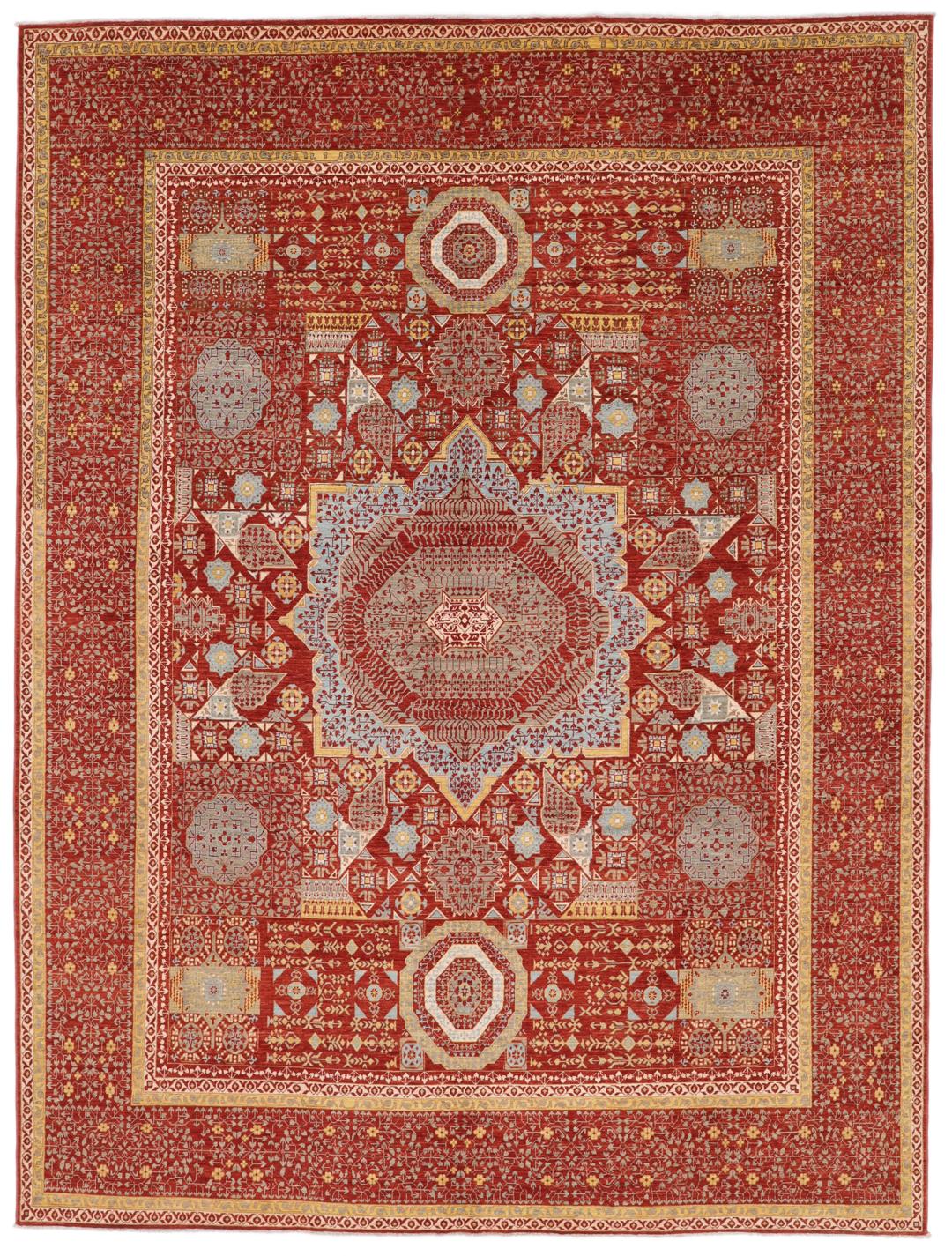
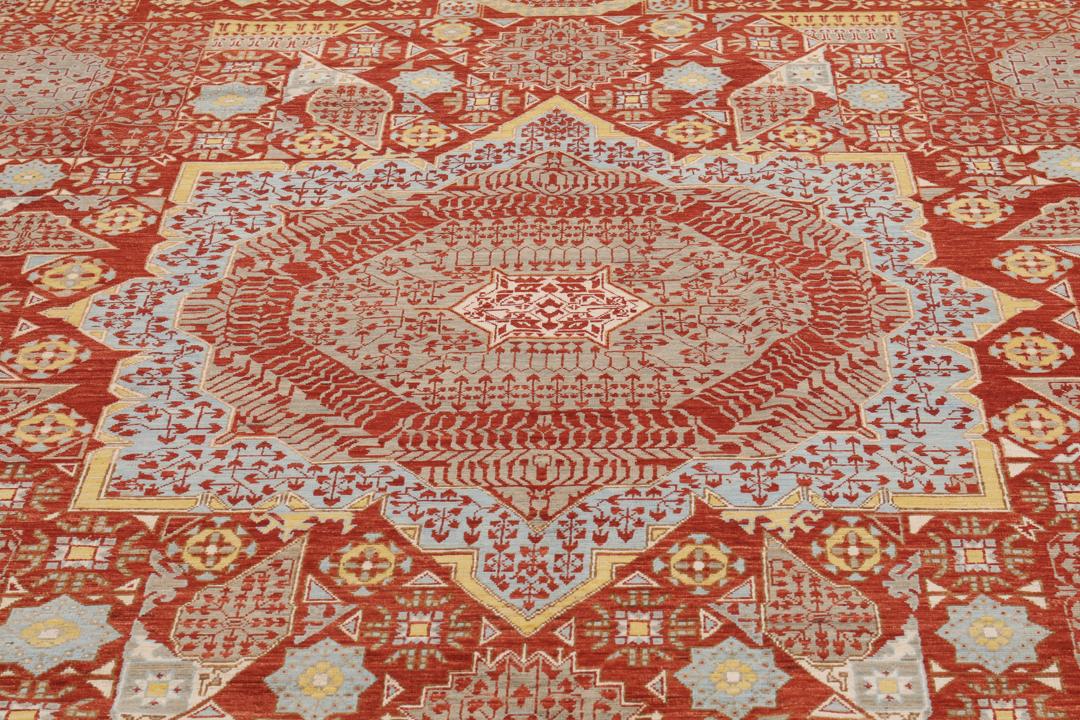
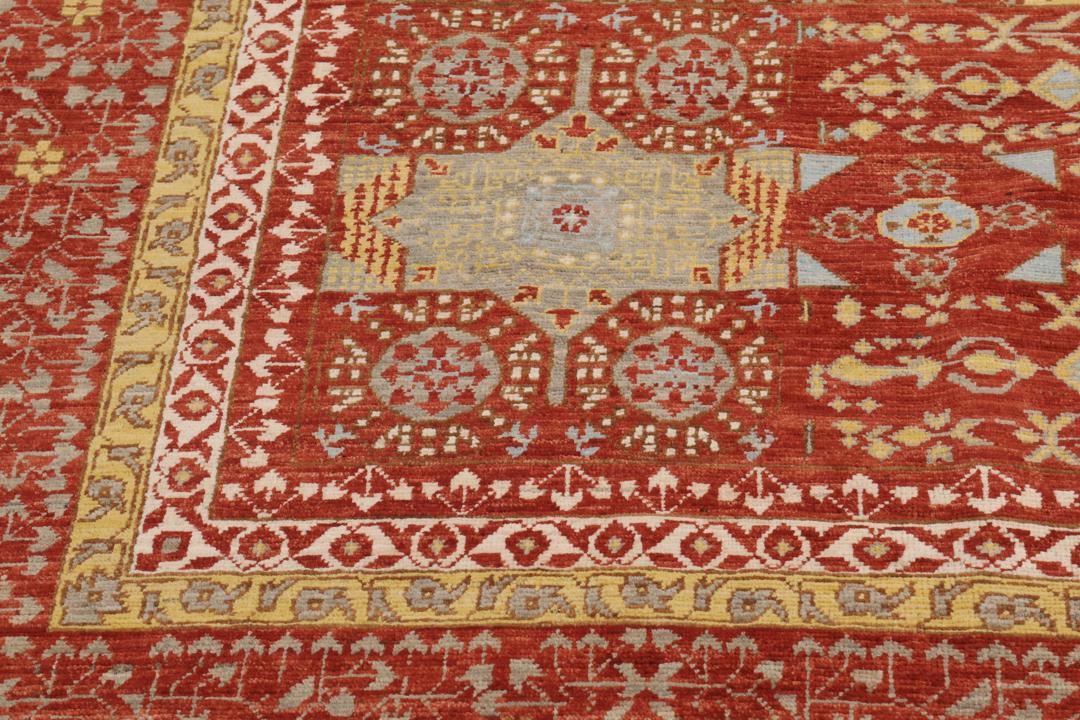
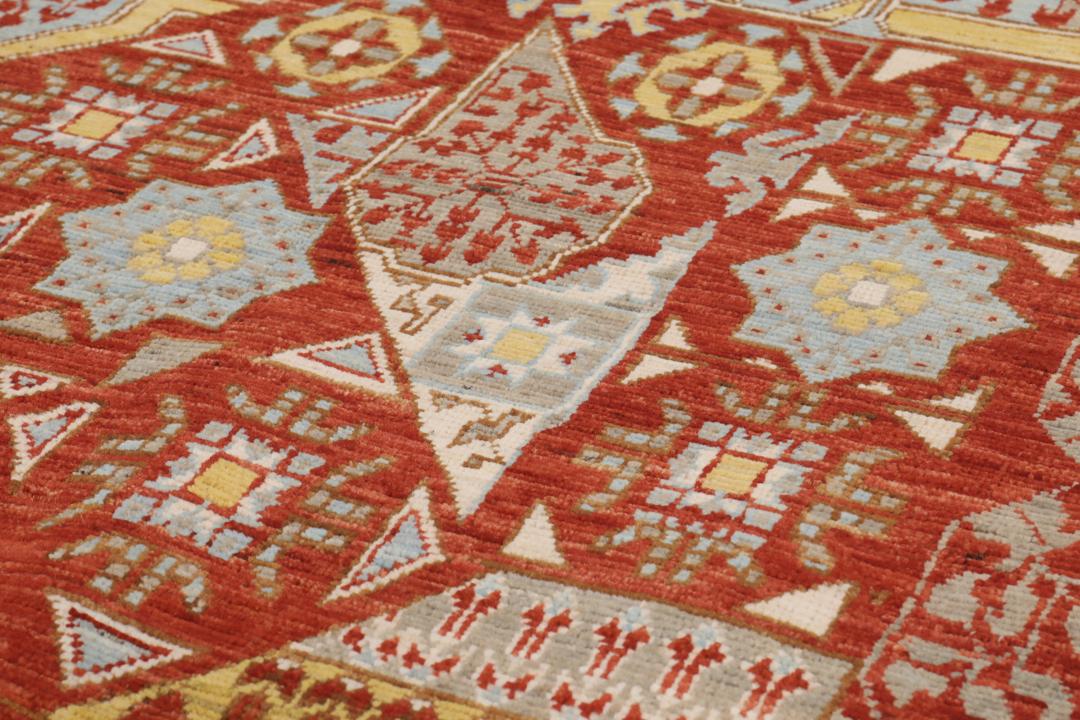
The hallmark of a true Mamluk design lies in its complex geometric language. Unlike the flowing, curvilinear patterns often found in other regional styles, Mamluk rugs are built upon a foundation of interlocking polygons, medallions, and stars. These shapes often layer upon one another in a way that creates a sense of infinite, shifting depth, requiring a high level of mathematical precision from the weaver.
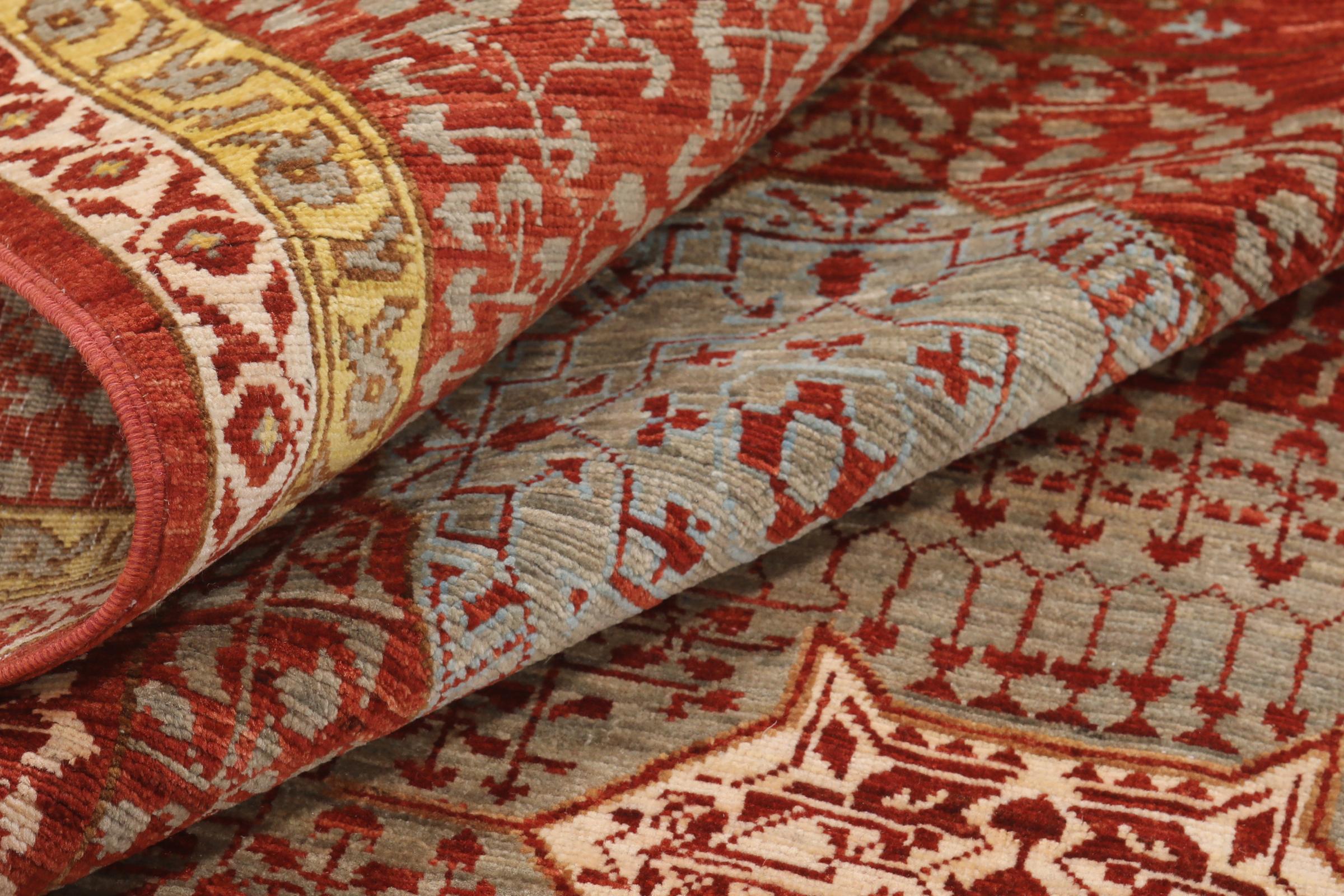
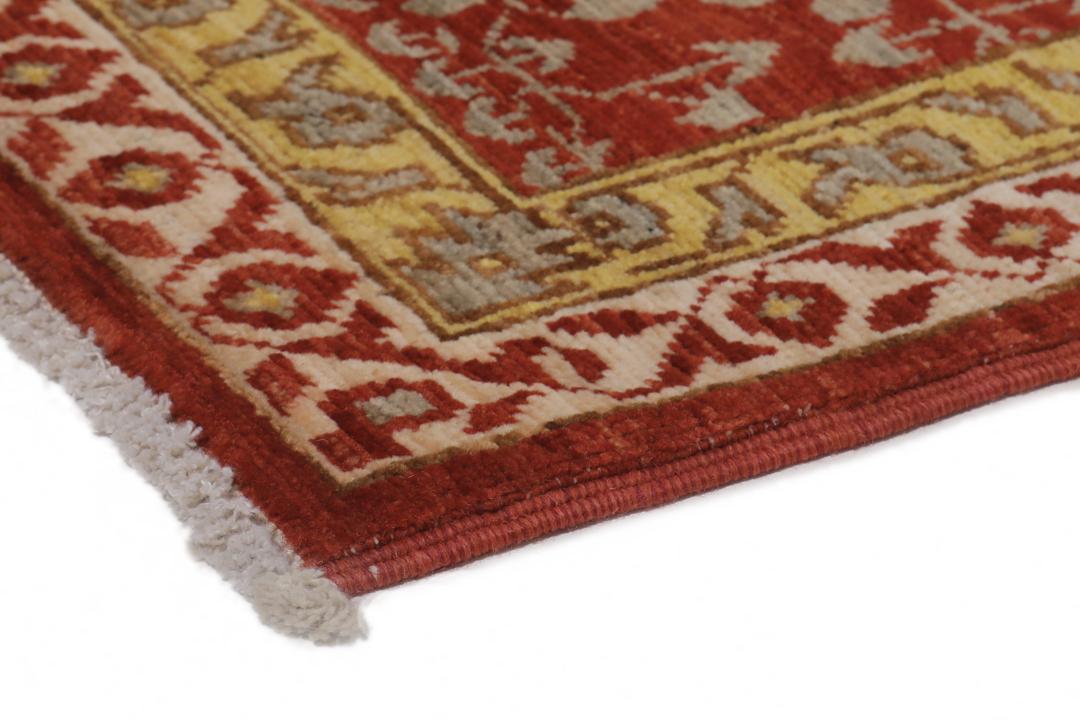
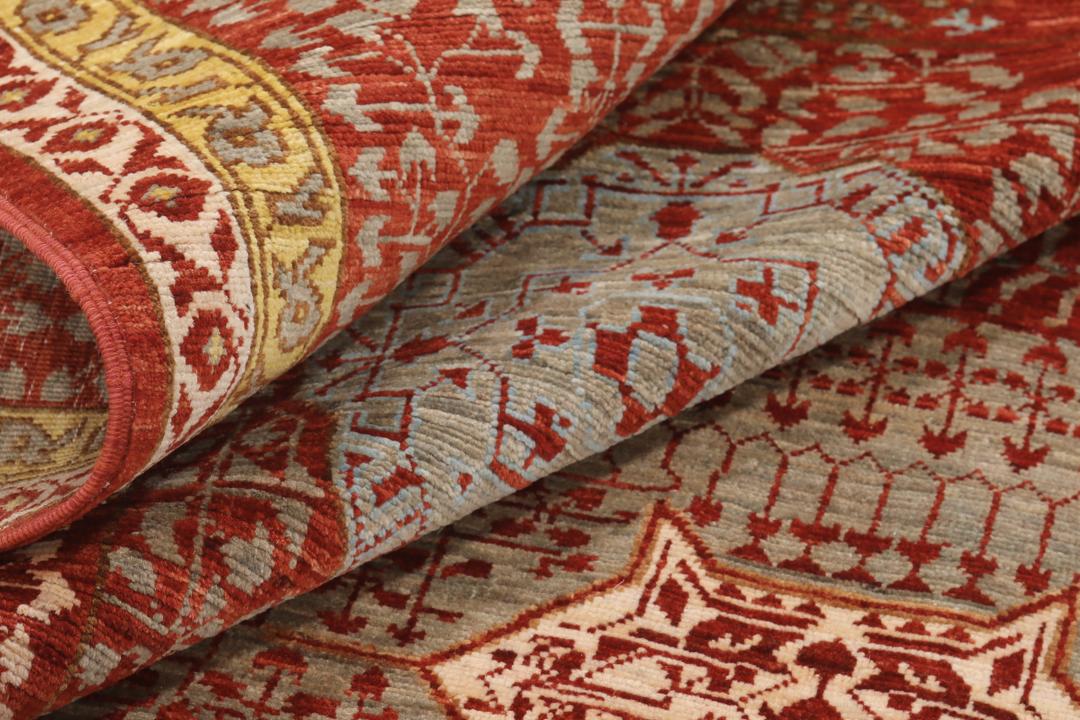
Traditionally, Mamluk rugs were known for their unique palette, often featuring a specific range of reds, blues, and yellows derived from natural dyes. In contemporary Afghan weaving, these colours are celebrated for their richness and ability to create a warm, inviting atmosphere. The design is almost always contained within a series of intricate borders, which act as a frame for the central geometric narrative.
Collectors value Mamluk rugs not just for their beauty, but for the cultural legacy they represent. They are considered pieces of history that connect the modern home to the artistic sophistication of the Middle Eastern courts. By owning such a piece, you are preserving a craft tradition that has been refined over centuries, making it a meaningful investment for anyone who appreciates the intersection of heritage and design.