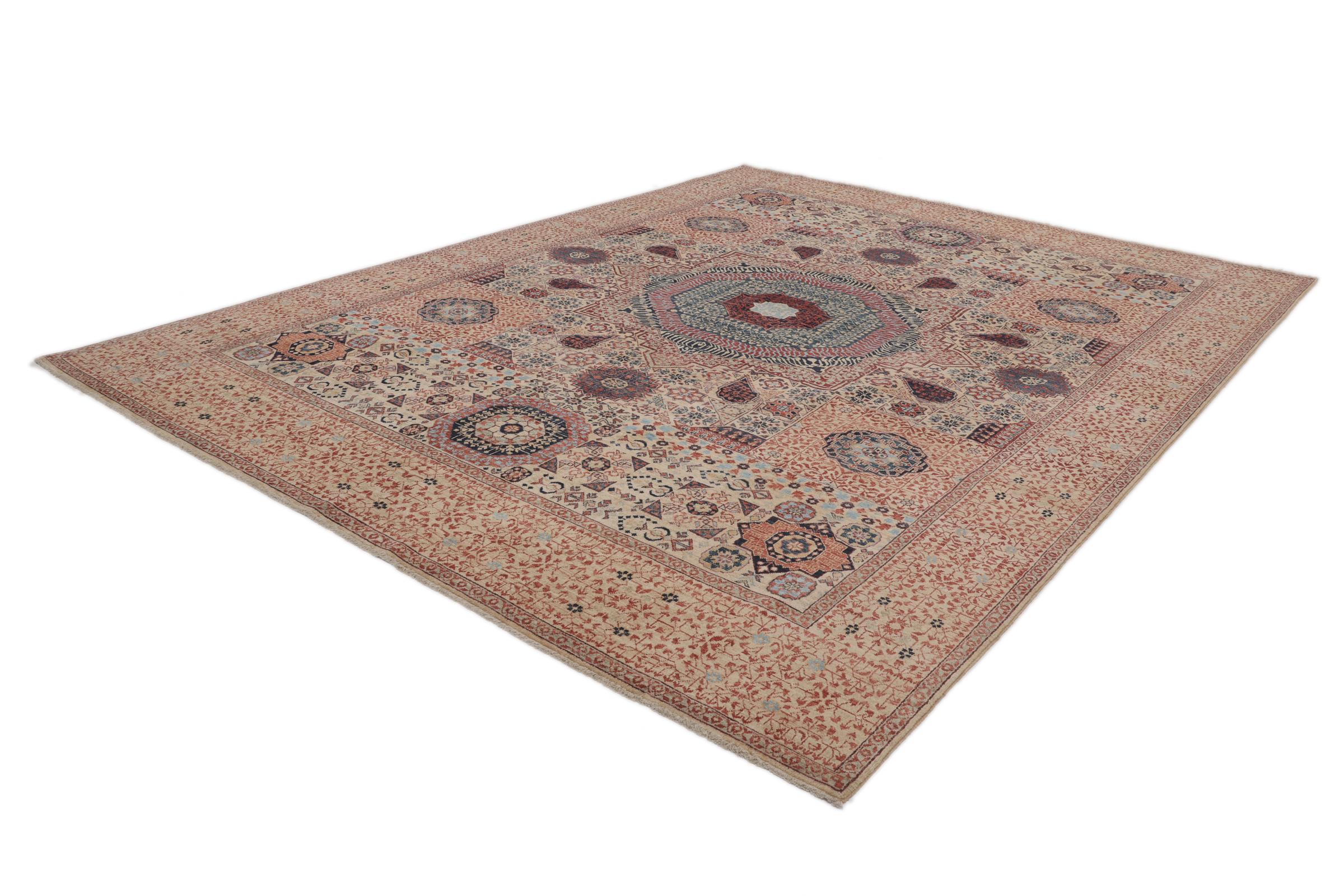
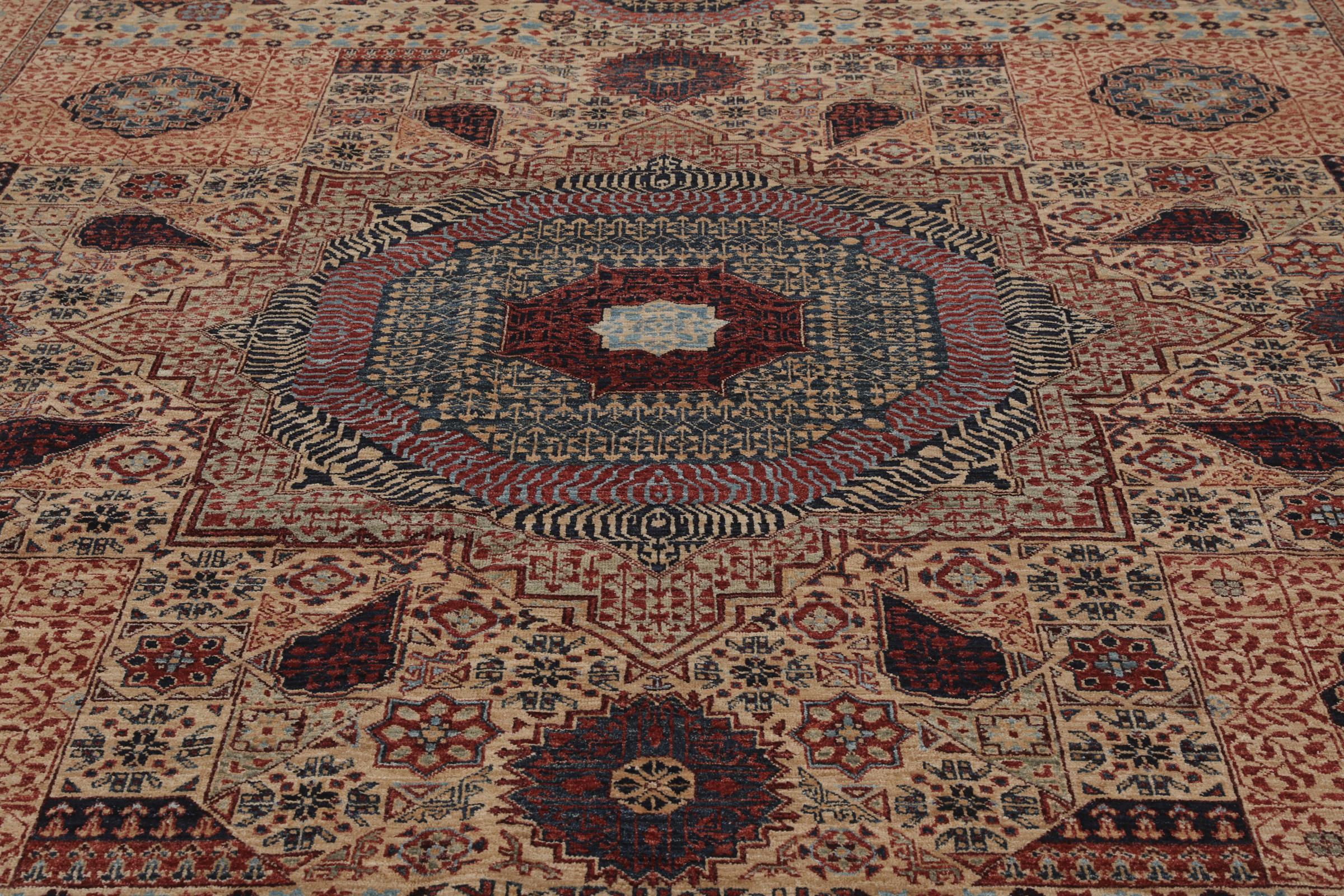
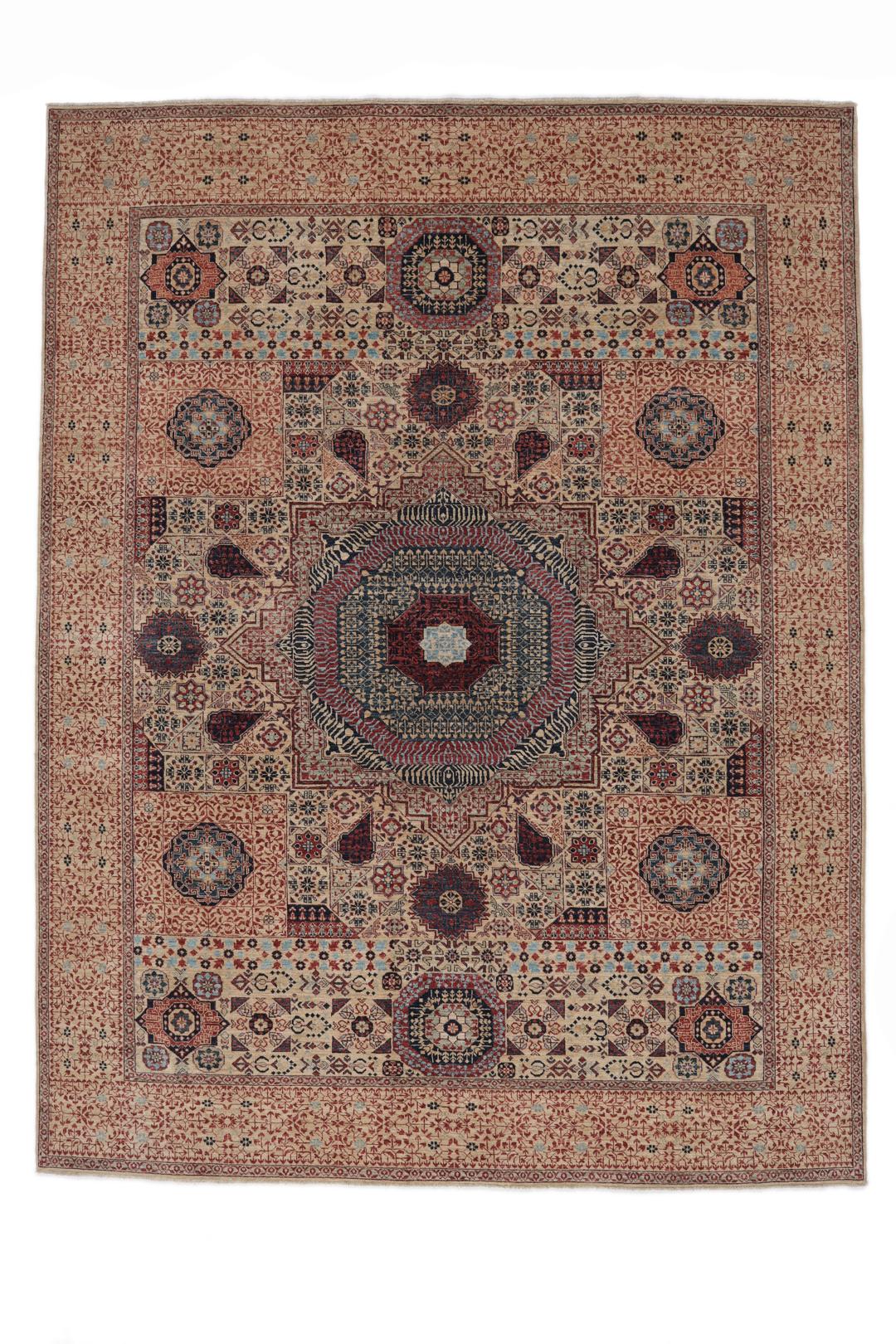
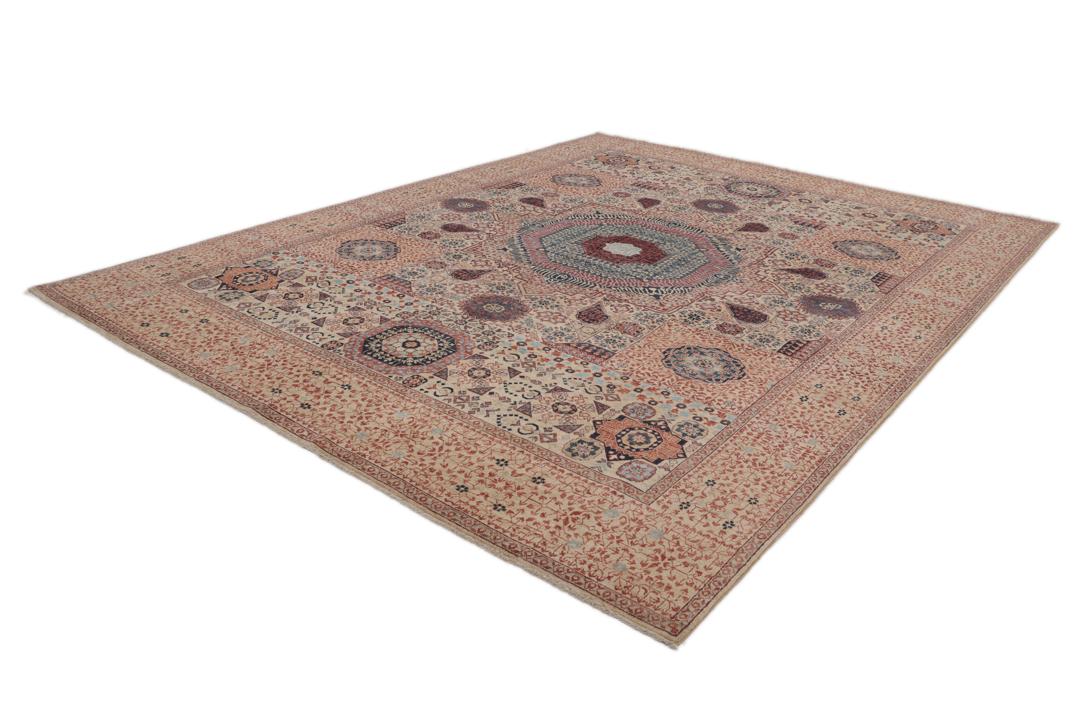
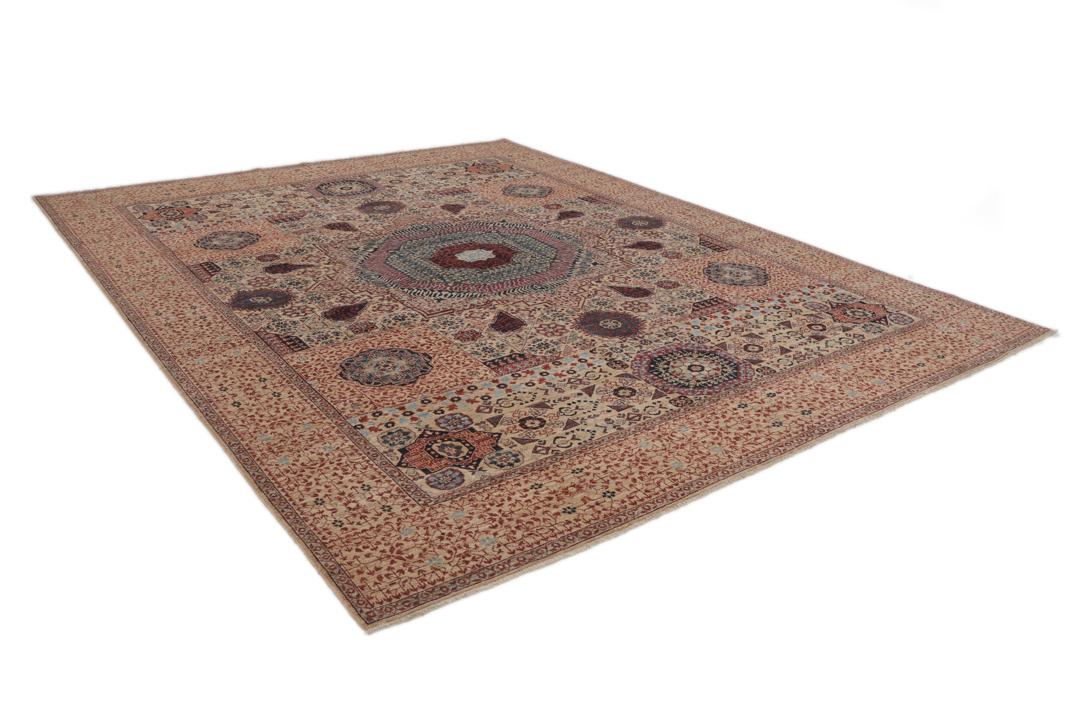
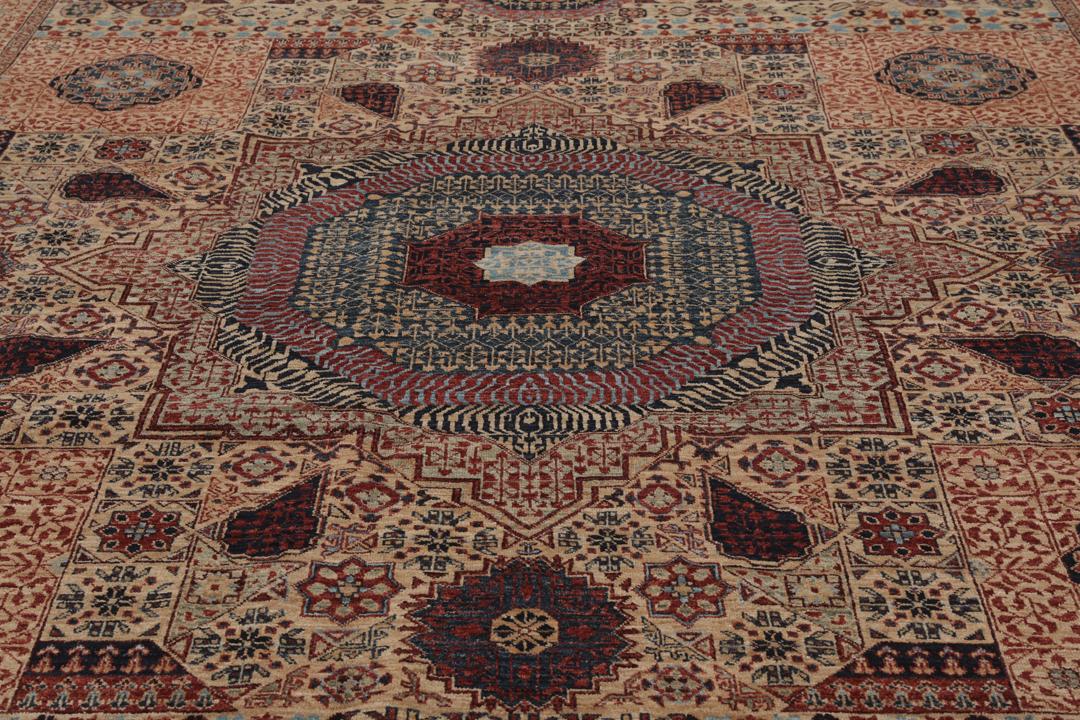
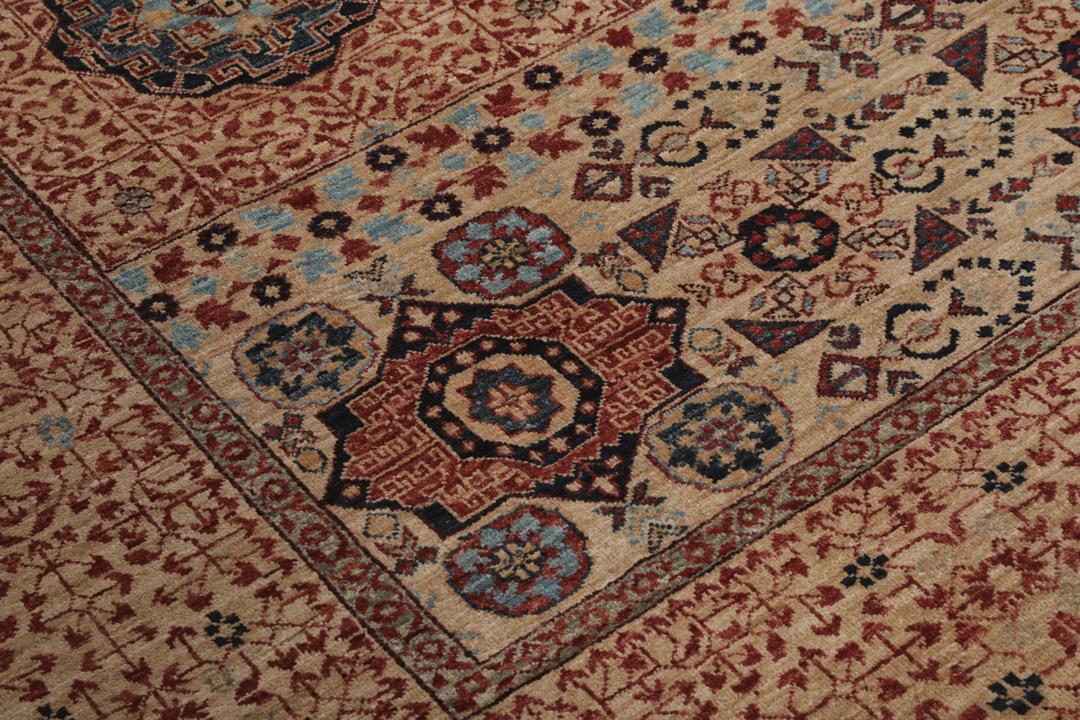
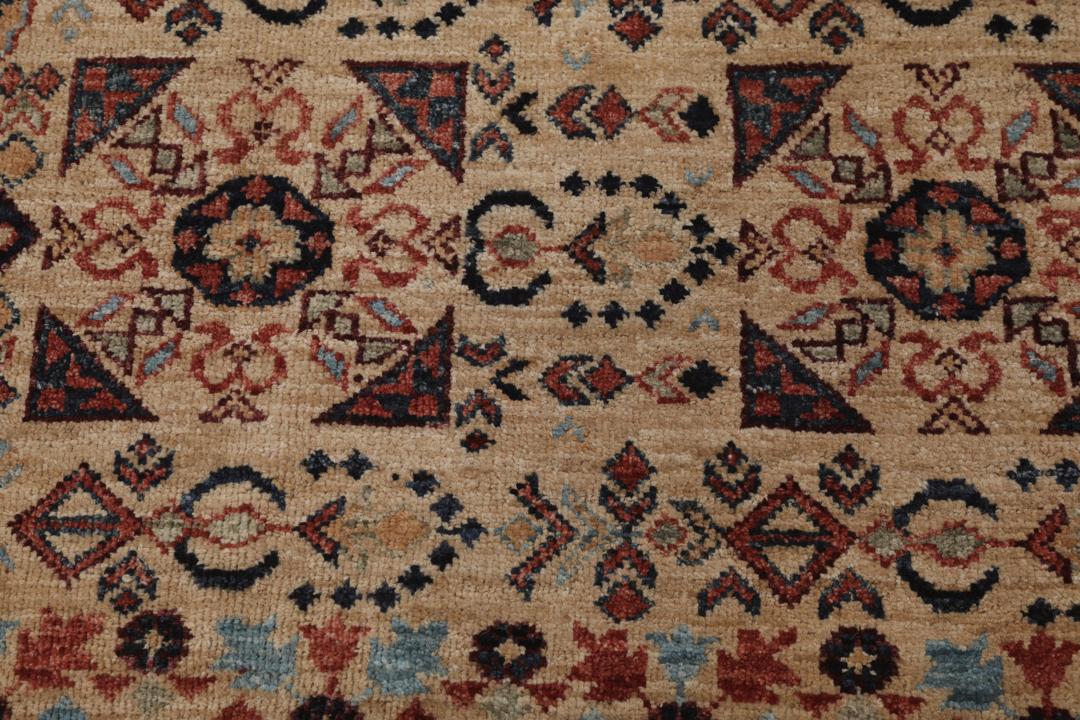
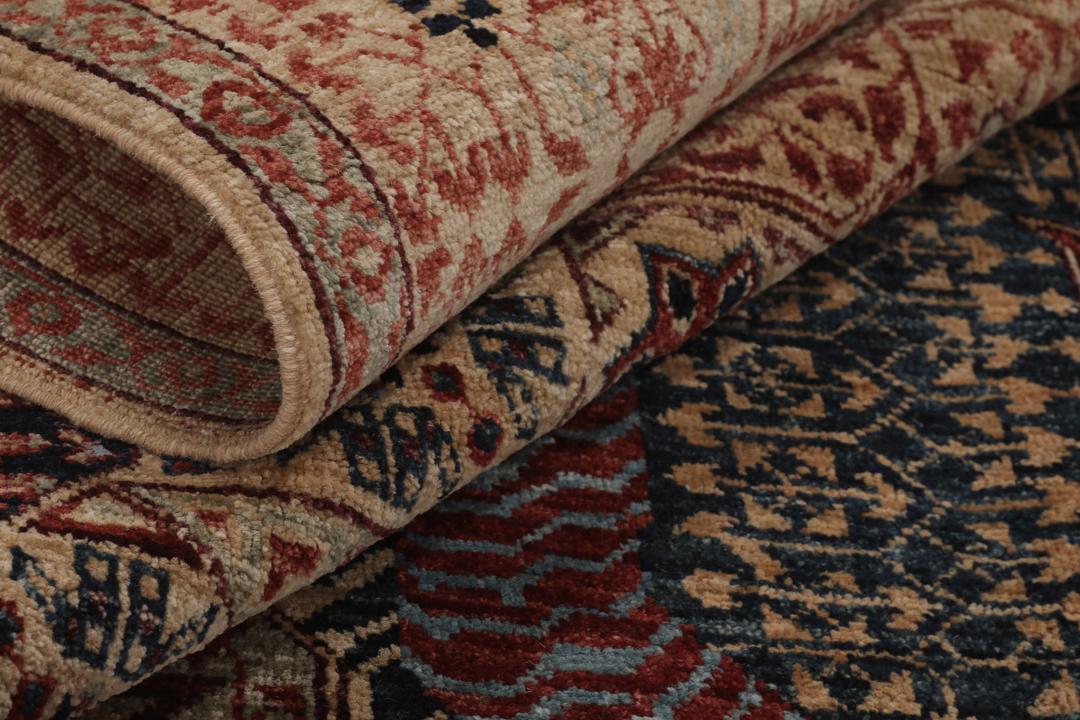
Mamluk rugs take their name from the Mamluk Sultanate, a powerful dynasty that ruled Egypt and Syria between the 13th and 16th centuries. These rugs are celebrated for their highly sophisticated geometric designs, which often feature large, complex medallions and intricate, star-shaped patterns that reflect the mathematical precision inherent in Islamic art.
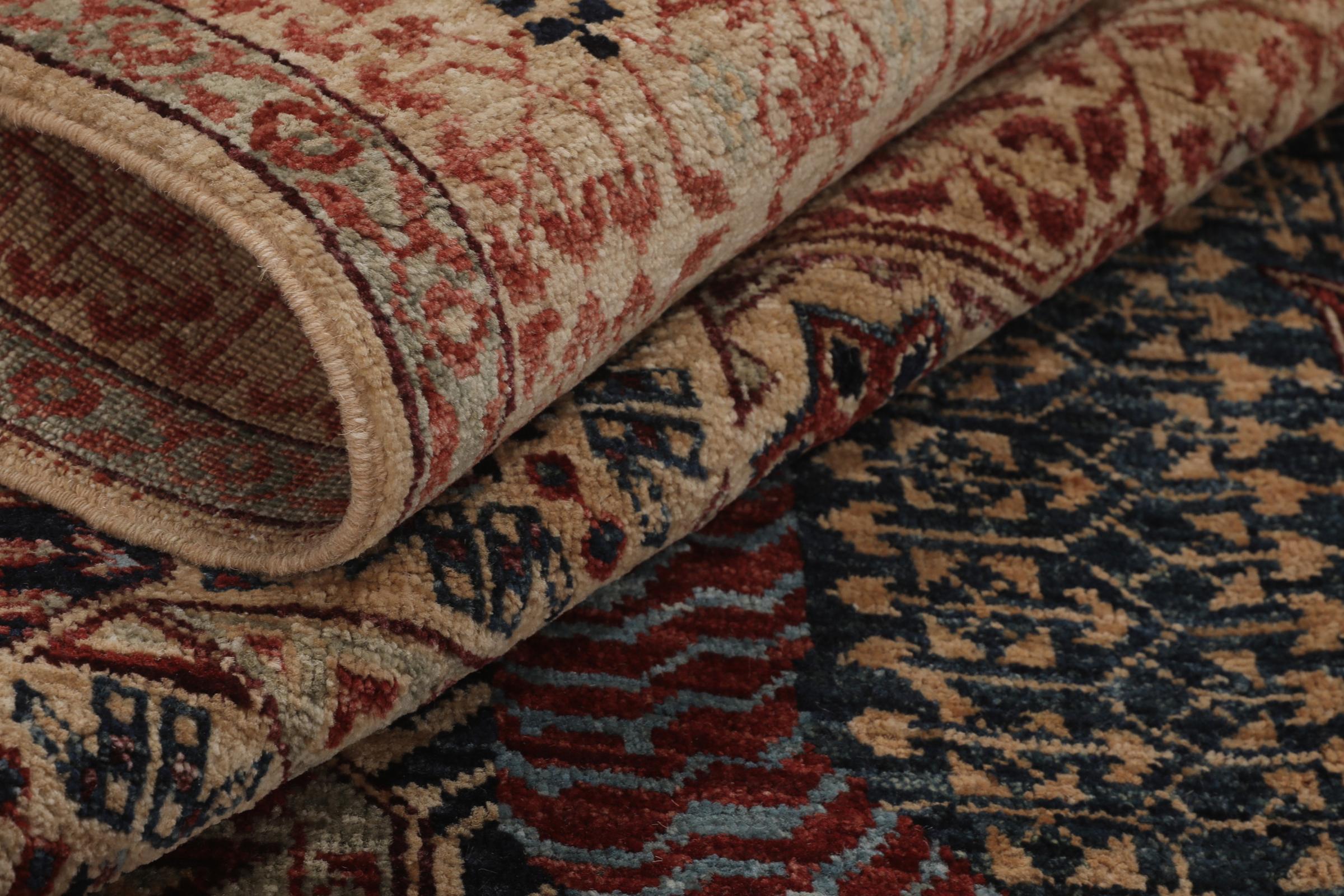
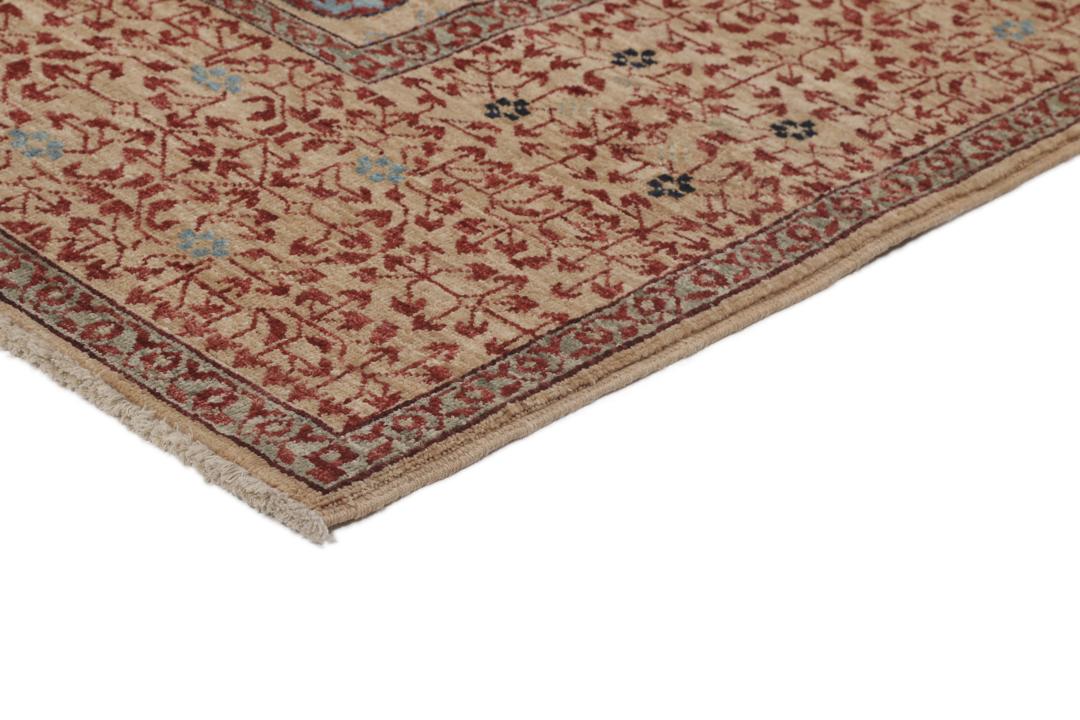
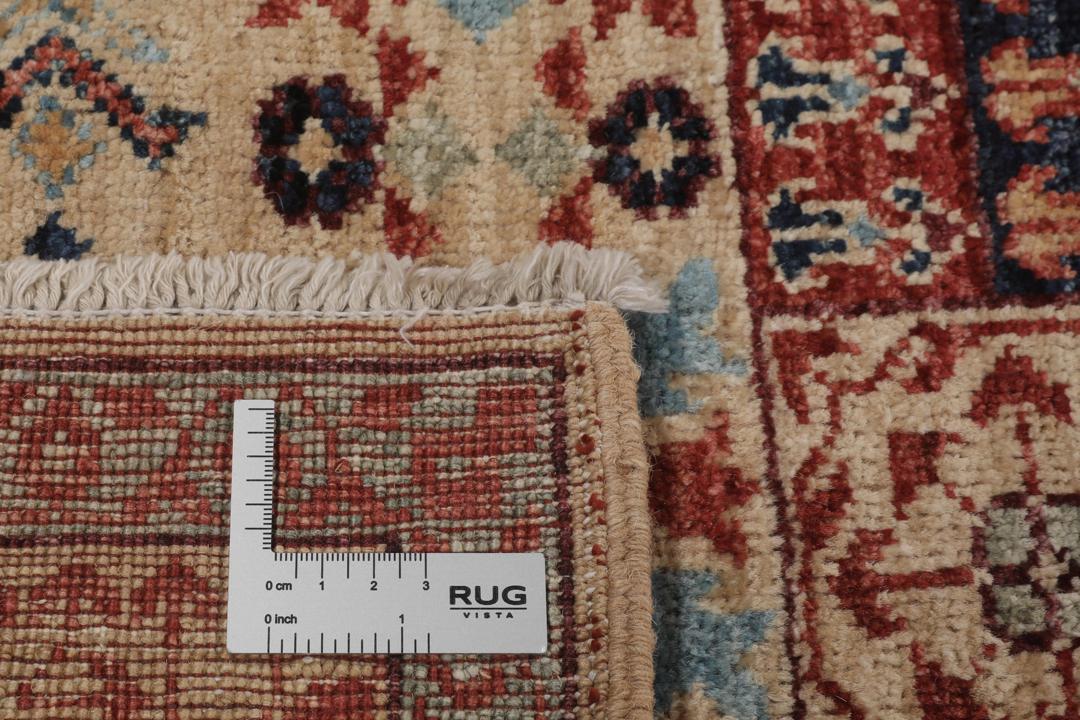
While the historical centres of production were in Cairo, the modern continuation of this style has flourished in regions across the Middle East and Central Asia. Artisans in Afghanistan have revived these ancient patterns, utilising traditional hand-knotting techniques to ensure that the spirit and technical mastery of the original Mamluk rugs are preserved for contemporary homes.
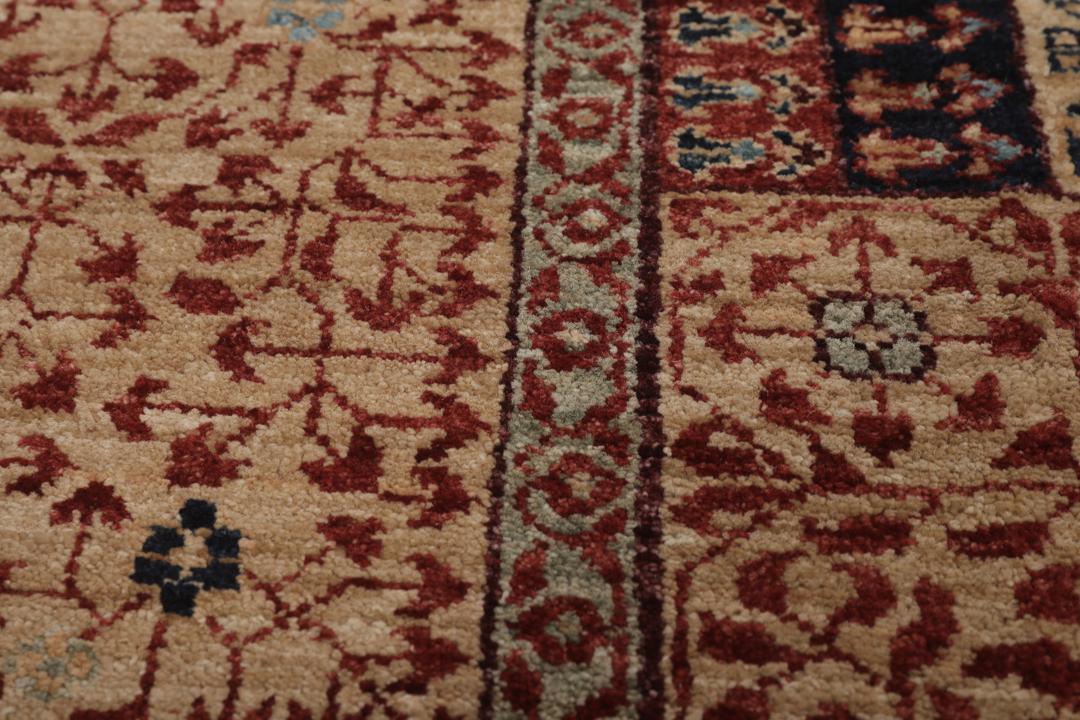
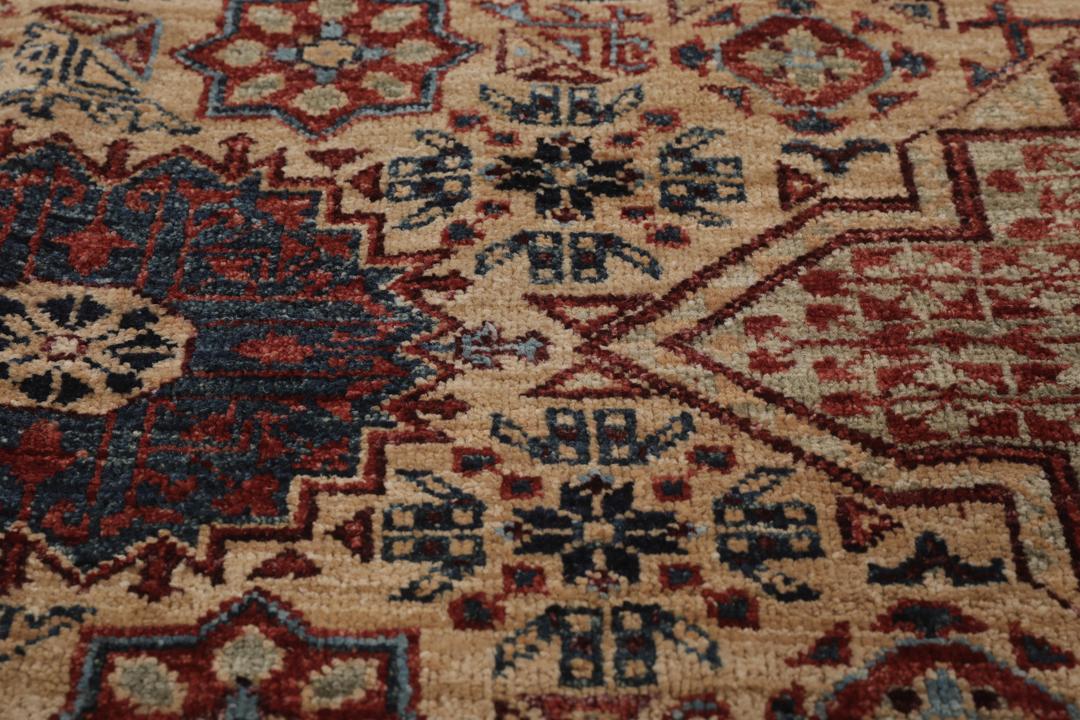
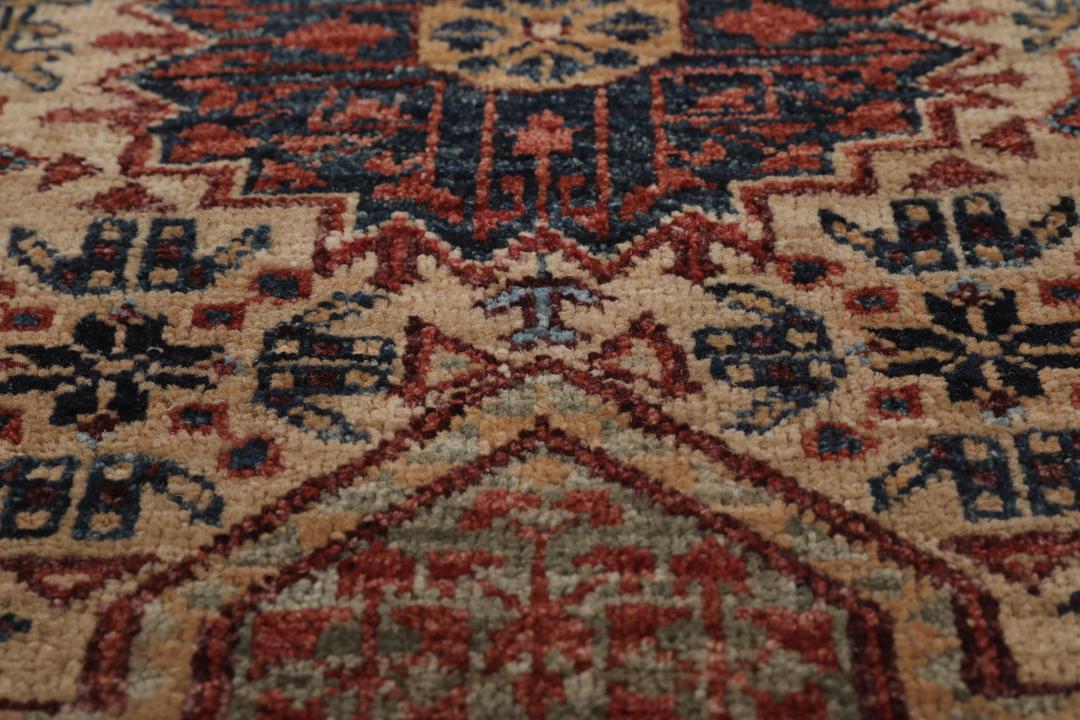
The visual language of the Mamluk tradition is distinct, characterised by a complex, jewel-toned palette and a field filled with repeating geometric motifs or a central, large-scale medallion. These designs often utilise a clever use of space, where secondary patterns fill the background, creating a sense of depth and movement that is both balanced and endlessly engaging to the viewer.
Owning a Mamluk rug is about more than just decor; it is about connecting with a rich heritage of textile artistry. Collectors value these pieces for their unique ability to blend formal design with a deep sense of cultural history, making them cherished heirlooms that gain character and beauty as they age.