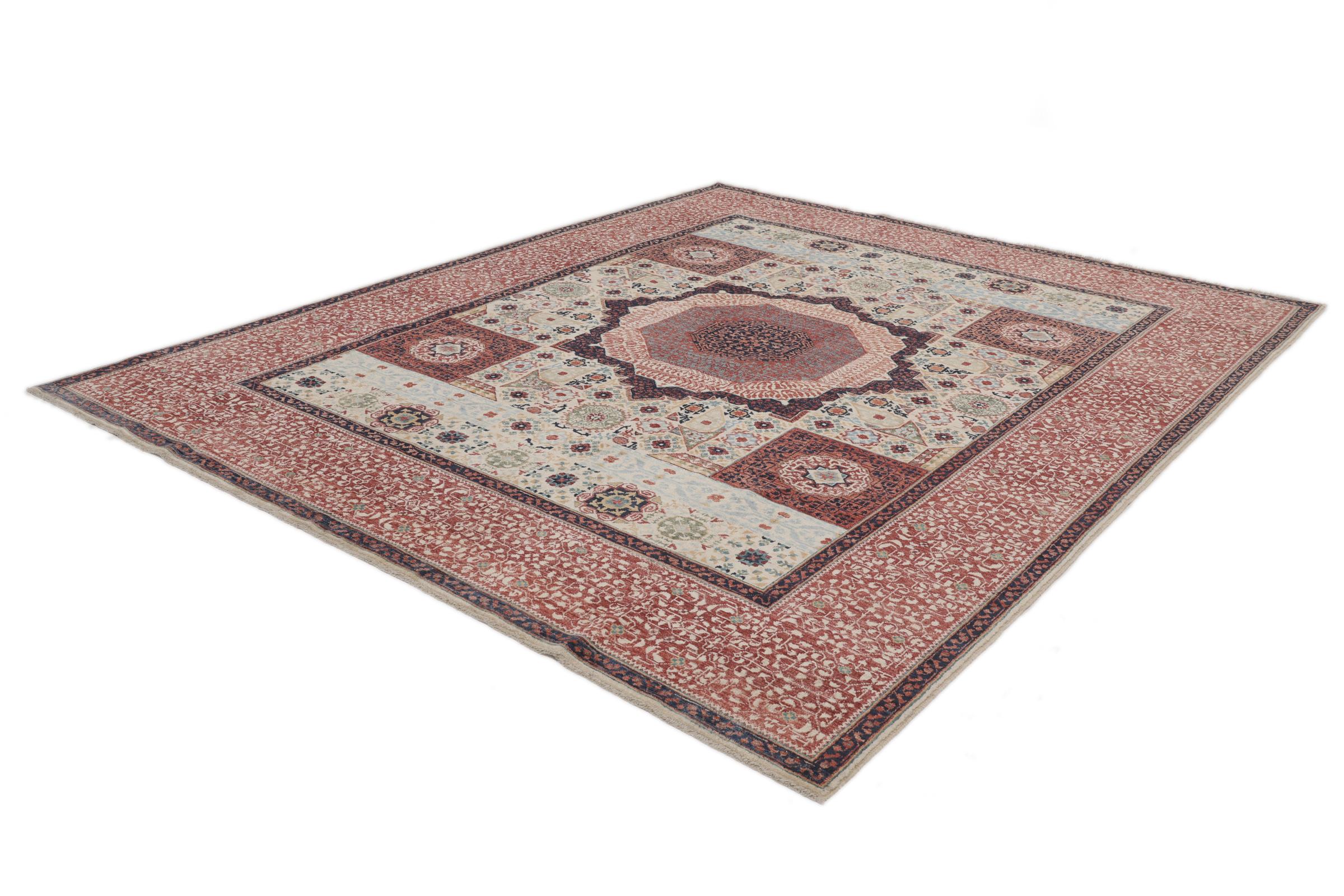
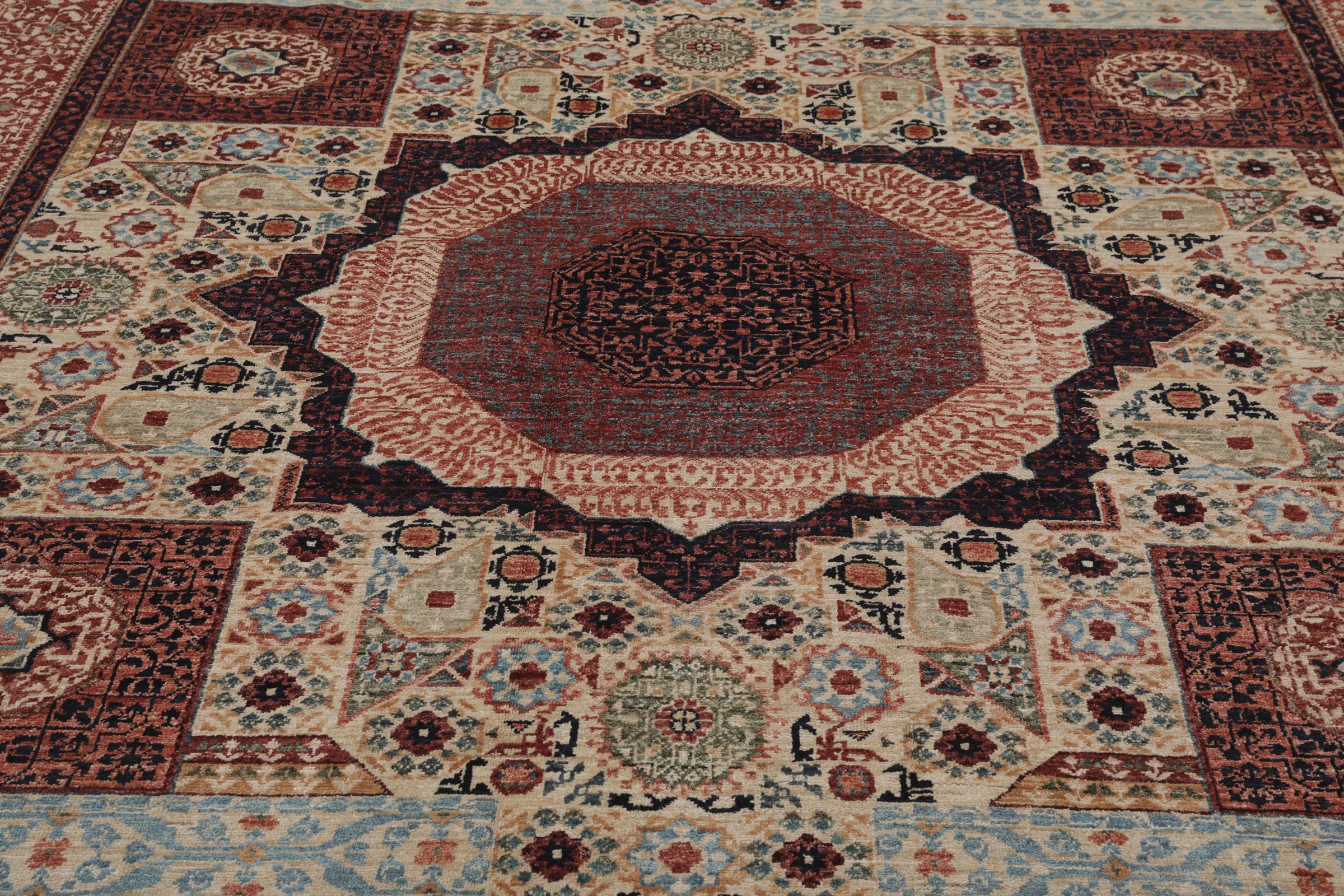
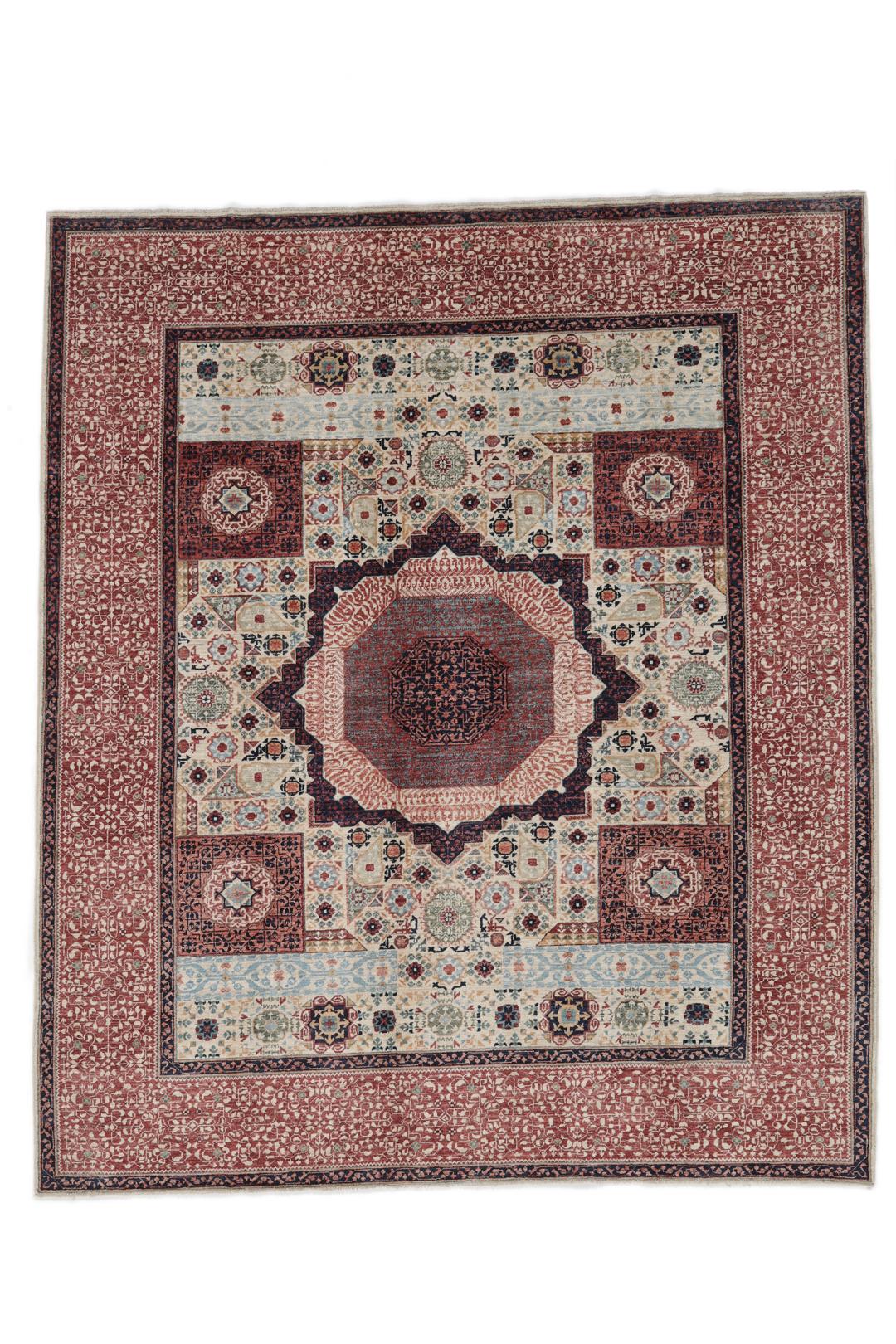
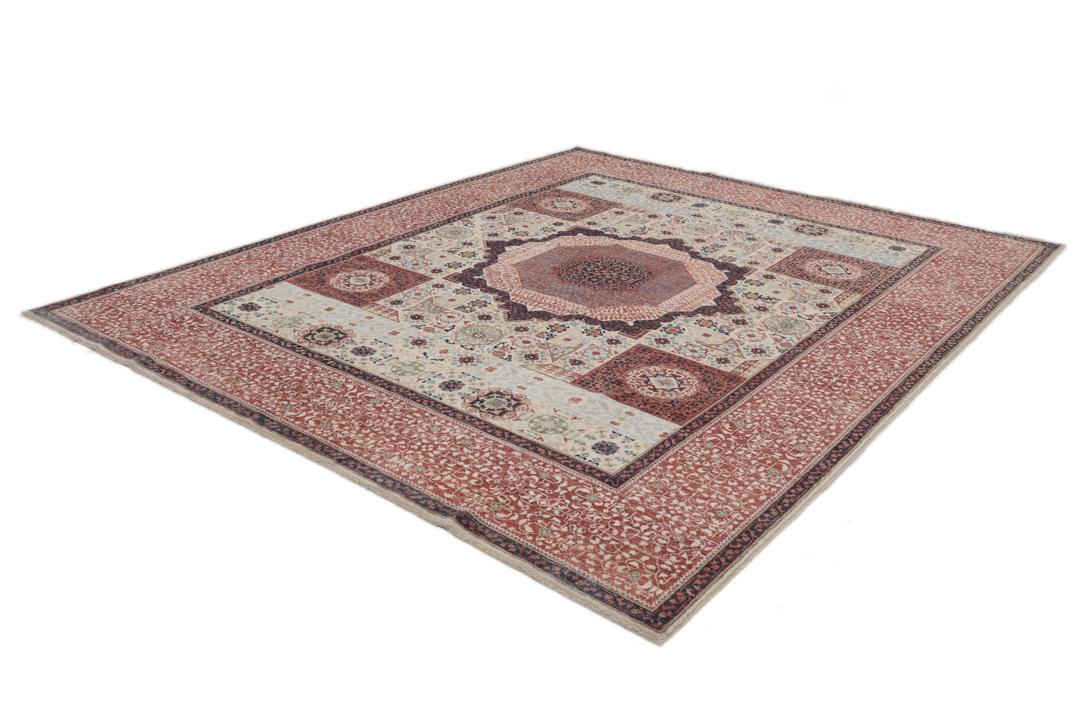
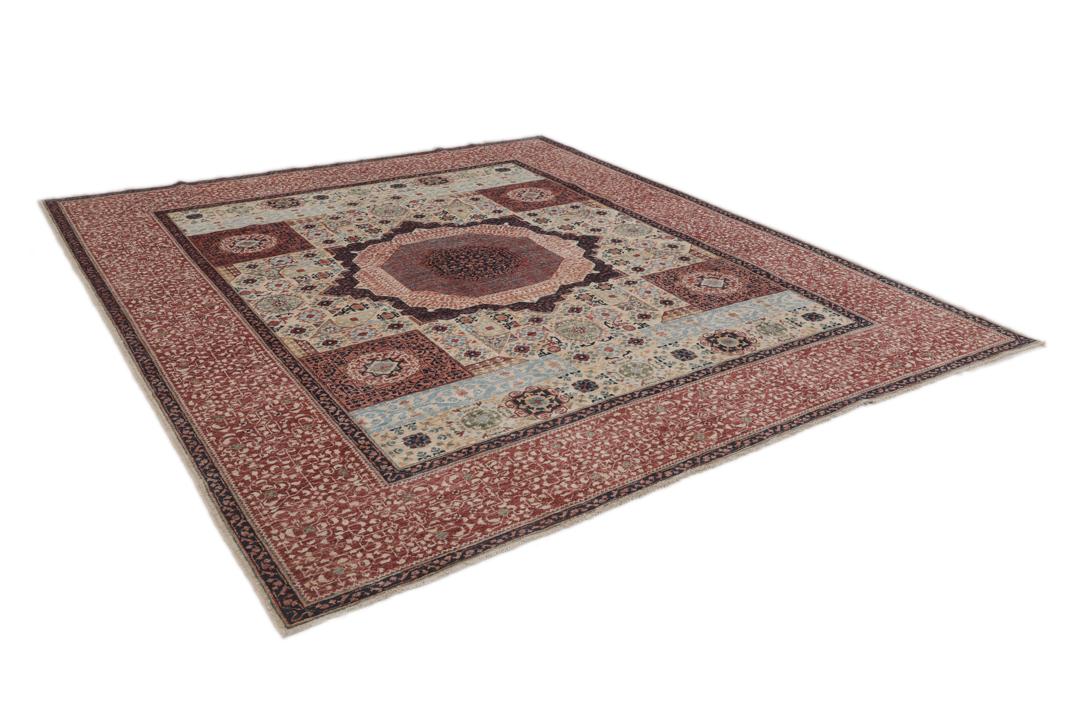
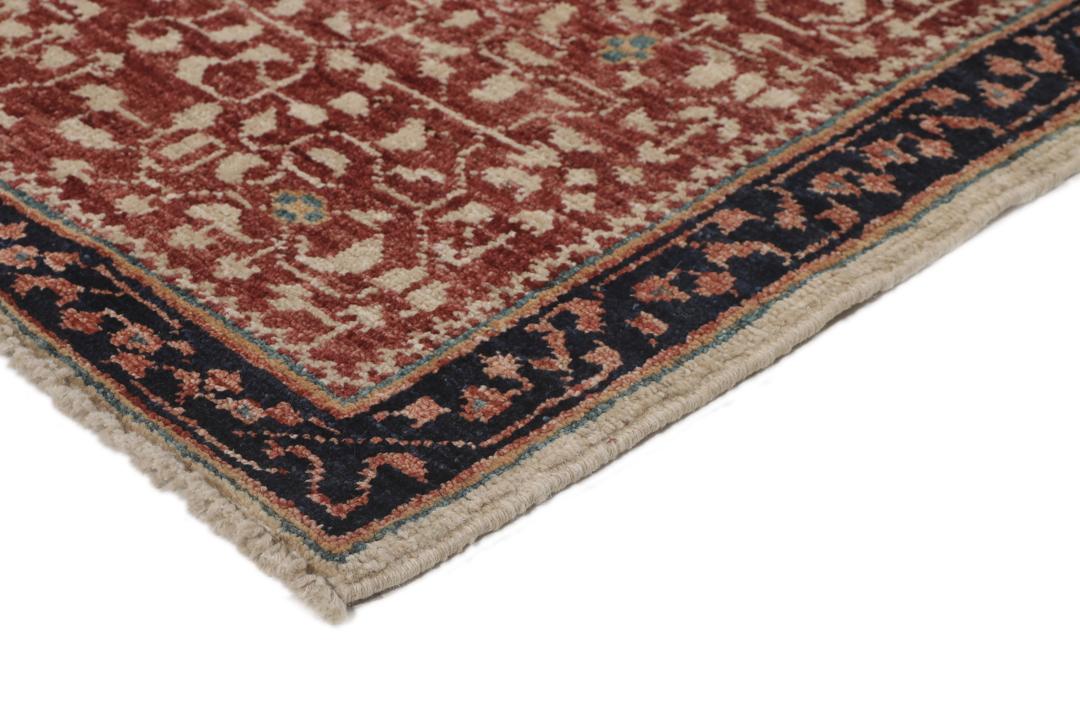
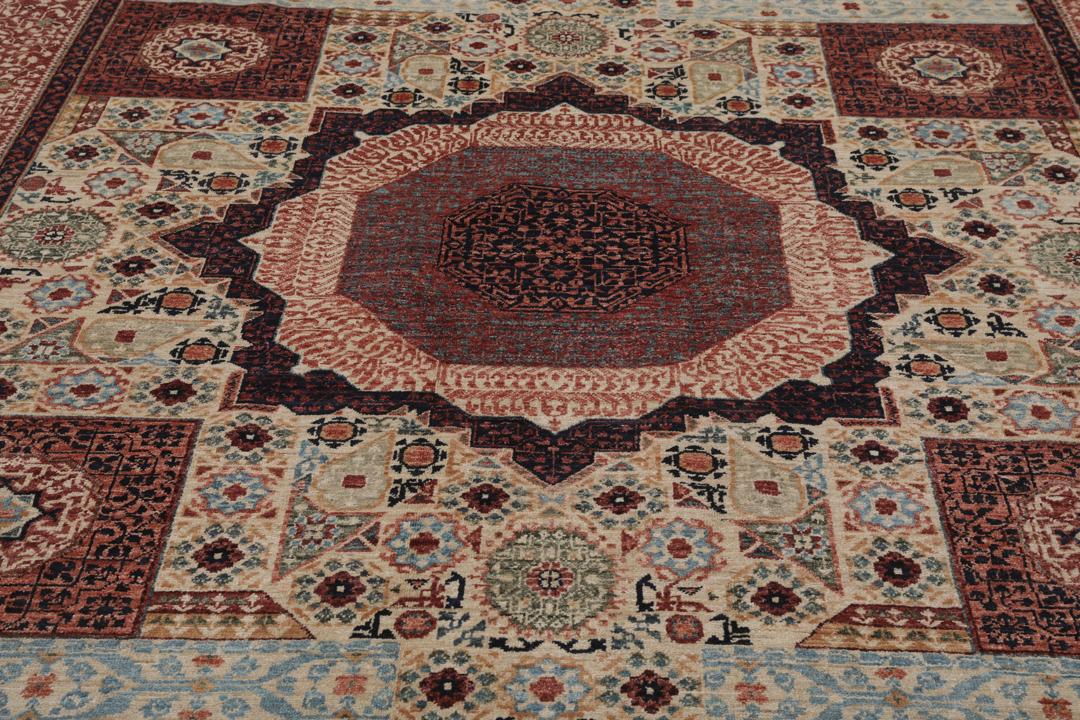
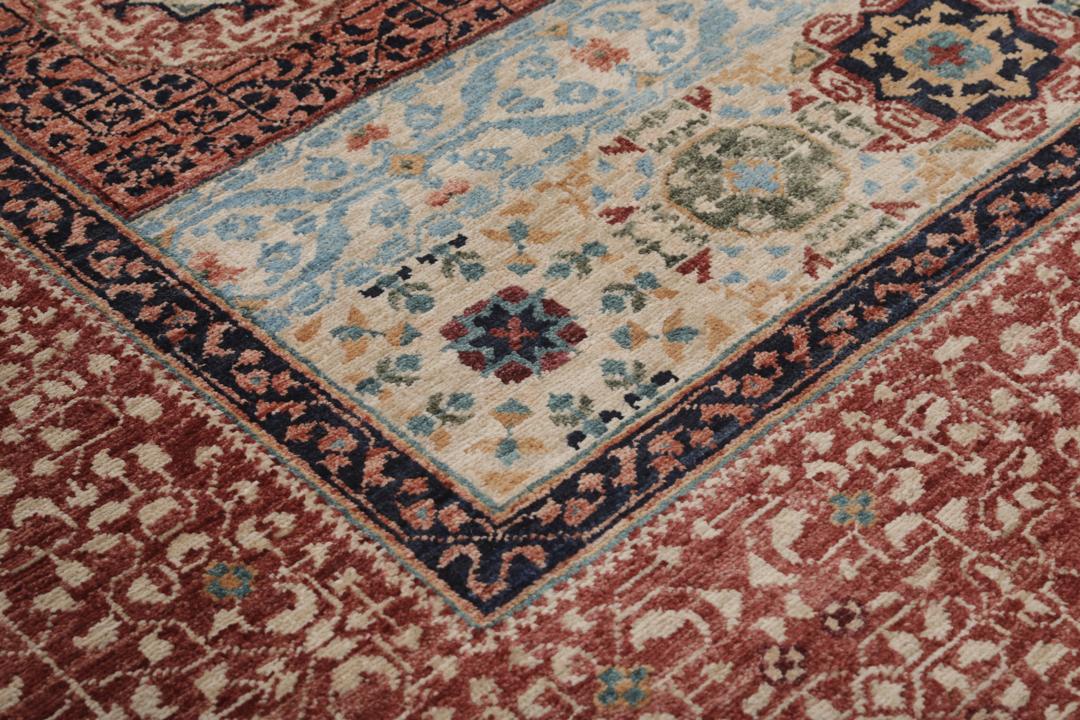
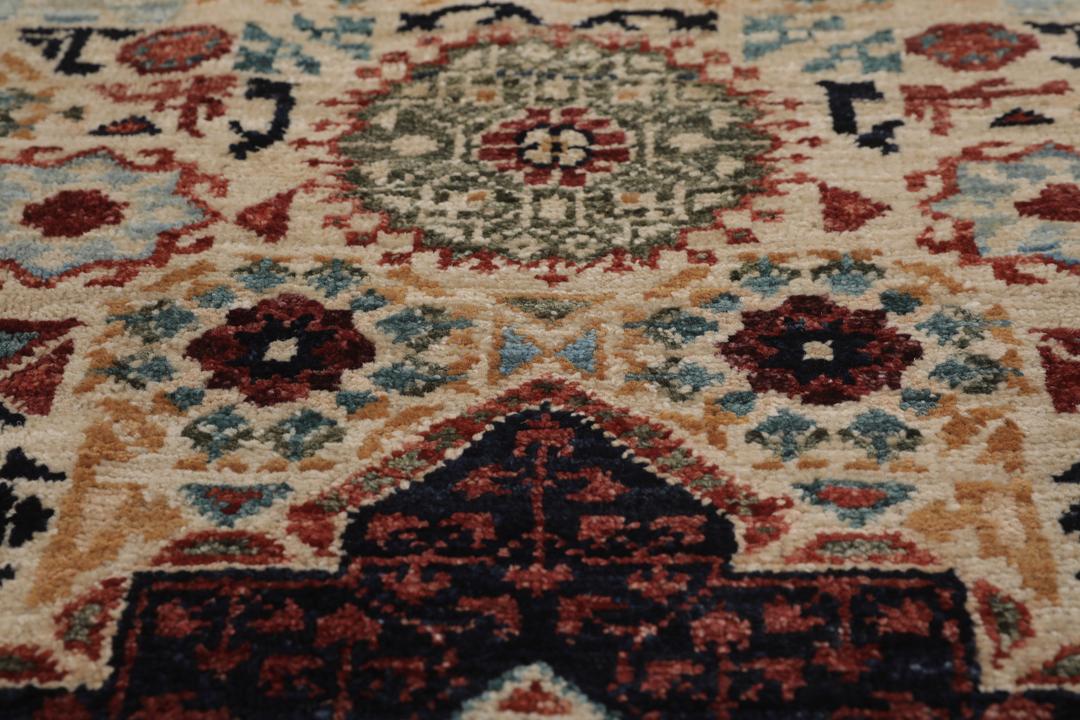
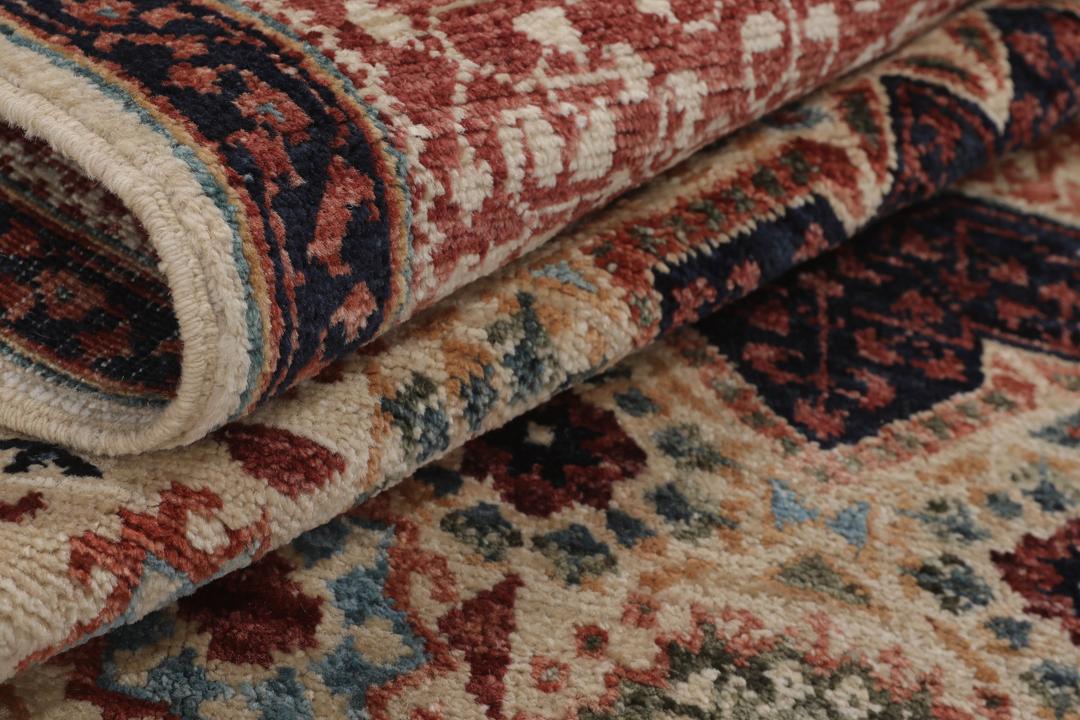
The Mamluk style of rug weaving traces its roots back to the Mamluk Sultanate, which ruled over Egypt and the Levant from the 13th to the 16th centuries. These rugs are celebrated for their sophisticated geometric language, often featuring a large central medallion surrounded by smaller satellite motifs and complex, interlocking border designs.
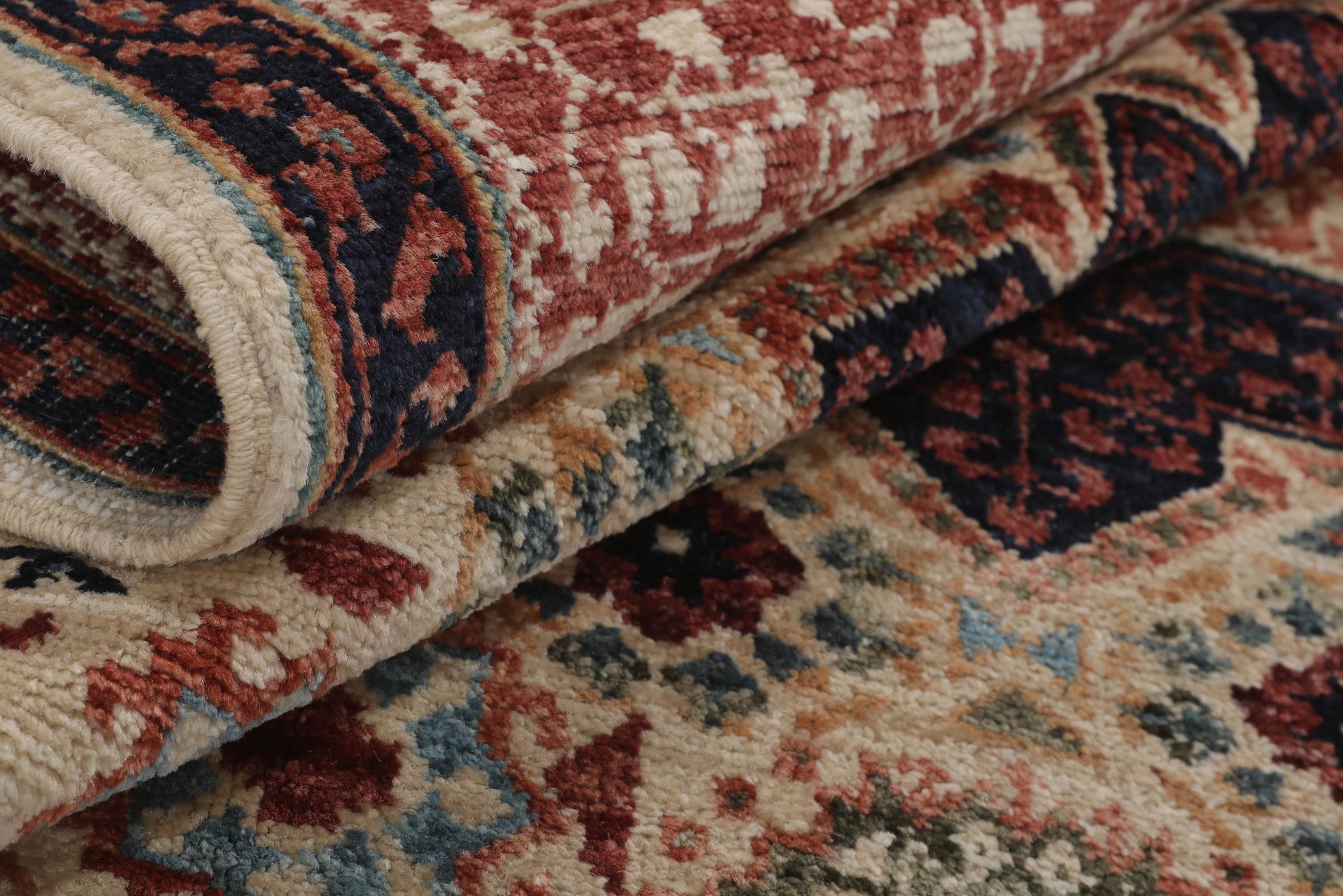
The terminology used to describe these rugs reflects their historical prestige, with early examples often woven in fine, lustrous wool. This construction style allows for the intricate, almost kaleidoscopic patterns that define the Mamluk tradition, creating a visual depth that has captivated collectors and design enthusiasts for centuries.
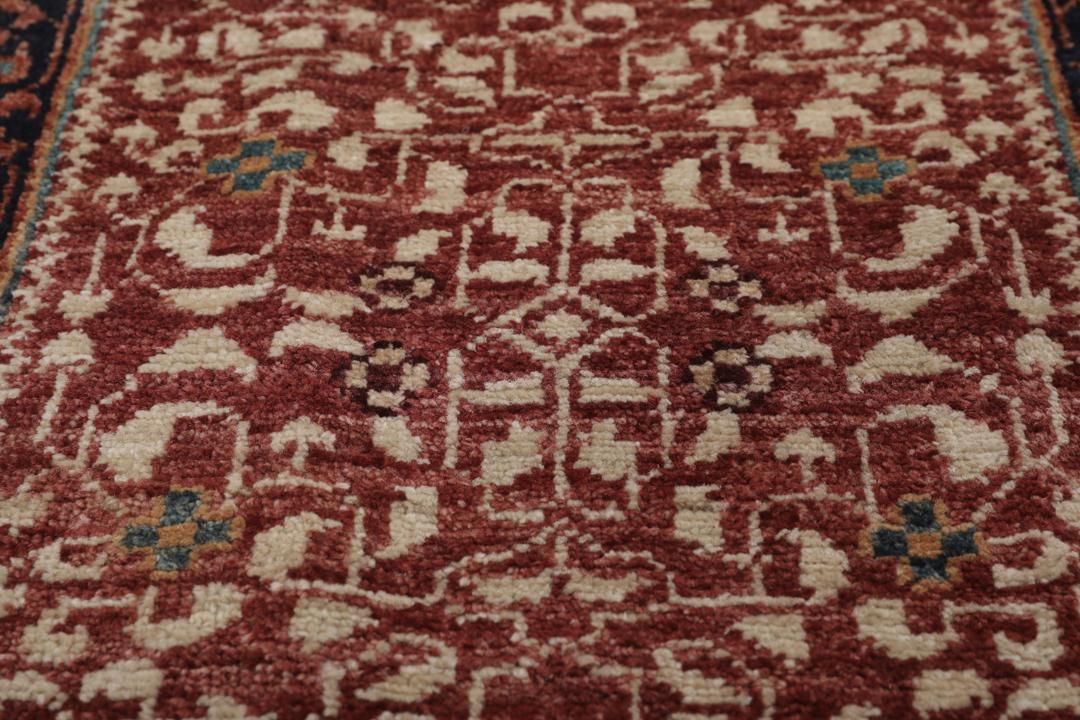
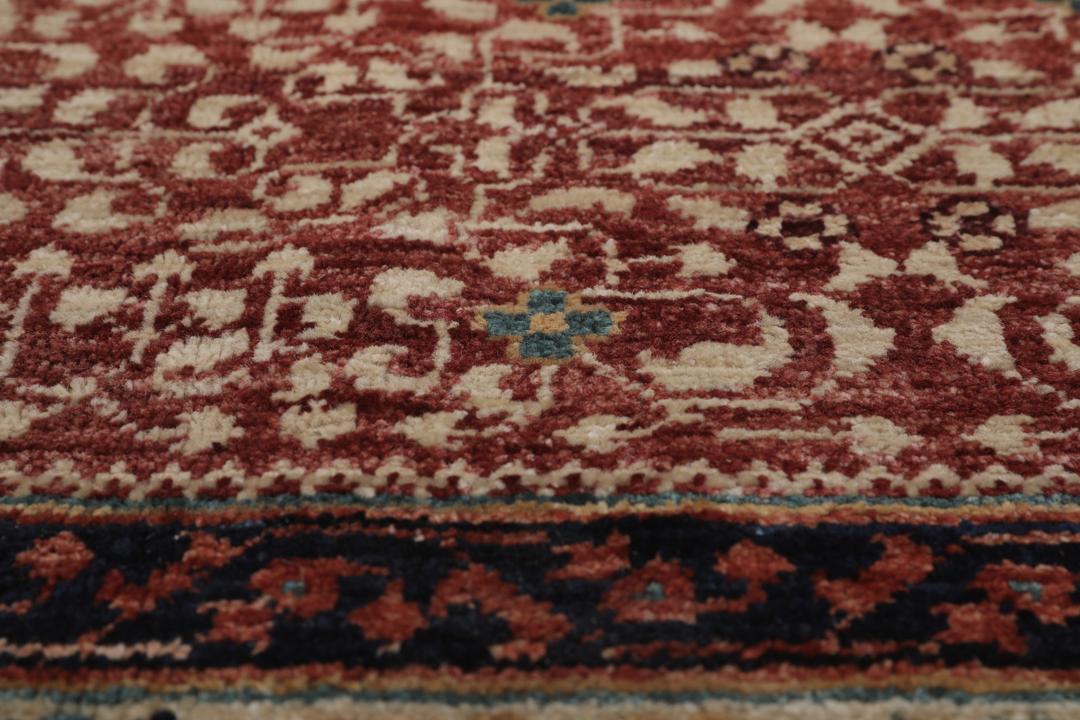
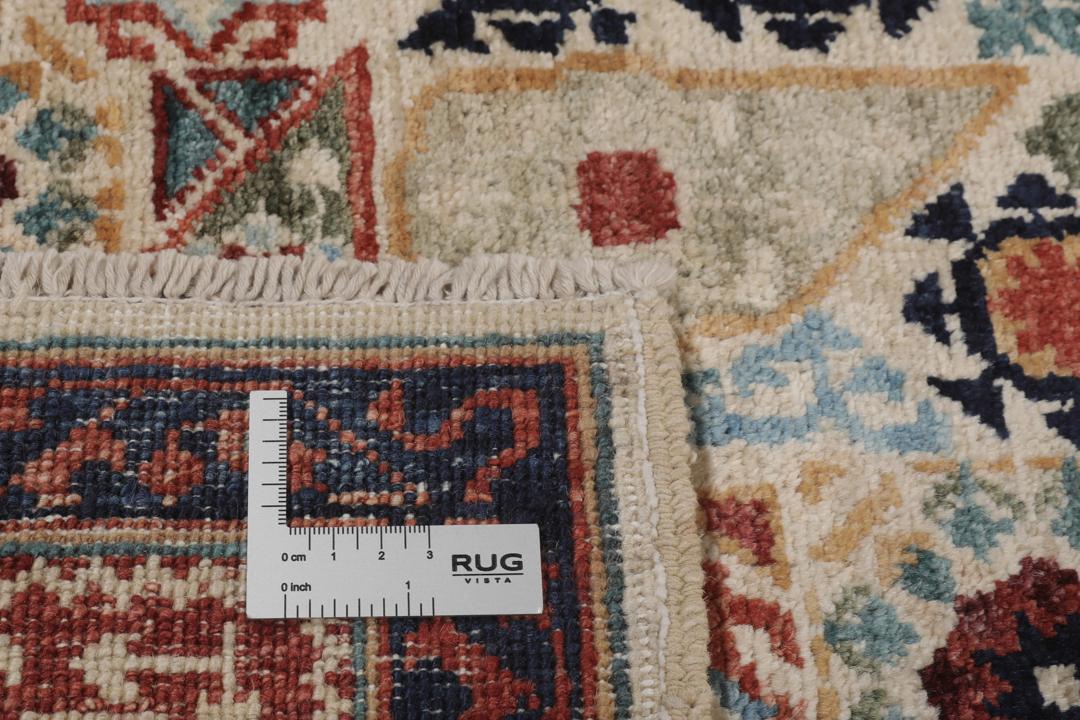
Signature design elements include the use of octagonal medallions, star motifs, and a specific colour palette that traditionally favoured deep reds, blues, and natural beige tones. This particular piece honours those classic sensibilities while demonstrating the continued evolution of the style within the skilled weaving communities of Afghanistan.
Owning a Mamluk-inspired rug is a way to connect with a storied past. These pieces are highly valued for their cultural weight and the immense skill required to execute such complex geometric arrangements, making them not just floor coverings, but legacy items that represent a bridge between historical artistry and modern home comfort.