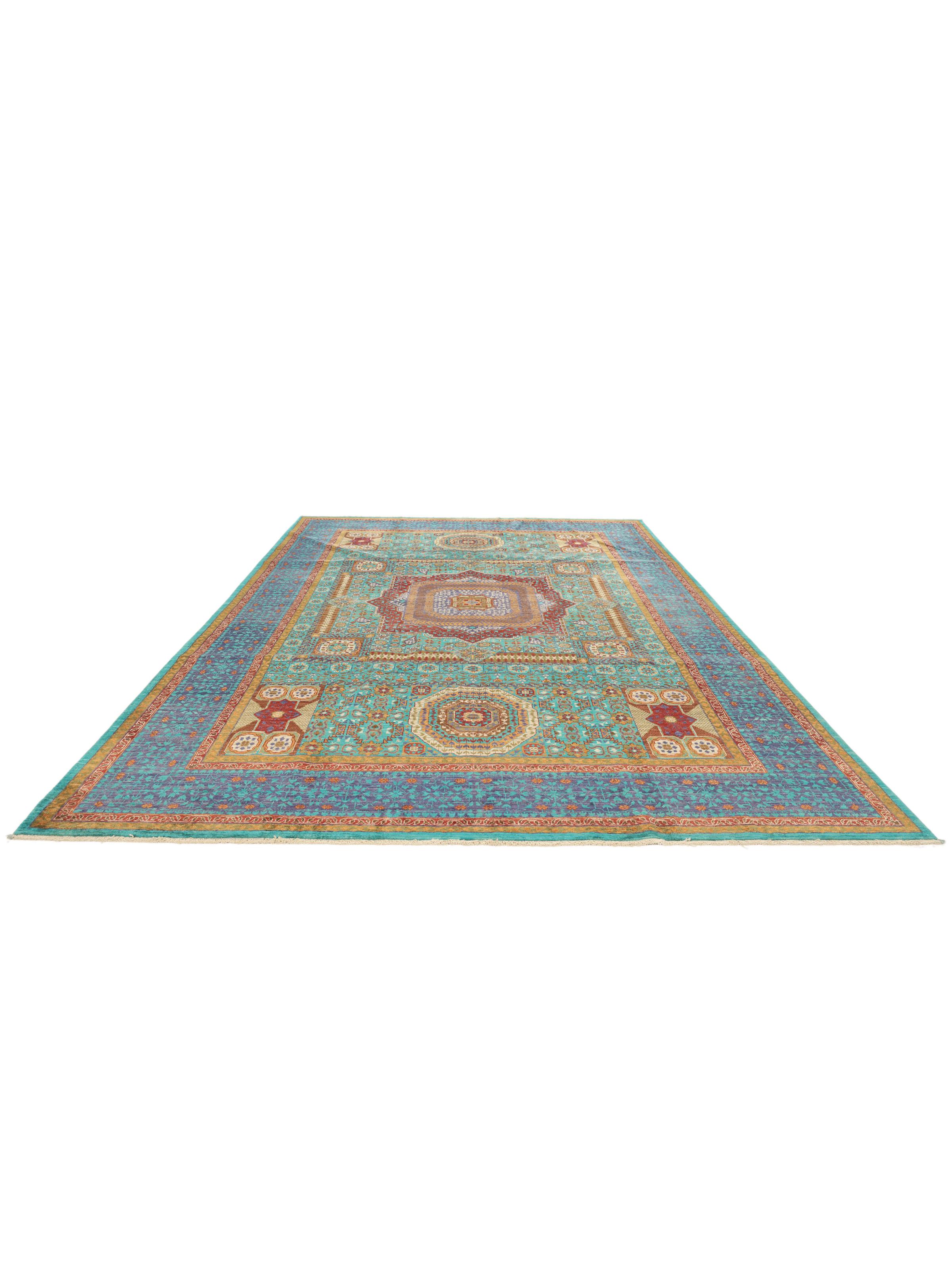
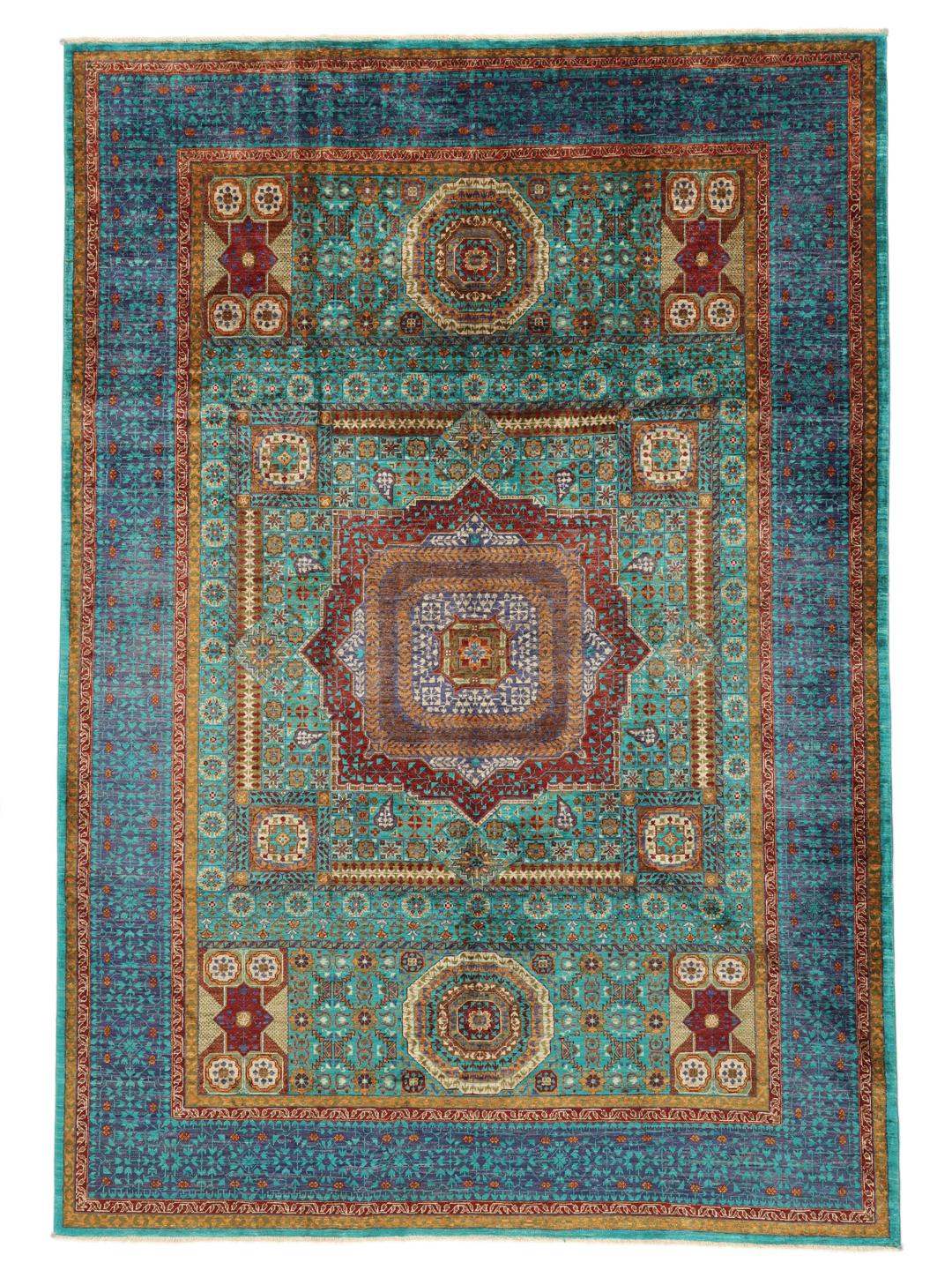
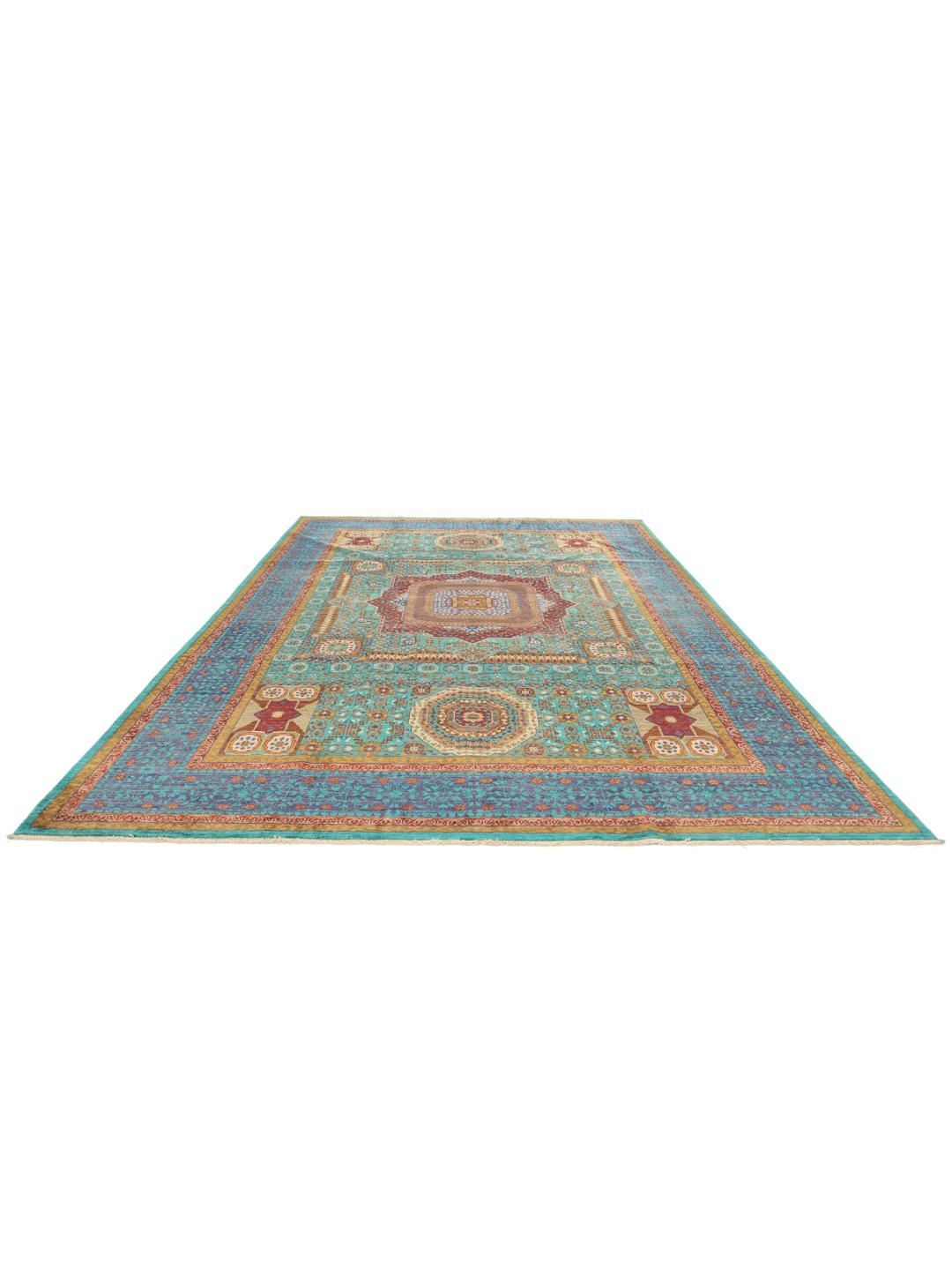
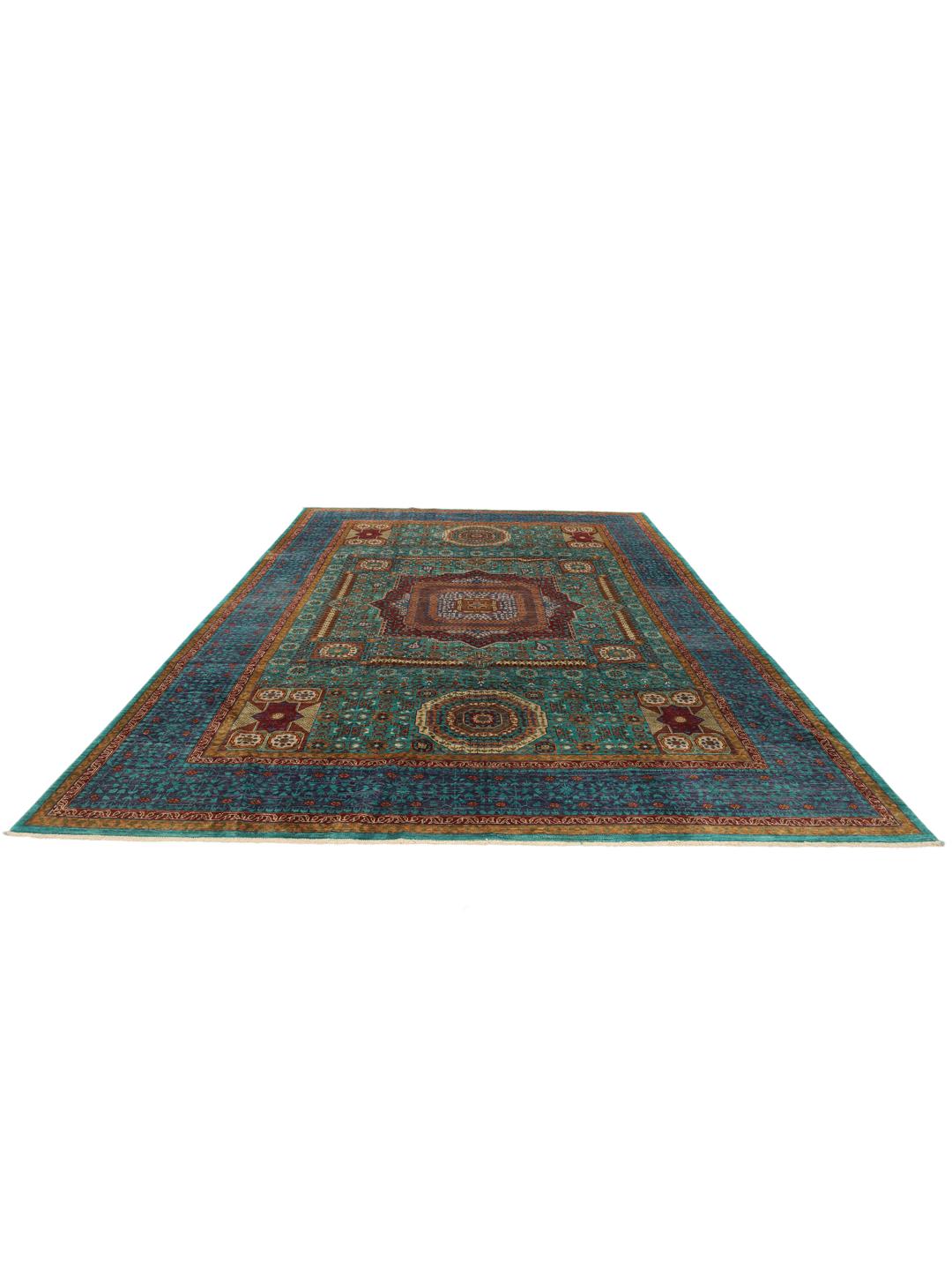
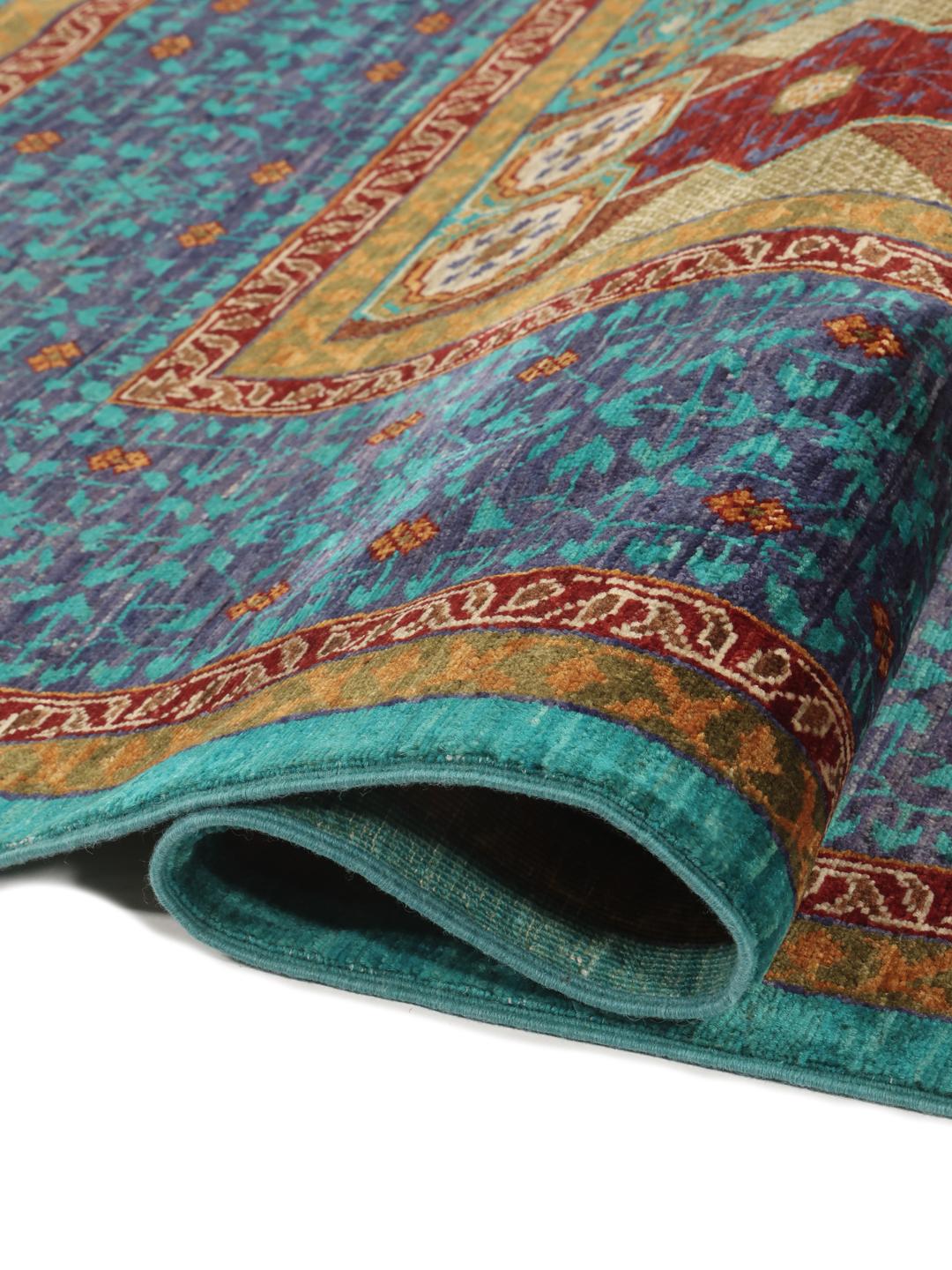
Mamluk rugs are renowned for their historical significance, tracing their roots back to the 15th and 16th centuries in Cairo. Named after the Mamluk Sultanate that ruled Egypt and parts of the Middle East, these rugs were once prized possessions of the elite, known for their distinct geometric aesthetics and lustrous wool. Today, the tradition is kept alive by skilled weavers in Afghanistan, who bring these ancient patterns to life with a modern sensibility.
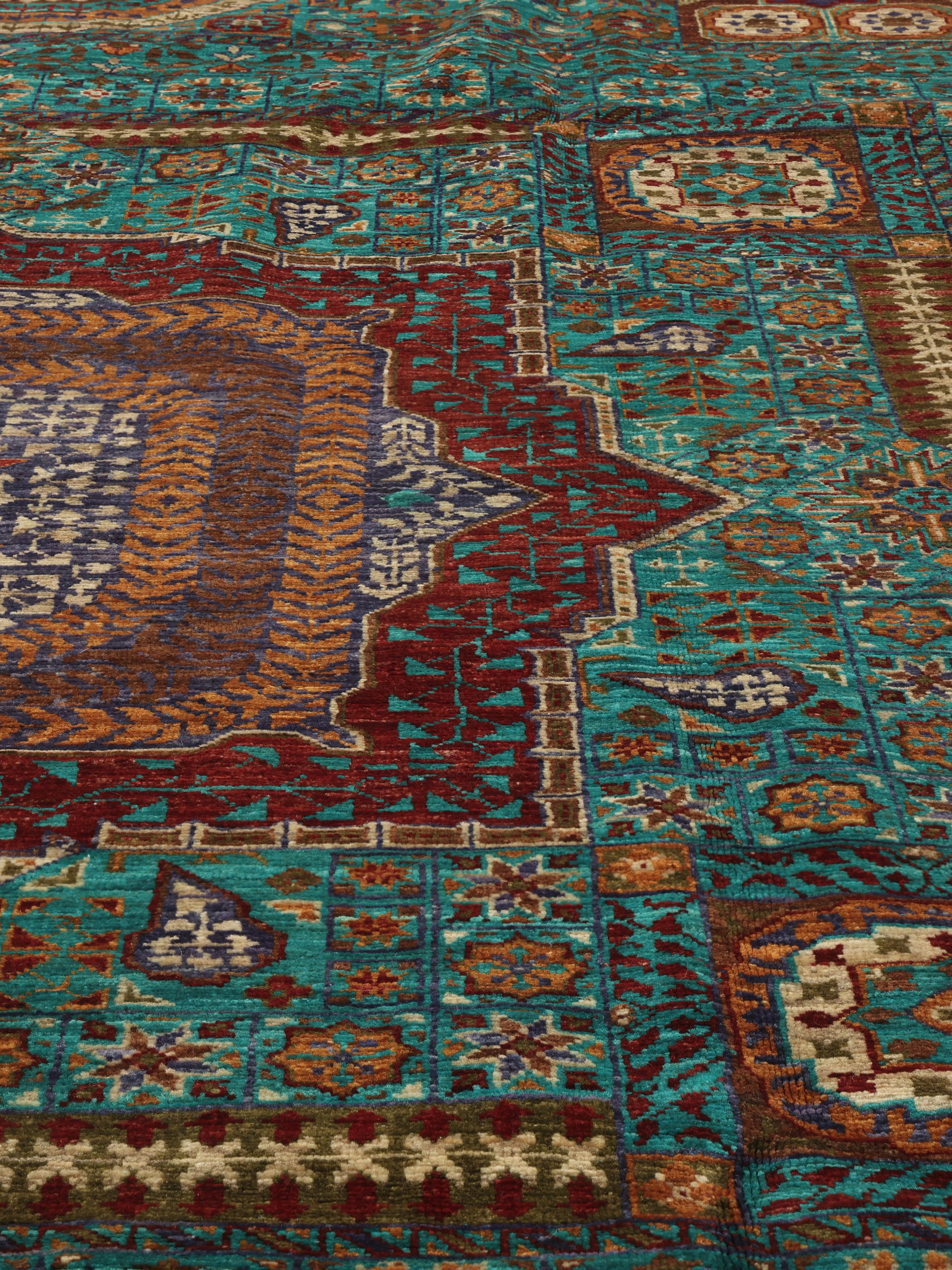
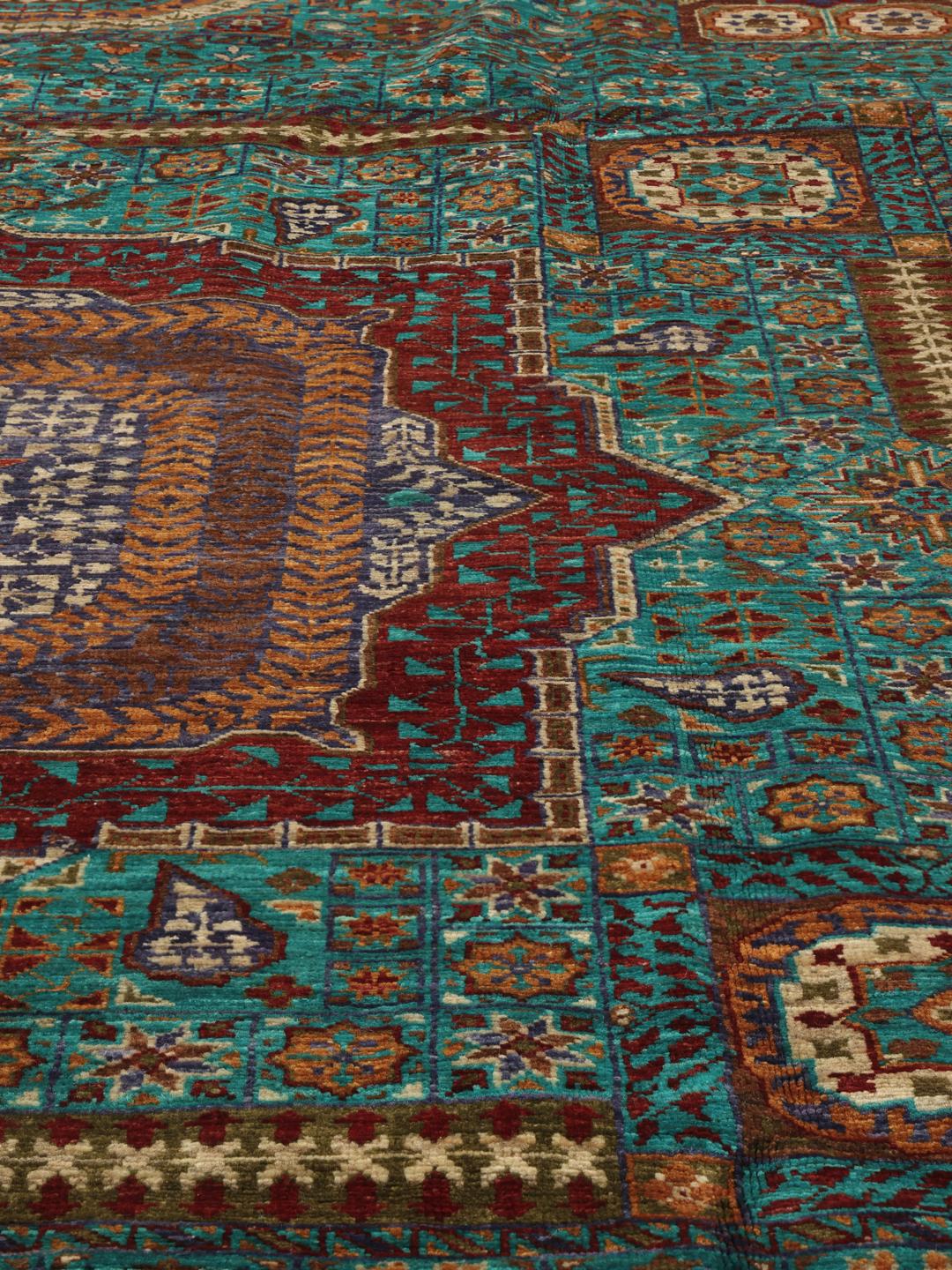
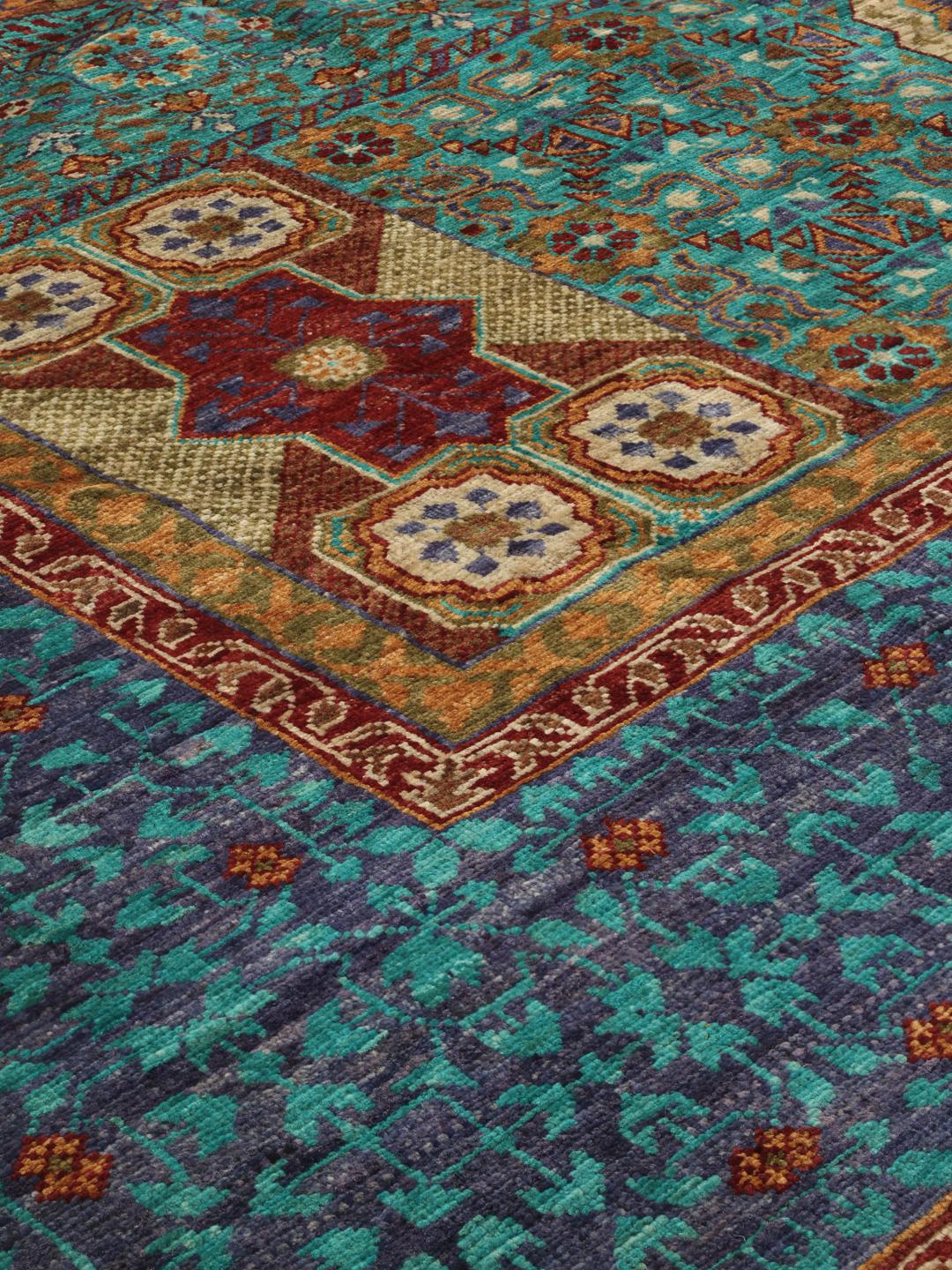
The hallmark of a Mamluk design is its complex, medallion-centric layout, often featuring a large, central star-shaped or octagonal motif surrounded by smaller geometric shapes and intricate borders. Unlike the floral motifs found in many other rug traditions, the Mamluk style favours a rigorous, mathematical approach to pattern. This geometric complexity is what gives these rugs their timeless, architectural quality.
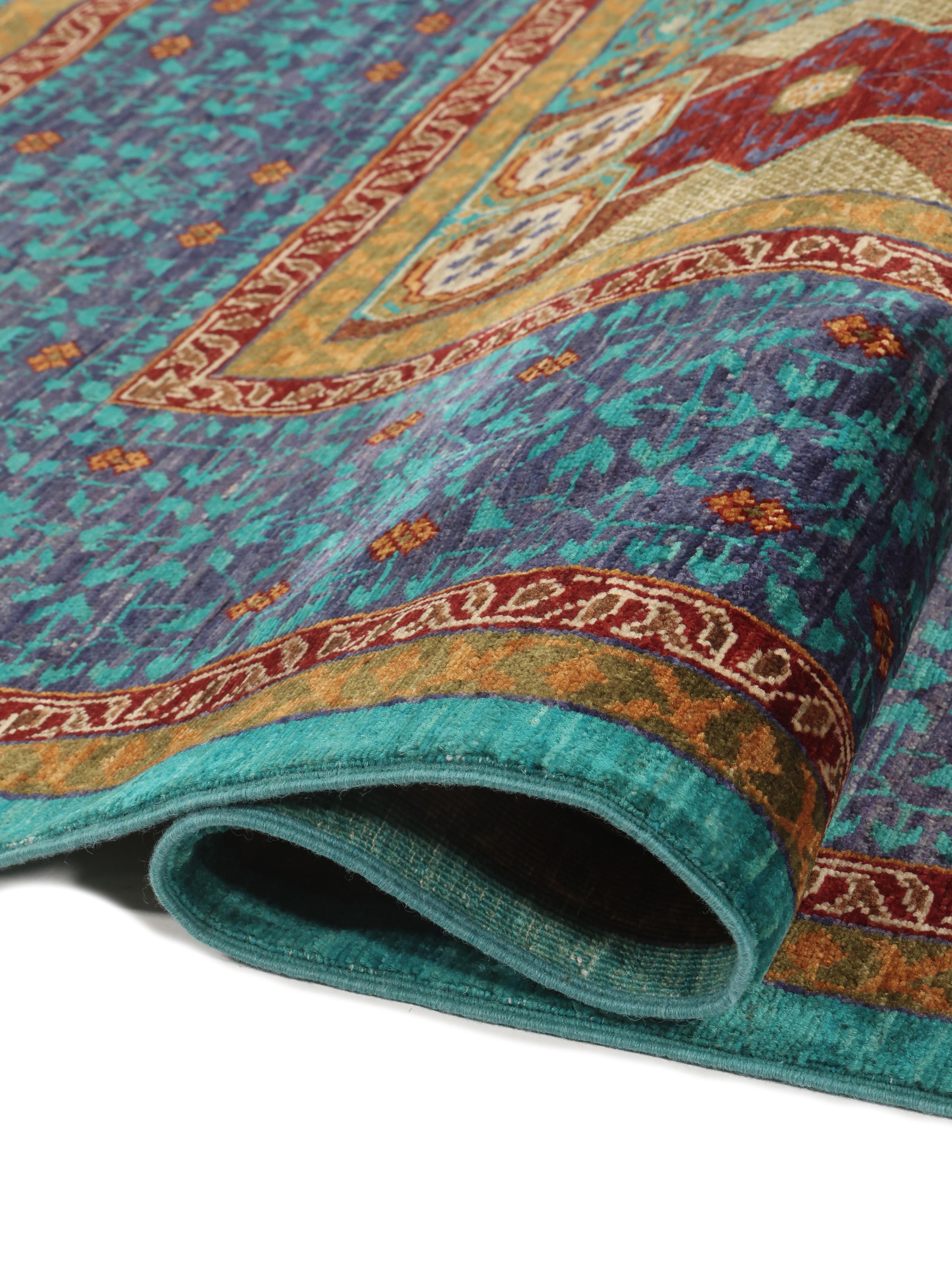
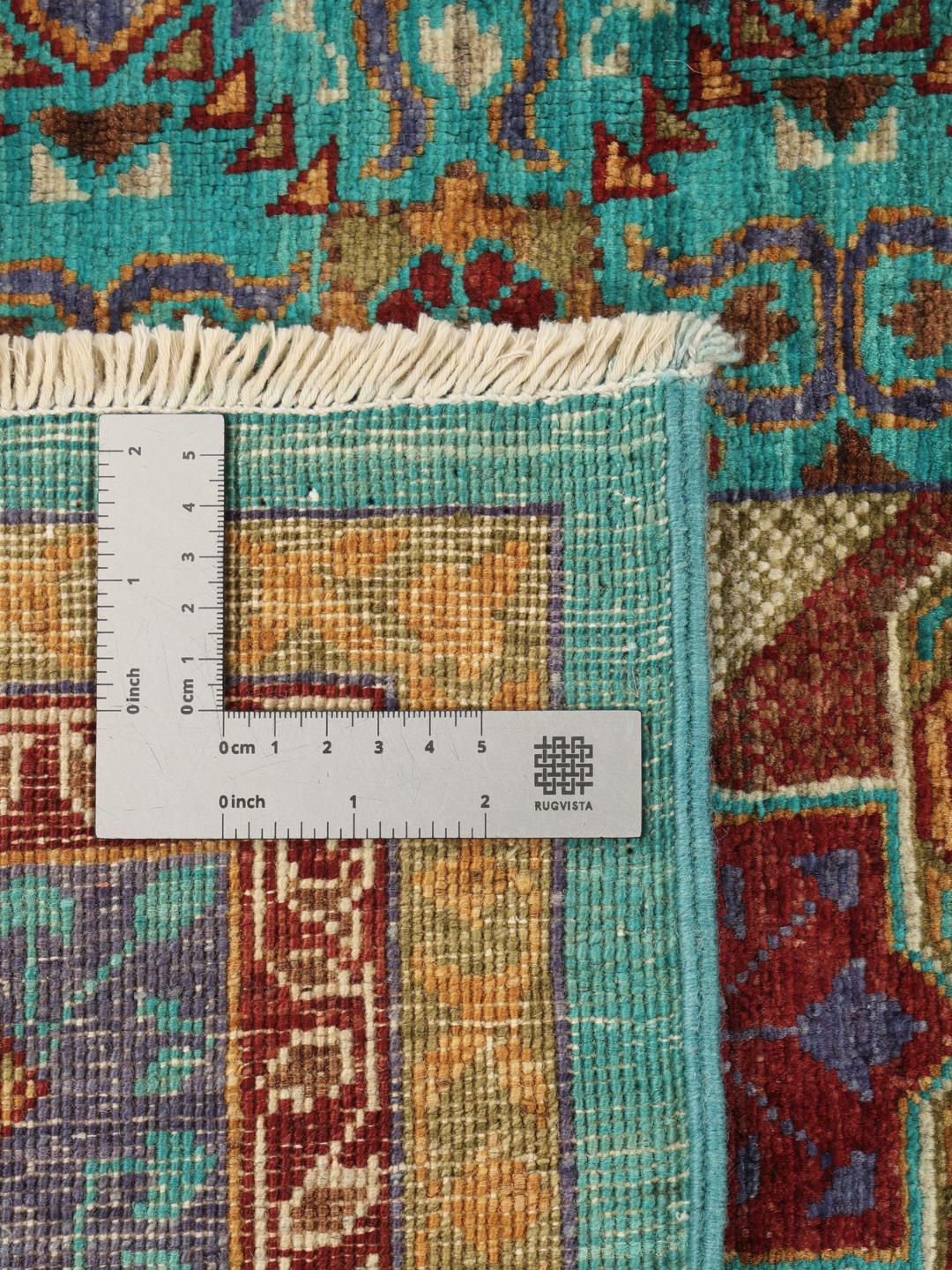
The construction of these rugs typically involves the use of high-quality wool, which is valued for its natural lustre and ability to take deep, rich dyes. The interplay of colours—often featuring deep reds, teals, and golds—is central to the Mamluk identity. These colours are not merely decorative; they reflect a long-standing tradition of using natural pigments to create a sense of harmony and balance within the rug’s intricate geometric framework.
Today, owning a Mamluk rug is a statement of appreciation for both history and craft. They are collected not only for their beauty but for the centuries of design evolution they represent. By bringing a Mamluk rug into your home, you are connecting with an artistic tradition that has been refined over generations, ensuring that your space is anchored by a piece with true cultural weight and legacy.