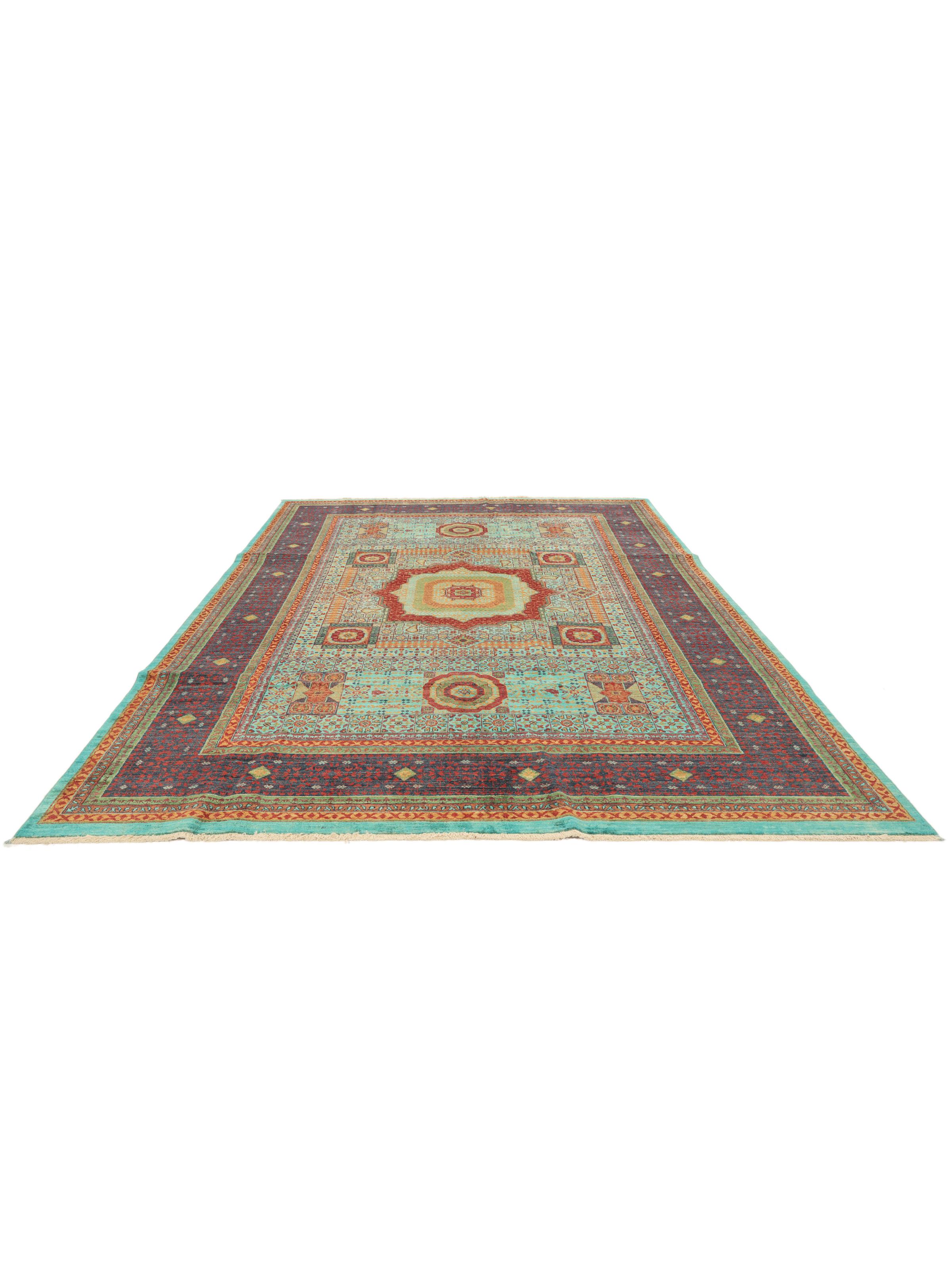
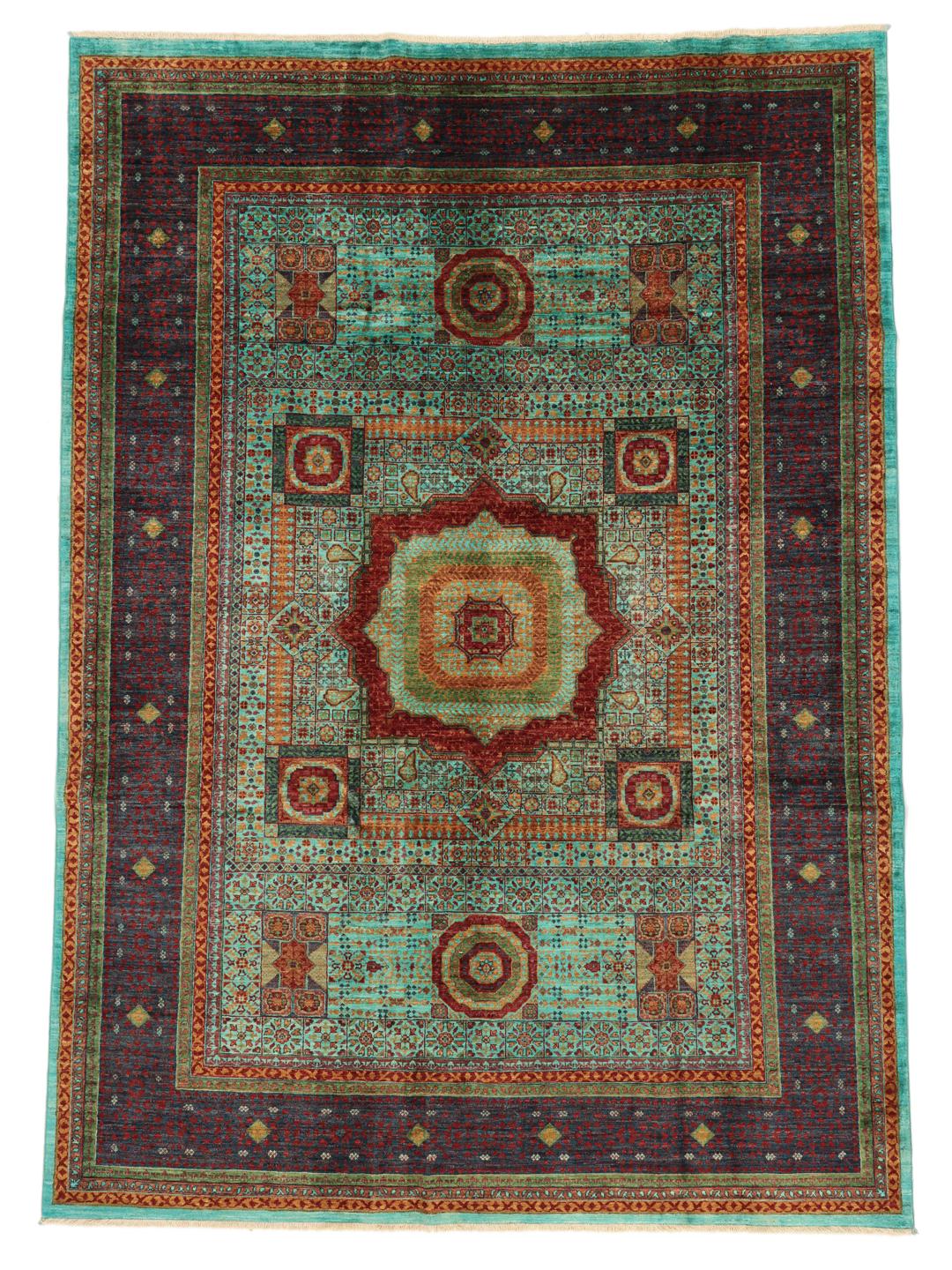
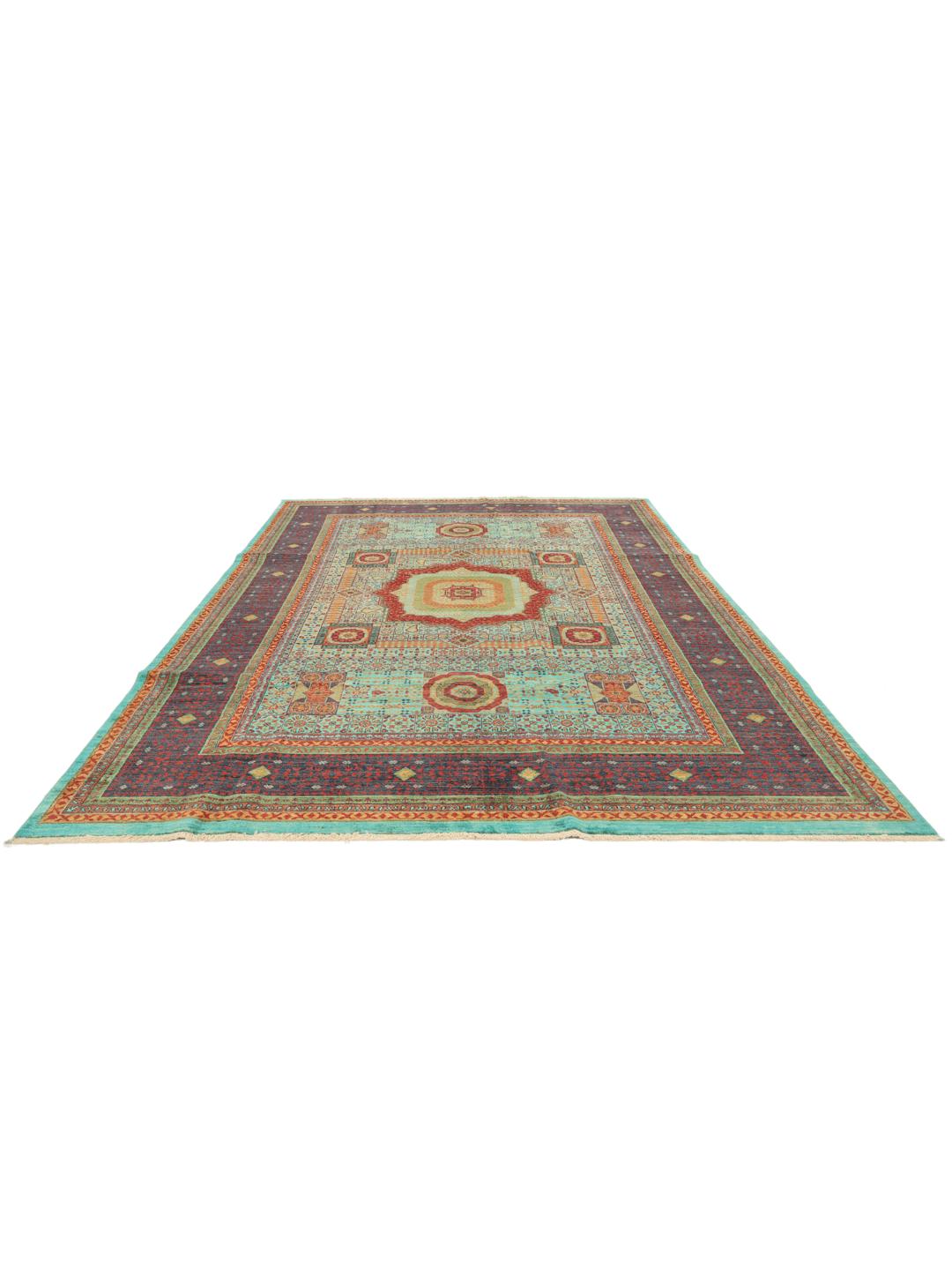
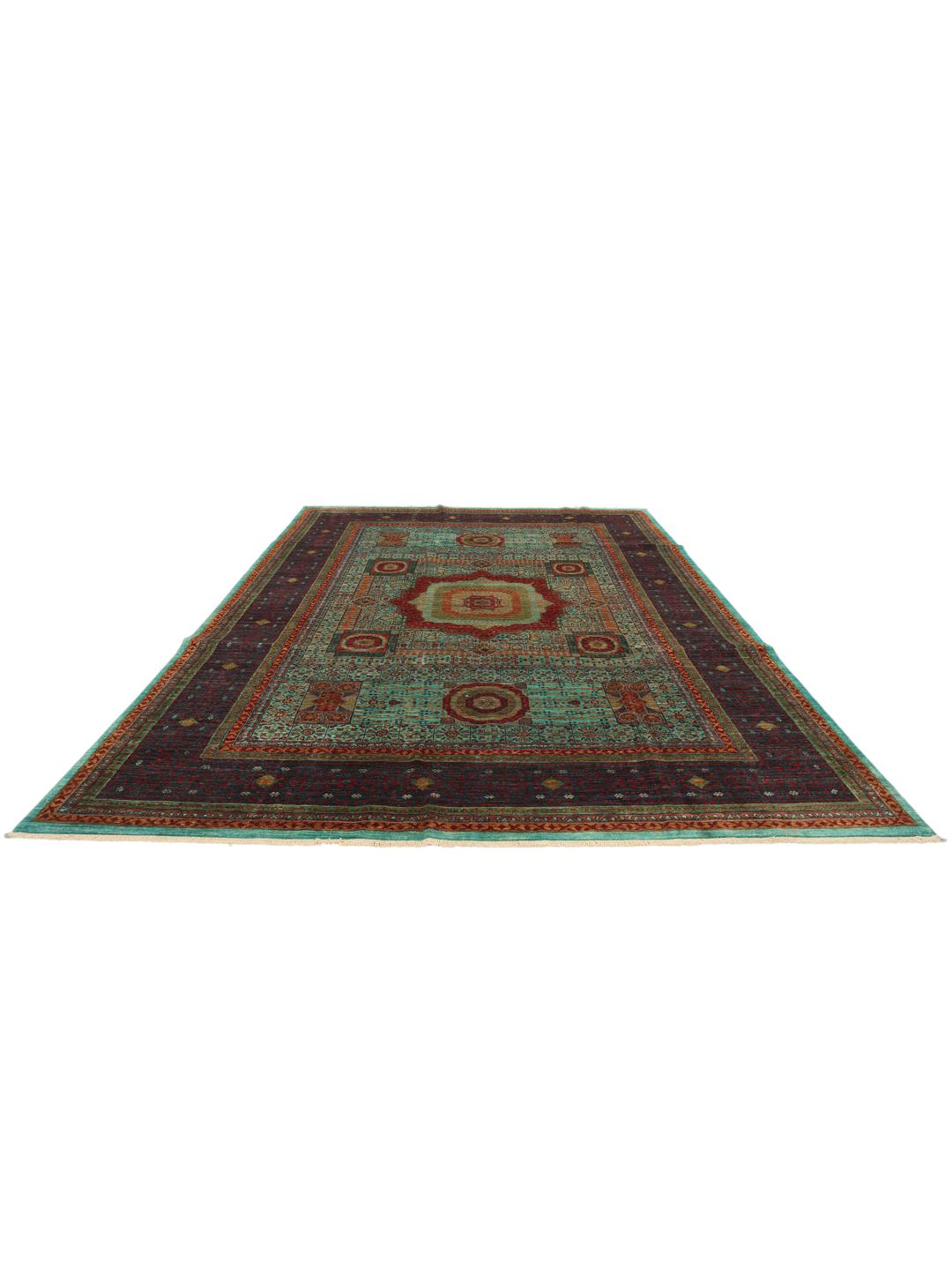
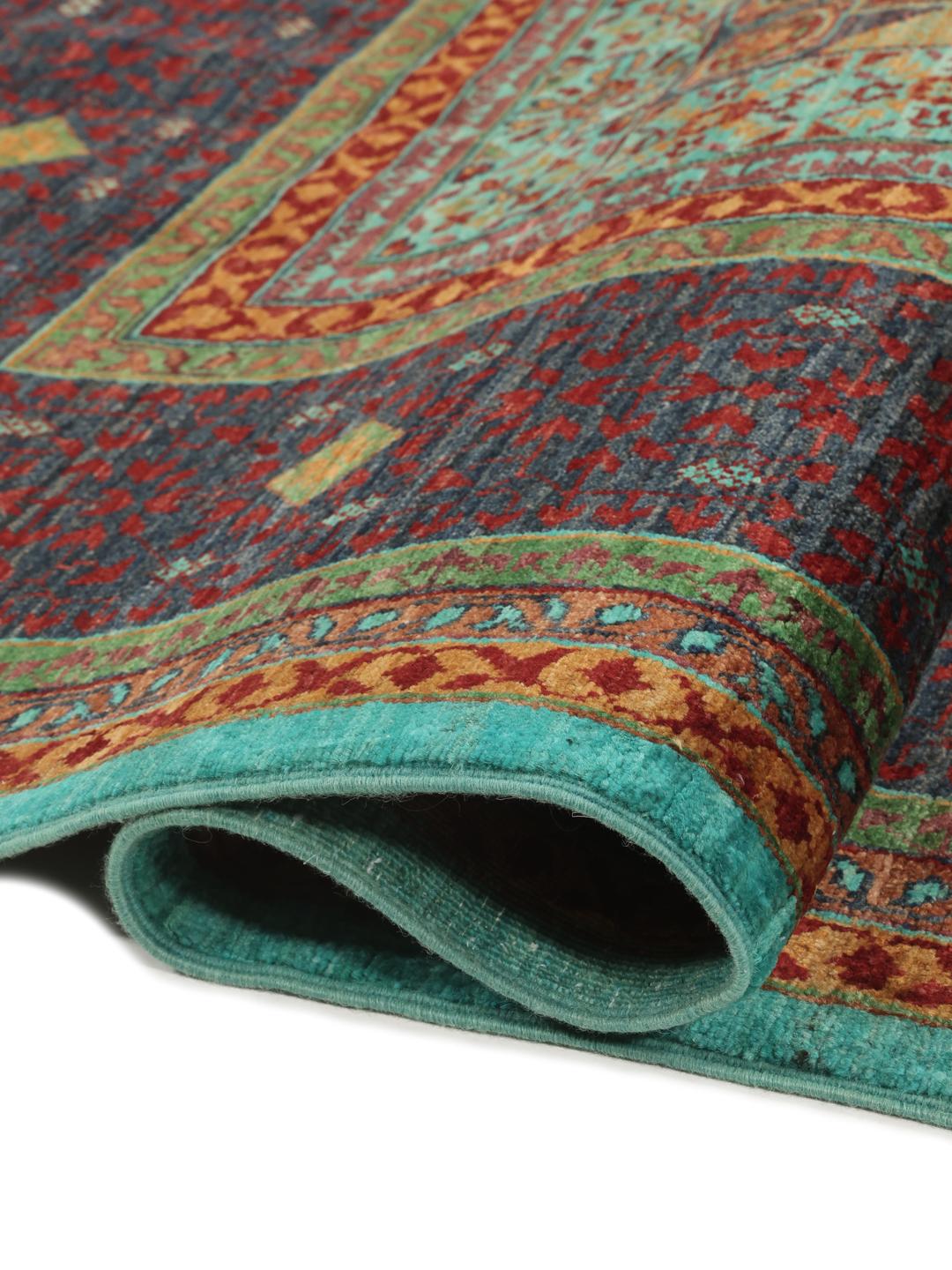
The Mamluk style of rug weaving is deeply rooted in the history of the Mamluk Sultanate, which ruled over Egypt and parts of the Levant from the 13th to the 16th centuries. These rugs are celebrated for their unique geometric layouts, often featuring a large central medallion surrounded by smaller, intricate octagons and star shapes. Today, the tradition is kept alive by highly skilled artisans in Afghanistan, who interpret these historic designs with a deep respect for the original aesthetic.
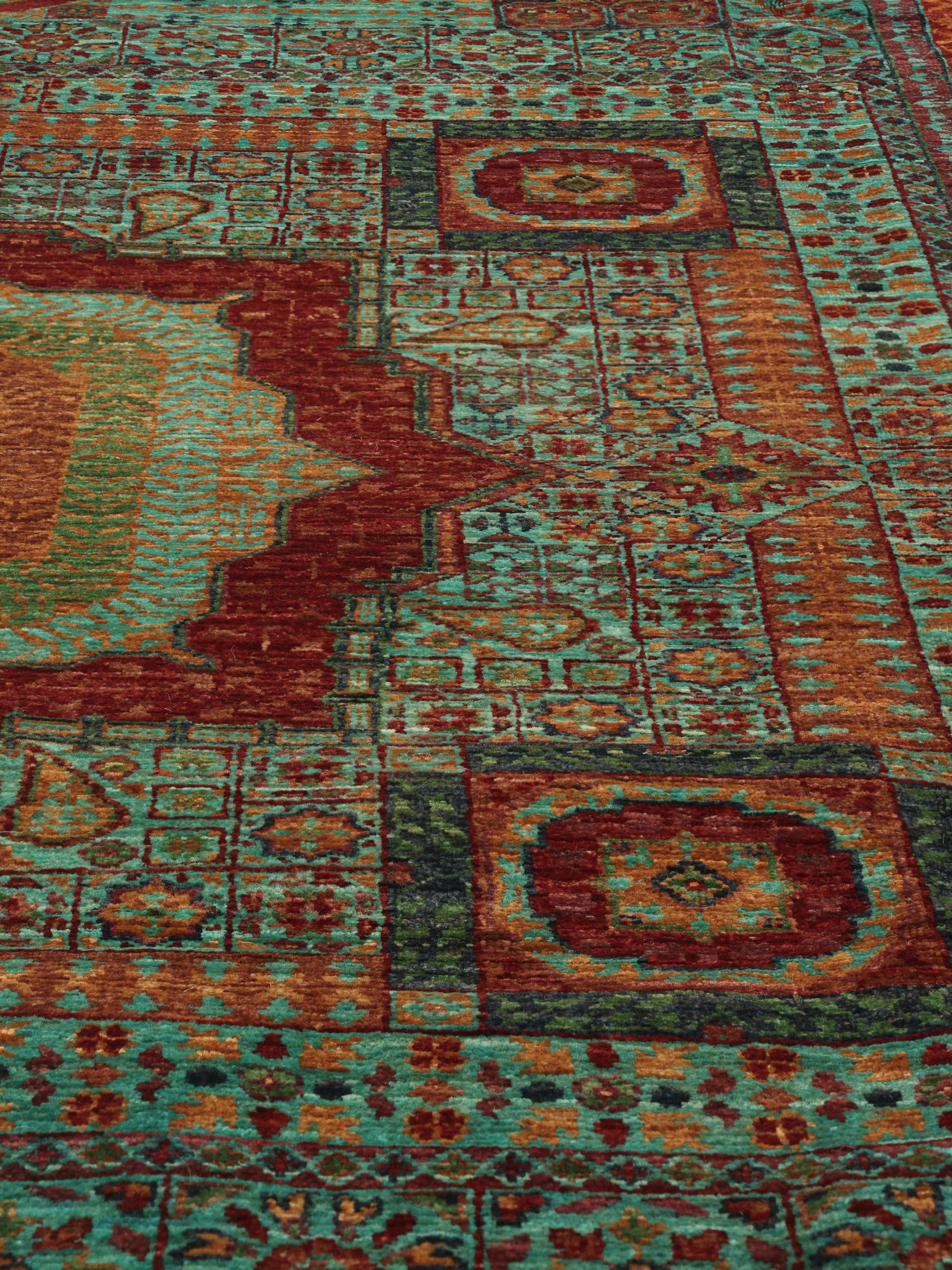
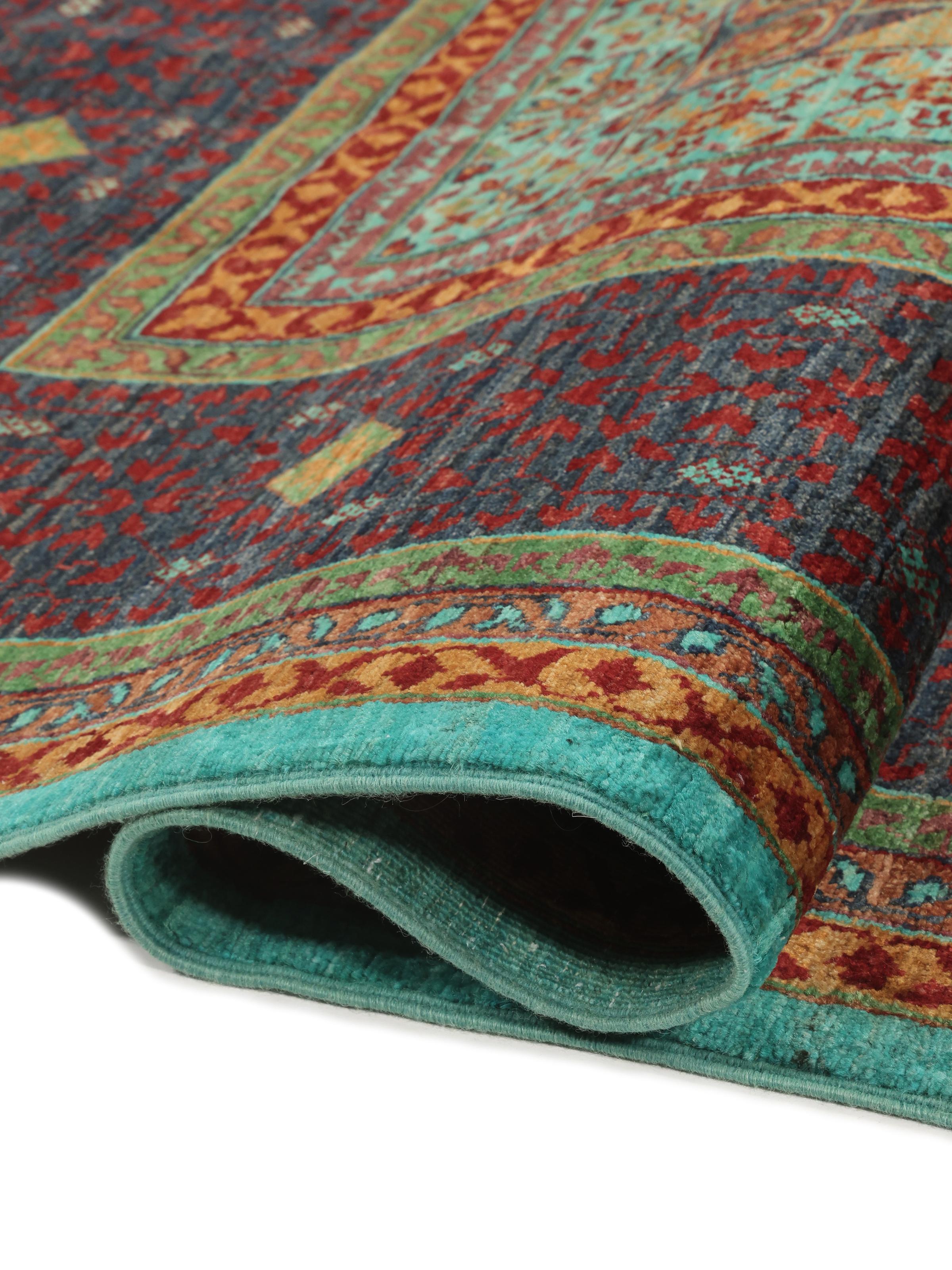
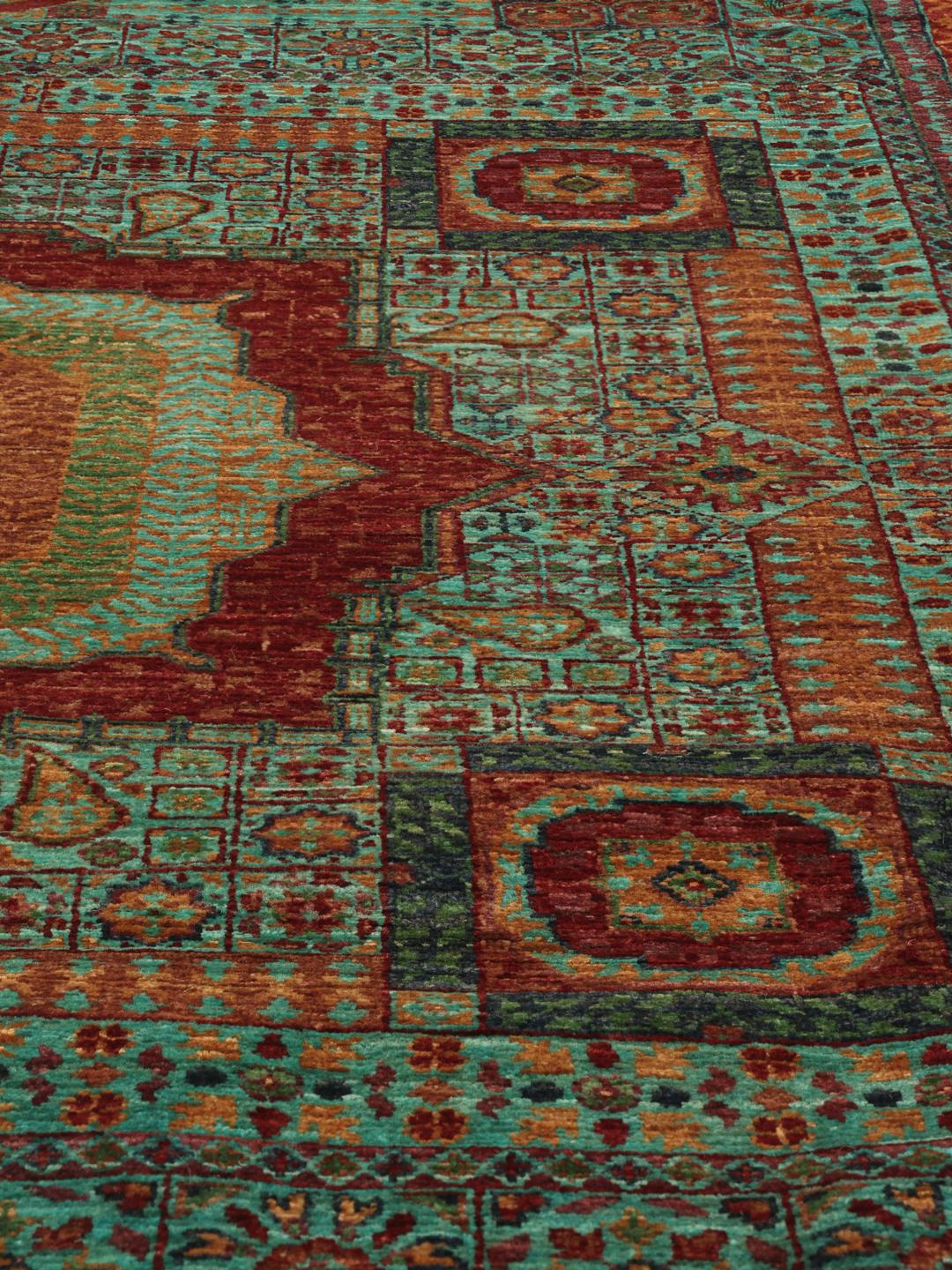
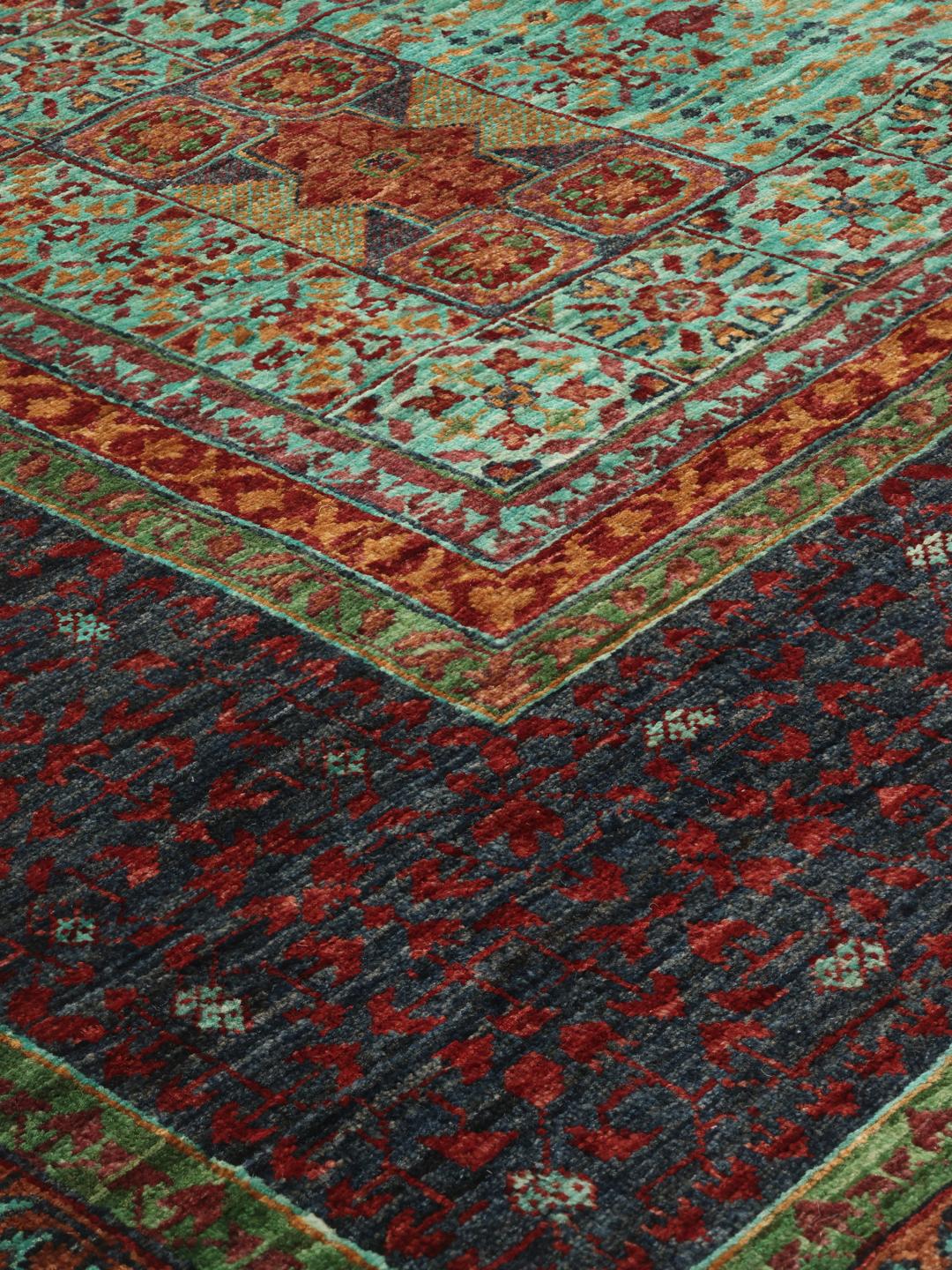
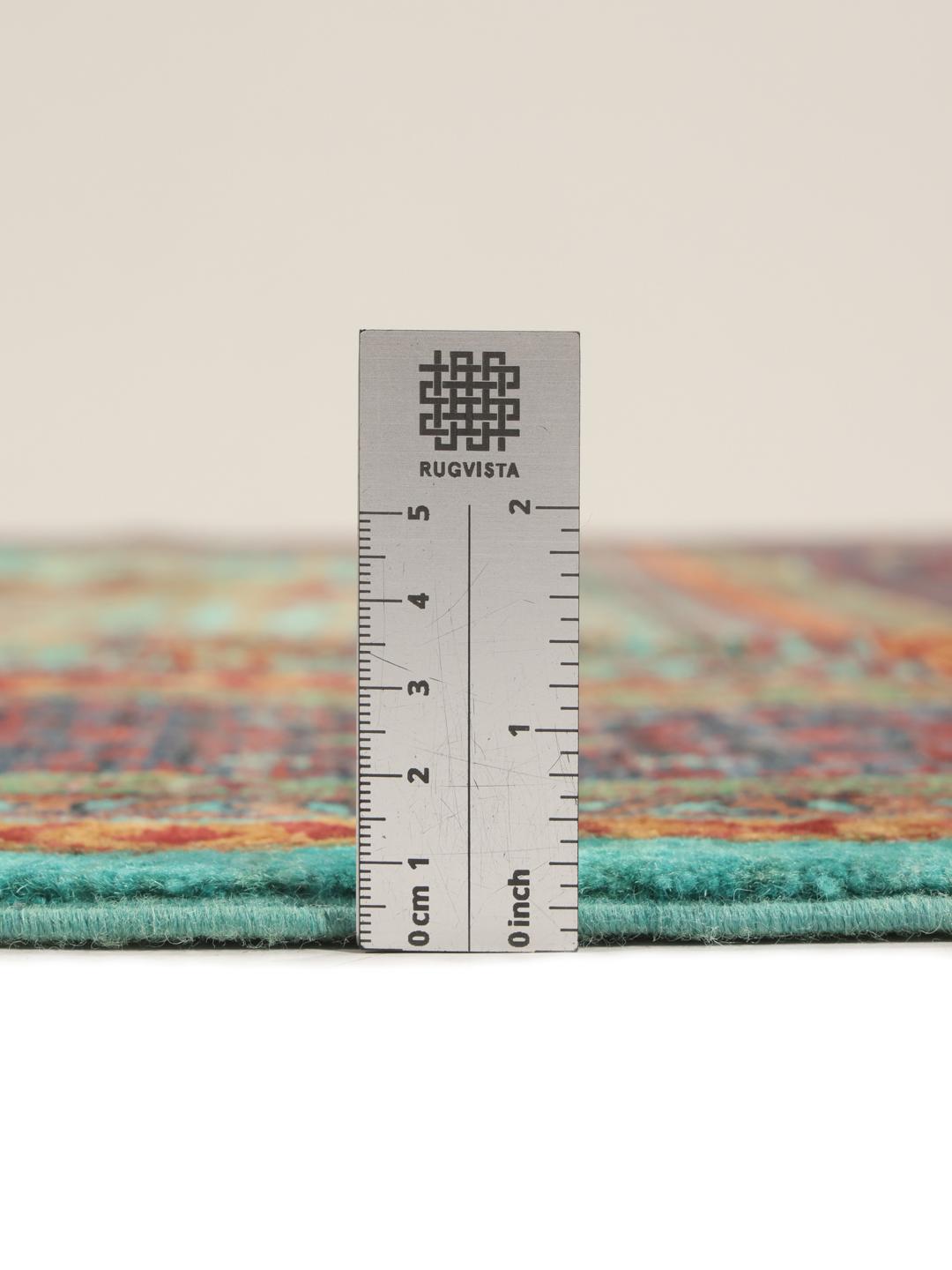
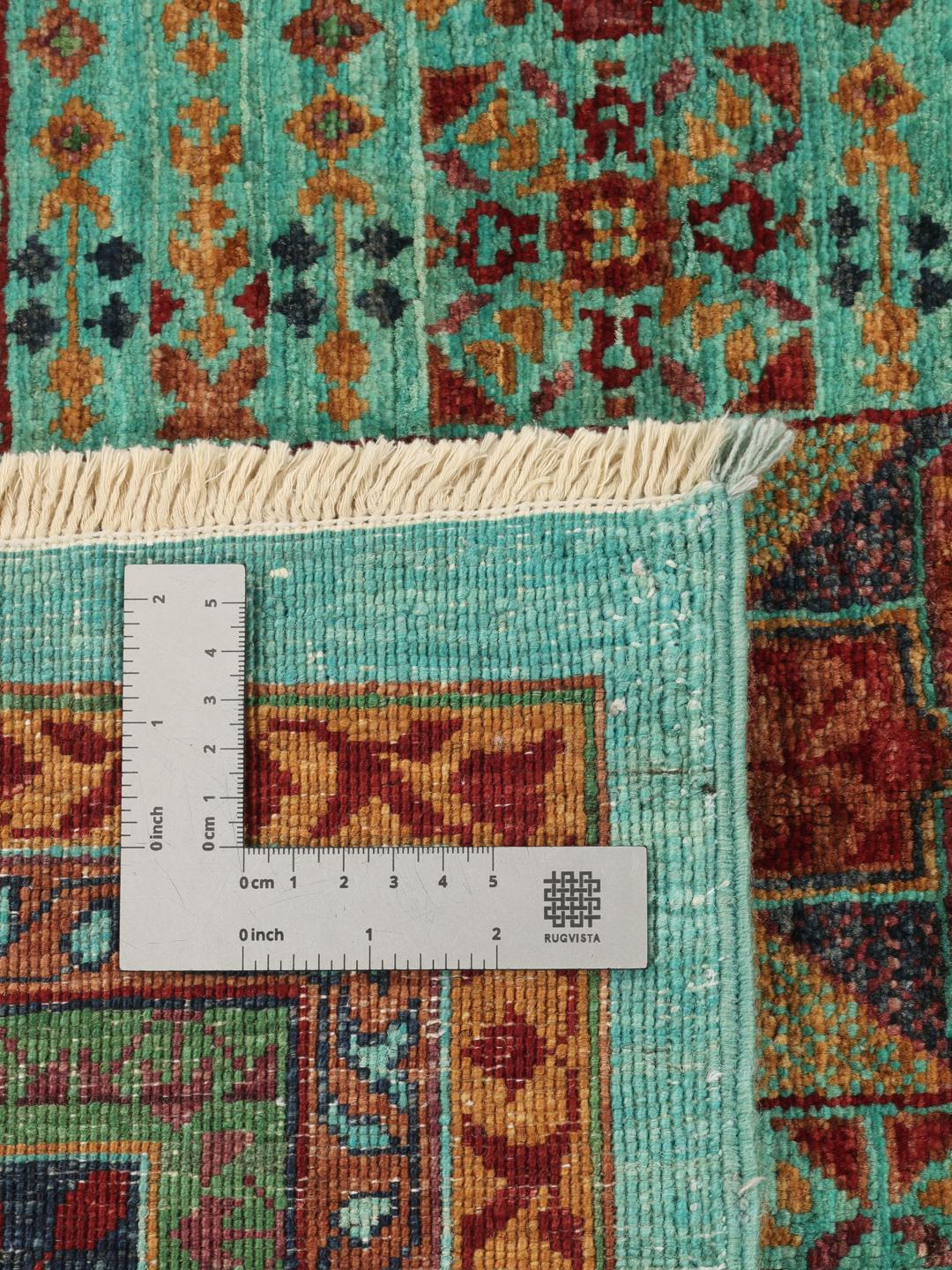
Technical mastery is at the heart of the Mamluk tradition. The construction relies on a high knot density, which is necessary to capture the delicate, angular forms and complex colour transitions that define the style. By using premium wool, weavers create a pile that is not only visually lustrous but also resilient, ensuring that the rug maintains its structure and colour depth even with years of use.
Visually, Mamluk rugs are defined by a specific colour palette that often includes deep reds, blues, and warm ochres. The patterns are rarely floral, favouring instead a rigorous, almost architectural geometry that feels balanced and orderly. This rug features the signature medallion and repeating border motifs that have been the hallmark of the style for centuries, providing a timeless look that bridges the gap between ancient history and modern living.
Owning a Mamluk rug is, for many, an investment in cultural heritage. Collectors value these pieces for the skill required to execute such precise geometric designs without the aid of modern technology. By bringing this rug into your home, you are continuing a long lineage of appreciation for fine craftsmanship and the preservation of a design language that has captivated admirers for generations.