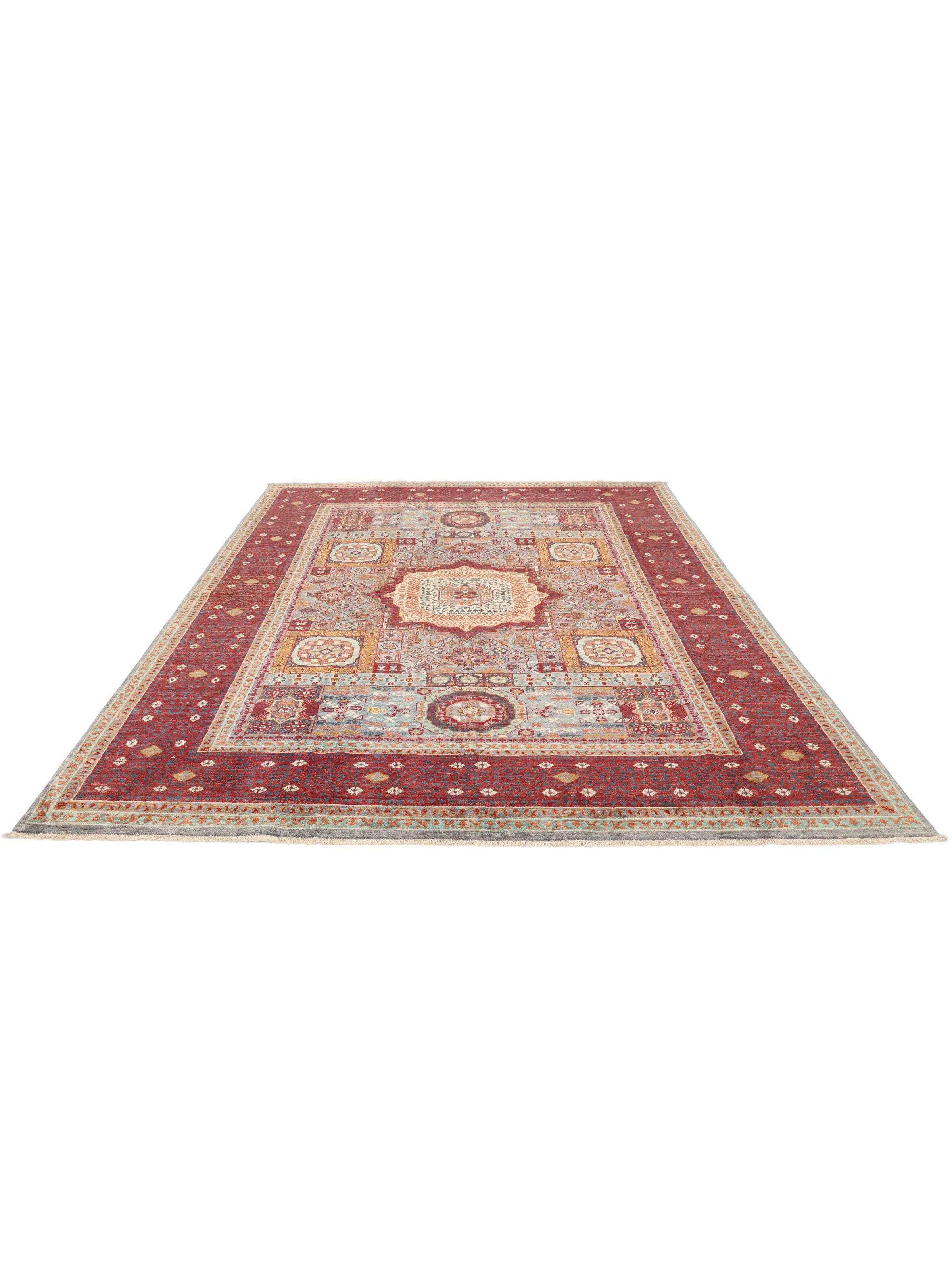
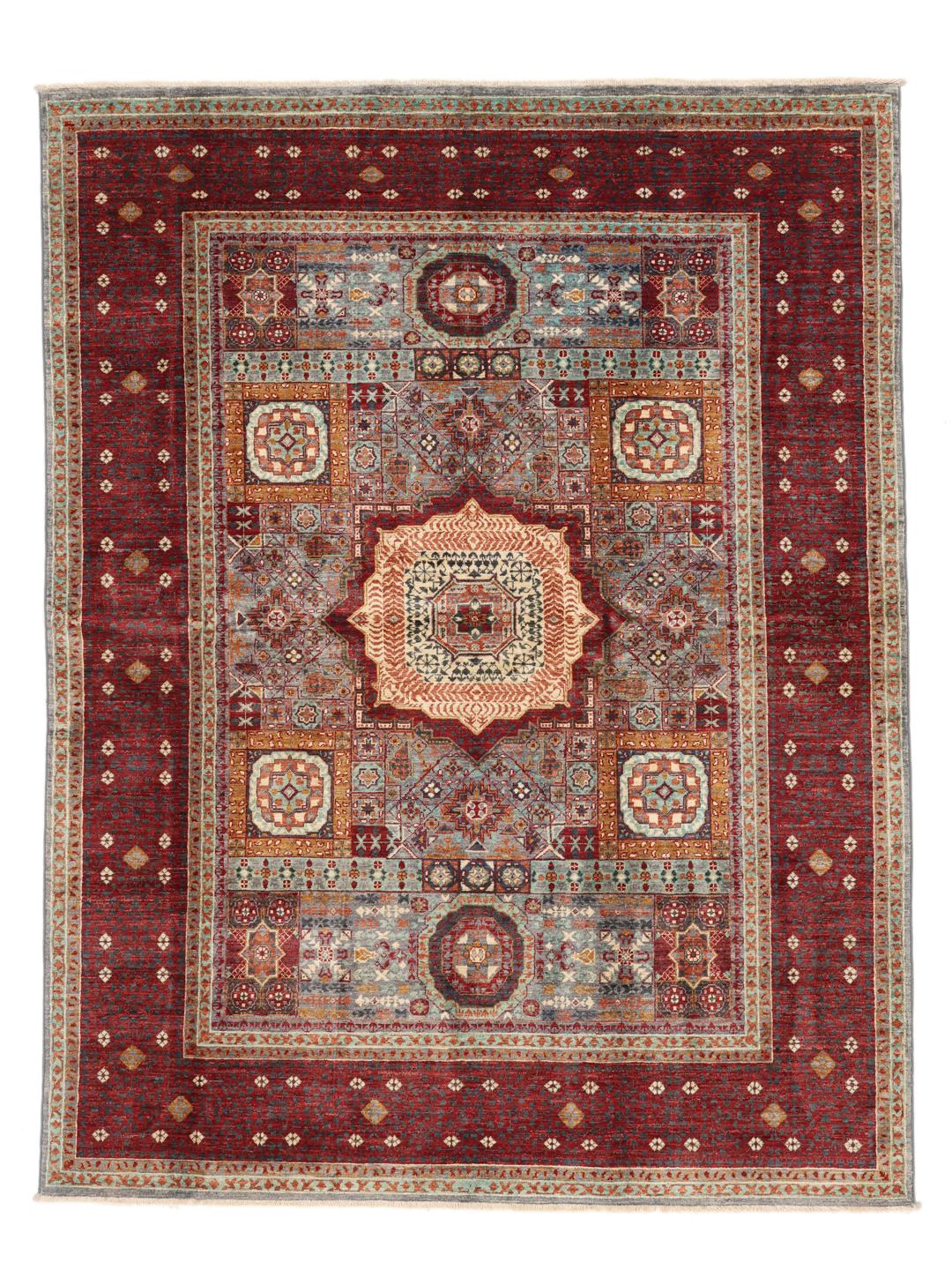
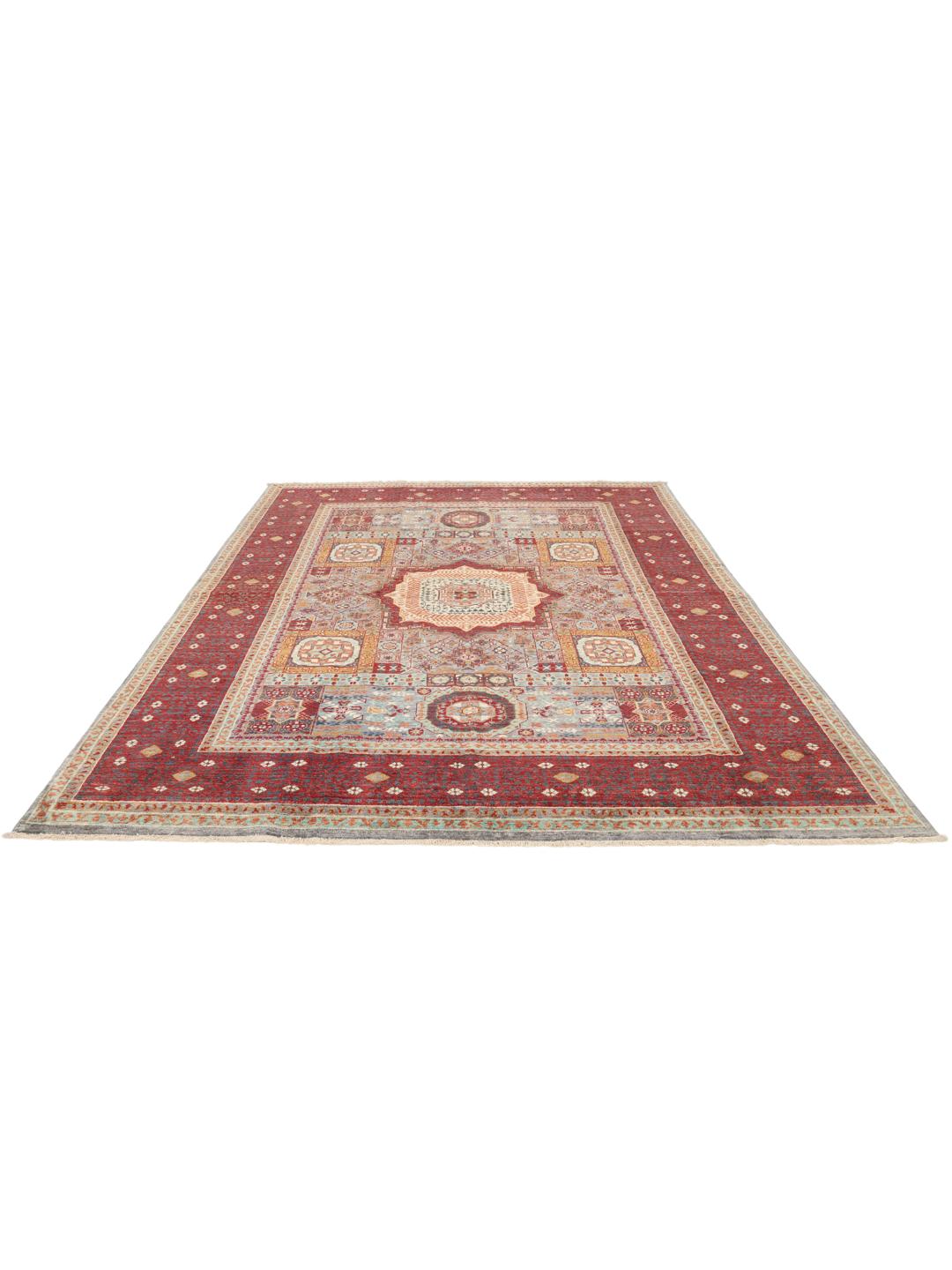
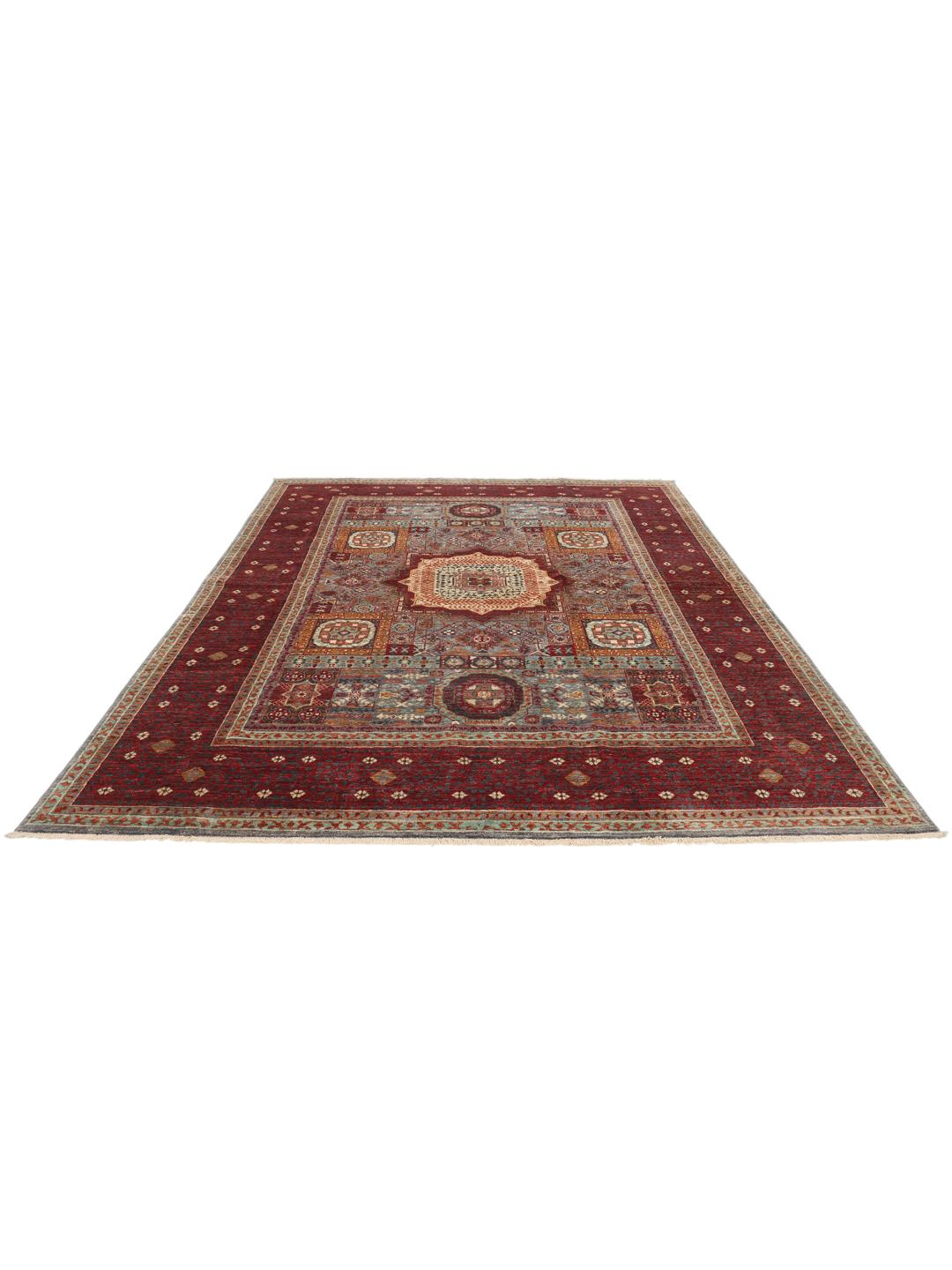
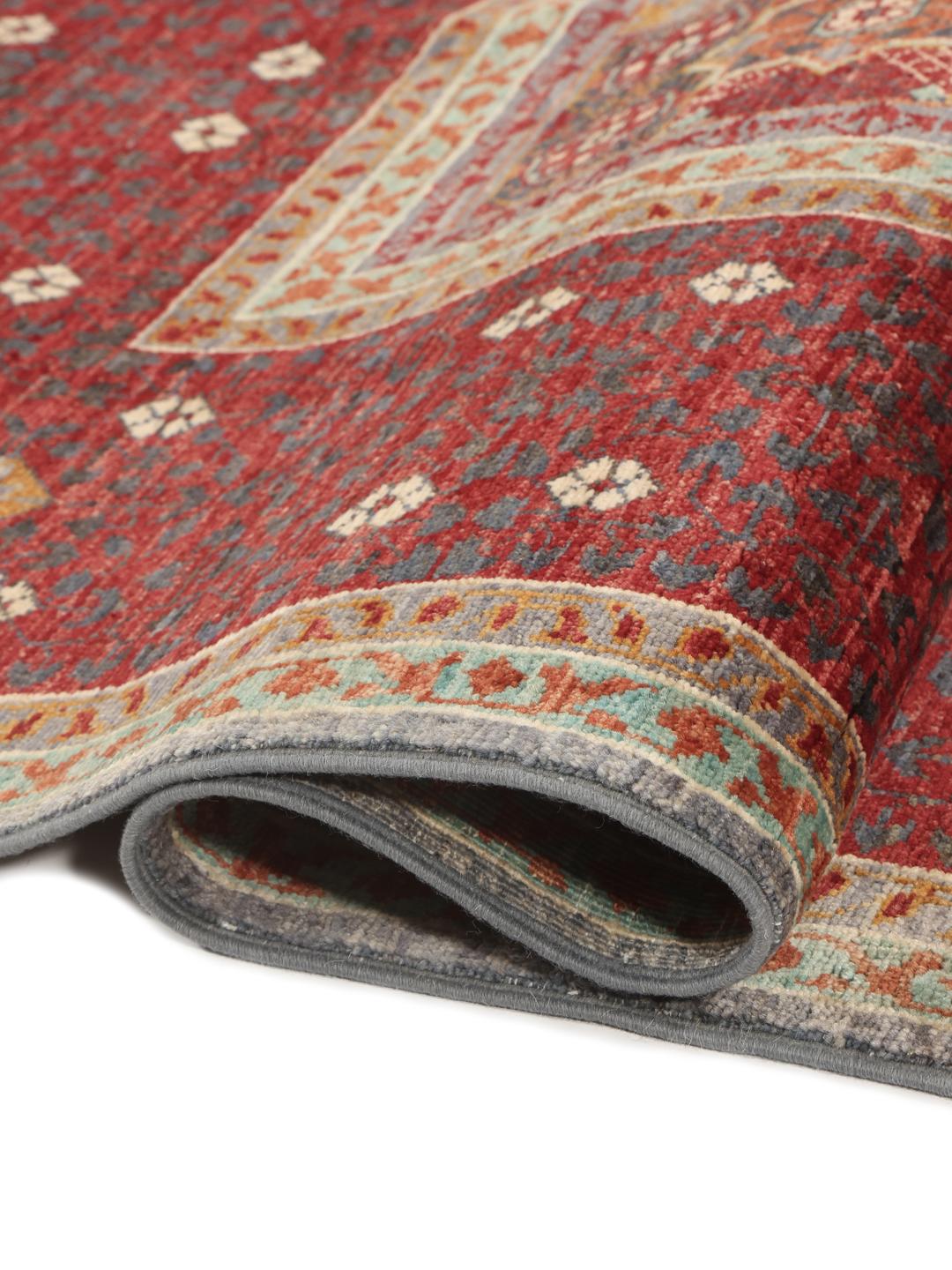
The Mamluk rug tradition finds its historical roots in the artistic legacy of the Mamluk Sultanate, which ruled Egypt and Syria between the 13th and 16th centuries. These rugs are celebrated for their highly sophisticated geometric style, which often features a large, central medallion surrounded by a complex array of smaller, interlocking motifs. Today, the tradition has found a vibrant new home in Afghanistan, where master weavers continue to interpret these historic designs using traditional methods.
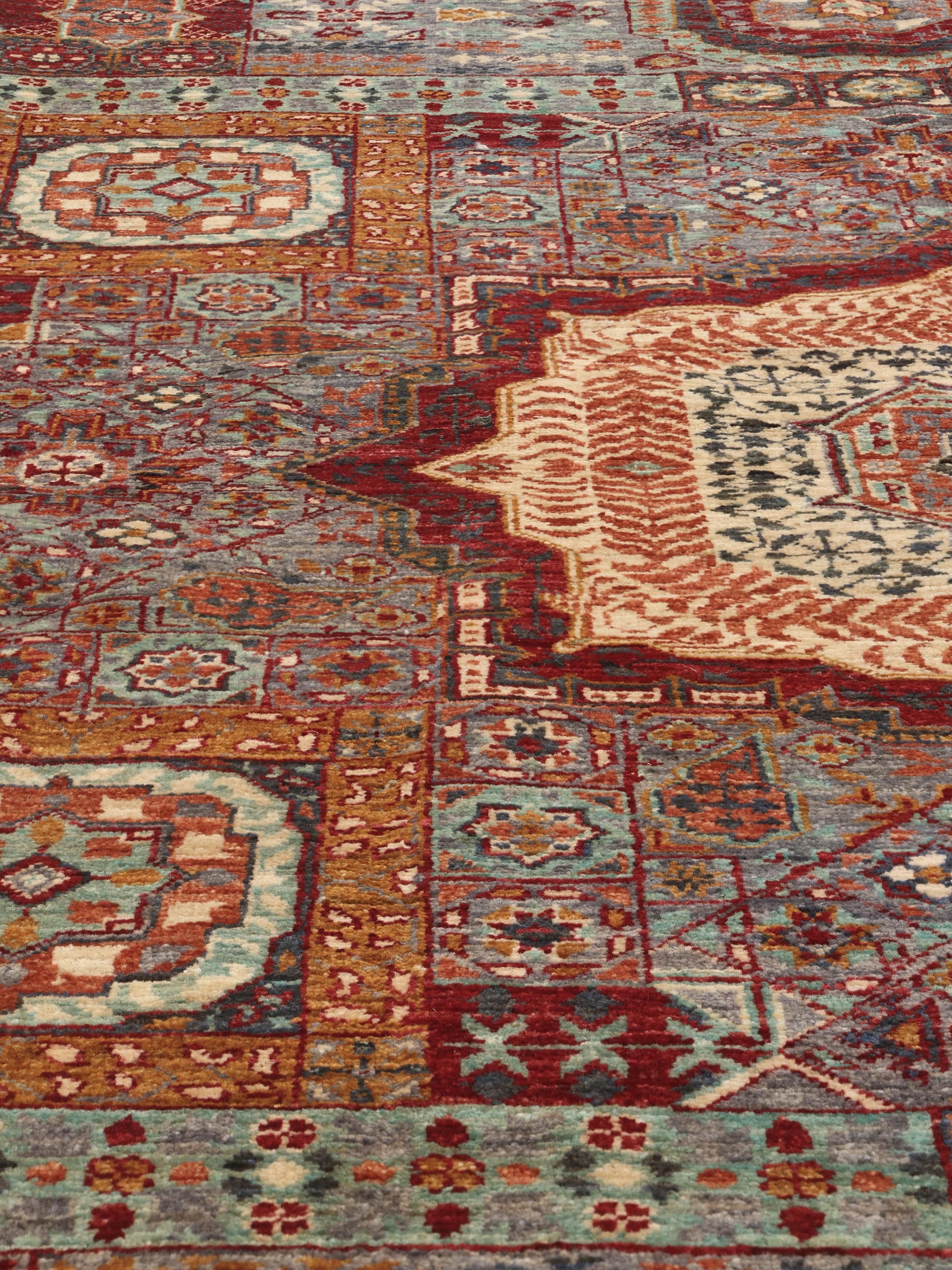
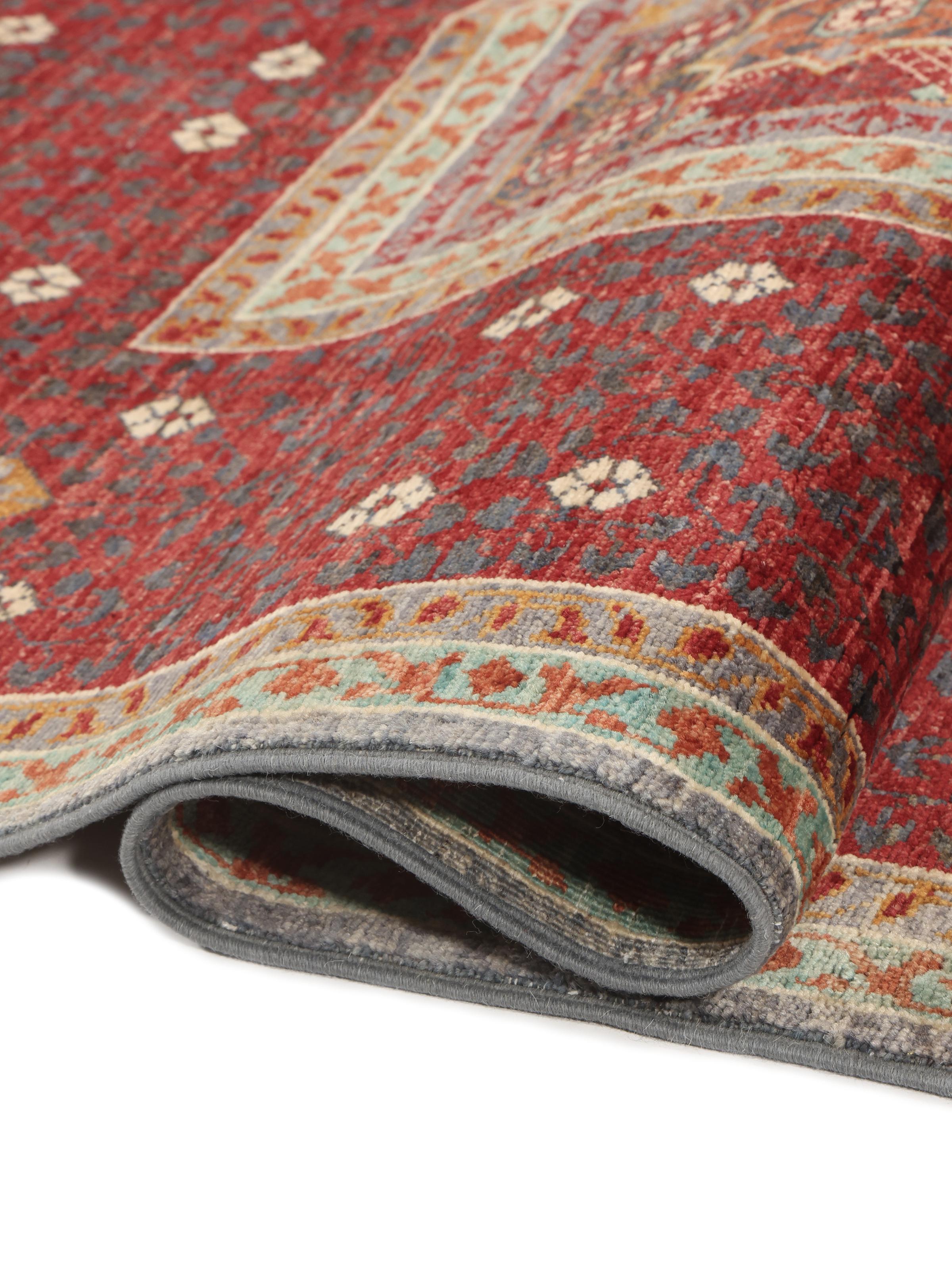
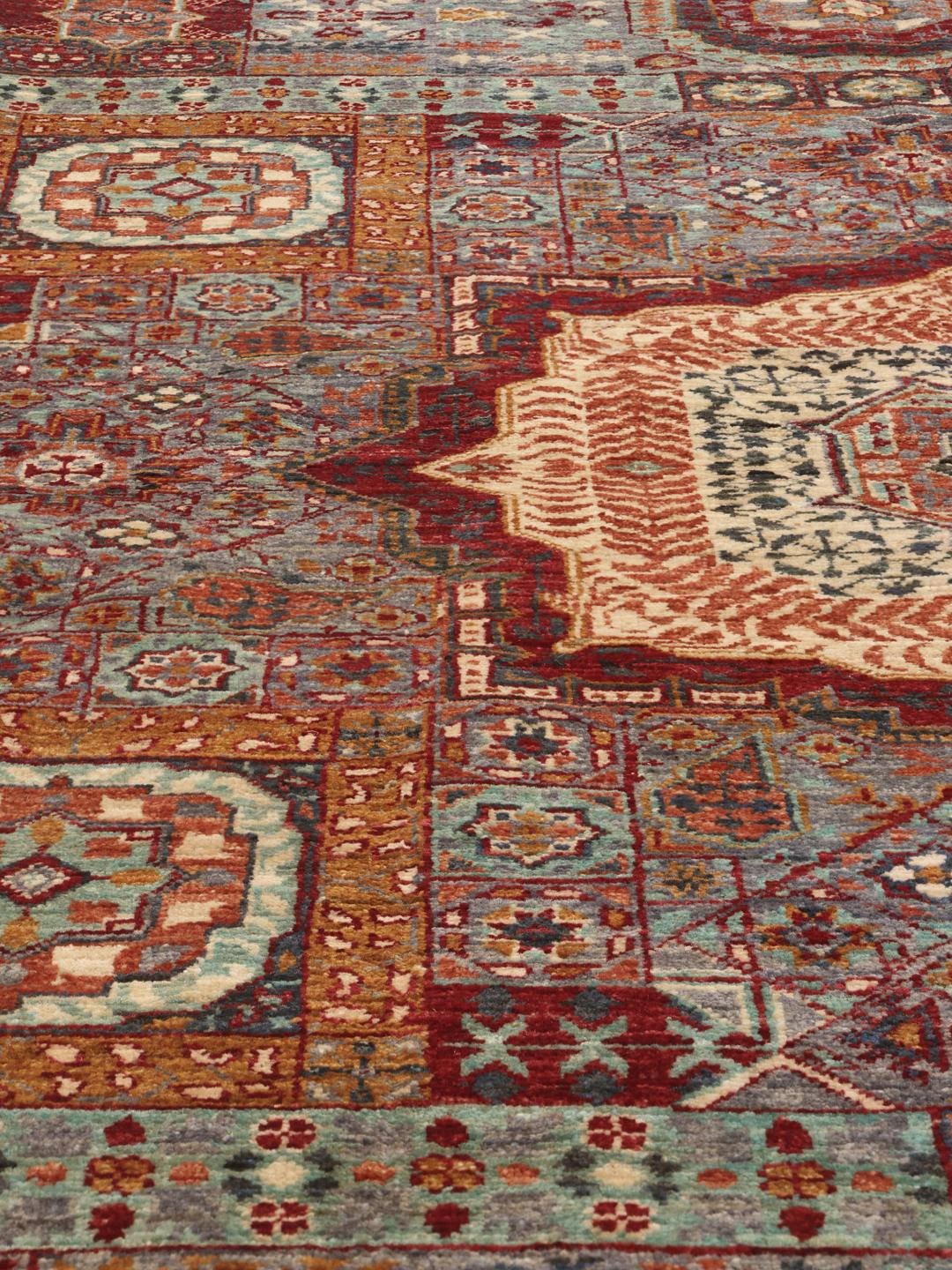
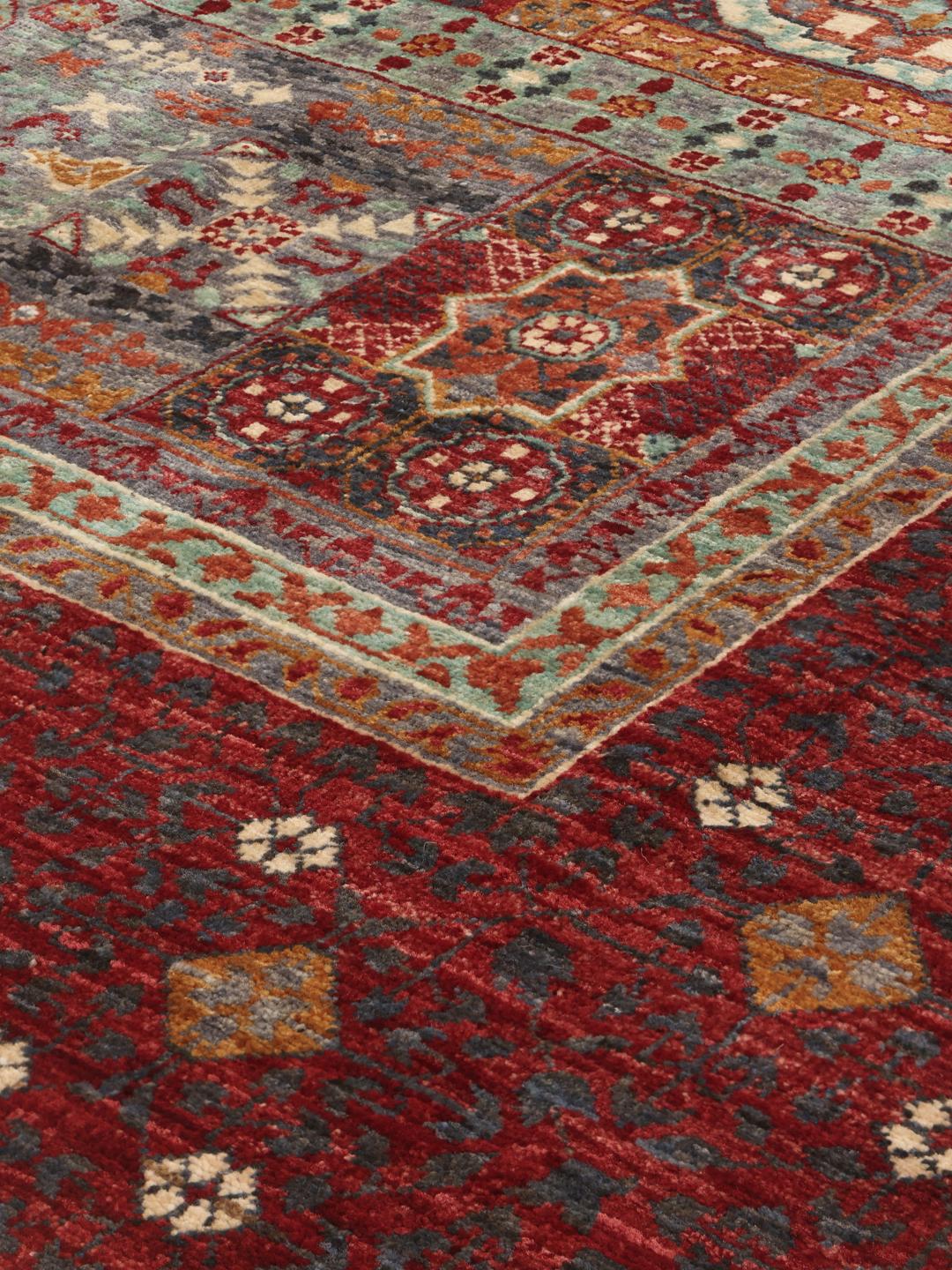
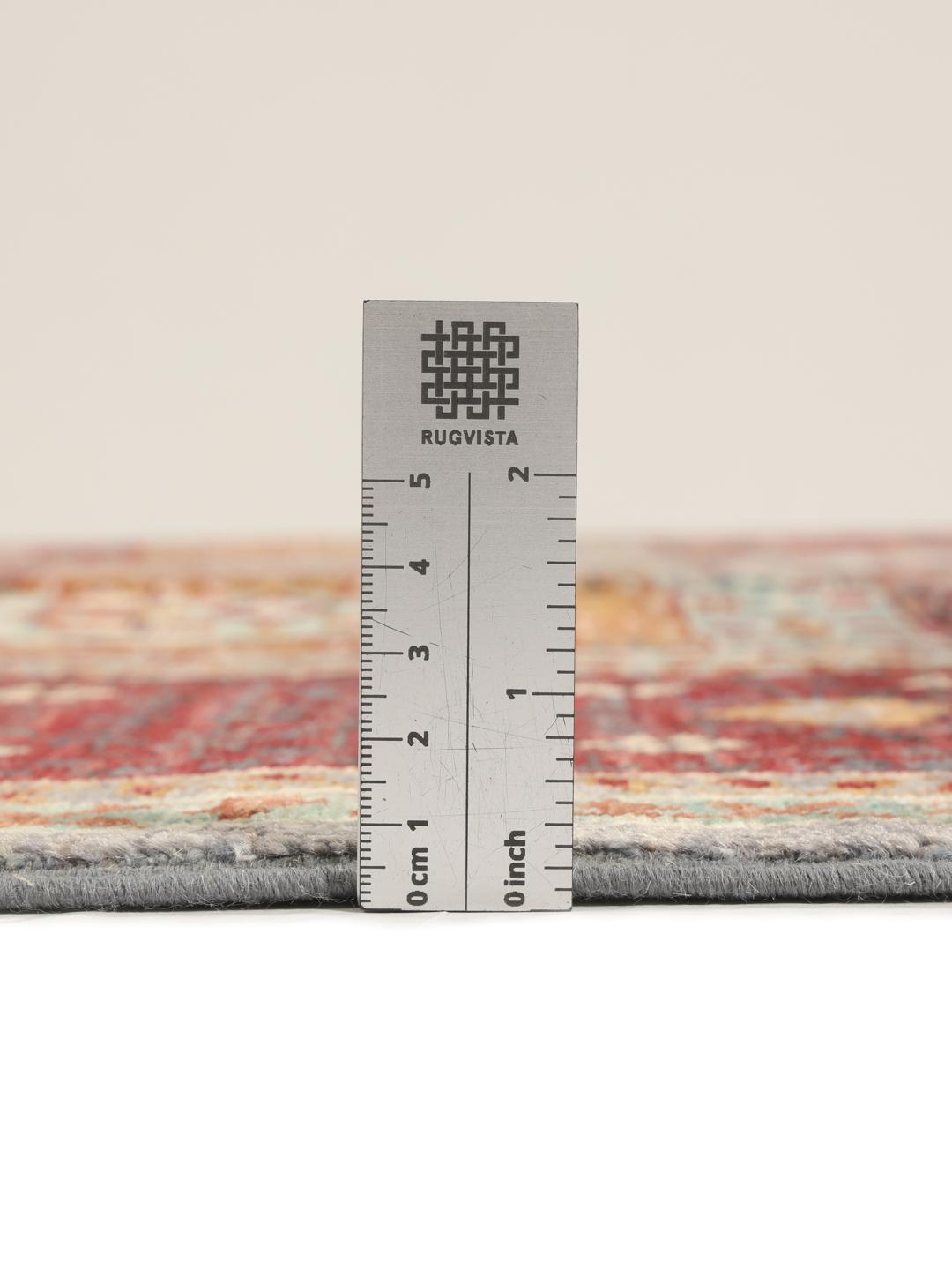
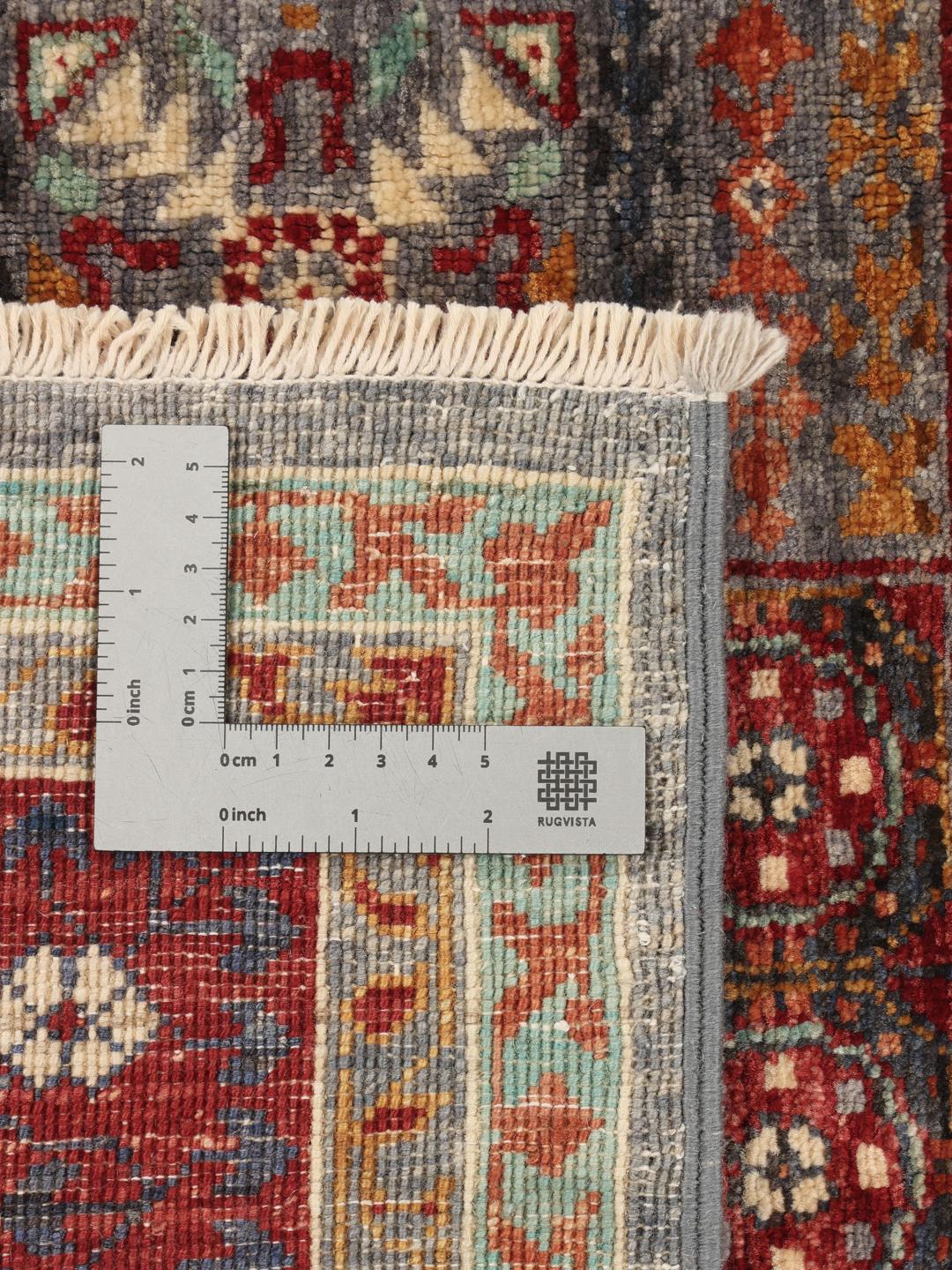
Central to the quality of a Mamluk rug is the specific way the Wool is managed during the knotting process. The pile is typically woven with a density that allows for the fluid, curved lines often found within the geometric framework of these designs. This technical proficiency is essential, as it allows the artisans to maintain the clarity of the intricate patterns while ensuring that the finished rug remains soft and resilient enough for daily life.
Visually, Mamluk rugs are defined by their use of a specific palette and a distinct approach to composition. They often feature a 'gul' or medallion-centric layout, with the field filled by stars, diamonds, and other geometric shapes that create a sense of infinite movement. This particular rug honours those traditions while showcasing the unique colour sensibilities of the Afghan weaving community, resulting in a piece that feels both historically grounded and fresh.
Collecting a Mamluk rug is an investment in cultural continuity. These pieces are valued not only for their striking aesthetic but also for the immense skill required to execute such precise, repetitive patterns by hand. By bringing a piece of this lineage into your home, you are participating in a long tradition of craft that prizes patience, detail, and the enduring beauty of hand-wrought textiles.