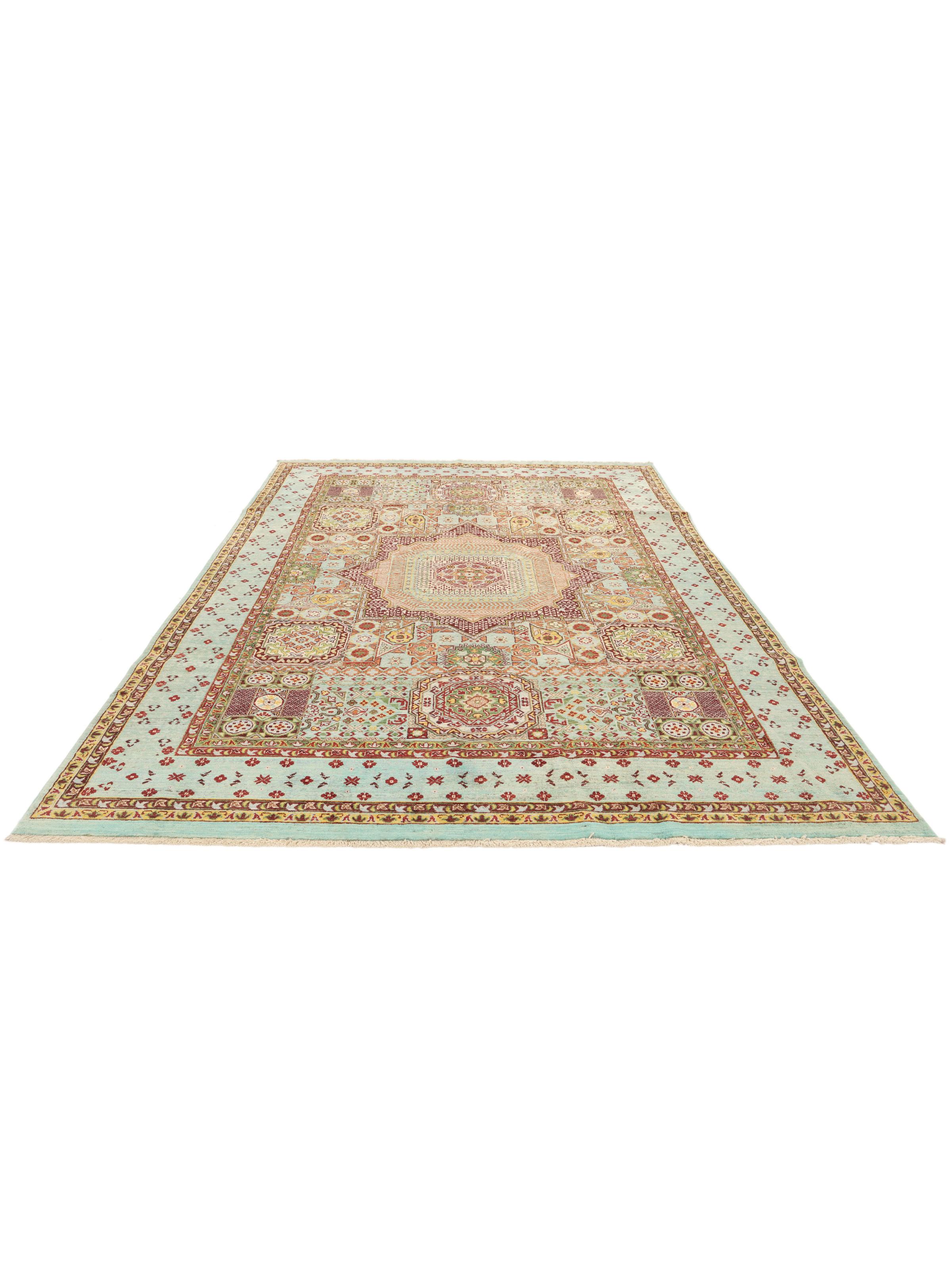
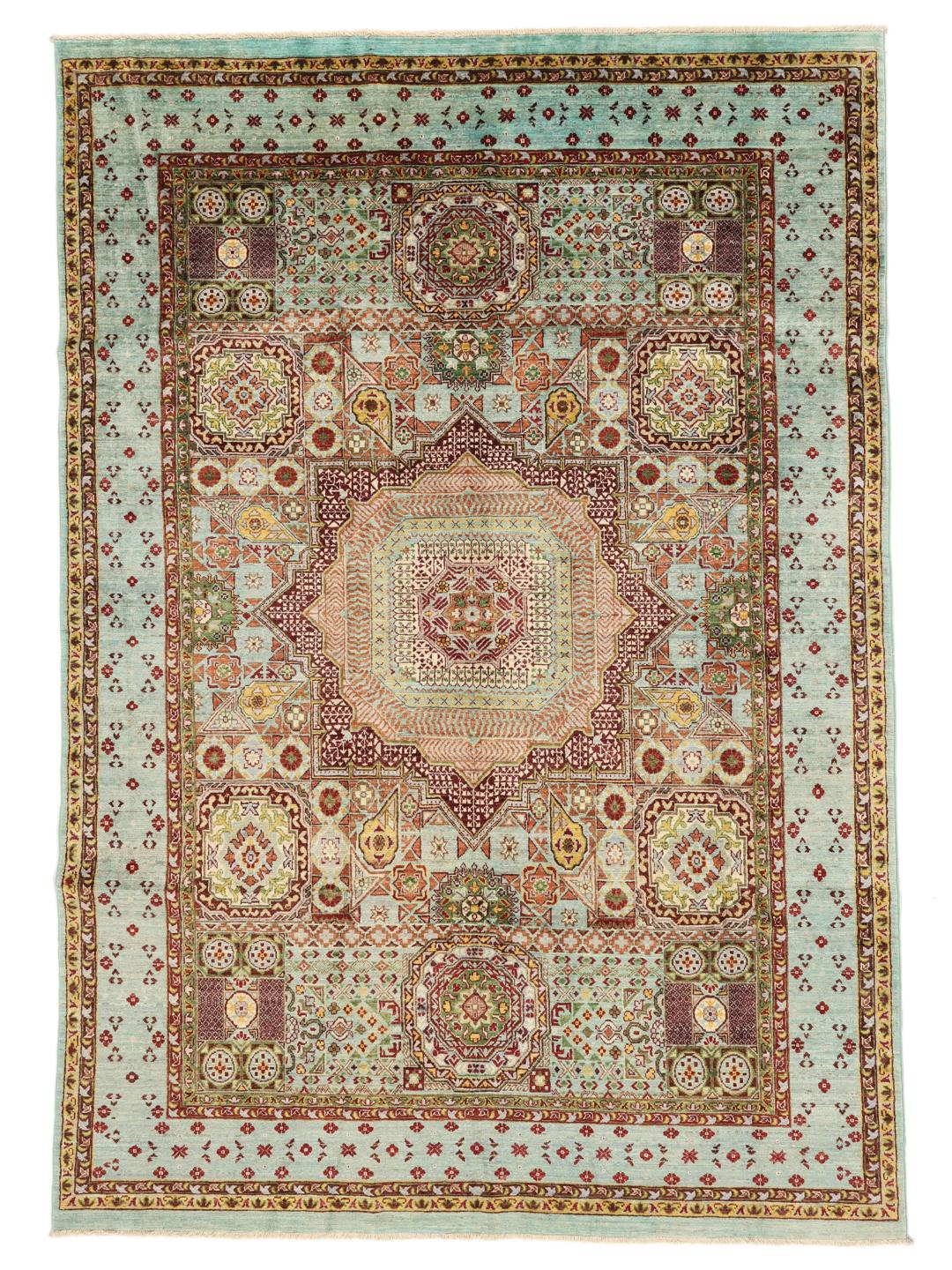
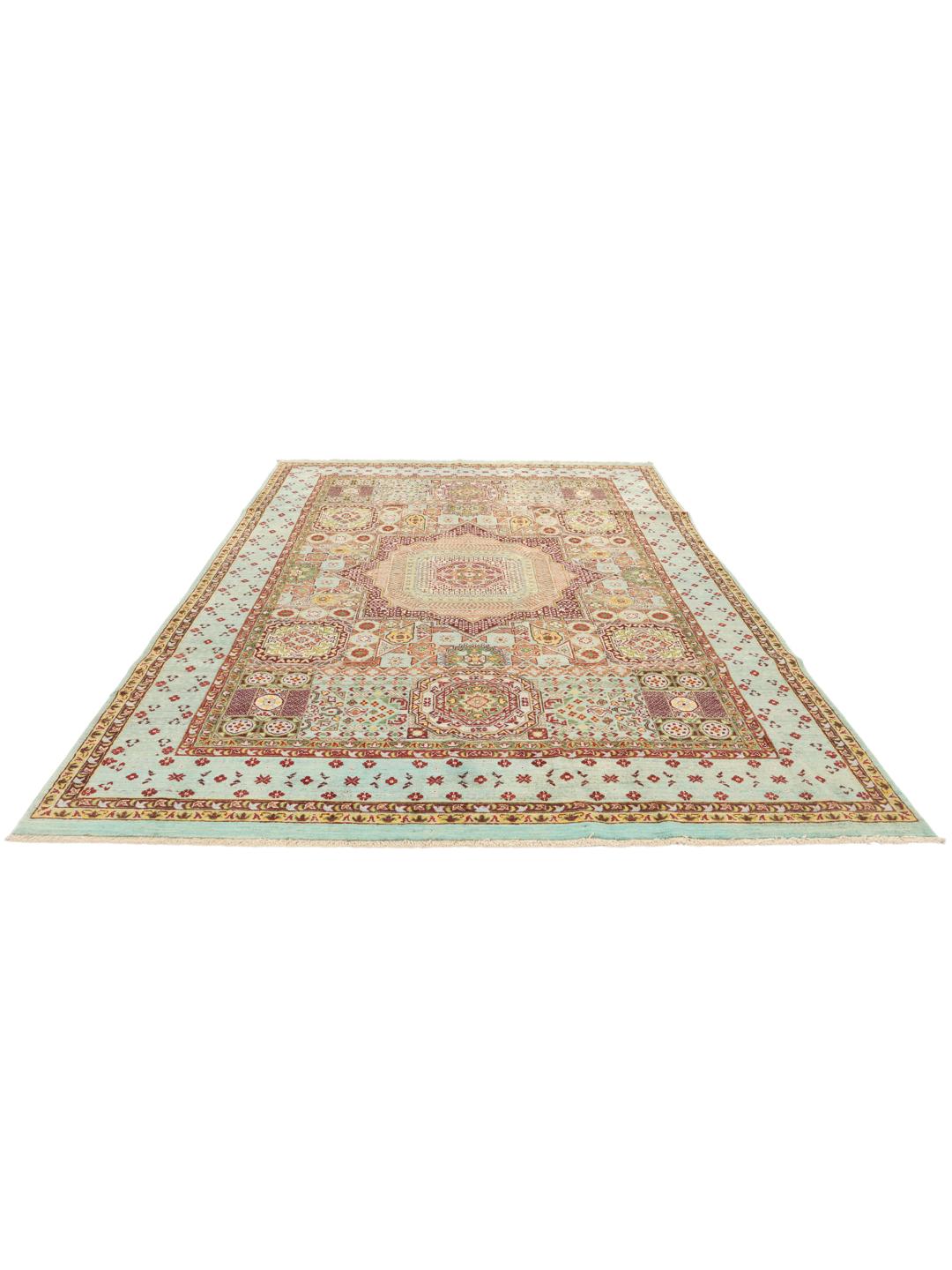
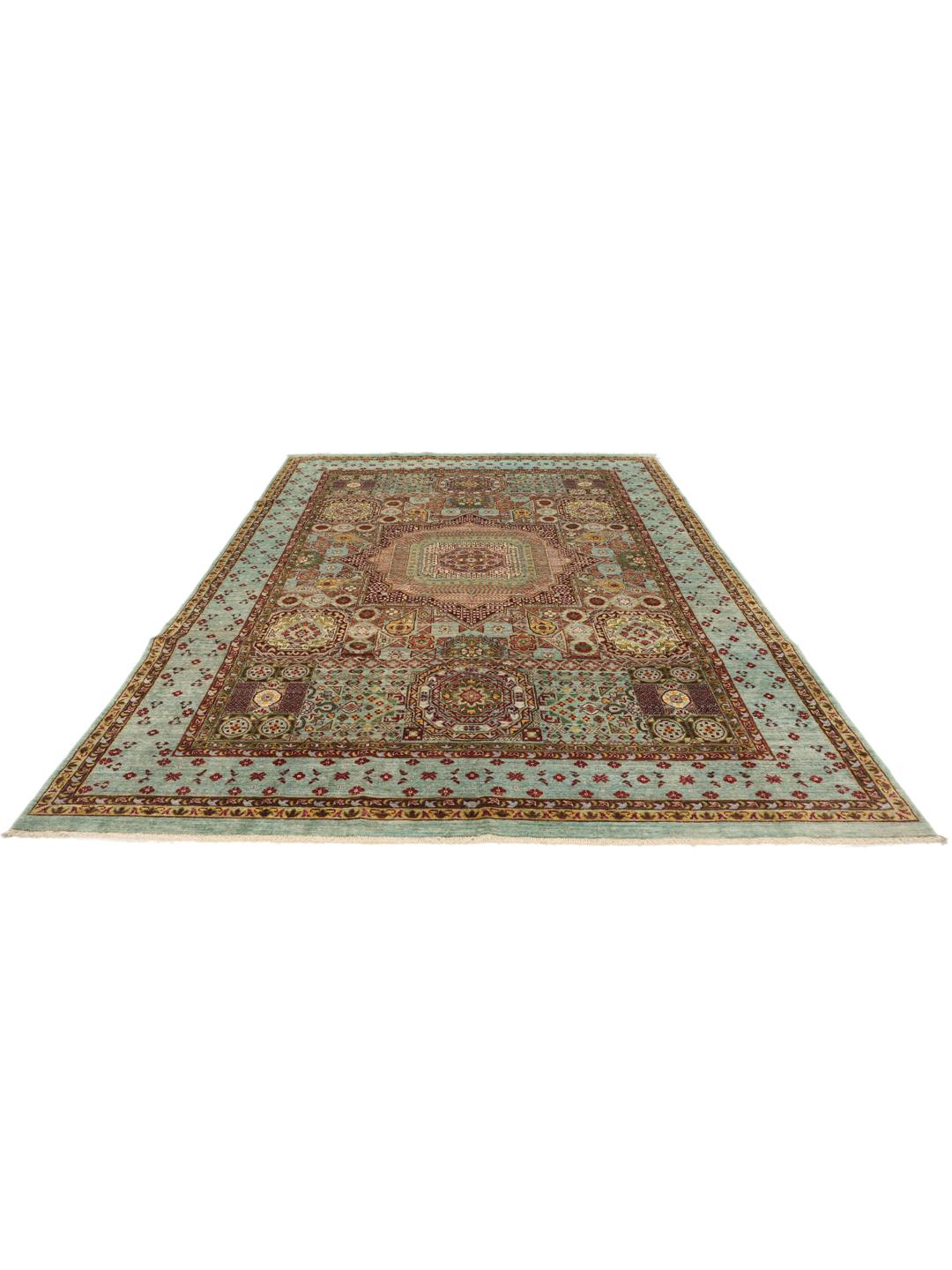
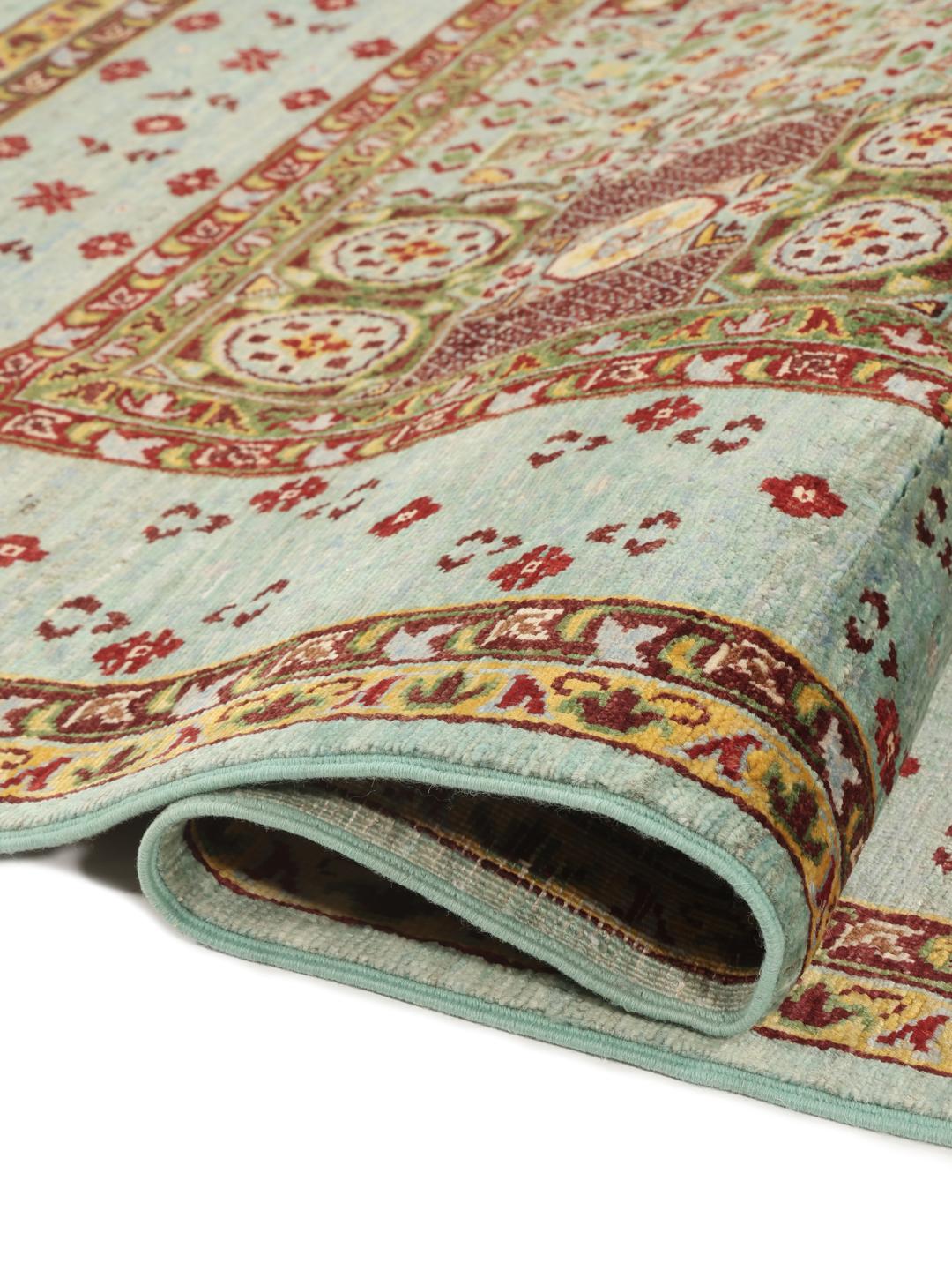
Mamluk rugs take their name from the Mamluk Sultanate, which ruled over Egypt and the Levant from the 13th to the 16th centuries. These rugs are celebrated for their sophisticated, large-scale geometric designs, often characterised by a prominent central medallion and a rich, saturated colour palette. While the original antique examples were woven in Cairo, the tradition has been kept alive and evolved in Afghanistan, where weavers have mastered the complex techniques required to reproduce these historic patterns with modern sensibilities.
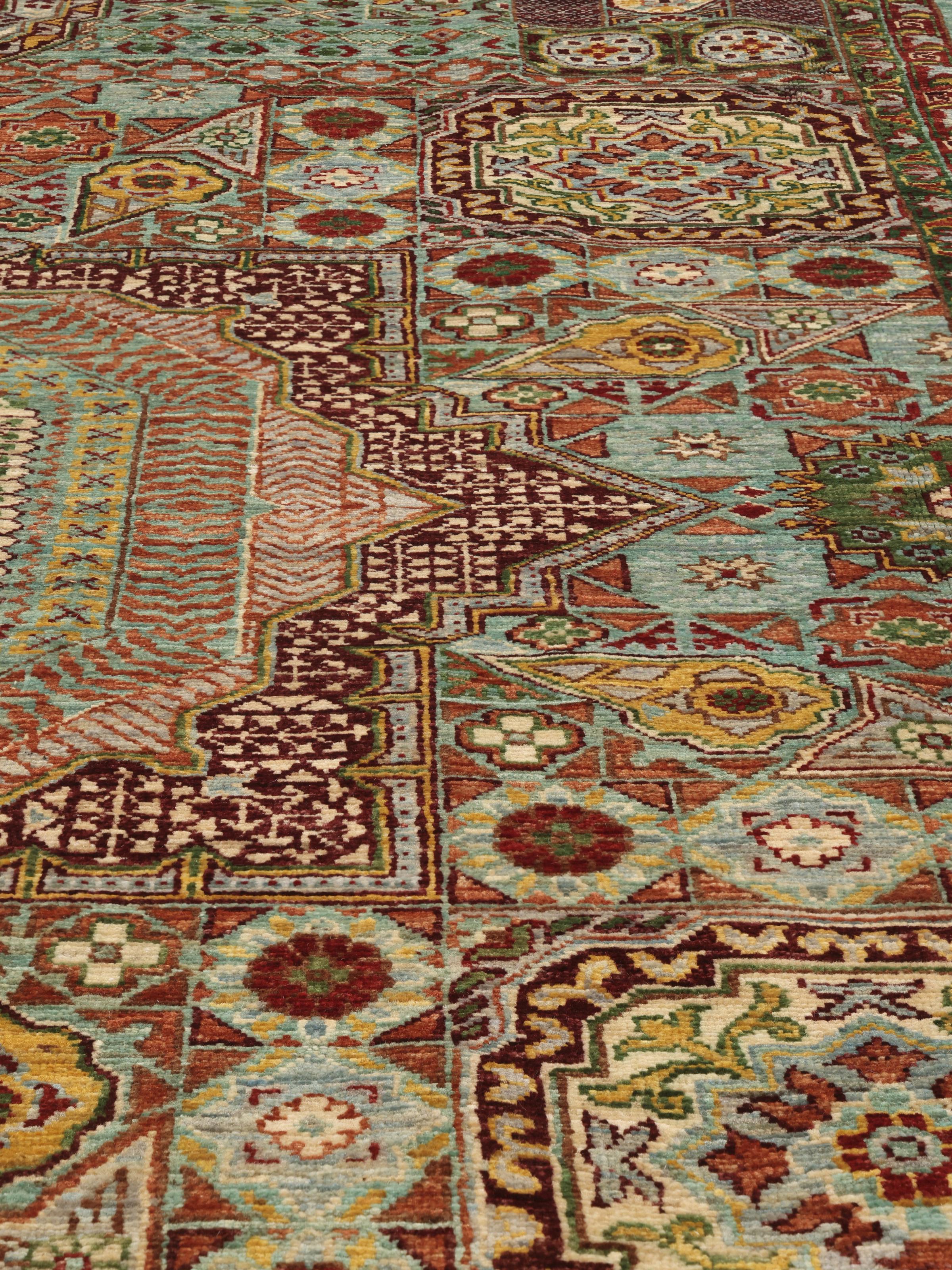
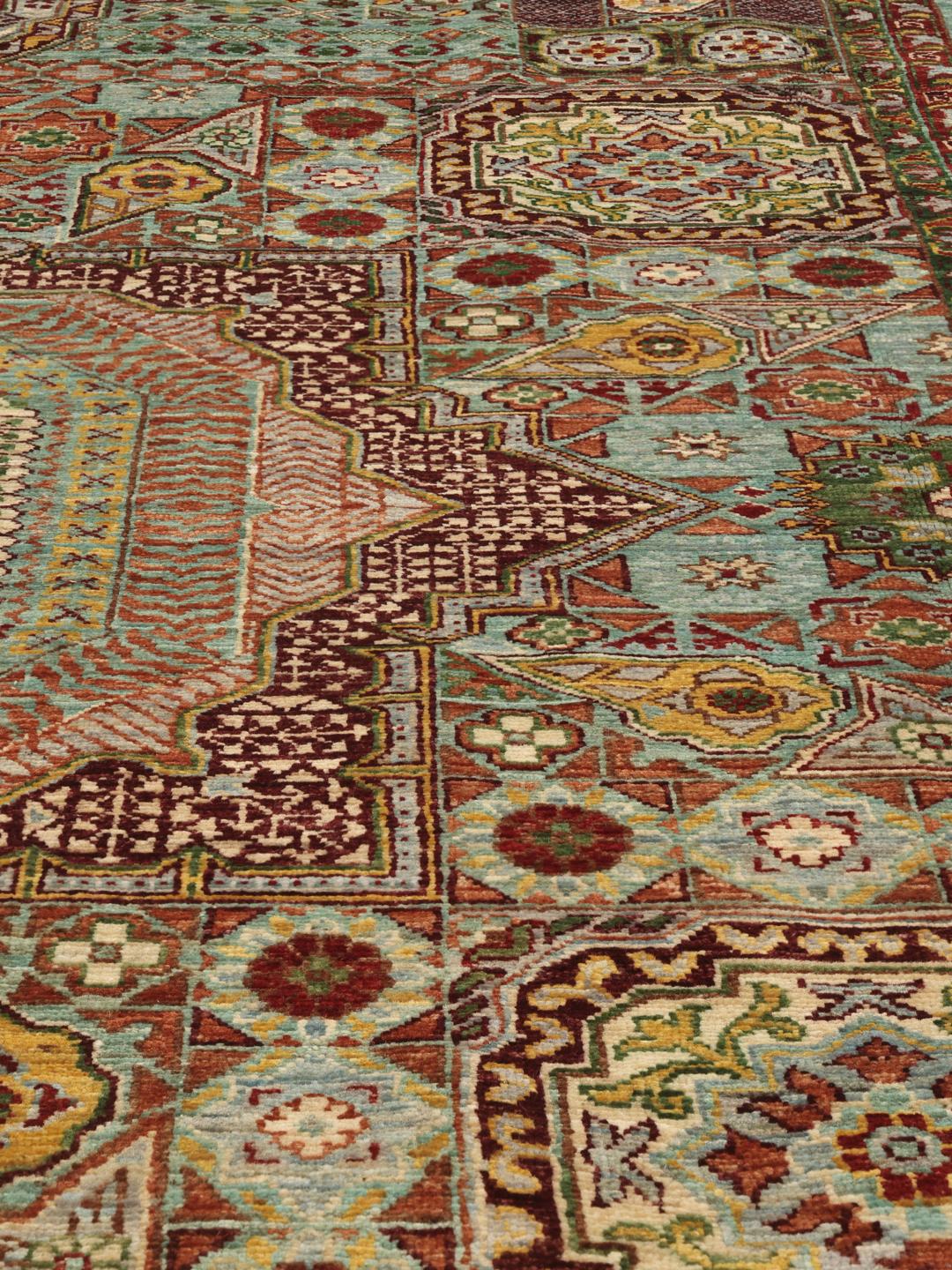
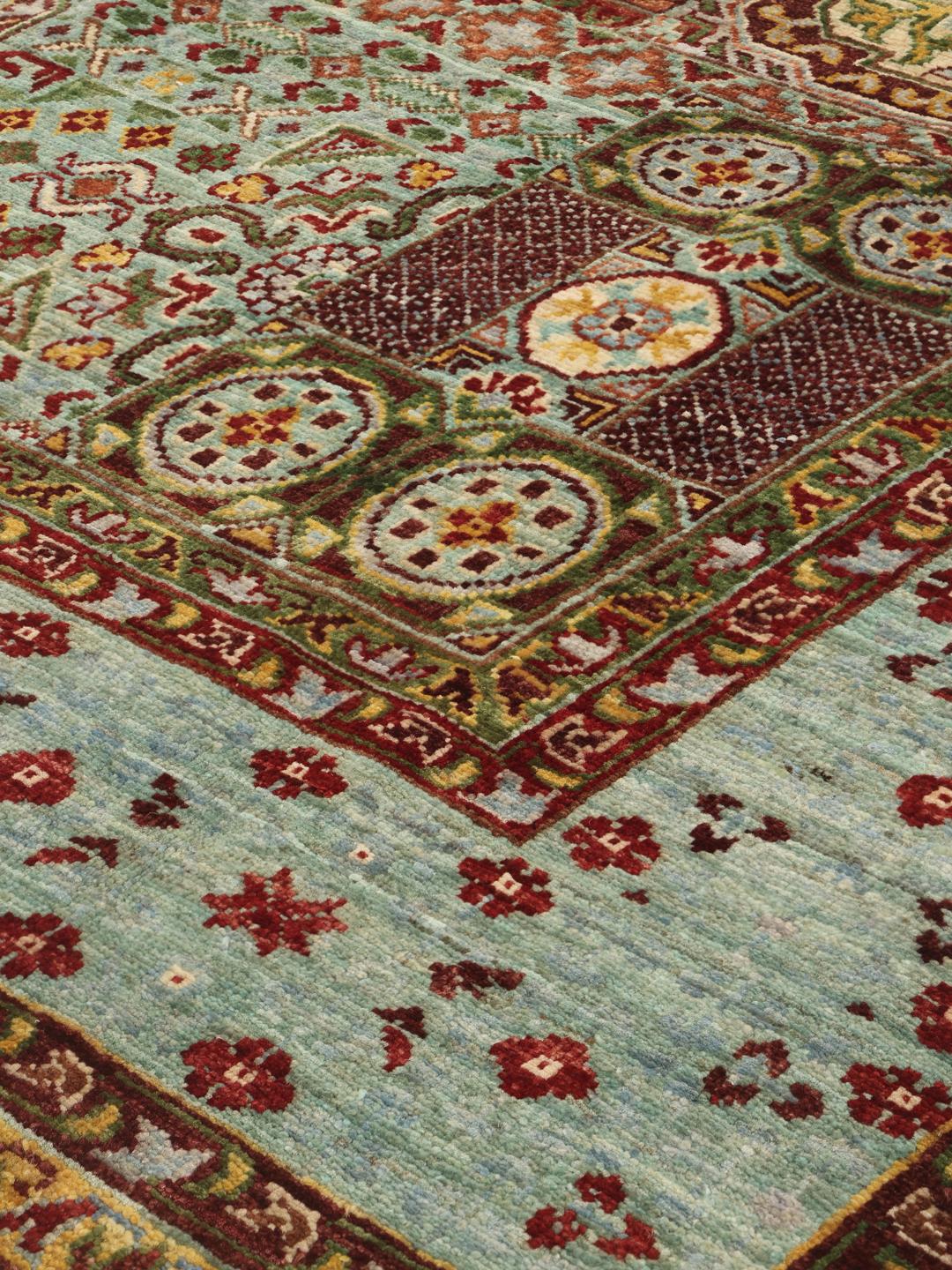
The term Mamluk refers to a specific design language that emphasises mathematical precision and symmetry. These rugs are highly sought after for their ability to bridge the gap between historic artistic expression and interior decor. The motifs, often including octagons, stars, and interlocking geometric shapes, are arranged to create a sense of infinite expansion, drawing the eye across the entire field and creating a captivating visual experience.
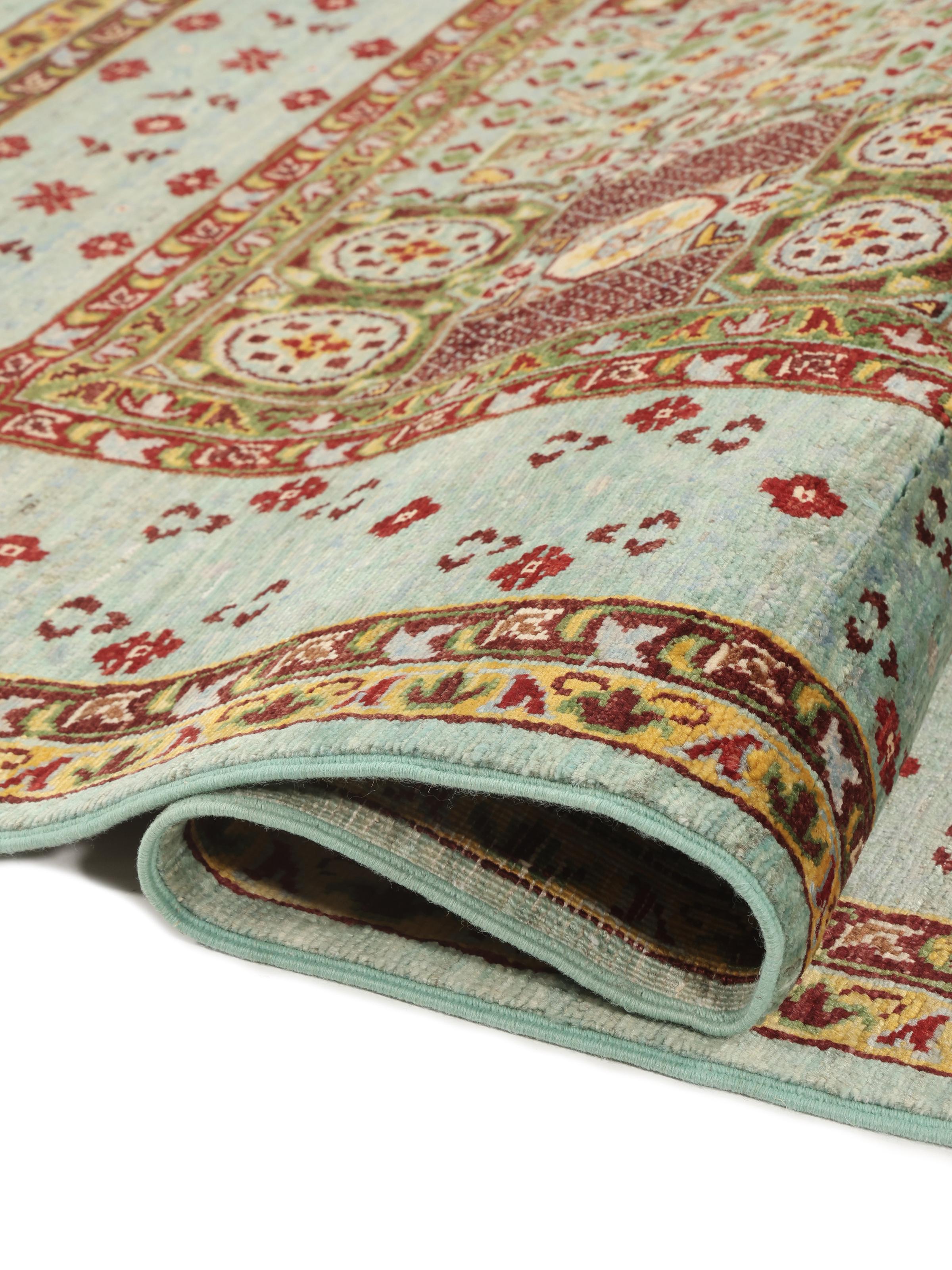
Signature design elements of the Mamluk style include a distinct focus on architectural motifs and complex borders that frame the central field. The colour palette often features deep reds, blues, and warm earth tones, which were historically derived from natural dyes. In this piece, the light-blue field serves as a beautiful backdrop for the more traditional, saturated tones of the patterns, showcasing a refined approach to the classic Mamluk aesthetic.
Owning a Mamluk-style rug is an act of preserving a rich cultural heritage. These pieces are more than just floor coverings; they are historical narratives woven in wool. Collectors value them for their complexity and the high level of skill required to execute such intricate patterns. By bringing a Mamluk rug into your home, you are connecting with a centuries-old tradition of artistic achievement and supporting the continuation of this remarkable craft.