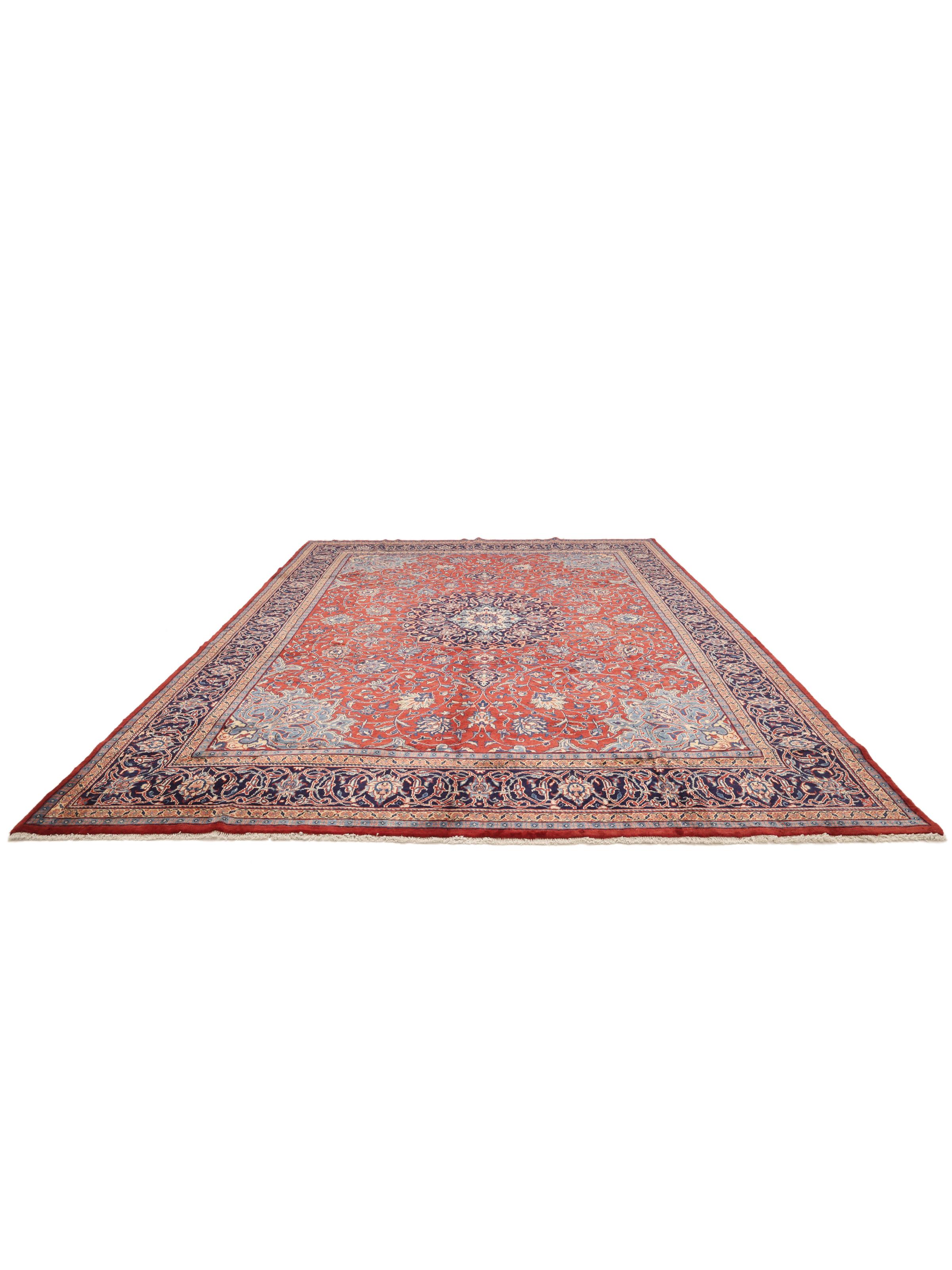
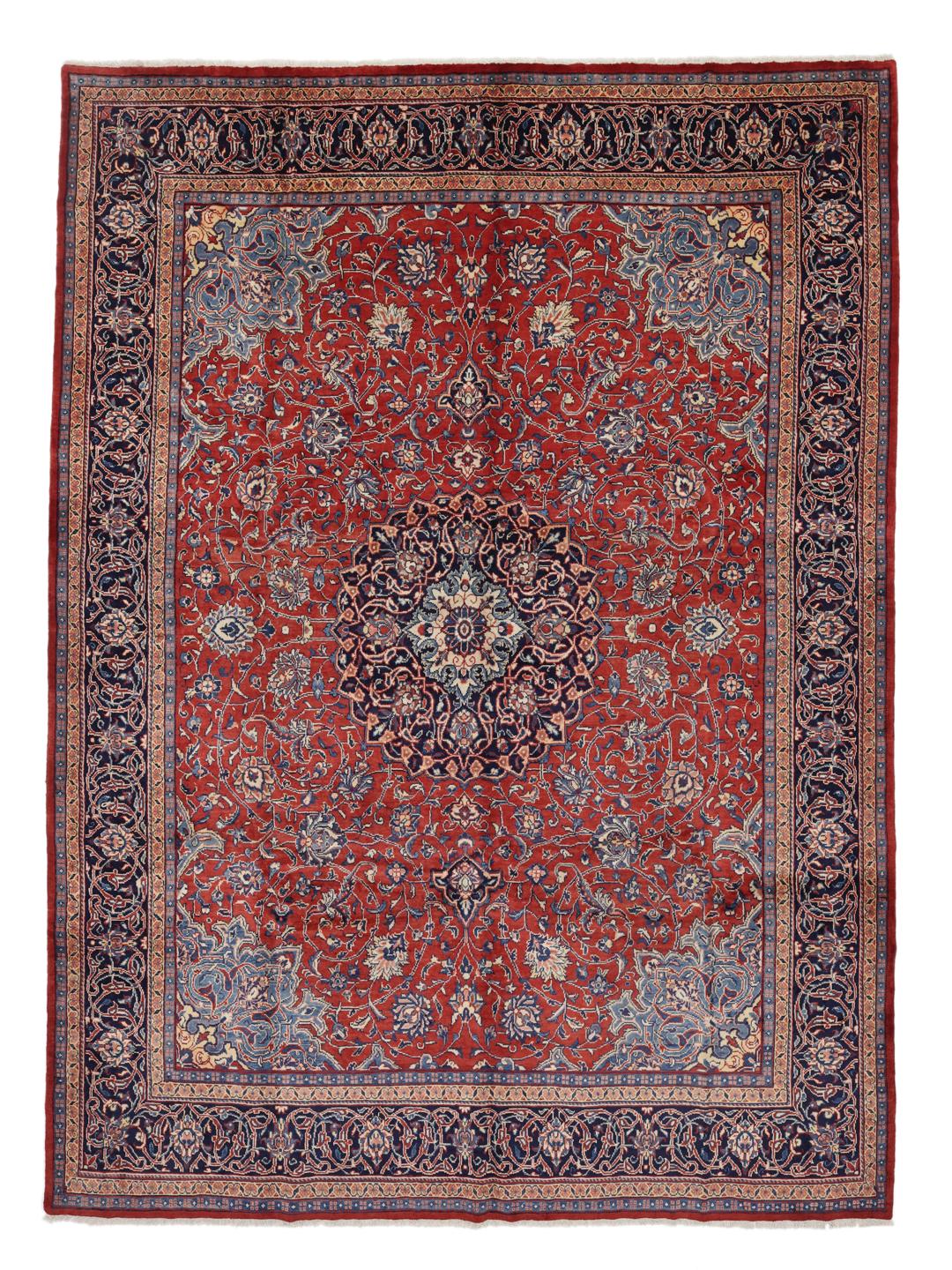
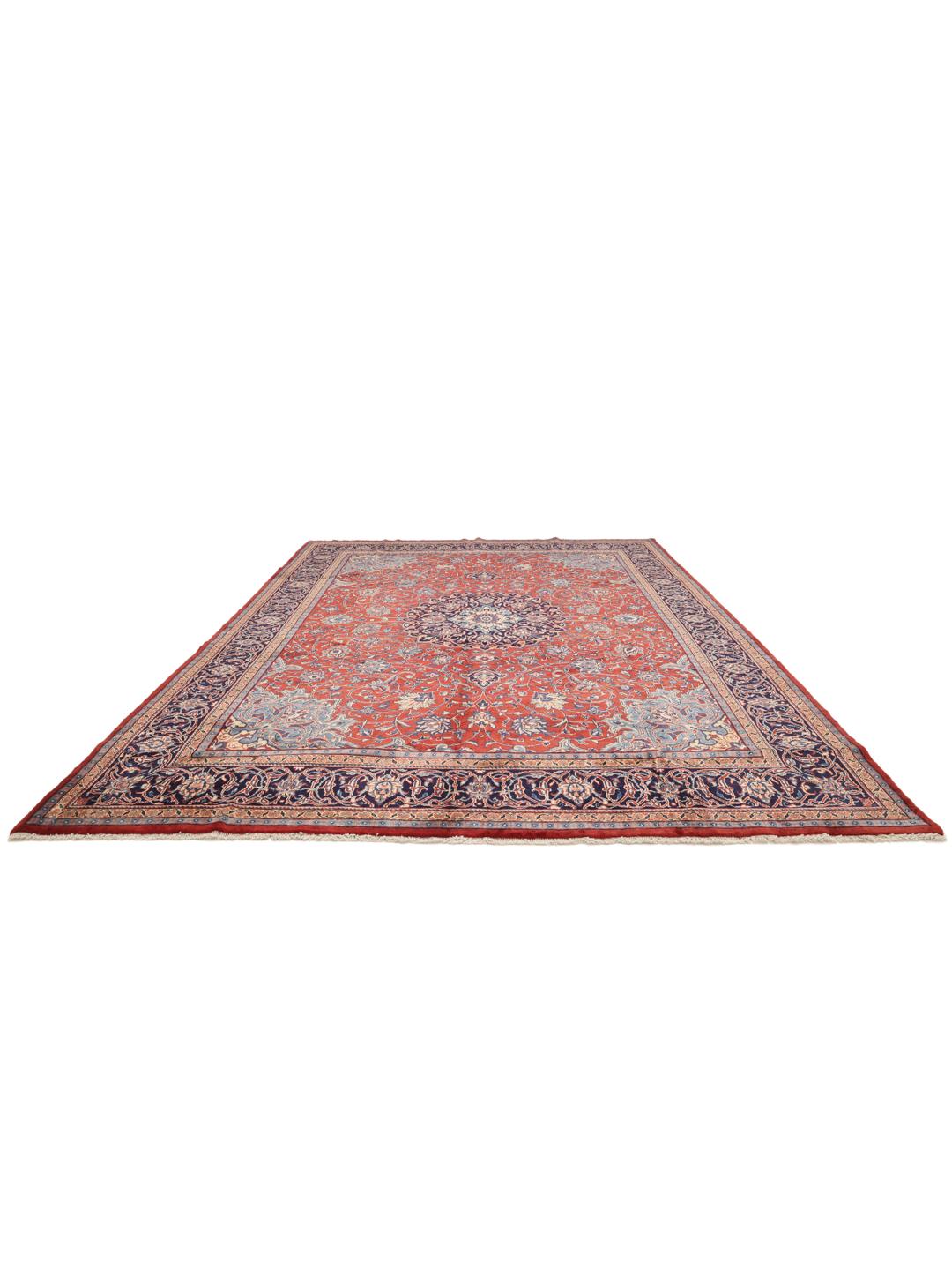
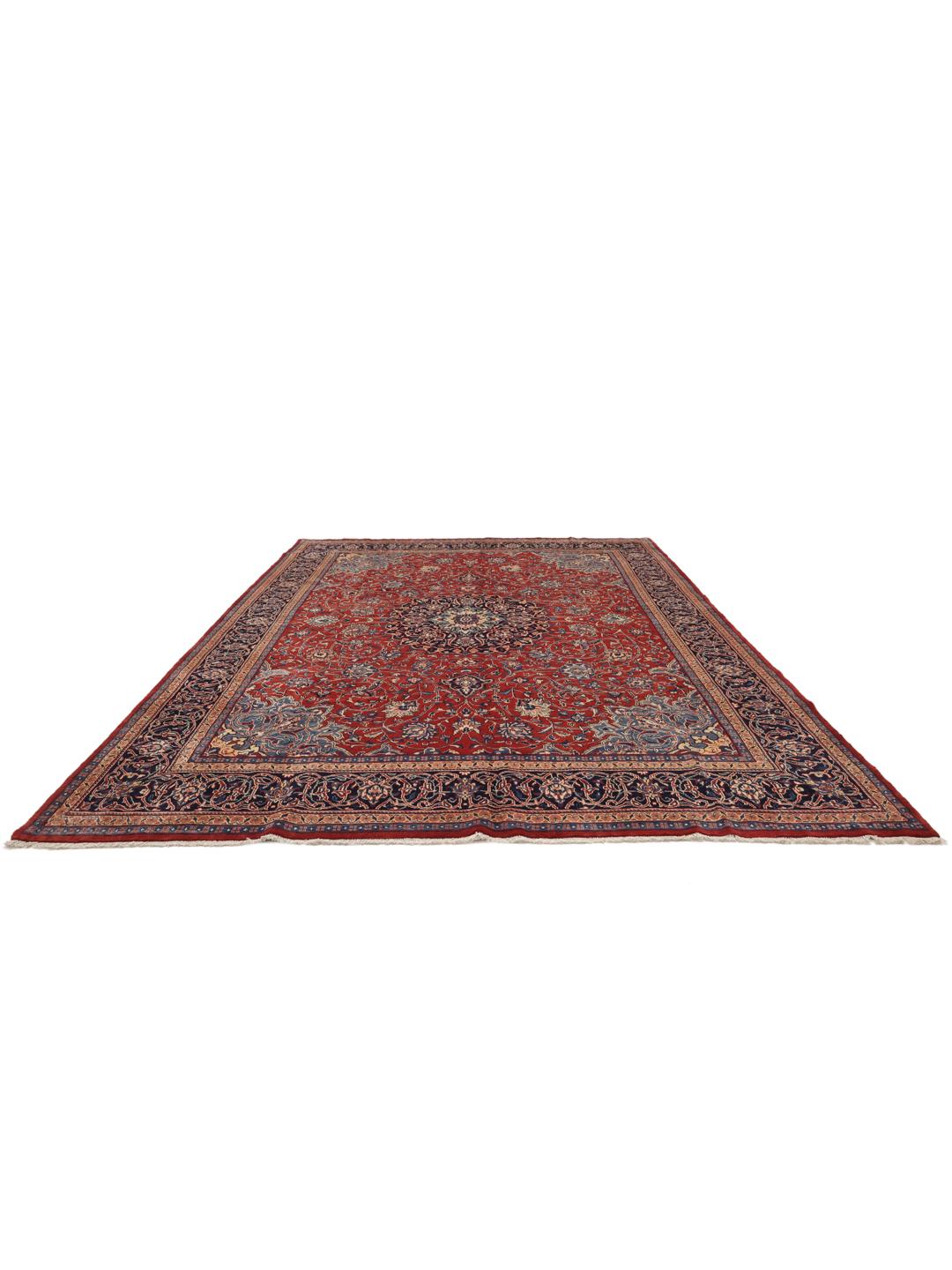
Mahal rugs are celebrated for their significant place in the history of Middle Eastern weaving. Historically produced in the village of Mahal and its surrounding areas, these rugs are known for their distinctive, often oversized floral patterns and a relaxed, artistic approach to traditional design. They represent a bridge between the highly formal, court-style weaving of urban centres and the more expressive, free-flowing designs found in village traditions.
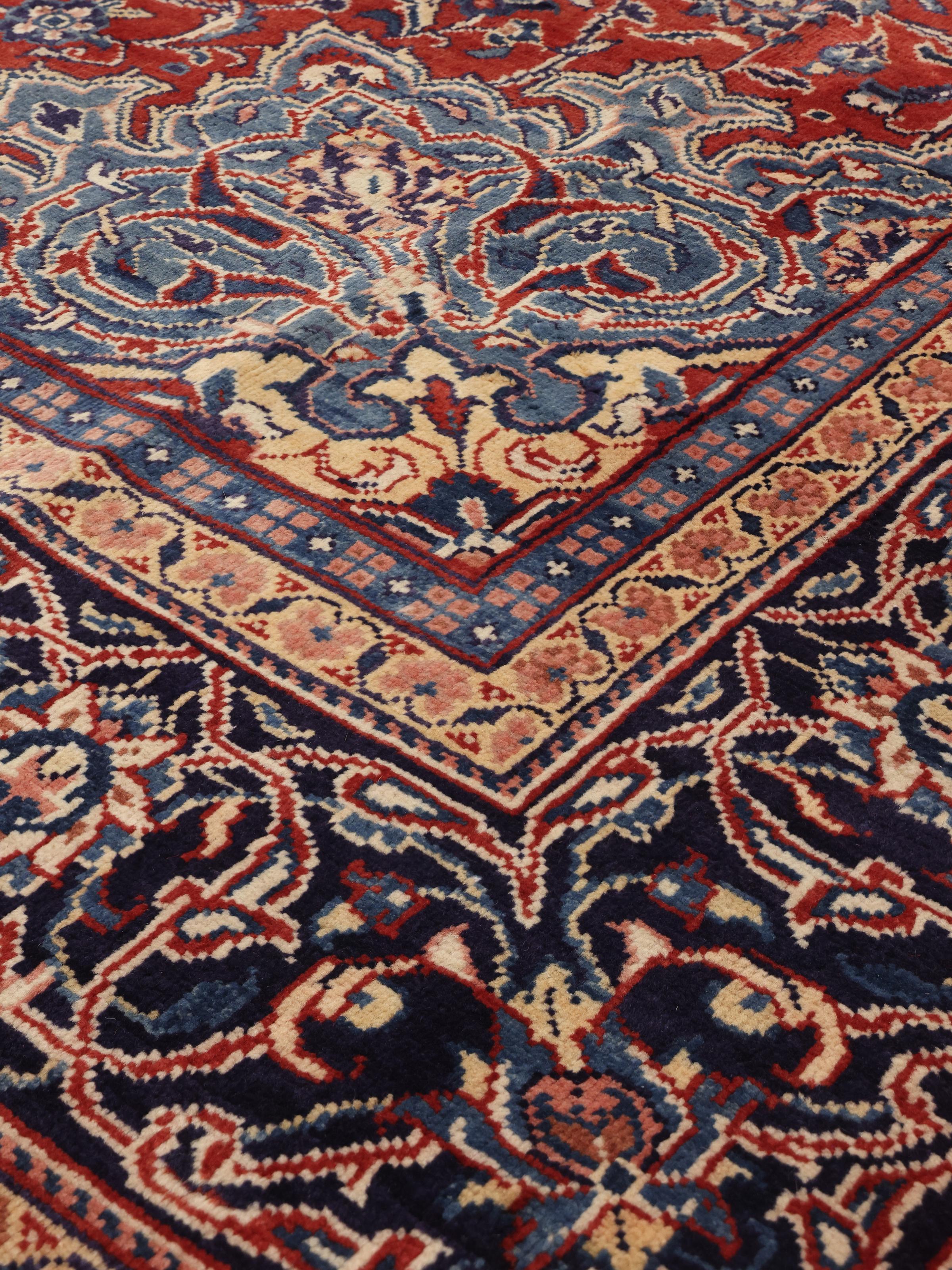
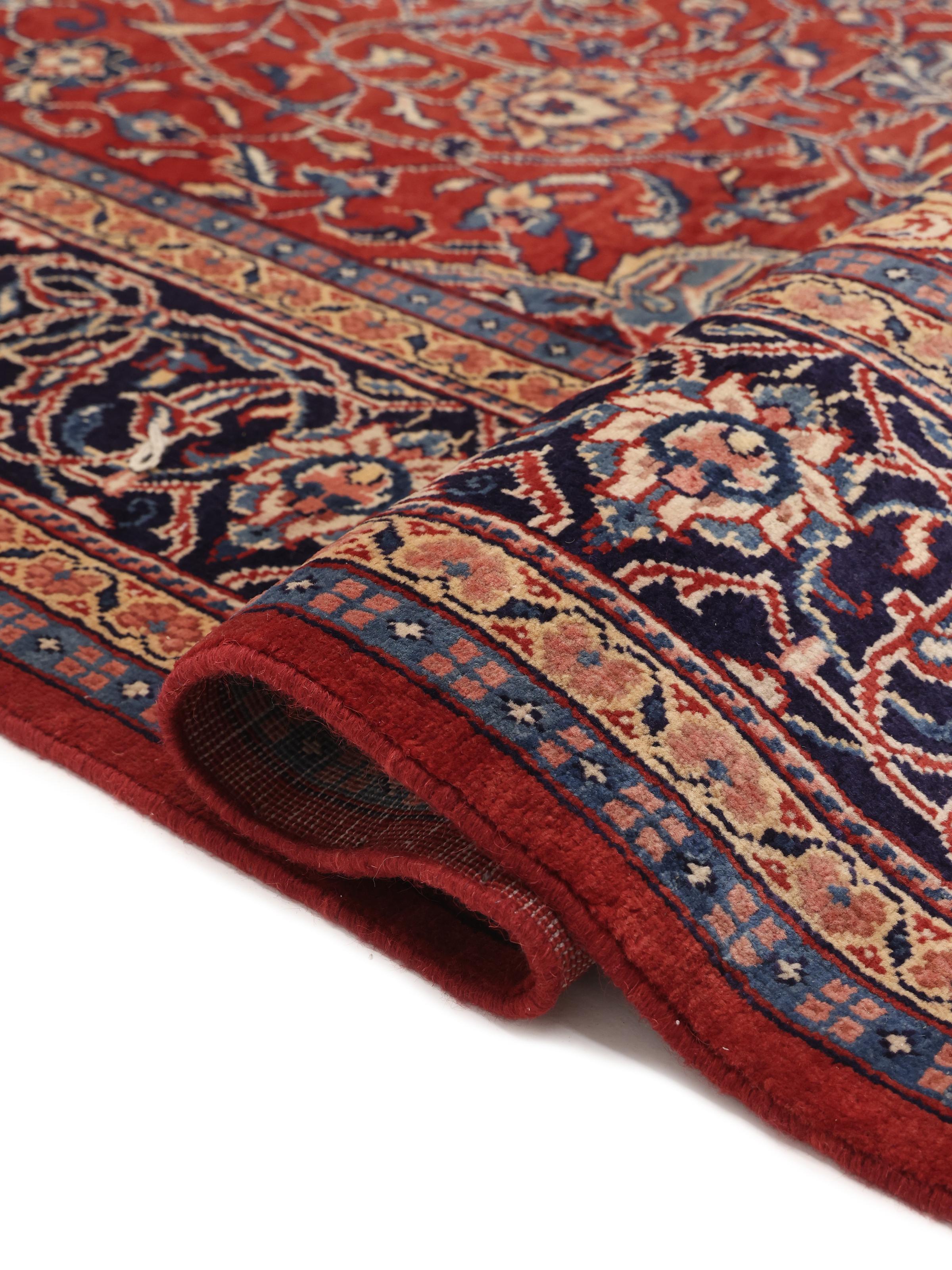
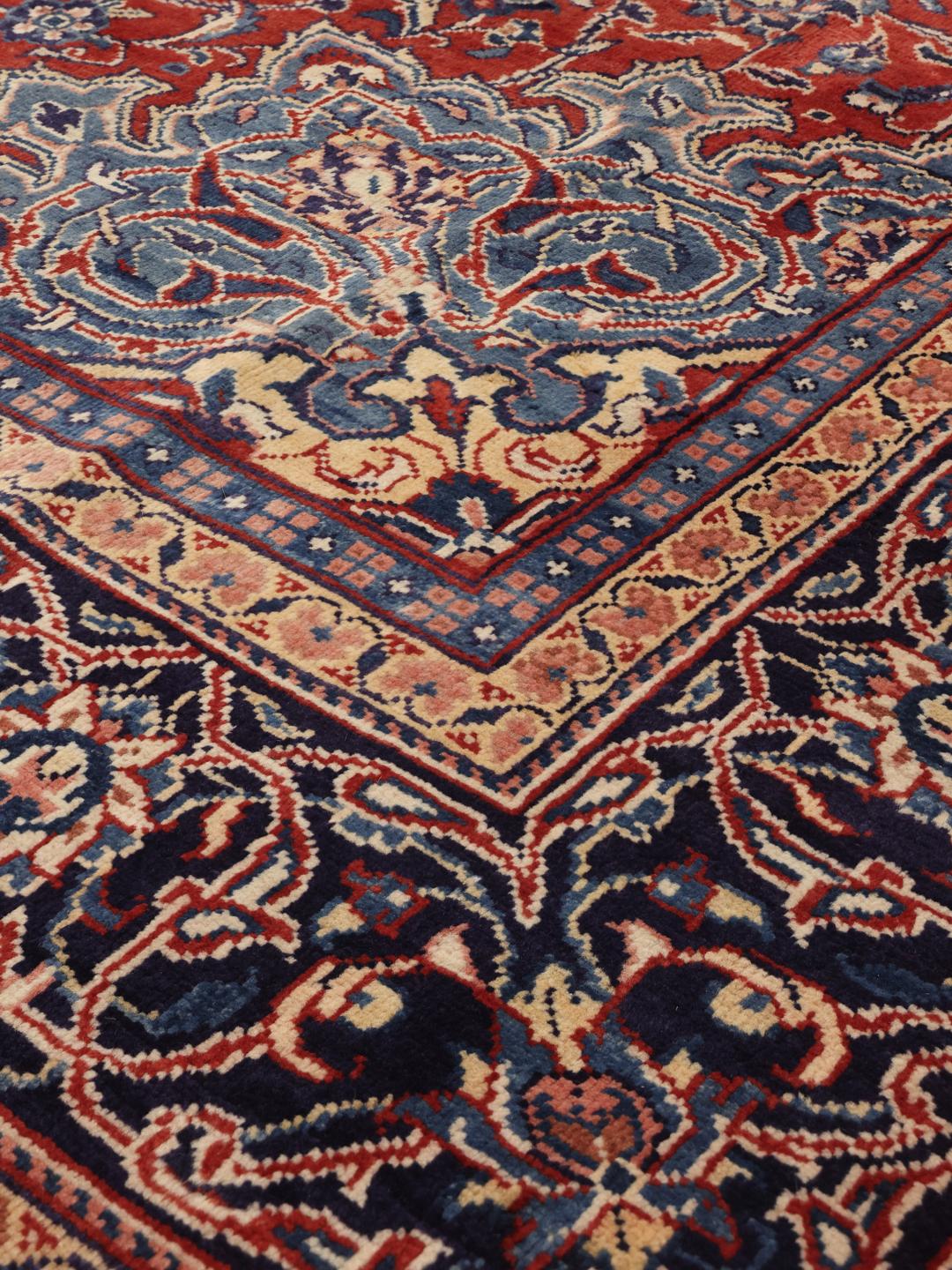
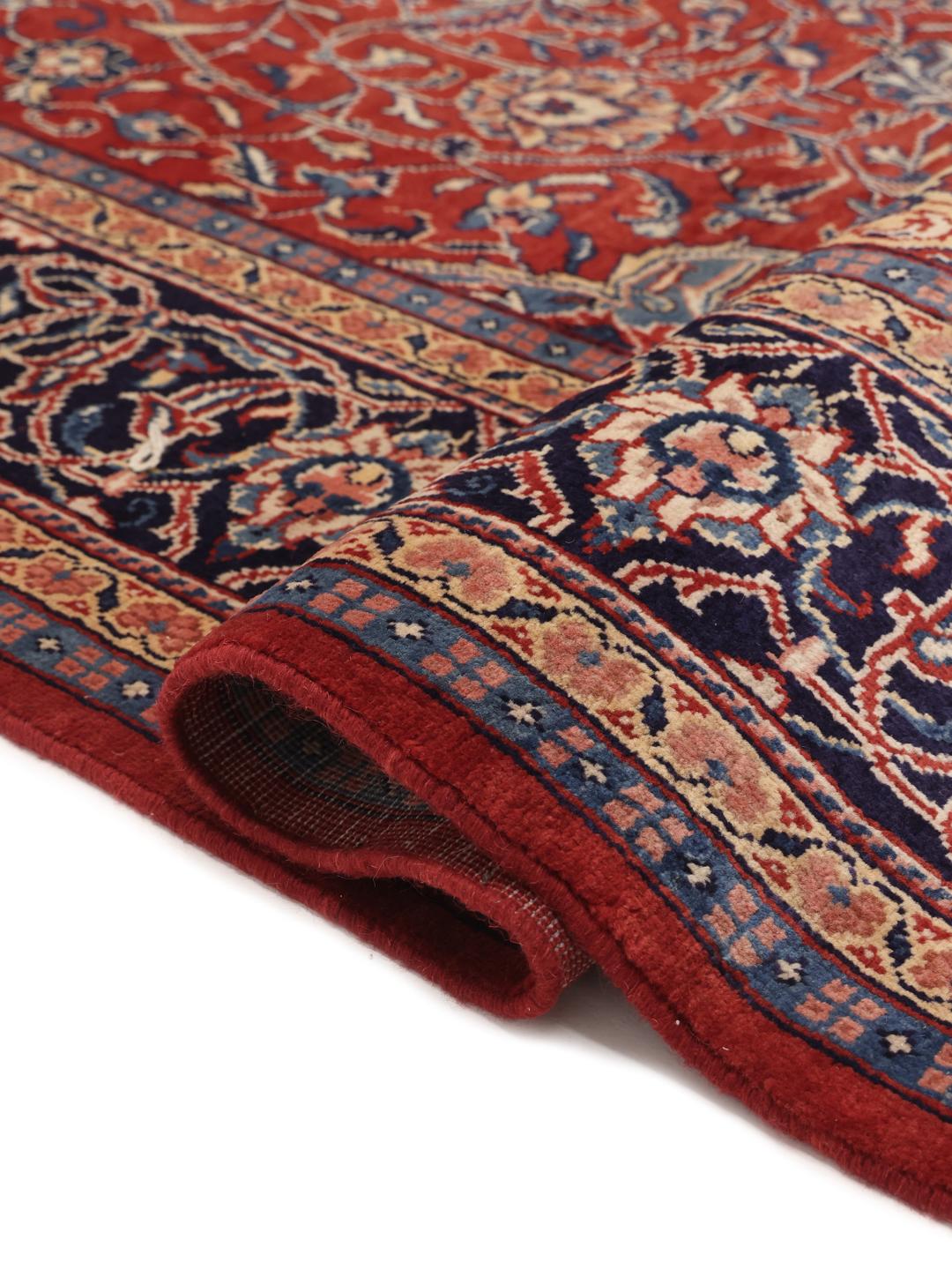
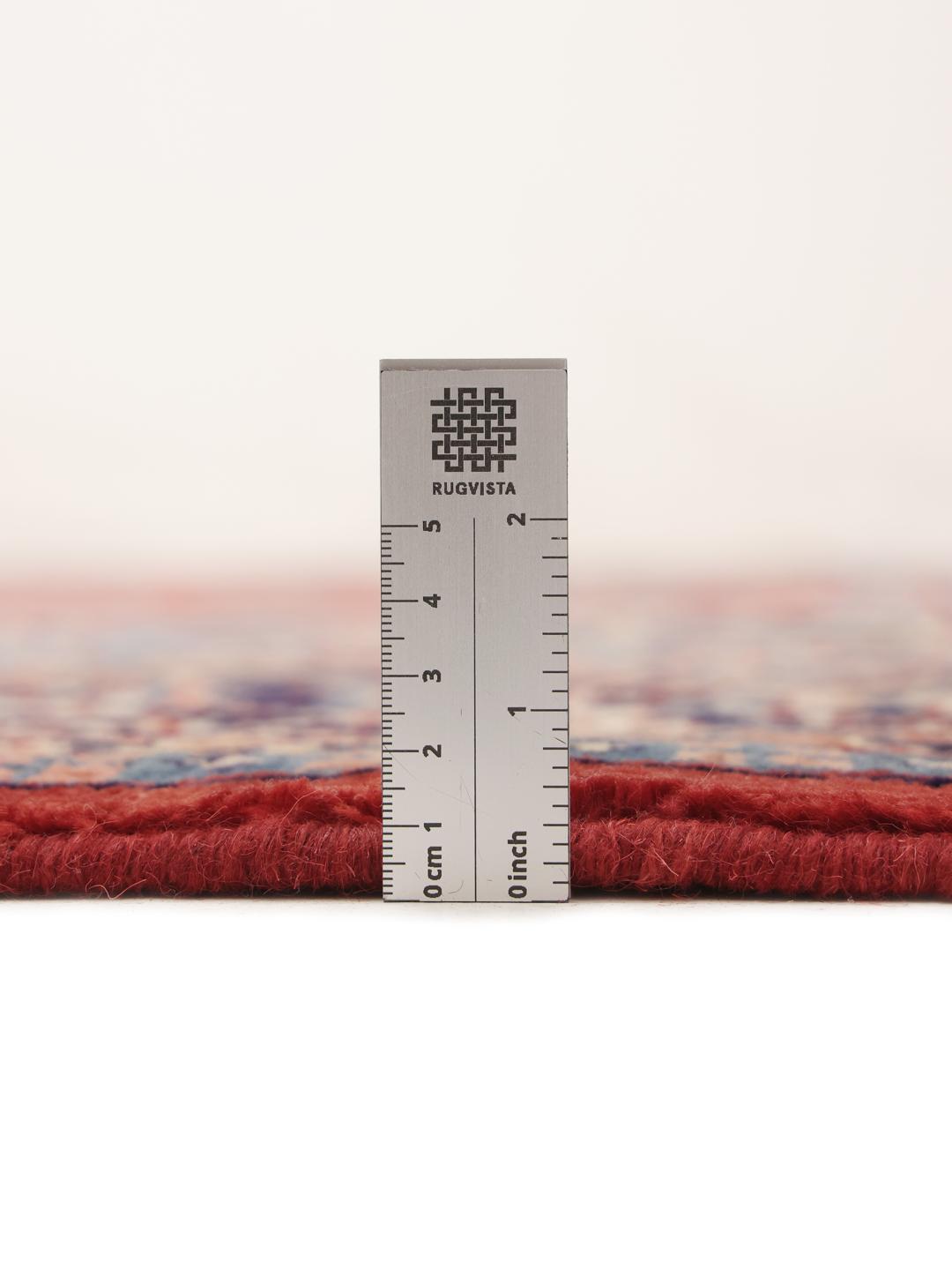
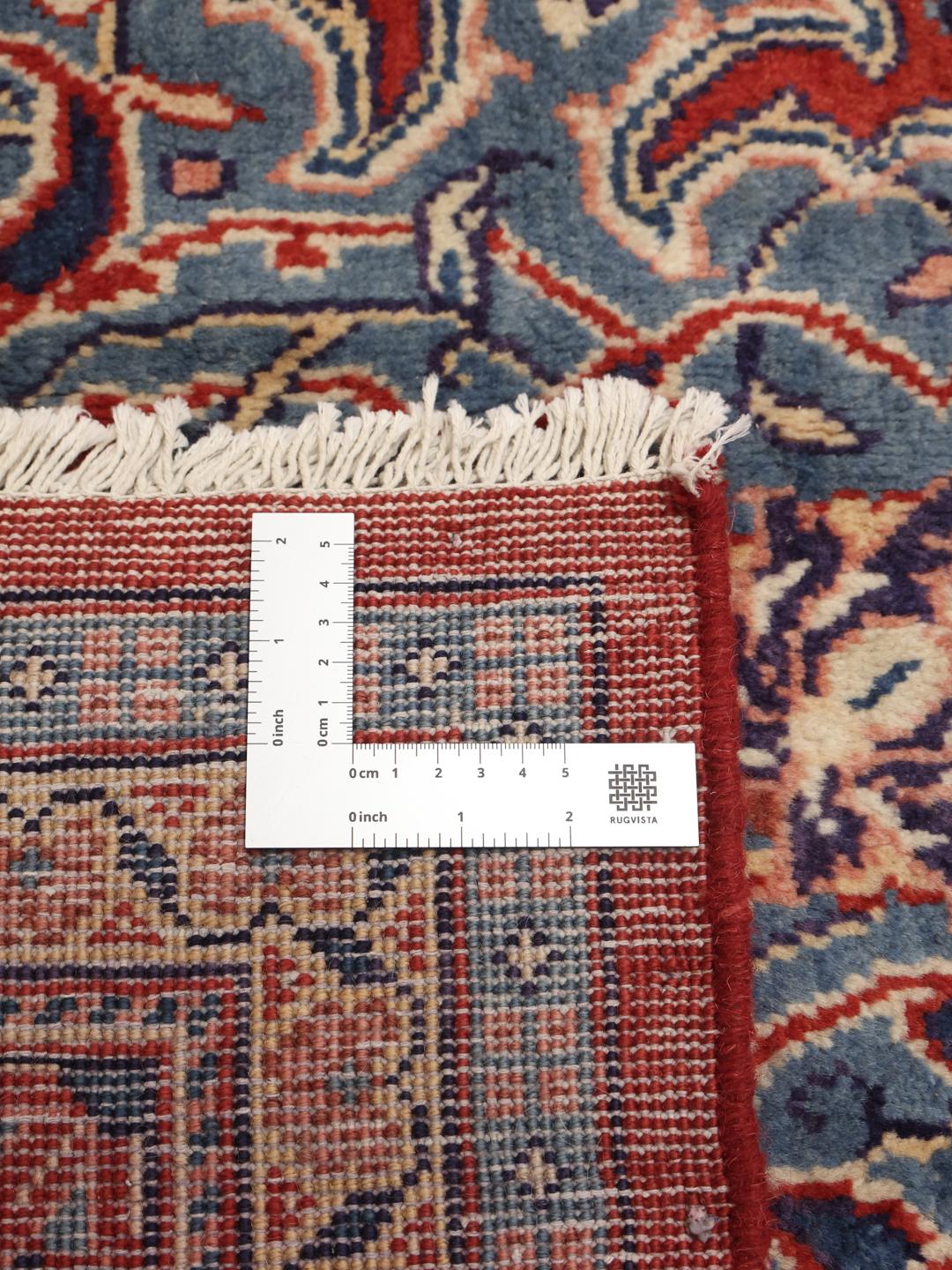
The quality of these rugs is defined by the use of high-quality materials and a robust construction that allows for a thick, resilient pile. This construction ensures that the rugs are not only visually striking but also incredibly durable. The use of traditional dyeing techniques often results in the deep, rich colours that have become synonymous with the Mahal tradition, allowing the rugs to age beautifully over time.
Visually, these rugs are defined by their bold, large-scale floral motifs, often featuring vines, palmettes, and leaves that sprawl across the field in an organic, rhythmic fashion. The borders are typically wide and well-proportioned, framing the central design with sophisticated patterns that complement the field. This aesthetic is designed to create a sense of movement and depth, making the rug a focal point in any room.
Collectors and design enthusiasts value Mahal rugs for their authenticity and the human story behind every knot. Owning one is an opportunity to connect with a centuries-old craft that prioritises skill and tradition over speed. These rugs are not merely floor coverings but are cultural artefacts that bring the history and spirit of their origin region into your home.