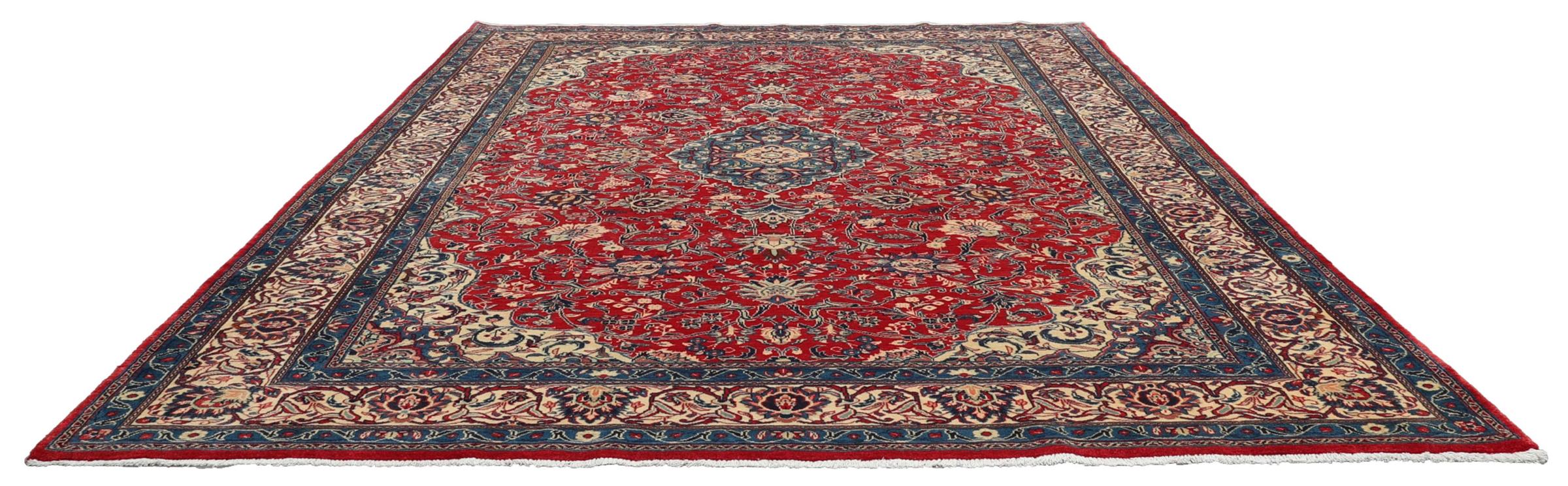
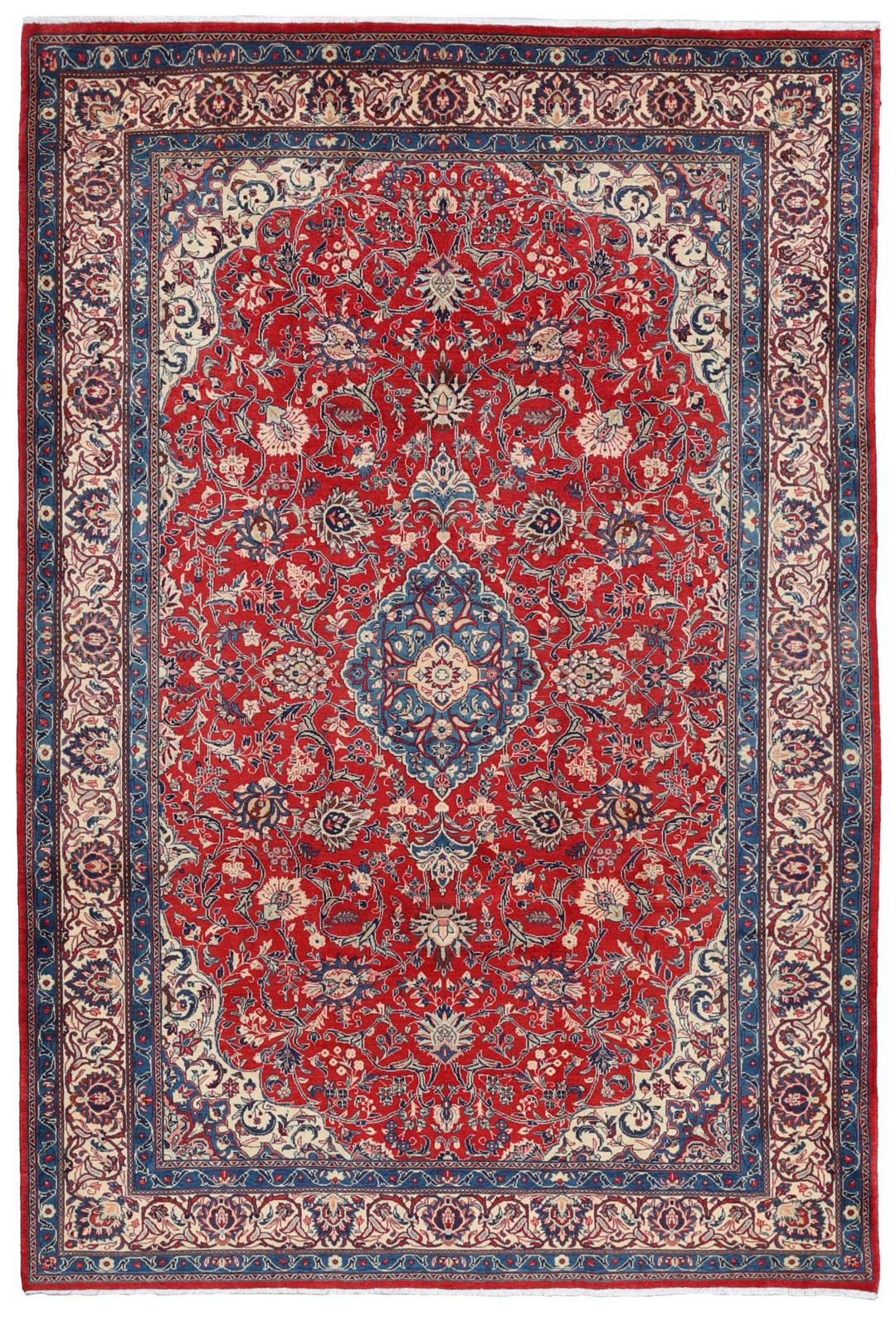
Mahal rugs originate from the Markazi province in the Middle East, a region with a deep-seated tradition of weaving that has evolved over centuries. These rugs are renowned for their bold, artistic interpretations of classic floral motifs, often characterised by a more relaxed and fluid design language compared to the highly formal styles of neighbouring regions.
In the world of fine rugs, the term Mahal refers to a specific category of weaving that prioritises expressive, oversized floral patterns, often referred to as 'Sultanabad' style in historical contexts. The craft relies on high-quality wool, which is spun and dyed to achieve a depth of colour that ages gracefully, developing a unique character over time.
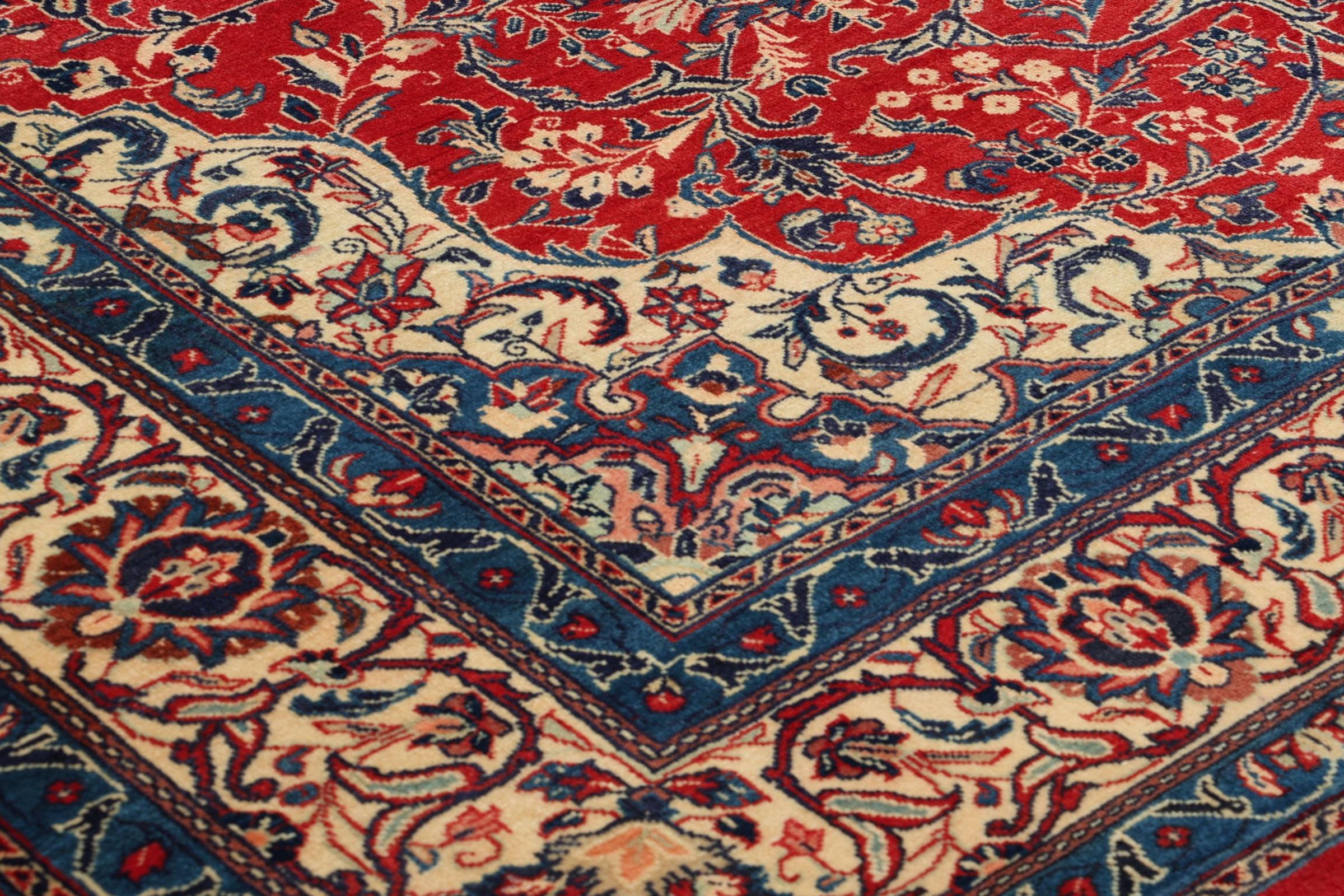
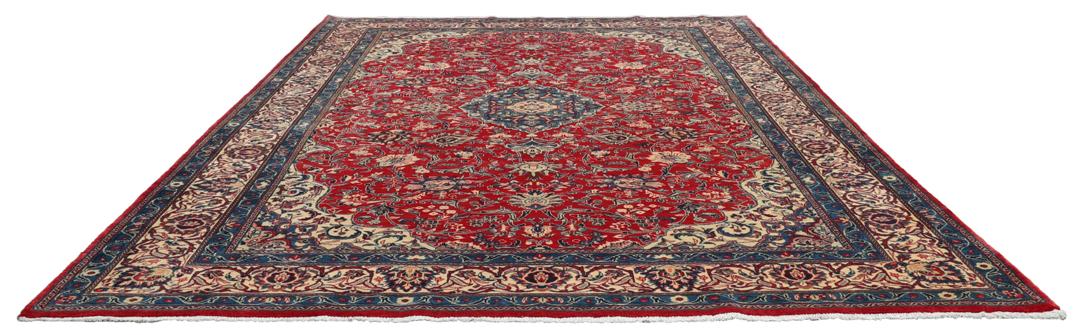
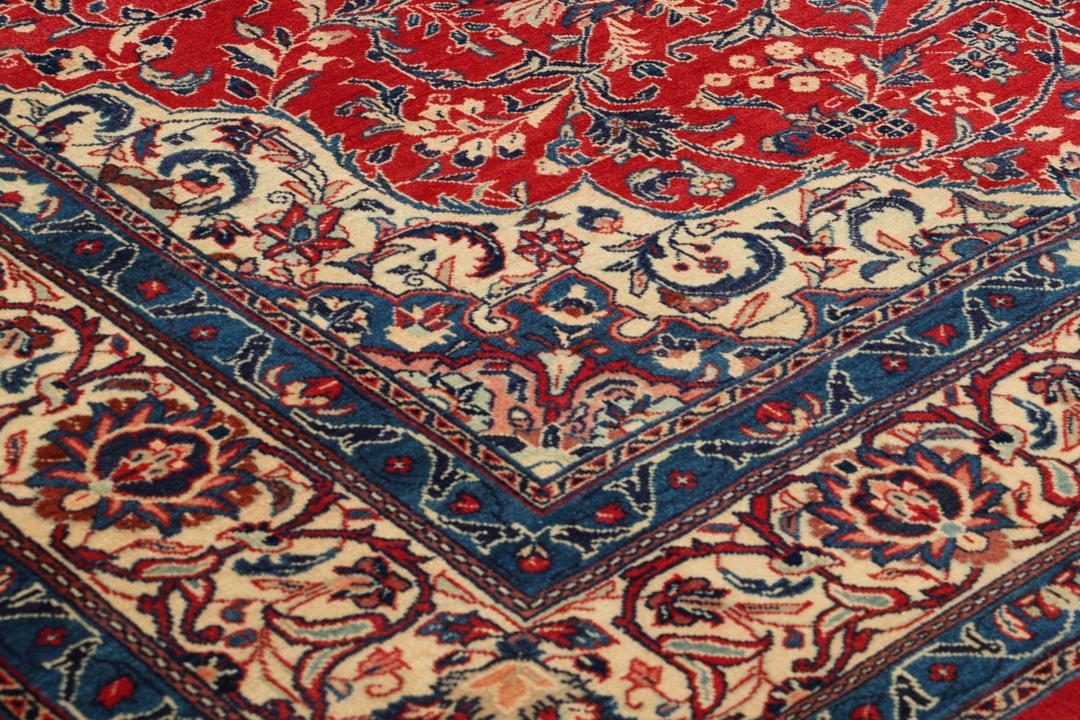
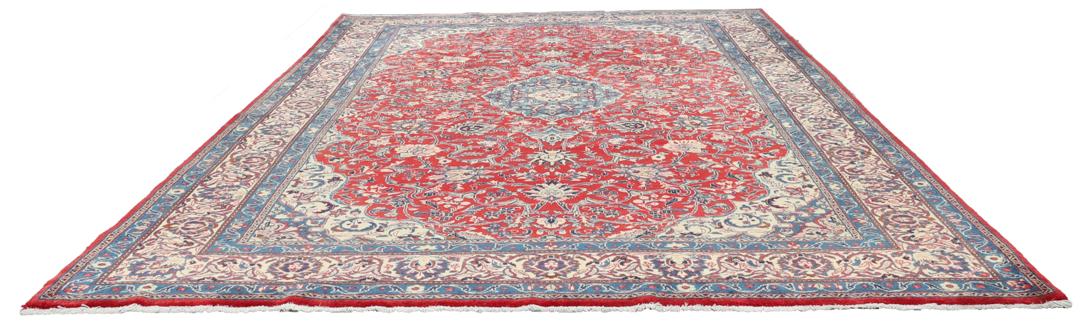
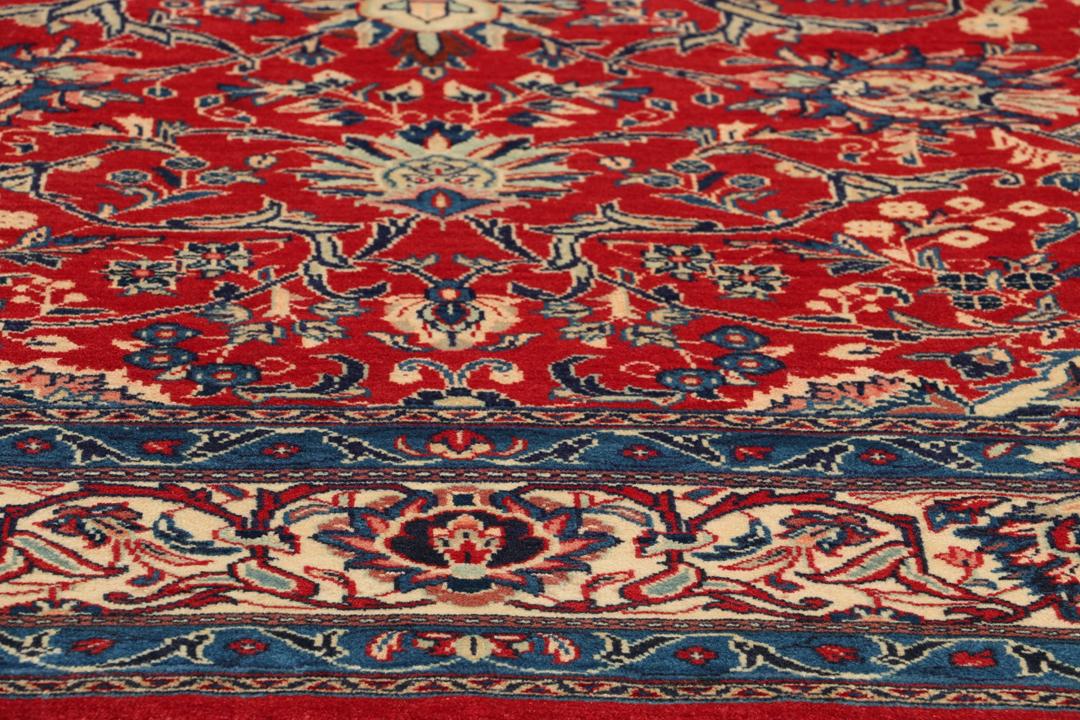
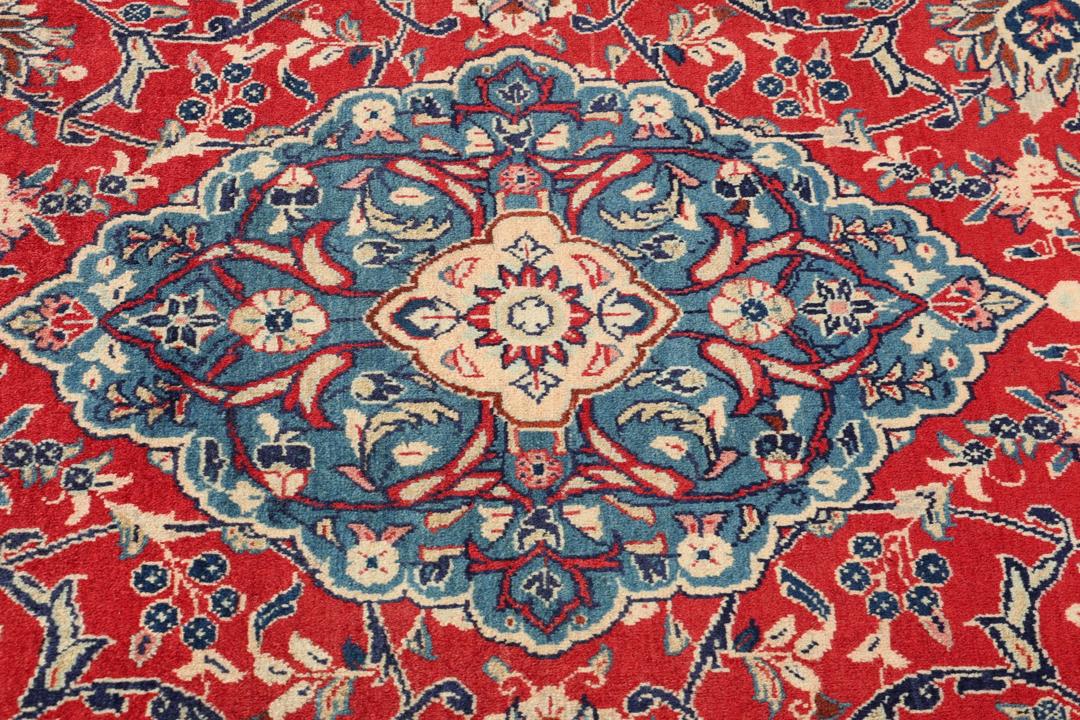
The visual language of a Mahal is defined by its large-scale floral sprays, palmettes, and vine scrolls that sweep across the field. While traditional red and blue palettes are the hallmark of this tradition, the specific execution—such as the balance between the central medallion and the surrounding field—varies from piece to piece, reflecting the artisan's individual vision.
Owning a Mahal is more than just acquiring a floor covering; it is an act of preserving a piece of cultural history. These rugs are highly sought after by collectors for their blend of artistic scale and structural integrity, symbolising a legacy of skill that has been passed down through generations of weavers.