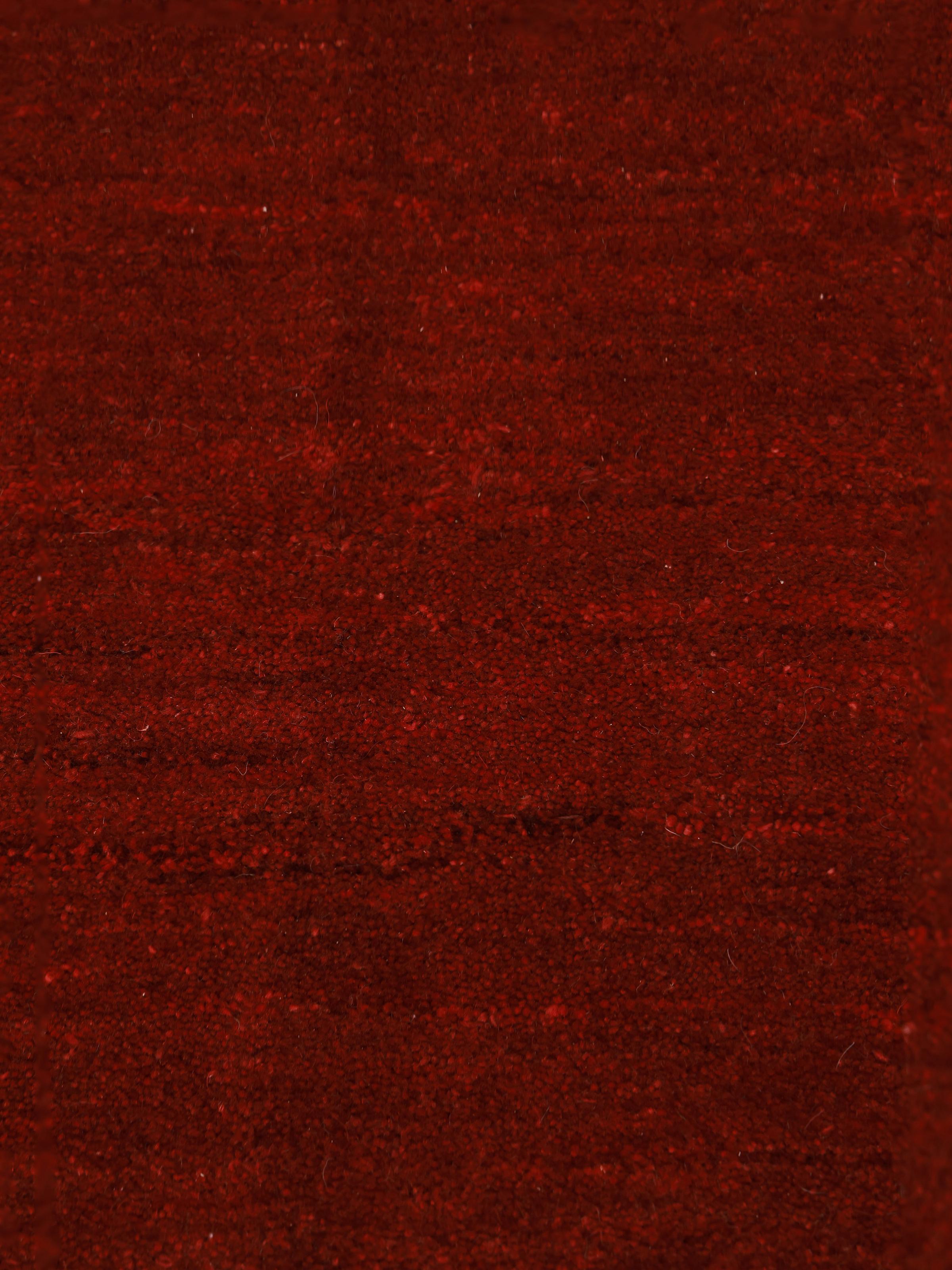
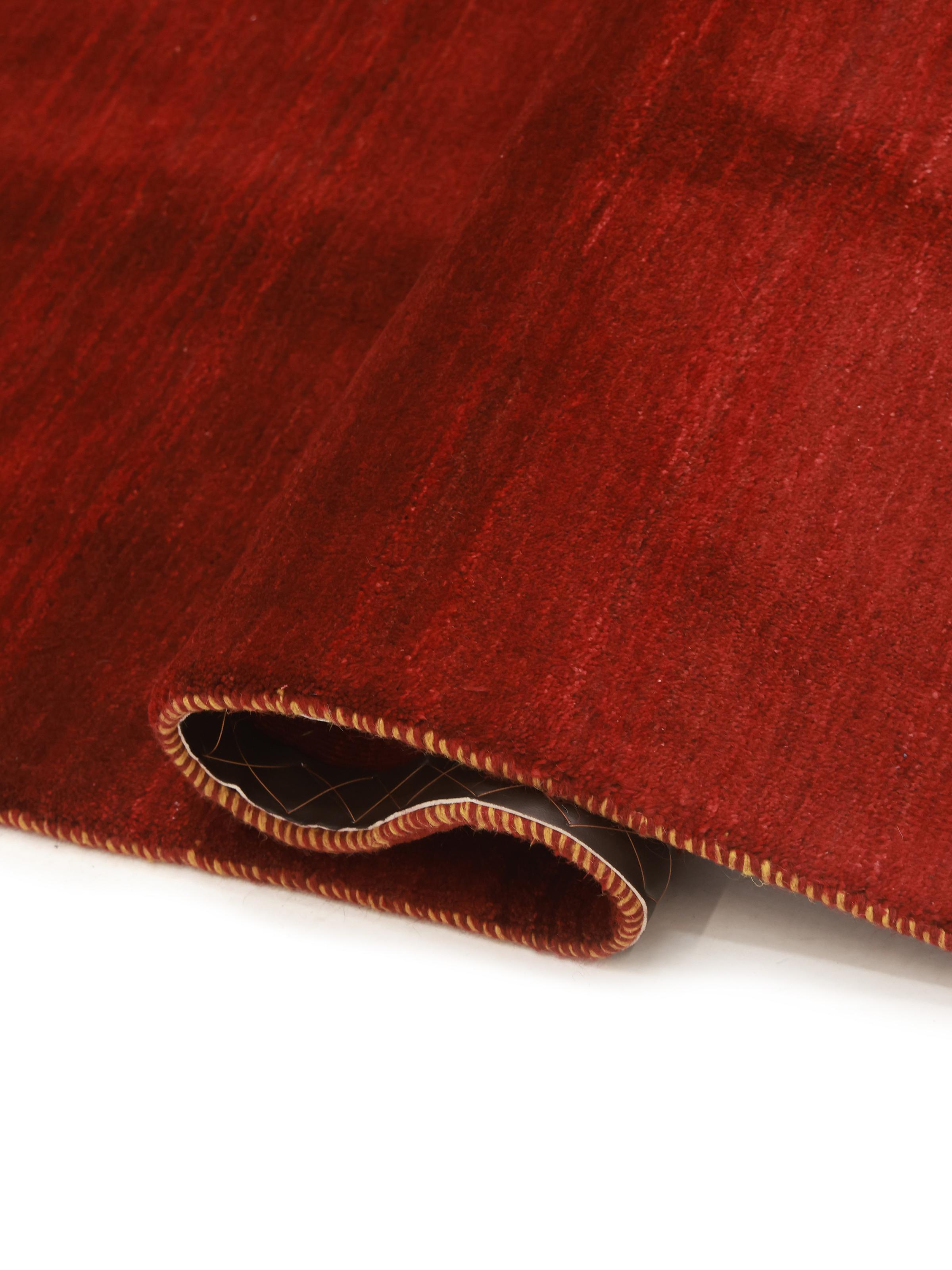
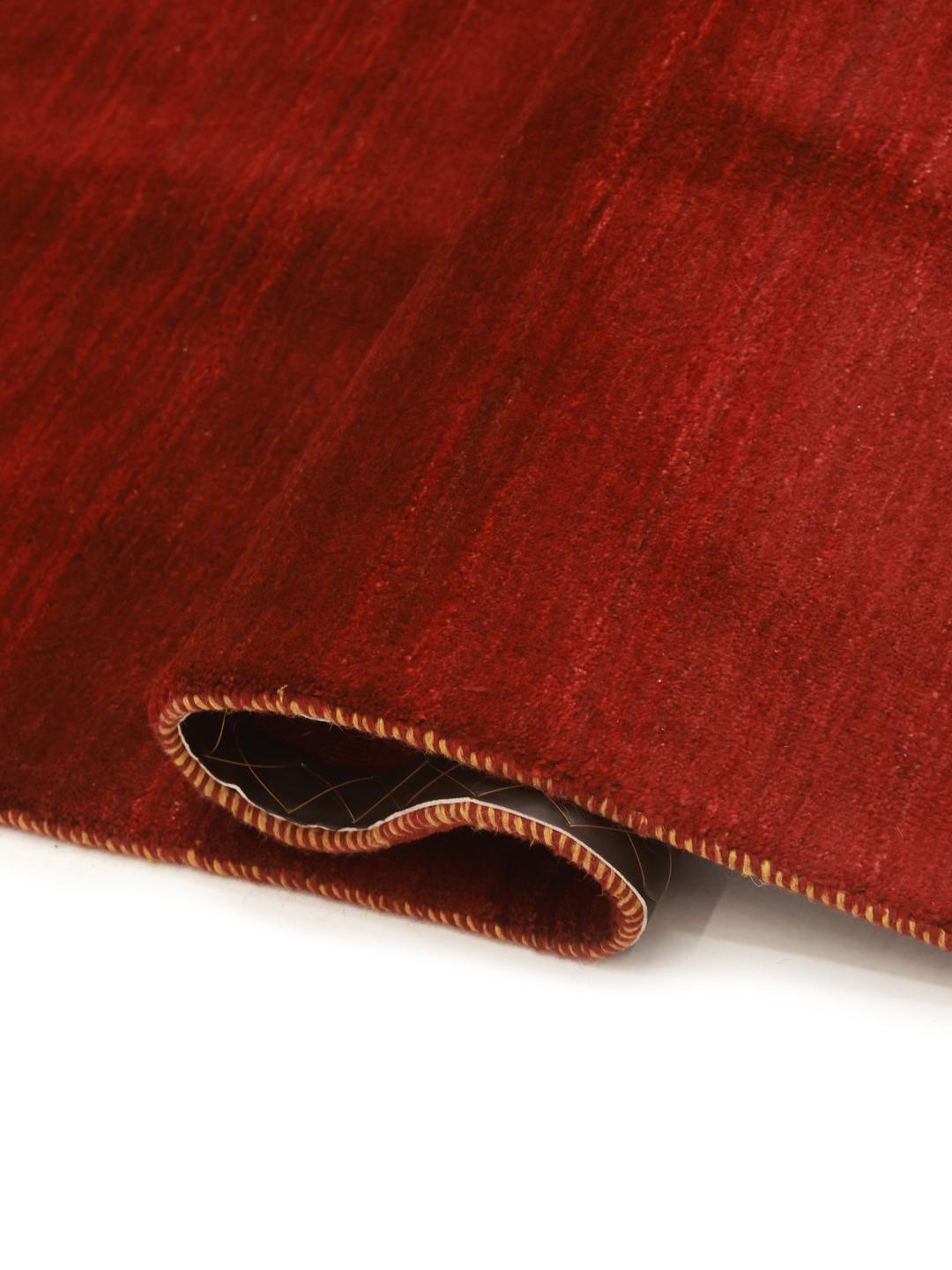
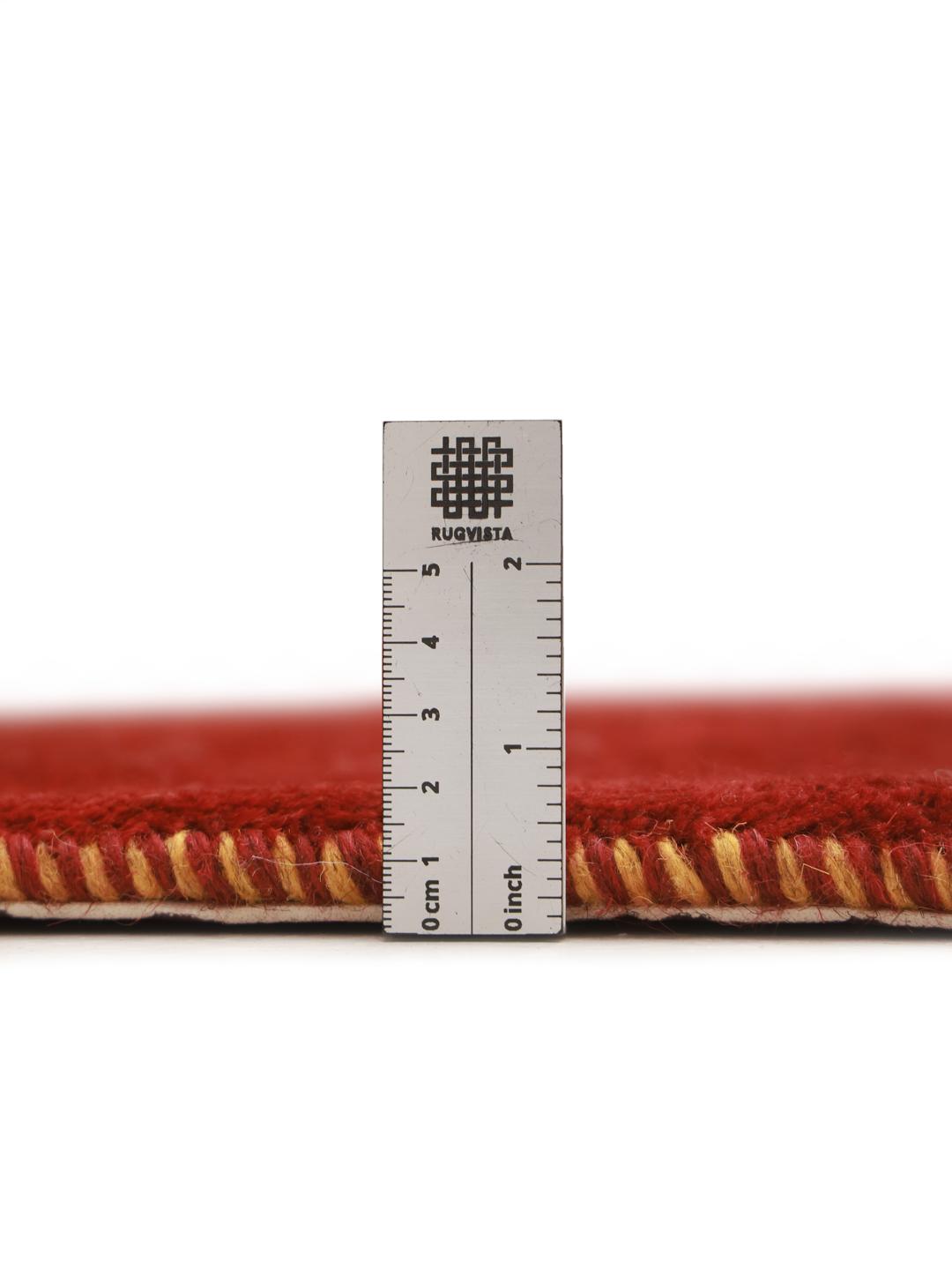
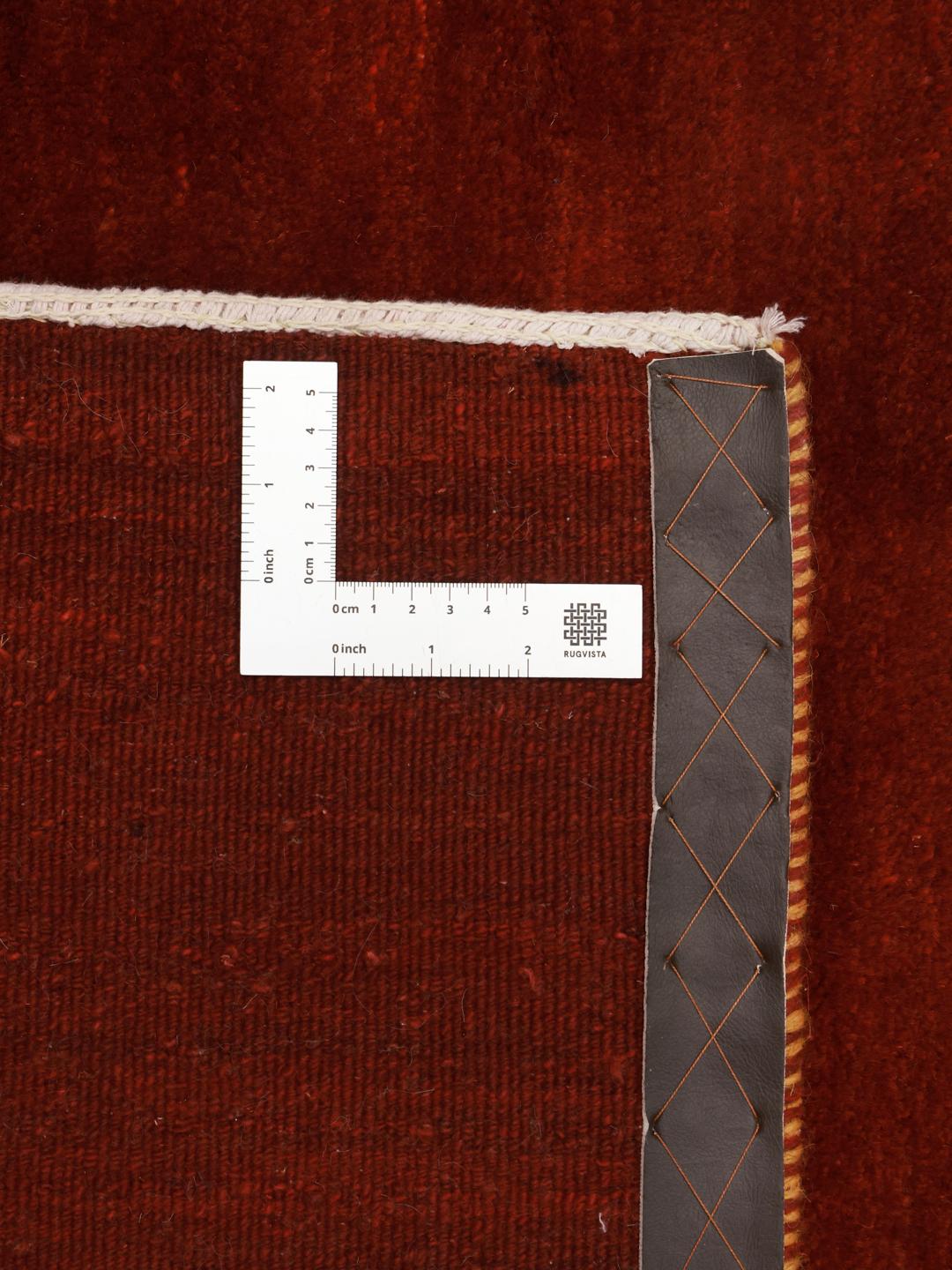
Loribaft rugs originate from the nomadic traditions of the Luri people in the Middle East. These rugs are famously known for their thicker, softer pile compared to many other regional styles, reflecting the practical needs of nomadic life where a rug served as a warm, protective layer against the elements.
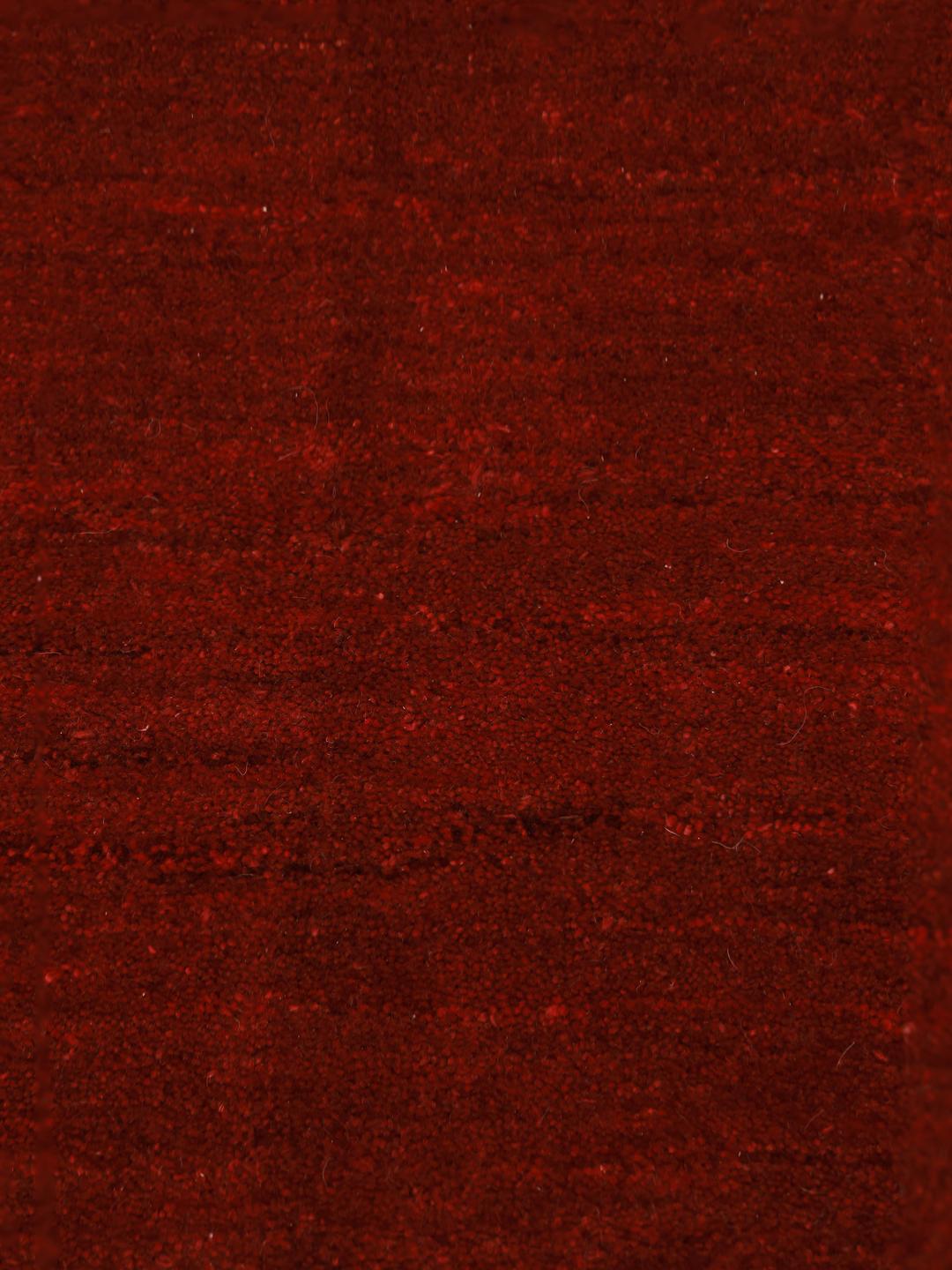
The term 'Baft' refers to the weaving process itself, while the aesthetic is often characterised by a simplified, bold approach to design. Unlike more intricate city rugs that focus on complex floral patterns, these rugs favour a more honest, minimalist expression, often highlighting the natural variations in the wool and the depth of the dye.
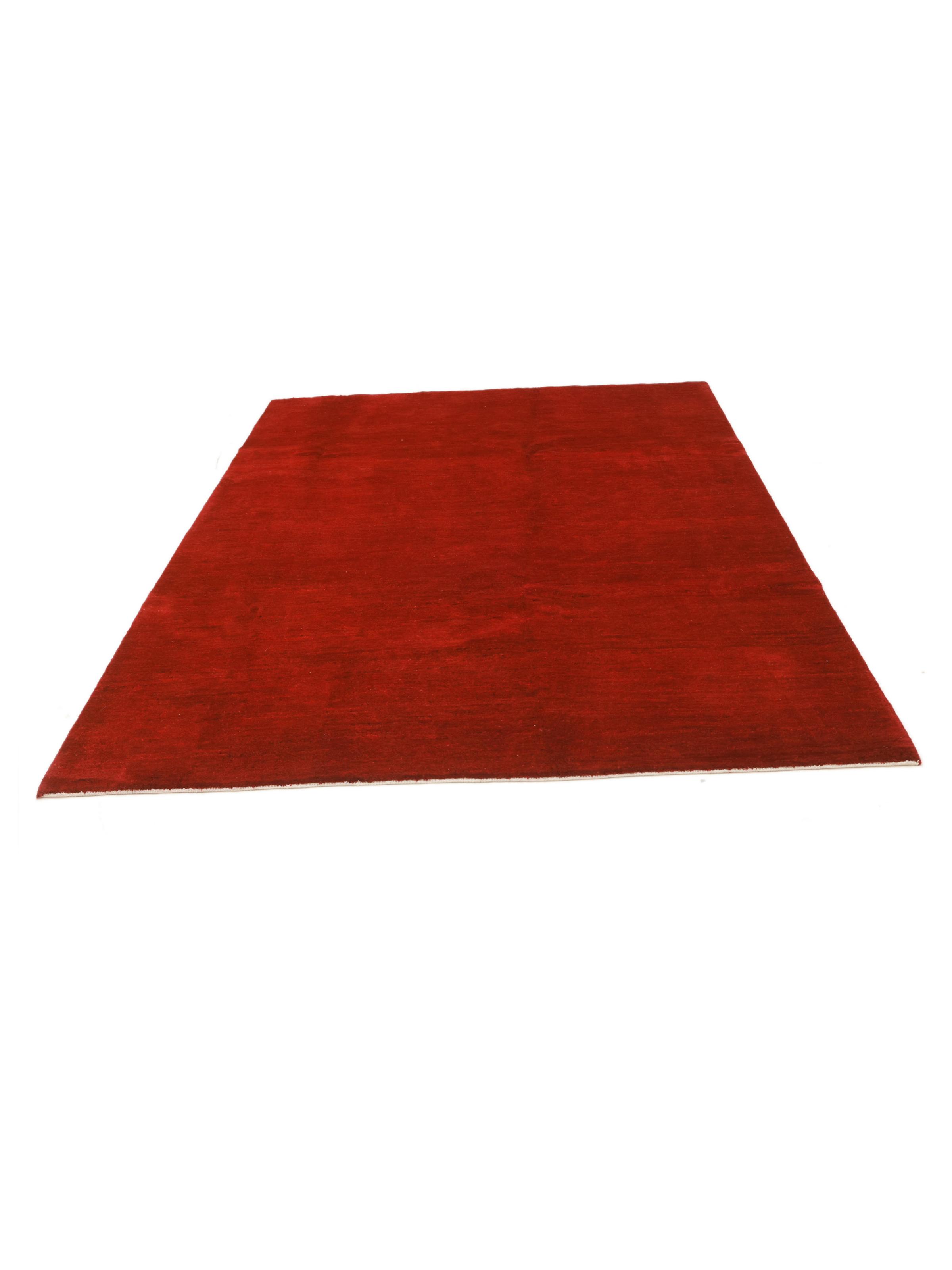
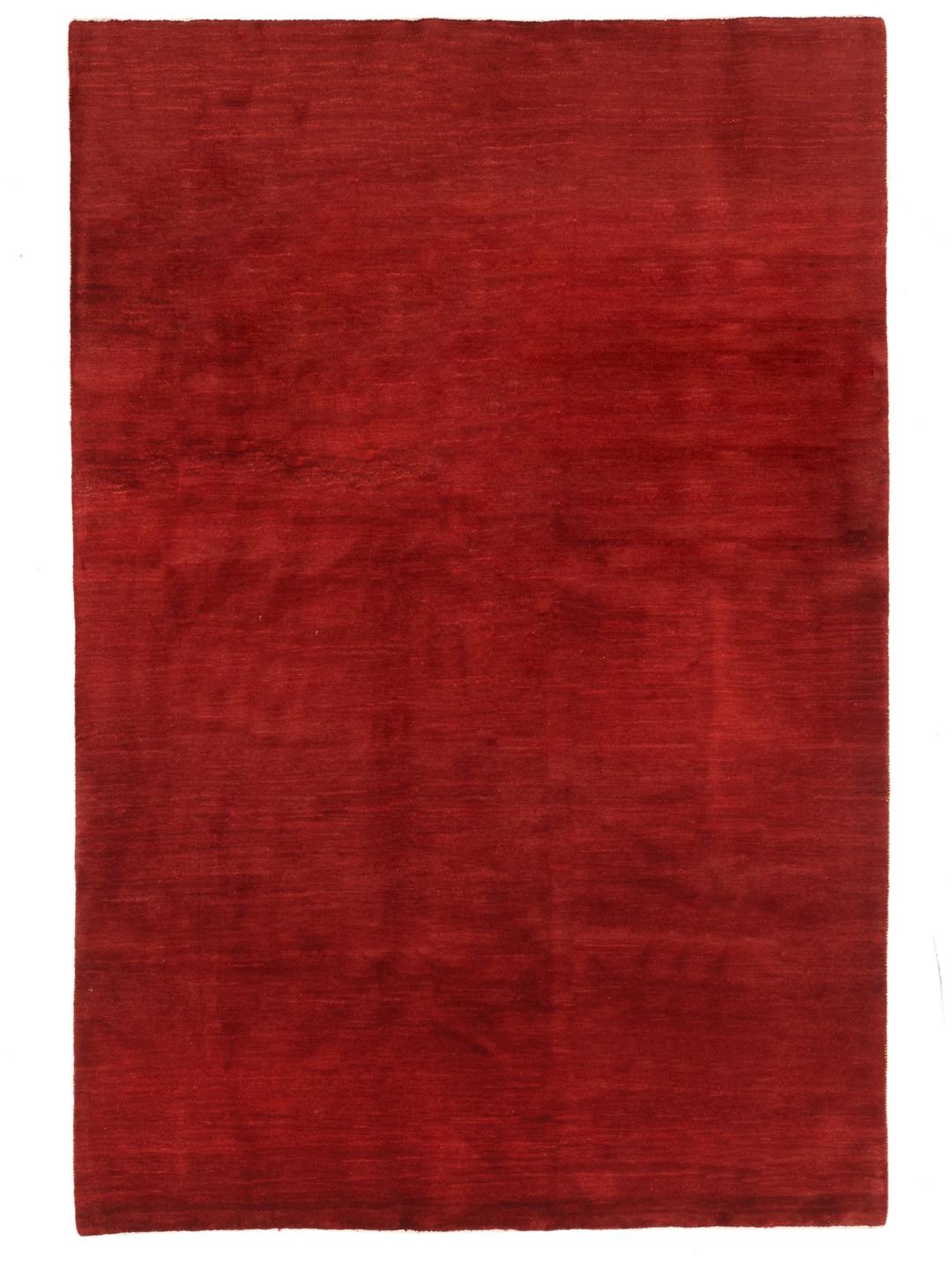
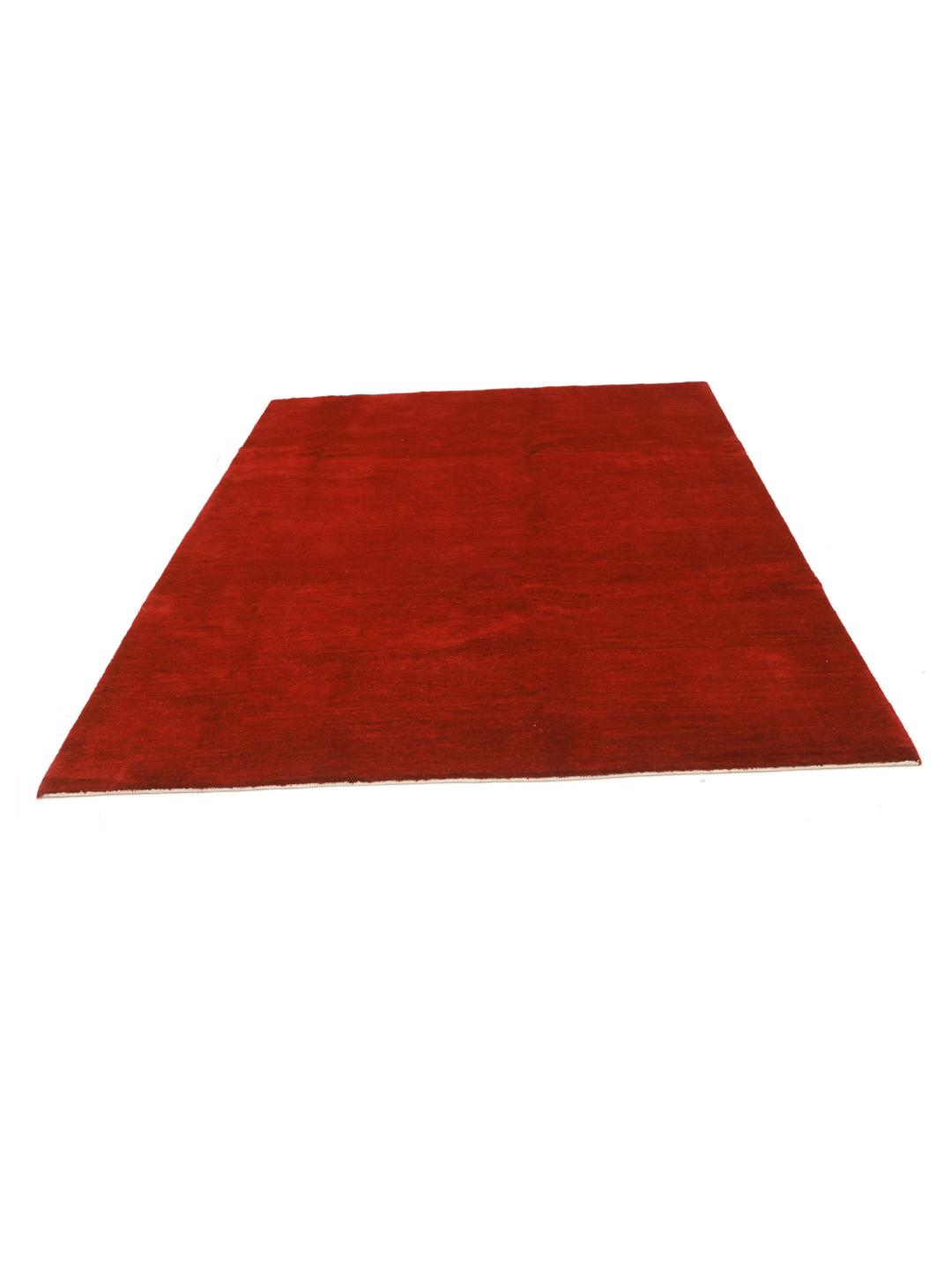
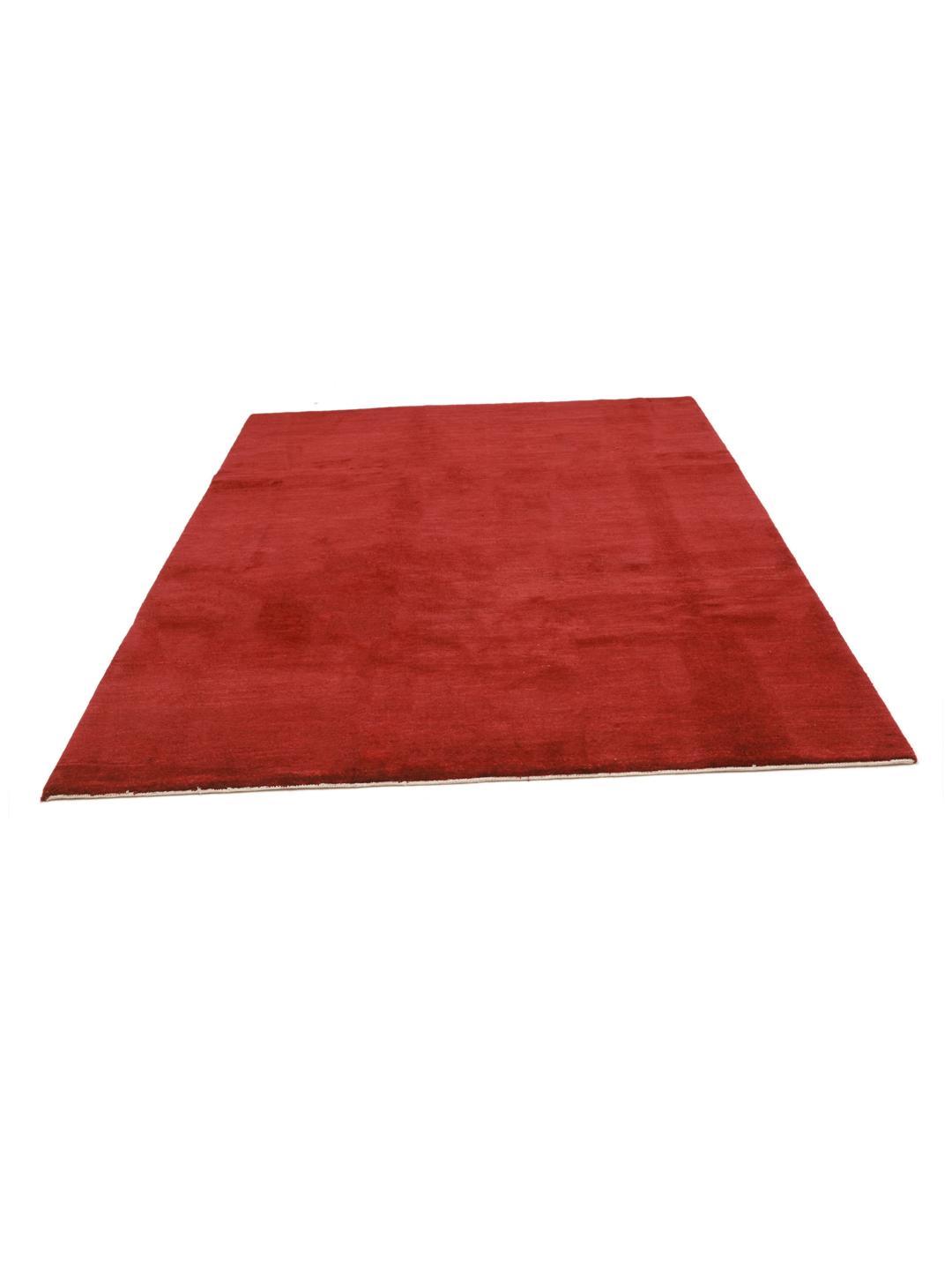
Visually, these rugs are often celebrated for their open, expansive fields and vibrant, saturated colours. The use of deep reds, as seen in this piece, is a hallmark of the tradition, drawing from natural pigments that have been used by weavers in the region for generations to create rugs that feel both ancient and contemporary.
Owning a Loribaft is an investment in human skill and cultural heritage. These rugs are collected not only for their striking beauty but for the story they tell of a nomadic way of life that prizes durability, warmth, and the simple beauty of a well-crafted object.