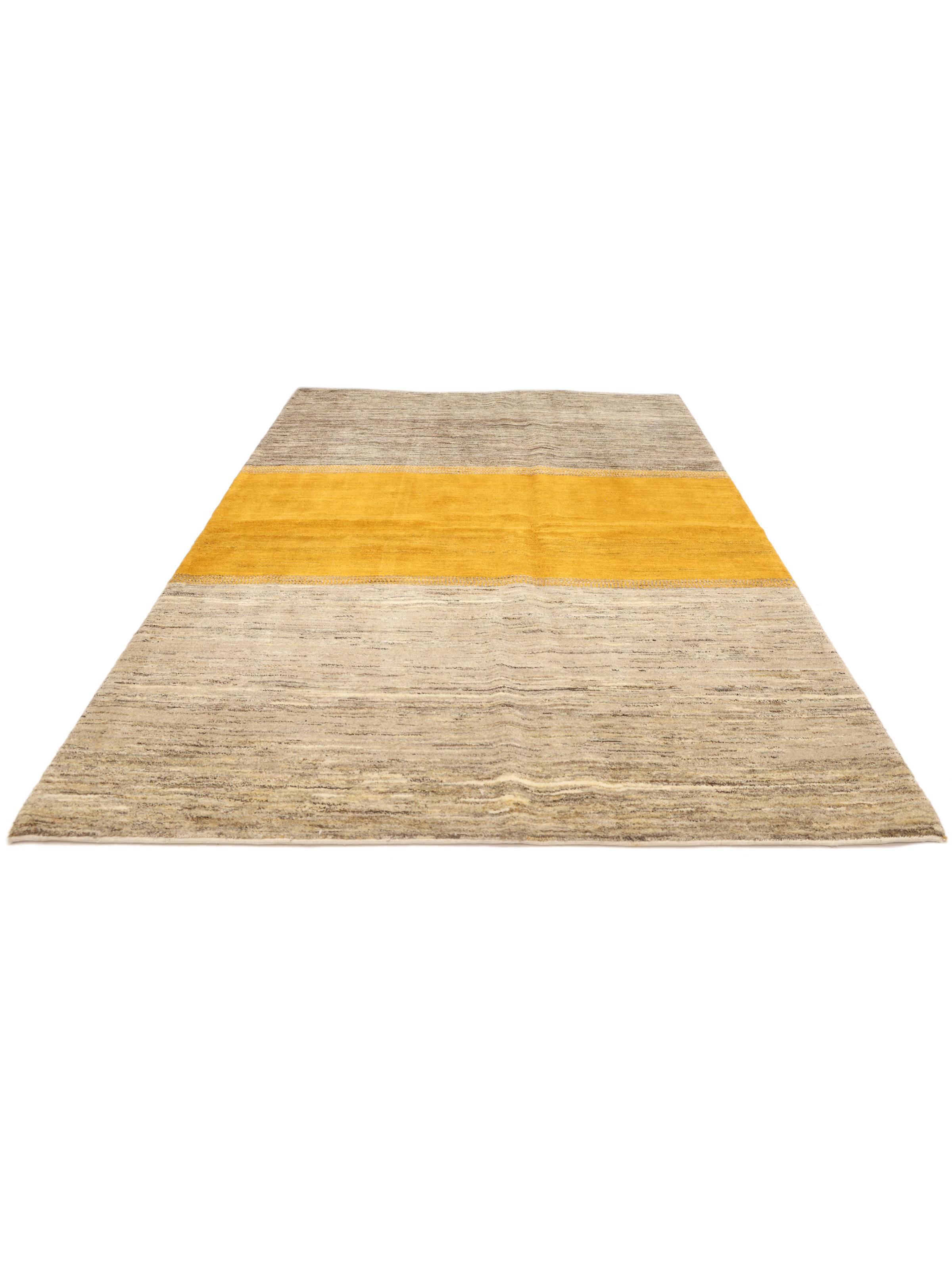
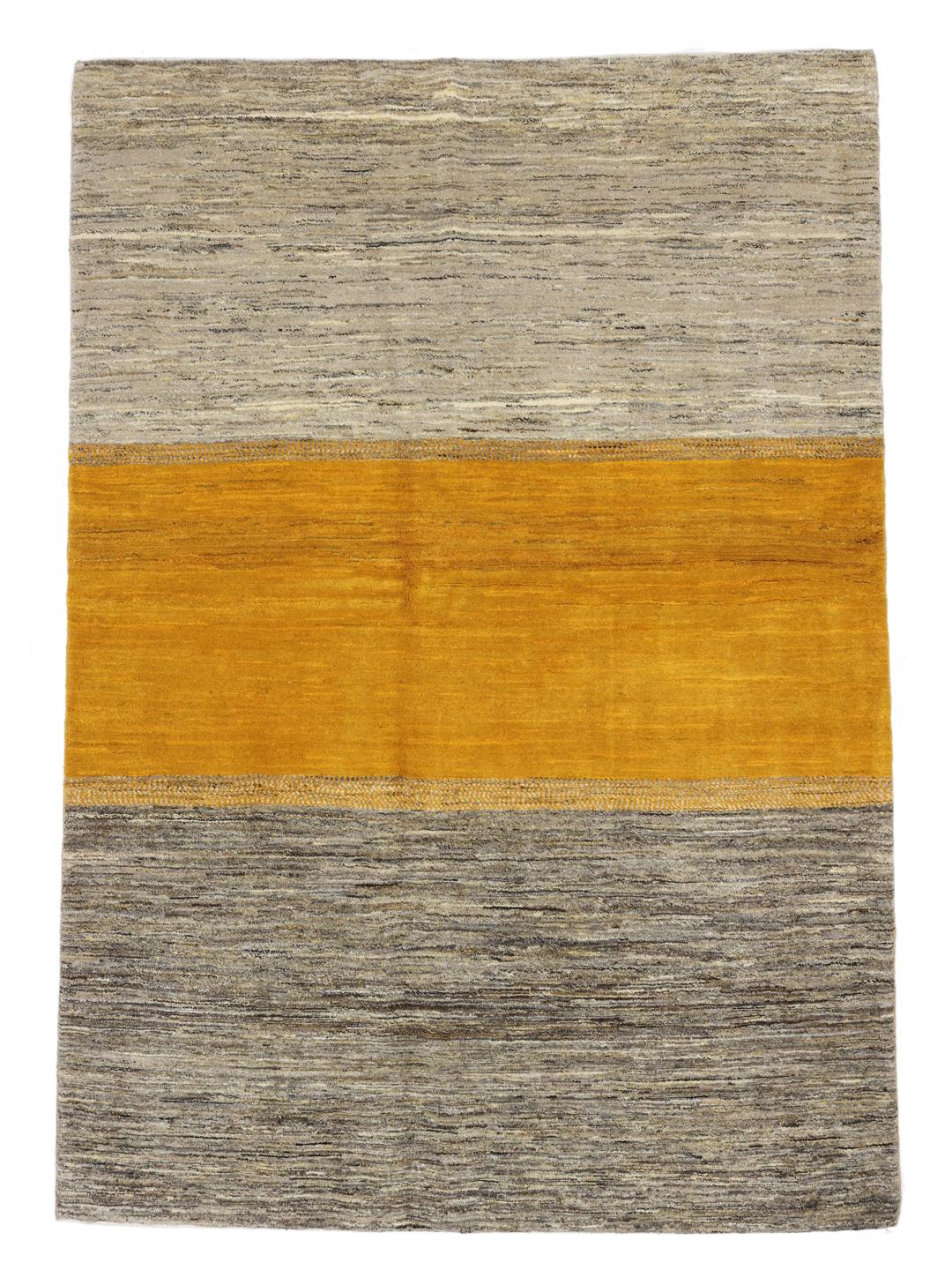
Loribaft rugs originate from the nomadic tribes of the Middle East, specifically reflecting the aesthetic traditions of the Luri people. These rugs were historically created for practical, daily use within tribal tents, serving as floor coverings, blankets, or even saddlebags, which is why they are celebrated for their remarkable durability and grounding presence.
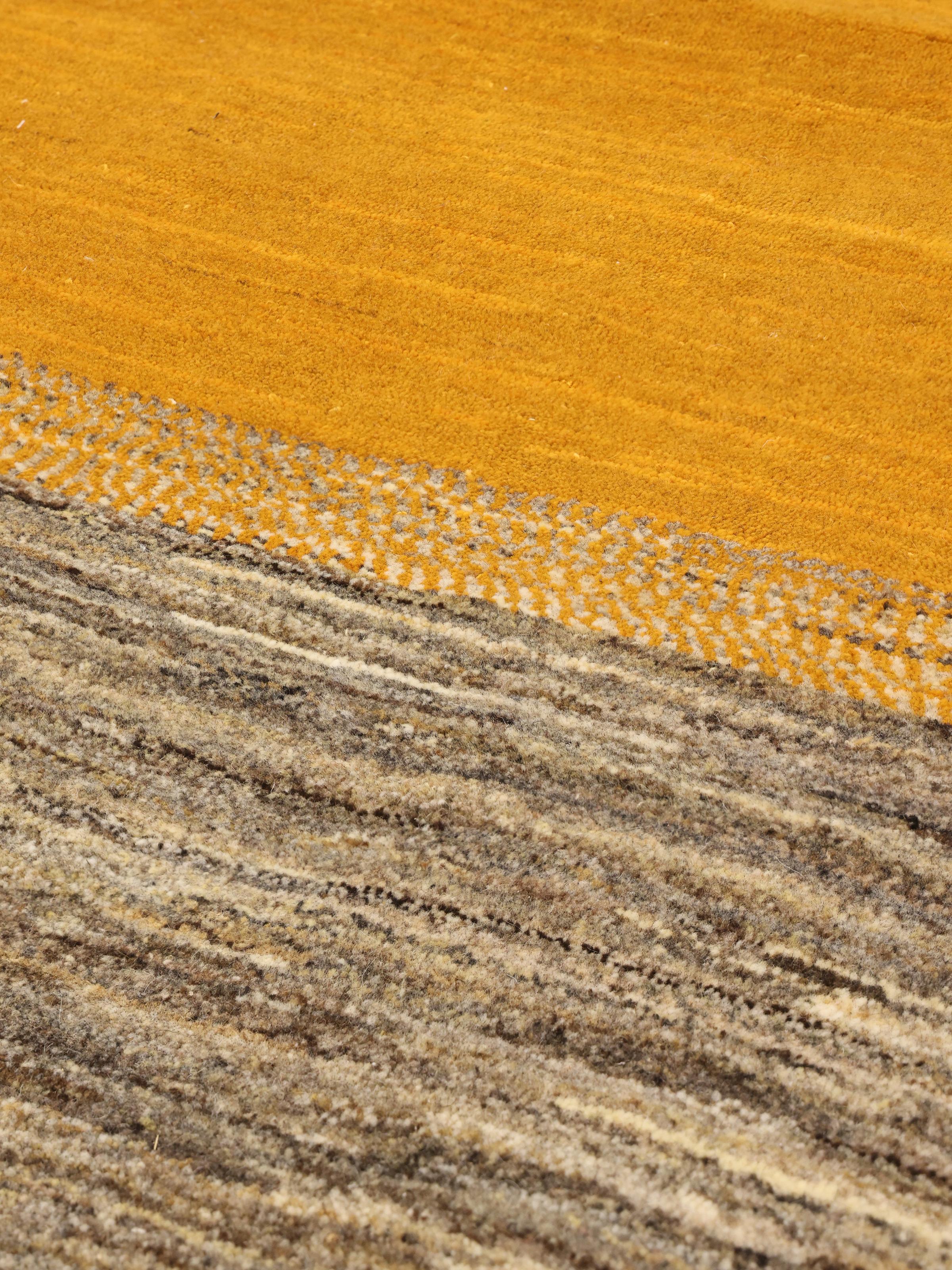
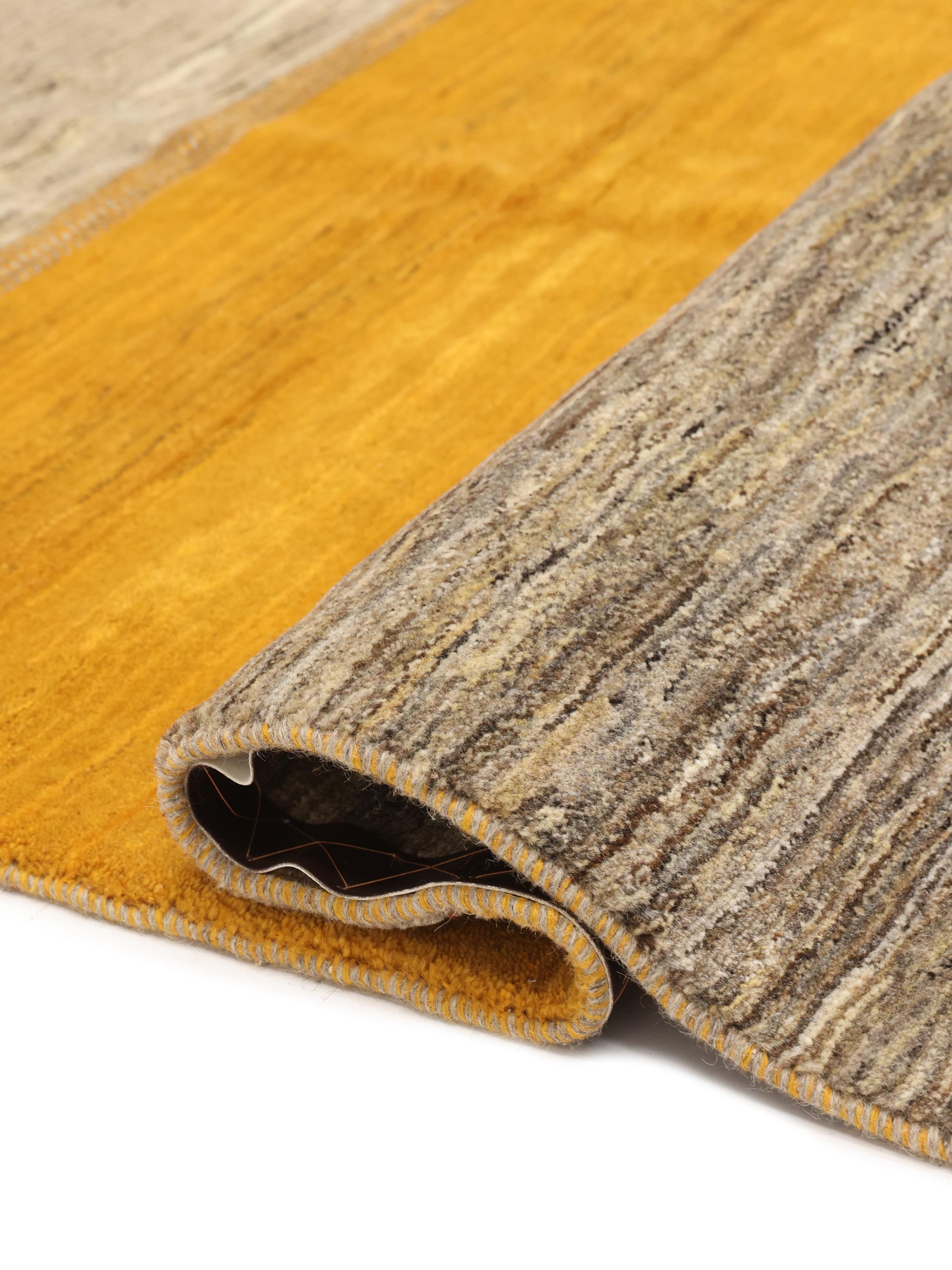
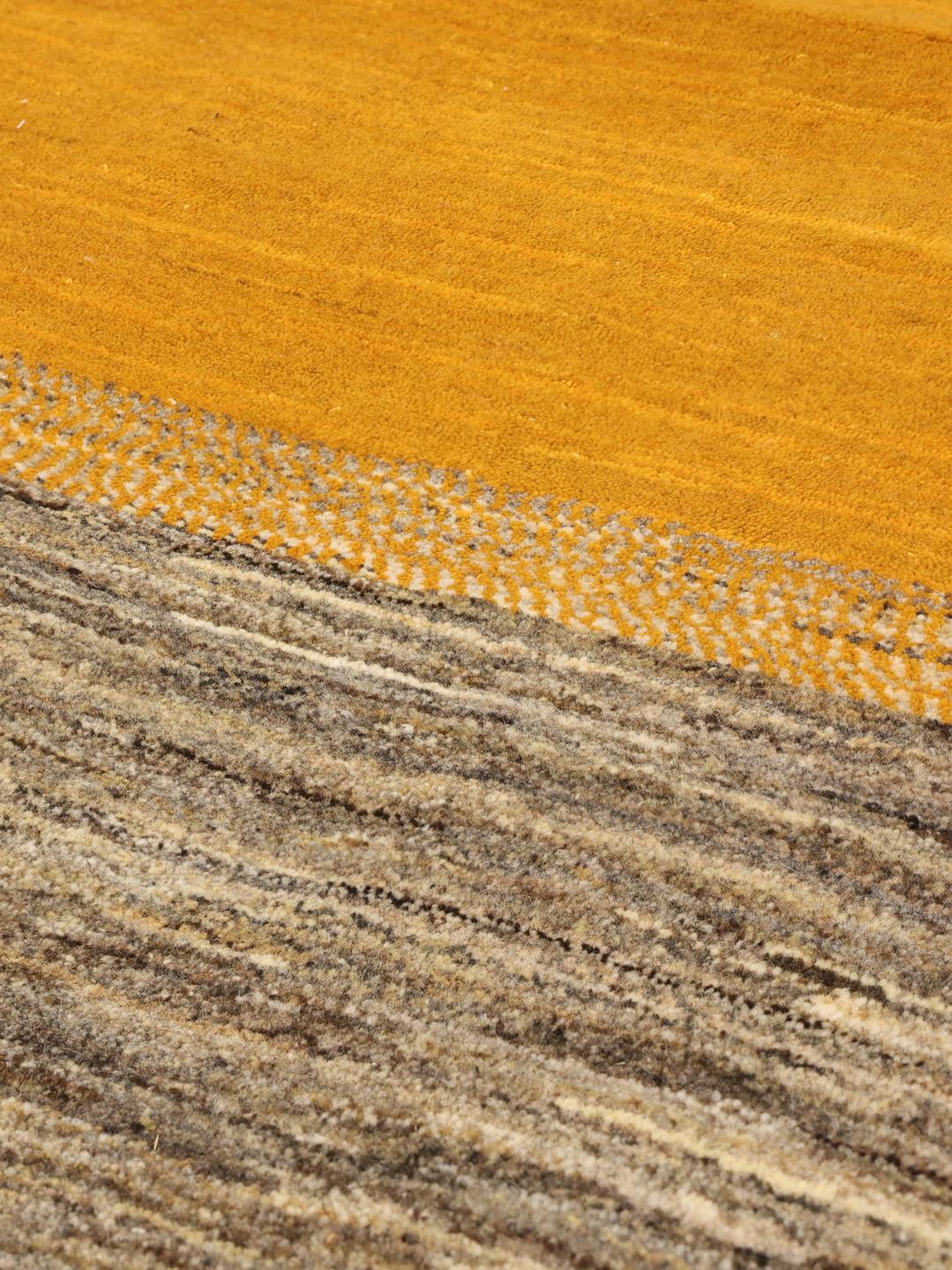
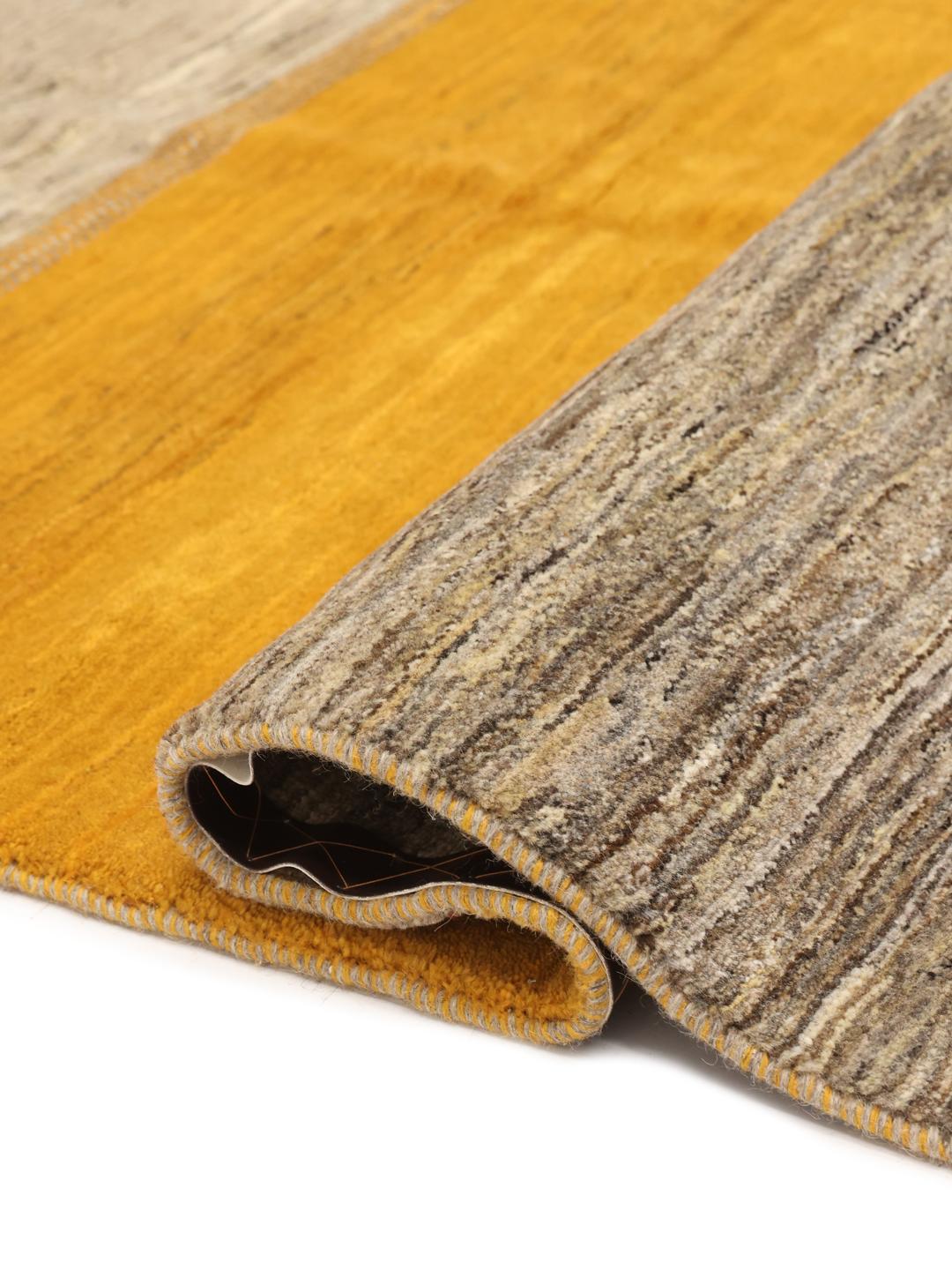
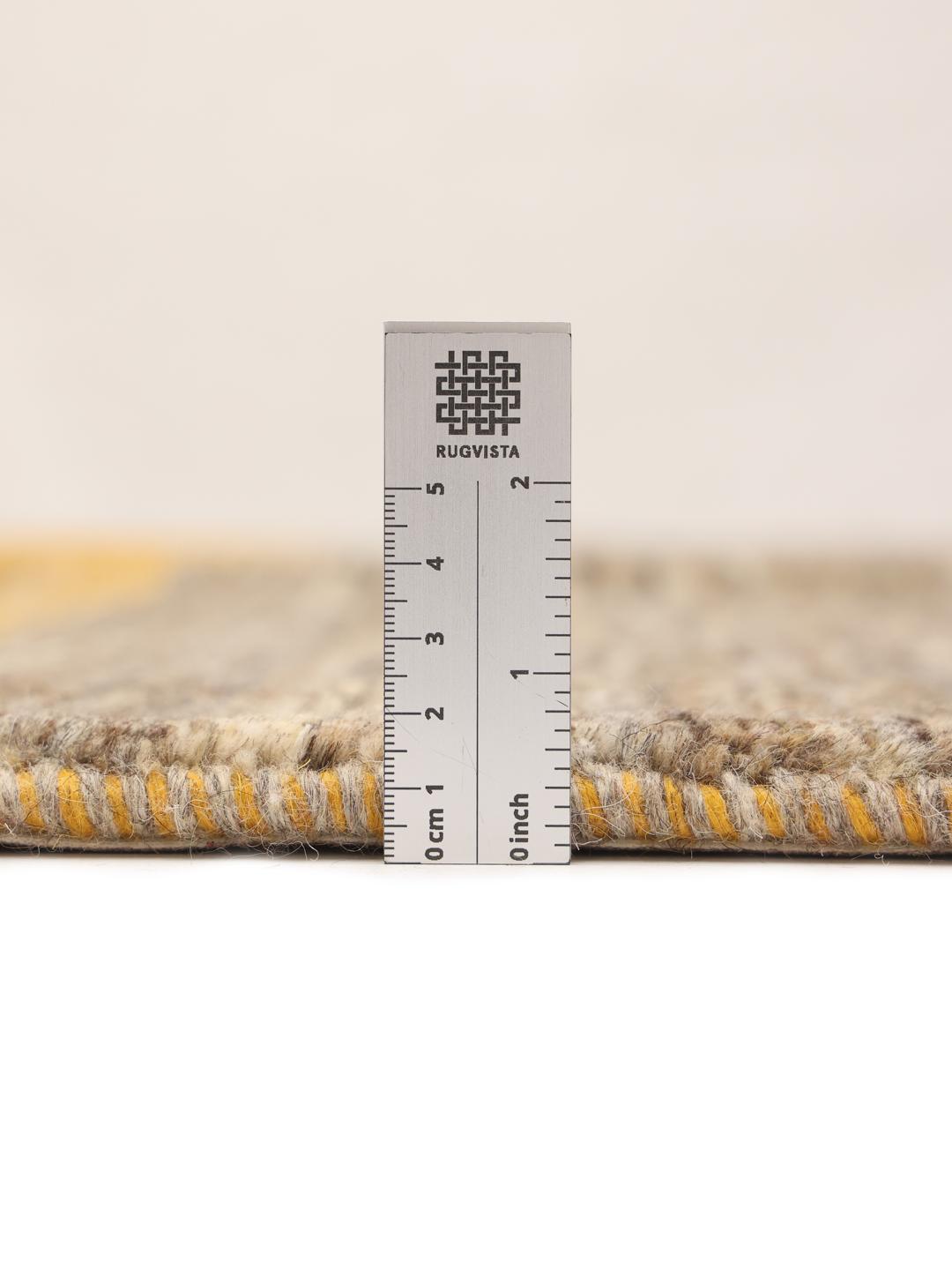
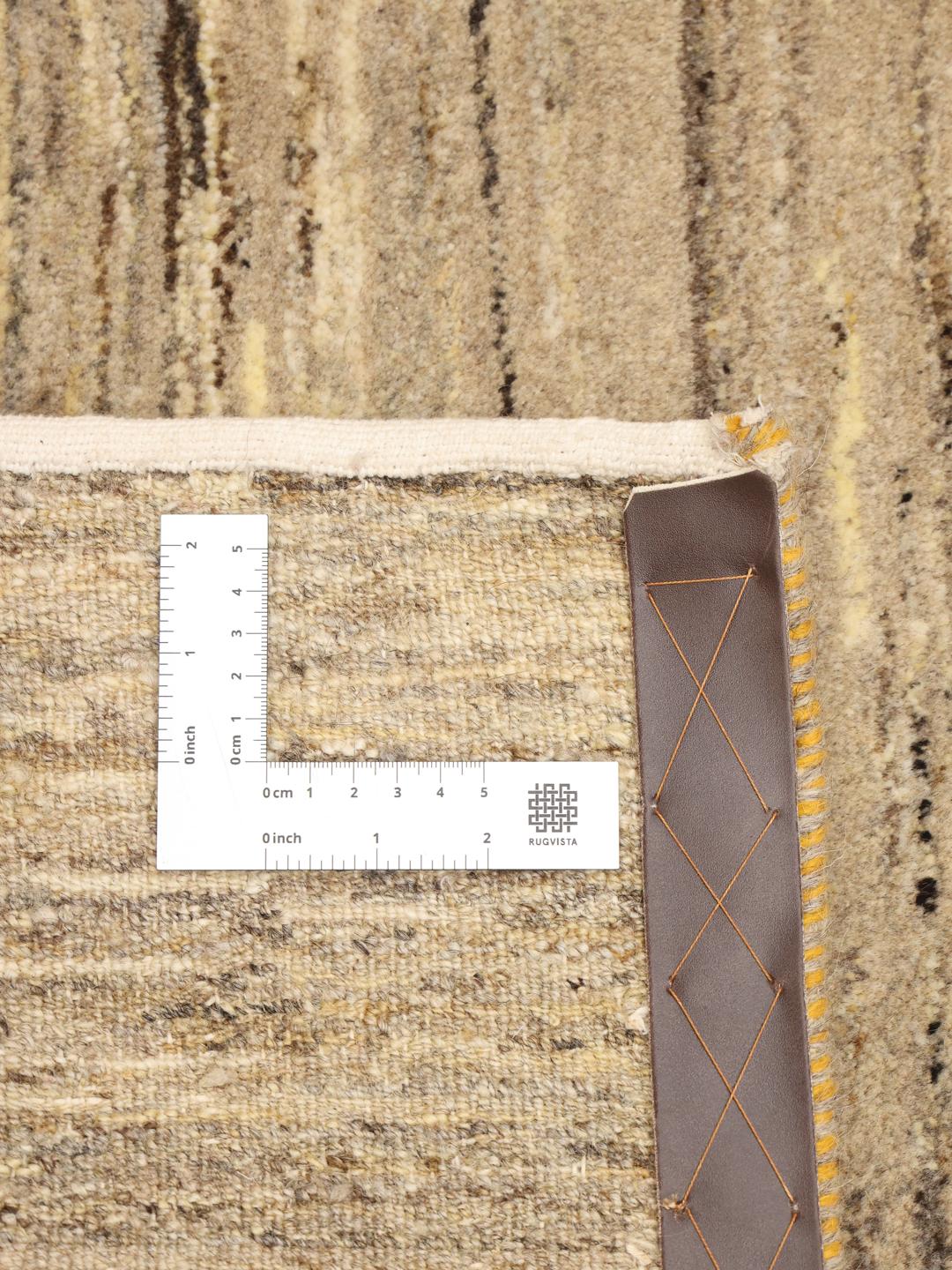
The term 'Baft' refers to the weaving or knotting process, and Loribaft rugs are known for their thicker, softer pile compared to many other regional styles. This construction is achieved by using a slightly different knotting tension, which results in a plush, tactile surface that is exceptionally comfortable. It is this focus on the tactile experience that has made them so popular in contemporary homes.
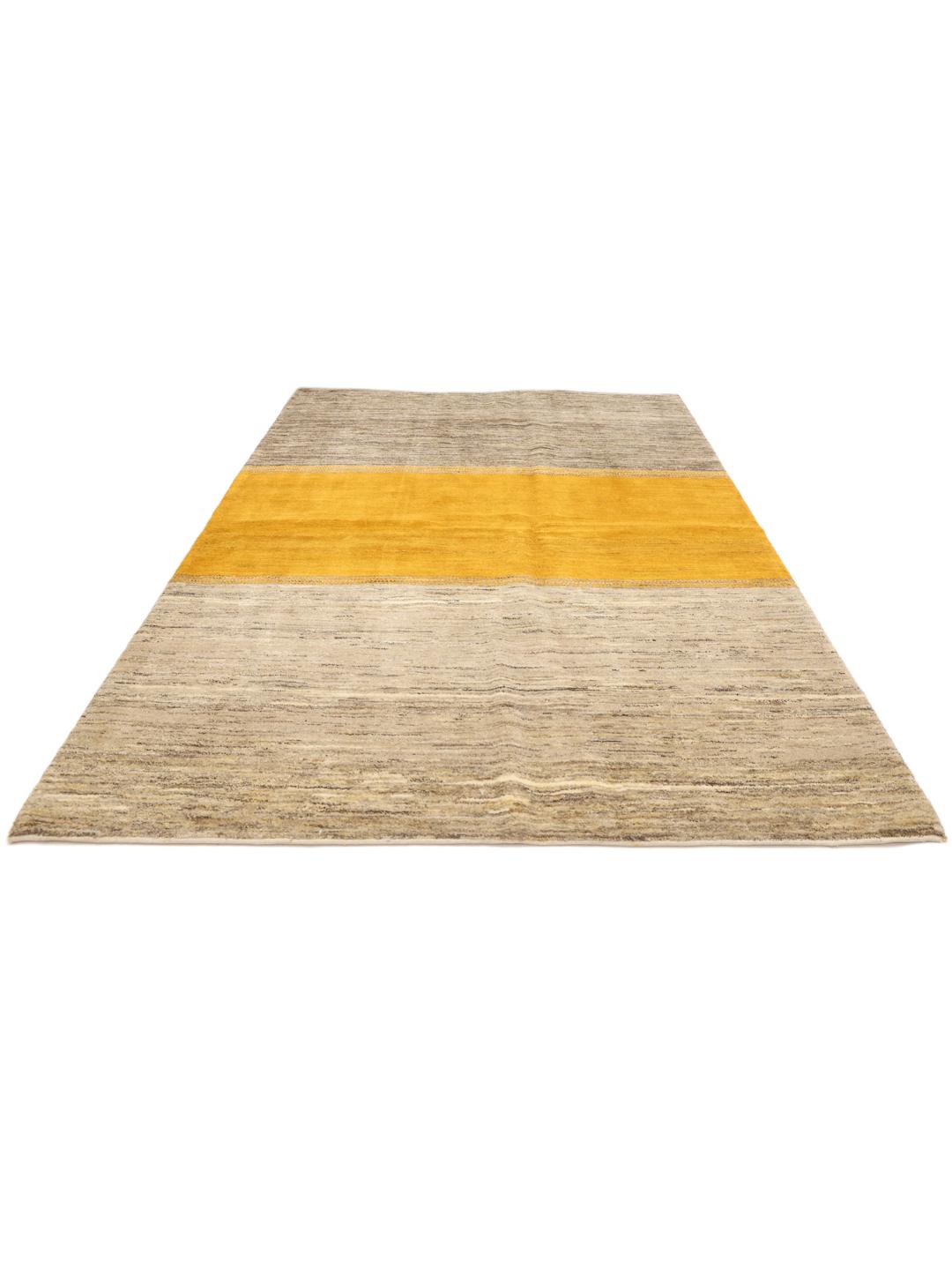
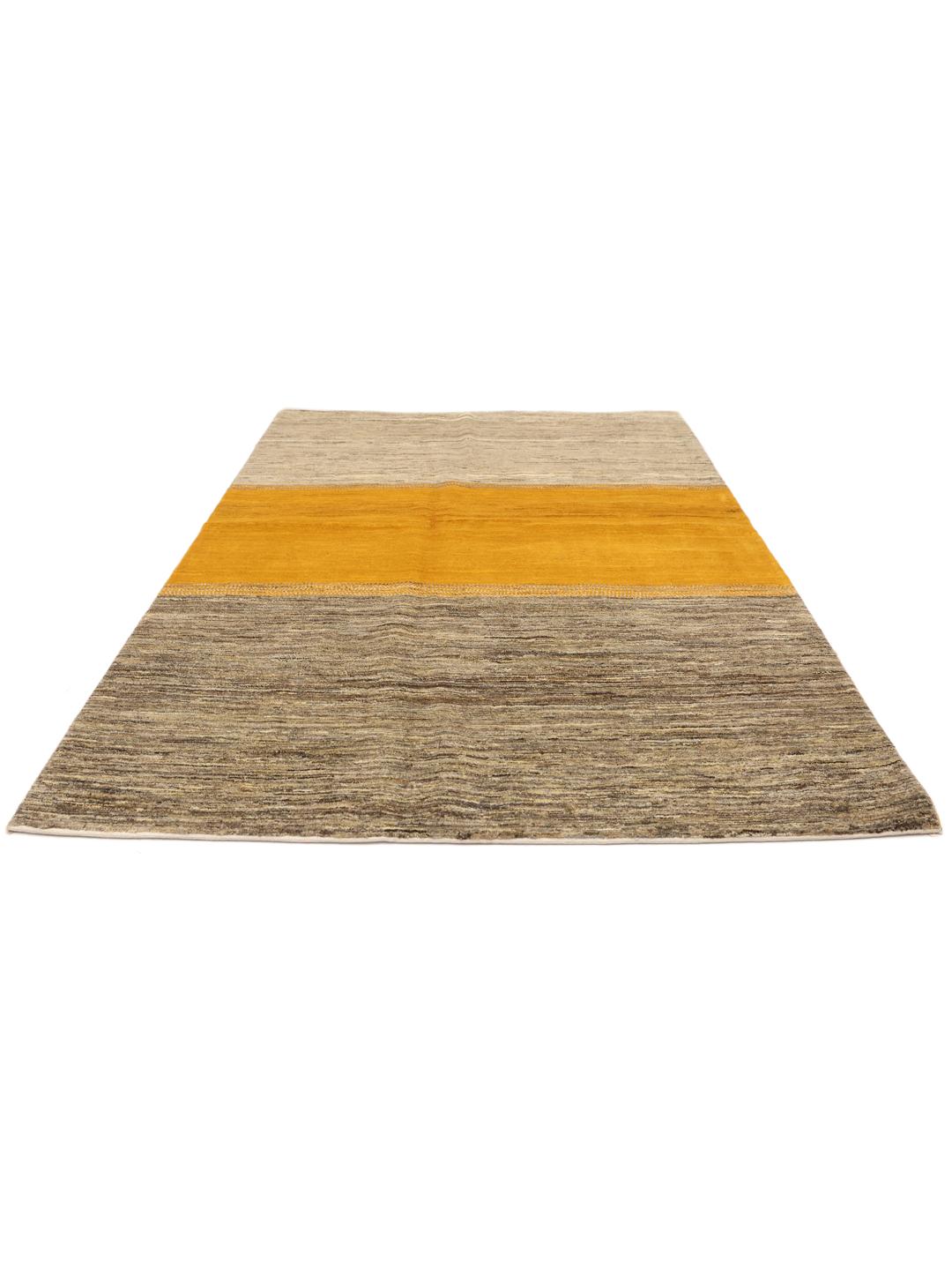
Visually, these rugs often move away from the rigid, intricate floral patterns seen in formal city rugs, favouring instead a more minimalist or abstract approach. The use of bold, wide bands or simplified geometric shapes allows the natural beauty of the hand-spun wool to take centre stage. The colours are traditionally sourced from natural dyes, giving them a rich, slightly variegated look that ages beautifully over time.
Owning a Loribaft is an invitation to connect with a long-standing tradition of nomadic artistry. These rugs are highly valued by collectors and homeowners alike for their authenticity and the human story behind every knot. They represent a bridge between ancient tribal heritage and modern living, offering a piece of cultural history that feels entirely at home in a contemporary setting.