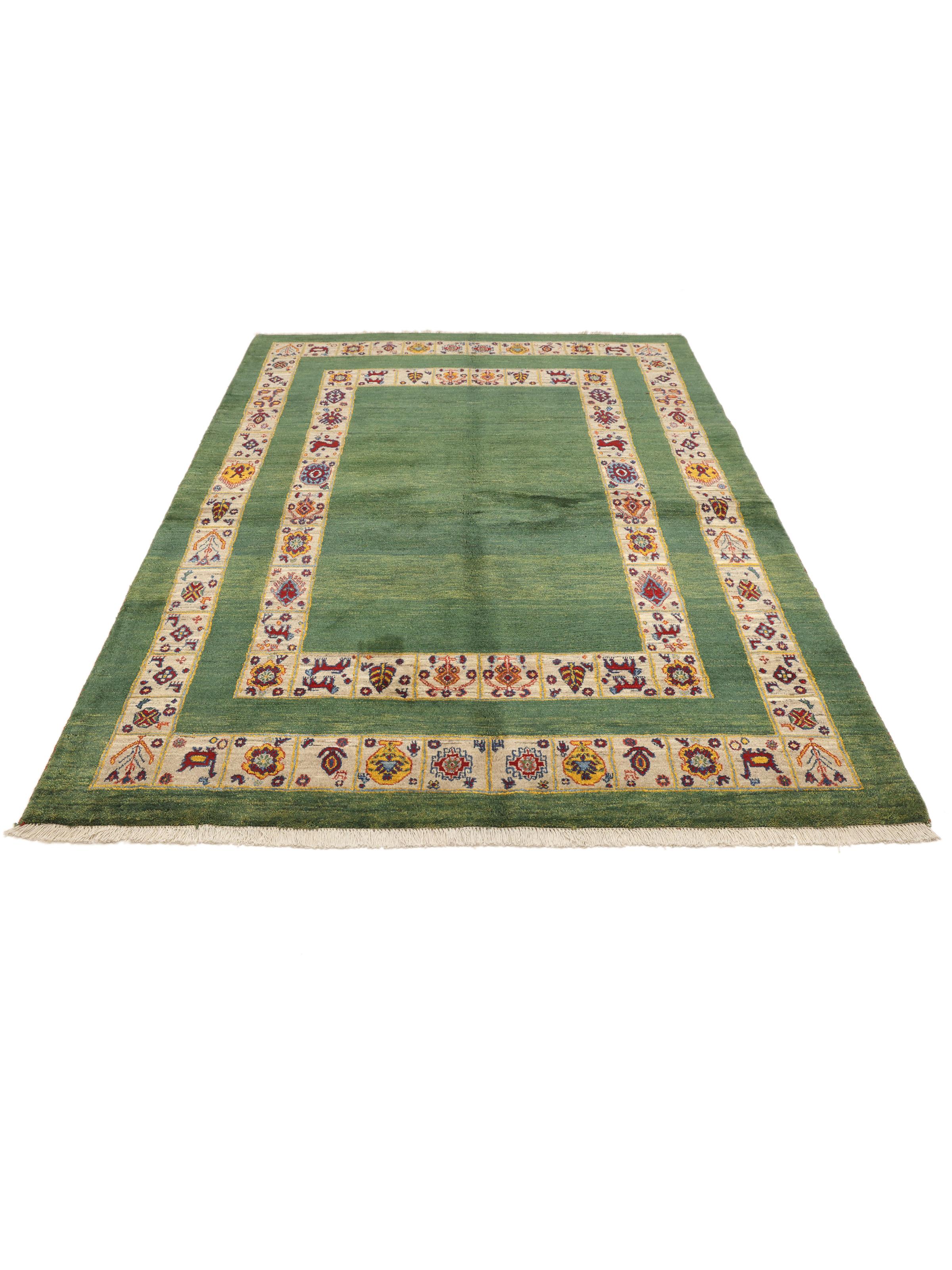
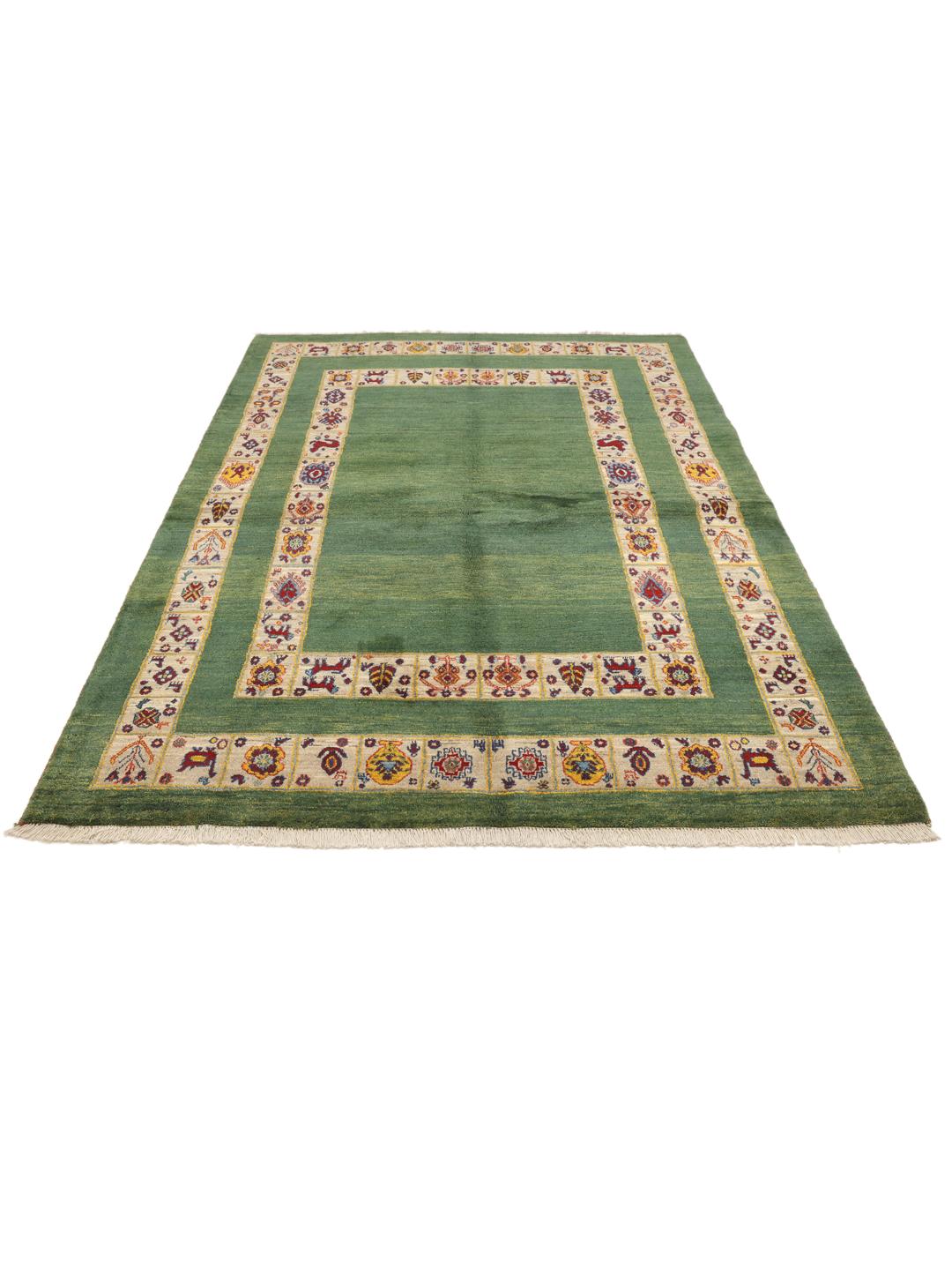
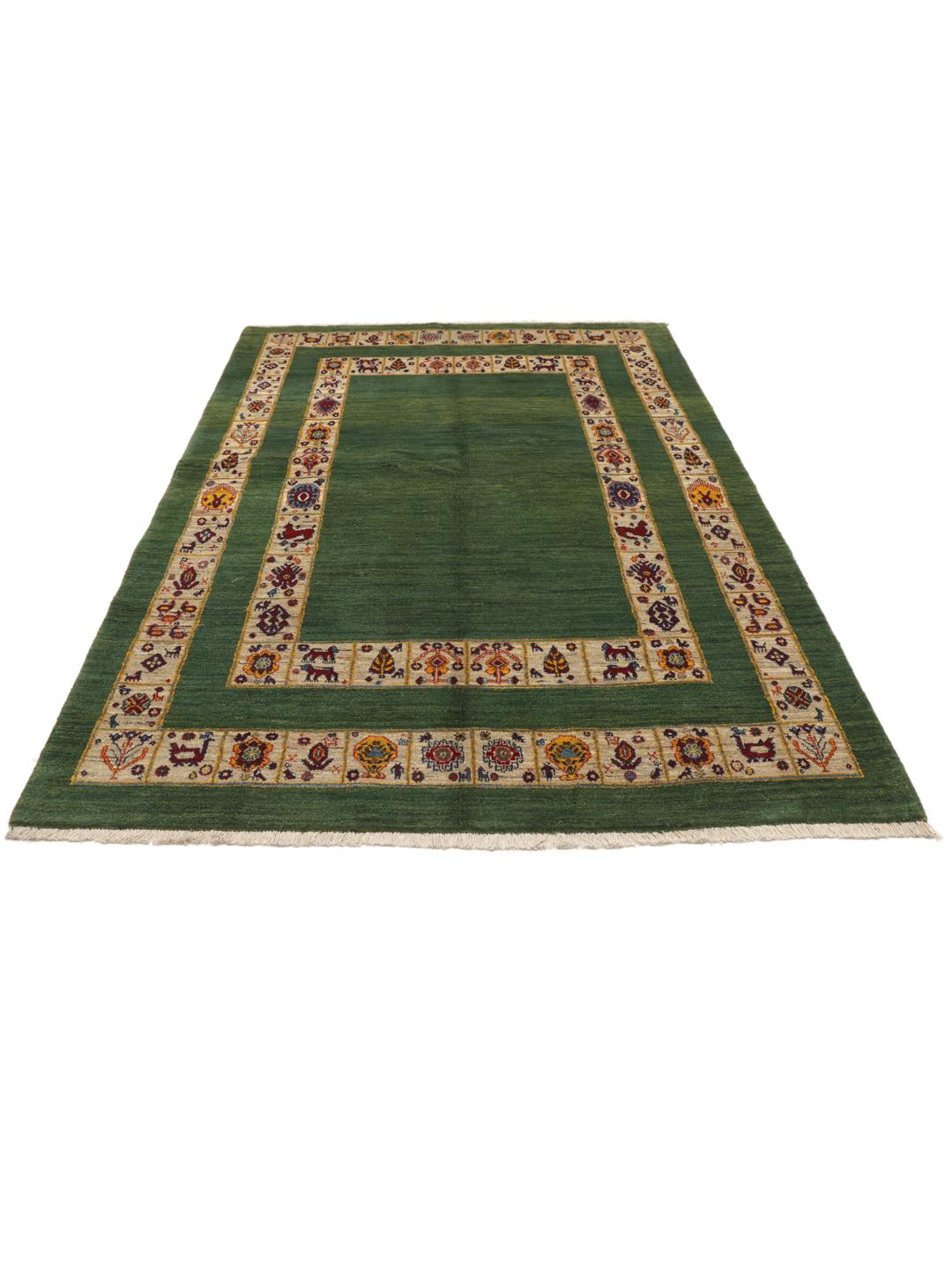
The Loribaft rug tradition originates from the nomadic tribes of the Middle East, specifically the Luri people who are renowned for their expressive and bold weaving style. These rugs evolved as a practical and artistic response to the harsh, mountainous environment of the region, where wool was the primary resource. Over generations, the craft has been refined, with Loribaft rugs becoming celebrated for their simplicity and the deep, soulful character they bring to interiors.
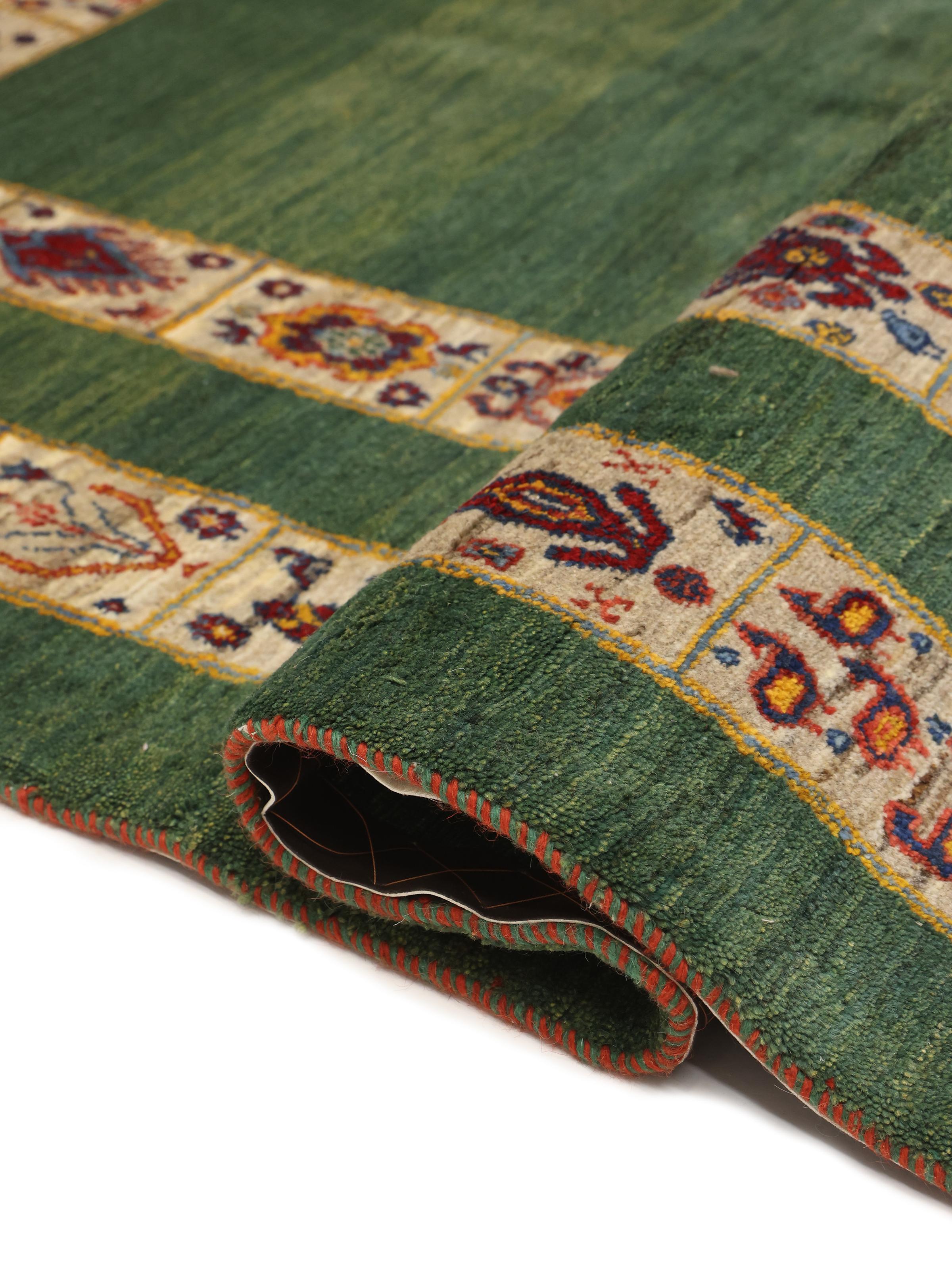
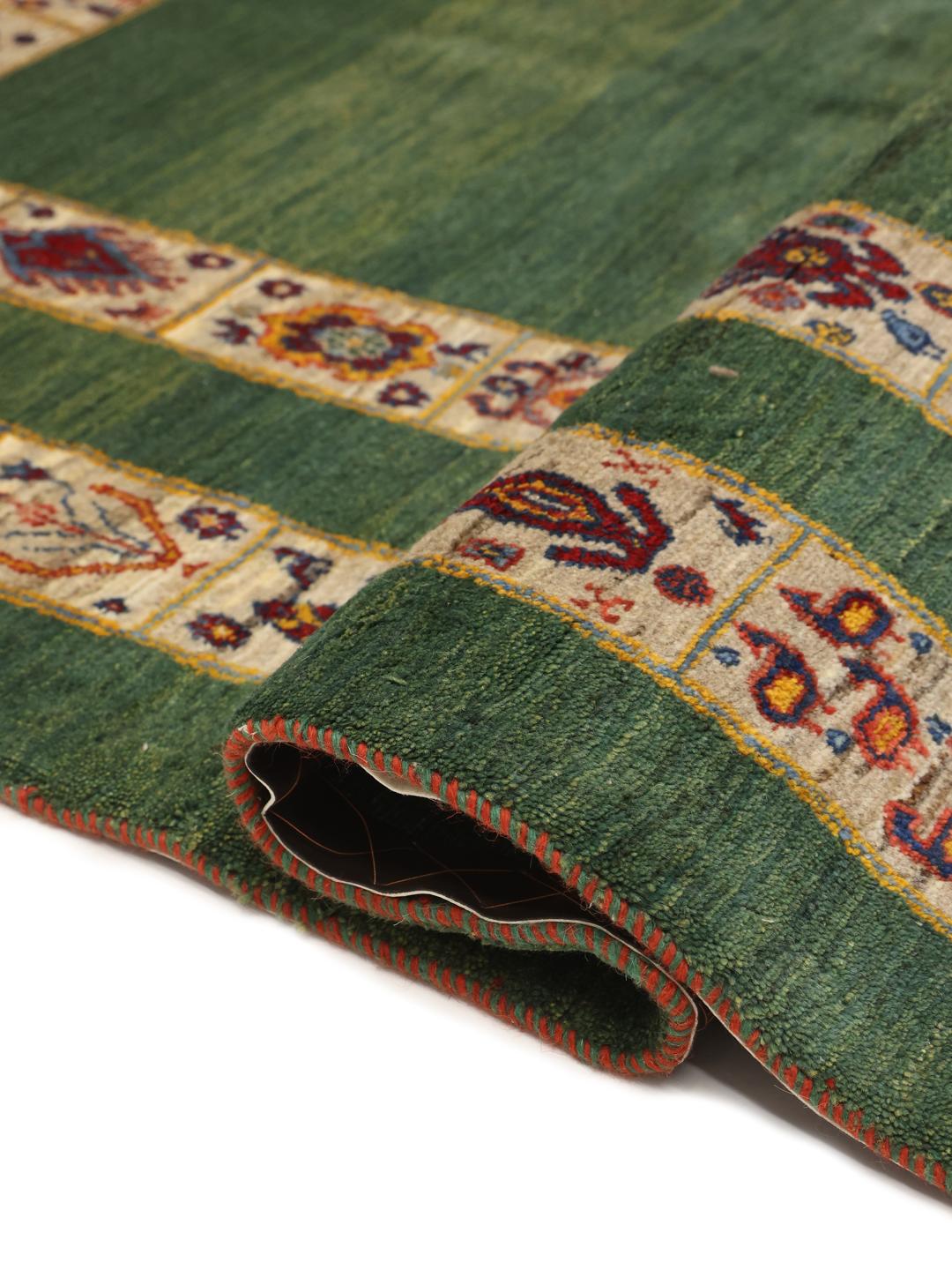
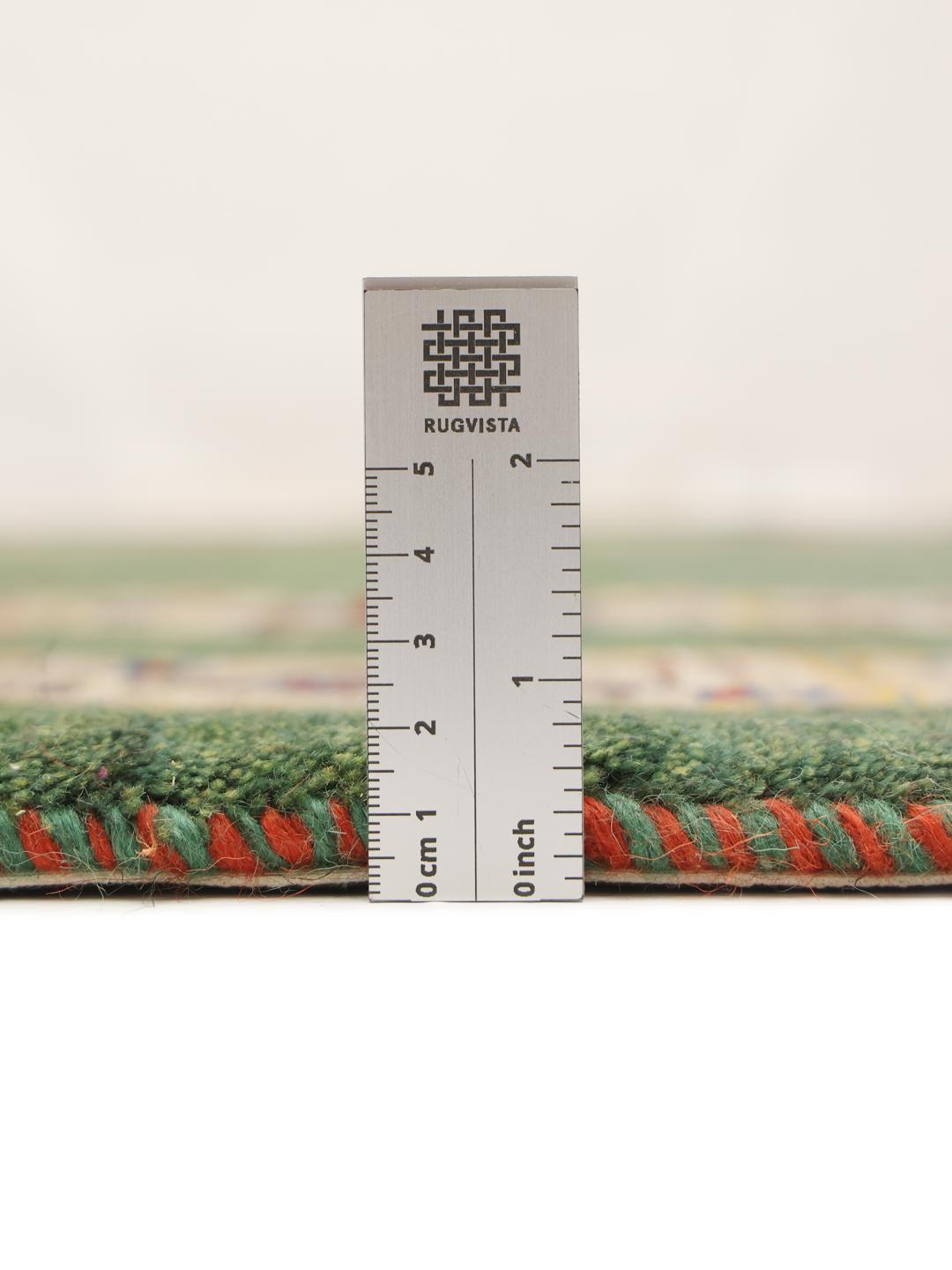
The term 'Baft' refers to the weaving process itself, which in the case of these rugs, prioritises a thick, high-pile construction that feels exceptionally soft and substantial. Unlike more formal, rigid city rugs, the Loribaft style embraces a more spontaneous and organic approach. This construction method results in a durable, long-lasting surface that captures the natural variations of the wool, giving each rug a unique, tactile depth that is highly sought after by collectors.
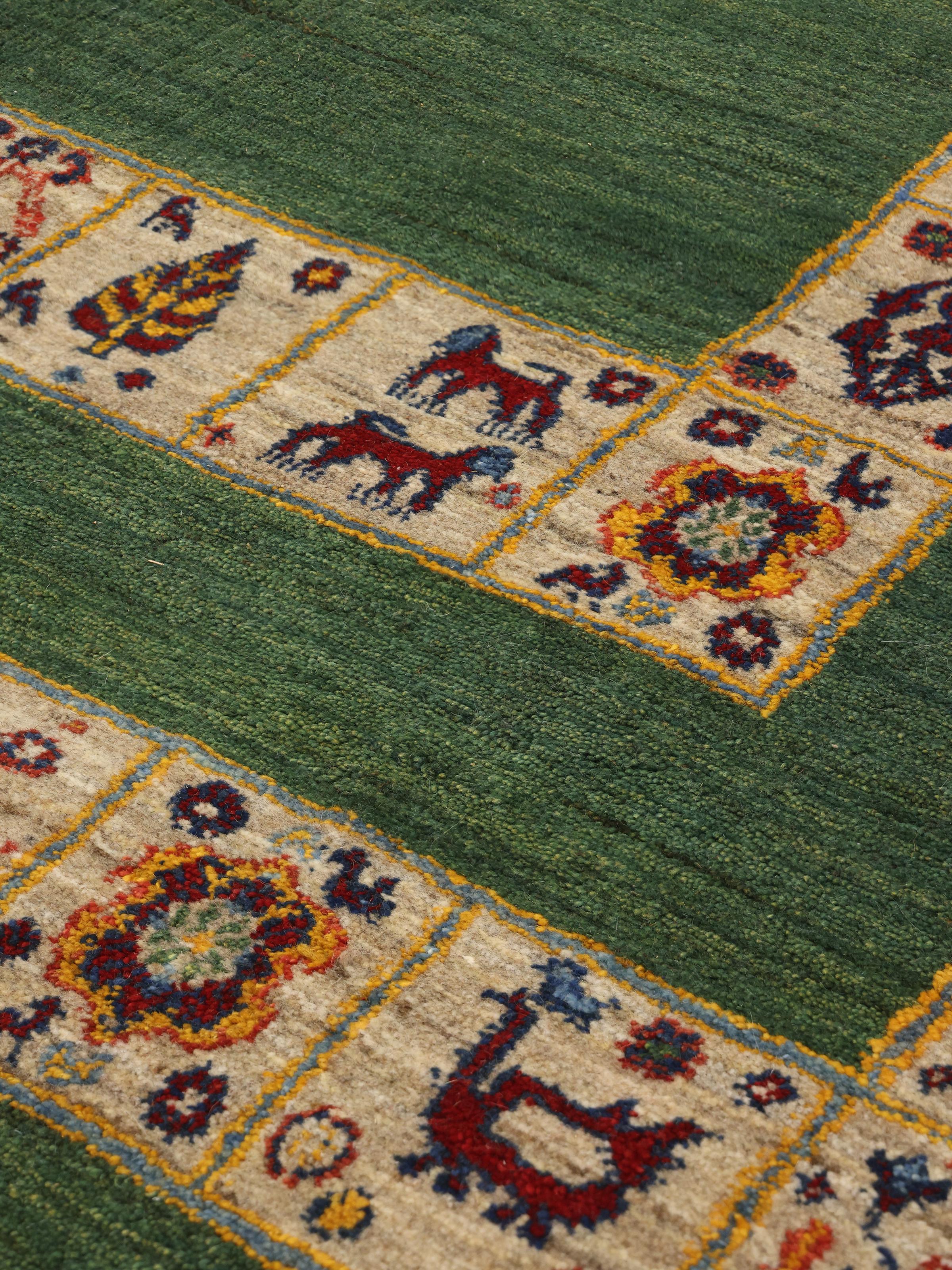
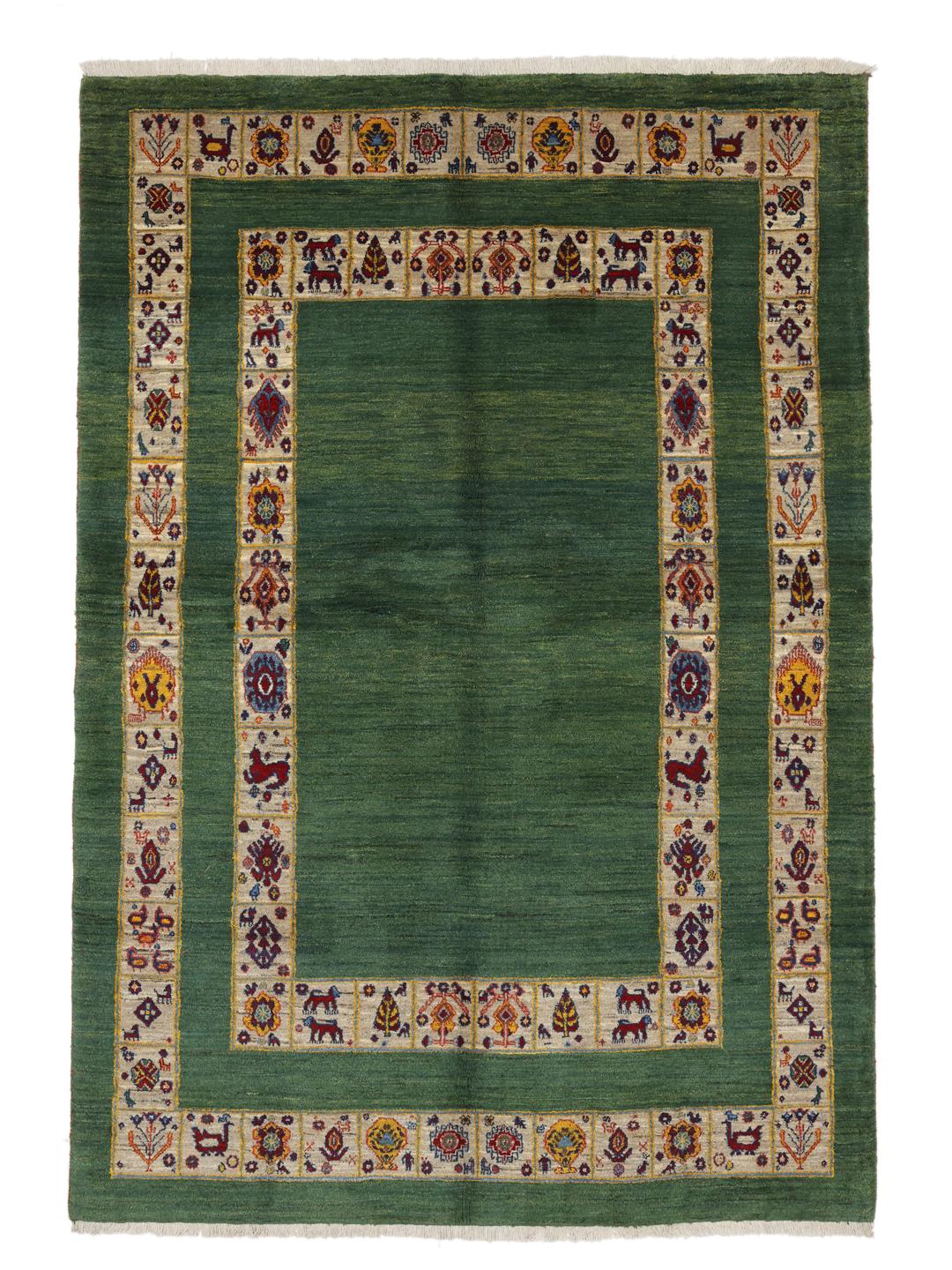
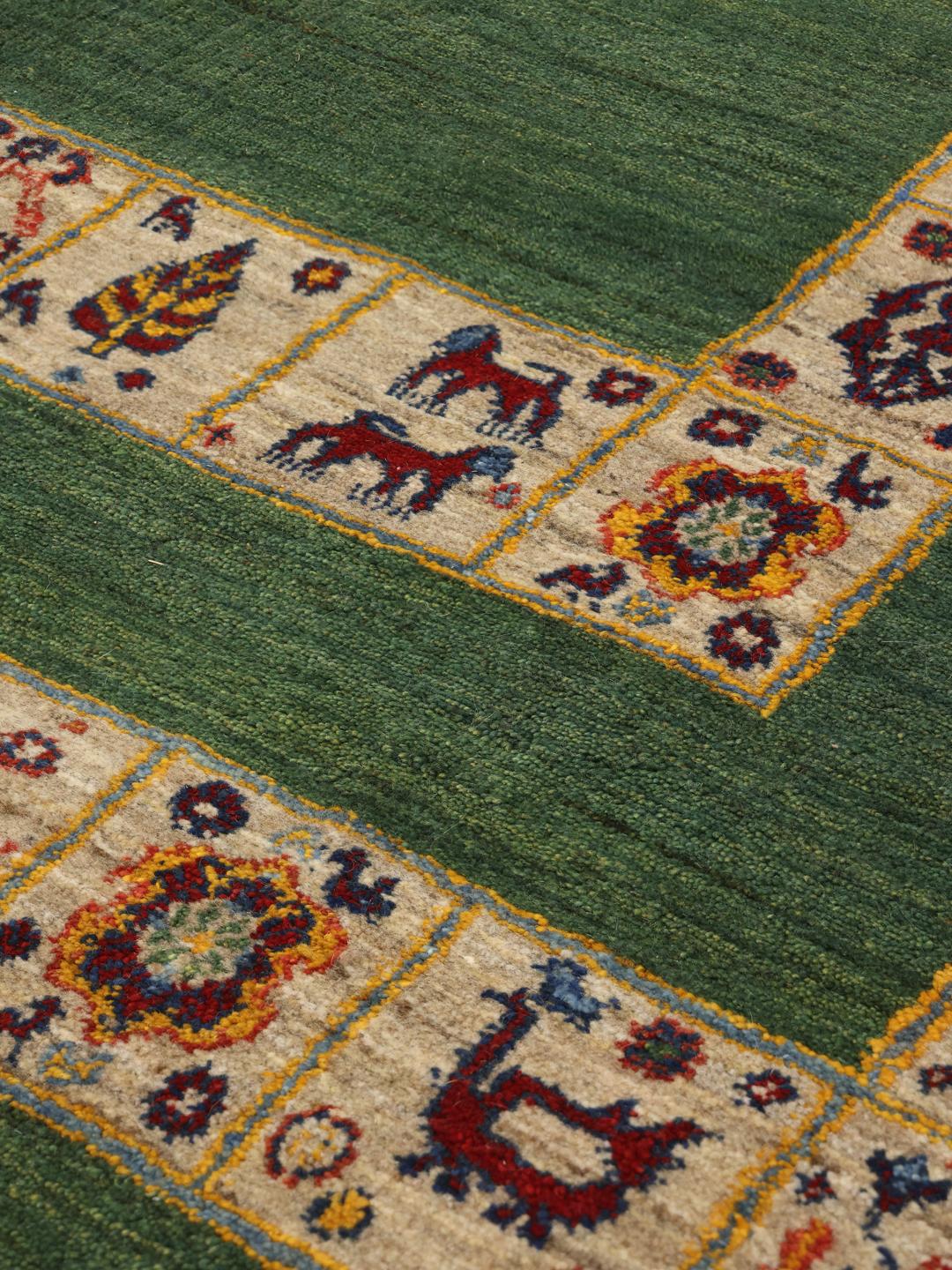
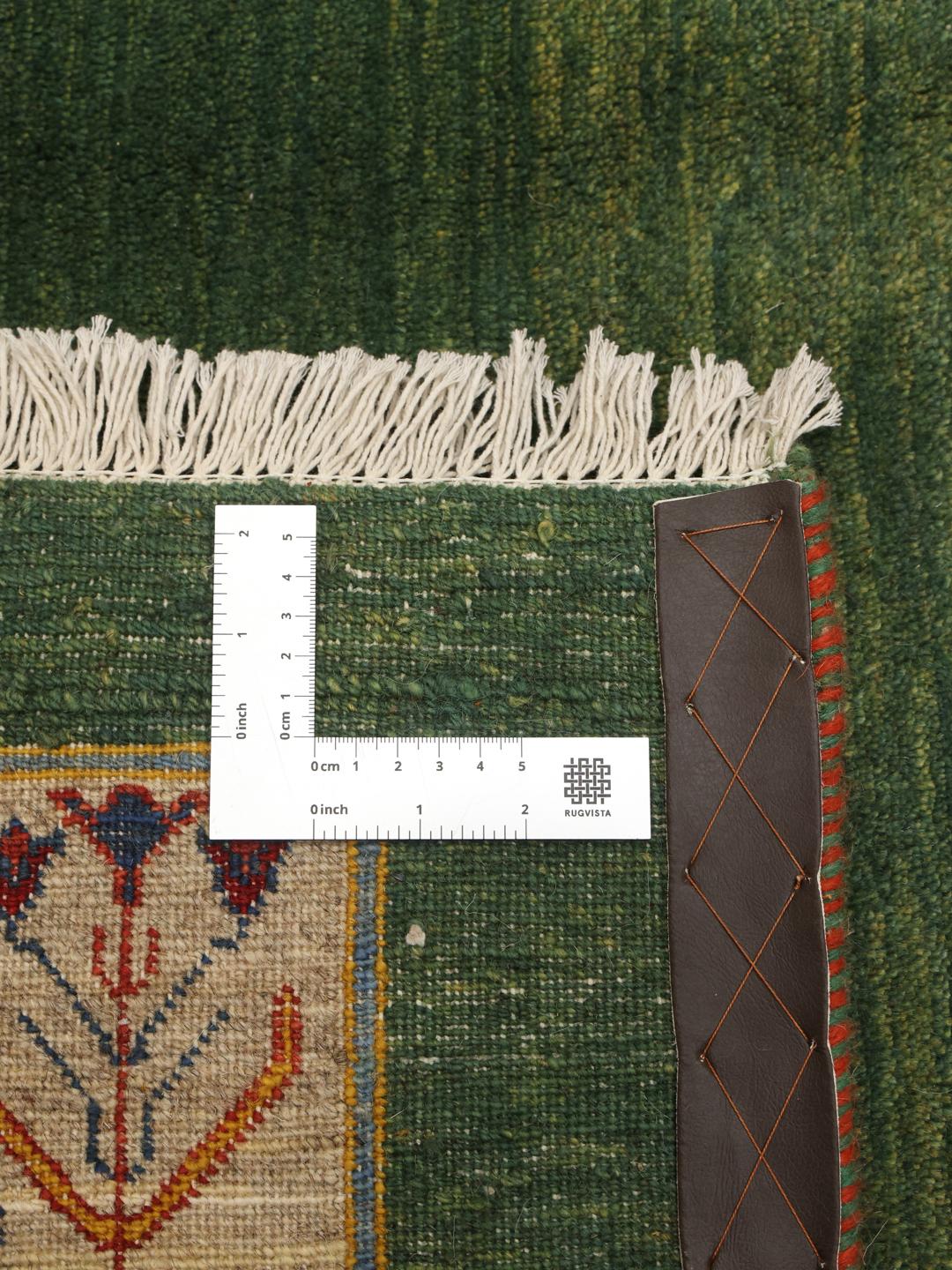
Visually, these rugs are often defined by their vast, open fields, which allow the natural colours of the wool to shine. The decorative borders are where the weavers traditionally incorporate tribal motifs, often drawing inspiration from their daily life, the local flora, and the animals they encounter. The use of vibrant, natural dyes and the deliberate inclusion of geometric or symbolic patterns make every Loribaft rug a narrative piece that reflects the cultural identity of the weaving community.
Today, these rugs are highly valued not only for their beauty but for the authentic heritage they represent. Owning a Loribaft piece is a testament to the appreciation of traditional skill and the human effort required to create something so enduring. Collectors value these rugs for their ability to bridge the gap between traditional nomadic art and contemporary home design, making them a meaningful addition to any collection.