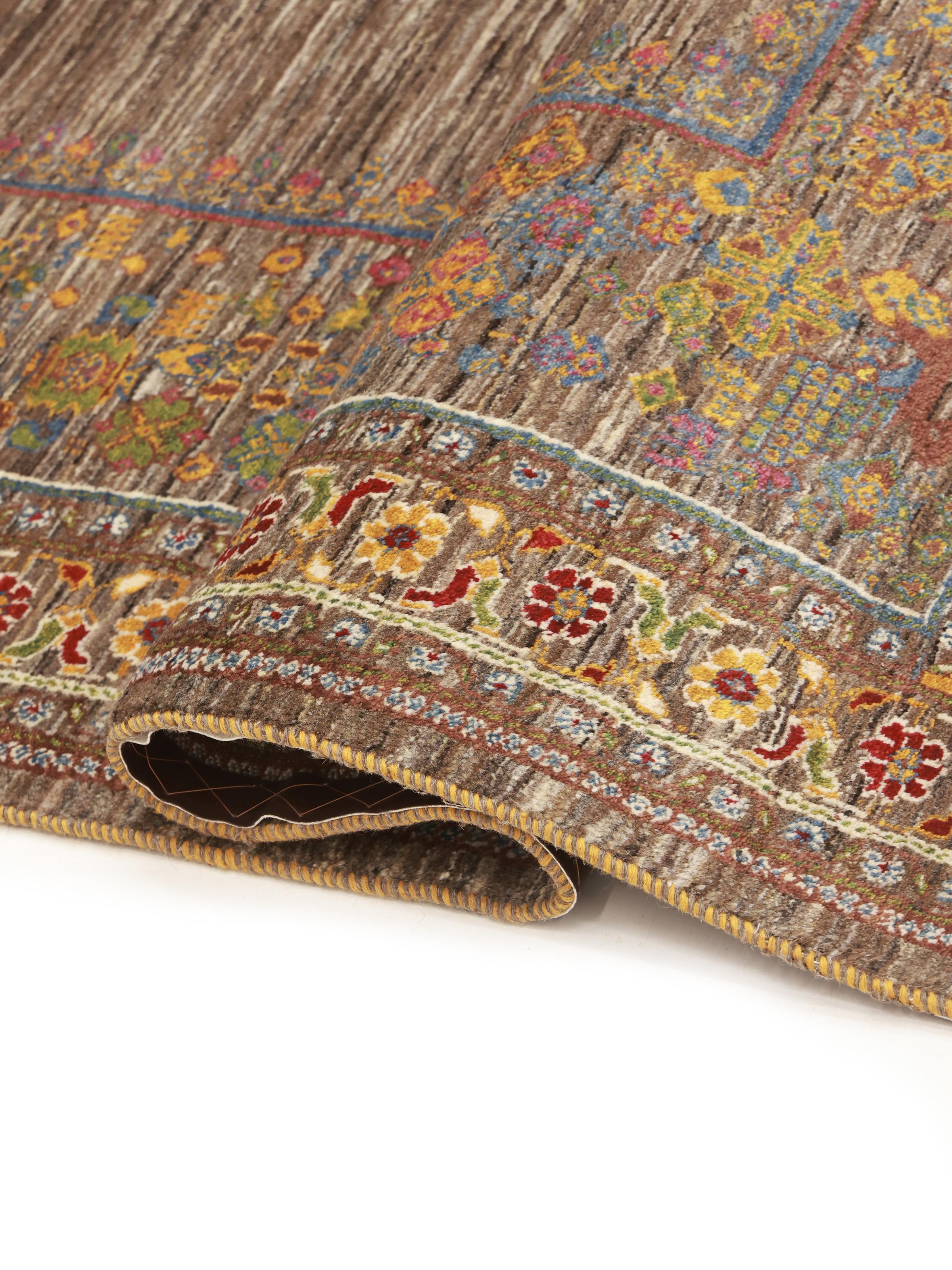
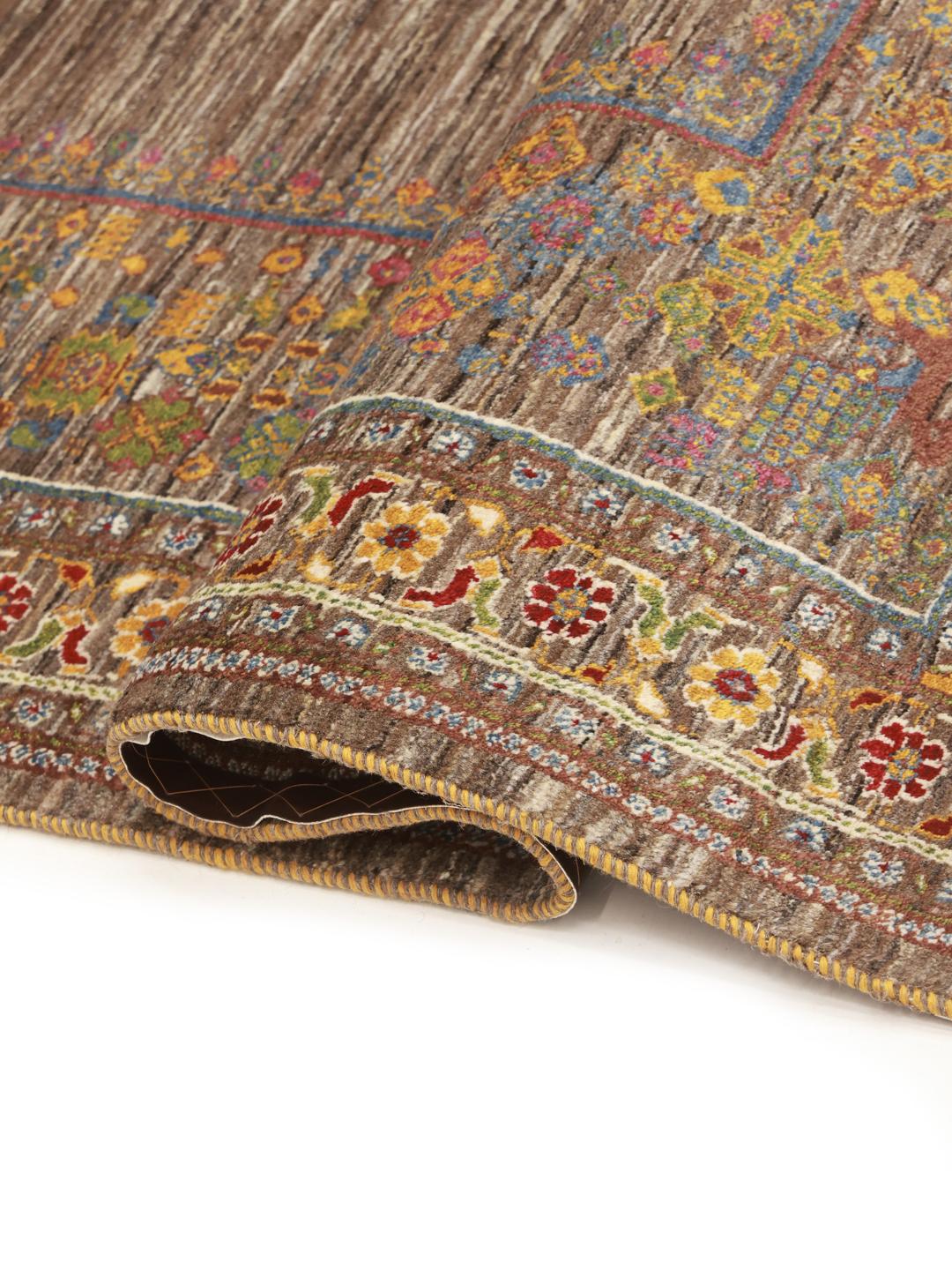
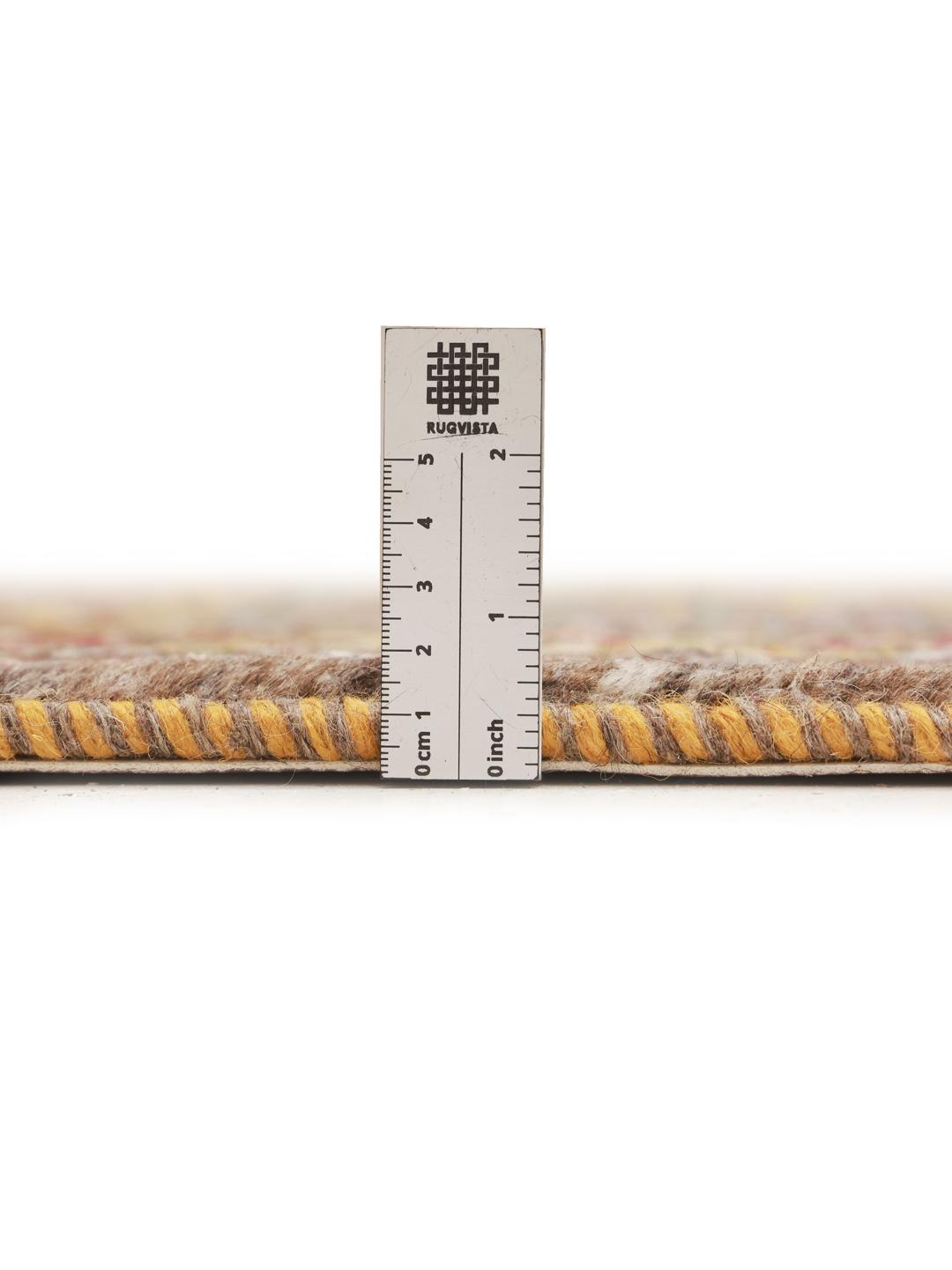
Loribaft rugs are a celebrated evolution within the weaving traditions of the Middle Eastern tribal cultures, specifically linked to the nomadic groups who have historically traversed the mountainous landscapes of the region. These rugs are renowned for their thicker, more plush pile compared to traditional flat-woven kilims, a development that arose to meet the need for greater warmth in high-altitude environments.
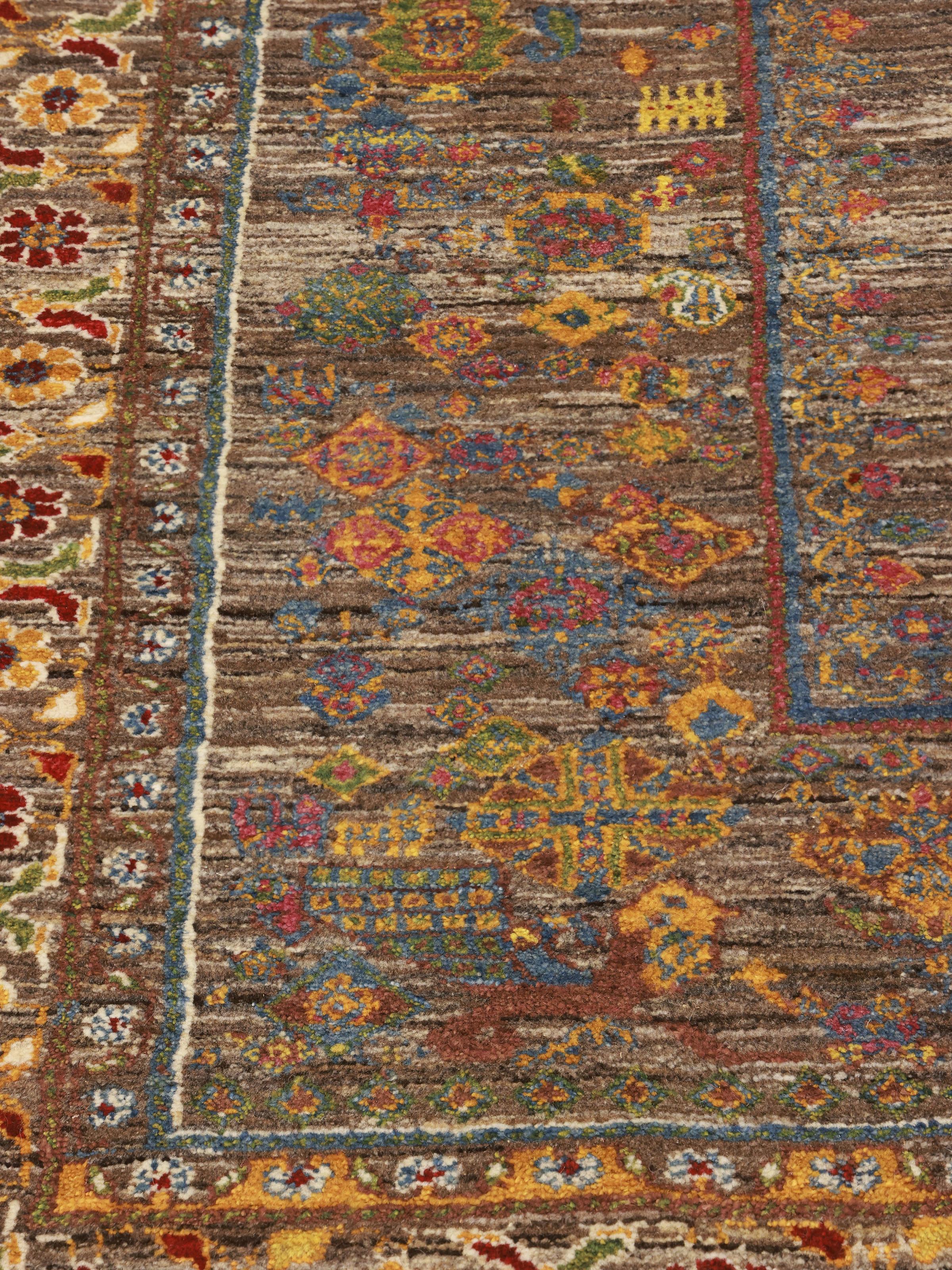
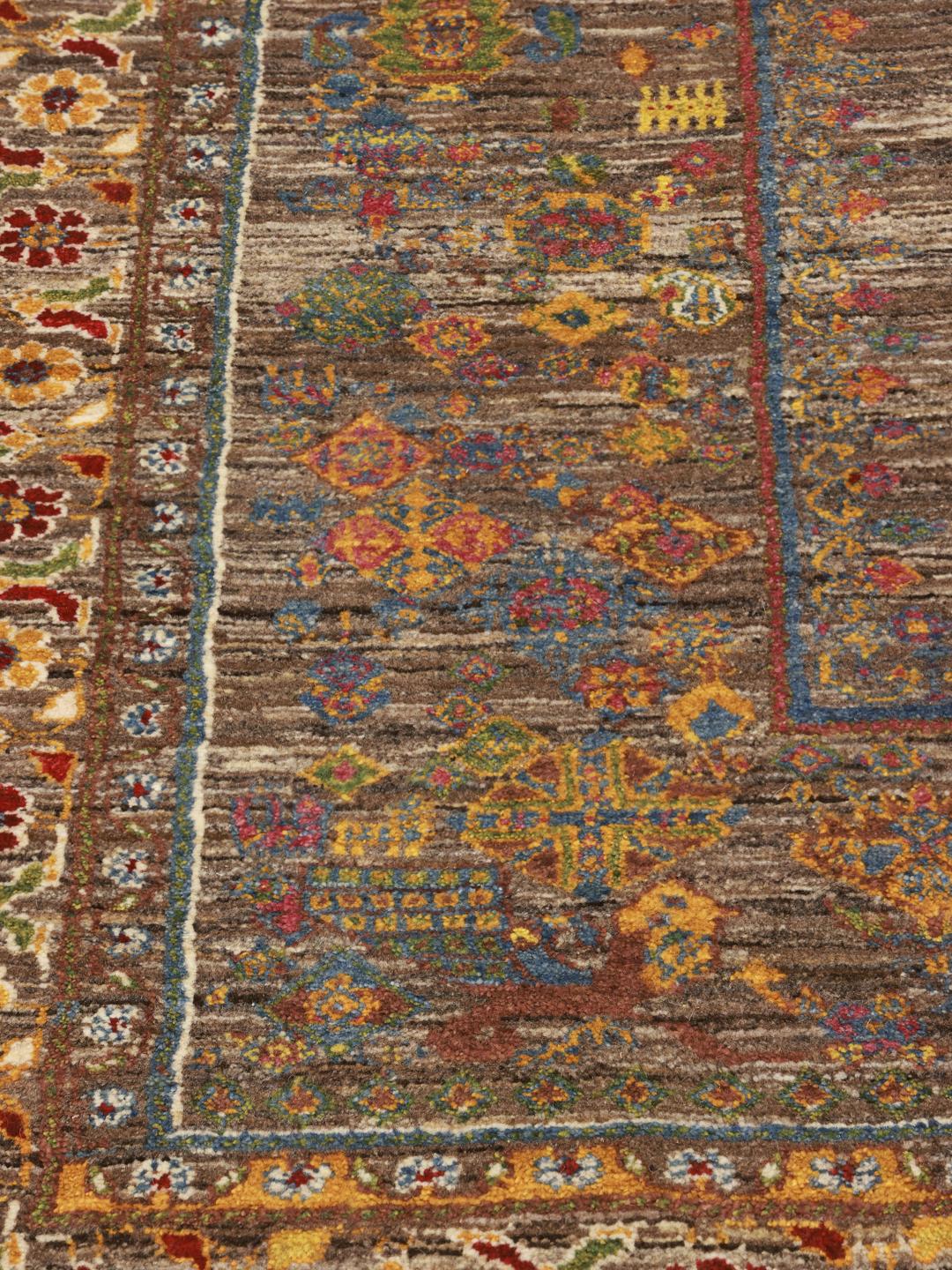
The term 'Lori' refers to the tribal heritage of the weavers, while 'baft' implies the act of weaving or the structure of the knot. These pieces are often characterised by their use of high-quality, hand-spun wool, which is naturally rich in lanolin. This provides the finished rug with a soft, lustrous sheen that improves with age and use, making them highly sought after by those who appreciate materials that develop character over time.
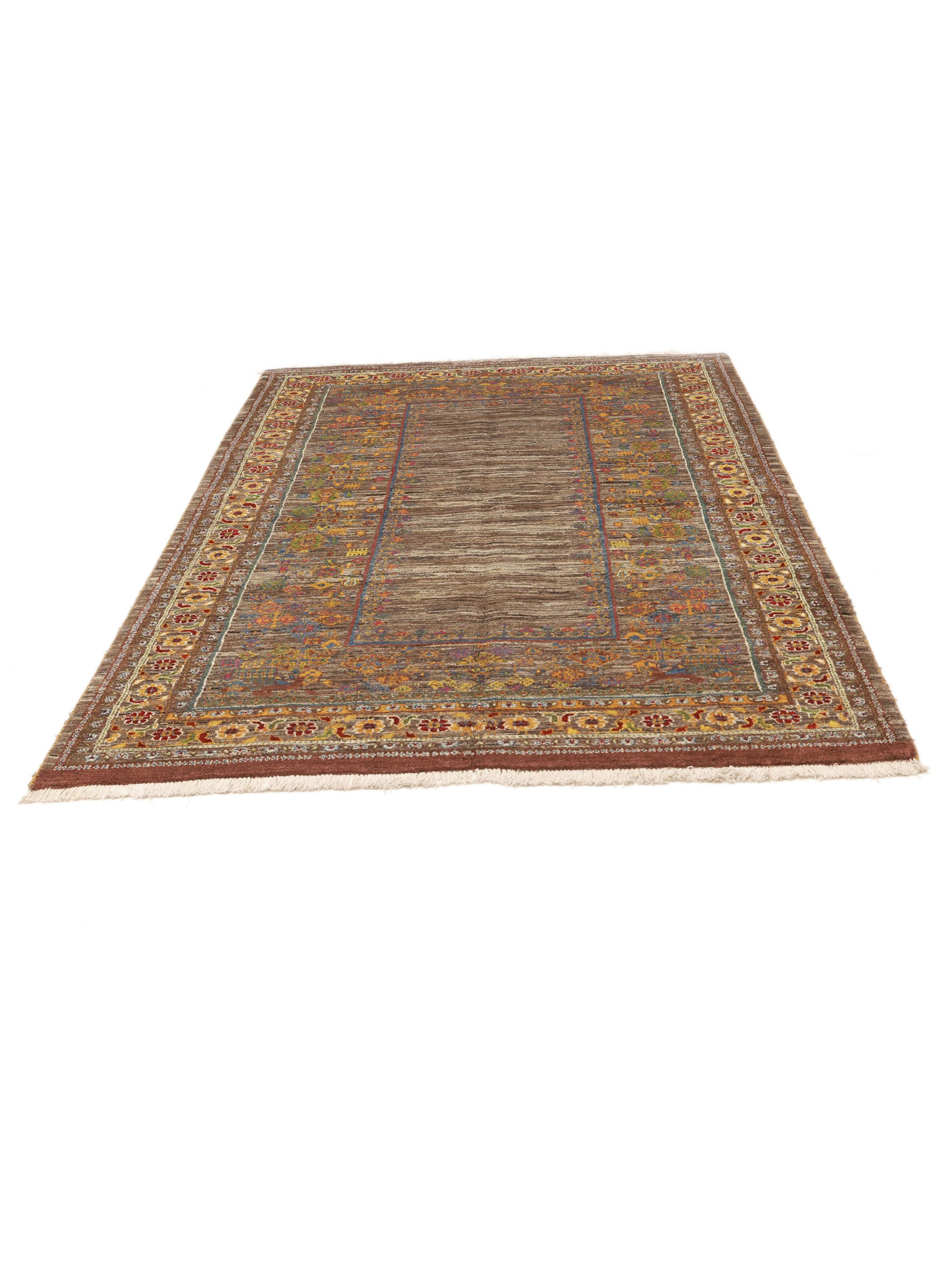
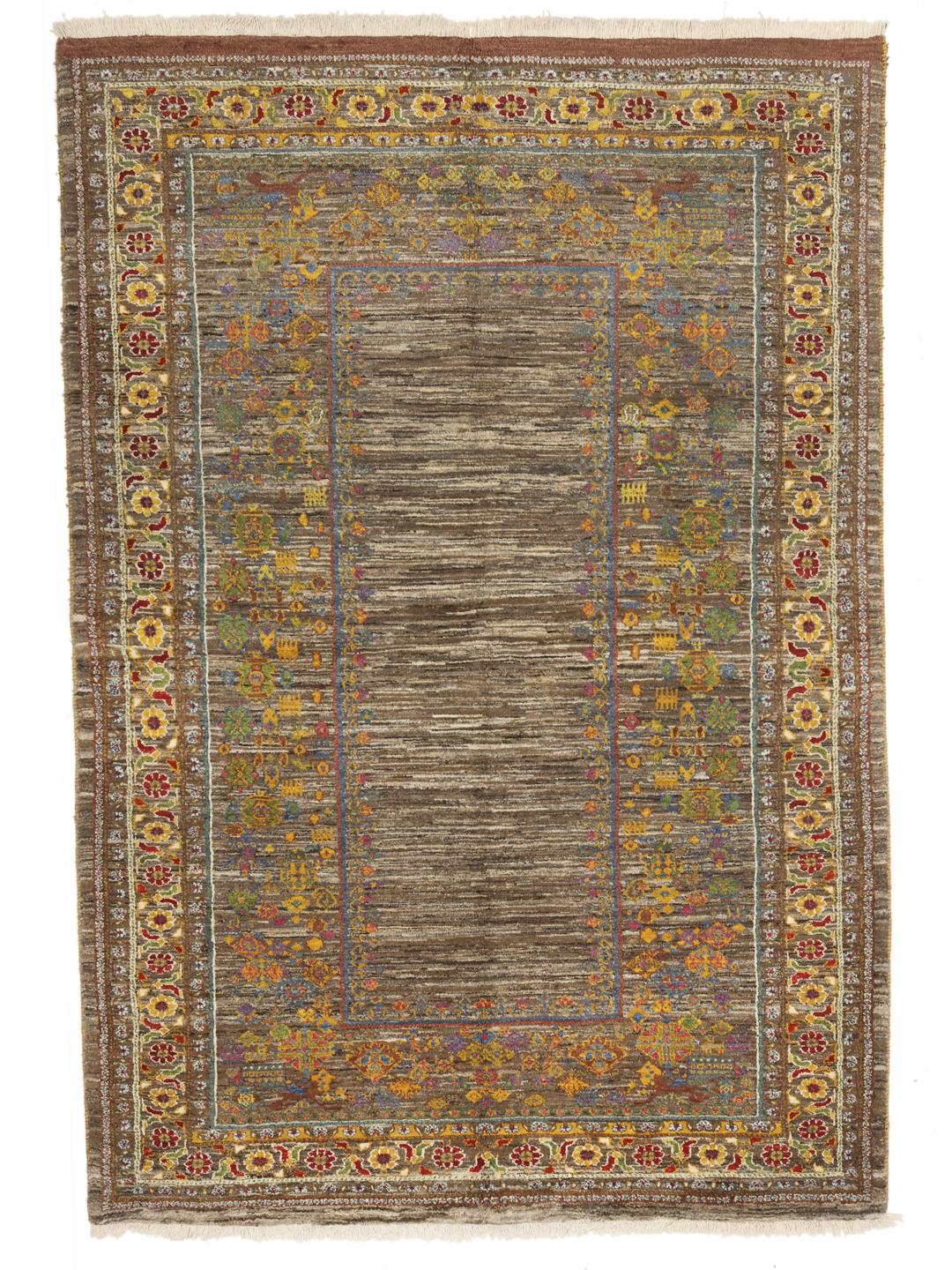
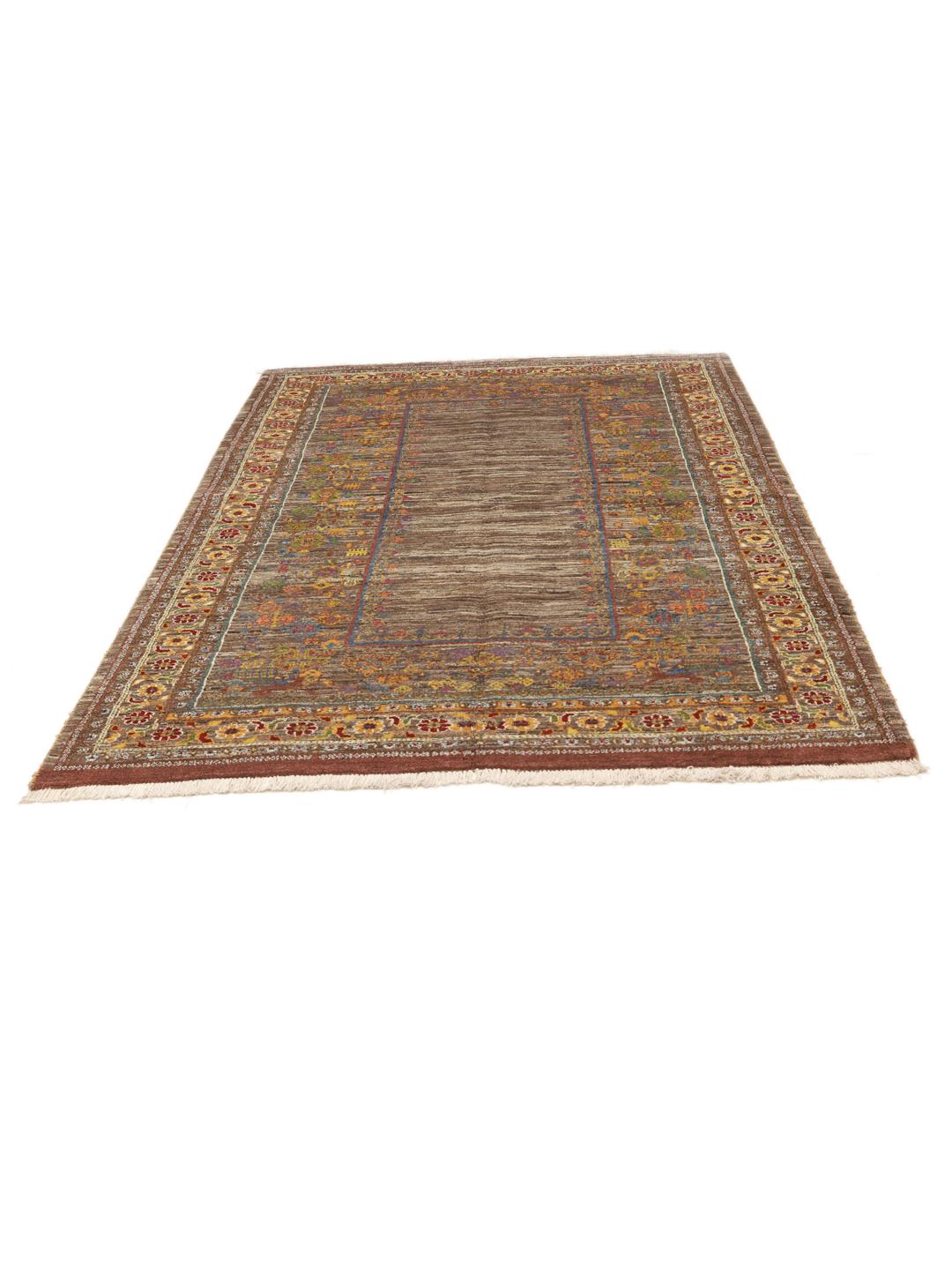
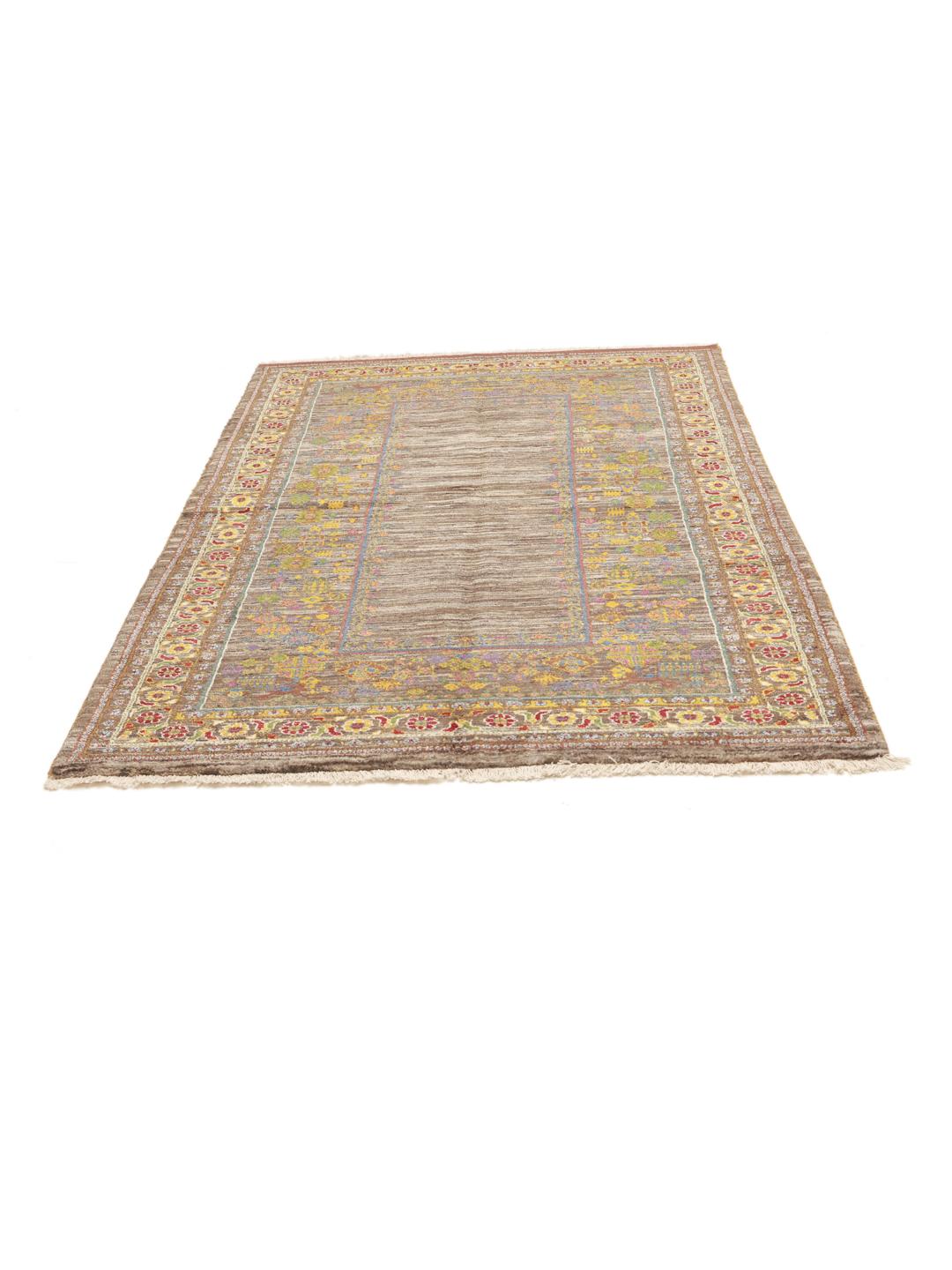
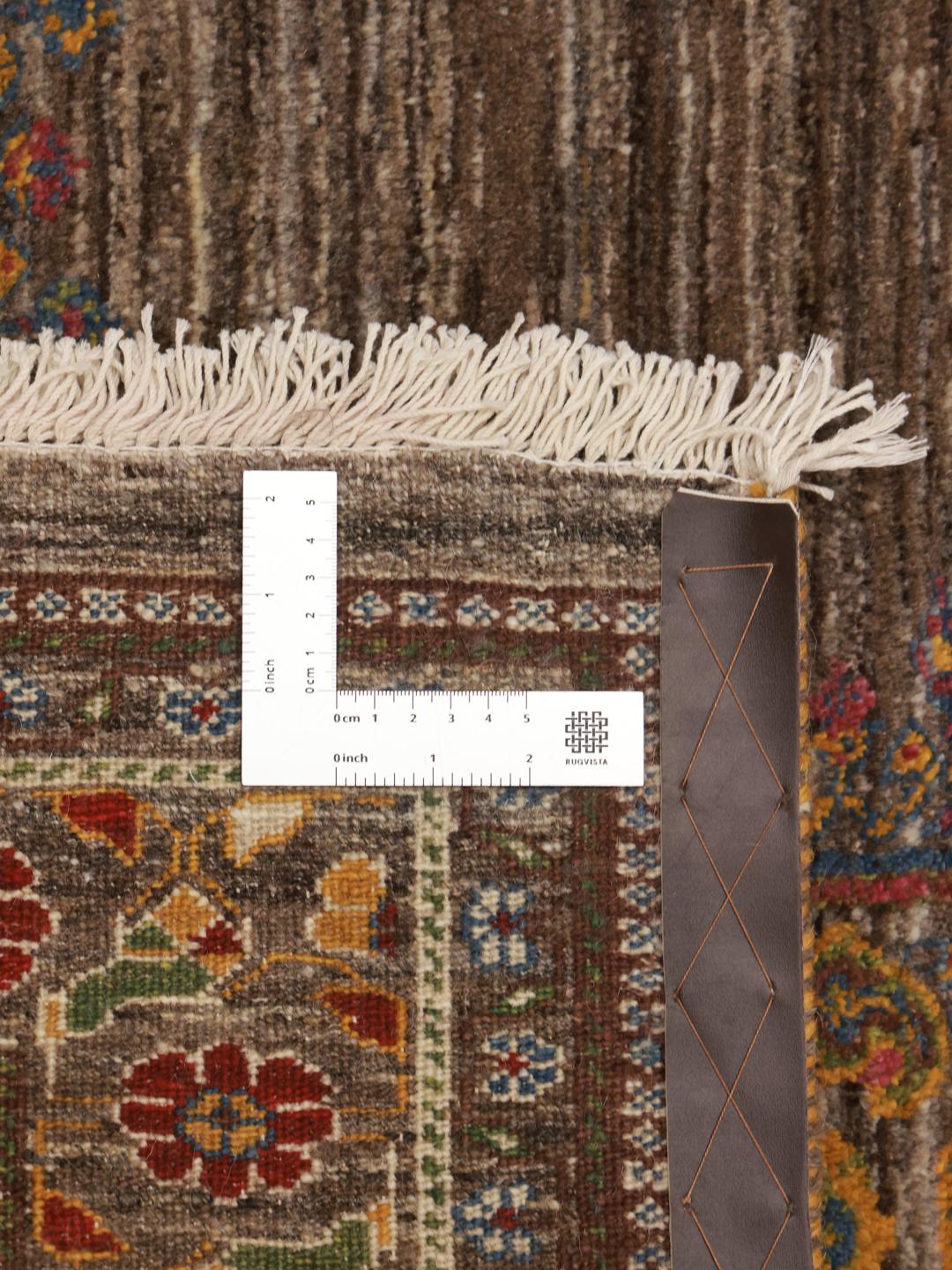
Visually, these rugs often move away from the rigid, geometric formality of city-made carpets, favouring a more artistic and spontaneous approach to design. While they may incorporate traditional motifs, they frequently feature an open field, allowing the natural colour variations of the wool to take centre stage. This rug displays a sophisticated balance of classic border elements and a more free-form, expressive centre, showcasing the weaver's ability to blend tradition with individual creativity.
Collectors value these rugs not only for their aesthetic appeal but for what they represent in terms of cultural continuity. Owning a Loribaft means preserving a centuries-old craft that relies on human intuition and manual dexterity rather than industrial machinery. Each rug acts as a historical document of the weaver's environment and personal narrative, making them enduring investments for any home dedicated to authentic craftsmanship.