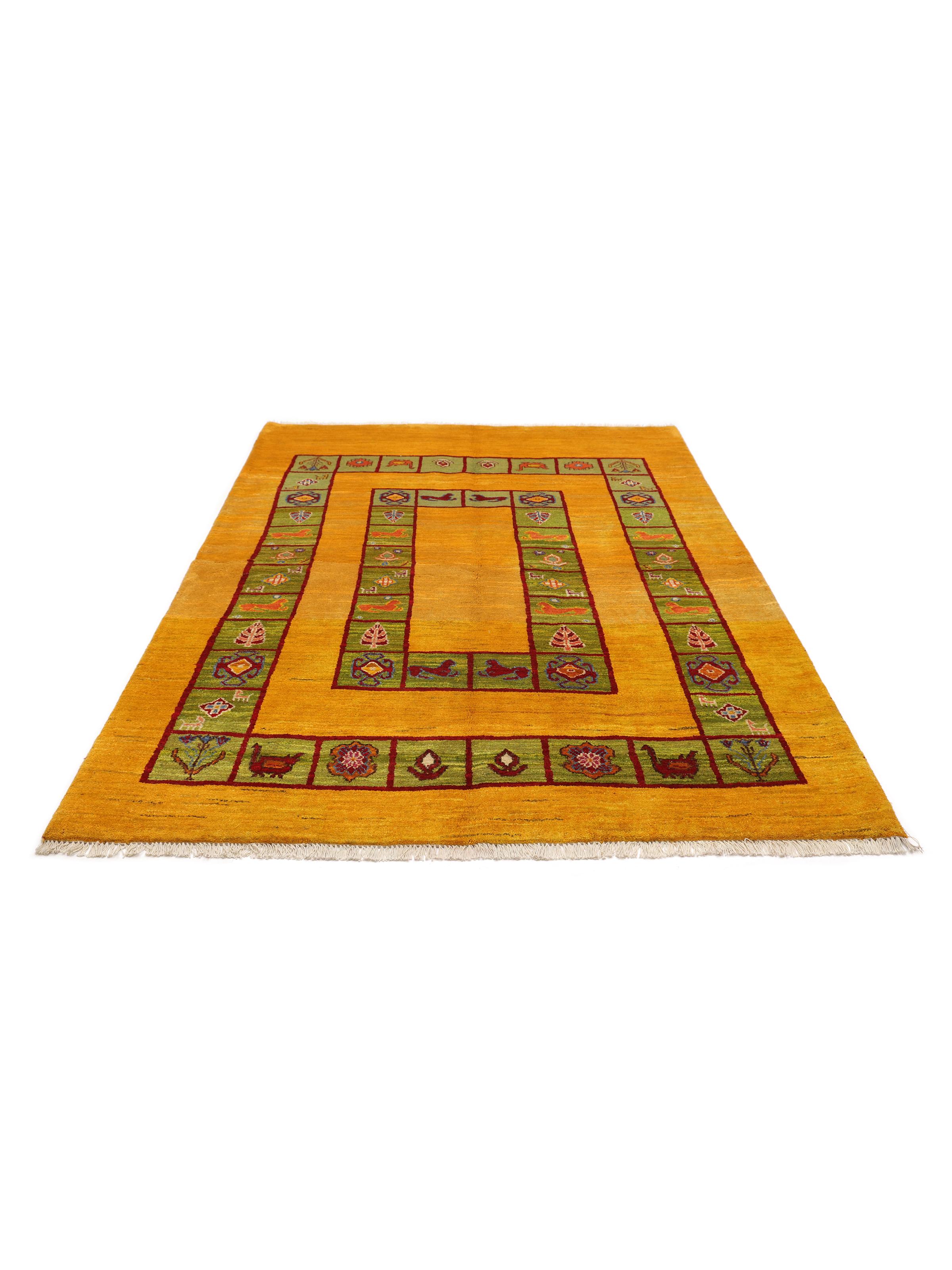
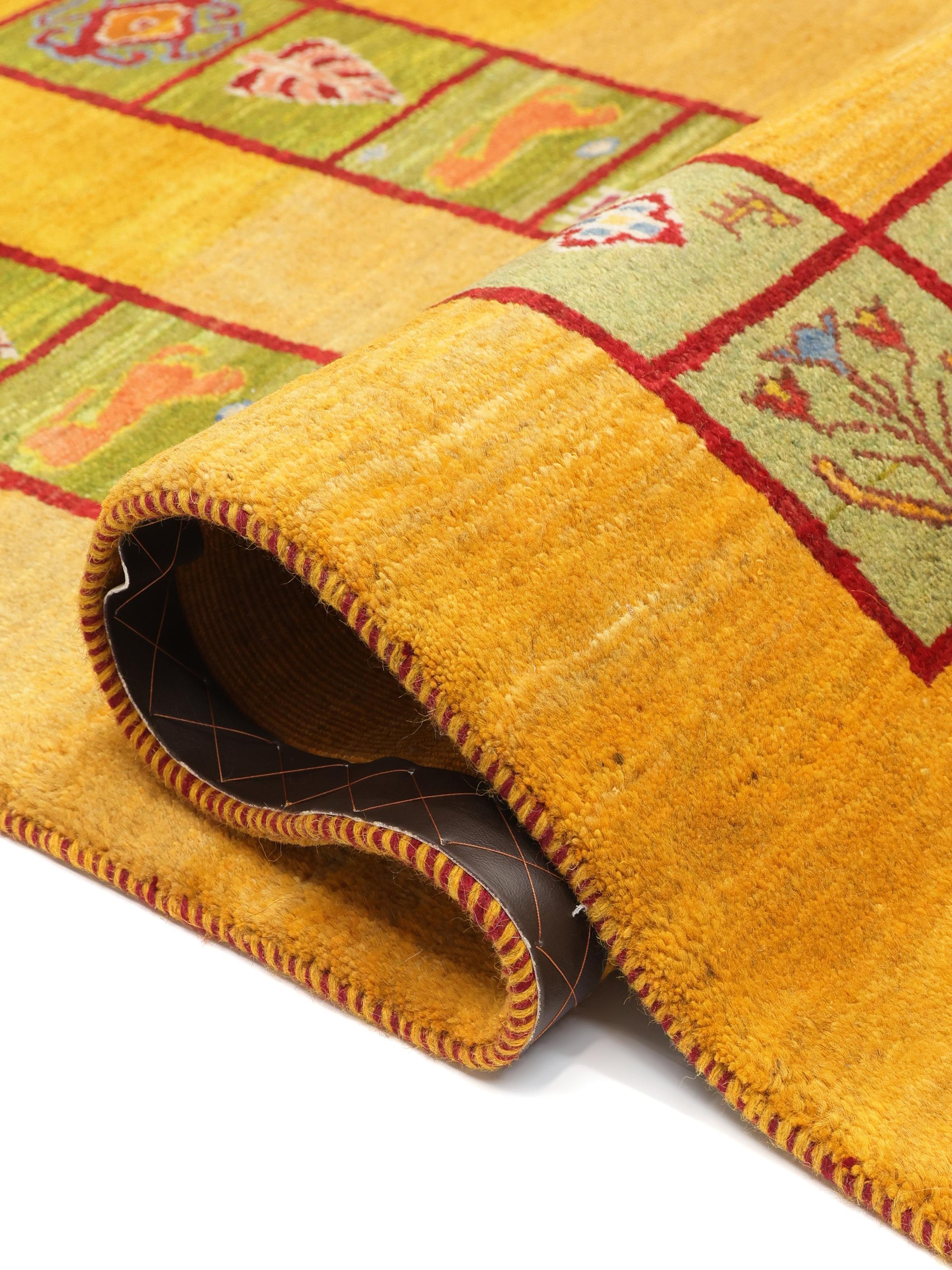
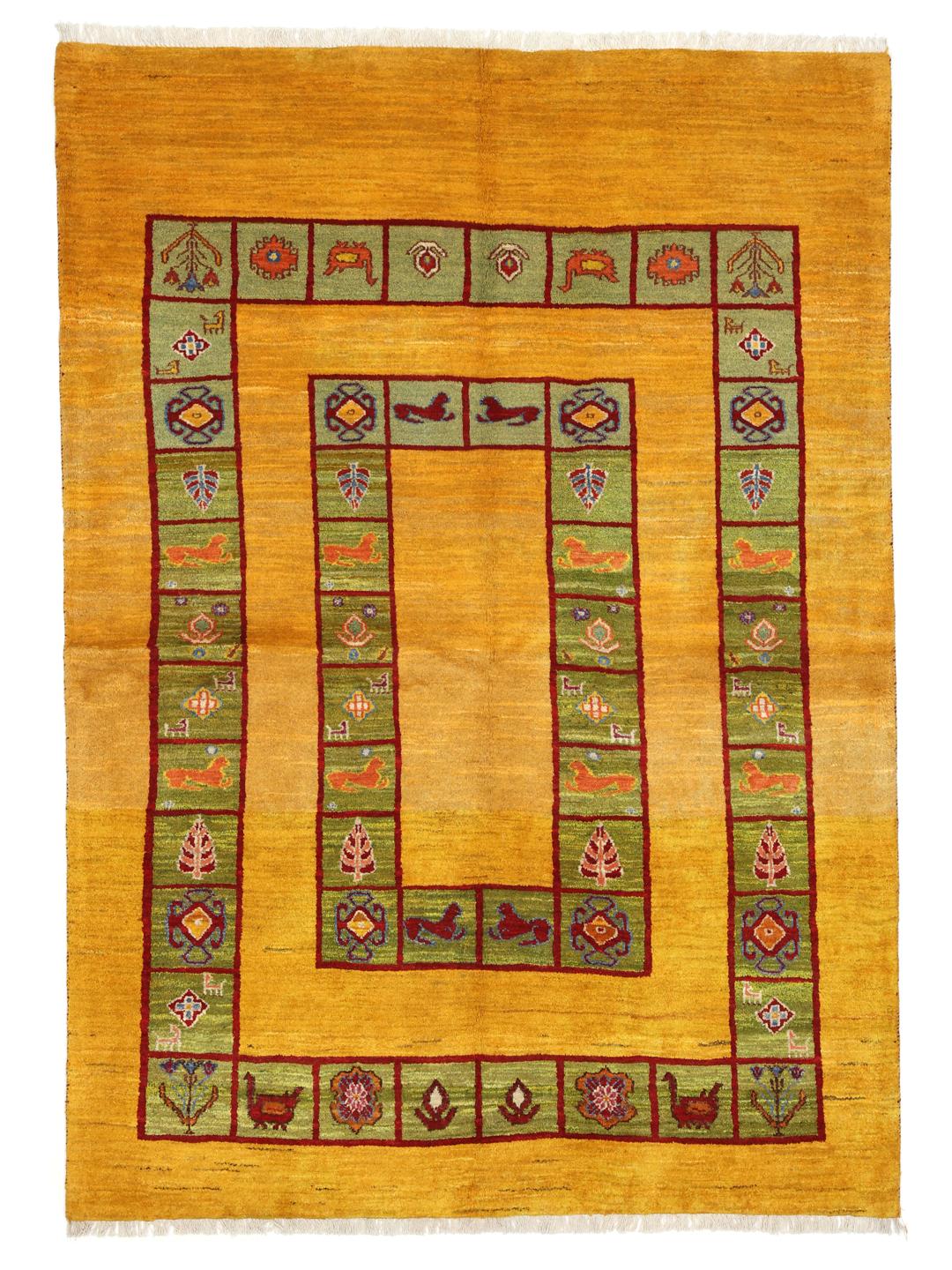
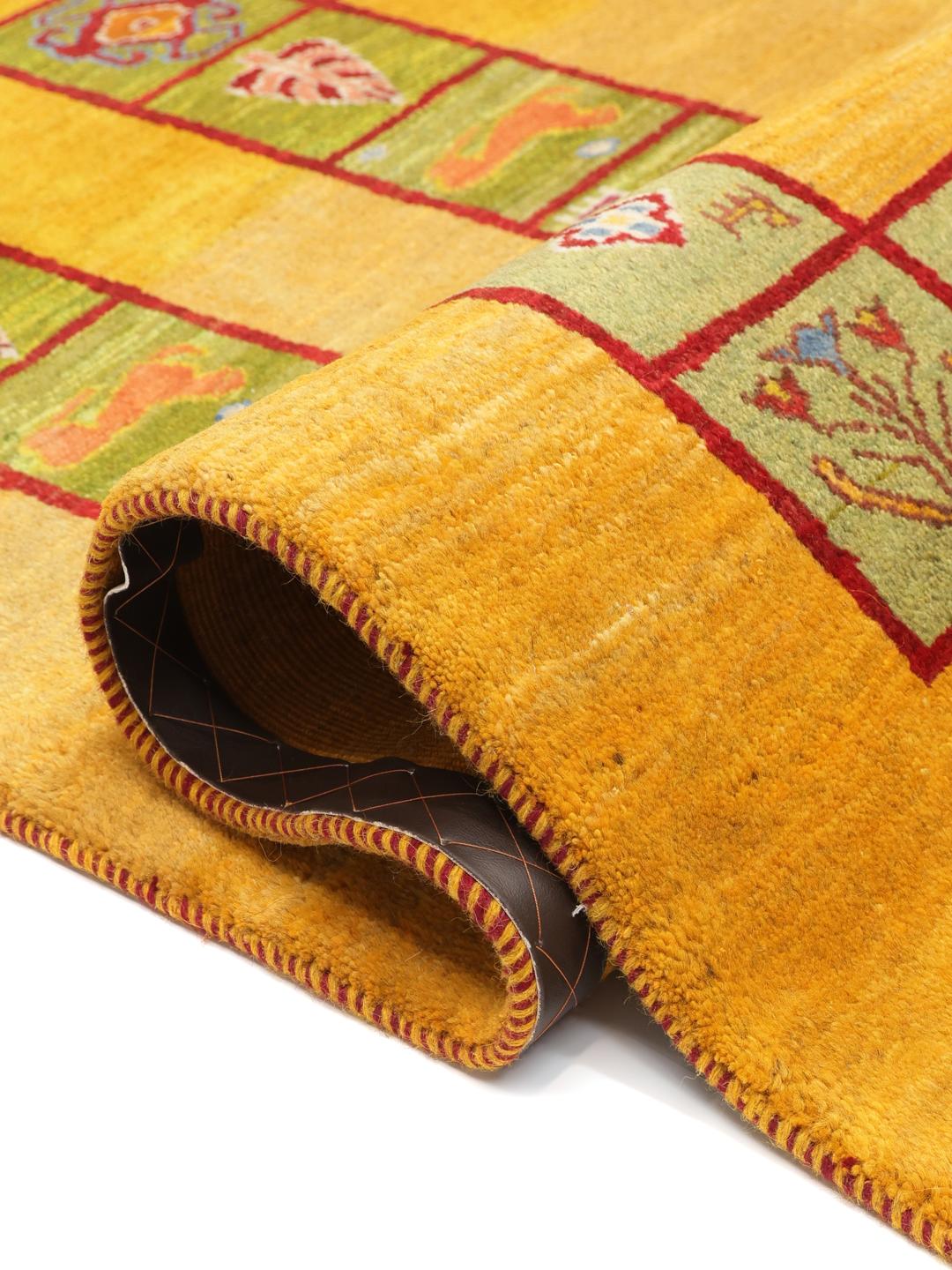
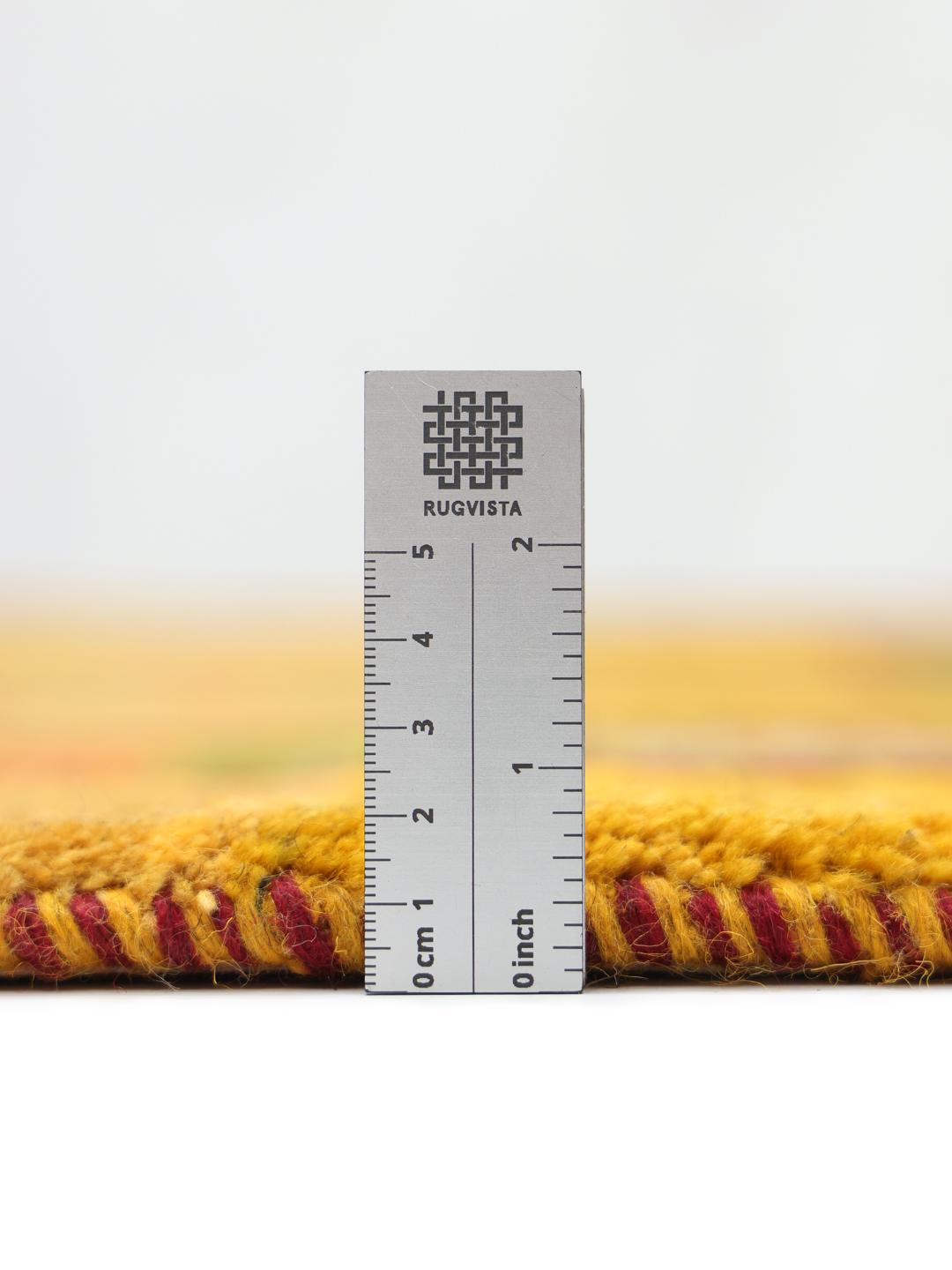
Loribaft rugs are deeply rooted in the nomadic traditions of the Middle East, specifically associated with the Luri and Qashqai tribes. These rugs were historically created for practical use within nomadic tents, serving as bedding, floor coverings, and saddlebags. Over time, their utility evolved into an art form, with weavers incorporating memories of their landscape and cultural symbols into the wool, effectively turning the rug into a visual diary of tribal life.
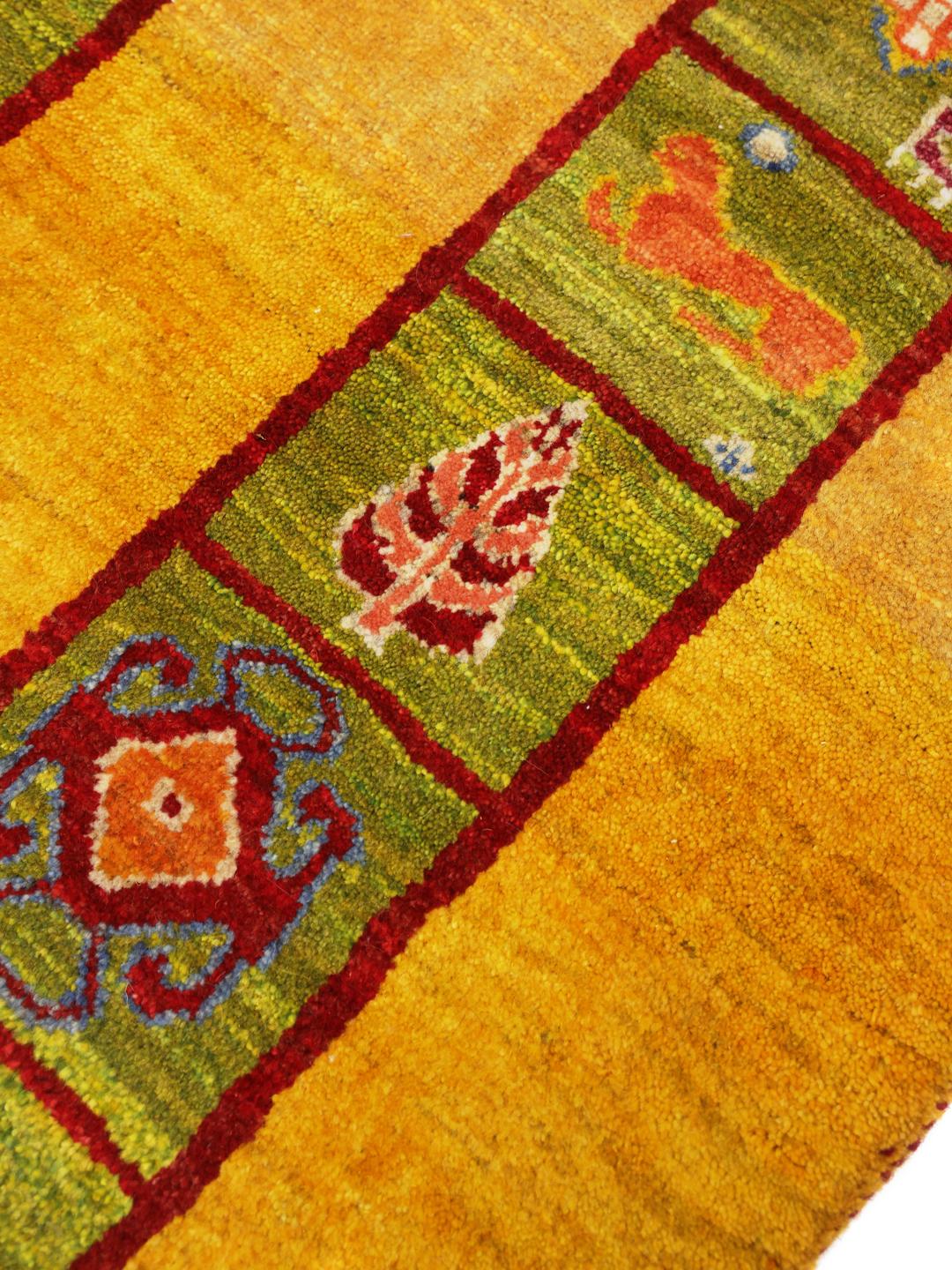
The term Loribaft refers to a style of weaving that emphasises a thicker, softer pile compared to the more formal, tightly knotted rugs found in urban centres. This style is closely related to the Kashkooli tradition, which is known for its more refined execution and creative use of space. The use of hand-spun wool is central to this craft, as it retains natural oils that provide a subtle sheen and incredible durability, ensuring that the rug remains resilient against the elements and daily wear.
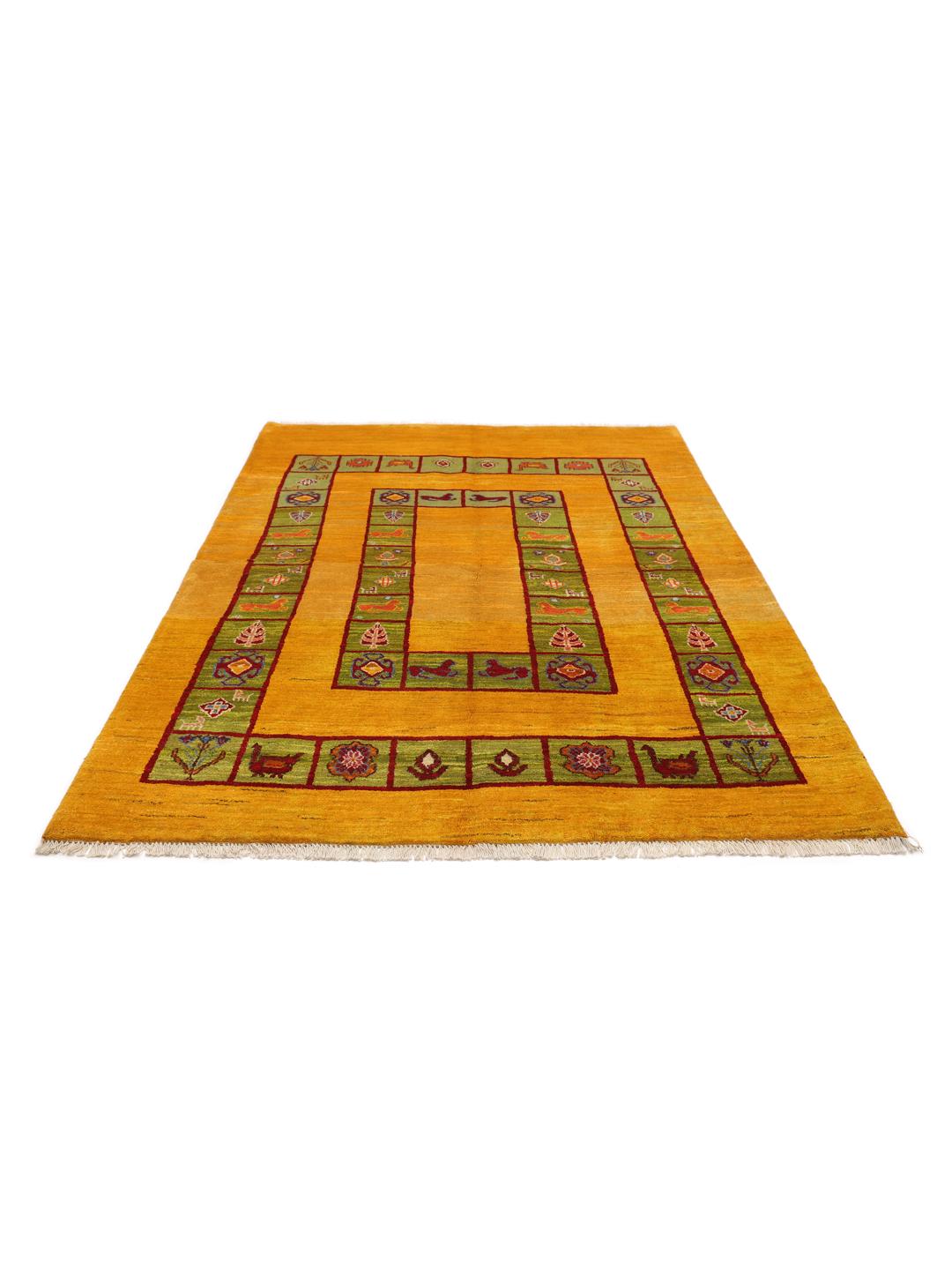
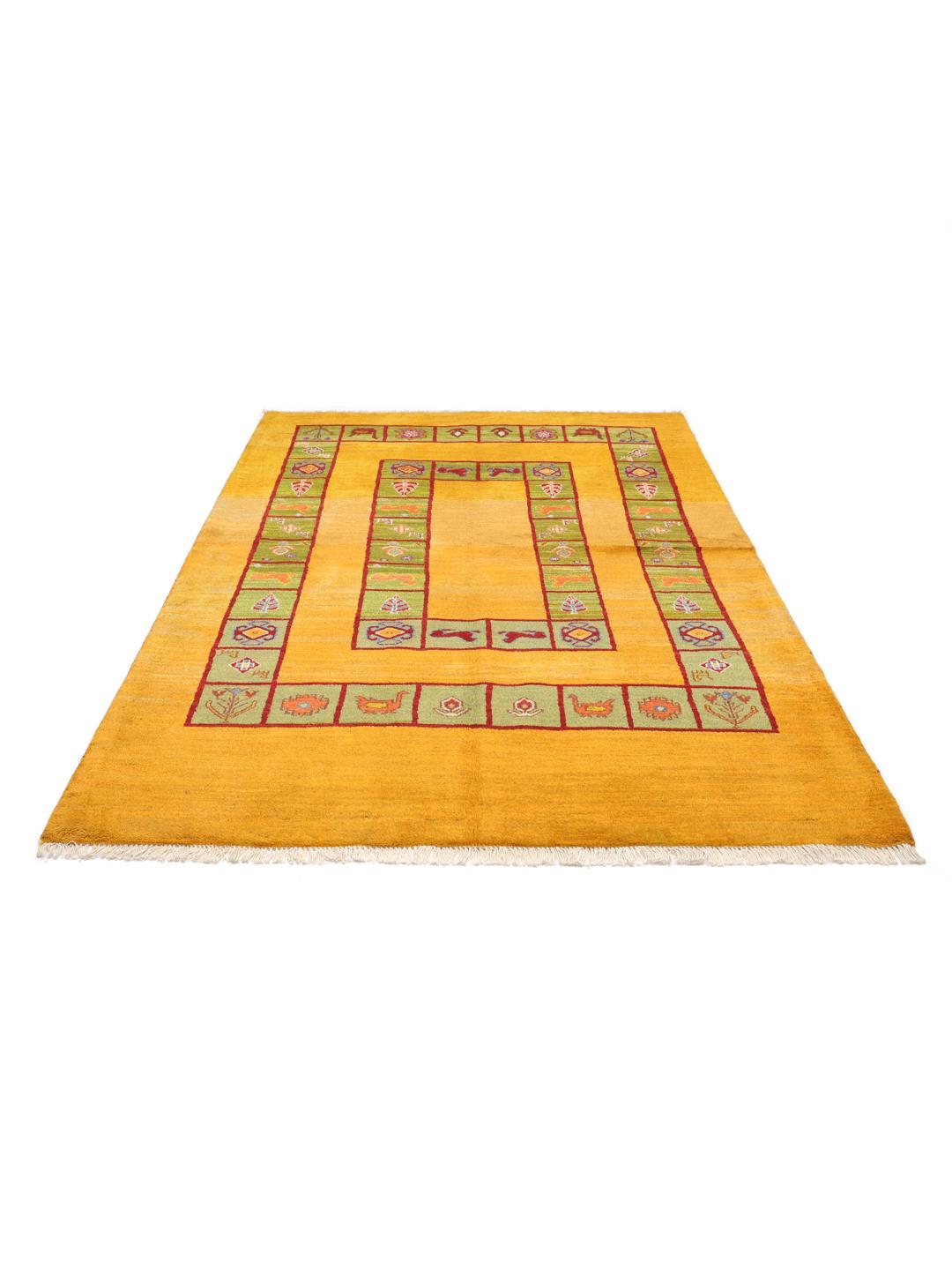
The design of this specific piece is a beautiful example of the tribal visual language, where the field is often broken into geometric compartments or medallions. The motifs depicted—such as animals and stylised trees—are not merely decorative; they are symbolic representations of the weaver's environment and aspirations. The use of a vibrant yellow field is particularly evocative of the arid, sun-drenched landscapes of the region, providing a warm contrast to the cooler tones found in the border panels.
Collecting a Loribaft rug is an opportunity to own a piece of living history. These rugs are valued not just for their aesthetic appeal, but for the connection they offer to a way of life that has persisted for centuries. By choosing a hand-knotted piece, you are supporting the continuation of ancient techniques and celebrating the skill of the artisans who maintain this heritage, making your home a place of cultural depth and authentic beauty.