Loribaft rugs are deeply rooted in the nomadic traditions of the Middle East, specifically associated with the Luri and Qashqai tribes. These rugs were historically woven by nomadic families to provide insulation and comfort in their tents, reflecting a lifestyle that values both functionality and artistic expression.
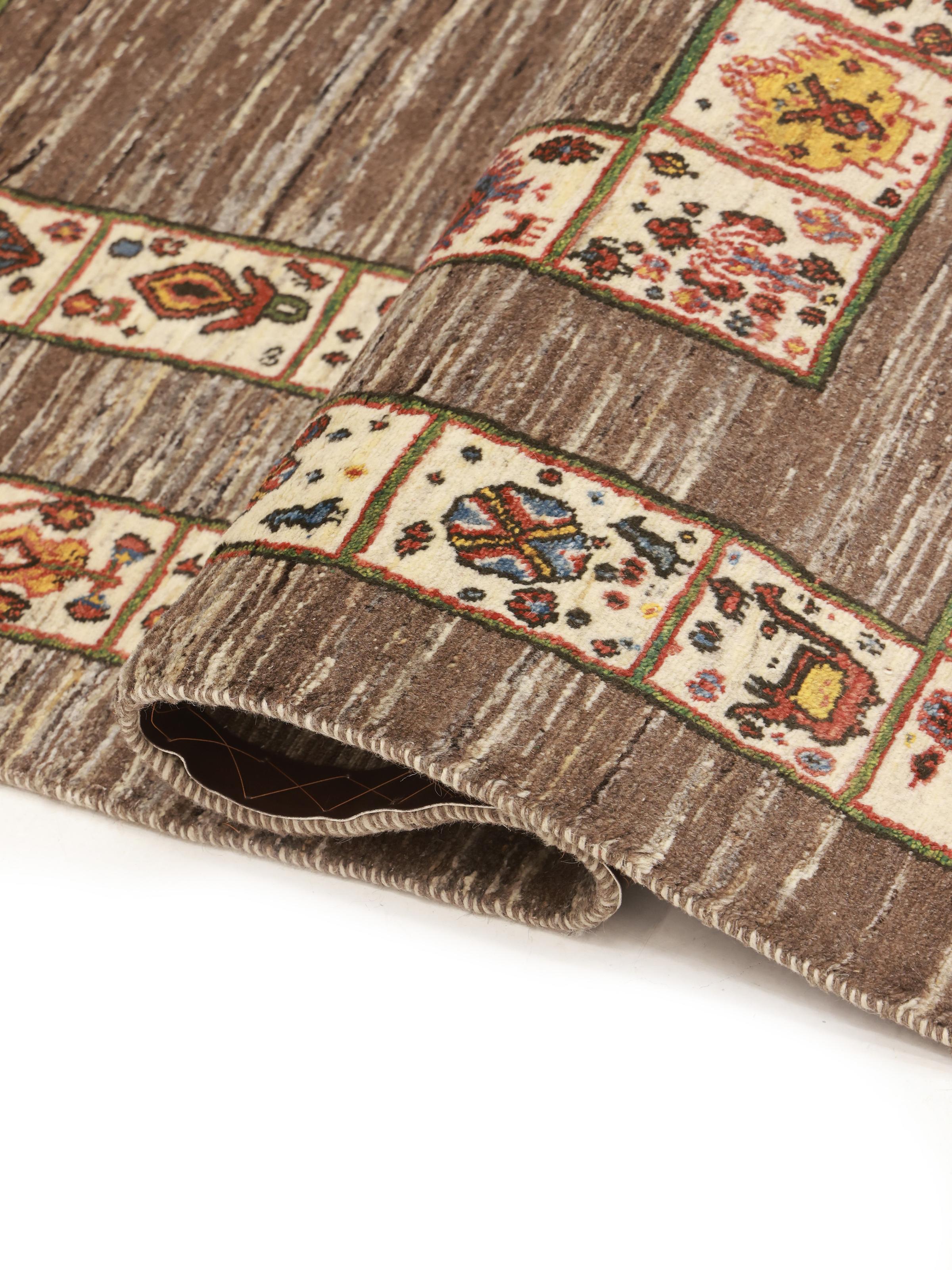
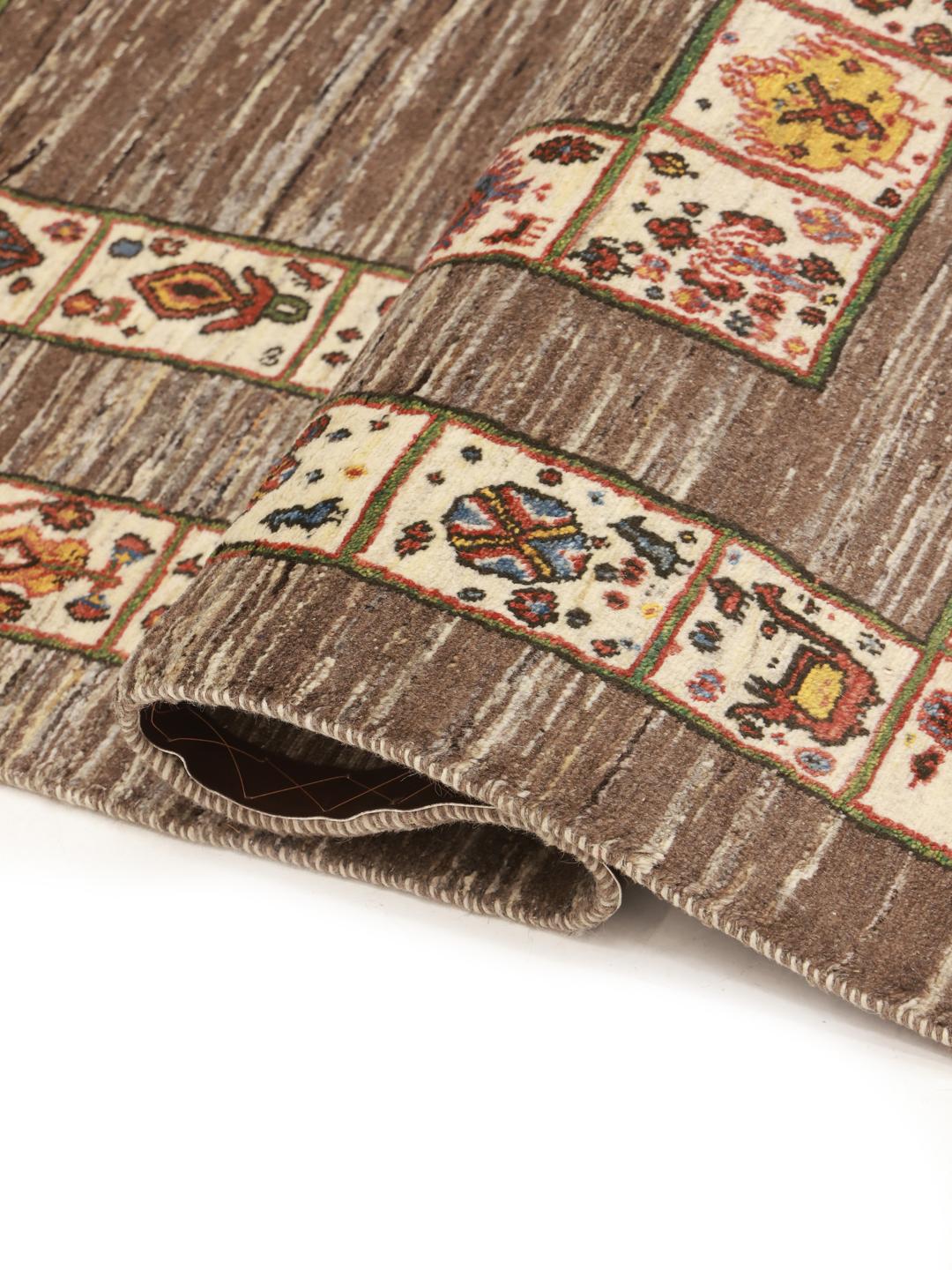
The term 'Baft' refers to the weaving process, and Loribaft rugs are celebrated for their thick, plush piles and simplified, bold designs. Unlike the more complex, curvilinear patterns seen in formal city rugs, these pieces often feature open fields and stylized tribal motifs that speak to the weaver's personal interpretation of their surroundings.
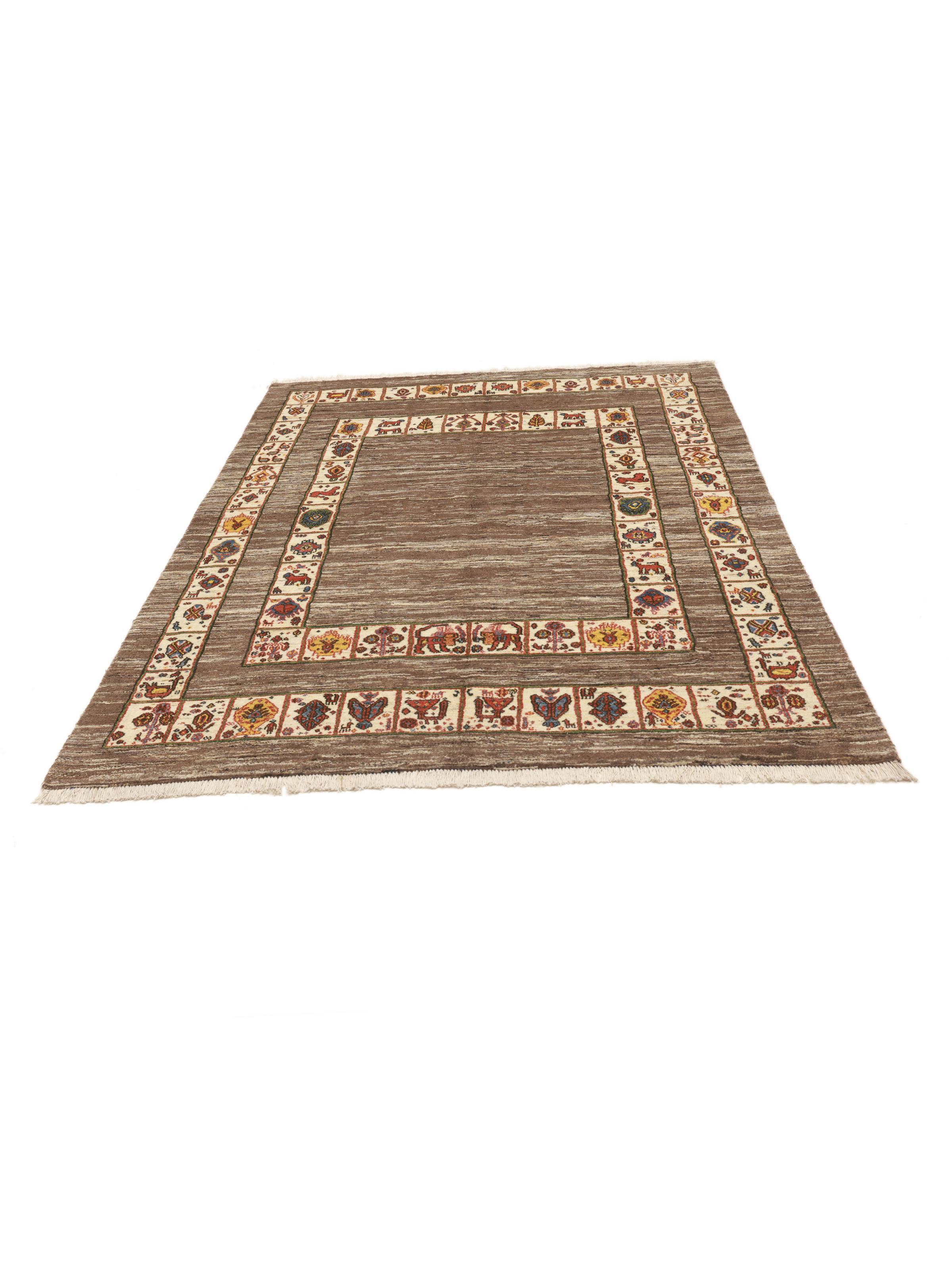
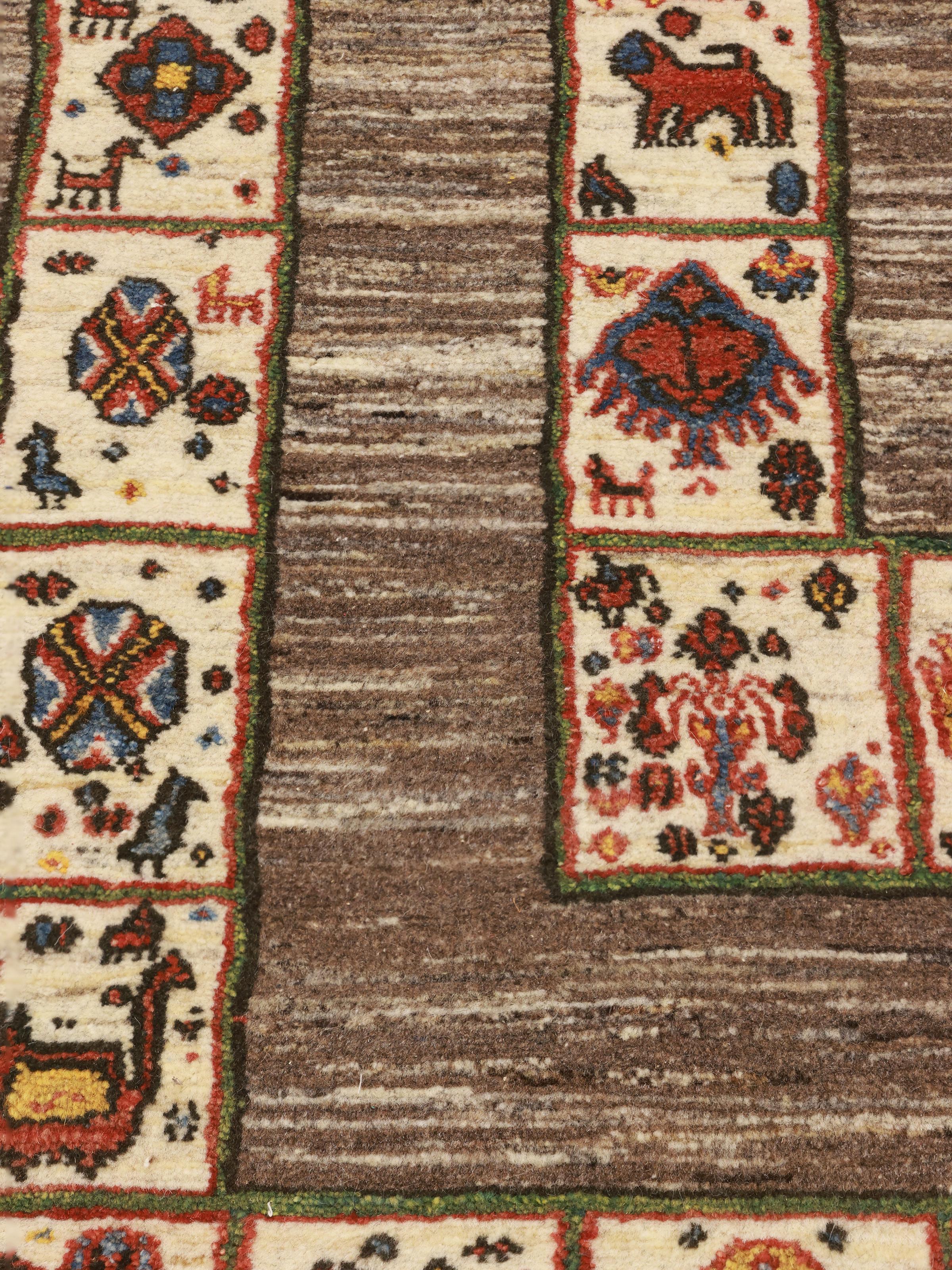
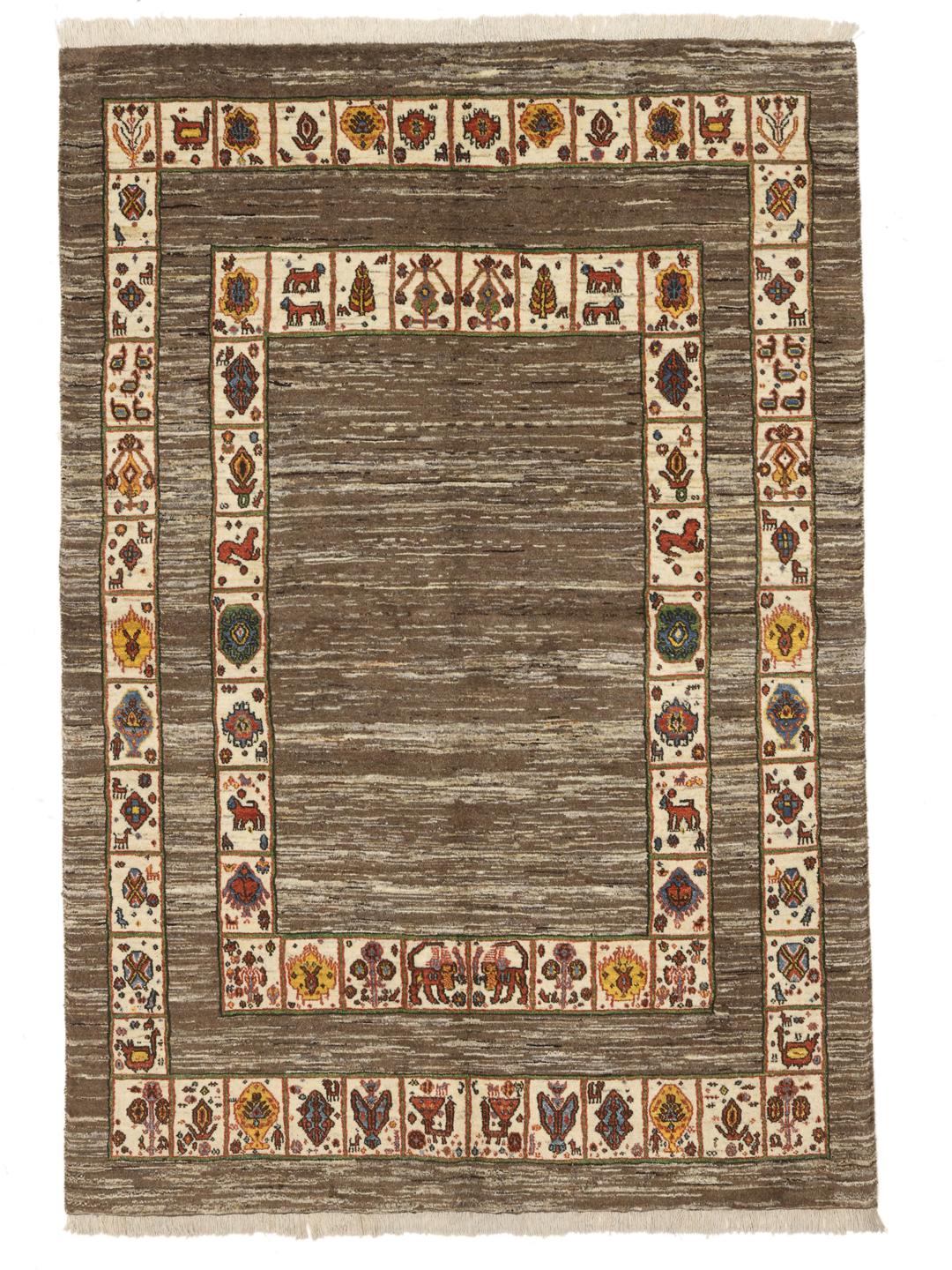
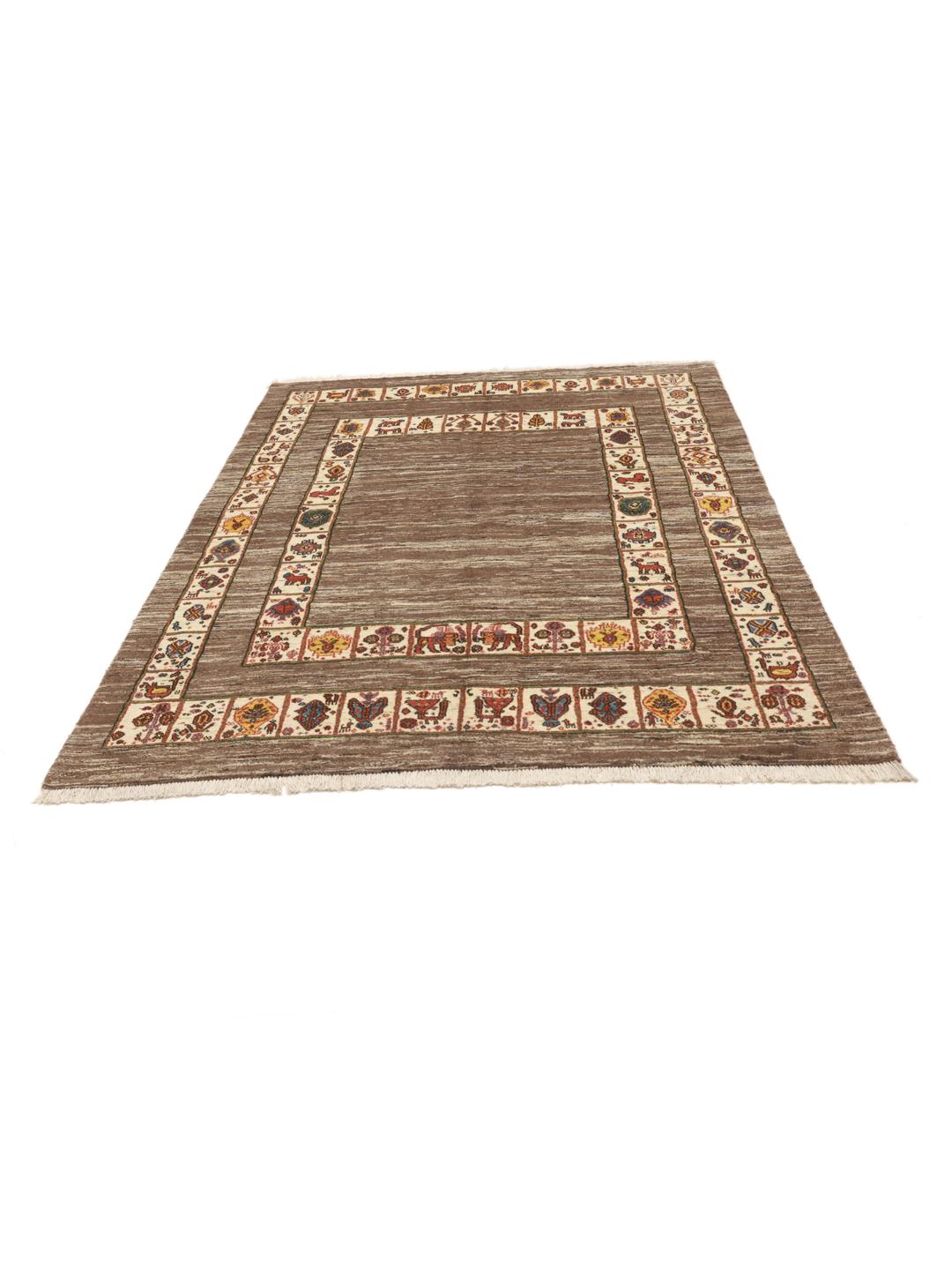
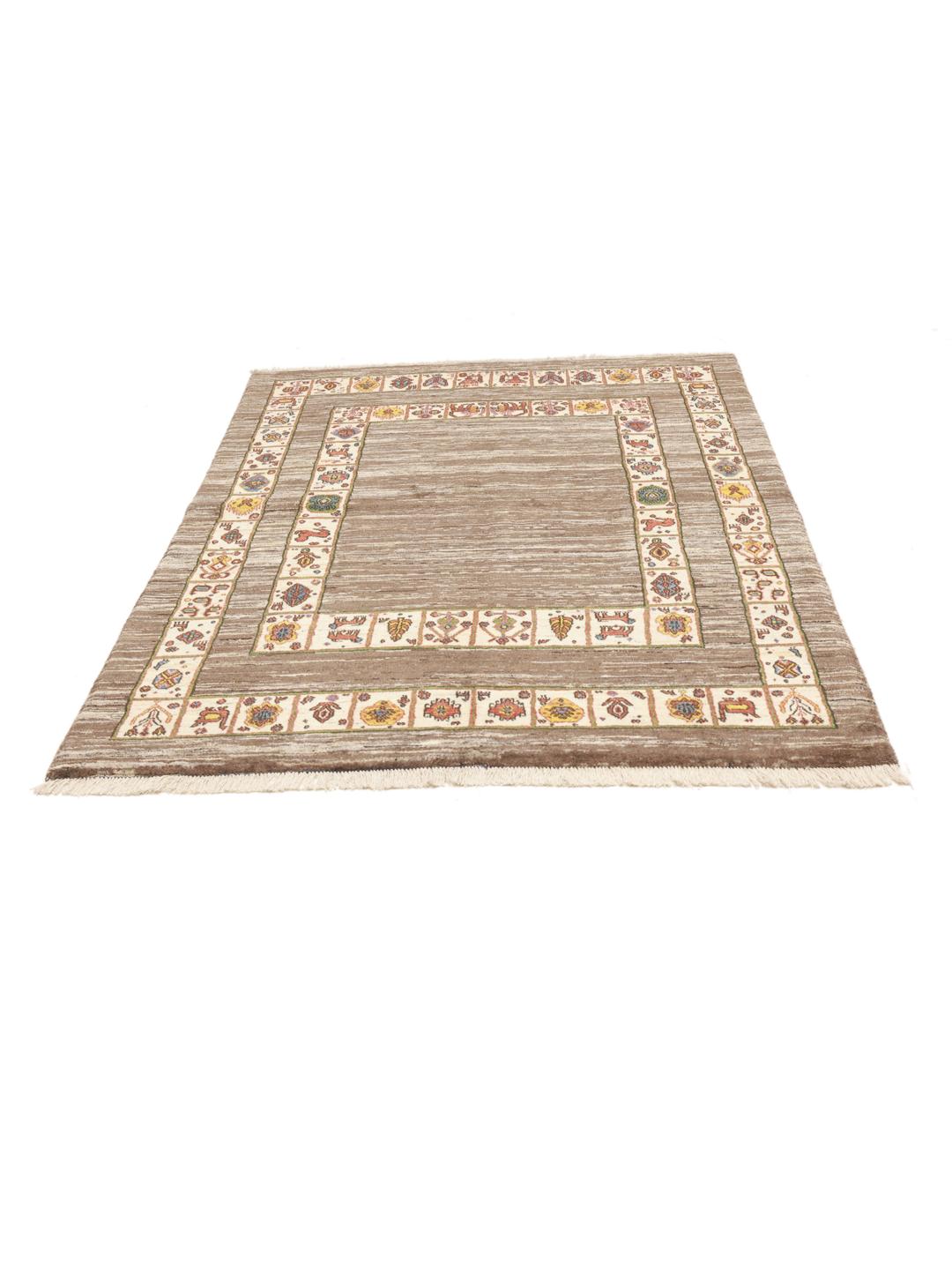
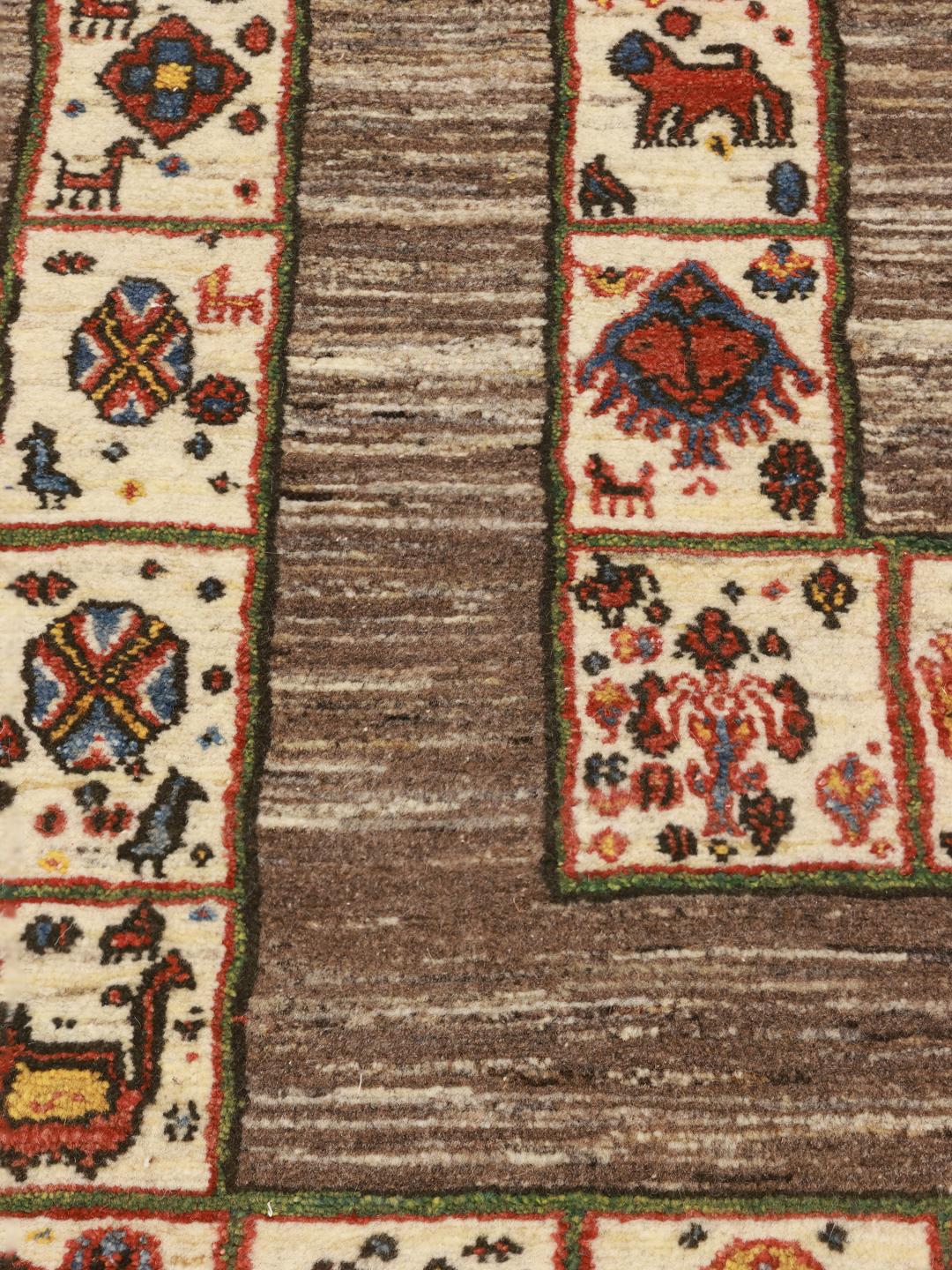
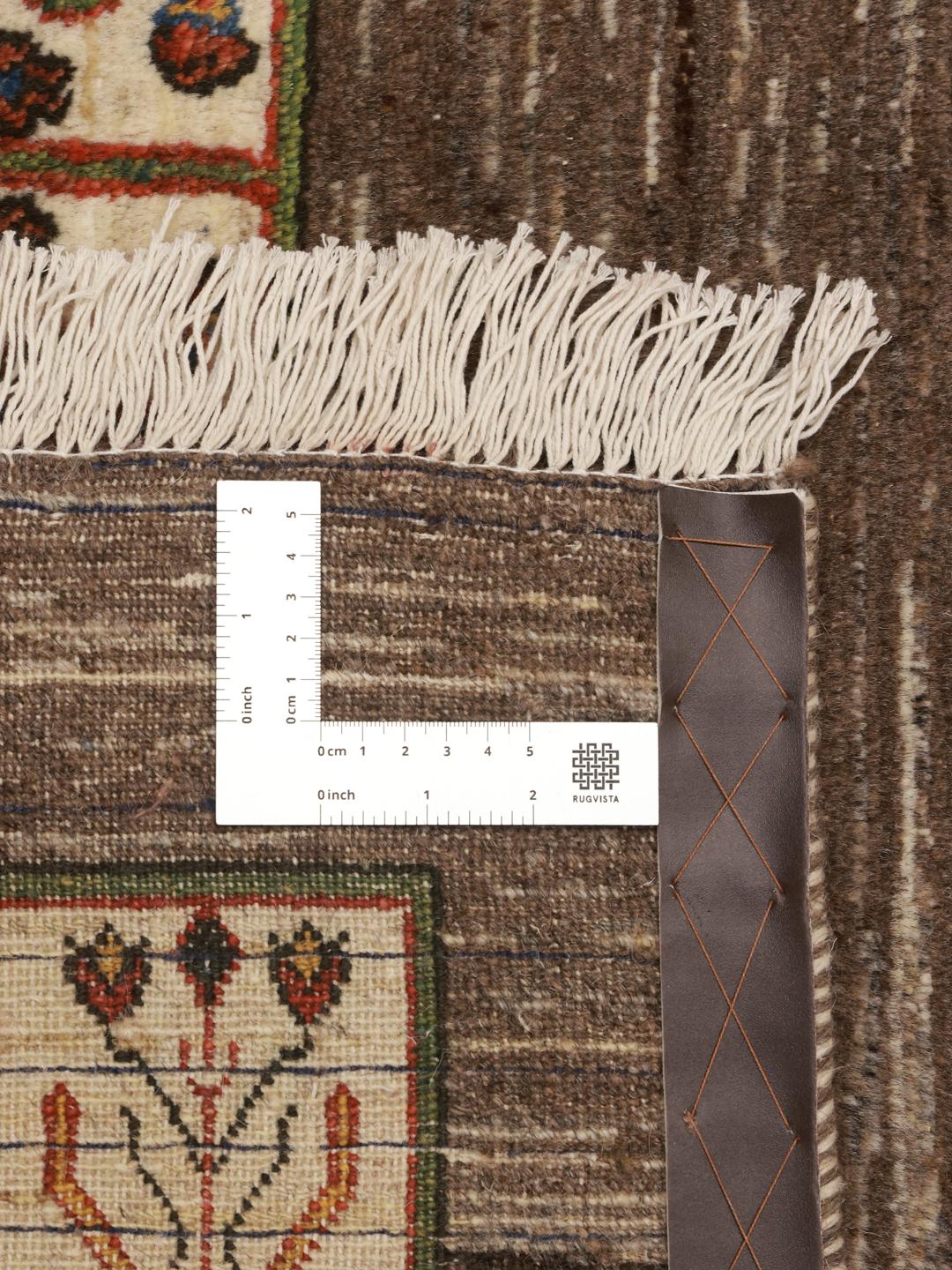
The visual language of a Loribaft often includes symbols of nature, animals, and tribal heritage. This particular rug features a striking border of medallions and animal motifs, which are characteristic of the expressive, storytelling nature of these weaving traditions.
Owning a Loribaft is an investment in cultural heritage. Because they are still made using age-old techniques that have been passed down through generations, these rugs represent a direct connection to a vibrant, living history of nomadic craftsmanship and skill.